Review · TOKYO TOURS
LGBTQ+ Tokyo Then and Now
Tokyo has a queer side street.
This 3-hour tour stitches together Shinjuku 2-chome and the calmer streets of Asakusa, with food and drinks that make the history stick. I love how the guide explains the past and shows you the present in one smooth night, but you should come ready to walk and stand for stretches, so bring comfortable shoes.
I also like the small group format, limited to 6, which keeps questions coming and the vibe friendly. Guides you might meet include Hiroshi (Hiro), Matthew, Toru, Yeman, and Mayo, and their common thread is an insider, plainspoken way of answering your what-and-why questions in English.
In This Review
- Key things I’d plan for
- Tokyo’s queer map: Asakusa to Shinjuku 2-chome in 3 hours
- Price that feels fair for the amount of night it packs in
- Meeting point at Kamiya Bar, and how the evening unfolds
- Asakusa stop: start with context, not just a quick look
- Shinjuku walk: reading the city through Japanese social rules
- Dinner at the local restaurant: a calm moment with real taste
- Into 2-chome: the heart of the scene, walked with a map in your head
- Bar stop: one more drink, and less guesswork about where to go next
- Who this tour suits best (and who should skip it)
- Should you book LGBTQ+ Tokyo Then and Now?
- FAQ
- Where is the meeting point?
- How long is the tour?
- What language is the guide?
- How big is the group?
- What’s included in the price?
- Is transportation included?
- Are vegetarian options available?
- What are the age rules for joining and drinking?
- What if I need flexibility, or I’m traveling solo?
Key things I’d plan for

- Asakusa first, then Shinjuku, so you see Tokyo’s contrast before the nightlife hits
- Shinjuku 2-chome explained up close, not just namedropped on a map
- Honne tatemae and public affection rules, and how those shape queer life you’ll notice on the street
- A local restaurant stop with a light dinner, one included drink, and veg options
- A bar stop with one more drink, plus practical guidance on where different vibes fit
- Groups up to 6, often private in practice, led by an English-speaking guide
Tokyo’s queer map: Asakusa to Shinjuku 2-chome in 3 hours
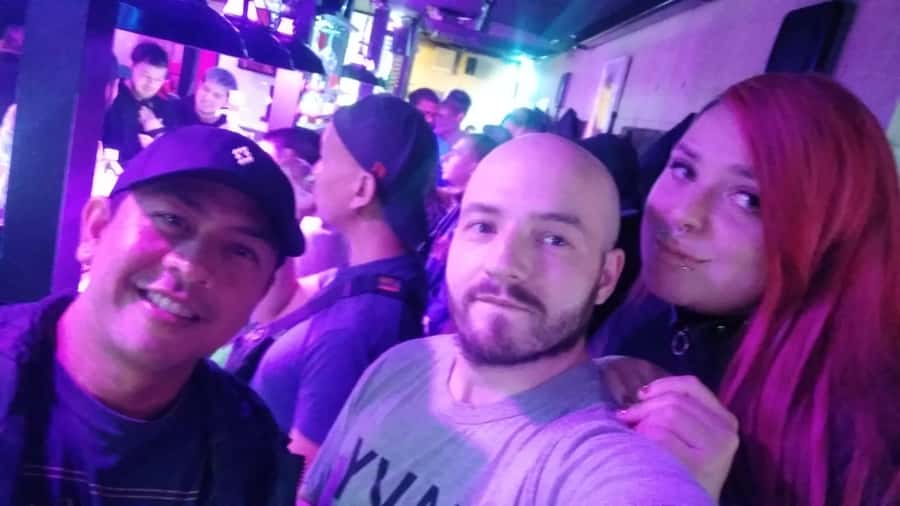
Tokyo can feel like a city of locked doors. Not because queer life is absent, but because social rules encourage people to keep their public face neat and private life personal. This tour helps you read that pattern, and then it points you to the places where community life gathers.
You’ll spend the evening moving through two different areas, starting in Asakusa and shifting into Shinjuku. The goal is simple: get you oriented fast, then give you context so you understand what you’re seeing, even if you don’t read Japanese street signs.
The tone matters. This is not a lecture that leaves you standing still. It’s a walking experience with stops for food, a couple of drinks, and guide-led discussion as you go.
Other things to line up in Tokyo:
- Mt Fuji and Hakone 1-Day Bus Tour Return by Bullet Train
★ 5.0 · 26,383 reviews - 1-Day Tokyo Bus Tour
★ 5.0 · 14,250 reviews - Tokyo: TOKYO SKYTREE® Admission ticket
★ 4.5 · 11,192 reviews
Price that feels fair for the amount of night it packs in
At $95 per person for a 3-hour outing, you’re paying for three things at once: a small group guide, meals and drinks, and the fact that you’re going to places you might miss on your own.
Here’s what’s built in: a light dinner with one drink, plus one additional drink at the bar stop. You’ll also take one subway ride where you’ll need 270 yen. Once you factor in at least one meal and two drink moments, the price starts to make sense for a guided night out, especially in a city where your time is often the most expensive thing you spend.
Also, you’re not stuck with a huge crowd. That small group size can make the difference between a generic tour and a conversation-driven one, and you’ll feel it during question time.
Meeting point at Kamiya Bar, and how the evening unfolds
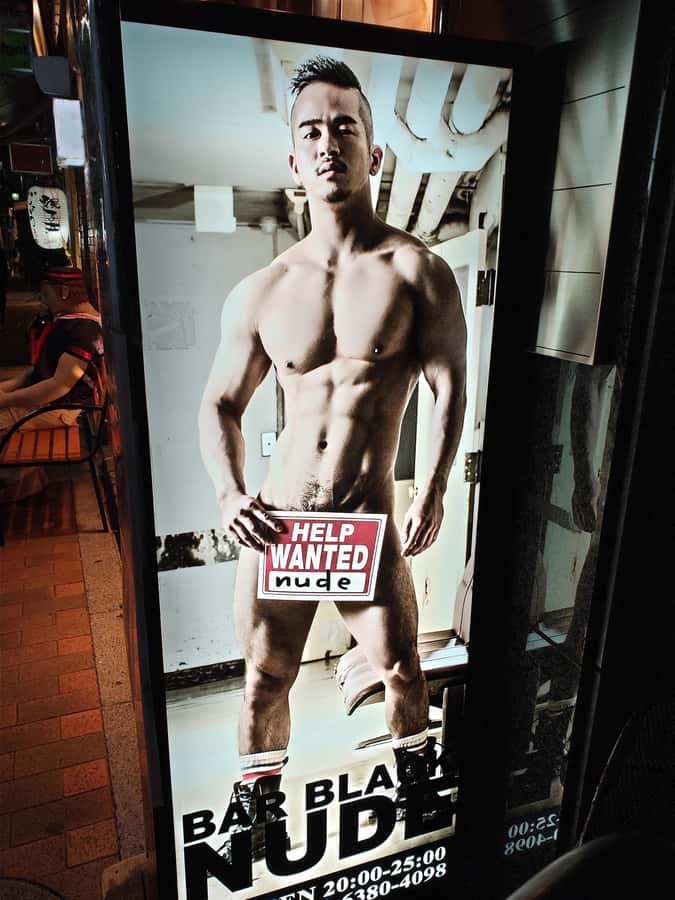
You’ll meet on the corner outside Kamiya Bar, at the Kamiya Building area (神谷ビル). That matters because the tour begins in an actual nightlife zone, not in an office lobby.
From there, the rhythm is straightforward:
- Asakusa for about an hour, with guided sightseeing and walking
- Shinjuku for about 45 minutes, a guided walk and district context
- A local restaurant for about 30 minutes, light dinner plus drinks
- 2-chome for about 25 minutes, a guided walk focused on the core neighborhood
- A local bar for about 25 minutes, one additional drink
Most of the pacing is walk-and-talk. You’ll likely sit at least during the restaurant portion and the drink stop, but the other segments are active.
Asakusa stop: start with context, not just a quick look
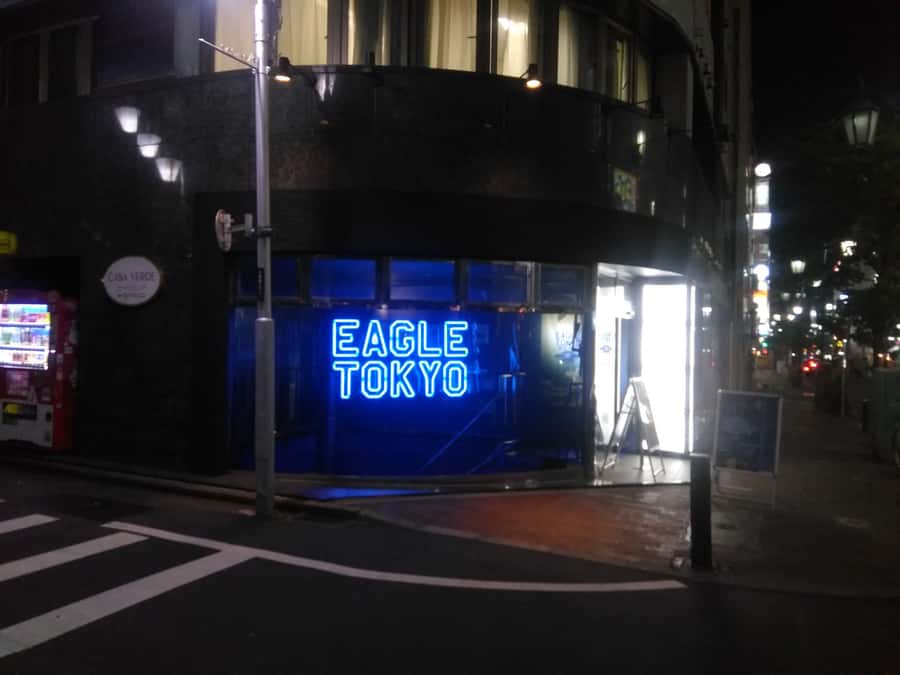
Asakusa is where I’d start any first-time Tokyo orientation. The area gives you a different energy from the fast neon feeling people expect in Shinjuku. On this tour, Asakusa is not treated like a postcard stop. It’s the setup.
You’ll spend about an hour walking and sightseeing while your guide frames how Japan’s cultural approach to public behavior works. The big idea is honne tatemae, meaning the public face you keep up outside and the private self you might express inside your own circles. Add the general lack of public affection expectations, and you get why queer life in Tokyo can look less visible from the sidewalk.
That can be surprising if you come with a Western assumption that queer communities must always be openly loud in public spaces. The guide turns that surprise into understanding. You learn what to pay attention to, and what you can’t judge from the outside.
One practical note: because Asakusa is often a pedestrian-friendly area, it works well for an early part of the tour. Still, it’s dark outside and you’ll be on your feet, so wear shoes you trust.
A few more Tokyo days to weigh up
- Tokyo: teamLab Planets TOKYO Digital Art Museum Entry Ticket
★ 4.6 · 9,779 reviews - Mt Fuji & Hakone Cruise, Drum Show Bullet Train 1 Day from Tokyo
★ 4.0 · 7,413 reviews - Tokyo: Sumo Show Experience with Chicken Hot Pot and a Photo
★ 4.8 · 6,678 reviews - Tokyo: Shinjuku Food Tour (13 Dishes at 4 Local Eateries)
★ 5.0 · 6,603 reviews
Shinjuku walk: reading the city through Japanese social rules
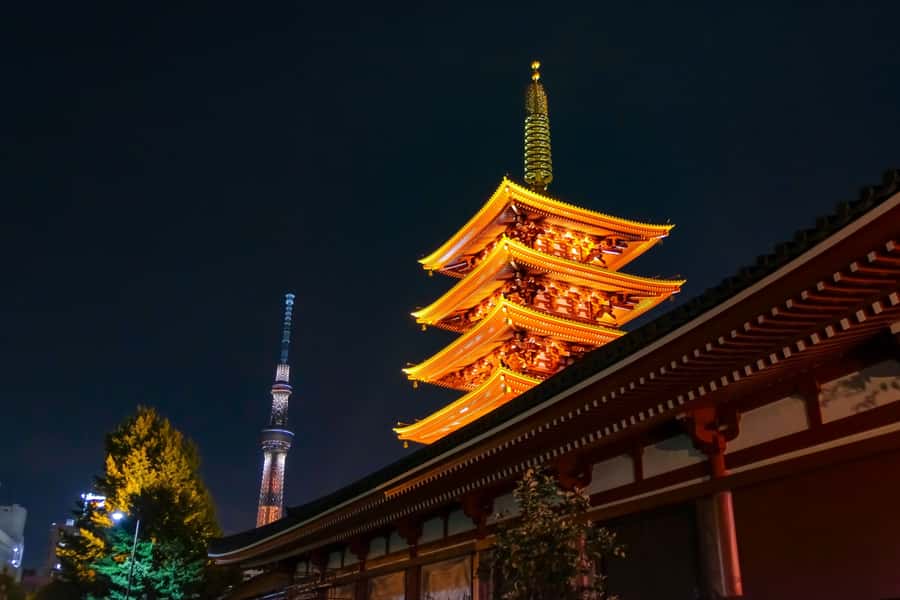
Shinjuku is where the conversation gets more pointed. You’ll have about 45 minutes here, focused on sightseeing and walking through the district.
This is the part that helps you make sense of why Tokyo can feel contradictory at first glance: you might not see much from the main streets, but then the queer neighborhood signals start to appear once you know where to look. Your guide uses cultural framing to connect the dots.
The tour’s message is basically this: you won’t always see queer life through obvious public displays, but that doesn’t mean it’s not there. Instead, it often functions through community spaces, coded familiarity, and subcultures that exist alongside mainstream social expectations.
I like how the guides keep it practical. They don’t only explain history. They connect the past to the present, then point to the places where the present is easiest to experience safely and respectfully as a visitor.
Dinner at the local restaurant: a calm moment with real taste
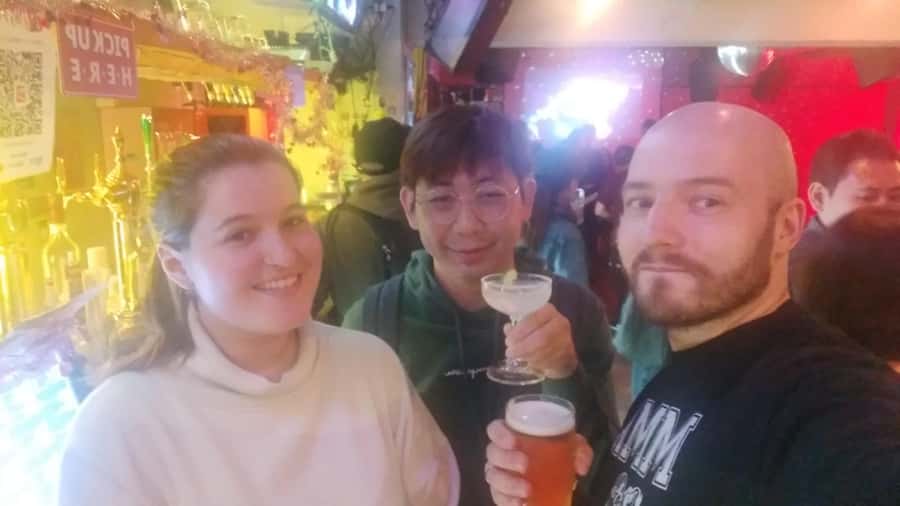
After the district walks, you’ll stop at a local restaurant for about 30 minutes. This is where the tour becomes more than a sightseeing loop.
You’ll get a light dinner plus one included drink. Veg options are available, which is a big win for a food-focused night. You’ll also have a chance to slow down and ask questions without having to talk over street noise.
This is a good part of the evening for two reasons:
- It gives you cultural breathing room, so the conversation isn’t only about nightlife
- It helps you switch modes from watching the city to understanding how people actually relax and eat together
Drinks are part of the flow, but the tour also stays grounded in explanation. The guide uses the meal stop to tie social behavior to everyday life, not just party life.
One rule to plan around: Japan’s legal drinking age is 20. The minimum age to join the tour is 18. If you’re 18 or 19, you’ll want to follow what the guide and venue can serve under local law. Don’t assume you can order alcohol just because there’s a drink on the itinerary.
Into 2-chome: the heart of the scene, walked with a map in your head
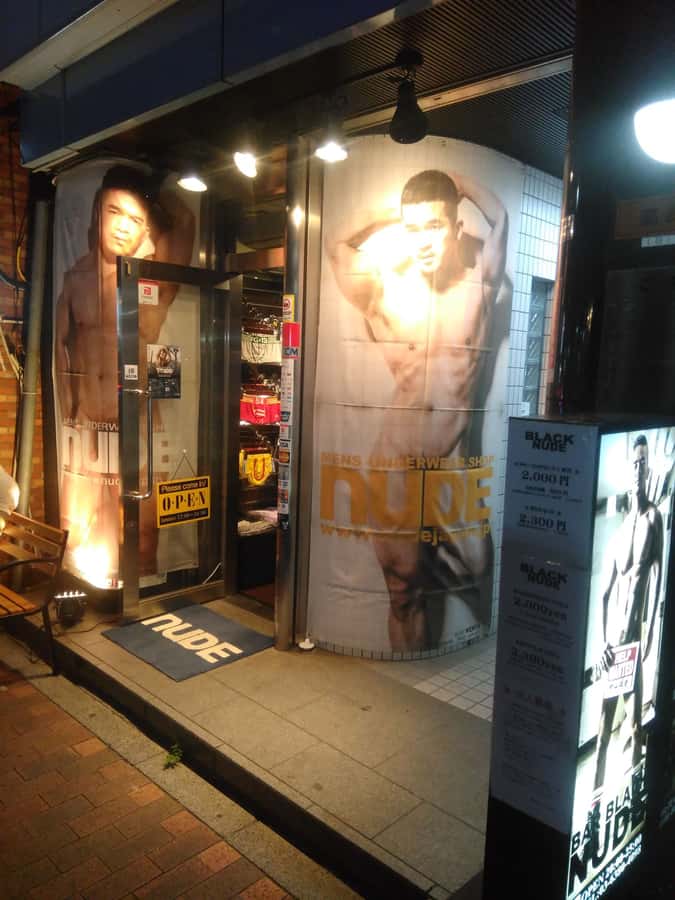
Then you arrive at Shinjuku 2-chome, which is the tour’s core. You’ll spend about 25 minutes in 2-chome with guided sightseeing and walking.
This is not treated like a museum exhibit. It’s treated like a living neighborhood with its own logic. You’ll learn the kinds of bars and vibes you can expect, and your guide can help you understand categories that matter in Japan’s queer spaces. In the past, many communities had to build their own safe corners when discrimination rules were limited or absent. Today, those spaces still shape what you’ll find on the street.
One review theme I’d take seriously is how guides can explain which places feel more foreigner-friendly and which feel more members-only. Even if you don’t plan to bar hop afterward, this kind of guidance saves you from accidental missteps.
Also, because the neighborhood is active, you may see signs of events or special moments happening nearby. Your guide is the person most likely to point them out in real time.
From a visitor perspective, this part is why the tour has value. In a city as large as Tokyo, walking into the right streets on your own can take time, nerves, and trial and error. Here, you get the street-level interpretation as you go.
Bar stop: one more drink, and less guesswork about where to go next
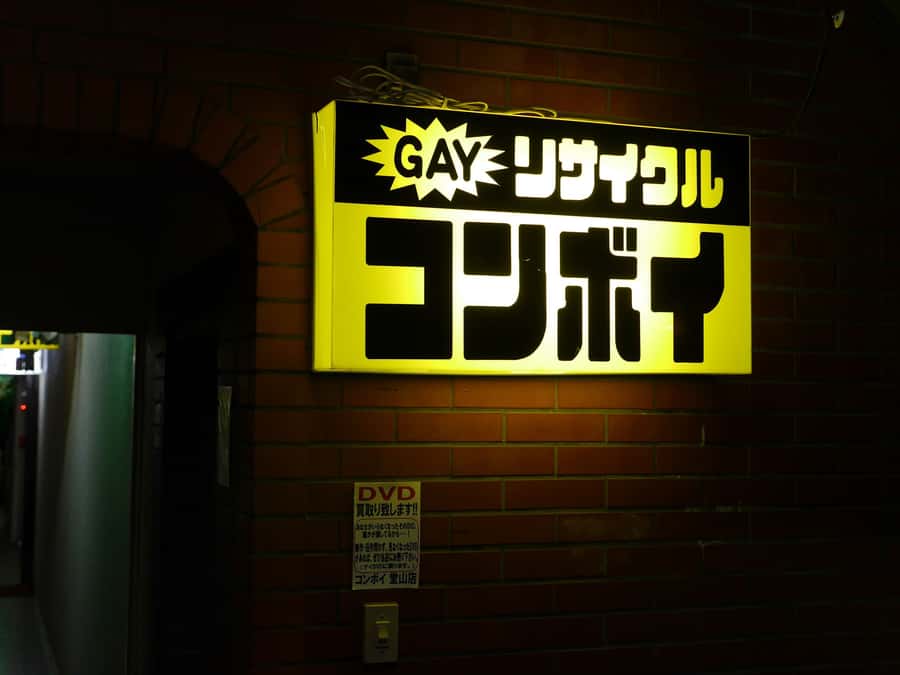
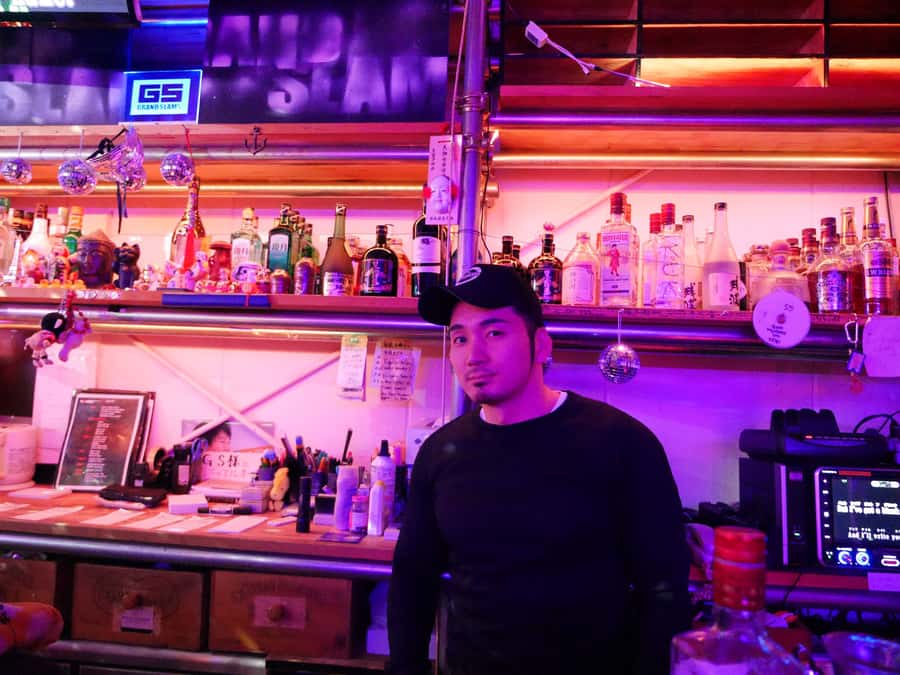
The final stop is a local bar for about 25 minutes, with one additional drink included. This is where the tour finishes with a social moment, not just a handshake and goodbye.
The bar stop helps you do two useful things:
- Put people at ease after walking, so your questions can keep flowing
- Get a practical sense of what kind of venue you might want to seek out later
If you’re new to Tokyo nightlife, it’s easy to feel lost. This final segment gives you a reference point. You can compare later bars you find on your own to the vibe you experienced with your guide.
The guide also tends to be the one who can translate the social cues you’ll notice, like how a venue’s tone might feel different from another one nearby. That translation is what you pay for here.
Who this tour suits best (and who should skip it)
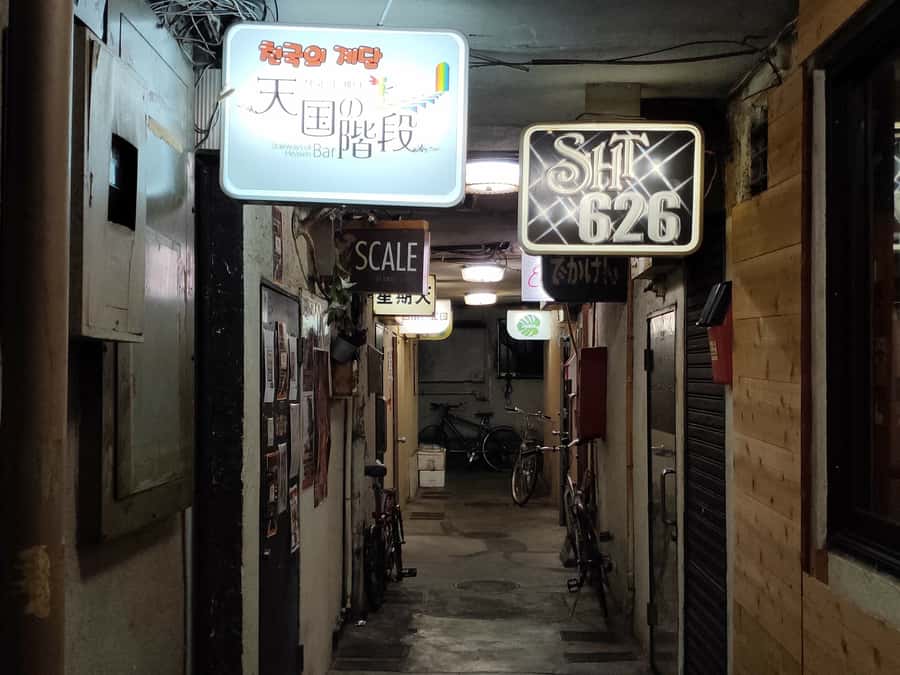
This is a strong fit if you want:
- A first-timer-friendly introduction to LGBTQ+ Tokyo
- A mix of history and present-day guidance, not just one or the other
- A small group night out where you can ask questions without feeling put on the spot
- Food and drinks included so you can focus on the experience, not budgeting menus mid-tour
It may not be the best fit if you hate walking at night or prefer tours with zero nightlife context. Also, the tour is not suitable for children under 18.
If you’re visiting as a couple, you’ll probably find it easy to relax and learn together. If you’re traveling solo, you should also know the tour operator may adjust plans depending on minimum group size, which I cover in the FAQ.
Should you book LGBTQ+ Tokyo Then and Now?
I think you should book this tour if you want an evening that gives you street-level understanding fast. The biggest strengths are the combination of Asakusa to Shinjuku 2-chome pacing, the inclusion of light dinner plus drinks, and the fact that guides like Hiro, Matthew, Toru, Yeman, and Mayo focus on both the cultural context and the practical details you’ll use later.
Skip it if you only want daytime sightseeing, or if you want a tour with minimal walking and zero nightlife themes.
If you’re on the fence, ask yourself one question: Do you want help reading Tokyo’s social code and finding the queer spaces that make sense for visitors? If yes, this is a very efficient way to get there in just 3 hours.
FAQ
Where is the meeting point?
You’ll meet on the corner outside Kamiya Bar.
How long is the tour?
The duration is 3 hours.
What language is the guide?
The tour is led in English.
How big is the group?
The group is limited to 6 participants.
What’s included in the price?
A light dinner with one drink is included, plus one additional drink at the bar stop.
Is transportation included?
No. You’ll need 270 yen for the one subway ride we take.
Are vegetarian options available?
Yes. Veg options are available at the restaurant stop.
What are the age rules for joining and drinking?
The minimum age to join is 18. Japan’s legal drinking age is 20.
What if I need flexibility, or I’m traveling solo?
You can cancel up to 24 hours in advance for a full refund. You can also reserve and pay later (book now, pay nothing today). If you are a solo traveler and the minimum of 2 guests is not met, the operator offers one of these options: attend an alternate date, pay a 3000 yen solo supplement, or receive a full refund.
Newly listed around Tokyo
- Made from flour in 30min! Ramen-noodle Making Experience!★ 4.8 · 24 reviews
- Make a temple stamp book with artist★ 4.9 · 10 reviews
- TOKYO DRIFT 5.0 Real Fast & Furious Experience★ 4.9 · 59 reviews
- Kyoto: Nijo Castle World Heritage Guided Tour with Admission★ 4.9 · 37 reviews
- Kintsugi Experience with Arita Ware in Tokyo (English Guide)★ 4.8 · 20 reviews
- Asakusa Kimono/Yukata Rental & Photography_Tsutsuji★ 5.0 · 12 reviews
- Kawagoe Private Custom Tour with Local Guide★ 5.0 · 29 reviews
- Kamakura Temples Private Guided Tour from Tokyo★ 4.8 · 21 reviews
Tokyo Tours, compared.
Mt Fuji and Hakone 1-Day Bus Tour Return by Bullet Train
Read our review →

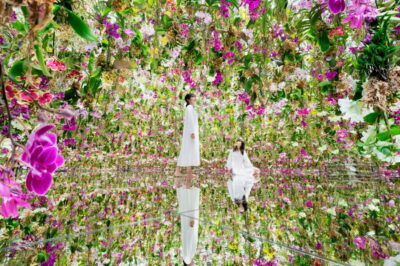
teamLab Planets TOKYO Digital Art Museum Entry Ticket
Read our review →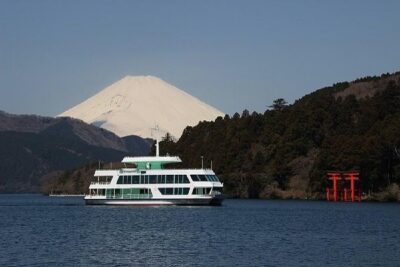
Mt Fuji & Hakone Cruise, Drum Show Bullet Train 1 Day from Tokyo
Read our review →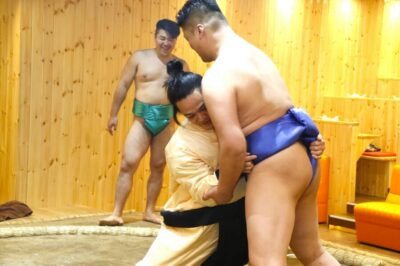
Sumo Show Experience with Chicken Hot Pot and a Photo
Read our review →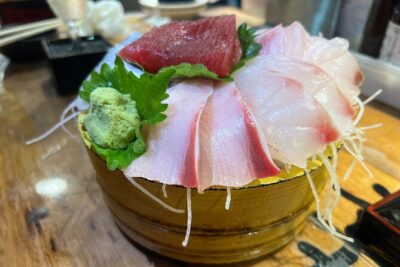
Shinjuku Food Tour (13 Dishes at 4 Local Eateries)
Read our review →