
Review · NAKASENDO TRAIL WALKS
Magome & Tsumago Nakasendo Trail Day Hike with Government-Licensed Guide
Follow the stone trail between two preserved villages. This easy 8 km Nakasendo walk between Magome-juku and Tsumago-juku is a smart choice when you want countryside Japan without a full day of logistics, and it’s led by a government-licensed English guide who adds context as you go. One practical catch: public transport costs extra, so bring cash, and lunch and any entrance fees are not included.
I love that this hike is paced for real humans, not just marathoners. You get time in both villages, plus guided explanations before and along the way, which helps you understand why the route mattered in the first place.
You may want to think about winter. The hike isn’t available from December through the end of February because of icy conditions.
In This Review
- Key highlights worth your attention
- Entering the Nakasendo, without the guessing game
- How hard is the hike, and what you feel underfoot?
- Price and value: what you pay for (and what you don’t)
- Magome-juku: craft shops, slope views, and small museums
- Tsumago-juku: unpaved streets, old inns, and a quieter mood
- Your government-licensed guide: the difference is the storytelling
- Stops along the way: food breaks, photo ops, and practical sightseeing
- When to go: winter is a no-hike window
- Who this tour is best for (and who might skip it)
- A note on privacy and how groups run
- Should you book this Magome and Tsumago Nakasendo hike?
- FAQ
- How long is the hike?
- How far do we walk?
- Is this hike difficult?
- Do I need to pay for entrance fees?
- What does the guide provide?
- Is transportation included?
- Is lunch included?
- Is the tour available in winter?
- Can I bring a service animal?
- Is free cancellation available?
Key highlights worth your attention
- Government-licensed English guide gives you real context, not just directions
- Easy pace, about 5 miles (8 km), with two village stops and a total day around 6 hours
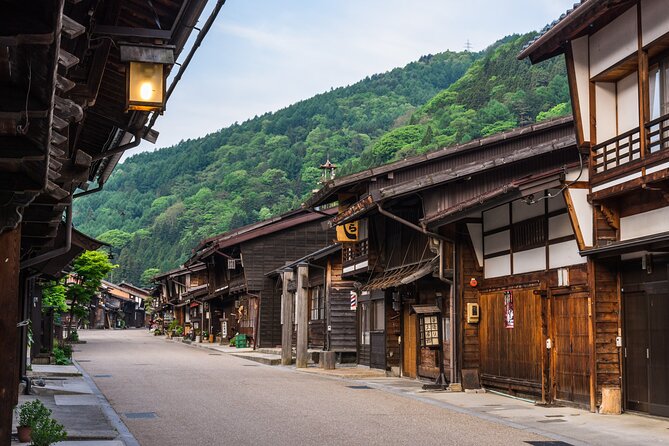
- Magome-juku on a slope for valley views, plus museums and craft shops
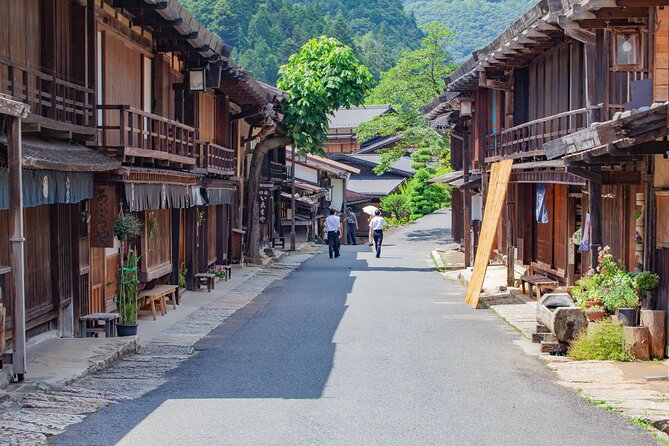
- Tsumago-juku preserved feel with unpaved streets and older-period buildings
- Guide-guided timing and stops that can fit your pace and interests
- Cash for public transport since it costs extra and is not included
Entering the Nakasendo, without the guessing game
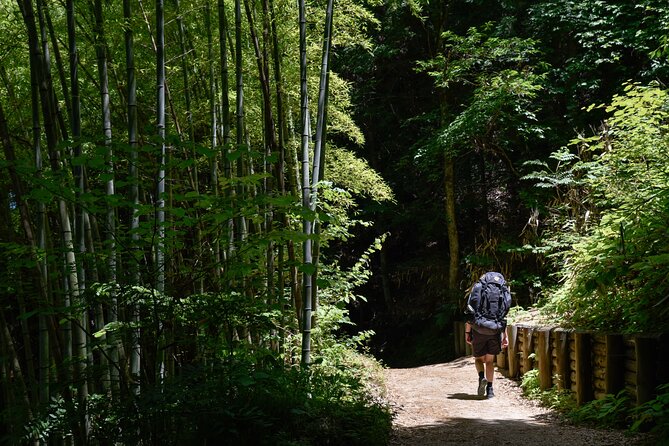
The Nakasendo was one of Japan’s historic highways, linking Kyoto and Edo (modern-day Tokyo). The famous thing is the walking route, but the real magic comes from understanding what you’re seeing while you walk, the route’s role, and what day-to-day travel looked like back then.
On this hike, the guide handles the flow of the day, so you can focus on enjoying the trail and the villages. You meet the guide on foot at a designated meeting point, then you head out and learn as you go. Since it’s a private tour just for your group, you get a level of attention that’s hard to match when you’re navigating alone.
This is also a good value category if you want history but don’t want a long, complicated day. You’re looking at roughly 6 hours total, with about two hours in each village, so it fits neatly between longer sightseeing days.
More Private Guides in Takayama:
- Magome & Tsumago Nakasendo Full-Day Private Trip with Government-Licensed Guide
★ 5.0 · 20 reviews - Takayama Local Cuisine, Food & Sake Cultural Tour with Government-Licensed Guide
★ 5.0 · 17 reviews - Tokyo 6hr Private Tour with Government-Licensed Guide
★ 5.0 · 3,902 reviews
How hard is the hike, and what you feel underfoot?
The walk is about 5 miles (8 km). That matters because it keeps the Nakasendo experience within reach for most visitors who are comfortable with regular walking.
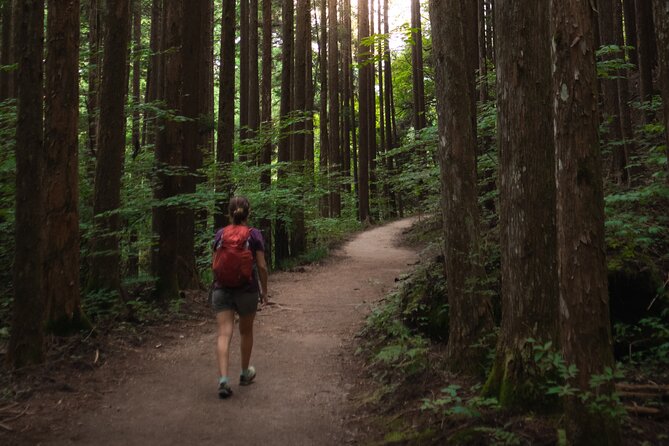
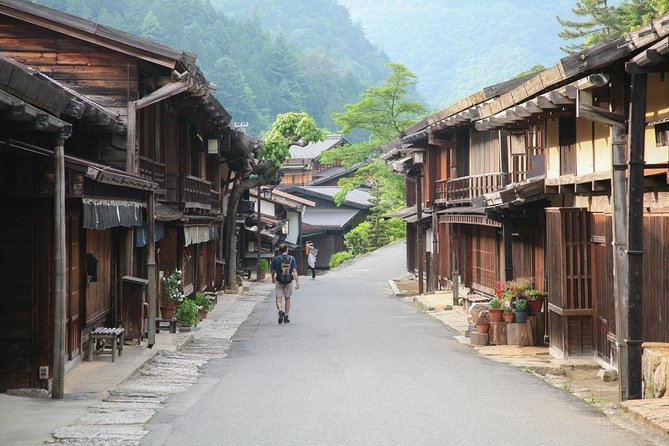
Still, this is not a smooth treadmill. Magome-juku sits on a slope and features a broad stone walkway lined with trees. Tsumago-juku is described as almost flat, and the village keeps a “old Japan” feel with unpaved streets. Translation: you’ll want solid shoes with good traction, and you should expect some uneven footing.
In terms of effort, the overall tone is easy. You get exercise, you build some stamina, but you’re not expected to suffer for your photos. If you’ve had enough of steep hikes in Japan, this is the kind of route that lets you stay out of trouble while still feeling like you hiked somewhere real.
Price and value: what you pay for (and what you don’t)
At $155.22 per person for a private, government-licensed English guide, you’re paying mainly for guidance and interpretation. What’s included is the licensed local English-speaking guide and meeting on foot at the meeting point. That’s the core value.
What you should budget separately:
- Transportation fees (public transport costs extra), and you’ll want cash
- Entrance fees (you’ll see some free admission listed for the village areas mentioned)
- Lunch and personal expenses
This pricing makes the most sense if you care about understanding what you’re walking through. A guide turns “pretty village street” into “here’s why this place existed, and what travelers saw.” It also lowers the risk of getting turned around when multiple small lanes and museum areas overlap.
If you’re the type who only wants the views and plans to read signage slowly on your own, the guide may feel less necessary. But if you want history woven into the walk, this is a strong spend.
Also note the demand pattern: it’s commonly booked about 75 days in advance. That’s a hint to lock in early, especially if you’re traveling during peak seasons.
Magome-juku: craft shops, slope views, and small museums
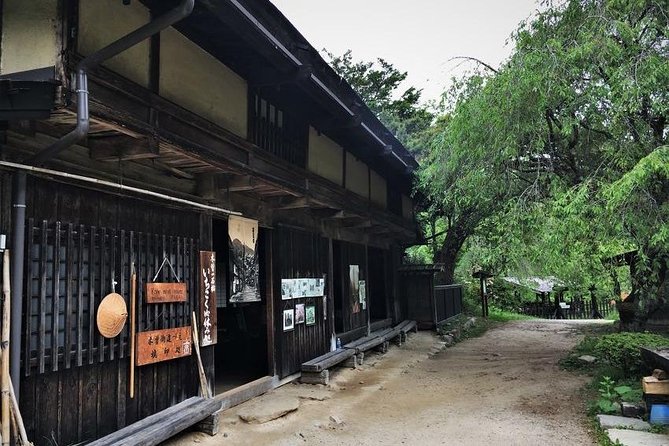
Magome-juku is the kind of place where you feel the geography. It sits on a slope, so the stone path and timber-lined streets naturally lead you into valley views. If you like photography, this stop gives you angles. You’re not just walking on a straight postcard road.
The village also leans into the preserved-and-restored feel. You’ll find traditional houses, craft shops, and several small museums that focus on Magome’s history, the artists who lived there, and local life. That museum time matters because it explains the human side of the Nakasendo. This was not just a road, it was where people worked, traded, traveled, and passed time.
Two smart ways to use your two-hour window:
- If you want scenic breaks, grab a drink or bite at restaurants near the top of the village and enjoy the valley view.
- If you want a more local vibe, head toward the lower part to mix with residents and the everyday rhythm of the town.
One practical tip: if your energy level runs hot and cold, ask the guide to pace your group. The tone of the route is easy, but a slope can still tire you if you sprint ahead.
Compare these Nakasendo Trail walks in Takayama:
- Explore Kiso Valley : Magome – Tsumago Mountain Trail Walk
★ 5.0 · 33 reviews - Hiking the Historic Nakasendo Trail [1 Day Tour from Nagoya]
★ 5.0 · 104 reviews - Magome-juku, Tsumago-juku & Ena-kyo 1d Bus Tour from Nagoya
★ 4.6 · 75 reviews - 1-Day Tour from Matsumoto: Walk the Nakasendo Trail
★ 5.0 · 39 reviews
Tsumago-juku: unpaved streets, old inns, and a quieter mood
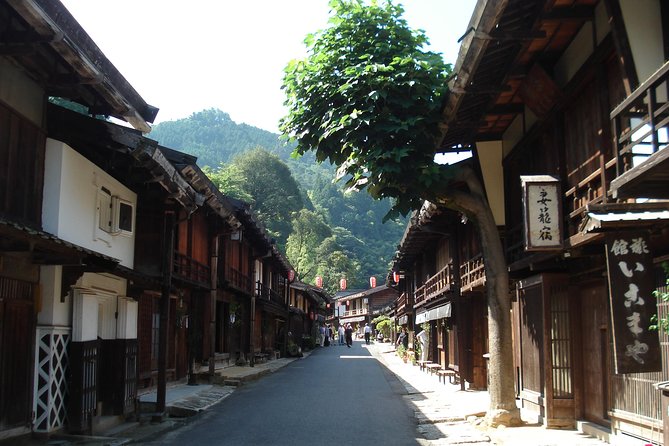
Tsumago-juku is almost flat, which gives your legs a break after Magome’s slope. The charm here comes from the preservation choices. The village is described as one of the earliest historical preservation projects in Japan, and the streets are kept in an older style, including unpaved roads and concealed cables.
You’ll see traditional buildings tied to the Nakasendo traveler experience. Key examples include:
- The Honjin, the original inn that welcomed important merchants and travelers
- The Wakihonjin, the secondary inn
- The old notice board, used for decrees from the Shogun
- A Buddhist temple built during the 16th century
Even if you’re not a museum person, these landmarks explain what “traveling” meant. Roads were only half the story. The network depended on places to lodge, receive news, and follow official rules.
If you’re the kind of traveler who likes atmosphere over checklists, Tsumago can feel especially special after dark. The village is noted as being more charming at night when lanterns are lit and things get quiet, with a sense of old-world sound and timing. Your exact timing depends on the day’s schedule, but it’s a good reason to treat this stop as more than a quick photo stop.
Your government-licensed guide: the difference is the storytelling
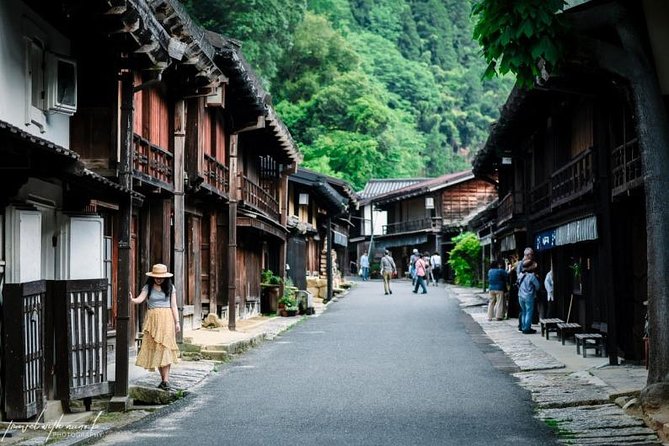
A licensed English-speaking guide is the backbone of this experience. On this route, that matters because the Nakasendo is made of small details: street layout, building purpose, and the way villages were organized for travelers.
Guides you might encounter include Hiroshi-San, Elvis, Matt, and Yumi-San. The theme across these different personalities is the same: they set the scene first, then keep connecting what you see to what you’ve learned. For example, one guide shared history of the Nakasendo before the walk so it clicked faster. Another guided folks with clear, friendly explanations and adjusted the day around the group’s interests and pace.
Also, guides often help manage the “where should we stop” moment. That shows up in real ways in the day’s timing, including breaks for food. Some guides arranged a stop for soba lunch or helped you enjoy a bento at an old-style tea house. Since lunch isn’t included in the tour price, you still pay for your meal, but having a guide steer you toward a good spot is a big quality-of-life win.
One thing I’d keep in mind: group pacing can vary. If you’re moving slower or you want more explanation time at each point, tell the guide early. The best guides will match your tempo, not just the average speed.
Stops along the way: food breaks, photo ops, and practical sightseeing
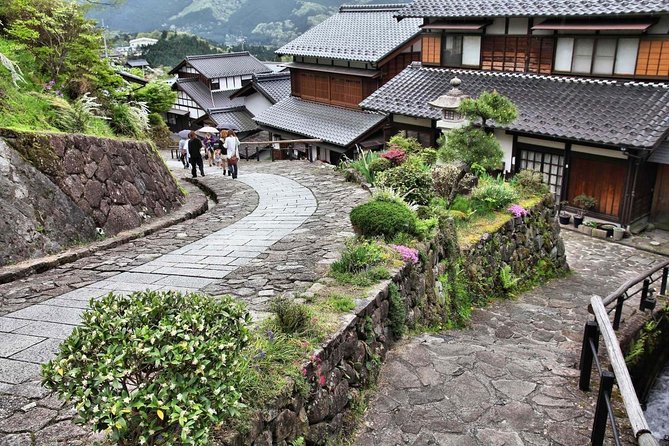
This is a walking tour with two main village stops, but it still has room for small “make the day better” moments. The route offers plenty of photo opportunities, especially in Magome with its slope and valley views, and in Tsumago with the preserved street feel.
Food is the other big factor. Since lunch is listed as not included, you should expect to pay for meals yourself. But with a guide, you’re less likely to end up with a random, overpriced snack. Guides have been known to coordinate lunch stops, like soba or bento, and some visits include traditional tea house atmospheres.
If you plan to shop for crafts, treat it like a bonus, not a requirement. Craft shops show up mainly in Magome, and it’s one of those places where buying something small can feel meaningful because you’re also learning the context.
Practical note: public transport fees are extra. The tour asks you to bring cash for that. That means your day needs a little financial flexibility, even if your hike itself is simple.
When to go: winter is a no-hike window
Timing is one of the biggest decision points here. This specific hike is not available from December until the end of February due to icy conditions. That’s not a minor detail. It’s the reason the tour changes entirely in winter.
If you’re traveling in those months, you’d need the alternative full-day private trip that uses the bus and does not include the hiking portion. So if your heart is set on the trail between Magome and Tsumago, plan around the seasonal availability.
Outside winter, the hike is described as suitable for most travelers and runs at an easy pace. Even in shoulder seasons, you should still bring layers because Japan’s weather can swing.
Who this tour is best for (and who might skip it)
This hike fits best if you:
- Want a meaningful Nakasendo experience without a long, exhausting trek
- Like countryside Japan and preserved village streets
- Appreciate history explained in plain language
- Want a simple structure, two village stops, and a guide to keep things smooth
It’s also a good option if you’re traveling with someone who isn’t eager for harder hikes but still wants to feel outdoorsy.
You might consider skipping or choosing something else if:
- You only care about scenery and plan to wander independently
- You don’t want to manage cash for public transport
- You’re traveling in the December to February window and need the hike specifically
A note on privacy and how groups run
This is a private tour for your group. That means you won’t be mixing with other tour groups on the same schedule. It’s also listed as not combinable with multiple tour groups, which helps keep the vibe controlled.
That matters if you’ve ever been stuck in a “everybody’s doing their own thing” group tour. Private guiding usually means fewer mismatches in pace, fewer awkward pauses, and a smoother day.
Should you book this Magome and Tsumago Nakasendo hike?
Yes, if you want the Nakasendo experience with less stress and more meaning. For the price, you’re buying time with a government-licensed English guide, plus the structure that turns a simple walk into an easy day that still feels culturally deep. The two-hour stops in Magome and Tsumago are a practical length, and the hike is described as easy enough for most visitors.
Book it especially if you like learning as you go, want help choosing where to pause for views and food, and would rather not gamble on navigation in an old-street maze.
My advice before you commit: make sure you’re available in a season when the trail runs, plan to bring cash for public transport, and accept that lunch is on you. If those points work for you, this is a smart, rewarding way to spend a half day that feels like you escaped the city.
FAQ
How long is the hike?
The tour runs about 6 hours (approx.), with around two hours spent at Magome-juku and about two hours at Tsumago-juku.
How far do we walk?
It’s around 5 miles (8 kilometers) total.
Is this hike difficult?
The hike is described as easy and is aimed at travelers who want to hike but don’t have much time.
Do I need to pay for entrance fees?
Entrance fees are not included. Admission for the village stops mentioned is listed as free for the parts described, but the tour does not include entrance fees in general.
What does the guide provide?
You get a licensed local English-speaking guide, and you meet the guide on foot at a designated meeting point.
Is transportation included?
No. Transportation fees are not included, and public transport costs extra, so you should bring cash.
Is lunch included?
No. Lunch is not included, though your guide can help you make stops during the walk.
Is the tour available in winter?
No. It is not available from December until the end of February due to icy conditions.
Can I bring a service animal?
Yes, service animals are allowed.
Is free cancellation available?
Yes. You can cancel up to 24 hours in advance for a full refund.
More Hiking & Trekking in Takayama
- Frozen fall trekking
★ 5.0 · 21 reviews - Shirakawago(UNESCO world heritage)/ Onsen / Hiking / 1day tour
★ 5.0 · 6 reviews - Fushimi Inari Hidden Hiking Tour (Private Option Available)
★ 5.0 · 1,750 reviews - Kyoto: 3-Hour Fushimi Inari Shrine Hidden Hiking Tour
★ 4.9 · 270 reviews
Newly listed around Takayama
- Short Morning Cycling Tour in Hida★ 5.0 · 17 reviews
- Private Afternoon Cycling Tour in Hida-Furukawa★ 5.0 · 109 reviews
- Private-group Morning Cycling Tour in Hida-Furukawa★ 5.0 · 105 reviews
- Gifu Samurai Sword Town;Japanese Damascus Knife Making Experience★ 5.0 · 27 reviews
- Shirakawago(UNESCO world heritage)/ Onsen / Hiking / 1day tour★ 5.0 · 6 reviews
- Shirakawa-go Half day tour (UNESCO World Heritage near Takayama)★ 5.0 · 9 reviews
- Magome & Tsumago Nakasendo Full-Day Private Trip with Government-Licensed Guide★ 5.0 · 20 reviews
- Frozen fall trekking★ 5.0 · 21 reviews
Nakasendo Trail Walks, compared.
![Hiking the Historic Nakasendo Trail [1 Day Tour from Nagoya]](https://pic3.japaneseguides.com/wp-content/uploads/hiking-the-historic-nakasendo-trail-1-day-tour-from-nagoya-400x267.jpg)
Hiking the Historic Nakasendo Trail [1 Day Tour from Nagoya]
Read our review →
Magome-juku, Tsumago-juku & Ena-kyo 1d Bus Tour from Nagoya
Read our review →
1-Day Tour from Matsumoto: Walk the Nakasendo Trail
Read our review →
1-Day Tour from Nagoya: Hiking the Historic Nakasendo Trail
Read our review →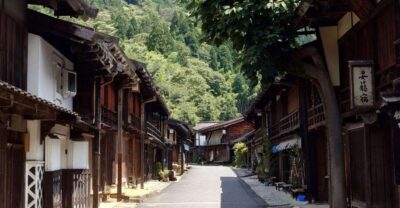
From Matsumoto/Nagano: Nakasendo Trail Walking Tour
Read our review →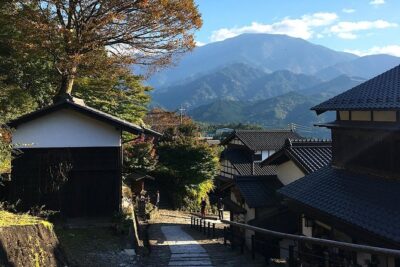
Explore Kiso Valley : Magome – Tsumago Mountain Trail Walk
Read our review →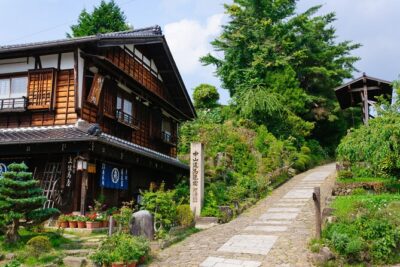
Magome & Tsumago Nakasendo Full-Day Private Trip with Government-Licensed Guide
Read our review →
Browse the lists this tour appears in