
Review · WALKING TOURS
Takayama oldtownship walking tour with local guide. (About 70min)
Takayama has a way of slowing you down. This old-town walking tour is a tight 70-minute loop that turns familiar streets into something you actually understand, with a local guide explaining what you see as you go. I like that it is built for easy wandering and real context, not just check-the-box sightseeing.
What I loved most is how the guide makes the streets feel personal, with history plus everyday local customs you would not catch on your own. I also really liked the small-group size capped at 20, which helps the guide adjust the pace, even if you are moving slowly.
The main drawback to plan around is time. If you want the optional takoyaki making experience, you need to request it ahead and add about 30 minutes, and that can change how much you finish in your day.
In This Review
- Key highlights to know before you go
- Why this Takayama old-town walk feels worth your time
- Price and what you get for your money
- Meeting point and how the loop works
- Stop 1: Kamisannomachi and the first layer of Takayama
- Stop 2: Nakabashi Bridge, a quick stop with a photo plan
- Stop 3: Takayama Jinya, the rare historic government office view
- Stop 4: Yamazakura Shrine and the craft-and-belief connection
- Stop 5: Hida Kokubun-ji Temple and the big ginkgo tree story
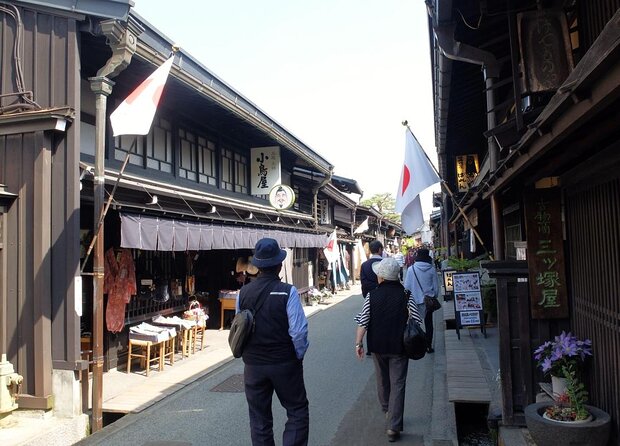
- Stop 6: Sanmachi Suji, the classic old-town street finale
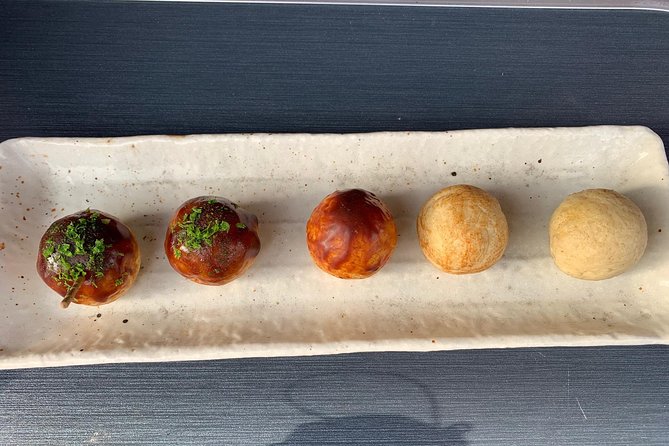
- The optional takoyaki making, if you want the hands-on moment
- Who this tour suits best (and who might want something else)
- Guide quality you can feel in the details
- Practical tips to make your walk smoother
- Should you book this Takayama old-town walking tour?
Key highlights to know before you go
- Local guide storytelling on the move: you get explanations as you walk, not a lecture after you are done looking.
- Great photo stop at Nakabashi Bridge: short stop, big payoff for pictures.
- Takayama Jinya viewing without the wait: you can see this rare historic government office from outside, with inside access not included.
- Religious sites and craft traditions in one walk: shrine and temple stops that connect culture, work, and belief.
- Works even in rain: the tour is designed to continue when weather turns.
- Optional takoyaki making: request it if you want to do it, and budget extra time.
Why this Takayama old-town walk feels worth your time
Takayama’s old town can feel like a postcard if you only skim it. This tour fixes that by giving you meaning as you move. The walk is short enough to stay relaxed, and the guide keeps tying back what you are seeing to how Takayama life developed over time.
I like the pace for a practical reason. You are not stuck in one museum room with one theme. Instead, you get a sequence of streets, bridges, a special historic government office, shrine details, and a temple with a famous ginkgo tree. By the time you circle back, you have a fuller mental map of the area.
Also, guides here tend to adapt. In past tours, I saw notes about people being the only ones on the tour and the guide tailoring to a slow pace. So if your travel style is “take photos, then read the signs slowly,” this is a good match.
More Walking Tours in Takayama
- Takayama Old Town Walking Tour with Local Guide
★ 4.5 · 50 reviews - Explore Kiso Valley : Magome – Tsumago Mountain Trail Walk
★ 5.0 · 33 reviews - Takayama: Takayama Jinya & Old Town Private Walking Tour
★ 4.5 · 32 reviews
Price and what you get for your money
It costs $57.33 per person for about 1 hour 10 minutes, with a mobile ticket. On paper, that sounds like a lot for a walk, but the value is in the human part and the time-saving part.
A local guide does two useful things fast:
- You learn what matters on the route. The stops are not random, and the guide explains why each one is here.
- You avoid the mental work of researching each site between trains and meals.
One thing to keep in mind is that some extras are optional. The tour includes a takoyaki making experience as a “if you want” activity, but you must request it and add around 30 minutes. If you come to Takayama planning to eat your way around, you can skip it and keep the day tight. If you want a hands-on food moment, it can be a nice add-on.
Meeting point and how the loop works
You meet at 22-2 Kamininomachi, Takayama, Gifu 506-0845, Japan. The tour ends back at the meeting point, so you do not have to figure out a complicated pickup.
This matters because Takayama is easy to walk, but it is also easy to lose time if you are switching directions and backtracking. A start-to-finish loop is a small comfort, especially when you have limited hours in town.
The tour caps at a maximum of 20 people. That is large enough for it to still feel like a guided group, but small enough that you are less likely to get ignored if you ask a question mid-walk. And if you are traveling with kids or you just need slower movement, this size helps.
Stop 1: Kamisannomachi and the first layer of Takayama

The walk begins at Kamisannomachi, where you can see the old-town street layout and get the first history and culture context. This is where you start building your “why am I looking at this?” framework.
Practical tip: take a few minutes at the start to notice the street feel before you rush to photos. The guide’s early context makes later stops click, like recognizing how the old town functioned and why certain places were important.
This first stop also helps you adapt if you are short on time. Even if you were tired and just wanted a quick overview, this section gives you enough background to enjoy the rest of the walk more.
A few more Takayama days to weigh up
- Takayama: Private Walking Tour with a Local Guide
★ 4.6 · 29 reviews - Takayama: Edo-Period Old Town Walking Tour
★ 4.5 · 22 reviews - Takayama: Private Night Walking Tour with Dinner
★ 4.5 · 13 reviews - EXPERIENCE TAKAYAMA OLD TOWN 30 MINUTES walk
★ 5.0 · 11 reviews
Stop 2: Nakabashi Bridge, a quick stop with a photo plan
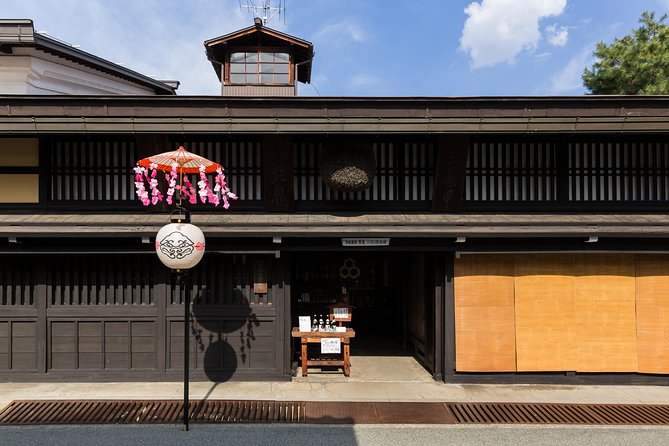
Next comes Nakabashi Bridge, and you get a short window for photographs. The stop is only about 5 minutes, which means you should be ready with your phone or camera and your best angle.
I like this kind of stop because it is efficient. You do not spend the whole tour only standing. You also get a physical landmark that helps your brain anchor the route.
If you are traveling when the light is good, try to take your photos quickly and then step slightly aside so you can watch for a moment. Even a brief pause can help you feel the place, not just capture it.
Stop 3: Takayama Jinya, the rare historic government office view
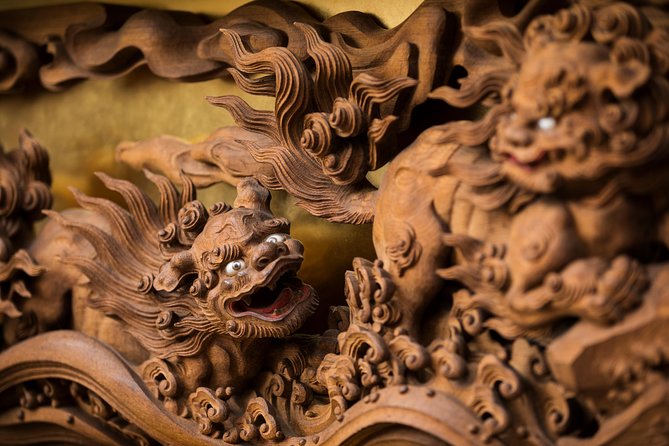
Then you hit Takayama Jinya, a historic government office. One detail worth knowing is that it is described as a rare type of old government office found only in this form in Japan, so it is not just another scenic building.
You can see the structure, and if you want to go inside, it is possible, but it is not included in this tour. That is a key consideration.
If you are the type who likes to step inside historic buildings, plan extra time elsewhere. If you prefer outdoor viewing and want the walk to stay smooth, this stop is still worthwhile because the guide explains what you are looking at from the outside.
Stop 4: Yamazakura Shrine and the craft-and-belief connection
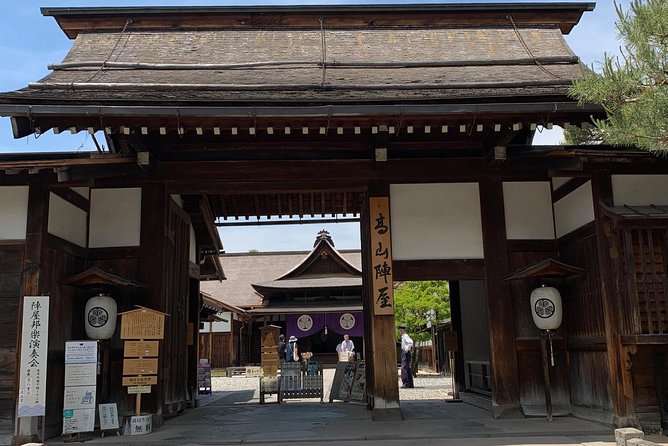
The route continues to Yamazakura Shrine. Here, the guide connects the site to traditional craft and the people behind it, including items associated with Takumi, traditional technical workers in the Hida Takayama area. You also get a chance to experience a side of Japanese religion through the shrine setting.
Why this stop works on foot: shrines can feel vague if you do not know what to look for. With a local guide explaining the cultural references, you start noticing the details that make the place specific rather than generic.
This is also a good stop for people who want more than architecture. If you like culture, daily-life traditions, and how belief systems blend into the region’s identity, this is where you feel it.
Stop 5: Hida Kokubun-ji Temple and the big ginkgo tree story
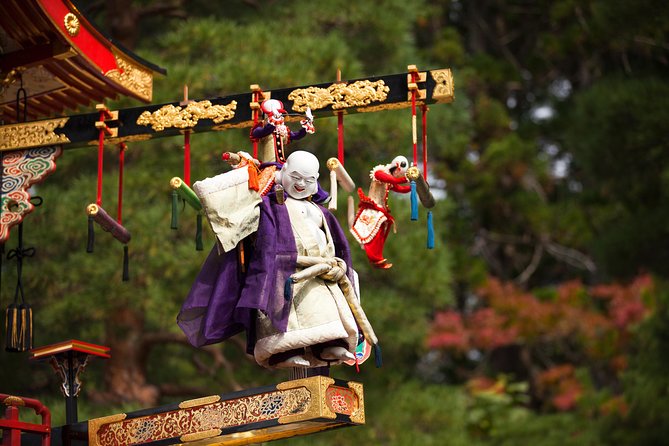
The longest stop is Hida Kokubun-ji Temple, around 15 minutes. The star feature is a large ginkgo tree, and the guide shares stories tied to the tree and the temple grounds. You also get to see the temple’s triple tower.
This is a stop where the explanation matters. A big ginkgo tree sounds simple, but the stories turn it into a timeline marker. The guide’s job is to help you see why a single natural feature can become part of a place’s identity.
Practical tip: temple grounds can be cooler or windier than the main streets. If you are visiting in colder seasons, bring a layer even if the day looks mild.
Stop 6: Sanmachi Suji, the classic old-town street finale
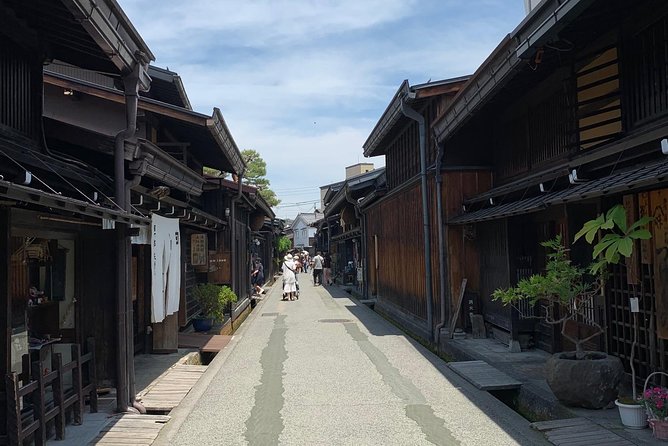
The last major stop is Sanmachi Suji, which is the old-town street area in Takayama. This is where you take in the overall “this is why people come” vibe, but now you understand more than you did at the beginning.
If you are a photo person, save some energy here. By the end, you will know what angles and streets to look for, because the earlier stops gave you context.
Also, this final stretch is a nice way to close the day emotionally. Walking tours can feel transactional when the last stop is just a gift shop. Here, you end in the streets themselves, which is exactly where the atmosphere lives.
The optional takoyaki making, if you want the hands-on moment
Food can be a deciding factor for whether a walking tour becomes memorable or forgettable. This one includes a takoyaki food-sample component tied to a making fee, but it is optional.
You need to request it, and it adds about 30 minutes. If you say yes, you are effectively extending your walking tour into a short food activity.
I think this is a fair trade, because Takayama is famous for regional culture, and small cooking experiences can help you connect to daily life instead of only scenery. On the other hand, if you have reservations or you already have a set plan for local meals, you might skip the extra time and just enjoy the walk.
Either choice works. The guide specifically notes that if you do not request it, they will not do this experience. That means you keep control of your schedule.
Who this tour suits best (and who might want something else)
This tour fits you if you:
- Want a short guided intro to Takayama old town with culture explained as you walk.
- Prefer local storytelling over self-guided guesswork.
- Like photo stops that are actually timed, not vague and endless.
It may not fit you as well if you:
- Want a long, deep museum-style visit or lots of inside access. The tour focuses on outdoor viewing and walking.
- Plan to squeeze in multiple attractions in the same hour. It is about 70 minutes, plus optional food time.
Also, the rain note is practical. The tour can still be done in rainy conditions. That makes it a smart choice if you are worried about weather derailing your Takayama plans.
Guide quality you can feel in the details
Two guide names pop up in the experiences shared: Miyuki (Mu) and Yama. The consistent theme is engagement. Guides here explain history and local customs, and they bring it to life with advice on what to do next.
One standout example from a tour experience is advice where to eat local ramen, with a note that it was amazing. Another note mentions the guide going out of the way to explain even when the tour happened after dark and many shops were closed.
That matters because Takayama can have time-of-day effects. If you are there late, you might worry you will miss the “old town shopping street” atmosphere. A good guide can still help you appreciate the historic area through the things that are still visible and the stories behind them.
Practical tips to make your walk smoother
A few common-sense moves will make this tour more fun:
- Wear comfortable walking shoes. The tour is short, but it is still a walk across multiple stops.
- Bring a rain layer if weather is uncertain. The tour can run in rain.
- If you want takoyaki making, decide early in your tour conversation and be ready to add about 30 minutes.
- Bring your camera or phone, but do not treat every stop as a sprint. The best learning happens when you pause for a moment.
If you are traveling as a pair or a small group, you may find it feels especially friendly. The tour allows private tours by request, as long as there are at least 2 people.
Should you book this Takayama old-town walking tour?
I would book it if you want an efficient, guided introduction to Takayama’s old streets and historic sites, with an English-speaking local guide and a clear walking route. The price makes sense when you consider you are paying for explanation plus time efficiency, and the optional takoyaki moment gives you a fun way to add a hands-on memory.
Skip it or pair it with something else if you are hoping for lots of inside access to buildings. Takayama Jinya inside access is not included, and the overall walk is designed to stay moving.
If you like practical sightseeing, and you enjoy learning the “why” behind what you see, this is a smart way to spend a chunk of your Takayama day.
Newly listed around Takayama
- EXPERIENCE TAKAYAMA OLD TOWN 30 MINUTES walk★ 5.0 · 11 reviews
- EXPERIENCE TAKAYAMA & LOCAL SAKE TASTING with explanation 1 HOUR!★ 4.5 · 12 reviews
- Private Transfer from Takayama to Kanazawa Including Shirakawago★ 5.0 · 17 reviews
- Takayama Half Day Tour (Private Guide)★ 5.0 · 15 reviews
- Shuriken Experience in Takayama★ 5.0 · 46 reviews
- Takayama Half-Day Private Tour with Government Licensed Guide★ 5.0 · 69 reviews
- Shirakawago All Must-Sees Private Chauffeur Tour with a Driver (Takayama DEP.)★ 4.0 · 8 reviews
- Takayama Full-Day Private Tour with Government Licensed Guide★ 4.5 · 13 reviews
Walking Tours, compared.
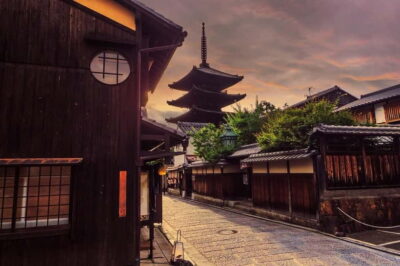
Kyoto Geisha Walking Tour: Gion District & Hidden Gems
Read our review →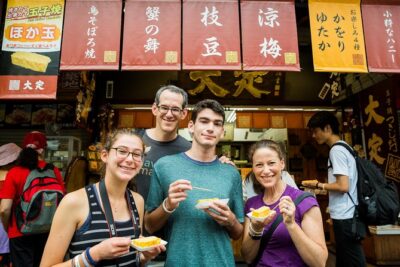
Tokyo Tsukiji Fish Market Food and Culture Walking Tour
Read our review →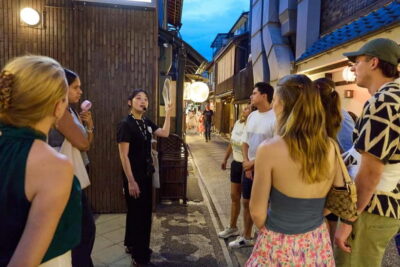
Gion Geisha District Walking Tour – Stories of Geisha
Read our review →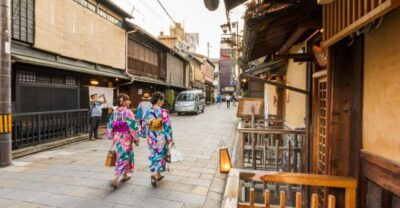
Shinjuku Local Bar and Izakaya Guided Walking Tour
Read our review →
Asakusa Walking Tour with Sensoji Temple Visit
Read our review →
Kyoto Gion Geisha District Walking Tour – The Stories of Geisha
Read our review →Browse the lists this tour appears in