
Review · WALKING TOURS
EXPERIENCE TAKAYAMA OLD TOWN 30 MINUTES walk
Takayama old town can feel like a maze, so this fast walk helps you get your bearings. It is a short, guide-led route through the Edo-era lanes that mixes practical geography with the stories behind what you see.
I especially love the clear, human scale of the walk, since you cover a lot without burning half a day. I also like that Luca speaks Italian, English, and Japanese, so explanations stay easy to follow even if your Japanese is limited.
One thing to consider: it is short by design, and extra costs for food, drinks, and any tickets you want to add are on you, not included.
In This Review
- Key points worth knowing before you go
- Why this 30-minute Takayama Old Town format feels smart
- Starting at Rokujyuban60 Kamisannomachi, then ending at Nakabashi
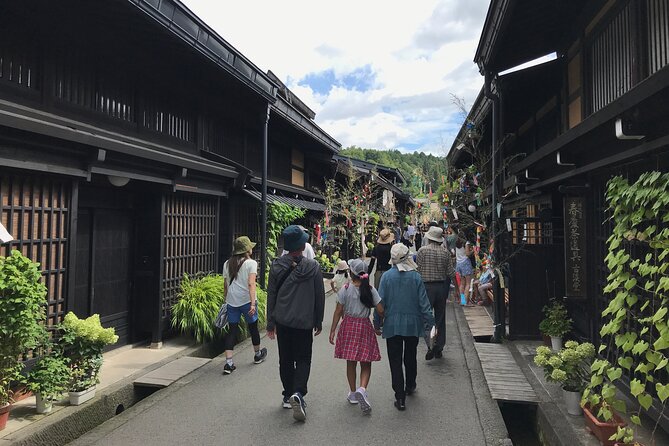
- Sanmachi Suji lanes and Edo-era townhouses: more than pretty streets
- Geography in plain language: how the town’s layout makes sense
- The red bridge, Nakabashi, and festival float culture
- Sake breweries and the local economy you can actually notice
- Local crafts and food ideas: what to add after the walk
- Your guide is Luca, living in Takayama nearly a decade
- Price and value: $26.43 for a focused orientation
- How weather and timing affect your day
- Who this tour suits best
- Should you book this Takayama Old Town 30-minute walk?
- FAQ
- How long is the Takayama Old Town 30-minute walk?
- What does the tour cost?
- Where does the tour start and end?
- Is the ticket mobile?
- How soon will I hear after I book?
- Is this tour private?
- Are service animals allowed?
- What if the tour is canceled due to weather or because of minimum travelers?
Key points worth knowing before you go
- 30 minutes for orientation: a quick, doable first pass through Takayama old town.
- Sanmachi Suji in Edo-style lanes: traditional streetside atmosphere without needing a day trip plan.
- Nakabashi red bridge as the finish line: you end right where the river views and photo angles make sense.
- Festival floats and sake context: you learn why certain sights matter, not just what they look like.
- Luca’s local tips: you get pointers on what to see next and where to eat after the walk.
Why this 30-minute Takayama Old Town format feels smart
A lot of old-town tours try to cram in everything. This one does the opposite. You get a tight route that is long enough to understand the layout and themes, but short enough that you can keep your energy for the rest of Takayama.
That matters because Takayama moves at a walking pace, and you often want to follow your guide’s hints right away. If Luca points you toward a place to eat or a nearby stop to add later, you are still within easy reach. With a 30-minute tour, the rest of your day stays flexible.
The other win is focus. You are not just “looking at buildings.” You get a guided mix of geography, economy, art and culture, and history, plus local crafts and food ideas. In a short time, that is the difference between sightseeing and actually understanding what you are seeing.
More Walking Tours in Takayama
- Takayama Old Town Walking Tour with Local Guide
★ 4.5 · 50 reviews - Explore Kiso Valley : Magome – Tsumago Mountain Trail Walk
★ 5.0 · 33 reviews - Takayama: Takayama Jinya & Old Town Private Walking Tour
★ 4.5 · 32 reviews
Starting at Rokujyuban60 Kamisannomachi, then ending at Nakabashi
The walk begins at Rokujyuban60, Kamisannomachi, and it ends at Nakabashi, the red bridge over the river. That end point is practical. When a route finishes at a landmark, you can orient yourself fast for what comes next, whether you head back into the old-town lanes or continue along the river.
For planning, I like that it is clearly defined. You know the start address, you know the finish, and you do not waste time figuring out where you left off. It is also convenient for short itineraries. If you are squeezing Takayama into a single day, this “start here, finish there” format reduces friction.
Another detail that helps: it is a private tour/activity, meaning only your group participates. In other words, you are not stuck behind slow walkers in a big crowd, and you can ask questions without feeling rushed.
Sanmachi Suji lanes and Edo-era townhouses: more than pretty streets
Your route centers on Sanmachi Suji, Takayama’s old-town district known for traditional houses dating back to the Edo period. From the street level, these buildings can look like “just old buildings,” especially if you only glance at facades.
This walk changes that by giving you context while you are still standing in place. Instead of saving explanations for later, Luca connects what you see with why it exists where it does. You learn to read the neighborhood like a map made of houses, businesses, and river trade.
One of my favorite travel habits is learning the “why” behind the “what.” That is what makes a short guided stroll worth it. By the time you reach the central points, you are already thinking about function, not only form.
Also, Sanmachi Suji is a great area for photos, but the best photos come when you understand the sightlines. A guide helps you notice which streets feel like thoroughfares and which ones are more about local life and commerce.
Geography in plain language: how the town’s layout makes sense
Takayama old town is not random. It is shaped by the geography and by the way people moved goods and people through the area.
In this walk, geography is not treated as a lecture. It is tied to what you pass: where the river matters, how streets connect, and how the downtown economy grew around the kinds of businesses that would thrive there. When you get that big-picture logic in 30 minutes, the next hours in Takayama feel easier.
If you have ever wandered an old district and felt like you were following doors without understanding the plan, you will appreciate this approach. You do not need to be a history buff. You just need a framework.
A few more Takayama days to weigh up
- Takayama: Private Walking Tour with a Local Guide
★ 4.6 · 29 reviews - Takayama: Edo-Period Old Town Walking Tour
★ 4.5 · 22 reviews - Takayama: Private Night Walking Tour with Dinner
★ 4.5 · 13 reviews - Takayama oldtownship walking tour with local guide. (About 70min)
★ 5.0 · 8 reviews
The red bridge, Nakabashi, and festival float culture
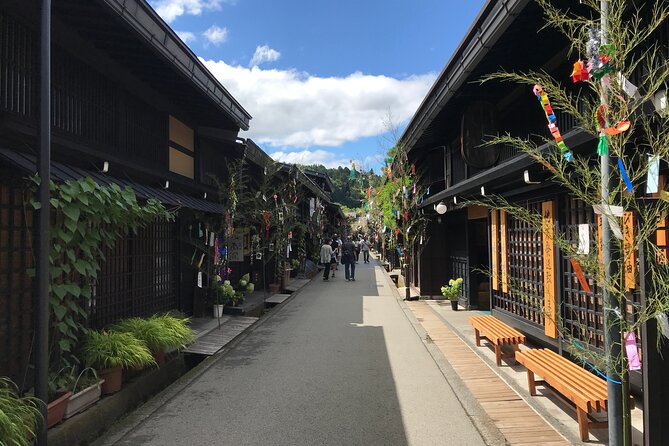
The route ends at Nakabashi, the red bridge. Even without any extra stops, that is a strong finish because bridges naturally give you a wider view. You can see the river’s role in the town, and you can also connect the river area with seasonal culture.
The tour also highlights festival floats. In Takayama, those floats are not just decorative. They are tied to community identity and local traditions. When a guide explains that connection while you are in the old-town core, the festival elements start to feel less like background trivia and more like something rooted in daily life.
A short tour can still do this well if the guide keeps it focused, and that is the point here. You walk away with a mental link between landmarks, local work, and cultural celebrations.
Sake breweries and the local economy you can actually notice
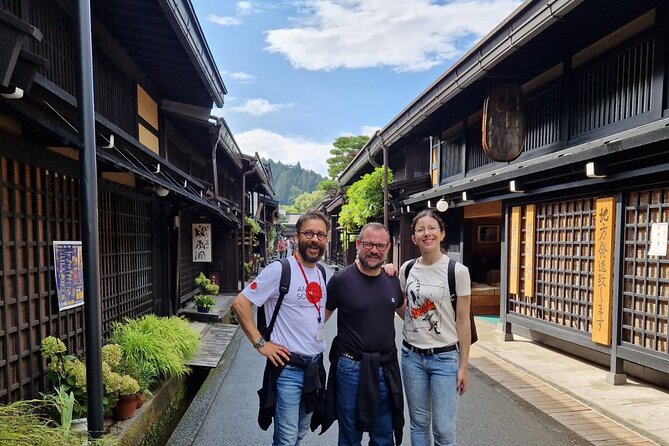
Takayama has a strong “small business” feel, and sake is one of the obvious threads. This walk includes sake breweries as a theme, which helps you understand why the town has certain streetscape details that might otherwise look random.
What I like about this kind of economic context is that it sharpens your senses. Once you know sake brewing is part of the story, you start noticing signage, storefront patterns, and the commercial rhythm of the lanes you are walking through.
You also get a better sense of how townspeople would have lived alongside their trade. The Edo-era framing matters here, because it helps you understand why traditional neighborhoods often center around practical commerce instead of just residential space.
Local crafts and food ideas: what to add after the walk

Even in 30 minutes, the tour covers local crafts and “focal foods.” The key word here is focal. You are not trying to sample everything in one sitting. Instead, you learn which types of local food and crafts are most worth your time.
That is a big help when you are deciding where to spend your money later. If you already know what to look for, you can scan menus faster and choose places that match your interests.
One practical note: food, drinks, tickets, and anything else you want during or after the walk are not included. The tour price is for the guided walk itself. So budget for extras if you plan to snack, buy a small craft item, or add on any paid attractions nearby.
Your guide is Luca, living in Takayama nearly a decade
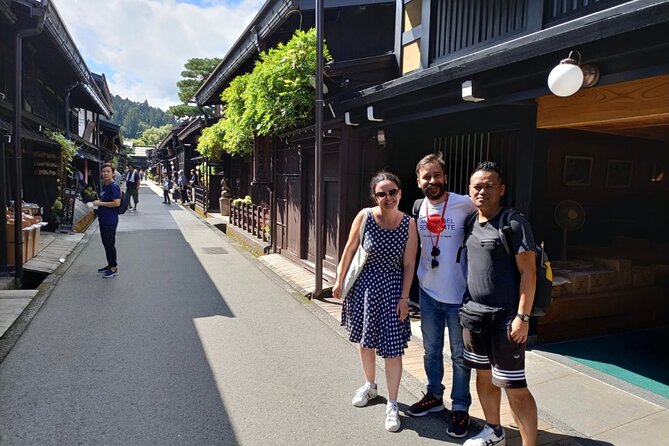
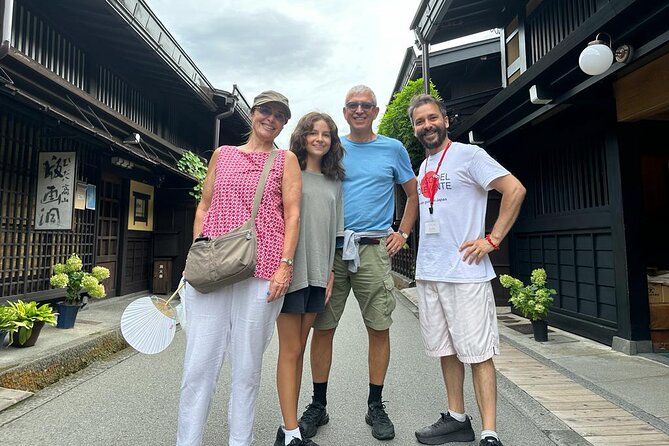
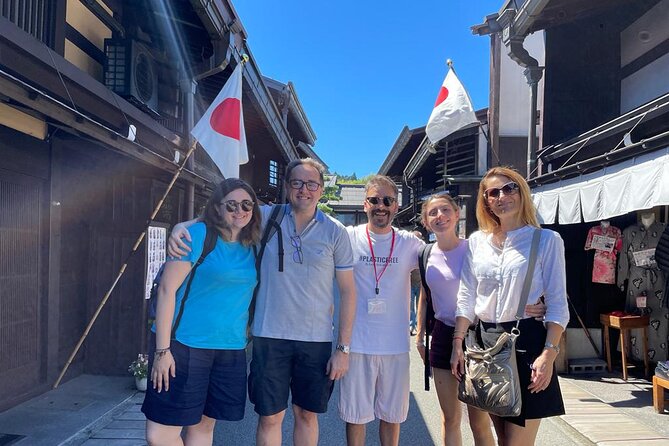
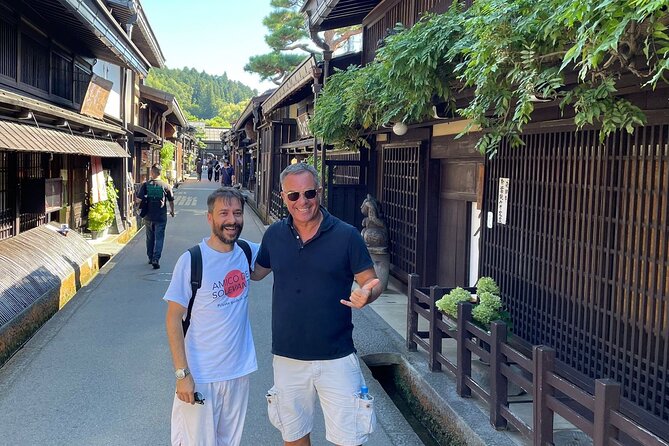
This experience is led by Luca (Amico del solevante). The description emphasizes that he has lived in Japan for almost 20 years and has lived in Takayama for almost 10 years. He also speaks Italian, English, and Japanese, so he can explain details in a way that stays comfortable for you.
I find long-term local guides are the secret to good short tours. You get perspective on what matters, not just memorized facts. In particular, one highlight from the feedback is that Luca provides practical tips on what to visit next and where to eat. That is exactly what you want from a 30-minute walk. The tour becomes a launchpad, not a dead-end.
If you like asking questions, this format works well. With a private group, you can follow your curiosity. And because the walk is short, you are not stuck waiting for a long segment to end.
Price and value: $26.43 for a focused orientation
At $26.43 per person, this is priced like a short, guided orientation. The value is not in “getting tickets included” or “tasting lots of food.” The value is in having a local guide for the time when you need direction most.
Remember two things about value:
- The route duration is about 30 minutes, so you are paying for guidance and context, not for a long program.
- Extra expenses like food, drinks, and any tickets you want to add are on you.
So if your plan is to wander independently for hours, you may feel this is unnecessary. But if you are the kind of person who wants to understand the district quickly, learn where to go next, and then spend your time well, this price can make sense.
Also, it tends to be booked about 17 days in advance on average. If you are traveling during a busy period, I would not wait until the last moment.
How weather and timing affect your day
This experience requires good weather. If it gets canceled due to poor weather, you are offered a different date or a full refund. That is the kind of simple rule that helps you plan without stress.
Timing is also a factor. Since it ends at Nakabashi, you can treat it as a natural mid-morning or early afternoon anchor. Start your day with some flexibility, take the guided orientation, and then keep exploring using the route logic your guide gave you.
Who this tour suits best
This is a good match if:
- You want a fast, structured look at Takayama old town.
- You prefer a private guide who can tailor the pace to your questions.
- You plan to keep exploring after the walk and want local recommendations.
It may be less ideal if:
- You want a long, museum-style itinerary with lots of stops.
- You expect the tour fee to cover meals and paid attractions.
Should you book this Takayama Old Town 30-minute walk?
Yes, book it if you want quick clarity in Takayama’s most photogenic lanes. The big selling point is the short duration paired with a guide who can explain the themes you pass: Edo-era town structure, the festival culture, sake and the local economy, plus crafts and food pointers.
Skip it only if you already know Takayama well and you would rather spend those 30 minutes on unguided wandering. For most first-timers, though, this feels like the smart way to start. You spend a small amount of time with a local expert, then you use what you learned to make the rest of the day smoother.
FAQ
How long is the Takayama Old Town 30-minute walk?
The tour duration is approximately 30 minutes.
What does the tour cost?
The price is $26.43 per person.
Where does the tour start and end?
It starts at Rokujyuban60 Kamisannomachi, Takayama, Gifu 506-0846, Japan. It ends at Nakabashi, Japan 506-0847, Gifu, Takayama, Kawaramachi 49.
Is the ticket mobile?
Yes, it uses a mobile ticket.
How soon will I hear after I book?
Confirmation is received within 48 hours of booking, subject to availability.
Is this tour private?
Yes. It is a private tour/activity, and only your group participates.
Are service animals allowed?
Service animals are allowed.
What if the tour is canceled due to weather or because of minimum travelers?
If it is canceled due to poor weather, you will be offered a different date or a full refund. If it is canceled because the minimum number of travelers is not met, you will be offered a different date or experience or a full refund.
Newly listed around Takayama
- EXPERIENCE TAKAYAMA & LOCAL SAKE TASTING with explanation 1 HOUR!★ 4.5 · 12 reviews
- Private Transfer from Takayama to Kanazawa Including Shirakawago★ 5.0 · 17 reviews
- Takayama oldtownship walking tour with local guide. (About 70min)★ 5.0 · 8 reviews
- Takayama Half Day Tour (Private Guide)★ 5.0 · 15 reviews
- Takayama Half-Day Private Tour with Government Licensed Guide★ 5.0 · 69 reviews
- Shuriken Experience in Takayama★ 5.0 · 46 reviews
- Shirakawago All Must-Sees Private Chauffeur Tour with a Driver (Takayama DEP.)★ 4.0 · 8 reviews
- Takayama Full-Day Private Tour with Government Licensed Guide★ 4.5 · 13 reviews
Walking Tours, compared.
Kyoto Geisha Walking Tour: Gion District & Hidden Gems
Read our review →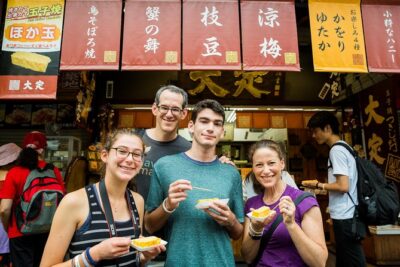
Tokyo Tsukiji Fish Market Food and Culture Walking Tour
Read our review →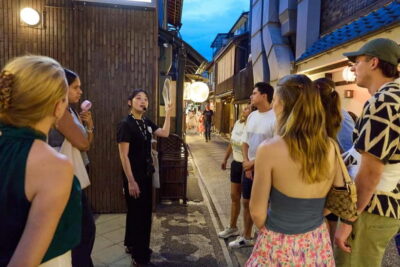
Gion Geisha District Walking Tour – Stories of Geisha
Read our review →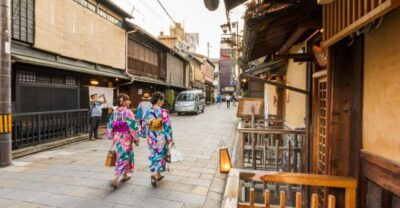
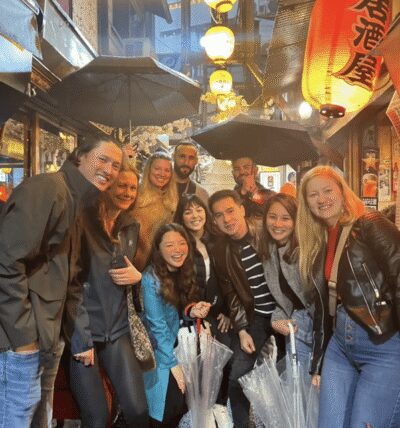
Shinjuku Local Bar and Izakaya Guided Walking Tour
Read our review →
Asakusa Walking Tour with Sensoji Temple Visit
Read our review →
Kyoto Gion Geisha District Walking Tour – The Stories of Geisha
Read our review →Browse the lists this tour appears in