Review · TOKYO TOURS
Make Your Own Bonsai with a Professional Bonsai Artist in Tokyo
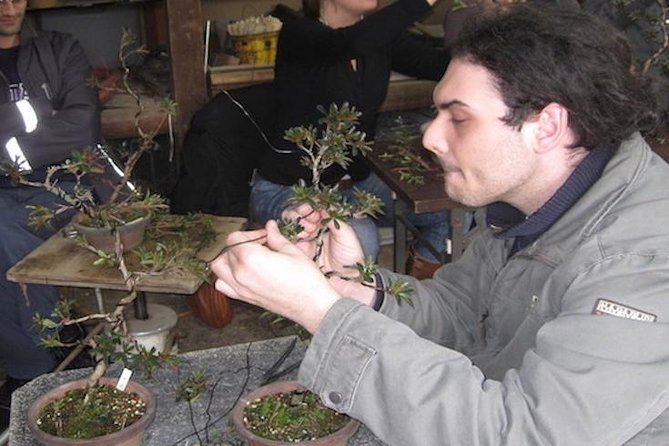
Make bonsai in Tokyo and leave with a living souvenir. This hands-on workshop at Shunkaen Bonsai Museum pairs a professional bonsai artist lesson with translation help, so you can actually learn the craft, not just pose with a tree. I really like the small-group setup (max six), because you get real guidance, and I also love the museum setting, including extraordinary old bonsai you can study up close. One thing to plan for, though, is that taking your tree home can cost extra, since shipping is not included.
The class is about 2 hours, which is short enough for a busy itinerary. You get admission as part of the session, plus instruction that focuses on practical bonsai technique and care. My only caution is that the museum has garden areas and elevated spots, so moderate walking and standing will be part of the experience.
If you like plants, Japanese culture, or anything hands-on, this is a very satisfying way to spend an afternoon. I also like that the lesson includes history and fundamentals, so your bonsai care isn’t guesswork. You’ll see and learn techniques like wiring, including work done on a juniper tree in the lessons described.
In This Review
- Key highlights that matter for your day
- Shunkaen Bonsai Museum: a calm, bonsai-first Tokyo stop
- Your 2-hour bonsai workshop: hands-on wiring and core care
- The people factor: apprentices, translation, and the chance to learn from masters
- How the museum visit works alongside the class
- Taking your bonsai home: what’s included and what costs extra
- Price and value: is $78.83 a fair deal?
- Best fit: who will enjoy this most in Tokyo
- Quick tips so your workshop experience goes smoothly
- Should you book this Tokyo bonsai-making class?
- FAQ
- How long is the bonsai-making lesson in Tokyo?
- Where does the workshop take place?
- What is included in the price?
- Is there a translator?
- Is there a limit on group size?
- Can I take the bonsai home?
- What if I need to cancel?
Key highlights that matter for your day
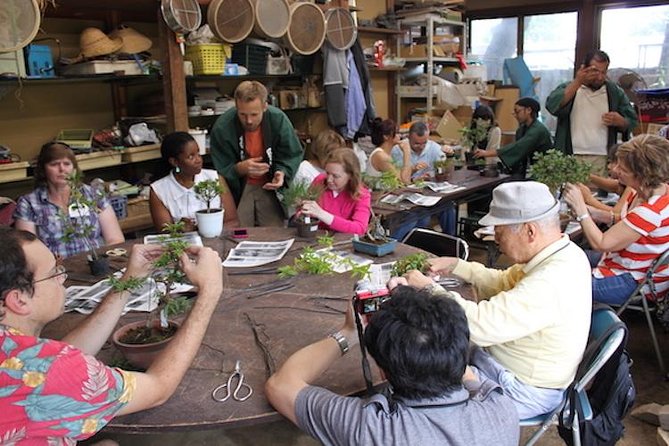
- Max 6 people, so your questions do not get lost
- Pro instruction with translator support, so technique and timing make sense
- Wiring and styling basics are taught step-by-step, including juniper work
- Museum admission is included, with time to admire a serious collection
- You may get to meet Master Kunio Kobayashi during some sessions
- Tea and apprentice help can be part of the flow, depending on the day
Shunkaen Bonsai Museum: a calm, bonsai-first Tokyo stop
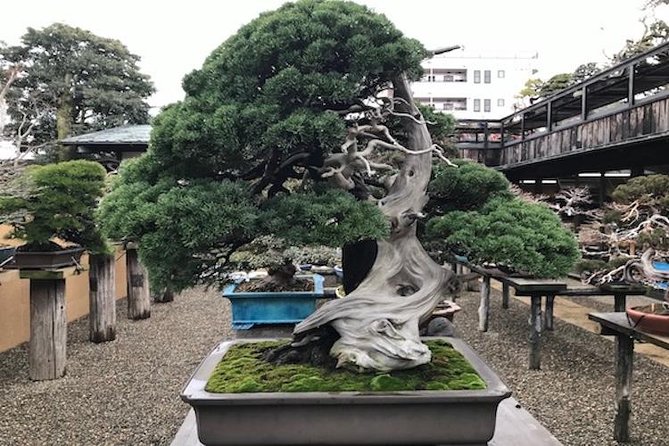
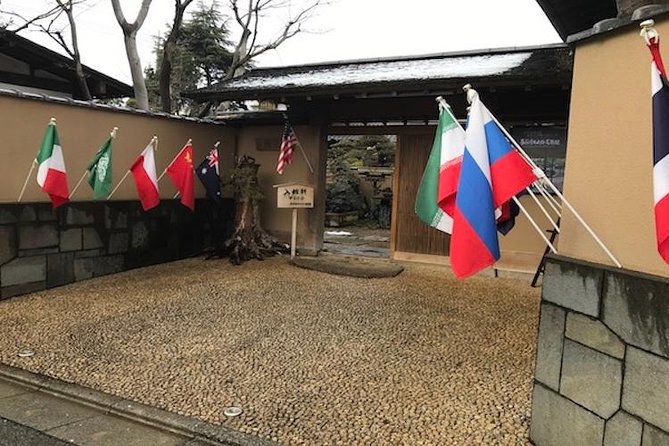
This is not a rushed “activity center.” Shunkaen feels like a working bonsai space, where the garden and the trees do the talking. You start with a place that is designed for quiet attention, with courtyards and elevated areas where you can look at form, branching, trunk movement, and pot presentation.
I love that the museum gives you a visual lesson while you’re waiting for the next part of the class. It’s easier to understand why the artist wants a certain shape when you can compare it to living examples nearby. Reviews also point to the kind of trees you do not usually see on casual sightseeing lists, including an extremely old bonsai that makes the whole craft feel real.
One practical note: expect some uneven garden paths and standing. The experience lists moderate physical fitness as the baseline, so wear comfortable shoes and plan for a bit of walking.
A few more Tokyo days to weigh up
- Mt Fuji and Hakone 1-Day Bus Tour Return by Bullet Train
★ 5.0 · 26,383 reviews - 1-Day Tokyo Bus Tour
★ 5.0 · 14,250 reviews - Tokyo: TOKYO SKYTREE® Admission ticket
★ 4.5 · 11,192 reviews
Your 2-hour bonsai workshop: hands-on wiring and core care
The workshop is built around making your own bonsai, with a trained artist guiding you through the basics. The total time is about 2 hours, which includes the lesson and admission time, so it fits neatly into a Tokyo day without swallowing your schedule.
In the sessions described, you often learn fundamentals like how to approach the tree and start shaping it, including wiring technique. Juniper is specifically mentioned in one lesson, and wiring is one of the first skills you need to understand to control branch direction. The instructors do not just show one move and walk away either, they take you through the first steps and keep answering questions as you work.
What I find most valuable is the balance between technique and care. The class includes guidance on how to keep your bonsai healthy, plus a bit of the craft’s background. That history matters because bonsai is not just decoration, it is maintenance and long-term thinking.
Because this is a small group, I expect you will get help that matches what you are doing. You’re not competing for attention in a large crowd, so if your tree needs a different angle or you are unsure about timing, you have a better chance of getting corrected.
The people factor: apprentices, translation, and the chance to learn from masters
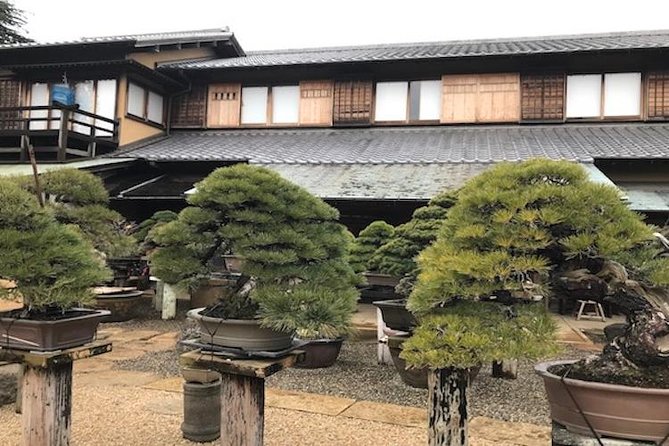
Bonsai is detail work. That is why the teaching team matters. This experience runs with a capped group size of six, which lets apprentices and the main instructor move around and assist rather than lecture from the front.
Translation support is a big deal here. The workshop highlights tailored instruction with help from a translator, which means you can follow both the hands-on steps and the reasoning behind them. When bonsai care gets explained in simple terms, you end up with fewer “wait, what do I do later?” moments.
Some days include a chance to meet Master Kunio Kobayashi, based on session descriptions. Even if he is not present for your specific time slot, you can still expect a respectful, teacher-led vibe with apprentices answering questions and adding context.
If you chose an option with an assistant, you should feel even more supported during the hands-on portion. For anyone nervous about doing something precise with plants, that extra help is a real confidence boost.
How the museum visit works alongside the class
You do not just sit in a room while someone talks about bonsai. Admission is included, so you can take time to walk the museum grounds and study the collection during your allotted session time.
What makes this worthwhile is seeing how different styles look in person. Bonsai design is full of small cues, like how trunk taper changes with age, how branch pads develop, and how pot choice affects overall balance. When you can compare multiple examples in a calm setting, the lesson becomes more than instructions, it becomes pattern recognition.
The museum setting also turns the experience into a cultural one, not only a craft one. You start to notice the quiet aesthetics of Japanese garden design while you connect it to the shaping choices you’re making with your own tree.
In practical terms, plan to slow down during the museum time. If you rush it, you miss the “why” that helps your finished tree look intentional, not random.
A different sort of day in Japan:
- Tokyo: teamLab Planets TOKYO Digital Art Museum Entry Ticket
★ 4.6 · 9,779 reviews - Mt Fuji & Hakone Cruise, Drum Show Bullet Train 1 Day from Tokyo
★ 4.0 · 7,413 reviews - Tokyo: Sumo Show Experience with Chicken Hot Pot and a Photo
★ 4.8 · 6,678 reviews - Tokyo: Shinjuku Food Tour (13 Dishes at 4 Local Eateries)
★ 5.0 · 6,603 reviews
Taking your bonsai home: what’s included and what costs extra
This is where your planning matters. The lesson includes what you make and your bonsai workshop instruction, with admission included as well. However, the experience specifically lists that bonsai shipping fees are not included.
That means you should budget for the logistics of getting your tree back safely. Reviews also mention an option to take your tree with you for a fee, so you may have choices like shipping or having it handled for travel. Either way, treat the base workshop price as the cost of the learning, not the full cost of transporting a living plant.
Also keep in mind that food and drinks are not included. It’s a good idea to eat before or after, so you can focus while you’re in the garden and workshop.
If you have limited luggage space, think early about how you want to handle your tree. If you are traveling light, shipping can end up being the more sane option, even if it is extra.
Price and value: is $78.83 a fair deal?
At $78.83 per person, this workshop is not a cheap souvenir stop. But it is also not trying to be one. You are paying for pro instruction, translation support, a small group format, and museum admission included in the session.
Here is why the value can make sense:
- You get hands-on guidance instead of watching from a distance.
- The class is short enough to fit a schedule, but long enough to learn real basics.
- The museum visit adds context that makes the skills easier to understand and apply later.
Where you might feel the cost is higher is if you add shipping, travel logistics, or extra handling fees. That extra budget can be the difference between a good deal and a “let me think twice” moment.
If you want bonsai as a hobby, not just an hour of fun, it can be a strong starting point because you leave with fundamentals and care guidance. If you only want a quick photo moment, the price will feel steeper, since you are paying for time, teaching, and a living craft.
Best fit: who will enjoy this most in Tokyo
This experience is especially good for:
- People who like Japanese culture that you can touch and learn
- Plant lovers who want more than generic sightseeing
- Anyone who enjoys workshops where you get feedback while you make something
It also works well if you want a calm break. The pace is not a sprint through a checklist. You spend time in a peaceful environment and get coaching as you create.
I would consider it less ideal if you are short on time and hate walking. The workshop lasts about 2 hours, but the museum grounds and elevated areas can add extra movement during the included admission time.
It’s also a solid pick for solo travelers who do not want a big group. Max six means you should still feel seen, even if you arrive on your own.
Quick tips so your workshop experience goes smoothly
- Wear comfortable shoes. Garden paths and elevated spots can be a little tricky.
- Ask early about plant aftercare. The lesson covers care principles, but you will learn more if you know what questions to ask.
- Plan for transport. Since shipping and transportation fees are not included, decide in advance whether you want to carry it, ship it, or ask about options.
- Give yourself time to look around in the museum. If you rush, you miss the comparison points that make bonsai click.
- Keep your questions simple and specific. With small groups, you get better results when you ask for guidance on what you are actually doing.
And yes, if you end up wanting to return, that is a real possibility. Some people even come back for another class to deepen what they learned the first time.
Should you book this Tokyo bonsai-making class?
Book it if you want a real workshop with professional teaching, translation help, and a museum setting that makes the lesson stick. The small group limit, the hands-on basics like wiring, and the inclusion of museum admission are what turn this into a meaningful experience rather than a generic activity.
Skip or consider a different option if you mainly want a quick, low-effort souvenir. Also think twice if you know you will refuse any additional costs for moving a living tree home, since shipping is not included.
If your goal is to learn how bonsai shaping and care work, this is an efficient, enjoyable way to start in Tokyo, in a place built for bonsai attention.
FAQ
How long is the bonsai-making lesson in Tokyo?
The experience runs about 2 hours.
Where does the workshop take place?
It takes place at Shunkaen Bonsai Museum, 1-chōme-29-16 Niihori, Edogawa City, Tokyo 132-0001, Japan, and the activity ends back at the meeting point.
What is included in the price?
The price includes the bonsai-making lesson, and admission ticket access is included. An assistant is included only if you select the option.
Is there a translator?
Yes. The workshop includes tailored instruction with help from a translator.
Is there a limit on group size?
Yes. The group is capped at a maximum of 6 travelers.
Can I take the bonsai home?
You can take your tree with you, but bonsai shipping fees are not included. There may also be a fee to take your tree with you, so plan for extra costs if you want to bring it back.
What if I need to cancel?
You can cancel for a full refund if you cancel at least 24 hours in advance of the experience start time. Confirmation is sent within 48 hours of booking, subject to availability.
Newly listed around Tokyo
- Private Tokyo Food Tour – A Journey Through Time Through Food★ 5.0 · 36 reviews
- Private Tokyo Tour with Licensed Guide & Vehicle (Max 15 persons)★ 5.0 · 107 reviews
- Private Tokyo Custom Full-Day Tour by Chartered Vehicle★ 5.0 · 16 reviews
- Private Tokyo Custom Half-Day Tour by Chartered Vehicle★ 4.5 · 13 reviews
- Private Outstanding Nikko Tour with English Speaking Driver★ 4.0 · 11 reviews
- Private Sightseeing to Mt Fuji and Hakone with English Driver★ 5.0 · 51 reviews
- Private Snow Monkeys park Day Trip From Tokyo or Nagano★ 4.5 · 26 reviews
- 4 Day Tour – Mount. Fuji, Tokyo, Hakone, Kamakura and Yokohama★ 5.0 · 19 reviews
Tokyo Tours, compared.

Mt Fuji and Hakone 1-Day Bus Tour Return by Bullet Train
Read our review →


teamLab Planets TOKYO Digital Art Museum Entry Ticket
Read our review →
Mt Fuji & Hakone Cruise, Drum Show Bullet Train 1 Day from Tokyo
Read our review →
Sumo Show Experience with Chicken Hot Pot and a Photo
Read our review →
Shinjuku Food Tour (13 Dishes at 4 Local Eateries)
Read our review →