
Review · ANIME & MANGA TRIPS
Manga Lesson with a Professional Japanese Manga Artist in Nakano
Manga lessons in Tokyo can feel intimidating. This one is different, you get guided step-by-step work with a professional Japanese manga artist in Nakano, plus take-home art. I also love the private, level-tailored pace, because beginners and practiced drawers get coached at their level. One drawback to plan for, the meeting spot is a bit tucked in, and English support can be limited if you get turned around.
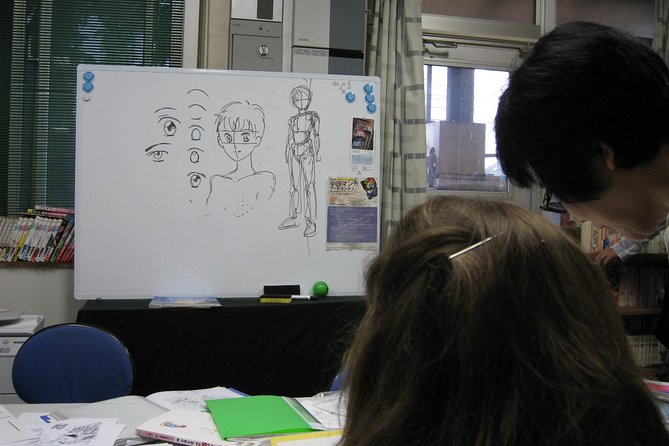
In practice, you are not just watching techniques, you are using them. You’ll work through the manga process from pencil draft to inking, black tones, white highlights, and screen tones, using real materials like dip pens and ink.
It’s also a great choice if you want something hands-on that feels very Tokyo and not like a generic souvenir stop. One small note, drinks are not included, so plan to grab water before or after.
In This Review
- Key things that make this manga class work
- Why Nakano is a smart setting for manga drawing
- Enter Manga School Nakano, and settle into a private class
- The tools lesson you did not know you wanted
- The step-by-step process for real manga line work
- How the references and copying work for beginners
- What you learn about manga itself, not just drawing
- The finishing touches that make it look like manga
- Leaving with a take-home souvenir you’ll actually keep
- Price and value: what $67.77 buys you in Tokyo
- Who should book this, and who might skip it
- Timing, directions, and how to not lose time before class
- Quick decision guide: should you book Manga School Nakano?
- FAQ
- How long is the manga lesson?
- Is this a private class or do I join other travelers?
- What is included in the price?
- Are all skill levels welcome?
- What drawing tools will I use?
- Can I take my artwork home?
- Is instruction available in English?
- Can I get a full refund if I cancel?
Key things that make this manga class work
- A private lesson for your group, not a public class mixed with strangers
- Professional tools included, including screen tones and manga pens and ink
- Real manga workflow, pencil draft to screen tone finish
- English guidance without an interpreter, so you can follow corrections clearly
- A finished page to take home, so your time leaves a tangible souvenir
Why Nakano is a smart setting for manga drawing
Nakano is a part of Tokyo that feels local, not staged. You’re going to a manga school in the Nakano area, so the experience feels connected to where people actually go, not just where tourists collect photos.
The practical upside is that the neighborhood has lots of public transit options nearby. That matters because a 2-hour class goes fast, and you do not want to burn half your morning on transit stress.
Also, the meeting address is precise, Japan, 165-0026 Tokyo, Nakano City, Arai, 2-chōme 7-13 南国ビル. This kind of building-based meeting point is normal in Tokyo, but it does mean you should use maps and arrive a few minutes early. One small misread can send you hunting.
Other Anime and Manga trips worth a look in Tokyo:
- Official Street Go-Kart Tour – Akihabara
★ 5.0 · 1,578 reviews - Tokyo Go Kart: Asakusa, Skytree, and Akihabara **IDP MUST**
★ 5.0 · 988 reviews - Tokyo: Tokyo Tower, Shibuya Crossing, Harajuku, Go Kart Tour
★ 4.7 · 446 reviews
Enter Manga School Nakano, and settle into a private class
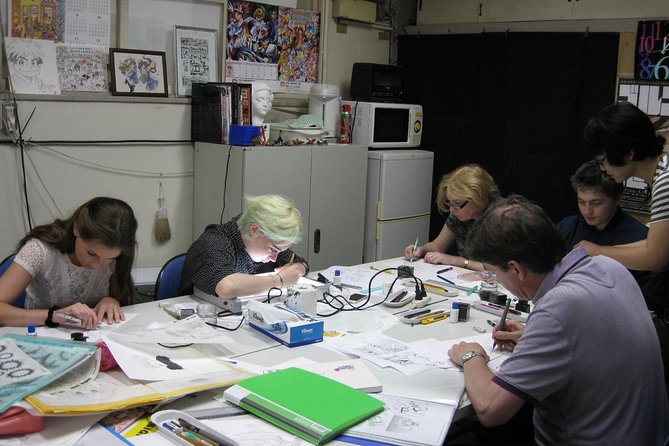
Your lesson starts at Manga School Nakano, and the whole setup is built around a private group format. That’s a big value driver. Instead of waiting your turn, you get direct guidance while you draw, and the teacher can correct your line work right away.
The coaching style is also described as pressure-free and tailored. If you are brand new, the instructor adjusts the steps to match your comfort level. If you already draw, you can use the class structure to tighten up technique, especially around inking, tones, and highlights.
One detail I really like: the class uses English guidance. You should expect clear, specific instruction without needing an interpreter. That helps a lot with the steps that sound simple on paper, like when to erase pencil lines and when to add screen tones.
If you are traveling with family, the private format helps keep everyone in sync. Reviews specifically highlight it working for teens and even multi-generational groups, because the instructor can steer the pace so each person ends with something solid.
The tools lesson you did not know you wanted
A lot of art workshops in Tokyo are basically copy-and-color. This one is more useful, because you learn the manga toolset and what each tool is doing in the final look.
You’ll get hands-on with:
- Screen tones, those gray textures used for shading and effects
- Manga pens and ink, including dip pen use
- Specialized pen nibs, described as three different types
- White ink, used for highlights at the end
Here’s the practical value: when you learn manga with the right tools, your drawings start to look like manga even if you are not a manga expert yet. The same face, the same eye style, and the same posture can look totally different depending on line weight and tone texture.
Also, screen tones are one of those things that are hard to fake. The class format saves you from trial and error by teaching when to add the tones as part of the workflow. You are not left guessing what goes where.
The step-by-step process for real manga line work
The heart of this class is the manga production workflow. It’s a sequence, not random art time. You work through the processes in a clear order, which makes the class feel efficient instead of chaotic.
You can expect steps like:
- Pencil drawing (draft)
You sketch your manga character layout first, with guidance as you go. If you are new, you can choose a manga reference to copy with help.
- Inking
This step matters. In manga, the inking stage is where pencil lines get erased, and your final line work becomes clean and readable.
- Painting black parts
Manga relies on bold black areas for structure and contrast. The class teaches how to apply those black shapes so they look intentional, not accidental.
- Correcting mistakes
You do not have to panic when something goes off. Corrections are part of the step-by-step approach, so you can fix line work and black areas before moving on.
- Adding highlights with white ink
White ink is one of those details that makes faces and hair pop. The class includes this as a late-stage move, which keeps your earlier layers from getting muddied.
- Pasting screen tones (gray textures and effects)
Screen tones go last in the sequence, so the texture sits over your finished line and shading choices.
I love this structure because it matches how manga art gets built. If you’ve ever thought manga looks like magic, this breaks it down into decisions you can actually learn.
A few more Tokyo days to weigh up
- Mt Fuji and Hakone 1-Day Bus Tour Return by Bullet Train
★ 5.0 · 26,383 reviews - 1-Day Tokyo Bus Tour
★ 5.0 · 14,250 reviews - Tokyo: TOKYO SKYTREE® Admission ticket
★ 4.5 · 11,192 reviews - Tokyo: teamLab Planets TOKYO Digital Art Museum Entry Ticket
★ 4.6 · 9,779 reviews
How the references and copying work for beginners
If you are worried you might not draw well, this class is designed to help you start. Beginners can choose from various manga references to copy. The instructor supports you with assistance as you go.
This is valuable because copying is not a limitation here. It’s training wheels. You can focus on learning what matters: how manga eyes are shaped, how line weight changes, how blacks and tones get placed, and how white highlights signal light.
For more experienced drawers, the class still offers something. You get step-by-step feedback on your lines, plus time with the specific tools used in manga. Even a seasoned artist often finds that manga tools and technique have their own rules.
What you learn about manga itself, not just drawing
You’ll get a brief lecture at the start on techniques and the history of manga. It’s not presented as trivia. It’s there to give context for why the style uses certain conventions, like line clarity, stylized proportions, and tone textures.
That matters for your final drawing too. When you understand the purpose of screen tones and bold blacks, you stop treating them as decoration. You start treating them as storytelling tools.
The finishing touches that make it look like manga
The last part of the lesson is where your drawing starts looking like it belongs with manga panels. This is where the specific instructions pay off.
White highlights are not just shiny bits. When used correctly, they shape hair volume and facial expression. That’s why instructors tend to emphasize adding them at the right stage.
Screen tones also do more than add gray. They create texture and depth. Done well, they make your character feel dimensional without needing complicated painting techniques.
If you care about getting a result you can show, these final steps are the biggest payoff. Even if your first draft is rough, the workflow helps you reach a cleaner manga look.
Leaving with a take-home souvenir you’ll actually keep
You finish with a completed manga drawing that you take home as a souvenir. That’s a key difference from many workshops where you leave with a photo and a vague memory of art.
Here’s a practical way to enjoy it after the class:
- If you want to keep it crisp, keep it flat while you travel back to your hotel.
- If you are sensitive to smudging, ask how they suggest drying or storing it, since ink and tones are involved.
One small detail you might encounter is that some instructors may keep a copy for display or online sharing. The class still clearly centers on your ability to take home your finished page.
Either way, you’ll end with something personal. It’s not a store-bought souvenir. It’s your own character, built through a real manga process.
Price and value: what $67.77 buys you in Tokyo
At $67.77 per person for about 2 hours, you are paying for four main things:
- A professional Japanese manga artist teaching a structured workflow
- Manga tools and materials provided during the class
- One private, guided session that can adapt to your level
- A finished take-home drawing
What makes the value feel real is that the class includes the materials and the instructor time. Many classes require you to buy supplies, or they give you a short demo then send you off. Here you are drawing through the full sequence using the actual tools.
Also, the private format is a cost-saving in time and energy. You get corrections while you work, instead of hoping you guessed right later.
If you’re comparing it to other art classes you might find around Tokyo, the best way to judge value is the souvenir factor plus the specificity of manga tools and screen tone technique. This is a niche skill, taught with the exact workflow manga artists use.
Who should book this, and who might skip it
This is ideal if you:
- Love manga or anime styles and want to learn the mechanics
- Want a hands-on Tokyo activity that feels culturally specific
- Are traveling with kids, teens, or a mix of ages and want everyone to leave with a drawing
- Like structured step-by-step learning rather than open-ended art time
It’s also a smart choice if you want an English-friendly class that does not rely on an interpreter.
You might want to think twice if you only want a quick look and a photo, with no interest in actual drawing steps. This class is built around working through pencil, inking, black tones, white highlights, and screen tones.
Timing, directions, and how to not lose time before class
Plan to arrive a bit early. The meeting point is a specific building in Nakano City, Arai, and it’s not described as a huge landmark.
Also, one practical warning from experience: signage and help may not be super easy in English if you need help on the street. Your best defense is simple:
- Use your map app and save the address details
- Take a screenshot of the meeting instructions
- Keep your booking confirmation ready on your phone
Because it’s a short 2-hour session, even a 10 to 15 minute delay can feel tight.
Drinks are not included, so grab water nearby if you need it. Tokyo is easy for that, and you’ll feel better once you’re seated at the desk.
Quick decision guide: should you book Manga School Nakano?
Book it if you want a real manga skill, not a casual craft. The workflow is the main attraction, because it teaches how manga art is built: draft, ink, blacks, white highlights, then screen tones. Add in the professional coaching and the take-home page, and it’s a strong value for Tokyo.
Skip it only if you want zero drawing commitment. This is a working class. You will pick a character, follow steps, and finish a page.
If you do book, the smartest prep is to come with an idea of the character style you like, and be ready to learn why manga uses specific tools. Then you’ll leave with something you can show, frame, and remember from Tokyo.
FAQ
How long is the manga lesson?
It lasts about 2 hours.
Is this a private class or do I join other travelers?
It’s private for your group only, not a public group lesson.
What is included in the price?
The price includes a professional manga artist and the manga tools.
Are all skill levels welcome?
Yes. The instructor adjusts the lesson for beginners and more experienced artists.
What drawing tools will I use?
You’ll use manga tools and materials such as screen tones, manga pens and ink, manga paper, and dip pens and ink, including three types of specialized pen nibs.
Can I take my artwork home?
Yes. You will take home your finished manga drawing as a souvenir.
Is instruction available in English?
You can receive precise guidance in English without interpreters.
Can I get a full refund if I cancel?
Yes. You can cancel up to 24 hours in advance for a full refund, based on the experience’s local time.
Newly listed around Tokyo
- Private Tokyo Food Tour – A Journey Through Time Through Food★ 5.0 · 36 reviews
- Private Tokyo Tour with Licensed Guide & Vehicle (Max 15 persons)★ 5.0 · 107 reviews
- Private Tokyo Custom Full-Day Tour by Chartered Vehicle★ 5.0 · 16 reviews
- Private Tokyo Custom Half-Day Tour by Chartered Vehicle★ 4.5 · 13 reviews
- Private Sightseeing to Mt Fuji and Hakone with English Driver★ 5.0 · 51 reviews
- Private Snow Monkeys park Day Trip From Tokyo or Nagano★ 4.5 · 26 reviews
- Private Outstanding Nikko Tour with English Speaking Driver★ 4.0 · 11 reviews
- 4 Day Tour – Mount. Fuji, Tokyo, Hakone, Kamakura and Yokohama★ 5.0 · 19 reviews
Anime & Manga Trips, compared.

Tokyo Go Kart: Asakusa, Skytree, and Akihabara **IDP MUST**
Read our review →
Tokyo Tower, Shibuya Crossing, Harajuku, Go Kart Tour
Read our review →
Tokyo Studio Ghibli Museum and Ghibli Film Appreciation Tour
Read our review →
Akihabara Anime & Game Adventure Walking Tour (Group or Private)
Read our review →

Browse the lists this tour appears in