Review · PRIVATE
Mochi Making at a Private Studio in Tokyo
Sticky mochi is a fun Tokyo skill.
This small-group class turns Japanese sweets into something you can actually make and taste. I love the hands-on, messy-but-manageable workflow, and I also like how the instructor ties each dessert to the culture behind mochi. One thing to consider: you should be ready for a short walk from Meguro Station and for getting a bit sticky even with aprons.
The setting matters here. You’ll work in a private home studio, and the vibe is cozy and focused, not a factory-like cooking room. Most classes are led by experienced instructors such as Chef Michiko-san, Ayumi, Owa, Waka-san, or Miho (all named in class feedback). The main drawback for some people is timing, because you only have about 2 hours, so it moves at a steady pace.
In This Review
- Key highlights worth planning for
- A mochi workshop in a private studio near Meguro Station
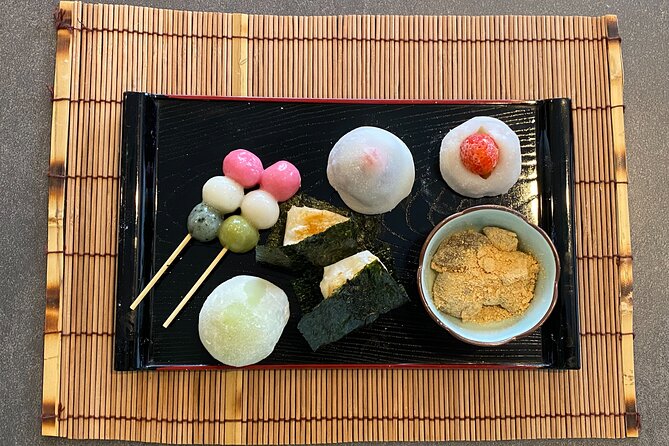
- What you make in 2 hours: strawberry daifuku, dango, and warabi mochi
- Sweet and savory: grilled mochi with soy sauce and nori
- The mochi ice cream demo you should pay attention to
- Tasting time: tea, coffee, and a sit-down payoff
- Price and value: why $79.26 can be fair for what you get
- Logistics that actually matter: timing, pace, and what to bring
- Who should book this mochi-making class, and who might not love it
- Should you book this mochi-making class?
- FAQ
- How long is the mochi-making class?
- How many people are in the class?
- What does the class include?
- What types of mochi will I make?
- Is the instructor able to teach in English?
- Can the ice cream be made dairy-free?
- Where is the class located in Tokyo?
- Is there a minimum age requirement?
- What is the cancellation policy?
- What if I want a private class?
Key highlights worth planning for
- Private-studio setting near Meguro Station: short walk, indoor comfort, easy access
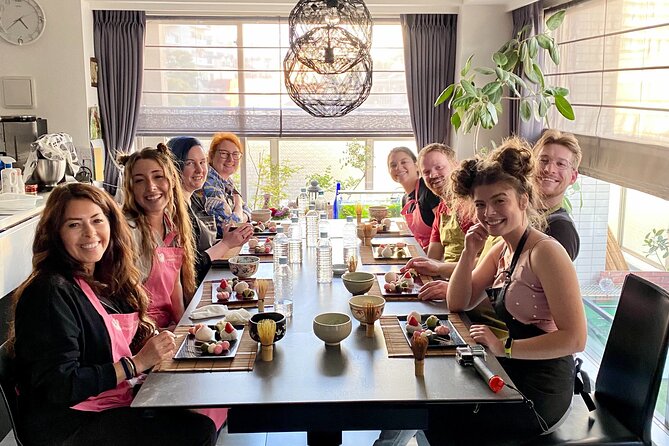
- Small group size (max six in the class): enough help while you knead and shape
- You make several mochi styles: strawberry daifuku, three-color dango, and warabi mochi
- Sweet and savory included: grilled mochi with soy sauce and nori seaweed
- Mochi ice cream demo: learn the method even if you do not build every step yourself
- English support and take-home help: English recipe sheet plus containers when you want more later
A mochi workshop in a private studio near Meguro Station
Tokyo is packed with food tours, but mochi is different because it is tactile. You are not just eating. You are learning how rice dough behaves, how it stretches, and how fillings change the texture and bite.
This class happens in a private studio within walking distance of Meguro Station (JR Yamanote Line) or the metro. The meeting point address is in Meguro City, which makes it easier to anchor your day, especially if you are already bouncing around central neighborhoods. It also helps that the session is non-smoking and designed for comfort, since you are working indoors for roughly 2 hours.
Value-wise, I like that the class has real structure. You get greeted, start with a short cultural briefing, then you roll up your sleeves. That combination matters. If you only learn the recipe, mochi can feel random. If you only learn the culture, you end up watching from the sidelines. Here you get both.
A few more Tokyo days to weigh up
- Mt Fuji and Hakone 1-Day Bus Tour Return by Bullet Train
★ 5.0 · 26,383 reviews - 1-Day Tokyo Bus Tour
★ 5.0 · 14,250 reviews - Tokyo: TOKYO SKYTREE® Admission ticket
★ 4.5 · 11,192 reviews
What you make in 2 hours: strawberry daifuku, dango, and warabi mochi
The core of the class is hands-on. After a warm welcome, the instructor introduces mochi traditions and festivals, plus why it shows up so often in Japanese seasonal life. This is not a long lecture, but it gives you context so the steps make sense.
Then you get to work on multiple items. Based on the session description, you will focus on:
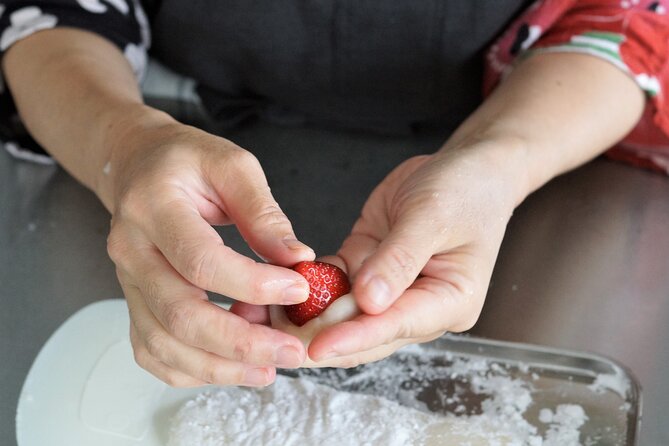
Strawberry daifuku mochi
This is the classic sweet: soft mochi dough holding a fruit-and-sweet filling. The key is learning how to keep the dough pliable while you wrap it without turning it into sticky chaos. Expect a learning curve. That is normal. The class is small enough that the instructor can guide you when your dough decides to act like, well, dough.
Three-color dango on skewers
Dango are mochi-style rice dumplings, usually served in skewered form. The three-color angle is fun because it makes the process visual. You can see how different colors relate to different ingredients or preparations, and you learn how to shape them consistently.
Warabi mochi
Warabi mochi has a different feel from many rice sweets. The class includes it because it teaches you that mochi is not one single texture. It is a family of sweets that can vary from chewy to more delicate, depending on the method. If you tend to only associate mochi with ice cream or wrapped rice cakes, warabi mochi is a great reality check.
Here is what I find useful about this mix. You are not making one product three times. You are sampling different techniques within the same time window. That is a big part of why the experience feels more complete than a basic cooking class.
Sweet and savory: grilled mochi with soy sauce and nori
Most mochi classes lean entirely sweet. This one gives you the other side too. After the main shaping and assembly, the instructor serves savory grilled mochi with soy sauce and nori seaweed.
That matters more than you might think. Mochi is often marketed as candy-like dessert. But in everyday Japanese eating, the savory path makes mochi feel less like a treat you save for special occasions and more like a flexible ingredient.
It also helps your palate during the tasting later. You will appreciate the contrast when you switch from sweet dough and fillings to the salty, umami punch of grilled mochi and seaweed.
The mochi ice cream demo you should pay attention to
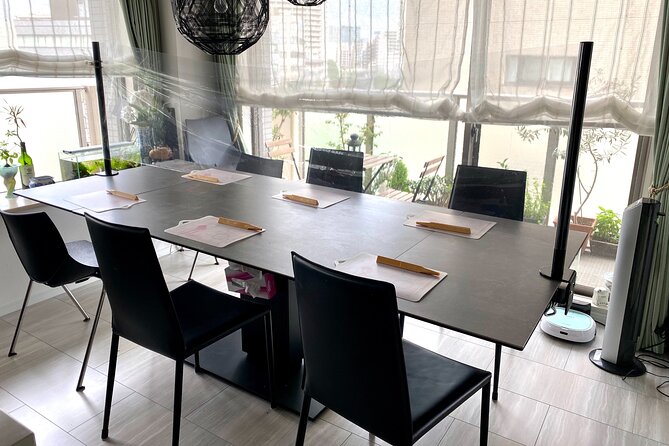
After your hands-on steps, there is a demonstration on how to make mochi ice cream. The class format does not state that you personally complete every step of the ice cream, but the demo is still valuable because you get the logic behind the method.
Even if you are not building every part with your hands, you will likely come away with a clearer understanding of:
- how the mochi dough is prepared to handle cold filling
- why timing and handling matter
- what makes mochi ice cream distinct from other mochi desserts
If you are the type who buys mochi ice cream and wonders why yours did not turn out the same, this demo is the part that can help you connect the dots.
Also note: there is an option for dairy-free ice cream if you request it. If you have lactose concerns, this is worth flagging early so the class can plan.
A different sort of day in Japan:
- Tokyo: teamLab Planets TOKYO Digital Art Museum Entry Ticket
★ 4.6 · 9,779 reviews - Mt Fuji & Hakone Cruise, Drum Show Bullet Train 1 Day from Tokyo
★ 4.0 · 7,413 reviews - Tokyo: Sumo Show Experience with Chicken Hot Pot and a Photo
★ 4.8 · 6,678 reviews - Tokyo: Shinjuku Food Tour (13 Dishes at 4 Local Eateries)
★ 5.0 · 6,603 reviews
Tasting time: tea, coffee, and a sit-down payoff
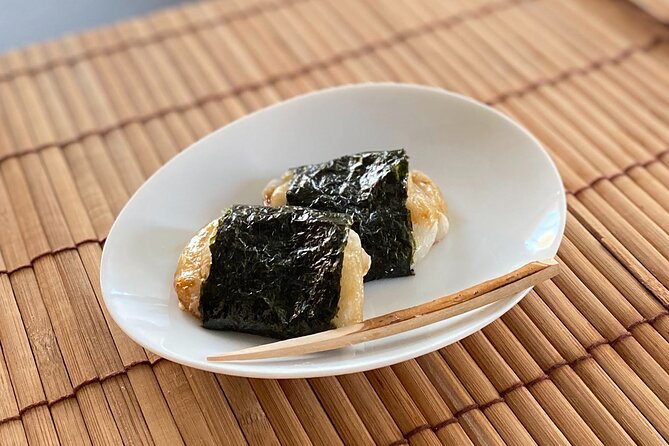
The last portion is a tasting session where you sample what you made, plus the instructor’s creations. Drinks include green tea or hojicha, or coffee depending on the session.
Some classes are described with matcha tea as well, which fits the overall Japanese tea focus. Either way, this break is not just a victory lap. It is when your brain learns through comparison. You can taste each mochi style side by side and notice how filling and texture change the bite.
This is also a good moment to ask questions. The instructor, who is a certified Wagashi Instructor and fluent in English, can share practical insights about Japanese sweets, plus local tips on where to shop or what to see in Tokyo. That conversational element is one reason this class tends to get high marks for being memorable, not just educational.
In a few course notes, people also mention receiving containers to take home if they cannot finish everything. Even without that, the class includes food tasting as part of the price, so the payoff is built in.
Price and value: why $79.26 can be fair for what you get
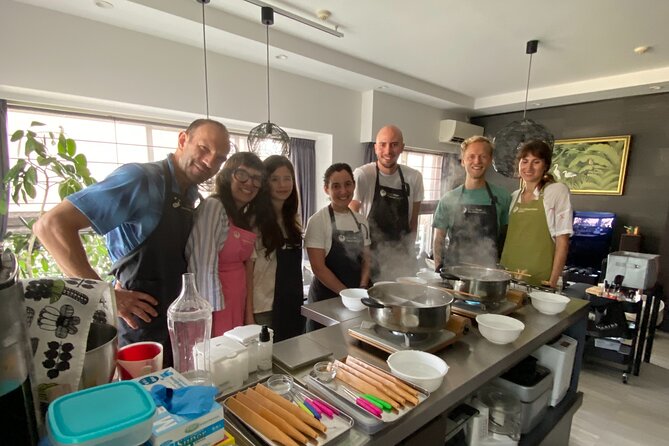
At $79.26 per person, this is not a budget snack. But it is also not priced like a big, impersonal factory class.
Here is what you are paying for:
- A small-group format (max six people in the class)
- A private studio setting near a major rail line
- A hands-on menu with multiple mochi types
- English recipe materials and an English-speaking instructor
- Drinks like green tea, hojicha, or coffee, plus tasting
- Aprons and a structured lesson flow
When you compare it to typical cooking classes, the price feels more justified because mochi includes technique, timing, and texture handling. If you mess up once, you learn fast. If you have a patient instructor, you learn faster.
If you want a class that feels like you leave Tokyo with an actual skill, not just a meal, this is the kind of value you should look for.
Logistics that actually matter: timing, pace, and what to bring
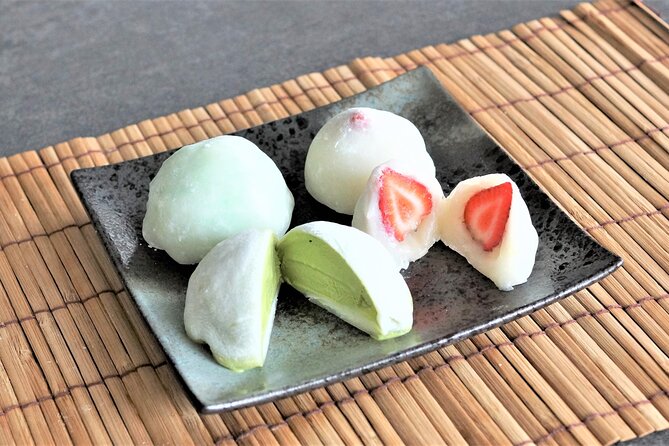
The session runs for about 2 hours and you can choose morning or afternoon departure. That flexibility is handy. It also means you can book it as a “reset” day activity. After sightseeing heat or travel fatigue, indoor cooking can feel calming.
Pace: the class is interactive, but it is not slow. You will make, shape, and taste within the time window. Plan to arrive on time so you do not feel rushed during your first steps.
What to bring:
- Wear comfortable clothes you can get a little sticky in, even with aprons provided
- Bring a small towel or extra hand wipes if you tend to get bothered by sticky residue
- If you have dietary needs like the dairy-free ice cream request, mention it before the day of class if you can
Group size note: the class has a maximum of six people. Some overall activity capacity is listed at up to 12 travelers, but the hands-on group experience stays intimate. That is a big part of why people describe it as easy to follow.
Who should book this mochi-making class, and who might not love it
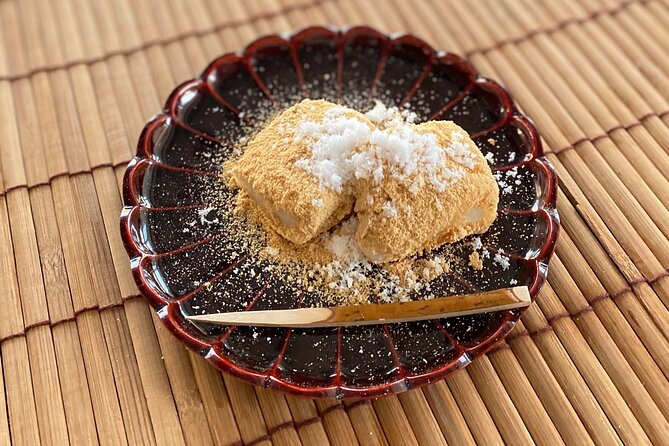
This is a great fit if you:
- want a hands-on food experience in Tokyo
- like Japanese sweets and want to understand what makes each one different
- travel with family members who can handle an indoor 2-hour activity
- prefer an English-friendly lesson with practical guidance
It is also a solid choice for first-time Japan visitors because the instructor can explain traditions and answer questions about daily life in Tokyo in a natural way.
What might not be the best fit if you:
- hate getting messy, even lightly (mochi is sticky by nature)
- only want a quick tasting, with no shaping or dough work
Age matters too. The minimum age is 4 years, and children under 4 are not allowed due to safety reasons.
Should you book this mochi-making class?
Yes, if you want a skill-focused Tokyo food experience. I think it is especially worth booking when you want more than eating, when you want to go home with the recipe sheet and the confidence that you can reproduce at least part of what you made.
Book it if:
- you value a small-group experience
- you want both sweet and savory mochi
- you prefer an English-speaking instructor and clear instruction
- you are traveling on a day where a calm indoor activity helps
Skip it only if you are looking for a purely passive, sightseeing-style food stop. This class is active. You do the work. Then you get to enjoy the results.
FAQ
How long is the mochi-making class?
The class is about 2 hours (approx.).
How many people are in the class?
The cooking class is a small group with a maximum of six people.
What does the class include?
You get a mochi making lesson, food tasting, aprons, an English recipe sheet, and drinks such as green tea, hojicha, or coffee.
What types of mochi will I make?
The session includes making strawberry daifuku mochi, three-color dango (mochi on skewers), and warabi mochi. There is also a demonstration on making mochi ice cream, and you will be served savory grilled mochi with soy sauce and nori seaweed.
Is the instructor able to teach in English?
Yes. The instructor is fluent in English and provides English recipe materials.
Can the ice cream be made dairy-free?
A dairy-free ice cream can be prepared upon request.
Where is the class located in Tokyo?
It takes place in a private studio near Meguro Station of the JR Yamanote Line or the nearest metro station.
Is there a minimum age requirement?
Yes. The minimum age to attend is 4 years.
What is the cancellation policy?
Free cancellation is available up to 24 hours in advance for a full refund. If you cancel less than 24 hours before the start time, the amount paid is not refunded.
What if I want a private class?
You can book for a private class up to 6 people, and you should book for 1 adult for private classes up to 6 people.
Newly listed around Tokyo
- Private Tokyo Food Tour – A Journey Through Time Through Food★ 5.0 · 36 reviews
- Private Tokyo Tour with Licensed Guide & Vehicle (Max 15 persons)★ 5.0 · 107 reviews
- Private Tokyo Custom Full-Day Tour by Chartered Vehicle★ 5.0 · 16 reviews
- Private Tokyo Custom Half-Day Tour by Chartered Vehicle★ 4.5 · 13 reviews
- Private Outstanding Nikko Tour with English Speaking Driver★ 4.0 · 11 reviews
- Private Sightseeing to Mt Fuji and Hakone with English Driver★ 5.0 · 51 reviews
- Private Snow Monkeys park Day Trip From Tokyo or Nagano★ 4.5 · 26 reviews
- 4 Day Tour – Mount. Fuji, Tokyo, Hakone, Kamakura and Yokohama★ 5.0 · 19 reviews
Private, compared.
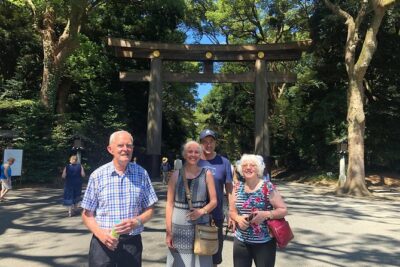
Tokyo 6hr Private Tour with Government-Licensed Guide
Read our review →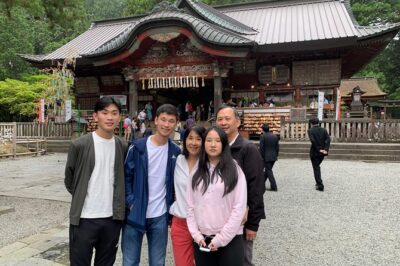
Private Tour to Mt. Fuji and Hakone (Fully Licenced Operator)
Read our review →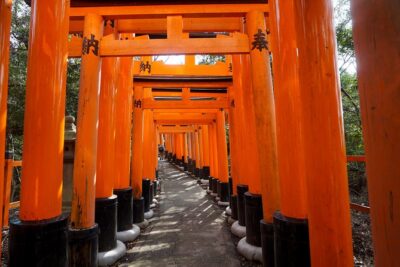
Fushimi Inari Hidden Hiking Tour (Private Option Available)
Read our review →
Private Kyoto Tour with a Local, Highlights & Hidden Gems, Personalised
Read our review →
Tokyo Customized Private Tour (Must See Places in 1 Day)
Read our review →
Mount Fuji Full-Day Private Tour from Tokyo (Customizable)
Read our review →
Private City Highlights Tour with Local Guide
Read our review →