
Review · WALKING TOURS
Nagano: Tateyama-Kurobe Guided Walking Tour
Japan’s Roof of Japan feels close.
I love the mix of mountain transport that turns the ascent into an easy, well-paced ride, and I love the guided walk at 2450m where you actually slow down and take in the alpine world under Mount Tate. It’s a one-day hit of serious scenery, with an English-speaking guide to help you make sense of what you’re seeing.
The only catch is that it is a long travel day with no included lunch, so you’ll want to plan your snacks and keep warm clothing handy from morning to evening.
In This Review
- Key things I’d plan around
- How the Roof-of-Japan Day Works From Nagano to Murodo
- Nagano Check-In: Where to Meet and What to Do First
- Ōgizawa Station: The Helpful Staging Stop
- Kurobe Dam: Japan’s Highest Dam and the Human Effort Behind It
- Tunnel Trolley, Ropeway, and the Final Push to 2450m
- Murodo Alpine Plateau: The Guided Walk That Makes It Worth Slowing Down
- Gondola Time and Why It Feels Like Part of a System
- Heading Back Down: Electric Car, Then a Clean Return to Nagano
- Price and Value: What $232 Gets You in One Day
- What to Bring, Especially for November and Cold Weather Days
- Who This Tour Fits Best (and Who Should Skip It)
- My take: Should you book the Nagano Tateyama-Kurobe Guided Walking Tour?
- FAQ
- Where do I meet the guide?
- How long is the tour?
- What is the starting and ending time for the day?
- Is lunch included?
- What’s included in the price?
- Do I need my own shinkansen tickets?
- What altitude do you reach?
- Is the walking portion hard?
- Is the tour wheelchair accessible?
- Can infants join for free?
- What months are cold, and what should I wear?
Key things I’d plan around
- Multiple transport styles, from tunnel trolley buses to ropeways and an electric car, so the day never feels like a single long slog.
- Kurobe Dam timing and views, with a guided stop that gives context for Japan’s highest dam.
- Daikanbo to Murodo by ropeway and trolley, reaching 2450m without needing technical hiking.
- A relaxed walk on the alpine plateau, about 1 hour, suitable for reasonable fitness.
- Seasonal payoff, especially summer alpine flowers and September to October autumn colors.
- Guides who keep you on schedule, including English speakers named Kieron, Orlando, Luki, and Jans in past group days.
How the Roof-of-Japan Day Works From Nagano to Murodo
This is not a cram-it-all-into-the-trail day. It’s a guided mountain route where the big change is your elevation, not your mileage. You start in Nagano City, then work your way up the Tateyama-Kurobe Alpine Route through a series of purpose-built transport links.
The pacing works because each segment has a job. You’ll ride to the next level, get a short window to look around, then move on. Once you reach Murodo, the day shifts from transit to walking, with the guide explaining why these mountains matter in Japan’s mountain-worship tradition.
If you’re the type who likes a clear plan and doesn’t want to worry about connections, this setup is a win. If you hate early starts and long sitting time, you’ll need the right expectations.
More Walking Tours in Nagano
- Matsumoto Castle Town Walking Tour
★ 4.8 · 58 reviews - Food & Cultural Walking Tour around Zenkoji temple in Nagano
★ 5.0 · 58 reviews - Matsumoto Discovery – Half Day Walking Tour
★ 5.0 · 43 reviews
Nagano Check-In: Where to Meet and What to Do First
Your day begins at 08:15 at JR Nagano Station, in front of the Information Board directly opposite the shinkansen ticket gates. Some days also include an earlier meetup stop at Hotel Kokusai 21, but your main anchor point is the station.
From there, the route heads out by coach. The schedule is built so you arrive at Ōgizawa Station around 09:45, which gives you time to prepare for the climb. That staging pause matters, because weather at higher altitude can feel completely different than in Nagano.
This is also when I’d do the unglamorous stuff: bathroom break, quick snack check, and layers check. You want to be comfortable before the first tunnel trolley bus ride starts.
Ōgizawa Station: The Helpful Staging Stop
Ōgizawa Station isn’t just a bus stop. It’s where you transition into the mountain transport system and your guide gets everyone organized for the next leg. You’ll have about 25 minutes for sightseeing with guidance, which is enough time to orient yourself without feeling rushed.
Keep an eye on how the group is moving. On days when conditions change, the guide’s job is keeping the flow smooth, and you’ll feel it most at these handoffs between vehicles.
This is also a good point to mentally switch from city time to mountain time. Once you start climbing, you’ll be on a schedule with multiple transport links, so you’ll get more from the day if you go with the plan instead of fighting it.
Kurobe Dam: Japan’s Highest Dam and the Human Effort Behind It
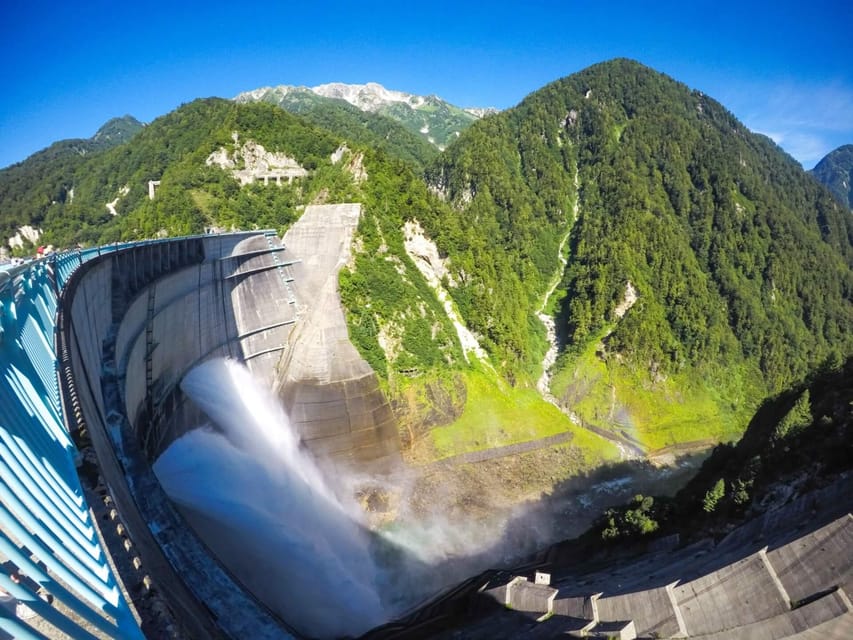
The first major “wow, stop and look” moment comes at Kurobe Dam. This is where the day earns its seriousness. You’ll pause for about 30 minutes with time for a break, guided touring, and sightseeing.
Kurobe Dam was constructed between 1956 and 1963, and it required labor on a massive scale, with estimates of up to 10 million people involved. Your guide explains the dam as national pride and as an emblem of humans trying to manage and conquer nature.
What I like about this stop is that it changes your perspective. You’re not only there for views of peaks and flowers. You’re seeing how Japan built infrastructure to make these high-altitude places accessible, and why that access is such a big deal here.
If you’re someone who enjoys engineering or history with a practical angle, this part makes the route feel more than just scenery.
A few more Nagano days to weigh up
- 1-Day Tour from Matsumoto: Walk the Nakasendo Trail
★ 5.0 · 39 reviews - From Matsumoto/Nagano: Nakasendo Trail Walking Tour
★ 4.9 · 33 reviews - Nagano Sake Tasting Walking Tour
★ 5.0 · 17 reviews - Food & Cultural Walking Tour around Zenkoji temple in Nagano
★ 5.0 · 16 reviews
Tunnel Trolley, Ropeway, and the Final Push to 2450m
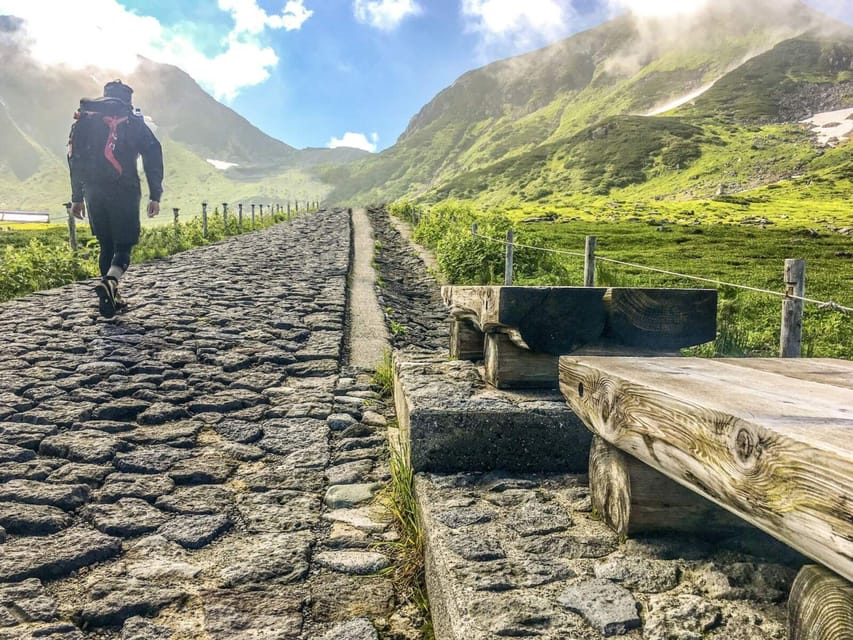
Once you leave Ōgizawa, you board the Kanden Tunnel trolley bus for the ascent toward the top. This is the first of several transport modes, and it’s a big part of the appeal. You’re not figuring out logistics. You’re just riding, looking, and getting carried upward in stages.
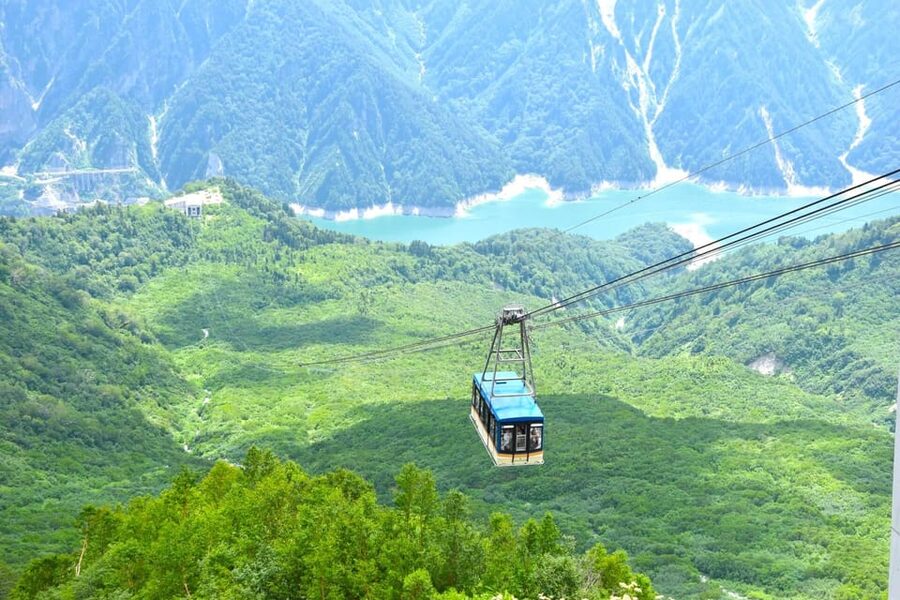
Next comes the Tateyama Ropeway, spanning 1700 meters. From there, you reach the final stop of Daikanbo, then take the last trolley bus to Murodo, at 2450m. That height is the headline because it means you’re entering an alpine plateau zone where the air, vegetation, and lighting are noticeably different.
There’s another timing advantage here. The transport plan reduces “dead time” at altitude. Instead of hiking uphill for hours just to gain elevation, you spend your time where it counts, at the plateau level where the walking starts.
If you’re traveling in late autumn, you should also remember that conditions can turn icy. One past visitor specifically suggested bringing overshoes with spikes if you’re visiting in November, since the paths up top can be slick.
Murodo Alpine Plateau: The Guided Walk That Makes It Worth Slowing Down
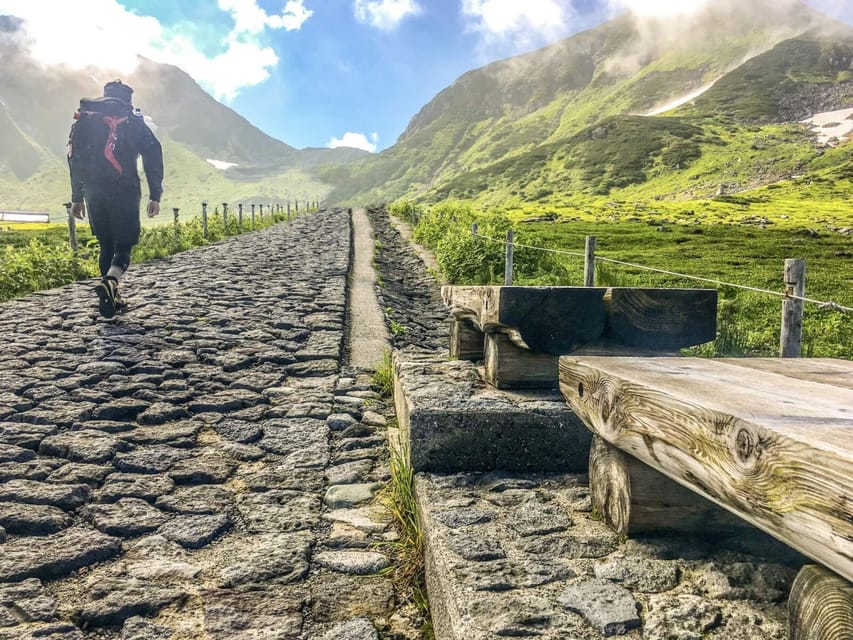
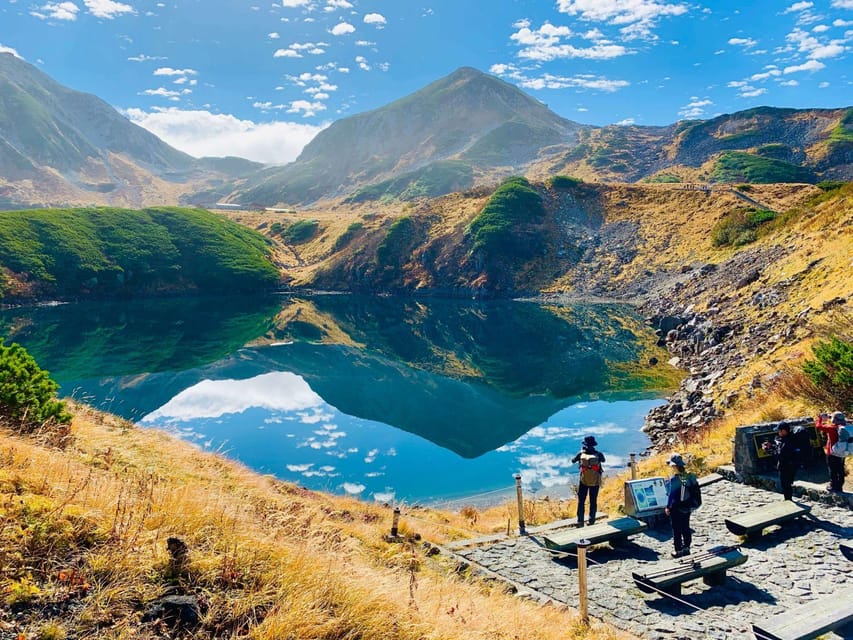
Murodo is where the day becomes a real experience, not just a ride. You’ll get a guided tour and sightseeing time, plus later a longer stretch of free time. The itinerary gives you time for a leisurely walk of about 1 hour, following a trail beneath the summit of Mount Tate.
The walk is described as suitable for anyone with reasonable fitness, and that matters. You’re not required to tackle technical terrain. The goal is to let you enjoy the alpine colors and understand the mountain’s place in Japanese tradition.
This is the moment for your senses. Even if the weather changes, the guide helps you connect what you see to why it’s special. And if you prefer to wander independently, you can, as long as you meet the guide at the appointed time.
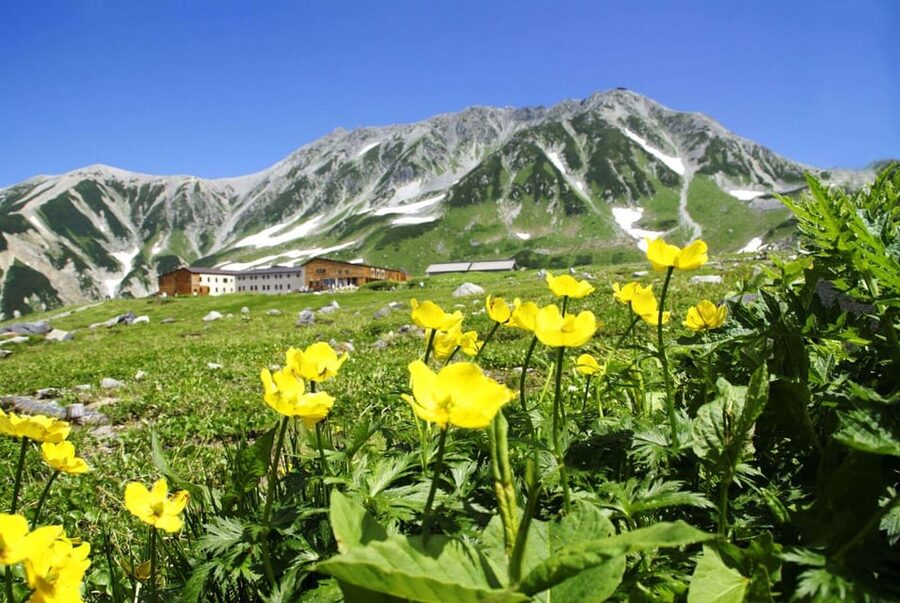
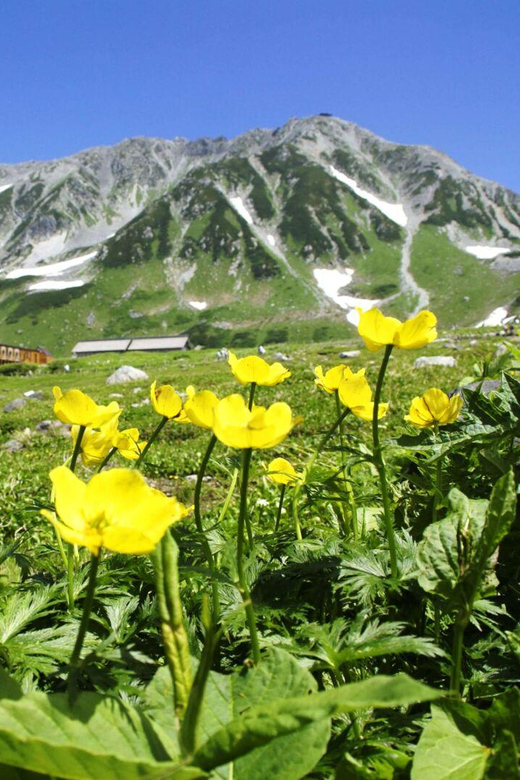
Seasonal details are a big deal on this route. Summer visitors often come for alpine flowers and the bright seasonal look of the high meadows. In September and October, you can be treated to autumn colors, with grasses and shrubs turning red, orange, and brown, while forests below look dramatic from the ropeway on both ascent and descent.
Gondola Time and Why It Feels Like Part of a System
At Murodo, the day includes gondola ride time as part of the mountain transport network. I like how this is handled because it keeps you moving within the plateau without forcing more long walking than needed.
Think of the high altitude here as an interconnected zone. You’re not just climbing to a point and then stuck there. You’re moving through a planned web of lift and vehicle connections so you can see more without wearing yourself out.
If you have knee trouble or you’re tired from the morning transit, the mix of short rides plus a controlled walking segment makes the day feel more manageable.
Heading Back Down: Electric Car, Then a Clean Return to Nagano
Between mid-afternoon and early afternoon, your guide collects the group for the descent. The schedule suggests collecting you around 15:00 to 15:30, then continuing down through the remaining mountain transport connections.
On the return, you’ll use an electric car for about 2 hours, followed by coach travel back toward Nagano. Your arrival back at Nagano Station is typically 18:00 to 19:00.
This return timing is important for planning your evening. You’ll still be tired after a full day in cool mountain air, but you won’t lose your whole night in transit. It also means you can usually keep a flexible plan for dinner back in town.
If you want a smoother day, pack the way you’d pack for a long day outdoors: layers, something warm, and a snack plan for the time when you might otherwise be tempted to skip lunch.
Price and Value: What $232 Gets You in One Day
At $232 per person for a 1-day tour, you’re paying for two big categories: guided logistics and an all-in transport experience through the alpine route.
The price includes round-trip transport from Nagano and the alpine route via Ōgizawa, plus the Tateyama-Kurobe Alpine Route return ticket, and an English-speaking guide. What you do not get is lunch, and you will not include shinkansen tickets to and from Nagano.
So the value question is simple. If you were to arrange the same mountain route on your own, you’d likely spend time figuring out connections across ropeways, tunnel trolley buses, and the return electric car segment. This tour buys you a guided structure that removes most of the headache.
I also like that past participants repeatedly praised how guides helped keep everyone moving on time. Names like Kieron, Orlando, Luki, and Jans show up in English-guide praise, and the consistent theme is clear: the guide keeps the day on track and helps you navigate respectfully and calmly through a route with lots of handoffs.
Bottom line: if you want the alpine route experience without turning your day into a transport puzzle, the price starts to feel fair fast.
What to Bring, Especially for November and Cold Weather Days
You’ll want layers. The tour guidance lists average daytime temps by month:
- July: about 11 to 16°C
- August: about 12 to 18°C
- September: about 9 to 15°C
- October: about 3 to 10°C
- November: around -5 to 2°C
Dress for mountain weather, not city weather. Even with those averages, you can still hit chilly winds and colder conditions at elevation.
Shoes matter. A November visitor specifically advised bringing overshoes with spikes if possible, because the top paths can turn icy. If you’re not used to walking on slick surfaces, this is the kind of small prep that prevents a sore ankle and makes the walk more relaxing.
Also plan for food. Lunch is not included, so bring or buy snacks you can eat during stops. A day like this has enough transfers that hunger tends to sneak up on you.
Who This Tour Fits Best (and Who Should Skip It)
This tour fits best if you:
- Want high altitude scenery without a long, steep hike
- Prefer a guided day with smooth transitions between mountain vehicles
- Like the idea of learning something while you walk, including the role of these mountains in Japanese mountain traditions
- Are traveling solo and want a plan that works well as a small group format
It may not be ideal if you:
- Want lots of freedom to change the route on the fly
- Struggle with long days that include significant ride time
- Hate cold weather or you refuse to bring traction help during icy months
If you’re visiting in September or October, the seasonal colors are a strong reason to pick this route. If you’re going in summer, the alpine flowers and high-meadow tones are the draw.
My take: Should you book the Nagano Tateyama-Kurobe Guided Walking Tour?
Yes, if you want the Roof of Japan experience delivered in a way that’s structured, guided, and easy to follow. The combination of multiple transport modes, a controlled 1-hour walk, and a guide who helps you understand both the scenery and the mountain tradition makes it more than a checklist outing.
I’d book this especially if you’re the type who enjoys scenery but prefers not to spend your whole day solving logistics. And if you’re traveling in November, do yourself a favor and pack something for traction, plus a warm layer you can actually stand to wear for hours.
If you want, tell me your travel month and your fitness comfort level, and I’ll suggest what to prioritize for clothing and timing on this route.
FAQ
Where do I meet the guide?
Meet your guide at JR Nagano Station at 08:15, in front of the Information Board directly opposite the shinkansen ticket gates.
How long is the tour?
The tour runs for one day.
What is the starting and ending time for the day?
You’ll typically start in the morning from Nagano and return to Nagano Station between 18:00 and 19:00.
Is lunch included?
No. Lunch and other snacks or drinks are not included.
What’s included in the price?
The tour includes transport from and to Nagano and the Tateyama-Kurobe Alpine Route via Ōgizawa Station, the Tateyama-Kurobe Alpine Route return ticket, and an English-speaking guide.
Do I need my own shinkansen tickets?
Yes. Shinkansen or bullet train tickets to and from Nagano are not included.
What altitude do you reach?
Murodo is at 2450 meters and is the highest station on this route.
Is the walking portion hard?
The guided walk at the top is about 1 hour and is described as suitable for anyone with reasonable fitness.
Is the tour wheelchair accessible?
Yes, the tour is listed as wheelchair accessible.
Can infants join for free?
Infants aged 0-5 are free of charge, but they may be required to sit in the lap of an adult.
What months are cold, and what should I wear?
The guidance lists average daytime temperatures that can be as low as around -5 to 2°C in November. Dress appropriately with warm layers for cold mountain weather.
Newly listed around Nagano
- Nagano: 1-Day Snow Monkey & Cherry Blossom Tour in Spring★ 4.8 · 51 reviews
- Nagano/Tokyo: Snow Monkey and Zenkoji Temple Private Tour★ 4.8 · 54 reviews
- Nagano UNESCO Park: Emerald Acid Lake & Ghibli Onsen Town★ 5.0 · 7 reviews
- Nagano: Snow Monkeys & Togakushi Shrine Two-Spot in-One Day★ 4.9 · 35 reviews
- Snow Monkeys & Best of Nagano: Togakushi, Zenko-ji and more★ 4.9 · 36 reviews
- Nagano Sake Tasting Walking Tour★ 5.0 · 17 reviews
- 1-Day Togakushi: Soba making, Ninja Town and Hidden Shrines★ 5.0 · 8 reviews
- Nagano: 1-Day Ski Tour Package from Nagano Station★ 4.9 · 35 reviews
Walking Tours, compared.
Kyoto Geisha Walking Tour: Gion District & Hidden Gems
Read our review →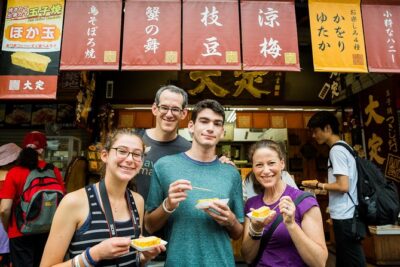
Tokyo Tsukiji Fish Market Food and Culture Walking Tour
Read our review →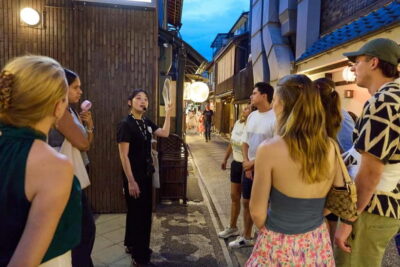
Gion Geisha District Walking Tour – Stories of Geisha
Read our review →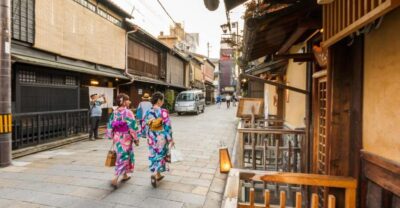
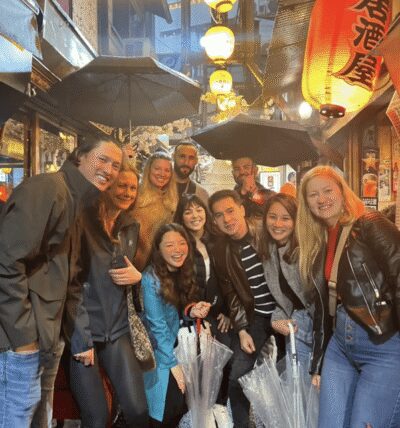
Shinjuku Local Bar and Izakaya Guided Walking Tour
Read our review →
Asakusa Walking Tour with Sensoji Temple Visit
Read our review →
Kyoto Gion Geisha District Walking Tour – The Stories of Geisha
Read our review →Browse the lists this tour appears in