
Review · LICENSED GUIDES & PRIVATE DRIVERS
Nara 8hr Private Tour – Osaka DEP. with Licensed Guide
Nara slows you down in the best way. This private 8-hour day from Osaka gives you a licensed English guide and a flexible plan, so you spend less time figuring things out and more time seeing the real Nara vibe, from towering temples to quiet gardens. You also pick where the day starts, Osaka or Kyoto.
I especially like the customizable approach, because you choose 3 to 4 sights instead of getting forced into a long checklist. I also like the walking pace with a guide who can steer you toward the best order for your interests, which matters a lot in a place like Nara where you can easily lose time.
One thing to consider: admission tickets are not included, and several of the top stops (Todai-ji, Mt. Wakakusa, Horyu-ji, Kofuku-ji, Yakushi-ji, Nara National Museum, and more) typically require paid entry. Plan for that extra cost and a bit of extra time for ticket lines when they’re busy.
In This Review
- Key highlights that make this day work
- Why Nara feels different with a private guide
- Price and value: what $198.72 buys you
- How to choose your 3 to 4 sights without regretting it
- Todai-ji and Nara Park: the big starts, on manageable time
- Kasuga Taisha and Mt. Wakakusa: shrine calm and a viewpoint payoff
- Horyu-ji and the temple belt: where time feels older
- Naramachi: the break that still feels like Nara
- Museums and palace ruins: for the history side of Nara
- Garden time at Isuien and Yoshikien: quiet pacing with meaning
- Practicalities that matter on a walking day
- Should you book this Nara private tour?
- FAQ
- How long is the Nara private tour?
- Is this a private tour or a shared group?
- Can I customize which sights we visit in Nara?
- Are admission tickets included for temples, shrines, and museums?
- Is pickup offered, and where do we meet?
- Is the guide licensed and available in English?
- Can I start the day from Osaka or Kyoto?
- Is there free cancellation?
Key highlights that make this day work
- Licensed guide, English-first communication, so you can ask questions instead of just following a script
- Pick 3 to 4 sights from a strong menu, which helps you avoid museum fatigue and temple burnout
- Osaka or Kyoto start options, helpful if you’re already routing your Kansai trip
- Walking-led experience, which fits Nara’s compact core and keeps you close to the sights
- Nara Park area essentials plus temple-and-garden variety, so the day feels balanced, not one-note
Why Nara feels different with a private guide
Nara is famous for deer, but the real payoff is the mix: big, old temple complexes, shrine traditions, and landscaped quiet that changes how you feel as the day goes on. A private setup matters here because you are not stuck in a rigid route. You can linger where it clicks, and skip what does not.
The licensed English guide is the secret sauce. When you understand what you’re looking at, Todai-ji’s scale hits harder, Kasuga Taisha’s role makes sense faster, and the quieter temple grounds feel less like a photo stop and more like a place with rhythm. It also keeps the day smoother, since you do not have to navigate on your own while managing train timetables and street directions.
More Private Guides in Osaka
- Osaka 4hr Private Tour with Government-Licensed Guide
★ 5.0 · 314 reviews - Osaka Early Morning Tour with English-Speaking Guide Dotonbori
★ 5.0 · 110 reviews - Kyoto & Nara Private customized tour with English speaking Guide
★ 4.5 · 99 reviews
Price and value: what $198.72 buys you
At $198.72 per person for an 8-hour private tour, the value depends on how you travel. If you’re a couple, friends, or a small family who wants flexibility, the cost can feel reasonable because you’re effectively paying for time, translation support, and smart route choices. If you’re solo and happy with self-guided transit, you might compare it to DIY Nara and decide whether you want help or independence.
Here’s what you’re getting that DIY often makes harder:
- A guide who can tailor the day to your interests, whether that’s major temple landmarks, gardens, or museum stops.
- A controlled pace, so you can spend more than 10 minutes at the “must-see” moments.
- A private walking experience, meaning you can move at a pace that suits you.
Also note the demand signal: the tour is commonly booked about 76 days in advance. If you’re traveling in peak seasons, booking earlier can help you lock in a guide time that fits your schedule.
How to choose your 3 to 4 sights without regretting it
Most stops are slotted for about 30 minutes each, which is a good rhythm for a private walking day. With 3 to 4 sights, you can cover a lot while still absorbing what you see. The trick is choosing the right blend so your day doesn’t turn into either only temples or only deer-and-shrine photos.
A practical way to decide:
- If you want the “headline Nara” feeling, lean toward Todai-ji + Nara Park + Kasuga Taisha.
- If you want variety and fewer crowds, add one older site like Horyu-ji or Yakushi-ji, then balance with a garden stop.
- If your group likes history beyond buildings, include Heijo Palace Museum and possibly the Nara National Museum.
If you’re the kind of person who likes quiet breaks, you’ll appreciate adding a garden or Naramachi. The day becomes more human, and your feet get a breather that still feels connected to Nara’s character.
Todai-ji and Nara Park: the big starts, on manageable time
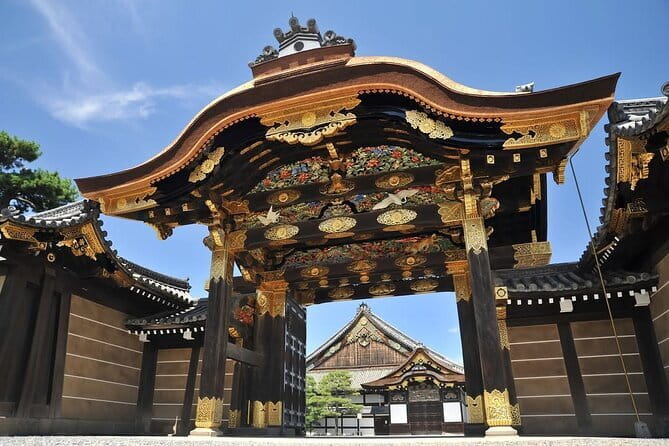
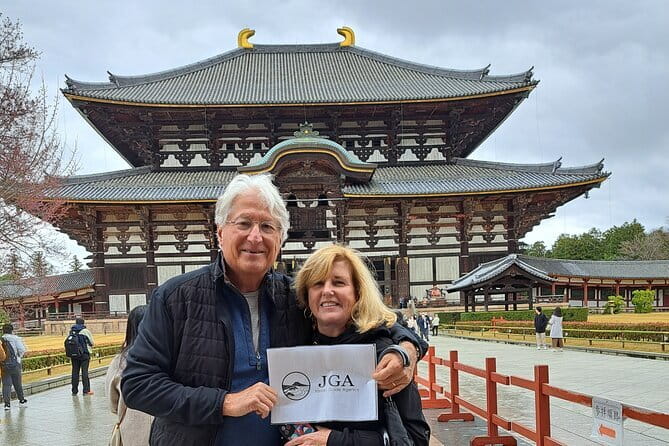
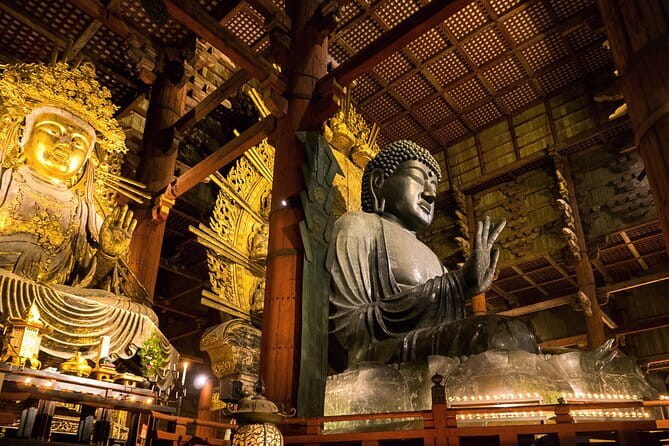
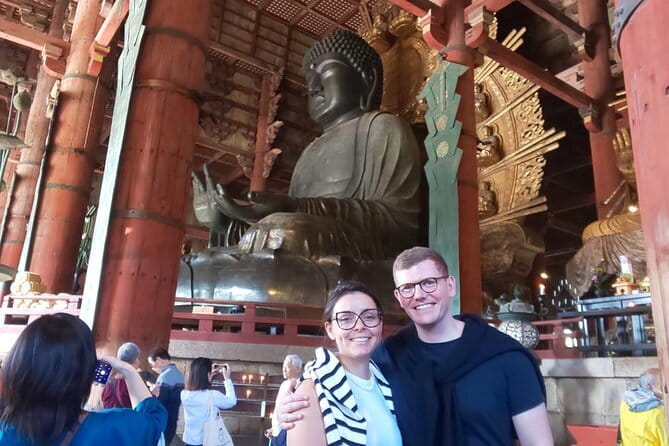
Todai-ji Temple is the headline temple in Nara, built in 752 and a landmark of the UNESCO-listed city. When you see it in person, the scale is hard to communicate in words. The best part of a guided visit is understanding what makes it historically significant, not just how it looks in photos.
Right after that, Nara Park gives you the classic scene. This central park connects multiple attractions, and it’s also where the day’s atmosphere really forms. You get breathing room, open space, and easy access to nearby shrines and museums.
A consideration: Todai-ji and Nara Park can get busy. Even with a private guide, the area’s popularity means you should expect some crowds at peak times. The 30-minute structure is helpful, though, because it keeps you moving while still allowing you to see the essentials without rushing like it’s a checklist.
A different sort of day in Japan:
- Osaka Go Karting Tour with Funny Costume
★ 5.0 · 2,658 reviews - Osaka Castle: Museum and Tower Entry Ticket
★ 4.5 · 2,380 reviews - Osaka: Shinsekai Food Tour with 13-15 Dishes at 5 Eateries
★ 4.8 · 2,204 reviews - Osaka Food Tour: 13 Dishes at 5 Local Eateries
★ 5.0 · 2,149 reviews
Kasuga Taisha and Mt. Wakakusa: shrine calm and a viewpoint payoff
Kasuga Taisha is Nara’s best-known shrine, and its story connects to the protection of the city. With a guide, you’ll spend less time asking where to look and more time understanding why this shrine is treated with such care. The experience shifts from grand temple to spiritual continuity, which makes the day feel varied rather than repetitive.
Then there’s Mt. Wakakusayama, the grass-covered mountain behind Nara Park. It’s about 350 meters tall, and the payoff is the view over the Nar a area. If you like getting above street level, this stop can be a great reset. You come down from the high points with a new sense of how everything sits together.
A practical note: since Mt. Wakakusa is not included in admission, you’ll want to confirm how tickets work for your chosen day and build it into your budget. Also, because it’s a 30-minute stop, you won’t be turning it into a full hike, so choose it if you want a short viewpoint moment.
Horyu-ji and the temple belt: where time feels older
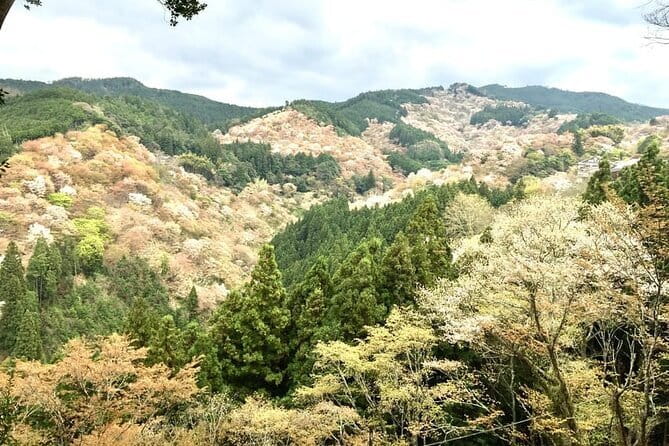
Nara has more than one “ancient” temple, and a private choice lets you include the ones that match your curiosity. Horyu-ji Temple is one of Japan’s oldest, founded in 607 by Prince Shotoku, and known as a major early center for Buddhism. If you like history that reaches far back, this stop can feel like a different chapter compared to Todai-ji.
If you want more temple variety, you can move into Kofuku-ji, once the family temple of the Fujiwara clan, tied to the power of aristocracy during the Nara and Heian periods. Then there’s Yakushi-ji, built by Emperor Tenmu in the late 7th century for recovery of his wife, with a strictly symmetric layout. Shin-Yakushi-ji adds another layer, devoted to Yakushi Buddha, the patron of medicine.
This temple belt is where the guide really helps. When you know the “why” behind each site, the temples stop feeling like similar backdrops and start feeling like a network of meaning.
Possible drawback: with so many temples offered, it’s easy to choose too many “big sacred stops” back-to-back. If your legs or attention span are limited, pair one major temple with a garden or Naramachi so you keep the day balanced.
Naramachi: the break that still feels like Nara
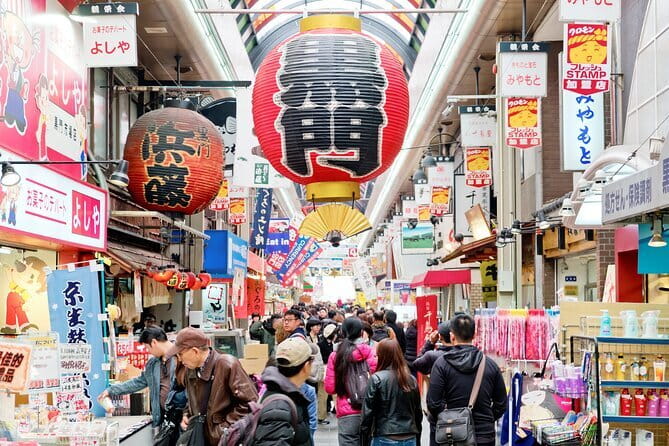
Naramachi is the former merchant district, with traditional residential buildings and preserved warehouses that are open to the public. This is a great change of pace after temples, because it shifts you into everyday Nara: shops, cafes, and quieter streets where you can slow down and just observe.
I like this stop for mixed-interest groups. If one person wants more architecture and atmosphere and another wants food or browsing time, Naramachi can satisfy both without turning into a shopping mall moment.
Since Naramachi is listed as free admission, it’s also a budget-friendly add when you want value without extra ticket costs.
Museums and palace ruins: for the history side of Nara
If you want to go beyond stone and scenery, Nara’s museum and palace history give you structure. Nara National Museum focuses on Japanese Buddhist art, which helps connect what you saw in the temples to actual religious objects and artistic traditions.
Then Heijo Palace Museum is for the big-picture story: Nara served as Japan’s capital for much of the Nara period, known as Heijo-kyo. The palace covered a large area, and the museum helps you understand the scale of governance and city planning, not just the temples.
These stops work best if you enjoy reading explanations and looking closely at artifacts. If you prefer pure outdoors and quick movement, museums can feel slower than expected. But in a private format, your guide can steer timing so you get the value without getting trapped.
Garden time at Isuien and Yoshikien: quiet pacing with meaning
Nara has garden stops that feel like a different kind of sightseeing. Isuien Garden uses the idea of borrowed scenery, using landmarks like Todaiji’s Nandaimon Gate and Mount Wakakusayama as part of the composition. That means you’re still connecting back to the big sights, even while you’re in a calmer, slower space.
Yoshikien is another garden option, named after the Yoshikigawa River beside it. It’s built on the former priests’ site connected to Kofuku-ji, so even the calm setting carries a story.
This is the part of the day I think many people underestimate. A garden stop can be the difference between a day that feels like sprinting and one that feels like you actually experienced Nara. And based on feedback connected to specific guides, there’s often extra care given to these spaces. For example, Kaeko has been recognized for highlighting the gardens of the Silver Pavillion area, which signals the “slow and see” style that can make this portion memorable.
Practicalities that matter on a walking day
You’ll meet your guide on foot within a designated area of Osaka, and pickup is offered. The tour also gives you flexibility to choose to visit from Osaka or Kyoto, which is helpful when you’re already planning train routes across Kansai.
You’ll also get a mobile ticket, so you’re not scrambling with paper. And because this is a private tour, only your group participates, which cuts down on waiting and confusion when you’re trying to get from one stop to the next.
For comfort, wear shoes you trust. The tour is built around walking, and Nara’s attractions are concentrated but still spread enough that you want good foot support. Also, the itinerary list suggests about 30 minutes per stop, so you may feel like you’re moving a lot if you pick four heavy, indoor places. Plan one lighter stop, like Naramachi or a garden, if your group needs breathing room.
Should you book this Nara private tour?
Book it if you want a Nara day that feels intentional. The biggest reason to choose this format is the licensed English guide plus customization. You’ll be able to build a route that fits your interests, whether that means temple landmarks, museum learning, or garden calm.
Consider skipping or switching your approach if you know you prefer totally self-guided travel. Since admission tickets are not included and you’ll be paying for guide time, it’s most worth it when you’ll use the guide actively, ask questions, and benefit from route choices.
If you’re traveling during a busy season, I’d book earlier rather than later, since demand is strong and the tour is often scheduled about two and a half months out.
FAQ
How long is the Nara private tour?
It’s listed as about 8 hours.
Is this a private tour or a shared group?
It’s a private tour. Only your group participates.
Can I customize which sights we visit in Nara?
Yes. The tour is described as customizable for 3 to 4 sights from the available options.
Are admission tickets included for temples, shrines, and museums?
No. The tour notes that admission tickets are not included for stops that require entry.
Is pickup offered, and where do we meet?
Pickup is offered, and you meet your guide on foot within a designated area of Osaka.
Is the guide licensed and available in English?
Yes. The tour includes a government licensed guide, and the experience is described as having an English-speaking guide.
Can I start the day from Osaka or Kyoto?
Yes. The overview says you can choose to visit from Osaka or Kyoto.
Is there free cancellation?
Yes. You can cancel for a full refund if you cancel up to 24 hours in advance of the experience start time.
Newly listed around Osaka
- Private arrival transfer from Osaka Itami International airport to Kyoto City★ 5.0 · 26 reviews
- Best Private Osaka Walking Tour With A Guide 100% Personalised★ 4.5 · 12 reviews
- Osaka : Private One-way Transfers to/from Kansai Airport(KIX)★ 5.0 · 16 reviews
- Kyoto private tour (Shore excursion available from Osaka or Kobe port)★ 5.0 · 39 reviews
- Private arrival Transfer from Osaka Itami Airport(ITM) to central Osaka city★ 4.5 · 14 reviews
- 3 Days Private Osaka Kyoto and Nara Tour With English Driver★ 5.0 · 8 reviews
- Tea ceremony experience in Osaka with a small group★ 5.0 · 8 reviews
- Osaka Private Tour with English-Speaking Driver★ 4.5 · 7 reviews
Licensed Guides & Private Drivers, compared.
Tokyo 6hr Private Tour with Government-Licensed Guide
Read our review →
Kyoto Early Morning Tour with English-Speaking Guide
Read our review →
Tokyo 4hr Private Tour with Government-Licensed Guide
Read our review →
Kyoto 6hr Private Tour with Government-Licensed Guide
Read our review →
Hiroshima / Miyajima Full-day Private Tour with Government Licensed Guide
Read our review →Early Morning Tour with English-Speaking Guide
Read our review →
Tokyo Private Sightseeing Tour by Car- English speaking chauffeur
Read our review →
Mt Fuji Private Tour with English Speaking Driver
Read our review →Browse the lists this tour appears in