
Review · HISTORIC CASTLE VISITS
Osaka: Guided Walking Tour to Castle, Shinsekai, & Dotonbori
Osaka hits you fast, in the best way. This guided walking tour strings together the city’s big-name stops and a few quieter pockets, so you get the contrasts without burning your feet on navigation. I really liked the bilingual, expat-style guidance and the way it turns each area into a story, not just a photo stop, with guides like Tim, Anna, Scott, and Andy showing up in past groups.
Two things I like a lot: first, the pace is built for real sight-seeing, usually around half a day, so you keep energy for the full route. Second, you get an organized pass through the Namba and Dotonbori area, including back streets like Hozenji Yokocho where the mood shifts from neon hype to quiet temple lanes.
One drawback to weigh: group tours do not go inside Osaka Castle, so you are seeing the grounds and learning the context, not paying for entry and walking through the interiors. If castle interior access matters to you, you may want a different format.
In This Review
- Key things to look forward to
- Why Osaka works so well as a guided walking route
- Getting set up: meeting point, WhatsApp, and the no-bag rule
- From Osaka Castle grounds to the castle story you can actually picture
- Shinsaibashi-suji and Ebisu Bridge: shopping street for generations
- Dotonbori neon, street food culture, and the Hozenji quiet reset
- Kuromon Market: Osaka’s Kitchen in a single stop
- Doguyasuji and the tool-and-gift streets behind the scenes
- Shinsekai and Tsutenkaku: retro Osaka, before it became a brand
- Price and value: is $74 worth it?
- Best fit: who will love this tour most
- What I’d do differently to get even more out of it
- Should you book this Osaka walking tour?
- FAQ
- How long is the tour?
- Do we enter Osaka Castle?
- What is included in the price?
- Where do I meet the guide?
- What time does the tour end?
- What should I bring and wear?
- What items are not allowed?
- Is the tour going to run in bad weather?
Key things to look forward to
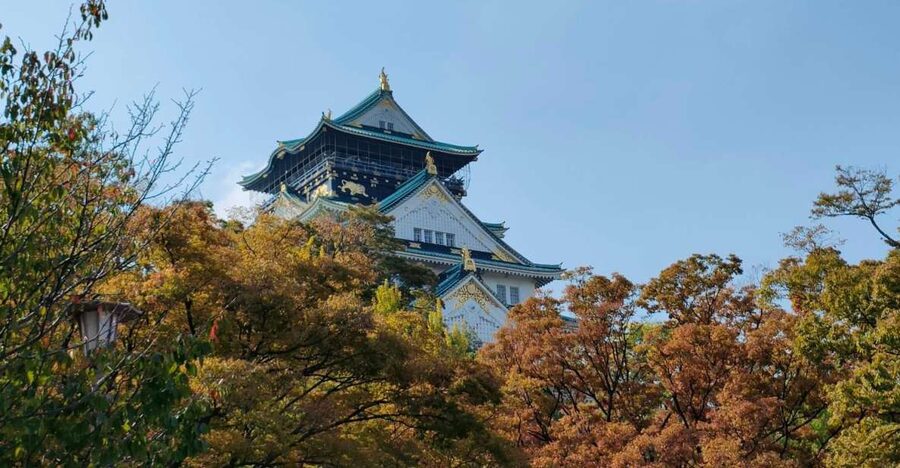
- Osaka Castle grounds on foot, with samurai-era context as you walk
- Namba highlights like Ebisu Bridge and the Glico Man photo spot
- Hozenji Yokocho, a narrow old-lantern alley that feels a world away from Dotonbori
- Kuromon Market, often described as Osaka’s Kitchen, with big seafood displays and easy sampling
- Shinsekai and Tsutenkaku, the pre-WWII retro district vibe on full display
- Train rides included plus street food and a non-alcoholic drink
Why Osaka works so well as a guided walking route
Osaka can feel like two cities at once. You’ve got the flashing, eat-on-the-street side, and then you’ve got older lanes where you can still feel how the city worked as a merchant hub. Doing it by walking, with a guide keeping you on the right streets, makes the whole day click.
I also like that this tour is practical. You start with clear direction at JR Osakajokoen Station, then you move through neighborhoods that are famous for a reason. Instead of hopping randomly, you get a sequence: castle area, then shopping and canal-side energy, then markets, then the retro funhouse of Shinsekai.
And since you are in a guided group, crowd flow matters. A theme in this experience is effective pacing and helpful crowd control, including making sure people stay on the correct side of the walkway.
More Castle Visits in Osaka
- Osaka Castle: Museum and Tower Entry Ticket
★ 4.5 · 2,380 reviews - Ultimate Osaka Walking Tour: Castle, Dotonbori & Hidden Gems
★ 5.0 · 862 reviews - From Osaka: Himeji Castle, Arima Onsen & Mt. Rokko Day Tour
★ 4.6 · 339 reviews
Getting set up: meeting point, WhatsApp, and the no-bag rule
Logistics can quietly make or break a half-day. Here, they keep it simple but strict.
Meet at JR Osakajokoen Station on the Osaka Loop Line, in front of the 7-Eleven kiosk inside the station building, just outside the ticket gates. Arrive 15 minutes early so you do not miss the group briefing.
WhatsApp is mandatory for receiving tour info and updates. Install it before you leave, and contact the operator in case of emergency. This matters because on a rain or shine tour, you need real-time changes handled fast.
One more rule: no luggage or large bags. Osaka stations are busy and sidewalks can get narrow. If you travel light with a day bag, you will enjoy the walking more.
From Osaka Castle grounds to the castle story you can actually picture
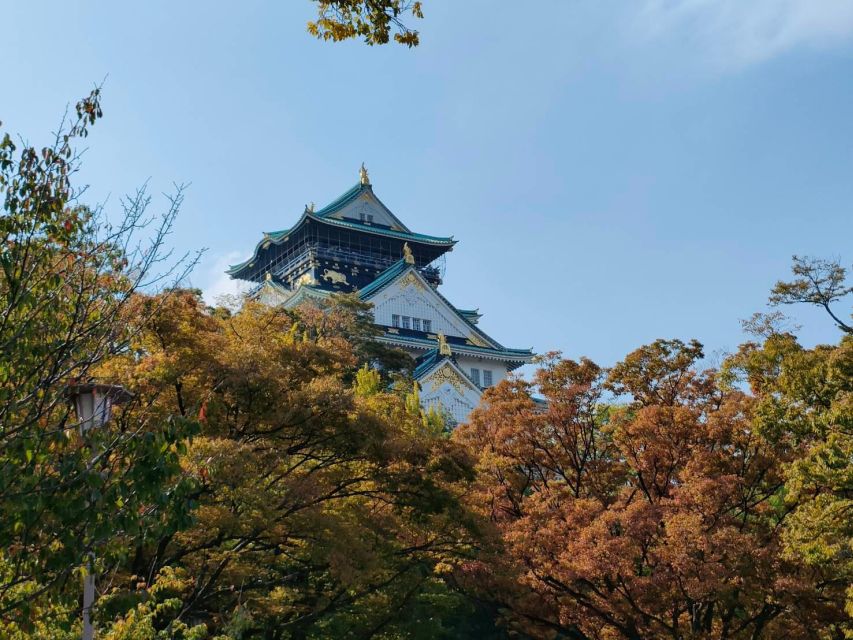
The day starts with Osaka Castle as the anchor. Even without going inside, the grounds are a strong starting point because the guide can frame what the castle meant in Japan’s unification era during the samurai period of the 16th century.
You walk through the grounds at an easy sightseeing pace. This is one of those moments where the setting gives you the visuals, and the guide gives you the why. The result is that you understand what you are looking at rather than just ticking off a landmark.
What to watch for: the castle area can draw crowds, especially earlier in the day and during good weather. Going with a group helps because you stay oriented and do not waste time trying to figure out the best angles while people funnel around you.
Shinsaibashi-suji and Ebisu Bridge: shopping street for generations

After the castle start, you head toward the shopping heart of Osaka. Part of the route uses public transit, and train ticket cost is included in the price, so you are not doing constant coin-counting for fares.
One of the highlights is Shinsaibashi-suji, a covered shopping street that has been an important retail lane for around 400 years. It runs about 600 meters long, packed with hundreds of shops, so it feels like a living, long-running tradition.
Then comes Ebisu Bridge, made out of wood in the 1600s, which makes it feel less like a modern shortcut and more like a longstanding meeting place. You are also in the same orbit as the famous Glico Man sign, one of the most recognizable photo spots in the area.
The value here is not just shopping. You are walking through a corridor that explains Osaka’s everyday life. Even if you do not buy anything, you get a sense of how the city shaped itself around commerce.
More Walking Tours in Osaka
- Osaka: Hotspots & Hidden Gems Walking Tour Private or Group
★ 4.9 · 1,300 reviews - Osaka Backstreet Nightlife & Street Food Walking Tour
★ 5.0 · 1,011 reviews - Osaka Local Foodie Walking Tour in Dotonbori and Shinsekai
★ 5.0 · 985 reviews - Osaka Bar Hopping Night Walking Tour in Namba (3 bars, 6 tastes)
★ 5.0 · 958 reviews
Dotonbori neon, street food culture, and the Hozenji quiet reset
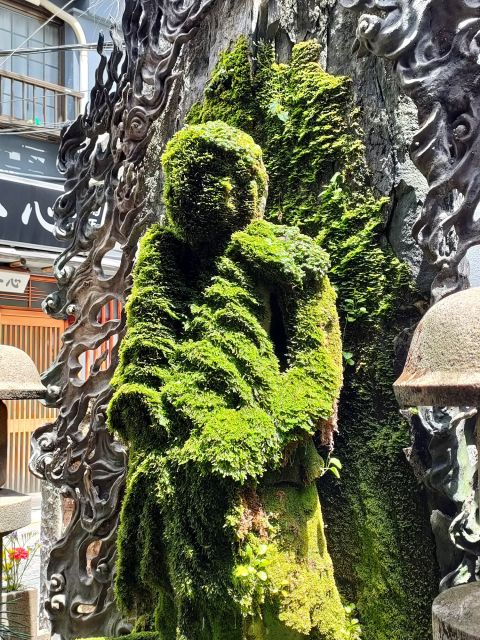
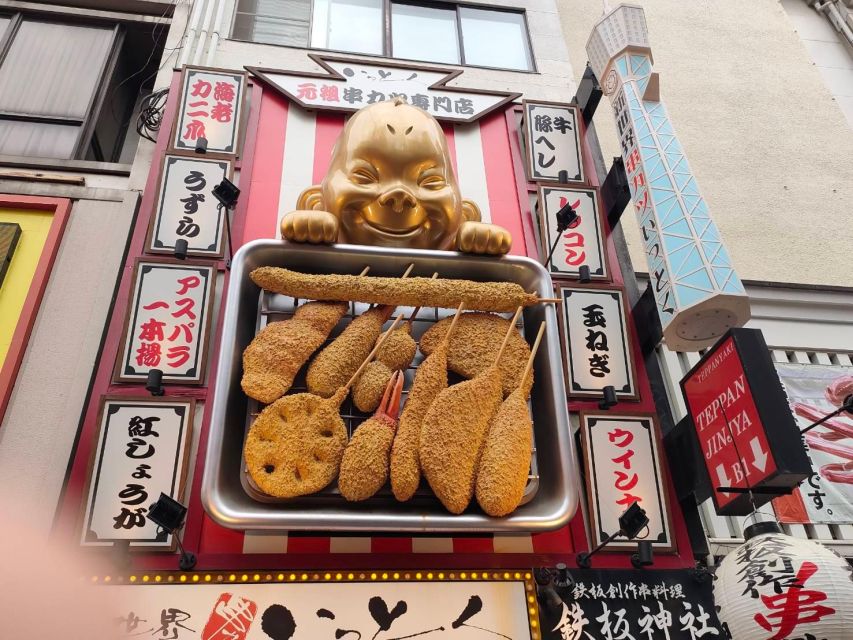
Once you hit Dotonbori, the city turns up the volume. Dotonbori is famous for nightlife and canal-side energy, with neon, signs, bars, and street food. This is the Osaka that most first-timers expect, and it is exactly the kind of place you want to see with someone who knows where to stand, when to move, and how to avoid feeling lost.
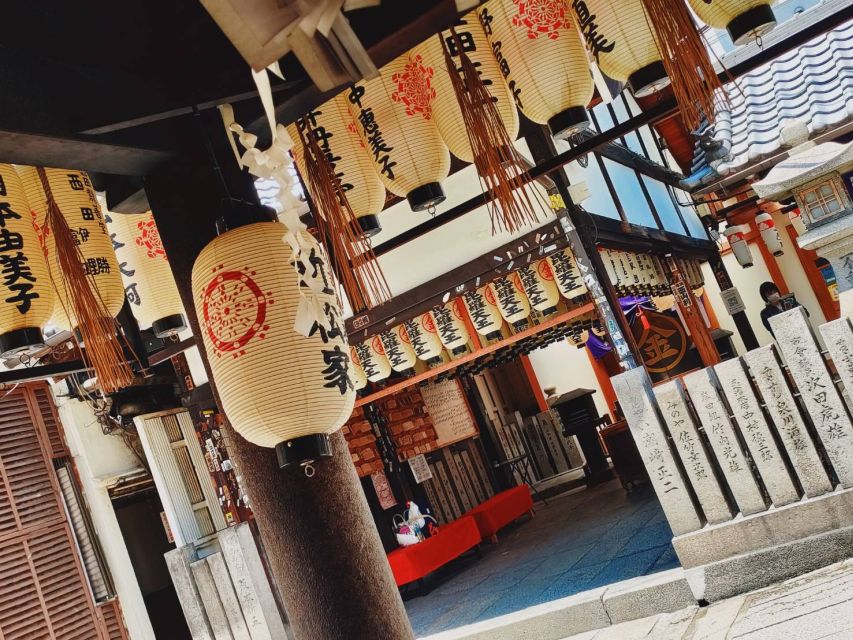
A key stop here is Hozenji Yokocho, a hard-to-find narrow alley with traditional lanterns and cobblestone paths. The mood changes fast once you walk into it. At the end of the alleyways sits Hozenji, a Buddhist temple built in the 17th century.
This quiet reset is a big part of why the tour feels satisfying. Dotonbori can be loud, and Hozenji gives you a breather without leaving the neighborhood. You learn how old and present-day Osaka overlap in the same few blocks.
Street food is part of the experience too. The tour includes some Osakan street food and one non-alcoholic beverage. Depending on your group and timing, lunch-style favorites often come up in guidance, with items like takoyaki (octopus balls) and okonomiyaki (cabbage pancake with pork) common in this area.
If you have dietary limits, it helps to tell the guide. From past guides, there is a clear pattern of being willing to help with food choices and timing, so you are not stuck waiting while others eat.
Kuromon Market: Osaka’s Kitchen in a single stop
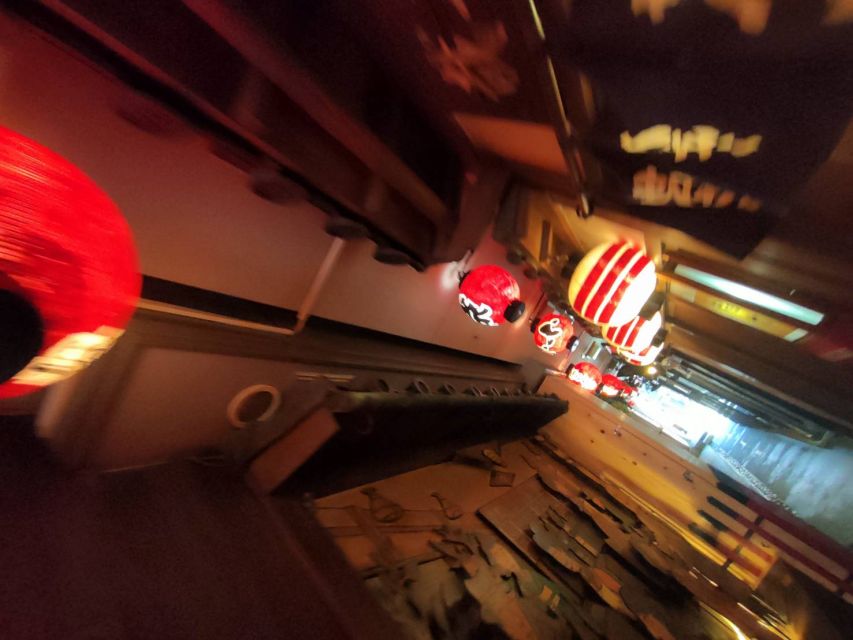
When you want to understand Osaka’s merchant identity, Kuromon Market is a strong place to do it. It is a covered market often called the heart of “Osaka’s Kitchen,” and it has been operating for more than 200 years.
This is where you get sensory overload in the best way. Fresh seafood, meat, and produce are on display, and the guide points out what is worth trying and how to order. You can even see the scale of seafood, with big crab legs and tuna showing up in the kinds of sights guides call out.
Practical note: markets involve lots of movement and sometimes tighter aisles. Comfortable shoes matter more than usual here. If you get slowed down in crowds, you will feel it, so staying in the group and following the guide’s lead keeps it smooth.
The real value of the Kuromon stop is not only food. It is context. Osaka’s reputation for eating and trading is part of the city’s identity, and this market shows you how that played out for generations.
Doguyasuji and the tool-and-gift streets behind the scenes

Between big neon scenes and food stalls, there’s a layer of Osaka that many visitors miss. This tour includes time in Doguyasuji, a small street that has served the city and its eateries for centuries.
It is known for wholesalers, gift shops, and specialist shops selling practical items like cutlery and crockery. Even if you do not plan to buy kitchenware, you get an eye-opening look at how a city’s reputation is built on the supply chain, not just the restaurants.
If you like shopping but hate randomness, this stop makes sense. It is focused. It has a theme. And it connects back to why the food scenes feel so confident.
Shinsekai and Tsutenkaku: retro Osaka, before it became a brand
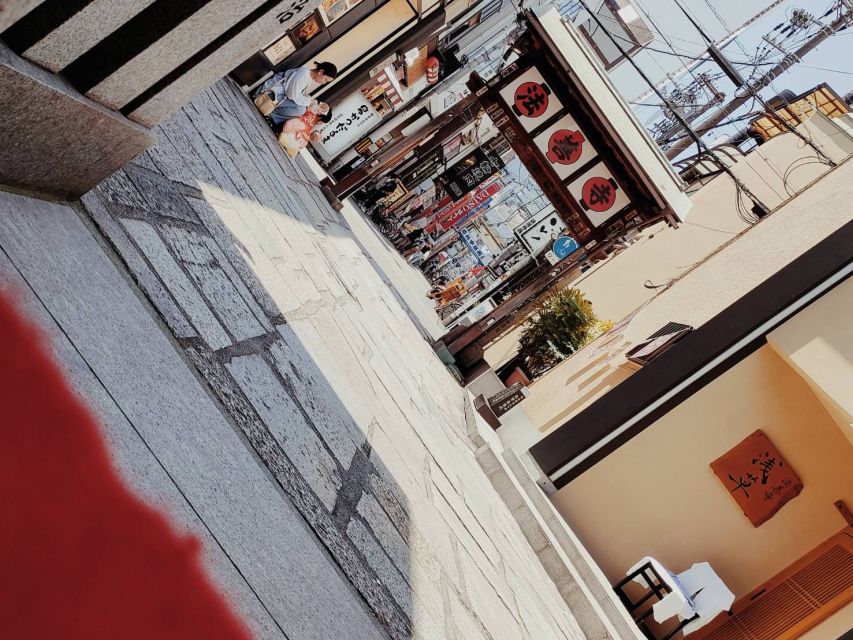
The day ends with Shinsekai, a district developed before World War II, known for its nostalgia and retro energy. Tsutenkaku Tower is the signature landmark here, and it’s the kind of structure you instantly recognize in photos once you see it.
Shinsekai is a different kind of Osaka. It is not only about shopping or canal lights. It feels like a time capsule you can walk through. The neon is nostalgic, the vibe is older, and the streets have that “old meets new” mix that Osaka does so well.
This stop also works well emotionally. After markets and neon, Shinsekai gives you something playful to end with. You get to enjoy atmosphere rather than only collecting sights.
Price and value: is $74 worth it?

At $74 per person, you are paying for coordination, guidance, and a packed route across multiple neighborhoods. What makes it feel fair is that you are not only paying for a walking guide. The tour includes train ticket costs during the experience, plus a non-alcoholic beverage and some Osakan street food.
Also, a guide reduces the hidden costs of time. Without a guide, you might spend extra effort trying to decide routes and where to stand for photos in busy areas like Dotonbori. With a plan, you cover castle grounds, Shinsaibashi-suji, Ebisu Bridge and Glico Man, Hozenji Yokocho, Kuromon Market, and Shinsekai in one go.
What is not included matters too. Tickets to attractions are not included, and for group tours Osaka Castle is not entered. So if your dream version of a castle visit includes interior rooms and paid entry, you may need another option or to budget separately.
But for most first-timers, $74 works well when you consider what you get: structure, local context, and food moments that keep you going.
Best fit: who will love this tour most
This tour is ideal if you:
- Want a first-timer Osaka route that actually connects landmarks instead of feeling random
- Like history and stories, but also want breaks and humor along the way
- Appreciate local food culture and want help spotting what to try
- Prefer walking with a guide who keeps the group moving and answers questions
It is not a match if you have mobility impairments, if you are pregnant, or if you need to travel with luggage or large bags. The route includes walking and areas that can be crowded or narrow.
What I’d do differently to get even more out of it
To make this kind of half-day really pay off, I’d do two things.
First, bring comfortable shoes that you can wear for hours of real walking. Market areas and narrow alleys reward foot comfort more than anything else.
Second, go in with a flexible mindset about food. Since the tour includes street food and guidance for local eateries and shops, you will do best if you let the guide steer you to what fits your day, not if you lock into a strict plan.
If you like photos, pay attention to the guide’s suggested spots around Dotonbori and the Glico Man area. Those are busy areas, and having someone who knows where the best angles are saves time and frustration.
Should you book this Osaka walking tour?
I’d book it if you want a clean, efficient route that mixes headline sights with neighborhoods that explain Osaka’s merchant past. The stand-out strength is the human part. Guides like Tim, Anna, Scott, and Andy are repeatedly praised for making history fun, staying considerate, and keeping the group moving at a pace that does not crush you.
I would not book it if your top priority is going inside Osaka Castle. Group tours here focus on the grounds and context, not ticketed interior access.
If you fit the sweet spot, this is a strong value way to see the parts of Osaka that people talk about, plus the quieter corners that make the loud parts make sense.
FAQ
How long is the tour?
The walk is often described as taking around 5 hours, with some groups feeling like closer to 6 hours depending on pace and breaks.
Do we enter Osaka Castle?
On group tours, you do not go into Osaka Castle. You visit the castle grounds and learn about its historical significance.
What is included in the price?
The tour includes a local guide, quirky history and laughs, suggestions for local eateries and shops, one non-alcoholic beverage, some Osakan street food, and train ticket costs during the experience.
Where do I meet the guide?
Meet in front of the 7-Eleven kiosk inside JR Osakajokoen Station (JR Osaka Loop Line), just outside the ticket gates. Arrive 15 minutes early.
What time does the tour end?
The tour ends back at the meeting point.
What should I bring and wear?
Wear comfortable shoes. The tour involves walking through multiple neighborhoods and markets.
What items are not allowed?
Luggage or large bags are not allowed.
Is the tour going to run in bad weather?
Yes, the tour takes place rain or shine.
Newly listed around Osaka
- Osaka: Dark Side of Osaka Night Walking Tour★ 4.9 · 89 reviews
- Osaka: Gluten-Free Ramen and Gyoza Cooking Class★ 5.0 · 42 reviews
- Osaka: Full-Day Sightseeing Tour by Private Vehicle★ 5.0 · 57 reviews
- Osaka: Cup Noodles Museum Guided Tour (90 Minutes)★ 4.8 · 38 reviews
- Osaka: Food Tour Kuromon Market & Dotonbori with Guide★ 4.5 · 15 reviews
- Osaka: Guided Food Tour with 12 Dishes at 4 Local Eateries★ 4.9 · 90 reviews
- Osaka E-Bike Tour With A Local Guide★ 4.7 · 75 reviews
- Osaka: English Stand Up Comedy Show at Osaka Comedy Club★ 4.7 · 203 reviews
Historic Castle Visits, compared.
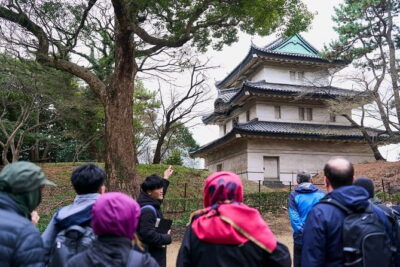
Tokyo Castle & Imperial PalaceーShogun Walking Tour
Read our review →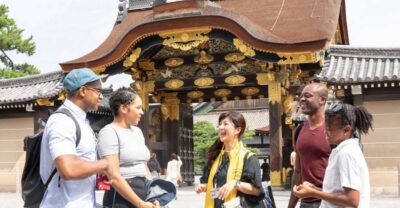
Nijo-jo Castle and Ninomaru Palace Guided Tour
Read our review →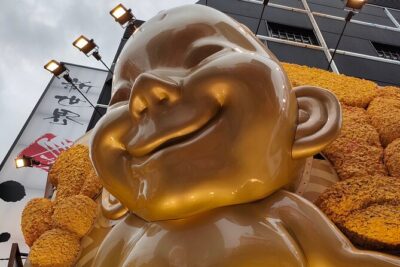
Ultimate Osaka Walking Tour: Castle, Dotonbori & Hidden Gems
Read our review →Tokyo Castle & Imperial PalaceーShogun Walking Tour
Read our review →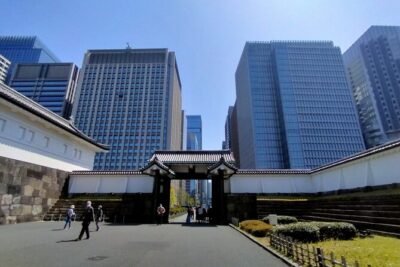
Imperial Palace East Garden and Edo Castle Walking Tour in Tokyo
Read our review →
Imperial Palace & Nijo Castle Guided Walking Tour
Read our review →
Japanesel Archery Experience HIROSHIMA CASTLE SHARAKU
Read our review →Browse the lists this tour appears in