Review · TOKYO TOURS
Osaka: Kyoto By The Sea with Amanohashidate & Ine no Funaya
Pines, temples, and floating houses in one coast day. This trip connects Amanohashidate sandbar views with the surreal Ine no Funaya floating fishing village, and it does it at an easy, photo-friendly pace. The one thing to plan for is optional add-ons and meals, because lunch and extra rides are not included.
I really like that the tour moves like a well-paced road trip, not a rushed checklist. I’ve seen guides such as Yuri, and also Jun Young Jo or Jo, described as kind, professional, and happy to help with pictures, even handing out printed Polaroid souvenirs. If you want zero extra spending beyond the base price, you may feel a bit nicked by the chairlift or monorail (850 yen) and the Ine boat (1,000 yen).
In This Review
- Key highlights you’ll care about
- Amanohashidate: the famous pines that make the whole day work
- What to watch for
- Chionji Temple and Kaisen Bridge: spiritual calm plus coastal engineering
- How to make these stops feel worth it
- Amanohashidate Beach: the sea breeze break you’ll want after all those photos
- Practical tip
- Ine no Funaya at Funaya no Sato: where the water becomes the street
- What you’ll notice when you slow down
- The optional Ine sightseeing boat: the closest look at the funaya from the bay
- Is it worth paying for?
- Lunch and timing: how to keep the day relaxed and not hungry
- Transportation and guide quality: what you’re really paying for
- Pace check
- What it costs, and what might cost extra
- Who should book this tour, and who might not love it
- Should you book Osaka, Kyoto by the Sea with Amanohashidate and Ine no Funaya?
- FAQ
- Where is the meeting point and when should I arrive?
- What time does the tour depart?
- Which languages are spoken by the guide?
- What is included in the price?
- Are meals included?
- What optional activities cost extra?
- How long is the time at the main sites?
- Is the tour stroller-friendly and wheelchair-accessible?
- Can I cancel and get a refund?
Key highlights you’ll care about
- Amanohashidate sandbar views with more than 5,000 pine trees
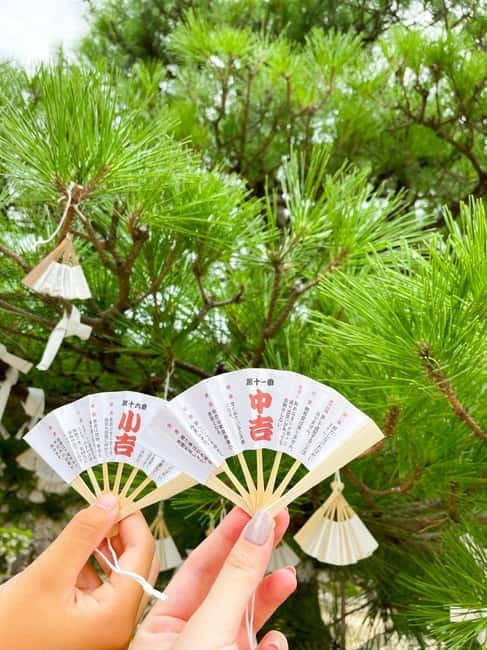
- Chionji Temple fortune slip tradition with fan-shaped paper fortunes
- Kaisen Bridge rotating bridge that opens for passing boats
- Amanohashidate View Land with panoramic viewpoints and optional sky bicycle
- Ine no Funaya with 200+ traditional funaya houses built right on the water
- Optional sightseeing boat to get closer to the funaya from the bay
Amanohashidate: the famous pines that make the whole day work
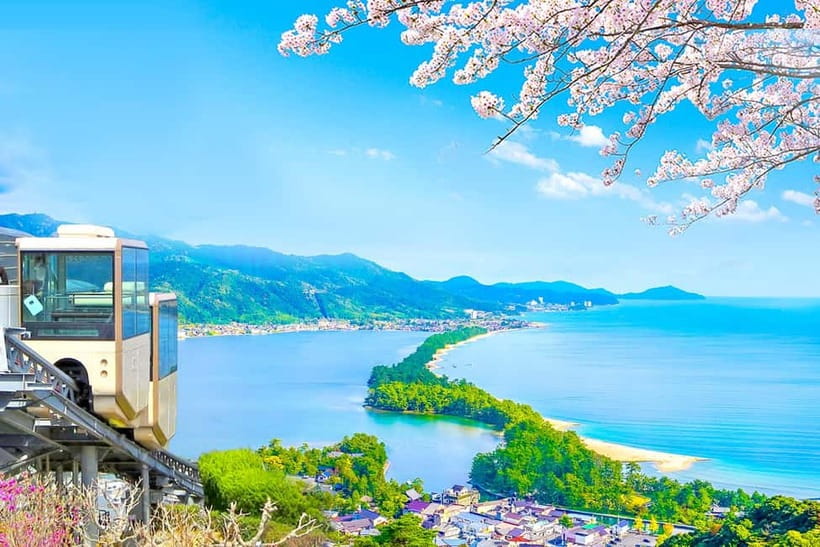
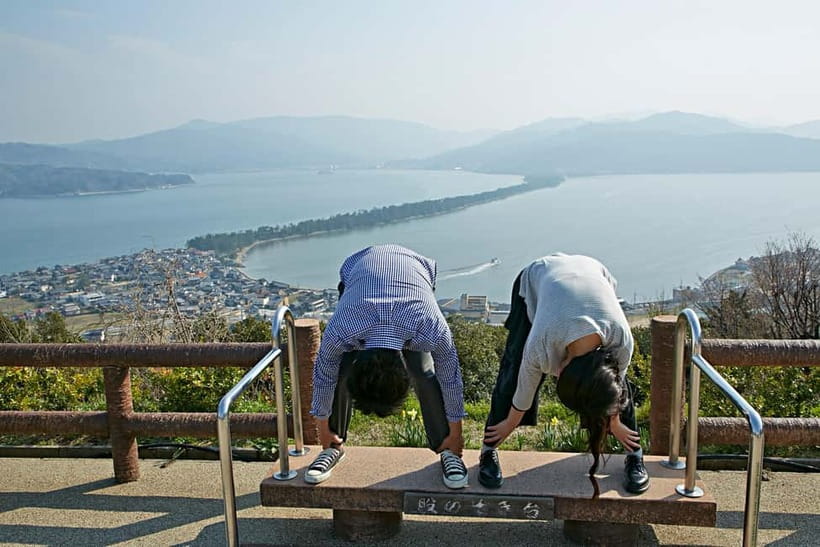
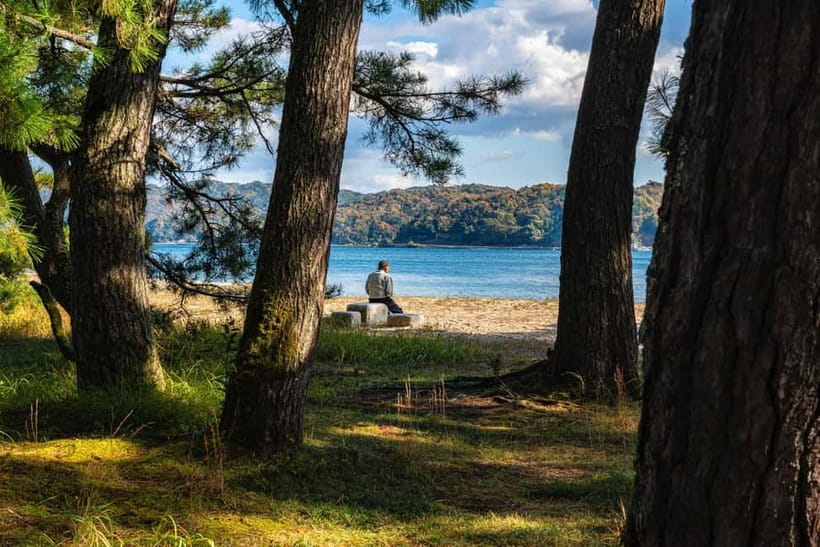
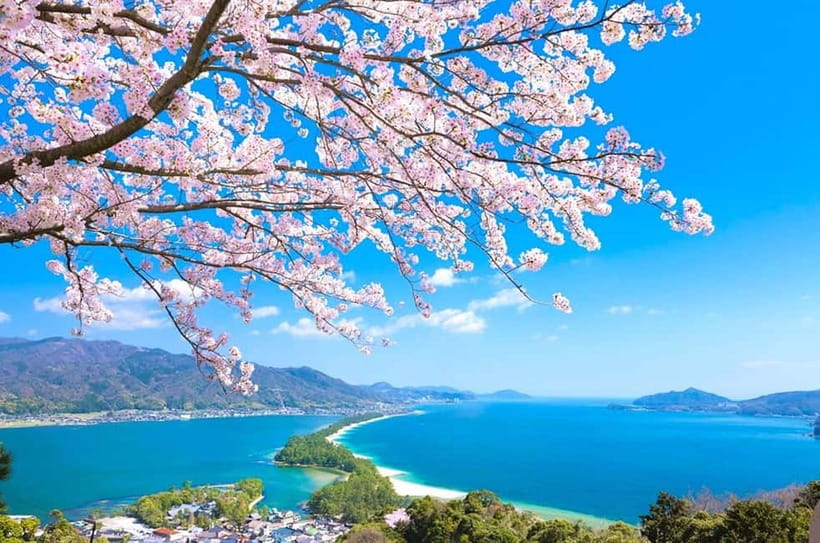
If you’re trying to get a strong sense of Japan’s coast without spending the entire day on trains, Amanohashidate is the perfect first stop. This long sandbar across Miyazu Bay is lined with over 5,000 pine trees, so even when clouds drift in, the place still feels postcard-ready. The signature trick here is the upside-down view, where the sandbar looks like it connects heaven and earth.
You’ll have about 2.5 hours at Amanohashidate, and that timing matters. You’re not stuck taking photos only from a crowded spot. You can slow down, walk, and choose your own rhythm. Some people will stick to sweeping views. Others will spend time strolling, including a chance to enjoy the pine-lined path near the beach area later in the day.
One smart add-on is Amanohashidate View Land. You can take the optional chairlift or monorail (850 yen, paid on your own), then enjoy a hilltop park feel with bigger-than-life panoramas. If you like practical thrills, the sky bicycle is the standout optional activity mentioned, where you pedal across a high-altitude track for big scenery.
A few more Tokyo days to weigh up
- Mt Fuji and Hakone 1-Day Bus Tour Return by Bullet Train
★ 5.0 · 26,383 reviews - 1-Day Tokyo Bus Tour
★ 5.0 · 14,250 reviews - Tokyo: TOKYO SKYTREE® Admission ticket
★ 4.5 · 11,192 reviews
What to watch for
Viewpoints can get busy, and weather changes how dramatic the coast looks. If it’s windy, you’ll feel it more at higher points and along the beach. Bring a light layer even in mild seasons.
Chionji Temple and Kaisen Bridge: spiritual calm plus coastal engineering
After you’ve soaked up the sandbar, the day shifts to calmer, more human-scale stops. Chionji Temple is known for a very specific tradition: visitors draw fan-shaped fortune slips connected to giant folding fan imagery. The theme is wisdom and success, so it’s not just a photo op. It’s a small moment where you can participate in a local custom without needing any special skills.
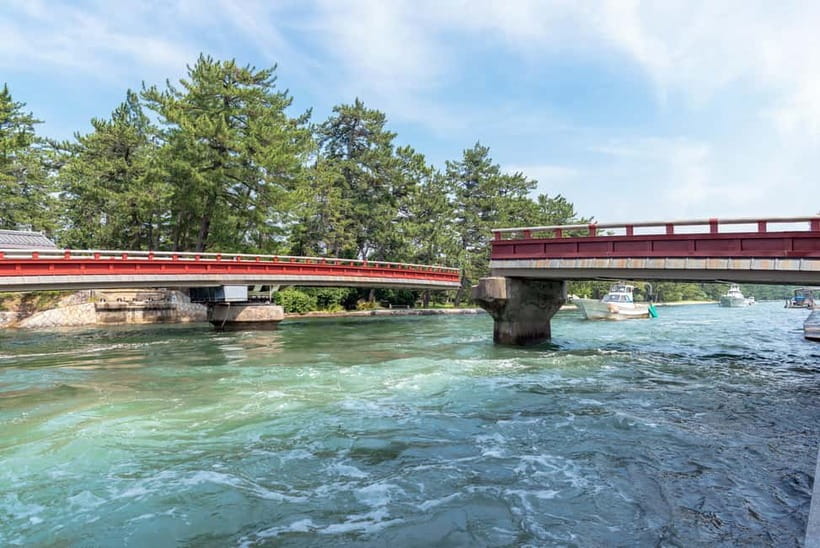
Next comes Kaisen Bridge, the rotating bridge that opens for boats. That’s the kind of detail that makes a place feel real. You’re watching something designed around the working coastline, not just something frozen for tourists. Even if you aren’t catching the exact moment a boat passes, the bridge itself is a fun stop to break up the day between viewpoint time and beach time.
How to make these stops feel worth it
For Chionji, give yourself a few minutes to actually look at the fortune practice and the fan motif, not just take a single shot and rush on. For Kaisen Bridge, stand where you can see both directions and stay flexible. Boats have their own timing.
A different sort of day in Japan:
- Tokyo: teamLab Planets TOKYO Digital Art Museum Entry Ticket
★ 4.6 · 9,779 reviews - Mt Fuji & Hakone Cruise, Drum Show Bullet Train 1 Day from Tokyo
★ 4.0 · 7,413 reviews - Tokyo: Sumo Show Experience with Chicken Hot Pot and a Photo
★ 4.8 · 6,678 reviews - Tokyo: Shinjuku Food Tour (13 Dishes at 4 Local Eateries)
★ 5.0 · 6,603 reviews
Amanohashidate Beach: the sea breeze break you’ll want after all those photos
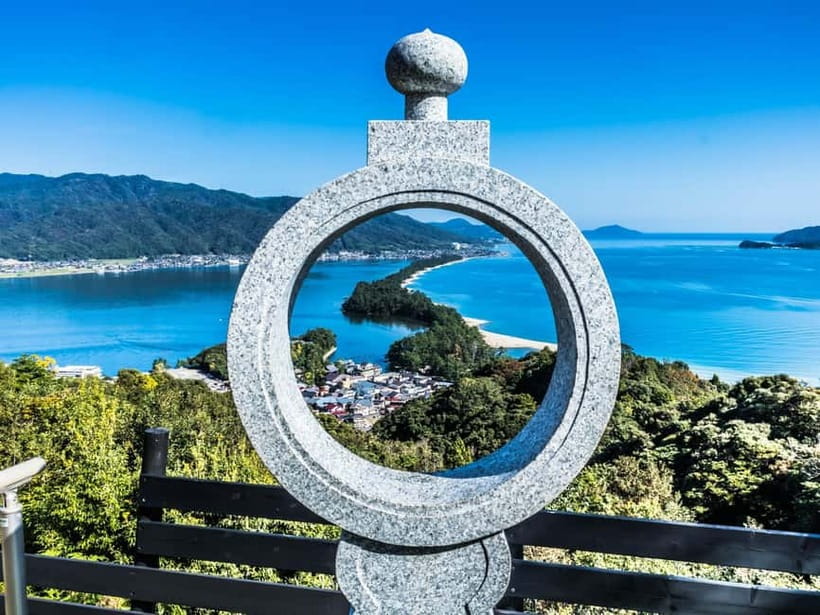
When the itinerary reaches Amanohashidate Beach, you get a breather. This is where the trip stops feeling like sightseeing and starts feeling like a seaside day. You’ll have time for a walk, photo stops, and just letting your body reset to the pace of the coast.
The beach itself is described as a place to enjoy the sea breeze. That sounds simple, but after multiple scenic stops, that little change of atmosphere matters. It’s also the zone where you might find a relaxed way to spend time, like strolling along the pine-lined approach or renting a bicycle if available during your visit.
Practical tip
If you’re the type who likes to plan your energy, this is the moment to do it. Use the beach break to recharge, then you’ll be more ready for the next big visual shock: the floating village.
Ine no Funaya at Funaya no Sato: where the water becomes the street
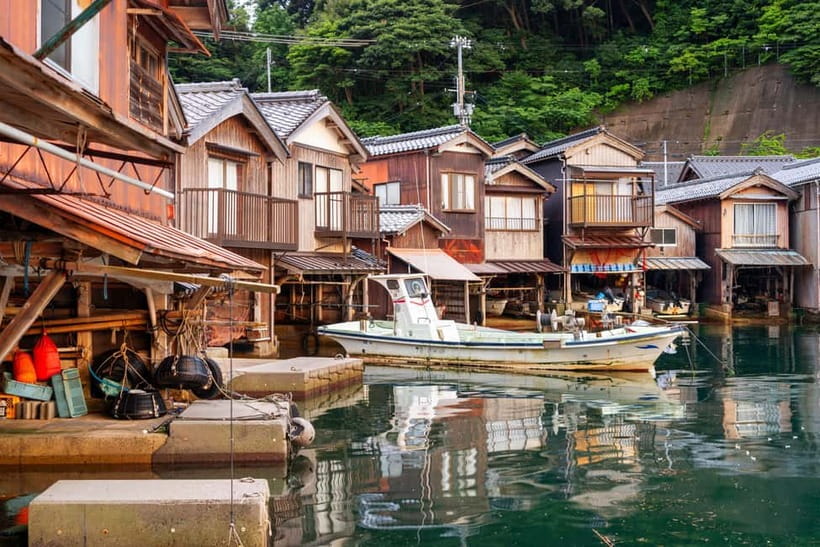
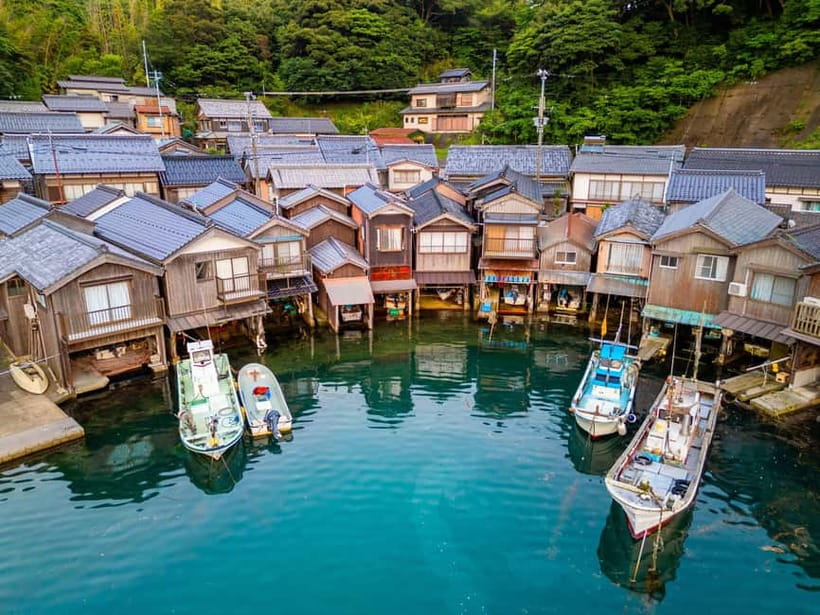
This is the part of the day that feels almost unreal. Ine no Funaya is a seaside fishing village known for 200+ traditional funaya houses built right on the water. The design is clear and striking: boat garages sit on the ground level, with living spaces above. So the village isn’t just built near the sea, it’s built into the everyday work of it.
You’ll visit the area via Road Station Funaya no Sato Ine, and you’ll get about 70 minutes for photo stops, exploring, and free time. That window is just long enough to take in the overall scene, walk around at a comfortable pace, and still have time to stop and look at how the houses meet the water.
What you’ll notice when you slow down
Look for reflections. In this kind of village, the water is like a second layer of scenery. If the wind is calm, the funaya can look doubled, which makes your photos feel extra clean and postcard-like.
The optional Ine sightseeing boat: the closest look at the funaya from the bay
If you want a different angle, choose the optional sightseeing boat ride (1,000 yen). This is the add-on designed to bring you closer to the funaya and help you understand the village from the water side.
You cruise along the bay and see the houses with their reflections. One review also mentions a chance to experience something memorable during the boat ride, like feeding hawks, but that kind of detail can depend on timing and conditions, so treat it as a possible bonus rather than a guaranteed show.
Is it worth paying for?
If you enjoy photos, the boat ride usually justifies the cost because it gives perspective you cannot get from land. If you’re not into boats, you can still enjoy the village from the shoreline without feeling like you missed the main event.
Lunch and timing: how to keep the day relaxed and not hungry
Meals are not included, and that matters. The tour gives you a chunk of time at Amanohashidate, including time for lunch at your own expense. You also get break stops at roadside areas like Kyotamba-Ajimunosato PA, with time for street food and a short free window.
Here’s the balanced approach I recommend:
- Eat something light during a PA break if you’re prone to getting hungry fast.
- Use the longer Amanohashidate window to pick a lunch spot you actually want, not the first one you see.
Because the itinerary includes several photo and walk-based stops, having your stomach under control keeps the whole day smoother.
Transportation and guide quality: what you’re really paying for
The listed price is $55 per person, and what makes that feel reasonable is what you get for it: transportation plus an English and Korean speaking guide. For a coastal day trip like this, that’s the value piece, because you do not have to coordinate trains, transfers, and schedules across multiple sites.
Another practical win from the guide experience is how they help with the flow of the day. In the reviews tied to this service, guides like Yuri and Jun Young Jo are described as informative, polite, and genuinely helpful with photos. One detail I found especially useful is that guides have been noted as offering to take pictures for the group and even providing printed Polaroid photos at the end. That’s the kind of small service that saves you time and stress, especially if you’re traveling with friends or family.
Pace check
Even though the day includes multiple locations, it’s described as relaxed with enough time to explore. That’s important, because these coast stops look better when you can actually wander a bit.
What it costs, and what might cost extra
Base price includes the guide and transportation. You should budget separately for:
- Lunch, since meals are not included
- Optional admission and activities such as:
- Amanohashidate chairlift or monorail: 850 yen
- Ine no Funaya boat ride: 1,000 yen
So the real cost becomes personal. If you do both optional experiences, you’ll pay more on top of the base fare. If you only want the core scenery, you can keep spending tighter.
Who should book this tour, and who might not love it
This day trip is a great match if you:
- Want coastal scenery outside Kyoto city without the hassle of building a plan yourself
- Like photography and short, scenic walks more than long hikes
- Prefer guided explanations, including temple context like the Chionji fortune tradition
- Appreciate a relaxed pace with free time built in
It’s also described as stroller-friendly, which is a useful detail if you’re traveling with a baby and need flexibility.
You might hesitate if:
- You need wheelchair access, since it is listed as not wheelchair-accessible
- You dislike paying for optional add-ons, because the best views include optional paid options like View Land and the boat
Should you book Osaka, Kyoto by the Sea with Amanohashidate and Ine no Funaya?
I’d book it if you want a satisfying coastal day that hits two of the most visually memorable places on the route, Amanohashidate and Ine no Funaya, with just enough culture and just enough downtime to keep it enjoyable. It’s also a smart choice if you’d rather spend your energy admiring the sea than planning logistics.
Skip it or look for another option if you require wheelchair access, or if your idea of value is paying one flat price and stopping there. For everyone else, this is exactly the kind of slow travel day that makes Japan feel different from the usual city loop.
FAQ
Where is the meeting point and when should I arrive?
Meet in front of Tsurutontan Soemoncho before 07:50 AM. Staff from JTOURSTORY will be there to help you.
What time does the tour depart?
The journey begins with a hassle-free departure from Tsurutontan Soemoncho at 8:00 AM.
Which languages are spoken by the guide?
The guide is available in English and Korean.
What is included in the price?
The price includes transportation and an English and Korean speaking guide. Meals are not included.
Are meals included?
No. You’ll have time for lunch during the Amanohashidate portion, but lunch is at your own expense.
What optional activities cost extra?
Two optional add-ons are listed:
- Amanohashidate chairlift or monorail: 850 yen
- Ine no Funaya sightseeing boat: 1,000 yen
How long is the time at the main sites?
You’ll get about 2.5 hours at Amanohashidate, and about 70 minutes at Road Station Funaya no Sato Ine.
Is the tour stroller-friendly and wheelchair-accessible?
It is stroller-friendly. It is not wheelchair-accessible.
Can I cancel and get a refund?
Yes, you can cancel up to 24 hours in advance for a full refund.
Newly listed around Tokyo
- Tokyo private transfer for Yokohama Port★ 4.5 · 63 reviews
- Luxury Kimono Photoshoot at Ginza Tokyo★ 5.0 · 7 reviews
- Tokyo Allstar Food Tour★ 4.5 · 206 reviews
- Tokyo Art Aquarium Museum E-Ticket with optional Tokyo Metro Pass★ 5.0 · 17 reviews
- Tokyo: Best Ginza Food Tour at 3 Local Eateries★ 5.0 · 83 reviews
- Private One Day Nikko Tour with Bilingual driver★ 3.5 · 11 reviews
- PRIVATE tour in 180SX to Daikoku+++++★ 5.0 · 6 reviews
- Kabuki Talk★ 5.0 · 10 reviews
Tokyo Tours, compared.
Mt Fuji and Hakone 1-Day Bus Tour Return by Bullet Train
Read our review →

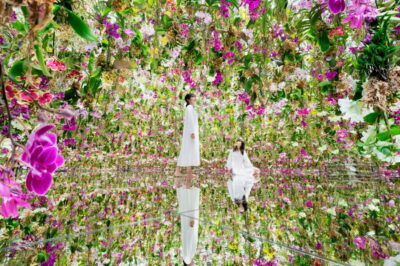
teamLab Planets TOKYO Digital Art Museum Entry Ticket
Read our review →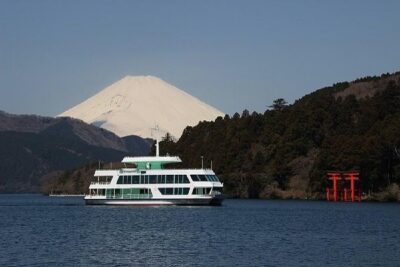
Mt Fuji & Hakone Cruise, Drum Show Bullet Train 1 Day from Tokyo
Read our review →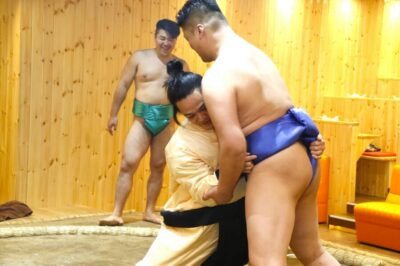
Sumo Show Experience with Chicken Hot Pot and a Photo
Read our review →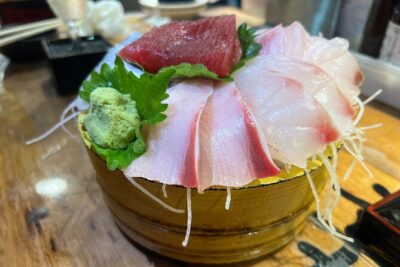
Shinjuku Food Tour (13 Dishes at 4 Local Eateries)
Read our review →