
Review · ANIME & MANGA TRIPS
Private Harajuku Omotesando Architecture Tour
Architecture fans, this walk is a cheat code. In 210 minutes along Omotesando, you get photo-friendly modern facades and the real reasons this part of Tokyo draws designers and architects, with English guidance from people like Mrs. Sakai Mari.
I like how the tour turns a high-end shopping zone into an easy visual lesson, from the first steps near Meiji Jingu to the street corners that beg for your camera.
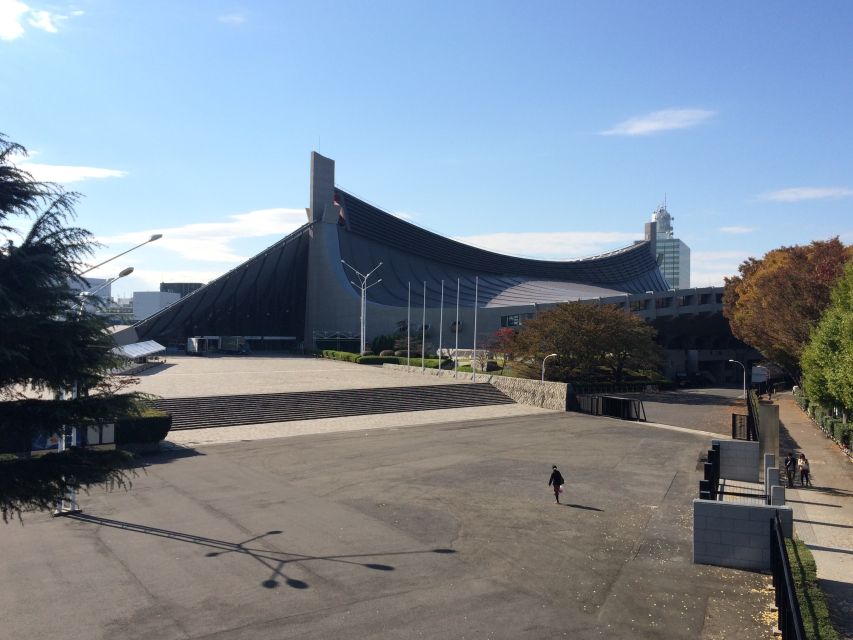
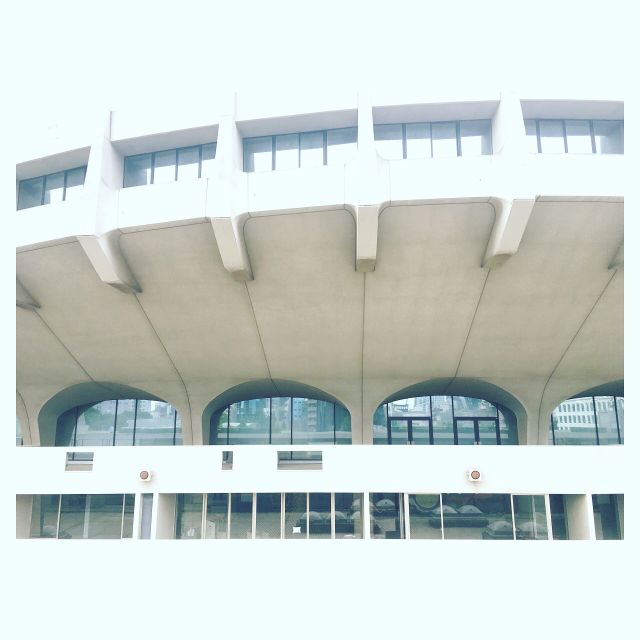
I love that you cover both major, well-known buildings and newer fashion architecture in one focused loop, spotting places such as Dior, Louis Vuitton, Prada, The Iceberg, and Sunny hills, while Yoyogi Gymnasium is visible in the distance early on. It feels efficient without feeling rushed.
You also get a chance to take the whole route at night, when the buildings and signage read differently.
The one possible drawback is simple: it’s still a walking tour. Comfortable shoes matter, and meals plus transportation to and from the area are not included.
In This Review
- Key things you will notice on this Omotesando architecture walk
- Entering Omotesando, not just shopping street mode
- Starting at Meiji Jingu, then tracking the city’s modern edge
- Omotesando’s fashion architecture stops, Iceberg to Prada
- Side streets and the real neighborhood feel you do not get from a bus
- Why the guide matters more than you expect
- Night tours: the same buildings, a different reading
- The drinks break that keeps the pace comfortable
- Price and value: what $129 buys you in 210 minutes
- Should you book the Private Harajuku Omotesando Architecture Tour?
- FAQ
- Where do we meet for the tour?
- How long is the private Harajuku Omotesando Architecture Tour?
- Is the tour guided in English?
- Is a drinks break included?
- What is not included in the price?
- What should I bring?
- Is the tour wheelchair accessible?
- Can I cancel and get a full refund?
Key things you will notice on this Omotesando architecture walk
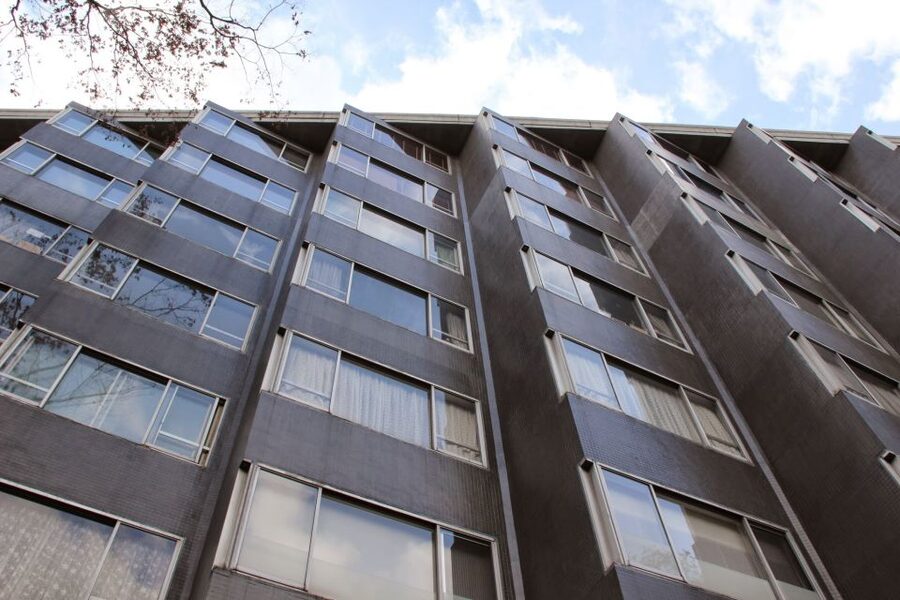
- Photo-ready stops everywhere, not just a couple of highlight buildings
- Big-brand architecture plus emerging designers, packed into about 3.5 hours
- A guide who can answer real questions, including some with industry and planning backgrounds
- Side streets for everyday Tokyo, so the area feels more human than showroom-only
- Night option for different lighting and mood, especially around storefront design
- A short drinks break, so you can reset without killing the flow
Entering Omotesando, not just shopping street mode
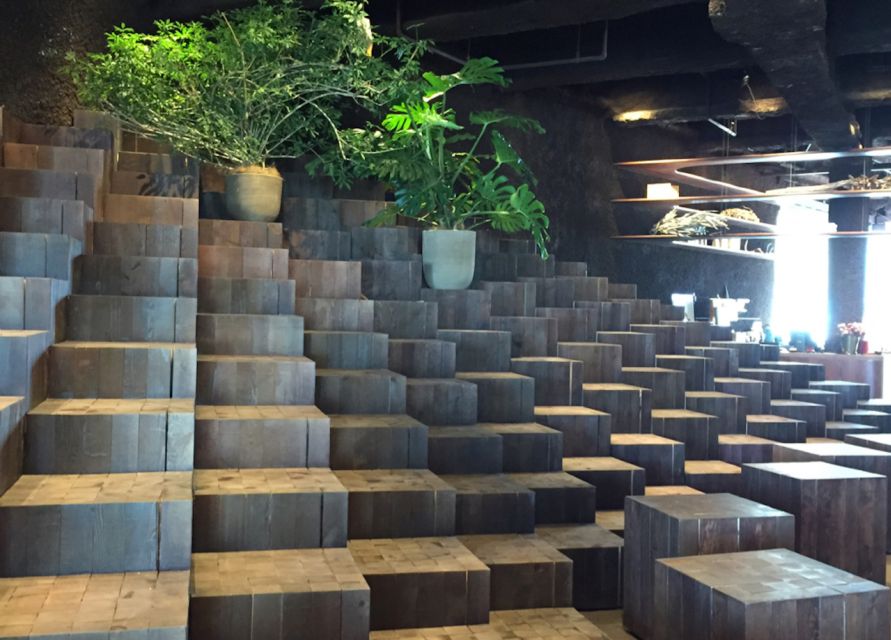
Omotesando can look like Tokyo’s version of a luxury runway, but the real story is about design, proportions, and what happens when architects and retailers chase a similar kind of attention. You’ll see why famous architects keep getting pulled into this area: the street rewards bold choices. Clean lines. Strong materials. Architecture that functions like branding, but also like city design.
And you quickly understand why Omotesando does not feel like other famous shopping districts. Ginza is often about department stores and polished commercial streets. Omotesando feels more like a collection of designer worlds placed along a carefully shaped avenue, with quieter side lanes that show the city living alongside the couture.
What helps is the way the tour is paced. You’re not just told what to look at. You’re guided through why the buildings got attention in the first place, then you get to look at them from different angles. That matters in a place where the details can be thin and the overall design is what you’re really trying to read.
Other Anime and Manga trips worth a look in Tokyo:
- Official Street Go-Kart Tour – Akihabara
★ 5.0 · 1,578 reviews - Tokyo Go Kart: Asakusa, Skytree, and Akihabara **IDP MUST**
★ 5.0 · 988 reviews - Tokyo: Tokyo Tower, Shibuya Crossing, Harajuku, Go Kart Tour
★ 4.7 · 446 reviews
Starting at Meiji Jingu, then tracking the city’s modern edge
The tour begins in a very practical spot: in front of CAFÉ Mori no Terrace (1 Yoyogikamizonocho, Shibuya City). It sits in the big open area by the entrance gate of Meiji Shrine, so you get a natural visual starting line without having to figure out complex routes.
There’s also an easy-to-miss detail: this café is not the one inside the shrine grounds, even though the names are similar. You do not pass through the Shinto gates from JR Harajuku Station to reach this meeting point. You’re walking toward the forest edge first, which keeps the first minutes calm and gives you a sense of scale before the shopping architecture starts.
From there, you move along toward Yoyogi Gymnasium, and you’ll see it from a distance. That distant view is smart, because it puts a reference landmark in your mind. When you later see newer commercial facades, you understand the difference between older large-scale city structures and the more fashion-focused, street-level architecture.
Omotesando’s fashion architecture stops, Iceberg to Prada
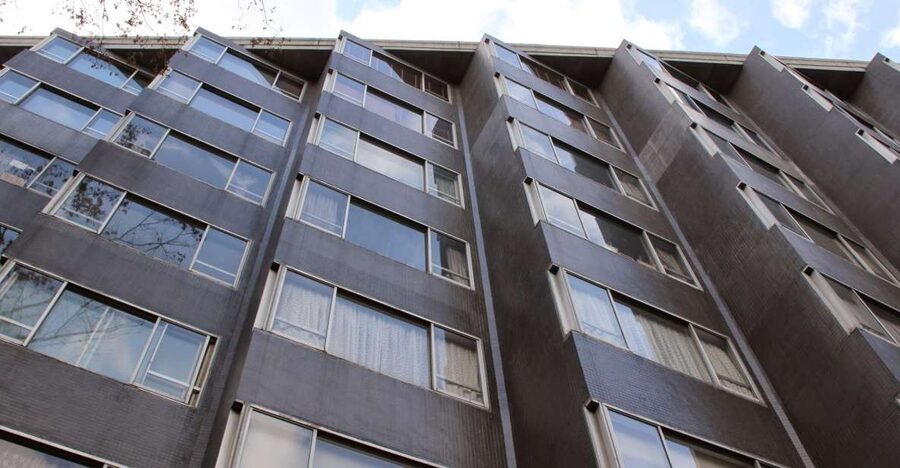
This is the part of the tour where your camera will work overtime, because the route includes storefront architecture and recognizable contemporary design elements. The tour focuses on buildings you’ve likely seen in photos for years, but here you experience them at walking speed, with angles changing every few steps.
You’ll pass by or view highlights tied to major names such as Dior and Louis Vuitton, then continue through the kind of architecture where the building itself looks like part of the product. The same goes for Prada, and you’ll also cover newer, attention-grabbing concepts like The Iceberg and Sunny hills.
What makes these stops valuable is that the guide links style to purpose. In a district like Omotesando, storefronts are rarely just advertisements. They’re meant to create a specific street mood, with sightlines engineered for how people actually walk. When you understand that, you start noticing things on your own after the tour, like how entrances are placed, how the facade responds to foot traffic, and how materials reflect light.
Also, you’re not stuck staring straight ahead. The tour is designed around turning corners and finding viewpoints, so you can get that sense of architecture in layers, not just a single front view.
If you do the night version, the same buildings read differently. Lighting makes logos and surfaces sharper. Shadows add depth. You tend to notice the relationship between the street and the design, not just the design standing alone. It’s a great way to see why the area can feel futuristic one moment and street-level the next.
Side streets and the real neighborhood feel you do not get from a bus
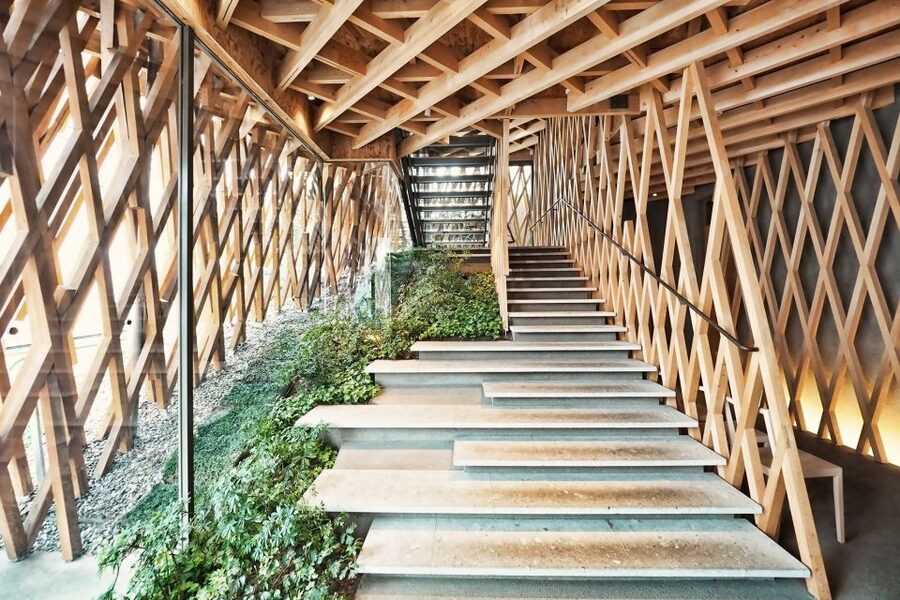
Omotesando has a curated public face, but it also spills into back streets where normal Tokyo life mixes in. That’s why the tour includes a side trip away from the main showroom stretch. You start seeing the neighborhood as a place people actually move through, not only a place people visit for shopping.
This is where you learn the difference between a famous avenue and a district with multiple identities. The main street can feel like a single design statement, while side lanes can feel like lived-in Tokyo, with quieter textures and smaller-scale architecture.
You might even route through lively lanes like Cat Street, depending on the guide and the exact flow of the walk. In any case, you’ll get a chance to see how the district changes when you stop chasing the biggest names and start paying attention to the street-level rhythm.
That shift is a big part of the value here. A tour that only points at iconic storefronts can become a checklist. With side streets included, the tour stays grounded, and you leave with a better mental map of the area.
A few more Tokyo days to weigh up
- Mt Fuji and Hakone 1-Day Bus Tour Return by Bullet Train
★ 5.0 · 26,383 reviews - 1-Day Tokyo Bus Tour
★ 5.0 · 14,250 reviews - Tokyo: TOKYO SKYTREE® Admission ticket
★ 4.5 · 11,192 reviews - Tokyo: teamLab Planets TOKYO Digital Art Museum Entry Ticket
★ 4.6 · 9,779 reviews
Why the guide matters more than you expect
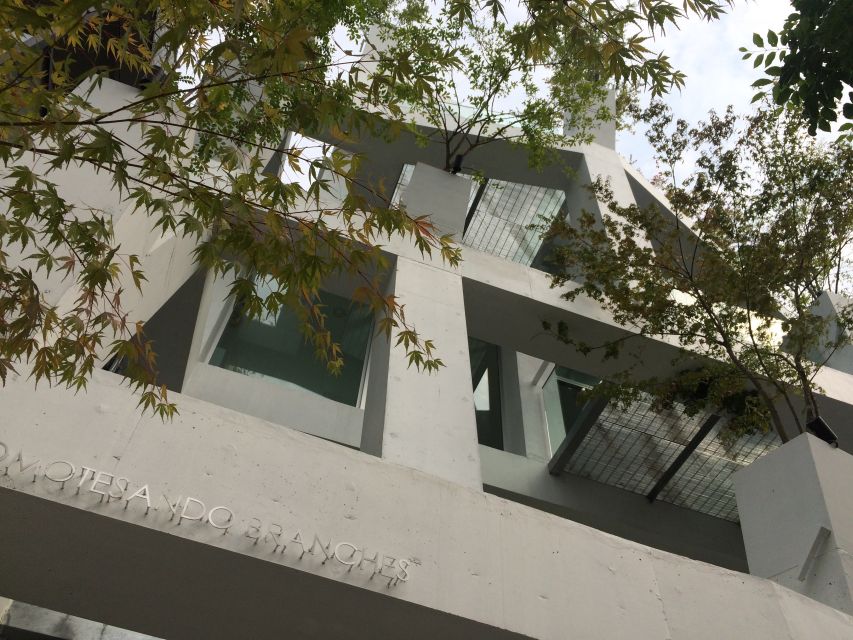
This tour is private, so the pace and focus can be shaped around your interests. That’s a big deal for architecture. If you love structure, you’ll want explanations about form and how buildings sit in the city. If you care more about fashion context, you’ll want to know why certain architects and brands keep returning to Omotesando.
In practice, the guide brings more than facts. Many guides on this experience have industry and planning backgrounds. For example, you may talk with someone like Taka, a retired urban planner and MIT graduate, who can connect design choices to how Tokyo works as a city. Other guides like Fuki and Yoshi are known for being passionate and clear, with the confidence to answer your questions on the spot rather than handing you a script.
Some guides also do something subtle but helpful: they connect the famous buildings with the less famous ones you pass along the way. That turns the walk into a continuous lesson, not a series of isolated photos.
And if you’re traveling solo, it still works. You’re not waiting for a group mood. One-on-one attention makes it easier to ask why a facade was designed the way it was, or what to notice next as you round another corner.
Night tours: the same buildings, a different reading
Doing Omotesando at night changes more than the lighting. It changes what your brain prioritizes. Daytime is about materials and proportions. Night is about reflections, signage placement, and how people cluster around entrances.
You’ll appreciate this especially with storefront architecture like the luxury brand facades on the main route. At night, surfaces show texture through shadow, and you can see how the architecture is meant to pull you in rather than just present itself.
Practical note: night also means you’ll be walking a bit longer under dimmer conditions. Your shoes matter more, and it helps to keep your phone charged for photos. If you plan to take lots of pictures, I suggest you bring a small strap or keep your grip steady so you are not fumbling every time you stop.
The drinks break that keeps the pace comfortable
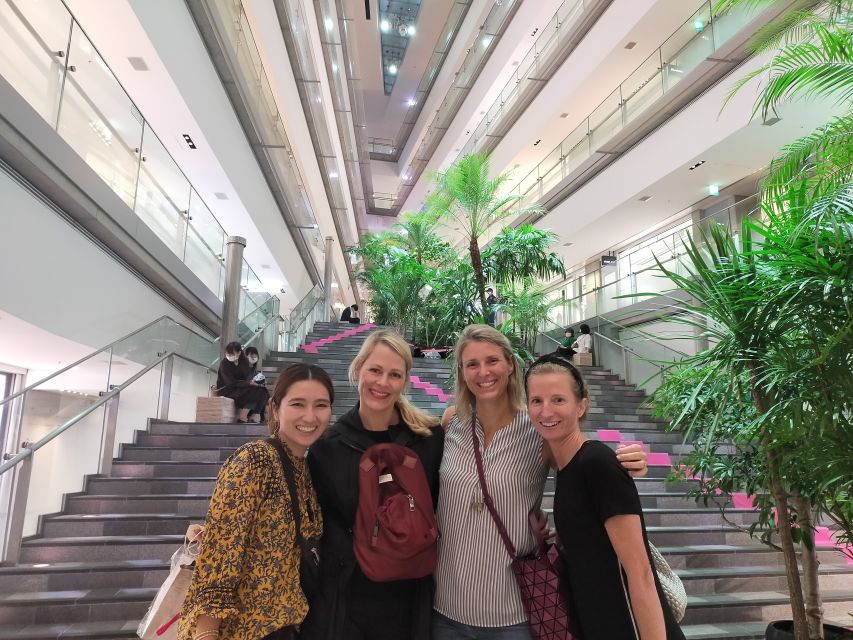
This tour includes a break time with drinks. That sounds minor until you’re doing 3.5 hours of concentrated street viewing. The break helps you slow down, reset your eyes, and recharge so the architecture keeps landing.
It also gives you time to ask questions without turning it into a lecture. When the guide can respond naturally over a drink, you tend to remember more later. It’s the kind of detail that makes a walking tour feel thoughtful rather than just energetic.
Price and value: what $129 buys you in 210 minutes
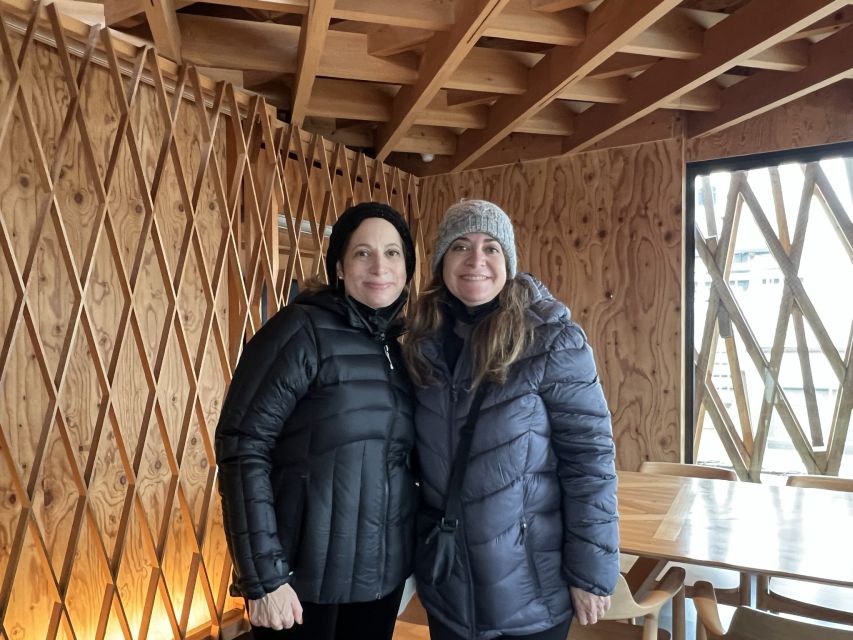
At $129 per person for 210 minutes, you are paying for two things: a licensed English-speaking guide and a private format that keeps the route focused. You’re also paying for the fact that Omotesando is not easy to interpret on your own. You can walk the street, sure, but without guidance it can turn into a blur of storefronts.
This price makes more sense when you want explanation, not just sightseeing. If you love architecture, city planning ideas, or you just want your photos to mean something, the guide’s context is what justifies the cost.
Two things you should plan around:
- Meals are not included.
- Transportation to and from the Harajuku Omotesando area is not included.
So if you’re budgeting your whole half-day, factor in train or taxi costs plus whatever you want to eat before or after. If you’re staying nearby, it’s easier to keep the overall spend reasonable.
Who this tour suits best
This private Omotesando architecture tour fits you if:
- You want a walk that covers major buildings you recognize, plus design ideas you might not spot alone.
- You like photography but also want to understand what you’re photographing.
- You care about how Tokyo’s modern architecture relates to shopping culture.
- You prefer a guide who can match your interests, whether you want more design talk or a more relaxed route.
It also works well for mixed travel groups, because the focus is visual and answer-based. Even if not everyone loves architecture, the street-level highlights give everyone something to enjoy.
Wheelchair accessibility is listed, so if mobility is part of your planning, this format is worth considering.
Should you book the Private Harajuku Omotesando Architecture Tour?
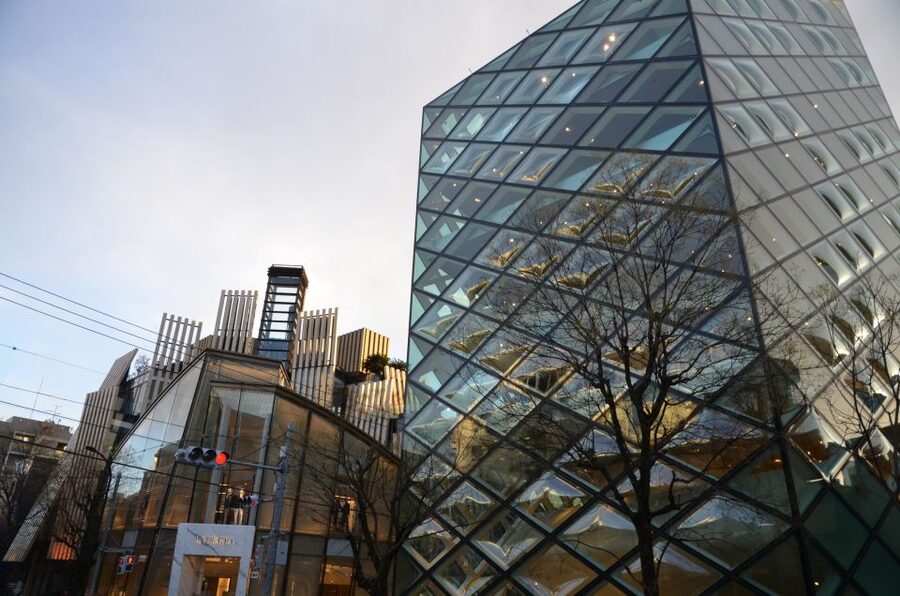
Book it if you want a focused, high-value architecture lesson that happens while you’re walking through one of Tokyo’s most design-driven streets. The standout reason to book is the combination of photo-ready locations and real guidance from English-speaking professionals, including guides with planning and industry backgrounds like Taka.
Skip it, or at least think twice, if you mainly want a casual shopping stroll with no explanations. This tour is built around architecture interpretation, so you’ll get the most from it when you’re ready to notice details and ask questions.
If you can, choose the night option. The district’s visual language shifts after dark, and the tour’s “different perspective” promise is exactly the kind of thing that makes a repeat visit feel worthwhile.
FAQ
Where do we meet for the tour?
You meet at CAFÉ Mori no Terrace in the big open space where the large wooden entrance gate of Meiji Shrine (Meiji Jingu) stands. This is a different cafe from the one inside the shrine. Address: 1 Yoyogikamizonocho, Shibuya City, Tokyo 151-0052, Japan.
How long is the private Harajuku Omotesando Architecture Tour?
The tour lasts 210 minutes.
Is the tour guided in English?
Yes. It includes a licensed English-speaking tour guide.
Is a drinks break included?
Yes. The tour includes a break time with drinks.
What is not included in the price?
Meals are not included, and transportation fees to and from the Harajuku Omotesando area are not included.
What should I bring?
Wear comfortable shoes, since this is a walking tour.
Is the tour wheelchair accessible?
Yes, the tour is listed as wheelchair accessible.
Can I cancel and get a full refund?
Yes. Free cancellation is available up to 24 hours in advance for a full refund.
Newly listed around Tokyo
- Tokyo: Practicing Zen with a Japanese Tea Ceremony★ 4.7 · 105 reviews
- Tokyo: Japanese Massage – Kangfu Beauty & Body Care Salon★ 4.4 · 43 reviews
- Tokyo: Hama-rikyu Gardens tour with Japanese Tea & Sweets★ 4.7 · 14 reviews
- Tokyo: Japanese Style Variety Show with Dance,Magic & Dinner★ 4.5 · 13 reviews
- Tokyo: Imperial Palace with Nostalgic Alley Kagurazaka tour★ 4.3 · 8 reviews
- Tokyo: Night Cooking Class: 5 Home-Cooked Japanese Dishes★ 4.9 · 13 reviews
- Tokyo: Full-Day Japanese Garden Private Guided Tour★ 4.6 · 13 reviews
- Tokyo: Imperial Palace East Gardens and Tokyo Station Tour★ 5.0 · 16 reviews
Anime & Manga Trips, compared.

Tokyo Go Kart: Asakusa, Skytree, and Akihabara **IDP MUST**
Read our review →
Tokyo Tower, Shibuya Crossing, Harajuku, Go Kart Tour
Read our review →
Tokyo Studio Ghibli Museum and Ghibli Film Appreciation Tour
Read our review →
Akihabara Anime & Game Adventure Walking Tour (Group or Private)
Read our review →

Browse the lists this tour appears in