
Review · LICENSED GUIDES & PRIVATE DRIVERS
Sendai / Matsushima Full-Day Private Tour with Government-Licensed Guide
Matsushima makes a strong first impression. This private tour pairs a government-licensed multilingual guide with a smart way to see Sendai and the famous bay in about six hours, without wasting time figuring things out. I like that you can shape the day by choosing 3-4 stops from a curated list.
I also like the mix of classic sights and quieter moments around the water. You get the big draw of Matsushima Bay, plus options like Oshima’s short, relaxed island walk and the temple-and-teahouse feel of the Zuiganji area. The pacing tends to feel efficient, not rushed.
One catch: it’s a walking day, and not everything in the area is free. Entrance fees, lunch, and transportation are not included, so you’ll want to plan your budget and pick your stops carefully.
In This Review
- Key Things I’d Plan Around
- Why a Government-Licensed Guide Changes the Whole Day
- Choosing 3-4 Stops: The Secret to Getting Value in 6 Hours
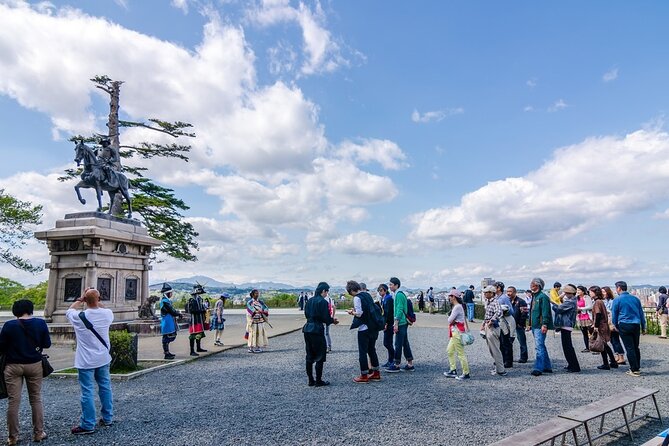
- Sendai First: Zuihoden, Castle Ruins, and the SS30 View
- Chiteinomori and Miyagikyo: Stone Age Storytelling and a Nikka Tour
- Matsushima Bay: Zuiganji, Tea at Kanrantei, and Godaido’s Five Statues
- The Island Options: Oshima Walks and Fukuura Island by Red Bridge
- Entsu-in, and How Smaller Temples Add Depth
- Shiogama Day Flavor: Shrine Heritage, a Fish Market, and a Real Bay
- If You Still Have Energy: Osaki Hachiman, Mitakisan Fudoin, and Tohoku History
- Price and Logistics: What You Actually Get for $154.37
- Who This Tour Is Best For
- Should You Book This Sendai and Matsushima Private Tour?
- FAQ
- How long is the Sendai and Matsushima private tour?
- Is pickup included?
- Are entrance fees and lunch included?
- Can I customize which sights I visit?
- Is it a private tour or shared group?
- Can I cancel for free?
Key Things I’d Plan Around
- Government-licensed interpretation: You get cultural and historical context, not just directions.
- Choose 3-4 sites from a list: The tour is designed for focus, so you should decide what you want most.
- Matsushima Bay viewpoints plus temple details: Expect iconic scenery and hands-on explanation of sites like Zuiganji.
- Island time without a big hassle: Oshima is reachable via a short bridge, and Fukuura Island is for public access via a long red bridge.
- A Sendai add-on that breaks up the day: Options like a Nikka whisky factory tour or a stone-age museum keep things from feeling repetitive.
- Food and local rhythm near Shiogama: The shrine and fish market area helps you feel daily life, not only monuments.
Why a Government-Licensed Guide Changes the Whole Day
A major reason this tour feels good is the guide setup. The interpreter is certified under a Japanese national government licensing system, which usually means the explanations are grounded in real cultural context and history, not guesswork. When you’re bouncing between temples, shrines, and historical landmarks, that context is what turns photos into understanding.
I also like that the guide can adjust the tone of the day for you. If you want more on architecture and symbolism, you can lean that way. If you’d rather keep it lighter and practical, a good guide can translate the meaning without turning the day into a lecture.
More Private Guides in Sendai:
- Sendai / Matsushima Half-Day Private Tour with Government-Licensed Guide
★ 5.0 · 20 reviews - Aizu 4hr Private Tour with Government-Licensed Guide
★ 5.0 · 12 reviews - Aizu 6hr Private Tour with Government-Licensed Guide
★ 5.0 · 11 reviews
Choosing 3-4 Stops: The Secret to Getting Value in 6 Hours
The itinerary options cover a lot of ground, from castle-era sites in Sendai to multiple temples around Matsushima Bay and a full stop near Shiogama. But your effective plan is built around selecting about 3-4 sites from the list. That matters because it keeps your day from becoming a hurried checklist.
Before you book, I’d do a quick priority pass:
- If Matsushima is your main goal, decide which bay-side sights you want most, like Zuiganji, Kanrantei, and Godaido.
- If you like variety, pair a Sendai highlight (Zuihoden or castle ruins) with one nature or food stop (like Oshima or Shiogama fish market).
- If you’re a museum or craft person, consider Chiteinomori Museum of the Forest of Depths of the Earth or Sendai City Museum.
Because transportation and entrances are not included, the places you select will affect your total spend. So this is less about choosing the most famous names, and more about choosing what matches your interests and your walking tolerance.
Sendai First: Zuihoden, Castle Ruins, and the SS30 View
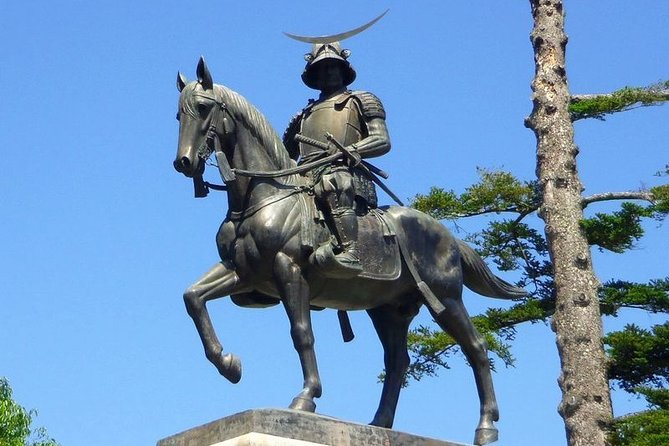
Start with Zuihoden, the Mausoleum of Date Masamune. You’ll hear the story of Sendai’s founding lord and why his mausoleum matters, including the detail that Masamune was known as an architect who designed the building. Even if you’re not a history nerd, mausoleums in Japan are often where you see how power, taste, and symbolism get expressed.
Next is Sendai Castle Ruins Guidance House. The ruins are tied to a famous Japanese poem, with the famous idea of the moon over a desolate castle. That poetic connection is useful on a walking day, because it gives you a mental image for what you’re seeing now, even though the castle itself is not standing.
Then there’s SS30 Observation Lounge, which is more about getting your bearings. This stop is in an office building setup, and the main point is the observation decks for views. I like this kind of stop when a day includes older sites, because it reminds you of the geography of where everything sits.
Practical note: if the weather is clear, the observation stop becomes extra worthwhile. If it’s gray or rainy, the guide can help you adjust how long you linger.
Chiteinomori and Miyagikyo: Stone Age Storytelling and a Nikka Tour
If your Sendai half needs a reset, Chiteinomori Museum fits that role well. It’s focused on the stone age in Japan, and the idea is to show how it may have looked in real daily terms. I like museum stops here because they let you sit for a bit and switch gears from outdoor walking.
Then consider Nikka Whisky Sendai Factory Miyagikyo Distillery. The factory includes a free tour that runs about 45 minutes and gives an overview of production stages and buildings. It’s the sort of stop that works even if you’re not a whisky expert, because the guide can frame what you’re seeing and why the process matters.
This is also a strong choice for anyone traveling with a mixed group, since it often lands as interesting for multiple types of travelers. The only thing to watch is your energy level. A factory visit plus temples later can feel like a lot, so choose your pairing.
A few more Sendai days to weigh up
- Fukushima Daiichi Nuclear Power Plant visit 2 day tour
★ 5.0 · 31 reviews - Sendai Private Izakaya and Bar Tour
★ 5.0 · 25 reviews - Coal & Fossil Museum Admission Ticket
★ 4.5 · 7 reviews
Matsushima Bay: Zuiganji, Tea at Kanrantei, and Godaido’s Five Statues
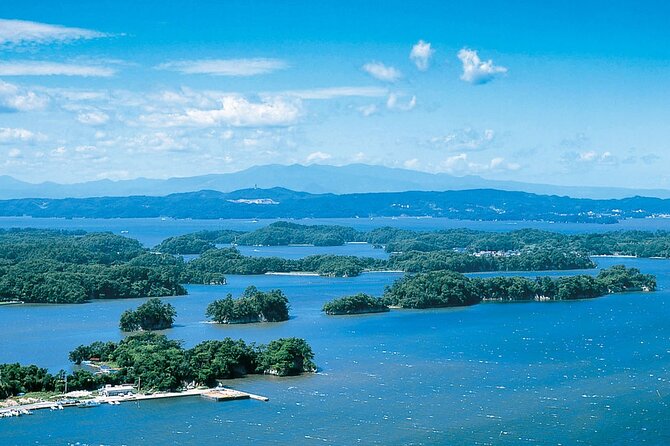
Now the day turns into what most people came for: Matsushima Bay. The bay is famous for its pine-clad islets and has been ranked among Japan’s three most scenic views for centuries. That kind of reputation can sound overhyped, but the practical value is that it helps you know what to look for: the islands, the shoreline rhythm, and the way the pine shapes the view.
In the Zuiganji area, you’ll visit Zuiganji, a major Zen temple known for beautifully gilded and painted sliding doors (fusuma). The temple was founded in 828, and the guide can help you see how the doors fit the wider worship space.
For a quieter, more lived-in feeling, Kanrantei is the tea house stop worth paying attention to. It’s described as Momoyama-style, originally built in Kyoto by Toyotomi Hideyoshi and given to Date Masamune. Later, Date’s son moved it to its current spot overlooking Matsushima Bay. That transfer story is fun because it connects national power to this local landscape.
Then there’s Godaido, a small hall on an islet next to the pier and described as a symbol of Matsushima. It was built in 807 and contains five statues. If you’re a photo person, this is the kind of stop that usually gives you strong angles, but even if you skip photos, it’s still meaningful because it’s built for a very specific viewing position.
Tip: give yourself a little extra time around Kanrantei and Godaido, because those spots reward slow looking, especially when the guide explains what you’re actually seeing.
The Island Options: Oshima Walks and Fukuura Island by Red Bridge
Two island-style additions are in the list, and they each change the mood of the day.
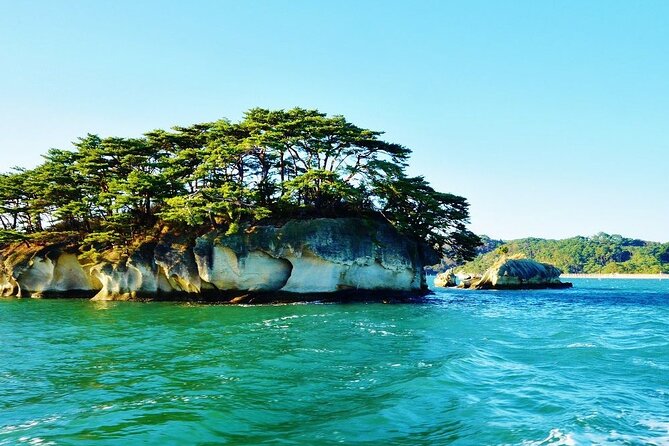
Oshima is a small, pine-covered island near the Matsushima pier. It’s accessible via a short bridge and is free of charge, and the point is the short walks plus peaceful island time. I like this because it breaks the temple concentration with something calmer and more “walk and breathe.”
Fukuurajima is the more structured island experience. It’s one of the few pine-covered islands in Matsushima Bay accessible to the public, and you reach it via a 252-meter-long red painted bridge that costs 200 yen. Since there’s a small extra cost and a bridge walk, I’d pick this if you want that specific island access and you’re comfortable with the walk distance.
If you want to pair one of these islands with temple time, Oshima usually feels easier to balance. Fukuurajima can feel like more effort, so plan it when your energy is high.
Entsu-in, and How Smaller Temples Add Depth
Entsu-in sits next to Zuiganji and was built in 1647. The purpose here is to house the mausoleum of Date Mitsumune, the son of Date Terumune. This is the kind of site that can get overlooked if you only chase the most famous temple complex, but it adds depth because it shows how a place becomes a family legacy.
Entsu-in can also be a useful choice if you want more quiet space. The bay area is scenic, but it can also draw crowds around the most famous points. A smaller temple stop can help your day feel less crowded and more reflective.
Shiogama Day Flavor: Shrine Heritage, a Fish Market, and a Real Bay
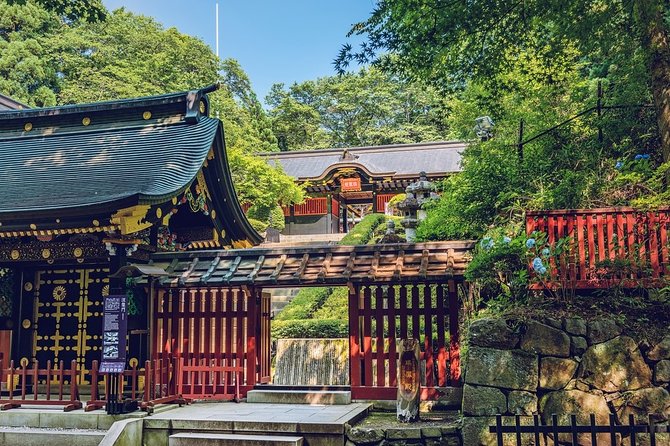
If you want a more local-feeling segment, add Shiogama Shrine and the nearby Shiogama City Fish Market.
Shiogama Jinja is a Shinto shrine known from the ninth century, and fifteen of its buildings are designated Important Cultural Properties. That heritage detail means it’s not just a quick photo stop. It’s a place where older architectural identity matters, and the guide can help you read what makes those buildings significant.
Then you have the Shiogama Fish Wholesale Market, established in its current location in 1965 with a history described as 50 years. It’s housed in a box-shaped building and is home to many wholesalers. I love market stops when they’re paired with explanation, because you stop thinking of it as just a tourist activity and start seeing it as part of the region’s rhythm.
This whole segment is also a natural fit with the area’s location. Shiogama is about 16 km from Sendai and includes Chiganoura bay. Even if you don’t do long sightseeing, this stretch helps you feel the coastal identity beyond the famous bay view.
If You Still Have Energy: Osaki Hachiman, Mitakisan Fudoin, and Tohoku History
Some days, after Matsushima, you’ll want one more cultural hit. The list offers a few, and they’re different enough to avoid repetition.
Osaki Hachiman Shrine is a national treasure in Sendai, with Momoyama-style architecture, intricate wood carvings, and vivid lacquer. It was built by Date Masamune in 1607. If you like craftsmanship, this is the kind of stop where a guide’s context can make small details easier to notice.
Mitakisan Fudoin is another contrast, a Buddhist temple founded in 1865 by nun Kato Tane to pray for healing eye diseases. It enshrines Fudo Myo-o, a deity believed to protect eyesight and offer spiritual support. The takeaway is that temple history here is tied to everyday human needs, not just courtly power.
If you prefer indoor structure, Tohoku History Museum in Tagajō City gives an overview of the region from the Paleolithic era to modern times. The main exhibition hall is divided in sections, which is useful on a day when you want a clear timeline rather than random facts.
Price and Logistics: What You Actually Get for $154.37
At $154.37 per person for a private, roughly six-hour tour, the value comes from three things you can feel on the ground.
First, you’re paying for a licensed local English guide who can provide cultural context. That’s not something you get from a random audio guide, and it’s especially useful in a region like Tohoku where temple and shrine details can be dense.
Second, you’re paying for time efficiency. You’re not planning transport between scattered places on your own, and your guide is built around a curated set of stops. Also, the day is private, so you’re not negotiating pace with strangers.
Third, customization matters. Choosing 3-4 sites from the list means you can design the day around your priorities, whether that’s Matsushima Bay photo time or a market-and-shrine local flavor.
What can reduce value is the add-on spending: transportation fees, entrance fees, lunch, and personal expenses are not included. Some of the stops are listed as free, but others have tickets not included. So before you lock in your choices, think about whether you want to concentrate on free sites, or whether you’re okay paying a few entrance fees to hit your must-see list.
Who This Tour Is Best For
This is a strong fit if you:
- Want a private day and don’t want to fight crowds or confusion across multiple areas
- Enjoy Japanese history and religious sites, especially when explained clearly
- Like scenic views plus a few meaningful stops rather than only one big photo moment
- Want to split the day between Sendai city context and Matsushima Bay scenery
- Prefer a flexible itinerary where you pick what matters most
It’s less ideal if you have very limited mobility. It’s described as a walking tour, and your pace depends on the stops you choose.
Should You Book This Sendai and Matsushima Private Tour?
I’d book it if Matsushima is a top priority and you want a day that feels organized without feeling scripted. The combination of a government-licensed guide, focused site selection, and bay-side highlights like Zuiganji and Kanrantei is a very efficient way to get the feel of Sendai and the coast.
I’d hesitate only if you hate walking, or if you’re trying to keep the day to a strict budget with minimal entrance and lunch spending. In that case, your best move is to select more of the free stops and plan a simple lunch.
FAQ
How long is the Sendai and Matsushima private tour?
It’s about 6 hours.
Is pickup included?
Pickup is offered, but the tour is described as a walking tour, with pickup on foot and meeting the guide within a designated area in Sendai.
Are entrance fees and lunch included?
No. Entrance fees, lunch, transportation fees, and other personal expenses are not included.
Can I customize which sights I visit?
Yes. You choose your must-see spots from a list, and the tour is described as a customizable tour of 3-4 sites from the options.
Is it a private tour or shared group?
It’s private. Only your group participates.
Can I cancel for free?
Yes. Free cancellation is available if you cancel up to 24 hours in advance for a full refund.
Newly listed around Sendai
- Coal & Fossil Museum Admission Ticket★ 4.5 · 7 reviews
- Aizu 6hr Private Tour with Government-Licensed Guide★ 5.0 · 11 reviews
- Aizu 4hr Private Tour with Government-Licensed Guide★ 5.0 · 12 reviews
- Sendai Private Izakaya and Bar Tour★ 5.0 · 25 reviews
- Sendai / Matsushima Half-Day Private Tour with Government-Licensed Guide★ 5.0 · 20 reviews
- Fukushima Daiichi Nuclear Power Plant visit 2 day tour★ 5.0 · 31 reviews
Licensed Guides & Private Drivers, compared.
Tokyo 6hr Private Tour with Government-Licensed Guide
Read our review →
Kyoto Early Morning Tour with English-Speaking Guide
Read our review →
Tokyo 4hr Private Tour with Government-Licensed Guide
Read our review →
Kyoto 6hr Private Tour with Government-Licensed Guide
Read our review →
Hiroshima / Miyajima Full-day Private Tour with Government Licensed Guide
Read our review →Early Morning Tour with English-Speaking Guide
Read our review →
Tokyo Private Sightseeing Tour by Car- English speaking chauffeur
Read our review →
Mt Fuji Private Tour with English Speaking Driver
Read our review →Browse the lists this tour appears in