
Review · SHIBUYA & SHINJUKU NIGHTLIFE
Shibuya Tokyo: Modern Kintsugi Workshop in Shibuya
One small crack, and suddenly Tokyo feels quieter.
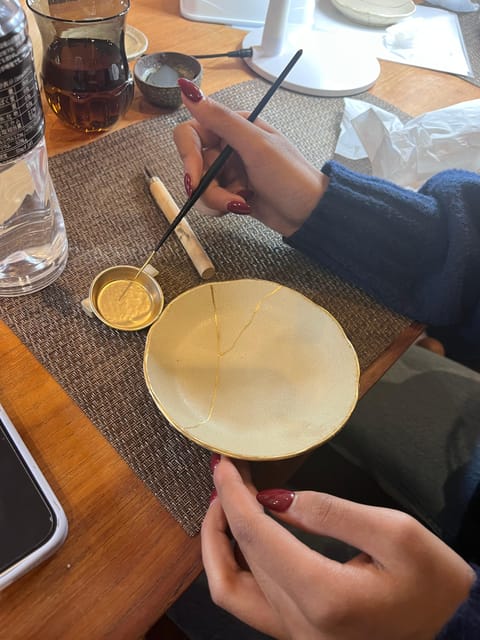
In a private studio up the hill from Shibuya Crossing, you’ll learn modern kintsugi with hands-on guidance, using contemporary materials and taking home your repaired crockery as a real keepsake.
What I like most is the small class size (limited to 6), which means the instructor can watch what you do and correct you fast. I also love that the workshop starts with matcha tea and seasonal sweets, so the whole experience feels less like a lesson and more like a Japanese ritual.
My only caution is timing: you can’t join if you arrive more than 15 minutes late to your reserved start time.
In This Review
- Key points to know before you go
- Modern kintsugi in Shibuya: what you are really doing
- Finding mon cadeau above Shibuya Crossing (without losing time)
- The 2-hour flow: matcha to your repaired crockery
- 1) Matcha tea and seasonal sweets, then mindset
- 2) Pick your crockery from their collection
- 3) Watch the instructor demonstrate, step by step
- 4) Then you do the steps yourself
- 5) Final presentation and your take-home souvenir
- Modern kintsugi materials and why this workshop feels more beginner-friendly
- Who teaches you, and what English instruction means here
- The cultural side: wabi sabi, served with matcha
- What you should expect to make and take home
- Price and value: is $141 for 2 hours worth it?
- Logistics that actually matter on the day
- Who this kintsugi workshop suits best
- Should you book this mon cadeau kintsugi workshop?
- FAQ
- How long is the kintsugi workshop?
- How many people are in the class?
- Is the workshop taught in English?
- What is included in the price?
- Do I need to bring anything?
- Can I record video during the class?
- Where do I meet for the workshop?
- What happens if I arrive late?
- Is it suitable for young children?
Key points to know before you go
- Small group attention with step-by-step supervision so you do not feel rushed
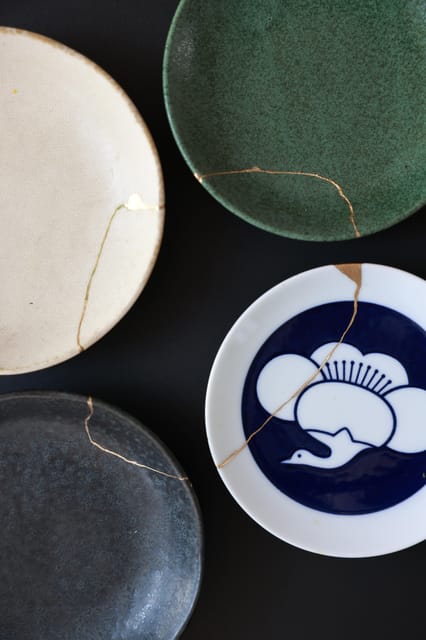
- Modern kintsugi approach using contemporary materials for a faster, safer feel
- Matcha and seasonal sweets to set a calm, cultural tone right from the start
- A take-home restored piece of crockery, packed in a gift box for your trip
- Clear instruction in English, plus an introduction explanation sheet to keep you on track
Modern kintsugi in Shibuya: what you are really doing
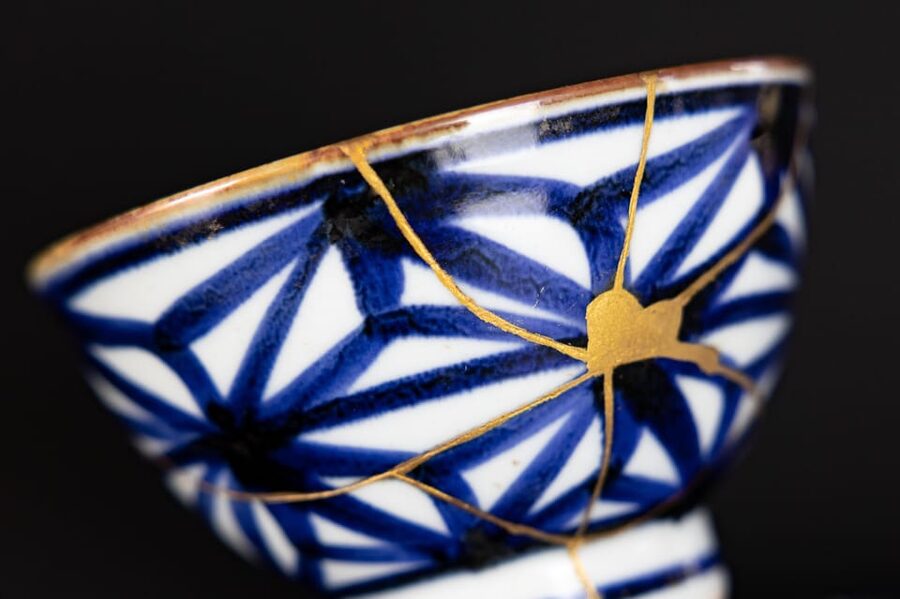
This is not just a craft class where you copy a sample. It is a chance to slow down and practice one of the central ideas behind wabi sabi: repaired things can become more meaningful, not less.
The setting helps a lot. Shibuya Crossing is loud and fast, but this studio sits up the hill, tucked away from the big street noise. You feel the shift the moment you arrive. The workshop begins with matcha tea and seasonal sweets, then moves into repair work with a calm, deliberate pace.
And since the class is limited to 6, you get the kind of attention you usually only see in smaller, more expensive private sessions. That matters when you are learning a hands-on technique for the first time.
A few more Shibuya and Shinjuku Nightlife around Tokyo:
- Tokyo: Shinjuku Food Tour (13 Dishes at 4 Local Eateries)
★ 5.0 · 6,603 reviews - Tokyo Bar Hopping Tour in Shinjuku (All-You-Can-Drink + Dinner)
★ 5.0 · 3,587 reviews - Official Street Go-Kart in Shibuya
★ 5.0 · 3,435 reviews
Finding mon cadeau above Shibuya Crossing (without losing time)
You meet at the studio next door to the Central Hospital Annex building, at the top of Bunkamura-dori on Shoto 2-Chome Crossing. Plan to arrive about 5 minutes early, since you meet outside the building right before the lesson starts.
Here is a practical trick. Google Maps may route you into a side alley, but the entrance you want is on the main street. Look for the tiled façade and a large brown double door with a narrow glass panel. Once you spot that, you will not have to guess.
If you want this to go smoothly, do one simple thing before you go: open your booking email and check the directions they send after confirmation. That email is your best friend, because the studio is up the hill from Shibuya Crossing and the meeting spot is specific.
The 2-hour flow: matcha to your repaired crockery
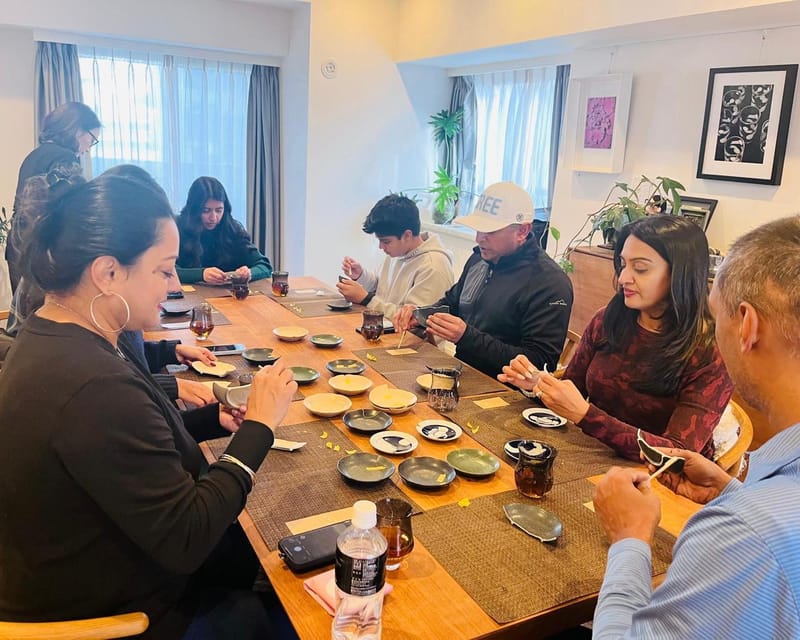
The workshop runs for about 2 hours, and the sequence is built so you always know what is next.
1) Matcha tea and seasonal sweets, then mindset
You start with calming matcha tea and seasonal Japanese sweets. This is not filler. It helps you settle in before you start working with tools and materials. You get a cultural intro in a relaxed way, which makes the technique feel more personal.
A few more Tokyo days to weigh up
- Mt Fuji and Hakone 1-Day Bus Tour Return by Bullet Train
★ 5.0 · 26,383 reviews - 1-Day Tokyo Bus Tour
★ 5.0 · 14,250 reviews - Tokyo: TOKYO SKYTREE® Admission ticket
★ 4.5 · 11,192 reviews - Tokyo: teamLab Planets TOKYO Digital Art Museum Entry Ticket
★ 4.6 · 9,779 reviews
2) Pick your crockery from their collection
Next, you choose a piece of crockery to repair from the studio’s collection. This matters for your motivation. If you pick something you genuinely like, you’ll pay closer attention during the steps and feel proud when you carry it home.
3) Watch the instructor demonstrate, step by step
Before you touch anything yourself, your instructor demonstrates each stage: reassembly, repair, and restoration. They walk you through what they are doing and why, so you are not figuring it out blindly while materials dry or set.
4) Then you do the steps yourself
After the demo, you go step by step, with personalized guidance. You are not just watching from the sidelines. The instructor checks your progress and helps you adjust as needed.
In practice, this is where the small group size becomes a big value. If you have a question, you likely get an answer right away. If you make a mistake, you can correct course before the whole piece is finished.
5) Final presentation and your take-home souvenir
When your repair is done, you leave with your restored crockery in one of mon cadeau’s special gift boxes. This is a smart travel detail. You are not just carrying a fragile object in a bag and hoping for the best.
Modern kintsugi materials and why this workshop feels more beginner-friendly
Traditional kintsugi can sound intimidating, partly because the process is very exacting. In this workshop, you work with contemporary materials rather than older-school ones, which makes the process feel faster and more accessible.
You also get a full set of materials, so you do not need to source supplies in advance. That lowers the friction for you in Tokyo. You can book, show up in comfortable clothes, and focus on learning the technique and the philosophy.
The tools are prepared for you in advance, and the workflow is set up so the instructor can guide multiple students without leaving anyone behind. One thing I like about that teaching style is that it feels organized, not stiff. You get structure, but the mood stays friendly.
Who teaches you, and what English instruction means here
Workshops like this can be hit or miss for non-Japanese speakers. Here, instruction is in English, and the explanations are paired with live demonstration and hands-on supervision.
The primary host and teacher you may meet is Michiko. Depending on the day, you might also work with other instructors such as Yuki, Koto, or Rita. The key is consistency of the approach: step-by-step instruction, patient guidance, and a warm atmosphere that makes you feel comfortable asking questions.
If you worry about language barriers, this is one of the reasons I think this workshop is worth your time. You are learning a tactile craft. Having clear English guidance while you are doing the steps is the difference between a fun activity and a real skill you can understand.
The cultural side: wabi sabi, served with matcha
This is where the workshop becomes more than a souvenir factory.
The philosophy of kintsugi is tied to wabi sabi, the idea that beauty can include imperfection and age. In a city like Tokyo, it is easy to treat everything as new and replaceable. This experience nudges you toward a different mindset.
Starting with matcha and seasonal sweets reinforces that shift. The tea and treats give you a gentle cultural landing, so the craft work feels connected to Japanese aesthetics, not just technique.
And because you take home what you repair, you are not leaving with only photos. You leave with a meaningful object, one that carries the story of repair and transformation.
What you should expect to make and take home
Your finished product is a piece of crockery you repair yourself. You also get an introduction explanation sheet, which is useful if you want to remember the sequence of steps later.
The workshop includes everything you need: materials for the restoration and repairs, plus the crockery piece to work on. You do not have to bring tools, adhesives, or protective items.
You should also expect that the class will feel hands-on from the start. You choose the piece, watch the method, then do each step. By the end, your hands will be the proof that you completed the process.
One practical plus for travel: the gift box. You still need to handle it carefully, but you are not improvising packaging at the last second.
Price and value: is $141 for 2 hours worth it?
$141 per person is not a bargain-basement activity, but it is also not overpriced for what you get.
You are paying for:
- A small group of up to 6
- Step-by-step instruction in English
- All materials and tools, plus the crockery piece itself
- Matcha tea and seasonal sweets
- A take-home restored souvenir in a gift box
If you compare this to buying a decorative item in Shibuya, this feels different because you participate in the making process. You are also leaving with a more personal souvenir than a generic shop purchase. That personal connection is hard to replicate later.
The value angle for me is the time and attention. With a small group, you get closer supervision while you work, which reduces the chance of ending with something you are disappointed by.
Logistics that actually matter on the day
A few details can make or break the experience if you plan poorly.
- You cannot join if you arrive more than 15 minutes past your reserved start time. Set a buffer.
- Video recording is not allowed, so plan on enjoying the process without filming.
- Wear comfortable clothes. You will be doing hands-on work, and comfort helps you focus.
- If you are coming with kids, the workshop is not suitable for children under 5.
Who this kintsugi workshop suits best
I think this works especially well if you:
- Want a calmer, more reflective activity in the middle of a busy Tokyo day
- Like hands-on learning with clear guidance
- Prefer small-group experiences where questions are welcome
- Want a souvenir with meaning, not just a photo
It may not be the best choice if you:
- Need something very spontaneous with no time discipline, since lateness is not allowed
- Want to film freely, since video recording is not permitted
- Are traveling with very young children under 5
Should you book this mon cadeau kintsugi workshop?
Yes, if you want a Tokyo experience that feels quietly special and personal. The mix of modern kintsugi, English guidance, and a small group size makes it a strong value for craft beginners and for people who just want to understand the philosophy without feeling intimidated.
I would book it when you have enough time to get from Shibuya Crossing up to Shoto 2-Chome without rushing. You will have the most fun when you treat it like a real appointment, not a last-minute fill-in.
If you want a souvenir you can carry home with pride, this is one of the better options in Shibuya, because you actively make it.
FAQ
How long is the kintsugi workshop?
The workshop lasts about 2 hours.
How many people are in the class?
It is a small group limited to 6 participants.
Is the workshop taught in English?
Yes, the instructor teaches in English.
What is included in the price?
Matcha tea and seasonal sweets are included, along with an introduction explanation sheet, all materials for the restoration and repairs, and a piece of crockery to repair.
Do I need to bring anything?
No. You do not need to bring anything, since materials and tools are provided.
Can I record video during the class?
No. Video recording is not allowed.
Where do I meet for the workshop?
You meet outside the studio building, next door to the Central Hospital Annex building, at the top of Bunkamura-dori on Shoto 2-Chome Crossing. Meet about 5 minutes before the start time.
What happens if I arrive late?
You will not be able to join if you arrive more than 15 minutes after your reserved start time.
Is it suitable for young children?
It is not suitable for children under 5 years old.
Newly listed around Tokyo
- Tokyo private transfer for Yokohama Port★ 4.5 · 63 reviews
- Luxury Kimono Photoshoot at Ginza Tokyo★ 5.0 · 7 reviews
- Tokyo Allstar Food Tour★ 4.5 · 206 reviews
- Tokyo Art Aquarium Museum E-Ticket with optional Tokyo Metro Pass★ 5.0 · 17 reviews
- Tokyo: Best Ginza Food Tour at 3 Local Eateries★ 5.0 · 83 reviews
- Private One Day Nikko Tour with Bilingual driver★ 3.5 · 11 reviews
- PRIVATE tour in 180SX to Daikoku+++++★ 5.0 · 6 reviews
- Kabuki Talk★ 5.0 · 10 reviews
Shibuya & Shinjuku Nightlife, compared.
Shinjuku Food Tour (13 Dishes at 4 Local Eateries)
Read our review →
Tokyo Bar Hopping Tour in Shinjuku (All-You-Can-Drink + Dinner)
Read our review →
Shinjuku Food Tour (15 Dishes and 4 Eateries)
Read our review →
Shinjuku Local Bar and Izakaya Guided Walking Tour
Read our review →
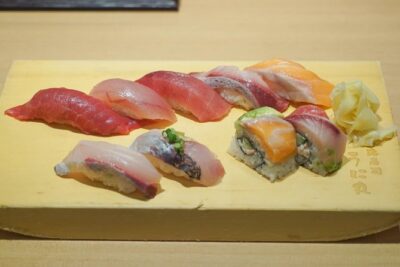
Tokyo Night Foodie Tour in Shinjuku – Seasonal Sushi, Wagyu Beef
Read our review →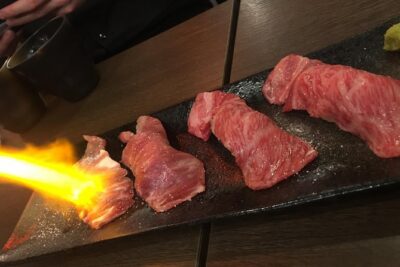
Shibuya Meltdown Nightlife Tour: All-You-Can-Drink Bar Hopping
Read our review →Browse the lists this tour appears in