
Review · LOCAL FOOD WALKS
Shimbashi Tastes & Stories A Culinary Foodie Tour By Local Guide
Food, history, and stations in one Tokyo walk. This Shimbashi experience is built around off-the-beaten-path neighborhood food and the “salary man” rhythm of the area, guided by an English-speaking local who helps you make sense of what you’re eating and where you are. I love that the route mixes old-school Tokyo landmarks with the sort of small eateries you usually skip, and that the tasting includes sushi, seafood, Japanese beef wagyu, plus desserts and soft drinks. One thing to plan for: alcoholic drinks are not included, so if your ideal night is beer or highballs, you’ll be buying them yourself.
The format is friendly and practical, with a 4-hour walking loop and a cap of 15 travelers, which keeps the pace human. You’ll get a mobile ticket, and the meeting and ending point are the same, so you do not have to worry about last-minute transit puzzles. It is also the kind of tour that tends to sell, since it’s often booked about 16 days ahead.
In This Review
- Key reasons this Shimbashi food tour works
- Shimbashi is a smarter first stop than most Tokyo fixes
- Old Shimbashi Station and SL Square: railway landmarks that explain the neighborhood
- Karasumori-jinja: a quiet contrast to the commuter streets
- The New Shimbashi Building area: from Tanuki Alley to today’s station life
- Shiodome and the NTV Tower area: modern Tokyo you can actually walk through
- Shimbashi station overview: how a guide helps you “read” the area
- What you eat: sushi, seafood, wagyu, desserts, and soft drinks
- How the 4-hour walking loop feels in real life
- Price and value: is $171 worth it for this Shimbashi mix?
- Who should book this tour (and who might want to skip)
- Practical notes that will help you enjoy it more
- Should you book Shimbashi Tastes and Stories?
- FAQ
- How long is the Shimbashi Tastes and Stories tour?
- What is the price per person?
- What food is included?
- Are alcoholic drinks included?
- How many people are on the tour?
- What is the meeting point?
- Where does the tour end?
- Do I need to buy tickets for the listed stops?
Key reasons this Shimbashi food tour works
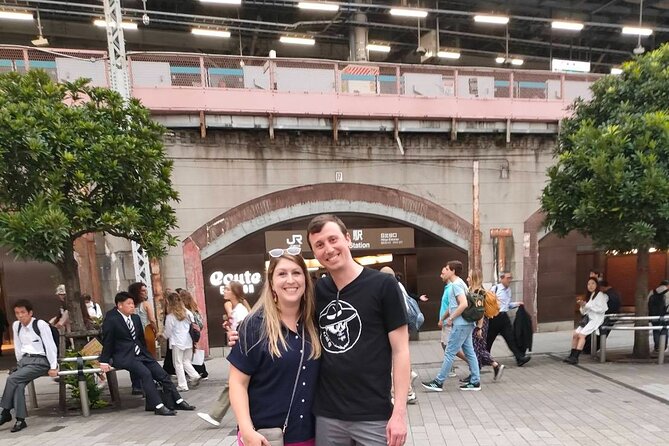
- Shimbashi flavor, not the usual Ginza loop: the focus stays on the neighborhood most visitors rush through.
- Food across multiple stops: you get tastings from different eateries instead of one long meal.
- Railway landmarks as context: the route uses stations and rail history to set the scene for local life.
- Small group energy: with up to 15 people, questions and photo breaks feel easy.
- Real local rhythm: your guide connects what you see, like shrines and station districts, to the food culture nearby.
- Desserts plus soft drinks: you leave properly fed, not just lightly snacked.
Shimbashi is a smarter first stop than most Tokyo fixes
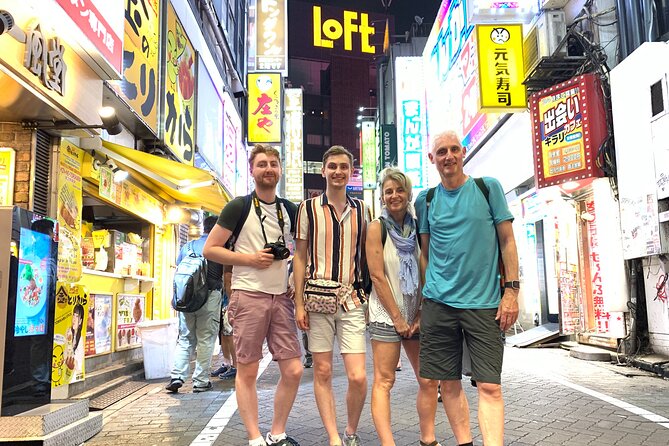
Tokyo has a way of pulling you toward the big names, then leaving you hungry for something more real. Shimbashi helps because it sits in the middle of commuter Tokyo. That means you get food shaped by regular routines, quick lunches, and after-work habits, not just food shaped for postcards.
What I like about this tour is that it does not treat Shimbashi like background scenery. The neighborhood landmarks are part of the story, and the food stops are the payoff. You start near major transit, so it’s easy to reach, but the walk pushes you into the side streets where you can feel the city working.
You also get a built-in translator for context. Even if your Japanese is limited, the guide helps you understand what matters in the food and why the place exists. That turns a tasting into something you can actually repeat later.
More Food Walks in Tokyo
- Tokyo: Shinjuku Food Tour (13 Dishes at 4 Local Eateries)
★ 5.0 · 6,603 reviews - Tokyo: Shinjuku Food Tour (15 Dishes and 4 Eateries)
★ 4.9 · 2,033 reviews - Tokyo Night Foodie Tour in Shinjuku – Seasonal Sushi, Wagyu Beef
★ 5.0 · 1,161 reviews
Old Shimbashi Station and SL Square: railway landmarks that explain the neighborhood
The first section is a compact history lesson, and it’s a fun way to get your bearings. You’ll spend time around Old Shimbashi Station, which sits in Minato Ward and is roughly a 10-minute walk from Ginza. Even if you do not care about rail trivia, the area helps you understand why Shimbashi feels like a transit city first, shopping city second.
Next comes SL Square, created in 1972 to mark the 100th anniversary of Japan’s railway transport system. This is not just a statue moment. It’s tied to the starting point of the railway line running from Tokyo toward Yokohama, so it gives you a simple, concrete way to picture how people moved through this part of Tokyo.
These two stops are also useful for pacing. They give you a gentle ramp-up before you get into the eating. And because the admissions are listed as free for these stops, you’re not constantly checking budgets in your head.
Karasumori-jinja: a quiet contrast to the commuter streets
After the station world, you get a slower, more local beat at Karasumori-jinja. This shrine is described as one of the oldest, and it’s the sort of place you’ll mostly see locals visiting rather than big tour groups.
For me, that contrast matters. Tokyo can feel like pure momentum if you only chase busy districts. A calm shrine stop gives you a breather, and it also makes the food tastings feel more grounded. You’re not only learning what to eat. You’re seeing a different side of daily life in the same area.
Time-wise, you’re only there about 45 minutes. That’s enough to notice details and settle your brain, but not so long that you feel like you’re being dragged away from the food.
The New Shimbashi Building area: from Tanuki Alley to today’s station life
Then the route brings you back to the “how Tokyo got here” story. The stop at the New Shimbashi Building connects the neighborhood’s past to the present. The building is tied to an earlier bar district known as Tanuki (raccoon dog) Alley, and it was shaped by urban restructuring that followed the 1964 Tokyo Olympics.
This part is useful even if you skip the details on your first pass. It explains why certain areas feel like they’re built for late nights and quick hangs. Shimbashi is still a place people use for food breaks, meetings, and after-work decompression, and this gives you a reason that feels real.
If you like walking through neighborhoods rather than riding through them, you’ll appreciate this stop. It’s not flashy, but it helps the rest of the tastings make emotional sense.
A different sort of day in Japan:
- Mt Fuji and Hakone 1-Day Bus Tour Return by Bullet Train
★ 5.0 · 26,383 reviews - 1-Day Tokyo Bus Tour
★ 5.0 · 14,250 reviews - Tokyo: TOKYO SKYTREE® Admission ticket
★ 4.5 · 11,192 reviews - Tokyo: teamLab Planets TOKYO Digital Art Museum Entry Ticket
★ 4.6 · 9,779 reviews
Shiodome and the NTV Tower area: modern Tokyo you can actually walk through
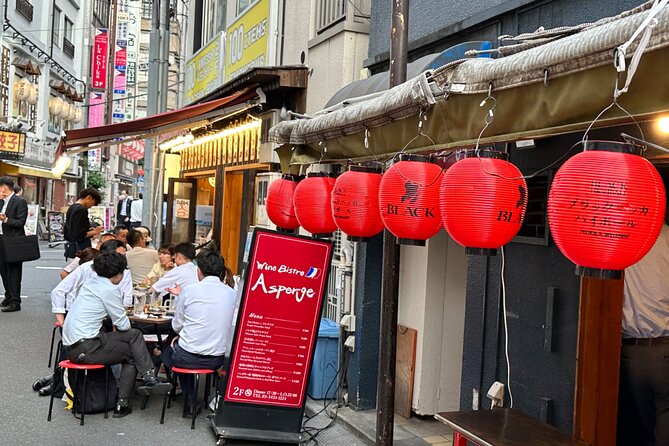
From the older street energy, you shift toward a more modern view at Shiodome City Center, specifically around the NTV Plaza in front of the NTV Tower. You get a quick orientation to that media zone, and you’ll learn that the tower houses the main studios and offices for NTV.
If you’re not a TV person, you might not care about the broadcaster piece. That is a fair reaction. But you’ll still benefit from the location context. It shows the proximity of entertainment industry and commuter food life in one compact area.
This stop is about 30 minutes, so it stays practical. It functions like a palate cleanser between food moments and gives your legs a chance to recover slightly.
Shimbashi station overview: how a guide helps you “read” the area
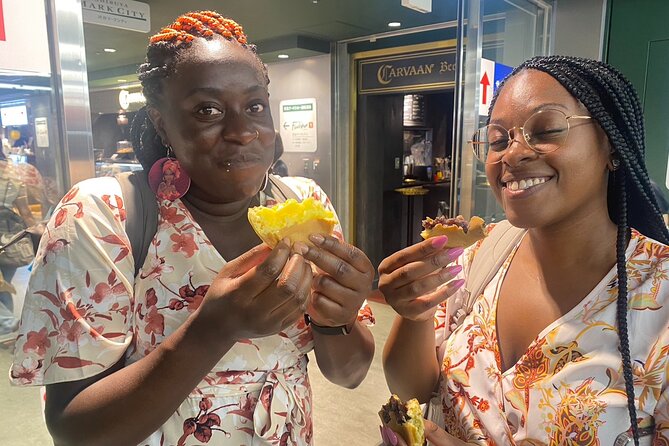
The tour ends by circling back into a station overview at Shimbashi itself. This is not just route-checking. It’s where the guide helps you understand what you’ve just walked through, and what you might want to do on your own after the tour.
I love this type of final context stop because it helps you stop feeling lost. Once you understand the station logic, the neighborhood stops looking like a maze and starts looking like a map. Even if you never return, you can still carry the mental picture home.
The tour also ends back at the meeting point, which keeps the logistics simple. No “meet your guide at the next station” stress.
What you eat: sushi, seafood, wagyu, desserts, and soft drinks
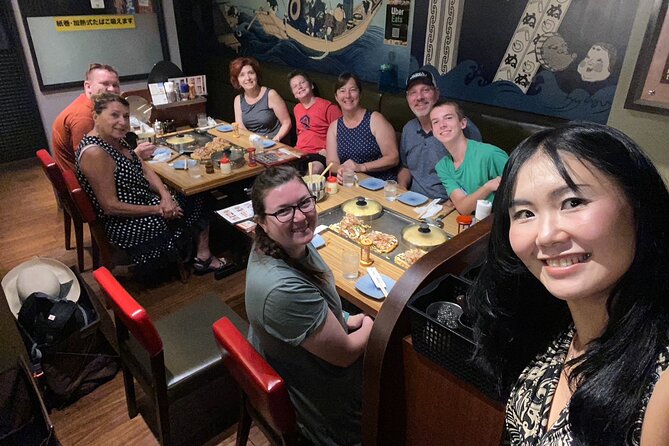
The biggest reason to book a tour like this is simple: you get fed in a short time window, and you get that feeding from multiple places.
Included in your experience:
- Sushi, plus seafood tastings
- Japanese beef wagyu
- Desserts
- 2 soft drinks and water
And the tour is explicitly set up as a guided tasting across different eateries, not one single set-menu situation. That matters. One meal can be great, but it teaches you one style. Several stops teach you range, especially in a neighborhood where menu choices reflect daily life.
You’ll also hear explanations along the way. Even without knowing all the words, the guide can point out what to watch for, like texture, seasoning balance, or why a certain dish fits the place. That turns “I liked it” into “I know how to order something similar.”
One note to keep expectations realistic: alcoholic drinks are available to purchase, but they are not included. If you plan to drink, factor that into your total budget.
How the 4-hour walking loop feels in real life
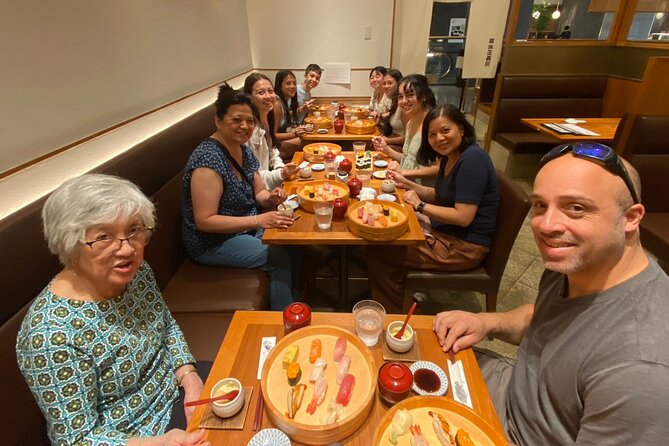
A 4-hour tour can go one of two ways: either it feels like a relaxed stroll with built-in reasons to stop, or it feels like hurried line-walking. This one is designed to feel more like the first option because the itinerary uses short, timed segments.
You’re looking at about:
- 30 minutes at Old Shimbashi Station
- 45 minutes at SL Square
- 45 minutes at Karasumori-jinja
- 30 minutes at New Shimbashi Building
- 30 minutes at Shiodome City Center
- plus a final 30-minute Shimbashi overview
That structure keeps you from feeling stuck in one long waiting period, and it helps you pace your appetite. You also have frequent “reset moments,” like moving from a shrine to station architecture to modern plazas. It’s easier to stay comfortable when the scenery changes every half hour or so.
Practical tip: wear shoes you can stand in for several hours. Tokyo station areas are not flat like a museum floor. If your feet start complaining, the tour can still be good, but you will remember the discomfort more than the wagyu.
Price and value: is $171 worth it for this Shimbashi mix?
At $171 per person for roughly 4 hours, the value depends on what you want from Tokyo.
If you’re trying to DIY Shimbashi food, you’re paying for uncertainty. Finding the right small places, learning what to order, and navigating where locals actually go takes time and confidence. A guided tour removes most of that guesswork.
Here’s what you get for the price, based on what’s included:
- Multiple food tastings, including sushi, seafood, and Japanese beef wagyu
- Desserts plus 2 soft drinks and water
- A professional English-speaking local guide
- A walking culture route that also covers meaningful neighborhood landmarks
You are not paying only for food. You’re paying for a guided “translation” of the neighborhood. For me, that’s the real value. Tokyo rewards curiosity, but it can also punish wandering without a plan. This tour gives you that plan, while still keeping the experience local and human-sized.
If you can only handle one or two tastings and you want a full sit-down dinner, you might feel like the portions are smaller than a restaurant meal. But for variety in a half-day, it’s a solid exchange.
Who should book this tour (and who might want to skip)
This Shimbashi tour fits best if you:
- Want local neighborhood food instead of another Ginza or Shibuya checklist day
- Like walking through parts of Tokyo that are tied to everyday routines
- Prefer a guide who can explain what you’re eating, not just lead the way
- Travel with curiosity, even if your Japanese skills are basic
It may not be the best fit if you:
- Want alcohol included as part of the package
- Want a heavy, seated meal with lots of time at one restaurant
- Dislike walking, even short segments between stops
Because the group size is capped at 15, you also tend to get a more personal experience than big-city bus tours. It can feel close to private without the private-tour price tag.
Practical notes that will help you enjoy it more
- Bring cash only if you like having a backup for drinks, since alcoholic options are available to purchase.
- Expect a mix of food and sightseeing. The “tastes and stories” format means you are learning while you eat.
- If you’re the type who likes photos, a guide can help with moments during the walking portion, not only at the restaurants.
Also, since it’s a mobile ticket and confirmation happens at booking, you can usually focus on showing up rather than chasing paperwork.
Should you book Shimbashi Tastes and Stories?
If you want a Tokyo experience that feels more like a local afternoon than a highlight montage, I’d book this. You get a compact walking route with station and shrine context, and you leave with a full spread of included tastings, including sushi and wagyu, plus desserts and soft drinks.
I’d skip it only if your priority is purely eating in one place, or if you need alcohol included in the price. Otherwise, Shimbashi is the right choice, and a small-group tasting with a guide is one of the easiest ways to get it right.
FAQ
How long is the Shimbashi Tastes and Stories tour?
It runs for about 4 hours.
What is the price per person?
The price is $171.00 per person.
What food is included?
The tour includes sushi, seafood, Japanese beef wagyu, desserts, and 2 soft drinks plus water.
Are alcoholic drinks included?
No. Alcoholic drinks are available to purchase, but they are not included.
How many people are on the tour?
The tour has a maximum of 15 travelers.
What is the meeting point?
The start point is SL Square 2-chōme-7-先 Shinbashi, Minato City, Tokyo 105-0004, Japan.
Where does the tour end?
It ends back at the meeting point.
Do I need to buy tickets for the listed stops?
Admission is listed as free for the stops in the itinerary.
Newly listed around Tokyo
- Private Tokyo Food Tour – A Journey Through Time Through Food★ 5.0 · 36 reviews
- Private Tokyo Tour with Licensed Guide & Vehicle (Max 15 persons)★ 5.0 · 107 reviews
- Private Tokyo Custom Full-Day Tour by Chartered Vehicle★ 5.0 · 16 reviews
- Private Tokyo Custom Half-Day Tour by Chartered Vehicle★ 4.5 · 13 reviews
- Private Outstanding Nikko Tour with English Speaking Driver★ 4.0 · 11 reviews
- Private Sightseeing to Mt Fuji and Hakone with English Driver★ 5.0 · 51 reviews
- Private Snow Monkeys park Day Trip From Tokyo or Nagano★ 4.5 · 26 reviews
- 4 Day Tour – Mount. Fuji, Tokyo, Hakone, Kamakura and Yokohama★ 5.0 · 19 reviews
Local Food Walks, compared.
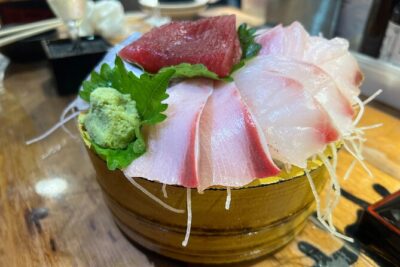
Shinjuku Food Tour (13 Dishes at 4 Local Eateries)
Read our review →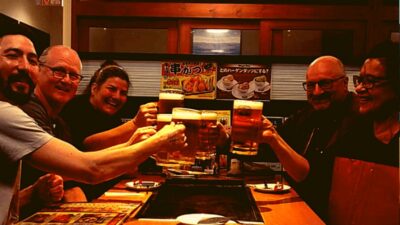
Shinsekai Food Tour with 13-15 Dishes at 5 Eateries
Read our review →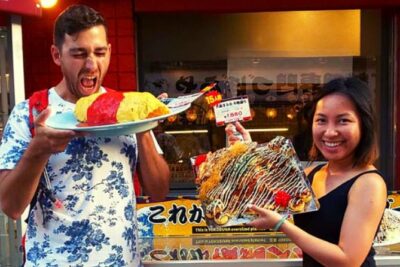
Osaka Food Tour: 13 Dishes at 5 Local Eateries
Read our review →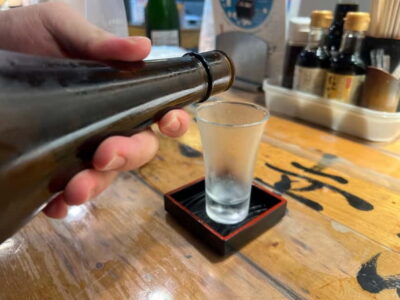
Shinjuku Food Tour (15 Dishes and 4 Eateries)
Read our review →
Kyoto Night Foodie Tour in Gion (9+ dishes + 6 Sake tastings)
Read our review →
Hungry Osaka Street Food Tour:15 Tastings & 3 Drinks with a Local
Read our review →
Tokyo Night Foodie Tour in Shinjuku – Seasonal Sushi, Wagyu Beef
Read our review →
Browse the lists this tour appears in