
Review · SHIBUYA & SHINJUKU NIGHTLIFE
Shinjuku Tokyo: Authentic Japanese Home-Style Culinary Class
2.5 hours of Japanese comfort food. In a kitchen studio near Shinjuku, you pick a popular menu set and cook real home-style dishes like okonomiyaki, gyoza, takoyaki, sushi rolls, teriyaki, or a full gozen plate. It is a fun way to go past ordering and actually learn the steps.
What I love most is how hands-on it feels for 150 minutes, with you preparing multiple dishes instead of just watching. Second, the instructors are English-speaking and very willing to work around dietary needs, from vegetarian and vegan options to allergy concerns. The one drawback to keep in mind: menu choice can depend on who else is in the class that day, and you will need to message ahead about allergies and preferences.
In This Review
- Key highlights you will care about
- Why Shinjuku, and why this class feels more like home
- Picking your menu set, from okonomiyaki to a gozen plate
- Menu A: Okonomiyaki and yakisoba set
- Menu B: Gyoza and takoyaki set
- Menu C: Rolled sushi and teriyaki set
- Menu D: Traditional gozen set
- Menu E: Request option
- One practical note about menu choice
- How the 150-minute kitchen session typically flows
- Dietary needs, allergies, and how to communicate clearly
- The $88 value question, and what you get for your money
- Finding the studio near Shinjuku without losing time
- Who this class suits best, and who might not
- Should you book Wa No Kokoro Cooking Activity Class near Shinjuku?
- FAQ
- How long is the cooking class?
- Where does the class meet?
- What menus can I choose?
- Can I request a special menu?
- Does the class accommodate vegetarian or vegan diets?
- What if I have food allergies?
- What is included in the price?
- Is private transportation included?
- Is the class taught in English?
- Are there options for booking and cancellation flexibility?
Key highlights you will care about
- Shinjuku location, local kitchen studio feel with the classroom set up for cooking, not dining.
- Choose from menu sets like okonomiyaki and yakisoba, gyoza and takoyaki, rolled sushi and teriyaki, or a gozen assortment.
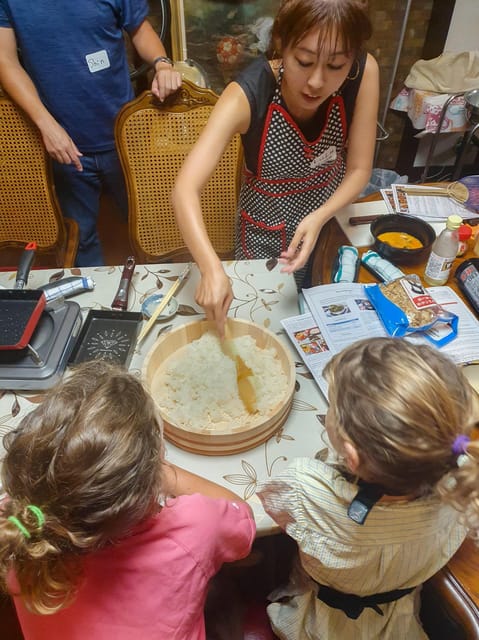
- Hands-on cooking where you chop, mix, pan-fry, and roll, then sit down to eat together.
- Dietary options are built in including vegetarian and vegan support when arranged in advance.
- English instruction from a friendly teaching team, often including instructors such as Kana, Kayo, Mika, Lulu, Miyuki, and Chieko.
- You get recipes and photos at the end in many cases, so you can recreate the dishes later.
Why Shinjuku, and why this class feels more like home
Shinjuku is a perfect base for food adventures, but it is also loud and fast. A cooking class nearby gives you a calmer rhythm, and it puts you inside the part of Tokyo where people practice meals the way they actually live: prep, cook, taste, adjust, and then share the table.
This one is specifically built around Japanese home-style cooking. That matters, because the techniques are usually different from what you see in a restaurant. You learn how dishes come together, what to watch for while cooking, and why certain ingredients matter. It is the kind of class that can turn one memorable meal into a skill you can use later.
You also get the best of both worlds here: convenience (central Tokyo) plus the cozy intimacy of a kitchen studio. Even when the class is not private, it often runs with enough attention that you can ask questions while you work.
A few more Shibuya and Shinjuku Nightlife around Tokyo:
- Tokyo: Shinjuku Food Tour (13 Dishes at 4 Local Eateries)
★ 5.0 · 6,603 reviews - Tokyo Bar Hopping Tour in Shinjuku (All-You-Can-Drink + Dinner)
★ 5.0 · 3,587 reviews - Official Street Go-Kart in Shibuya
★ 5.0 · 3,435 reviews
Picking your menu set, from okonomiyaki to a gozen plate
When you book, you can choose one of four menu options, plus there is an option for requests. Each menu is a familiar Japanese “greatest hits” mix, but you will cook them using home-style methods.
Here are the menu sets you can choose from:
Menu A: Okonomiyaki and yakisoba set
You make okonomiyaki, a savory cabbage-forward batter pancake cooked on a teppan-style surface, then yakisoba, the stir-fried noodle dish with ramen noodles and sweet-salty sauce. Both are common, beloved flavors in Japan, and they are also great learning dishes because the texture is everything. You can really see the difference between batter that is cooked through and batter that is not.
A side dish rounds it out, so you leave with a full plate, not just one highlight dish.
Menu B: Gyoza and takoyaki set
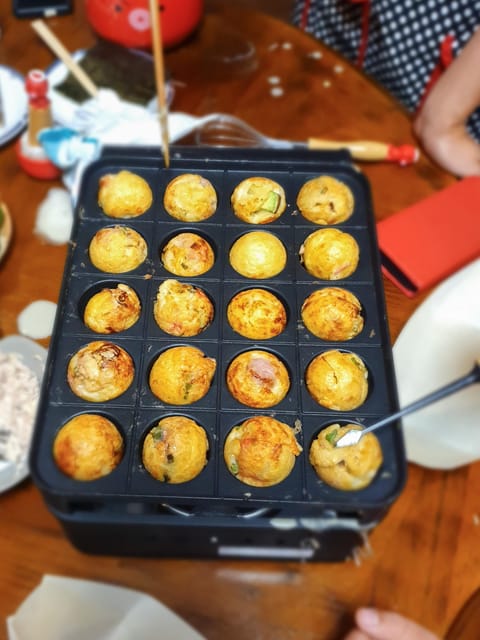
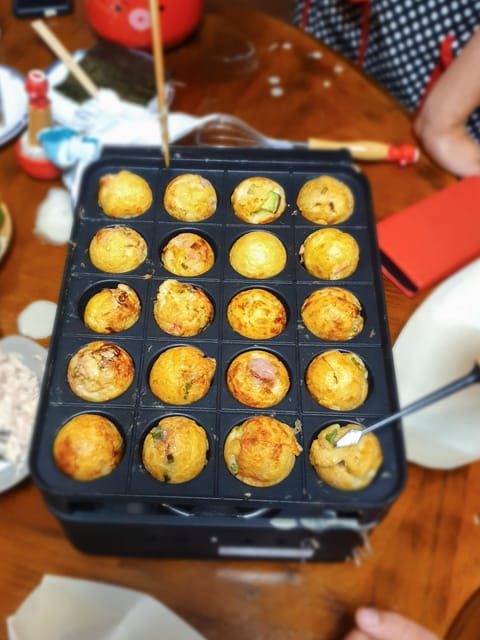
This is a crispy, fun-focused menu. Gyoza are pan-fried dumplings built for crunch, and takoyaki are those famous Osaka-style octopus balls, shaped and cooked one by one until you get the right outside texture.
Takoyaki can feel tricky at first, but that is part of the point. If you like hands-on cooking and you want something you rarely do at home, this is the set to pick.
A few more Tokyo days to weigh up
- Mt Fuji and Hakone 1-Day Bus Tour Return by Bullet Train
★ 5.0 · 26,383 reviews - 1-Day Tokyo Bus Tour
★ 5.0 · 14,250 reviews - Tokyo: TOKYO SKYTREE® Admission ticket
★ 4.5 · 11,192 reviews - Tokyo: teamLab Planets TOKYO Digital Art Museum Entry Ticket
★ 4.6 · 9,779 reviews
Menu C: Rolled sushi and teriyaki set
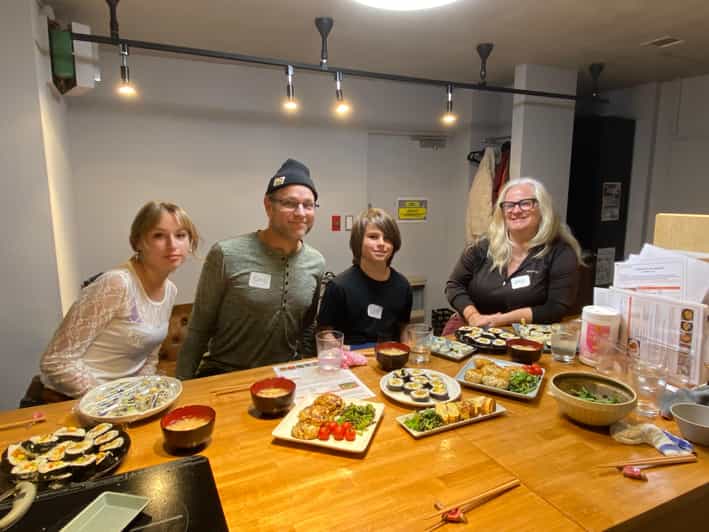
Instead of buying sushi, you roll it yourself and chop it into pieces. You also pair it with either yellowtail fish or chicken teriyaki, plus miso soup.
This is the menu for you if you want a Japan-food memory that you can actually reproduce. Rolling is a skill. And miso soup is the kind of “small” addition that makes the meal feel real and complete.
Menu D: Traditional gozen set
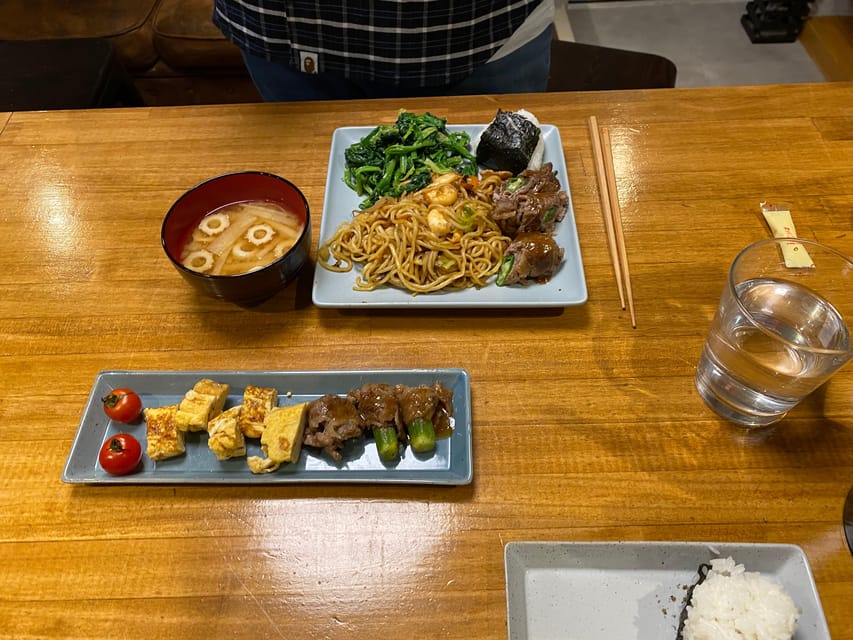
A gozen meal is the comfort-food idea of variety: meat plate, fish plate, a side dish, miso soup, and an onigiri rice ball. It is a little of everything, which makes it ideal if you want to learn what a balanced Japanese home meal can look like.
If you tend to get decision fatigue, gozen is a smart choice because it already includes the pieces of a full meal.
Menu E: Request option
If you have a specific menu in mind, you can request it, and the chef can discuss what options are possible.
One practical note about menu choice
Menu selection is usually available when booking, but it can depend on whether other groups attend the same class that day. If you care deeply about a specific menu, plan to confirm after booking so you are not surprised.
How the 150-minute kitchen session typically flows
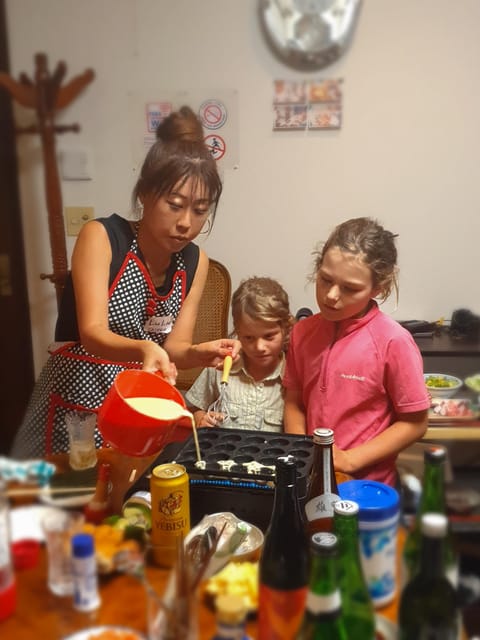
This is not a quick demo. It is a structured cooking class that takes about 150 minutes, with time to cook everything and then eat your meal together. The timing matters because you are not rushed, and you are not just waiting around.
Here is what the experience feels like from start to finish:
You arrive at the kitchen studio near Shinjuku. You meet the English-speaking instructor, and you review your menu and any dietary needs. Then you move into prep, which is usually where you learn the most. You are not just following steps. You are doing the prep work that controls the final texture, like chopping vegetables, mixing batter, or portioning components.
Next comes active cooking. Depending on your menu, you might:
- Cook okonomiyaki on a hot surface until it sets and browns properly
- Pan-fry gyoza for crisp edges and the right bite
- Make takoyaki, where the shape and cooking pattern are the whole game
- Roll sushi, then cut and assemble pieces you made yourself
- Plate and finish a gozen-style meal with multiple components
You also get explanations while you work. In many classes, the teaching style is warm and patient, and instructors such as Kana, Kayo, Mika, Lulu, and Chieko show up often in English sessions. You can expect ingredient guidance too, including what goes into the flavors and how common Japanese seasonings behave in practice.
Finally, you eat what you made. This is a key part of the value. Cooking classes that skip the shared meal feel incomplete. Here, your meal is your payoff, and it usually comes with enough food to feel properly satisfied.
In some cases, the chef also shares recipe notes and photos after the class, which makes it easier to recreate the dishes when you get home.
Dietary needs, allergies, and how to communicate clearly
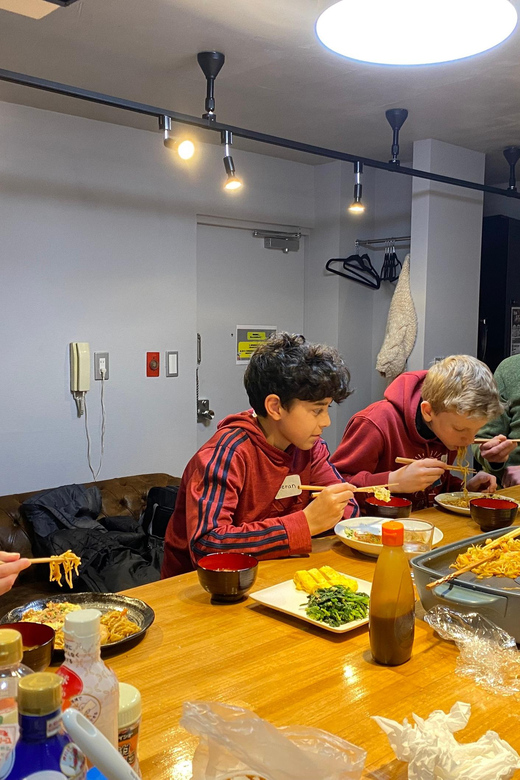
Japan is great with food culture, but kitchens still need clear instructions. The good news: this class is designed to accommodate dietary preferences, including vegetarians and vegans, and you can discuss options in advance.
If you have allergies, you should tell the provider ahead of time. The chef can review the menu and talk through what options might be available.
Here is the simple way to make it go smoothly:
- Send your dietary needs early, not at the last minute
- Be specific about what you can and cannot eat
- Mention allergies clearly so the chef can plan ingredients and steps
Also, if you have a special request menu, it helps to describe what you want to avoid or prioritize. The class structure is flexible enough to discuss options, but clarity from your side makes it much easier.
The $88 value question, and what you get for your money
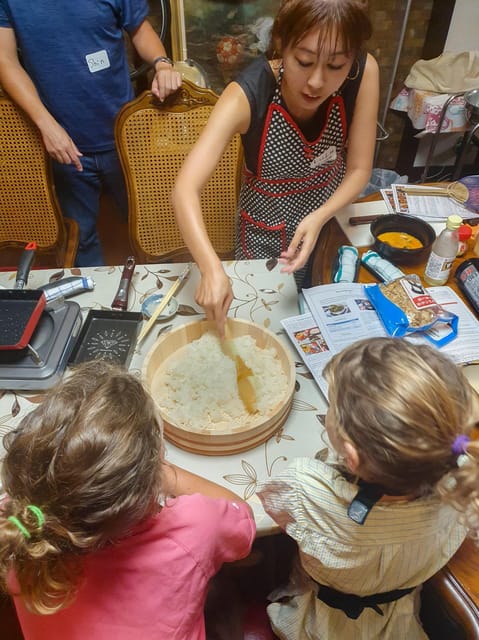
$88 for 150 minutes sounds reasonable in a city where food tours can be pricey and often end with you eating other people’s cooking. Here, your money goes toward:
- Instructor time in an English-friendly class
- Cooking tools and ingredients
- The meal you cook and eat together
- Drinking water
- All fees and taxes
You are paying for more than dinner. You are paying for technique and practice. That is why this can feel like better value than a single restaurant meal, especially if you want skills you will use again.
Two other value multipliers:
- You can often take home recipe guidance and photos, so you are not leaving Tokyo with only a memory
- You can choose a menu set that matches your tastes, instead of hoping a random course is your style
If you are traveling solo, it can still be worth it because you can ask questions and focus on learning. If you are traveling with a group, it can be extra fun because cooking together creates shared momentum and lots of chances to chat with the instructors.
Finding the studio near Shinjuku without losing time
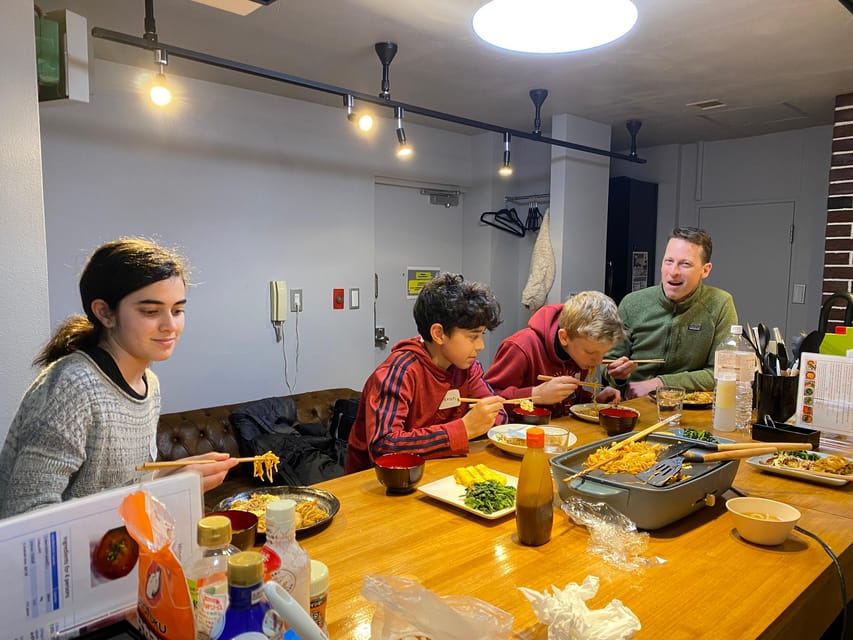
The meeting point is a kitchen studio in or around Shinjuku, but the exact address comes after you book. That is normal, but it also means you should treat the confirmation message like your map.
A few practical tips:
- Wait for the message after booking and save it
- Arrive a bit early so you can troubleshoot if the building entrance is not obvious
- If you are using GPS, double-check the specific entrance or call instructions provided in the booking message
One small hiccup can turn a great class into a stressful start. The fix is simple: follow the exact address details you receive, and give yourself buffer time.
Who this class suits best, and who might not
This is a strong match if you want:
- A hands-on cooking experience rather than a sit-and-watch demo
- Classic Japanese comfort foods, not experimental fine dining
- English instruction and a supportive pace
- A chance to cook multiple dishes and eat as part of the lesson
It is also a solid choice for families, since instructors tend to be patient and adjust explanations for different ages.
It might not be the best fit if you:
- Expect guaranteed menu selection regardless of other groups
- Prefer a restaurant-style meal with no cooking involvement
- Want transportation included, because private transport is not included
Should you book Wa No Kokoro Cooking Activity Class near Shinjuku?
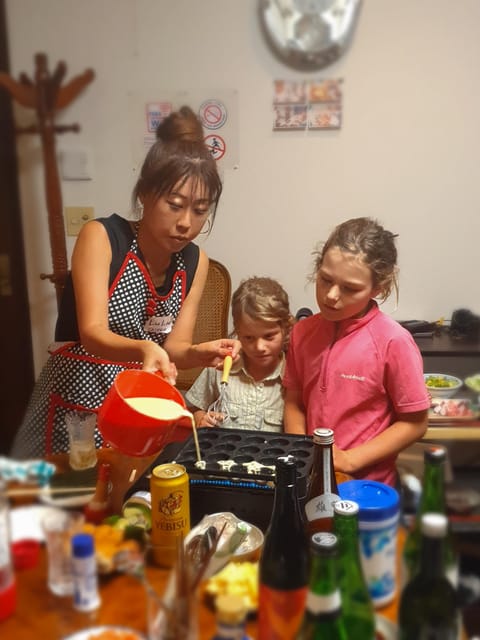
If you want a memorable Tokyo meal that turns into a skill, book it. The format is built for hands-on practice, and the menu sets cover popular Japanese favorites you can realistically recreate later. The English instruction and dietary flexibility make it easier than many food activities in Japan.
I would say yes especially if you like learning by doing, and you want your Shinjuku time to feel cozy instead of chaotic. If menu choice is your top priority, confirm your selected set once you receive the final details, then show up early with the studio address in hand. You will leave with a full belly and a lot more confidence cooking Japanese home-style food.
FAQ
How long is the cooking class?
The class lasts about 150 minutes.
Where does the class meet?
The meeting point is a kitchen studio in or around Shinjuku, Tokyo. The exact address is provided after you book.
What menus can I choose?
You can choose from four set menus: A) okonomiyaki and yakisoba, B) gyoza and takoyaki, C) rolled sushi and teriyaki, or D) a traditional gozen set. There is also an option for requests (menu E).
Can I request a special menu?
Yes. If you make a request, you can discuss and decide together with the instructor.
Does the class accommodate vegetarian or vegan diets?
Yes. The class is designed to accommodate dietary preferences, including vegetarians and vegans.
What if I have food allergies?
Let the provider know in advance. You can discuss your menu and what options are available.
What is included in the price?
Fees and taxes, cooking tools, ingredients, and drinking water are included.
Is private transportation included?
No, private transportation is not included.
Is the class taught in English?
Yes. The instructor speaks English.
Are there options for booking and cancellation flexibility?
You can reserve now and pay later. There is free cancellation up to 24 hours in advance for a full refund.
Newly listed around Tokyo
- Join a Unique Cultural Ceremony at Tokyo’s Meiji Shrine★ 5.0 · 9 reviews
- Stand-Up Comedy in Shibuya (English)★ 4.2 · 27 reviews
- Sightseeing Day Trip to Mount Fuji and Hakone Green Number★ 4.5 · 16 reviews
- Shinjuku: Golden Gai Food Tour★ 4.6 · 77 reviews
- Shinjuku: bar hopping night tour at Japanese Izakaya★ 5.0 · 8 reviews
- Shinjuku: Explore the Hidden Local Bars – 3.5 Hours★ 4.7 · 41 reviews
- Tokyo: Authentic Japanese Dance Show ticket by professionals★ 4.7 · 17 reviews
- Shibuya Tokyo: Sushi Making Class (Vegan/Vegetarian/Halal)★ 4.7 · 29 reviews
Shibuya & Shinjuku Nightlife, compared.
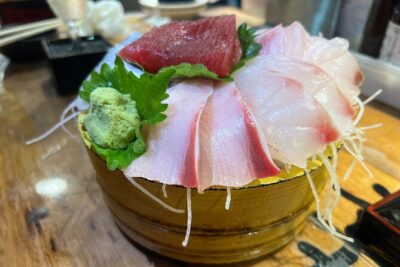
Shinjuku Food Tour (13 Dishes at 4 Local Eateries)
Read our review →
Tokyo Bar Hopping Tour in Shinjuku (All-You-Can-Drink + Dinner)
Read our review →
Shinjuku Food Tour (15 Dishes and 4 Eateries)
Read our review →
Shinjuku Local Bar and Izakaya Guided Walking Tour
Read our review →
Tokyo Night Foodie Tour in Shinjuku – Seasonal Sushi, Wagyu Beef
Read our review →
Shibuya Meltdown Nightlife Tour: All-You-Can-Drink Bar Hopping
Read our review →Browse the lists this tour appears in