
Review · HIROSHIMA TOURS
The Journey of Hiroshima from Tragedy to Peace
Hiroshima changes how you see time. This guided walk through Hiroshima Peace Memorial Park turns WWII facts into a human timeline, and I love how close you get to the Atomic Bomb Dome and the Peace Cenotaph. It is built around the city before the bombing, what happened during it, and what life tried to become afterward.
I also like that the guide is not just a storyteller, they have a degree in Peace Studies. Guides such as Ali, Wajid, and Zunera are praised for keeping a respectful pace, answering questions, and making space for discussion, with one group noting a 4:30 pm start helped escape the heat.
One consideration: the tour is a walking route through memorial grounds, so it is not suitable for people with mobility impairments.
In This Review
- Key highlights you will feel on this walk
- Hiroshima’s turning point, told step by step in Peace Memorial Park
- Meeting at the Gates of Peace, then walking a clear path of meaning
- Mother and Baby in Storm, then the human stories behind international figures
- Norman Cousins Peace Memorial and the Peace Cenotaph promise
- Hiroshima National Peace Memorial Hall, archives, and what 170 meters means
- Children’s Monument, Korean Monument, and the Peace Bell call to act
- Approaching the Atomic Bomb Dome, UNESCO context, and why it survived
- Finishing at the hypocenter with time to reflect
- Price and practical value: what $30 buys you in Hiroshima
- Who should book this Hiroshima Peace Memorial Park walk
- Should you book this tour?
- FAQ
- Where do I meet the guide for the Hiroshima Peace Memorial Park tour?
- What is included in the tour?
- What is not included?
- Does the tour include the Atomic Bomb Dome?
- What language is the tour in?
- Is the tour suitable for people with mobility impairments?
- Where does the tour end?
- How much does it cost?
- Can I cancel and get a full refund?
- Is there a pay later option?
Key highlights you will feel on this walk
- Gates of Peace to the hypocenter, following Hiroshima’s story from start to finish
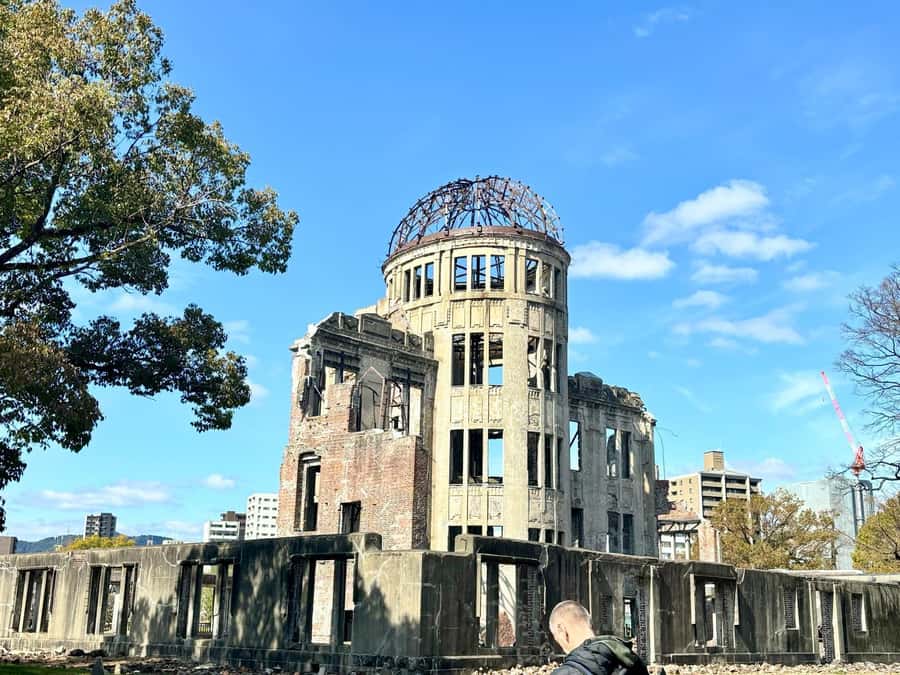
- Atomic Bomb Dome (UNESCO) with context on why it survived and why it still matters
- Peace Cenotaph flame and names, including the promise that it stays lit until nuclear weapons end
- Children’s Monument with Sadako Sasaki and paper cranes, a message aimed at the next generation
- Korean Monument and Dr. Marcel Junod Memorial, expanding the story beyond one nationality
Hiroshima’s turning point, told step by step in Peace Memorial Park
If you have ever visited a war memorial and felt like you were looking at symbols without the wiring underneath, this tour helps. It is a focused walking route in Hiroshima Peace Memorial Park that treats the bombing as more than a date. You walk, you stop, you listen, and you connect each monument to the larger question the park is built around: how do you stop this from happening again?
For me, the best tours do two things at once. They give you enough detail to understand what you are seeing, and they keep you emotionally grounded instead of letting the topic turn into a blur. This one aims for that balance by moving between multiple memorials with clear themes. One moment you are learning about structures and geography, the next you are hearing about people. Then you are back outside, with the real park around you and the Atomic Bomb Dome looming in the background.
Also, the price feels fair for what you get. At $30 per person, you are paying for a professional guide with a Peace Studies degree plus a route that covers a lot of the park’s most important sites. Food and museum entrance are extra, but the guide time, the stop-by-stop interpretation, and the guided meaning are the core value.
A few more Hiroshima days to weigh up
- Peaceful Hiroshima & Miyajima UNESCO 1 Day Bus Tour
★ 5.0 · 5,309 reviews - Hiroshima: Hiroshima and Miyajima UNESCO Sites 1-Day Tour
★ 4.9 · 2,330 reviews - Hiroshima / Miyajima Full-day Private Tour with Government Licensed Guide
★ 5.0 · 1,298 reviews
Meeting at the Gates of Peace, then walking a clear path of meaning
You meet your guide at the Gates of Peace in front of the Italian restaurant Mario. From there, the route sets you up for an organized flow instead of bouncing around the park on your own. You start with the memorial context, then move through a series of stops that each answer a different part of the story.
A useful trick for sites like this is to notice what you are doing with your attention. When you follow a guide-led path, your brain stops treating the park like a collection of photos and starts treating it like a timeline. That is important because Hiroshima is one of those places where a little context changes everything. The same concrete, the same inscriptions, and the same view toward the Dome will feel different once you understand why each point exists.
The tour ends back at the meeting point, so it is easy to plan what comes next. If you want to keep the day calm after such a heavy experience, this format helps. You are not stuck figuring out transit or where to go after the last stop.
Mother and Baby in Storm, then the human stories behind international figures
Your first major stop is the Mother and Baby in Storm statue. It is a quiet image with a powerful idea: love and compassion did not disappear after the bombing. You are not just looking at an artwork. You are being prompted to think about what survived inside people, even when the outside world was wrecked.
Next, you visit the Dr. Marcel Junod Memorial. Junod is remembered as a Swiss physician who became a humanitarian hero after the bombing. The presence of a memorial to an international figure matters because it widens the lens. Hiroshima is not only a Japanese tragedy. It also became a global moral shock, and humanitarian response followed, shaped by people from beyond the city.
These early stops also help you understand how the park avoids a single-note approach. Instead of only describing destruction, you are guided toward recovery, empathy, and ethics. That makes later stops like the Peace Cenotaph easier to take in, because you have already been taught how the park wants you to read the place.
Norman Cousins Peace Memorial and the Peace Cenotaph promise
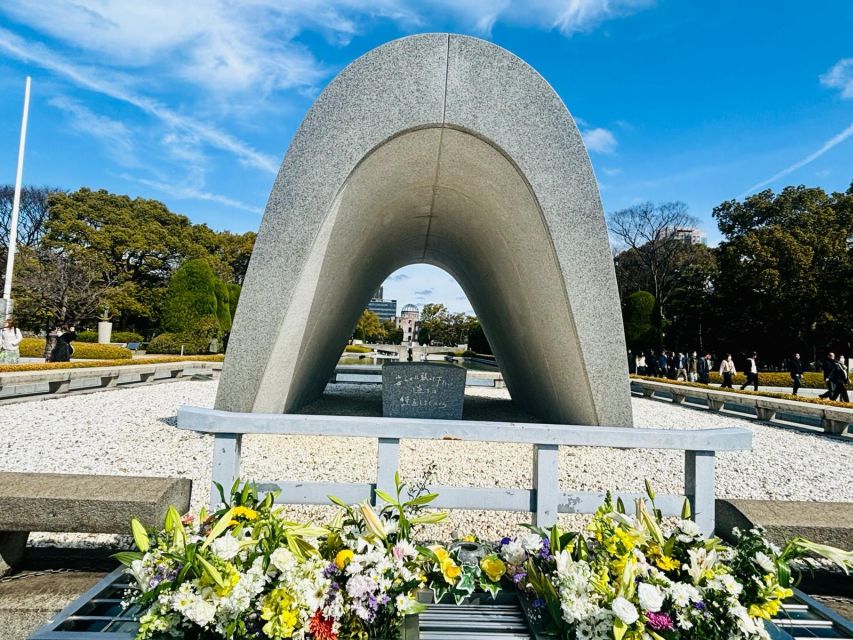
After you move through the early memorials, the tour reaches the Norman Cousins Peace Memorial. Cousins, an American author and peace activist, is tied here to nuclear disarmament. That framing is intentional. It steers you away from thinking the past ends with the past. The park is asking you what comes next, and it points directly toward nuclear policy as part of the answer.
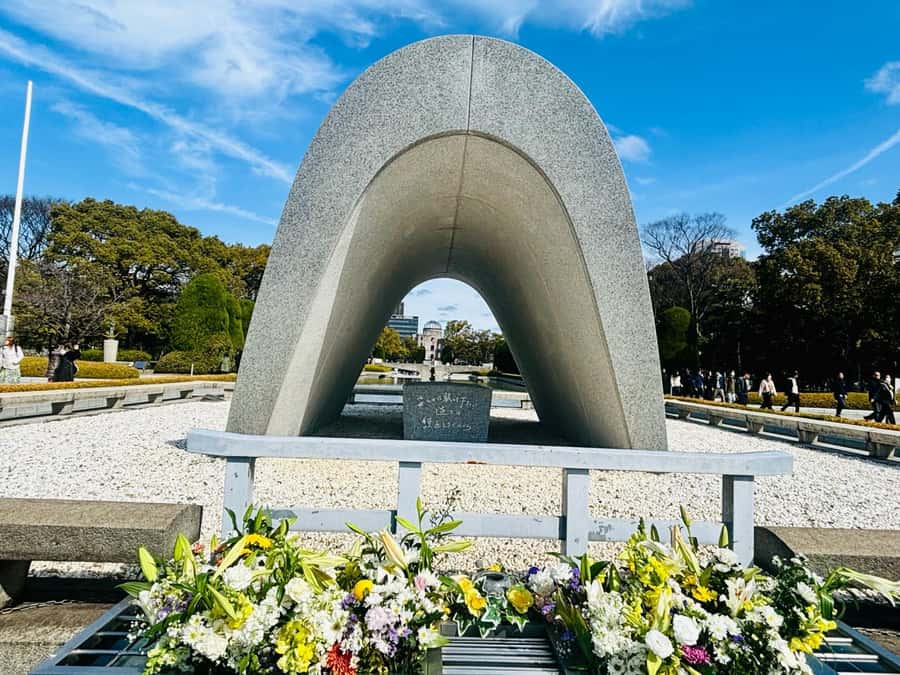
Then comes one of the most moving moments of the whole route: the Peace Cenotaph. It is a curved stone structure, and inside it lies the names of atomic bomb victims. An eternal flame burns there as a promise that it will stay lit until the last nuclear weapon is eliminated from the earth. That is a striking line to hear while you are standing in front of it, because it turns remembrance into a countdown.
One practical benefit of having a guide here is that you are not stuck trying to interpret inscriptions by yourself. You get the meaning, and you also learn how to behave in that space. The pace generally allows you to pause, look, and reflect without feeling rushed.
A different sort of day in Japan:
- Hiroshima Historical Walking Tour – Why A-Bomb was Dropped
★ 4.8 · 893 reviews - Hiroshima Peace (Heiwa) Walking Tour at World Heritage Sites
★ 5.0 · 872 reviews - Hiroshima in a Nutshell: Morning Bike Adventure
★ 5.0 · 524 reviews - Hiroshima City 4hr Private Walking Tour with Licensed Guide
★ 5.0 · 437 reviews
Hiroshima National Peace Memorial Hall, archives, and what 170 meters means
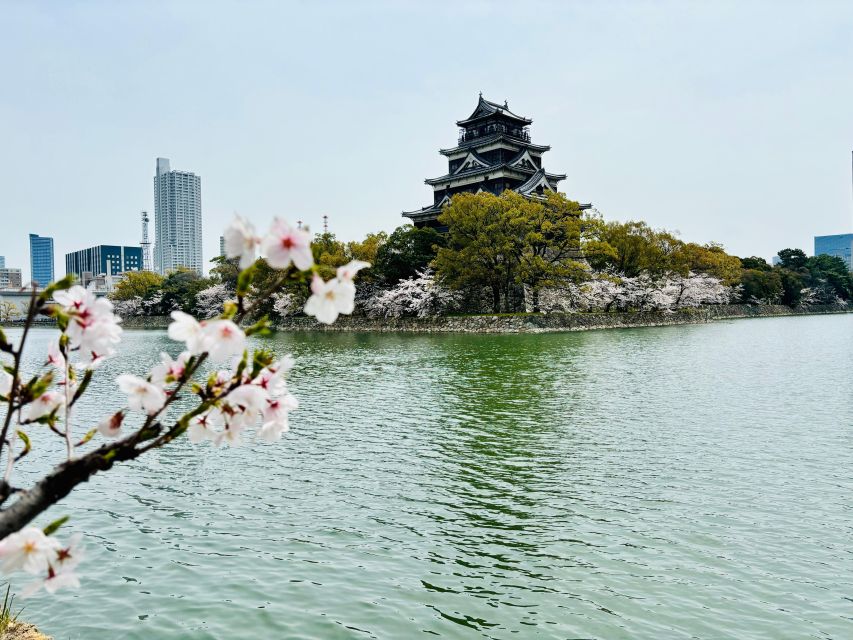
The tour includes a visit to the Hiroshima National Peace Memorial Hall for Atomic Bomb Victims. This is where you can connect emotional impact to documentation. The hall is described as housing an extensive archive and serving as a memorial to those who lost their lives, with insights into their stories before the bombing.
Important practical note: entrance to the museum is not included. So you should expect to pay separately if you want to go inside the hall itself. If you are trying to budget tightly, plan for that extra cost up front.
After the hall, you stop at the Hiroshima Peace Park Rest House, where the guide shares the account of a resident who survived despite being about 170 meters from the hypocenter during the explosion. That distance might sound small or abstract until a guide helps you picture what “near” meant in the city’s reality. You start thinking in terms of shock waves, heat, and immediate survival. It is not a way to soften what happened, but it is a way to understand resilience without sugarcoating.
Children’s Monument, Korean Monument, and the Peace Bell call to act
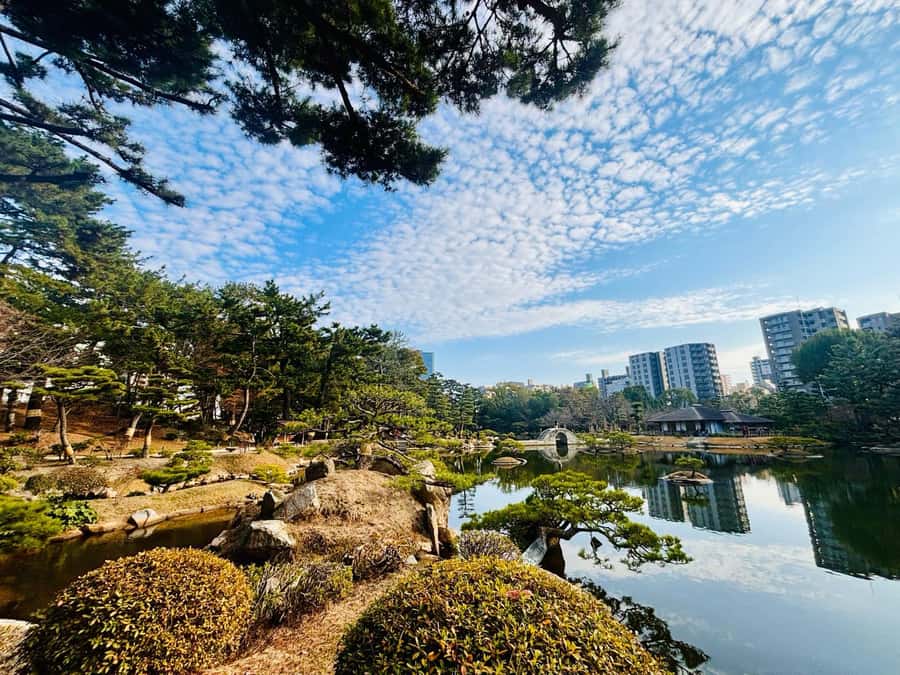
As the tour continues, you reach the Children’s Monument dedicated to Sadako Sasaki and other children affected by the atomic bomb. You will see colorful paper cranes, and the symbol is explained as a message of peace and hope for a world without nuclear weapons.
This stop is valuable because it shifts the story toward the next generation. Even if you know the Sadako Sasaki story already, seeing the cranes in person hits different, especially when a guide links them to why remembrance matters beyond one lifetime.
You then visit the Korean Monument, which honors Korean victims of the bombing. That inclusion matters. Hiroshima’s narrative includes people whose lives were shaped by the wider war system of the time. A guide helps you hold those connections in your head without turning it into a side note.
The Peace Bell is another moment where the park asks for participation. You can ring it in remembrance, and each toll becomes part of the collective call for peace. If you like interactive elements that do not feel like gimmicks, this one works because it is tied to meaning, not entertainment.
Approaching the Atomic Bomb Dome, UNESCO context, and why it survived
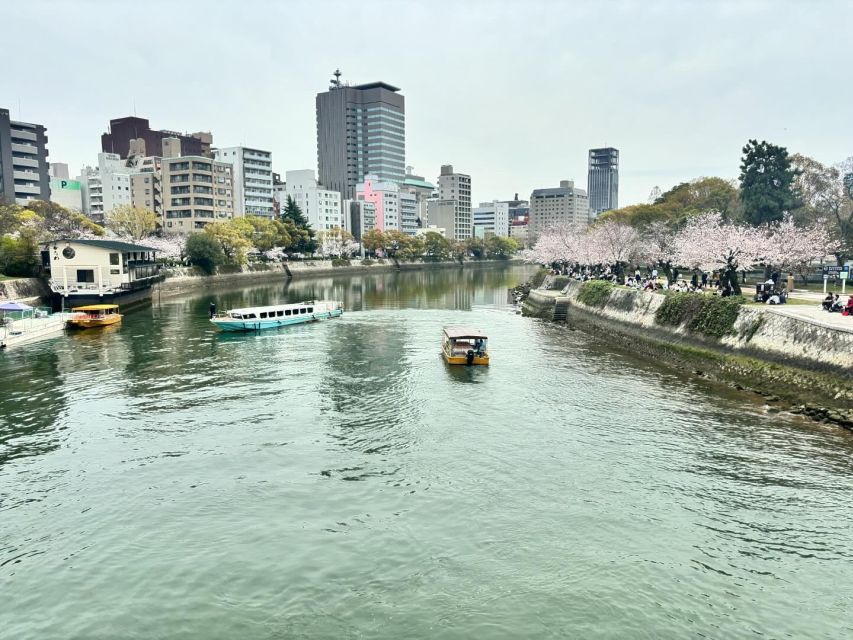
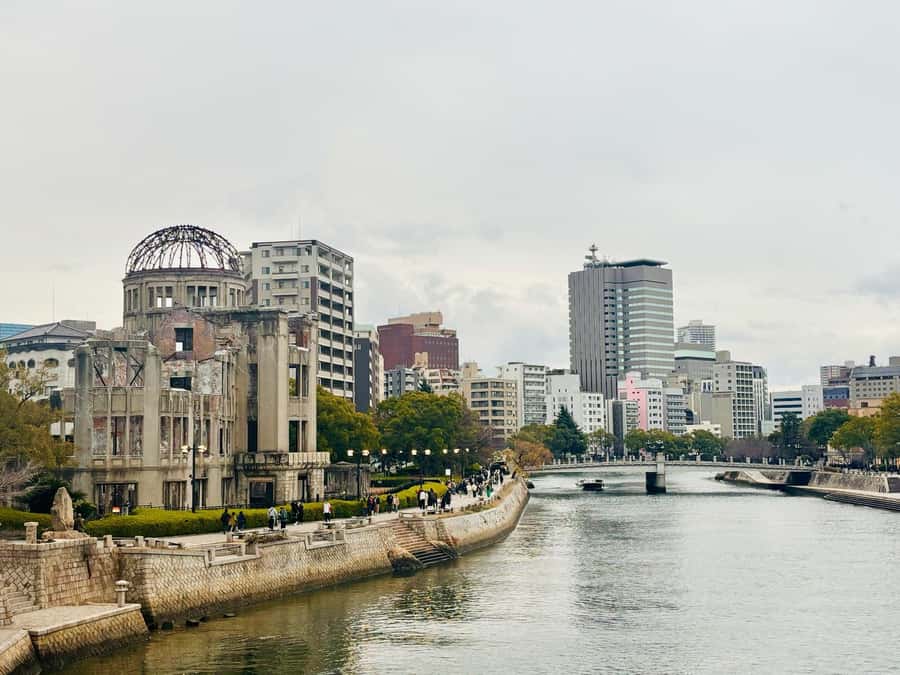
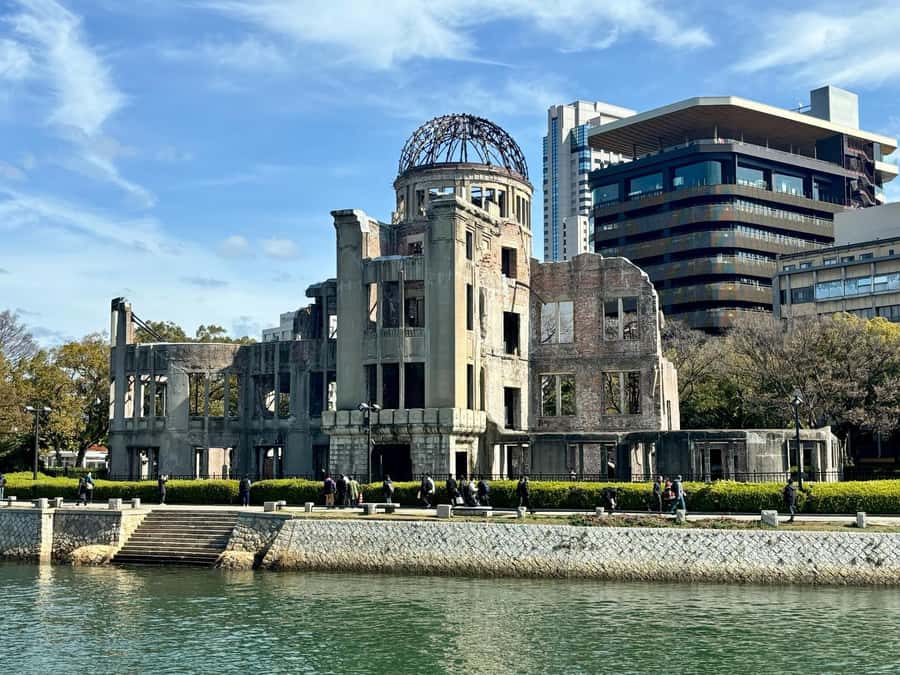
The approach to the Atomic Bomb Dome is the part most people picture before they even arrive. In this tour, it is treated as more than an icon. You learn why it survived against incredible odds and why it remains a haunting reminder of the devastation of war.
The Dome is a UNESCO World Heritage Site, and having the context in place makes your viewing more accurate. Instead of just snapping a photo of a famous building, you understand what you are looking at, and what people wanted the site to communicate after the fact.
This is also where the tour’s guiding style matters. Several guides in past groups, including Ali, Wajid, and Zunera, are praised for explaining details that many visitors would not find on their own. That is especially helpful at the Dome, because it is easy to overfocus on the structure while missing the ethical point the park keeps returning to.
Finishing at the hypocenter with time to reflect
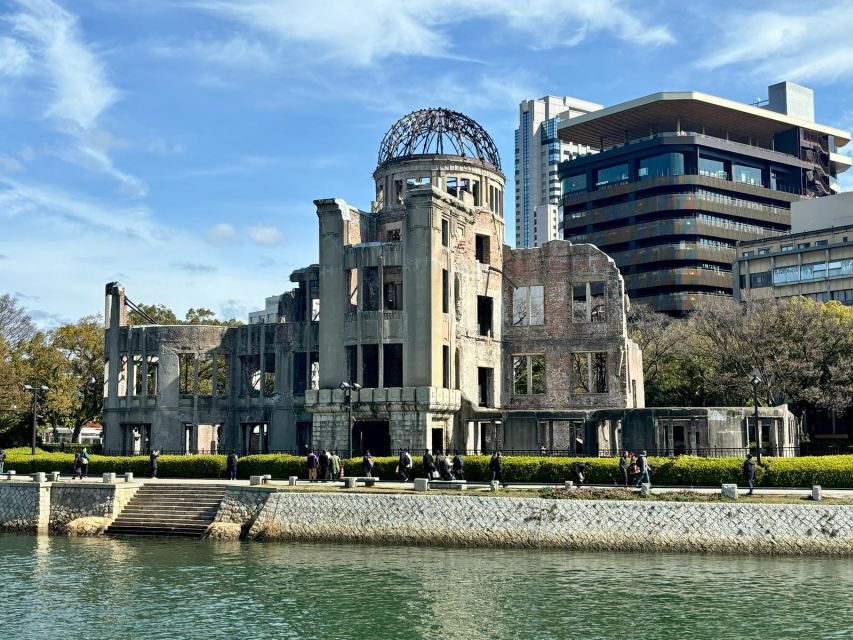
The tour ends at the hypocenter, the point directly under the explosion. This is not a “show and go” stop. You take a moment for deep reflection, guided toward connecting with the spirit of those who endured tragedy and reaffirming the collective hope for peace.
I like that the tour does not try to rush you out of this final emotional landing. For many visitors, the last stop is when the story becomes personal, even if you did not grow up knowing it. You feel the weight of the location, and you understand why this park uses architecture, inscriptions, and ritual to keep the message alive.
If you want a simple after-plan: keep your next activity light. A quiet walk or a meal nearby is better than jumping straight into something high-stimulation.
Price and practical value: what $30 buys you in Hiroshima
At $30 per person, you are paying for a guided route through multiple major memorials with a professional guide who has Peace Studies training. What makes that value real is the structure. You are not just visiting a single highlight. You are moving through a chain of sites that build meaning step-by-step, from the Mother and Baby in Storm statue through to the Peace Bell and the hypocenter.
Two items are not included. Food is not included, so plan to eat before or after your tour. Entrance to the museum is also not included, which can affect your total cost if you plan to go inside the Hiroshima National Peace Memorial Hall.
Timing can also affect comfort. One review noted a 4:30 pm start as a way to escape the heat. Even if your exact schedule differs, it is wise to think about weather. Bring water if you can, wear comfortable shoes, and dress for the possibility of warm late-day walking.
Who should book this Hiroshima Peace Memorial Park walk
This is a strong fit if you want a guided experience that prioritizes meaning, not just sightseeing. It works especially well if you want to understand how the park uses specific memorials to communicate different parts of the story: international humanitarian response, peace activism, victim names, children’s symbols, and reconciliation.
If you prefer to read at your own pace, you might still visit on your own. But the benefit here is that you get interpretation in the moment, including explanation of monuments you might otherwise walk past quickly.
The tour is not suitable for people with mobility impairments, likely because it involves walking around memorial grounds.
Should you book this tour?
Yes, if you want a structured, respectful introduction to Hiroshima’s Peace Memorial Park and you value a guide who can connect what you see to why it matters. The route is designed so you are not stuck trying to guess the meaning of each monument, and the guide quality is repeatedly emphasized, including the ability to answer questions and maintain a steady pace.
Skip it only if mobility is a concern, or if you strongly prefer independent touring with no paid guide interpretation. Otherwise, this is one of those experiences where the guidance genuinely helps you pay attention in the right way, and that is exactly what this kind of place deserves.
FAQ
Where do I meet the guide for the Hiroshima Peace Memorial Park tour?
Meet your guide at the Gates of Peace in front of the Italian restaurant Mario.
What is included in the tour?
The tour includes Hiroshima Peace Memorial Park, the Atomic Bomb Dome, the Hiroshima Peace Memorial Hall for Atomic Bomb Victims, Children’s Monuments, and the Flame of Peace.
What is not included?
Food is not included, and entrance to the museum is also not included.
Does the tour include the Atomic Bomb Dome?
Yes. You will see the Atomic Bomb Dome as part of the route.
What language is the tour in?
The tour is available in English.
Is the tour suitable for people with mobility impairments?
No, it is not suitable for people with mobility impairments.
Where does the tour end?
The activity ends back at the meeting point.
How much does it cost?
The price is listed as $30 per person.
Can I cancel and get a full refund?
Yes. You can cancel up to 24 hours in advance for a full refund.
Is there a pay later option?
Yes. You can reserve and pay later, meaning you can book your spot and pay nothing today.
Newly listed around Hiroshima
- The Peace Memorial and Beyond: A Half-Day around Hiroshima★ 4.9 · 12 reviews
- The history of Hiroshima “the event that shape the history”★ 4.9 · 18 reviews
- Tea Ceremony Experience near Atomic Bomb Dome★ 4.9 · 8 reviews
- Private Hiroshima and Miyajima Tour with Licensed Guide★ 5.0 · 6 reviews
- Peace Memorial Park, Hiroshima Castle, & Garden Private Tour★ 4.8 · 7 reviews
- Hiroshima: Miyajima Half-day Historical Walking Tour★ 4.7 · 100 reviews
- Kumano Brush Factory Tour and Brush-Making Experience★ 5.0 · 7 reviews
- Hiroshima/Miyajima Private Custom Tour with Local Guide★ 5.0 · 134 reviews
Hiroshima Tours, compared.
Peaceful Hiroshima & Miyajima UNESCO 1 Day Bus Tour
Read our review →
Hiroshima and Miyajima UNESCO Sites 1-Day Tour
Read our review →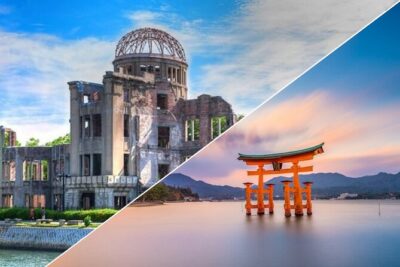
Hiroshima / Miyajima Full-day Private Tour with Government Licensed Guide
Read our review →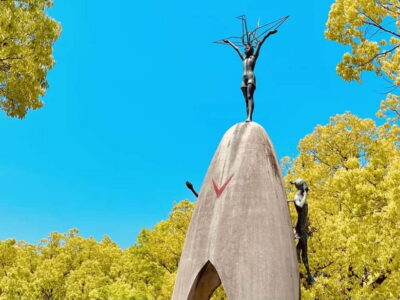
Hiroshima Historical Walking Tour – Why A-Bomb was Dropped
Read our review →
Hiroshima Peace (Heiwa) Walking Tour at World Heritage Sites
Read our review →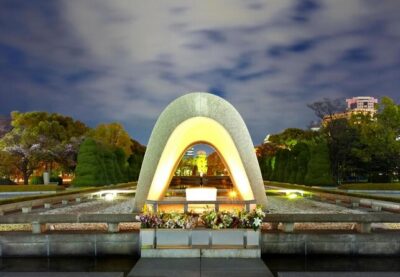
Hiroshima in a Nutshell: Morning Bike Adventure
Read our review →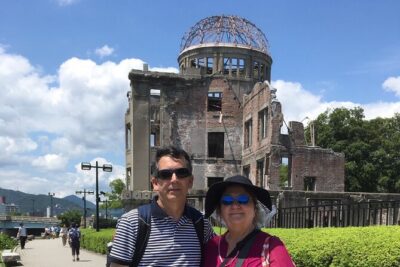
Hiroshima City 4hr Private Walking Tour with Licensed Guide
Read our review →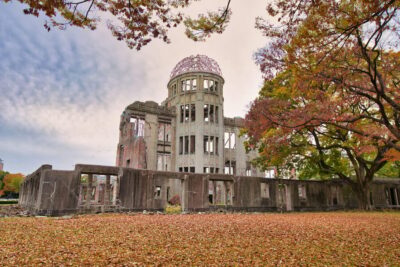
Browse the lists this tour appears in