Review · TOKYO TOURS
Tokio A: Tour de la ciudad en Español – Spanish
Tokyo can feel like a puzzle, this tour makes it readable fast. You get a full Spanish-language city walk that strings together Asakusa temples, Ueno parks, market time at Ameyoko, then ends in Shinjuku and Kabukicho nightlife. I especially like how the guides keep things close and friendly, and how they steer you toward what to notice, not just what to see, with lots of practical recommendations for the rest of your trip. One thing to consider: the day is built around walking and public transport, and it is not suitable for hearing-impaired guests.
If you want Tokyo in one coherent storyline, this is a strong pick. The itinerary is paced so you can enjoy the big sights without sprinting, and you also get cultural context for why each neighborhood looks and feels the way it does. The start is classic (Sensō-ji), the middle is everyday Tokyo (Ueno, lunch, Ameyoko), and the end is pure Tokyo nightlife contrast (Shinjuku, Golden Gai style streets). Just know you cannot bring luggage or large bags.
In This Review
- Key things I would plan around
- A Spanish Day Through Tokyo, From Asakusa to Kabukicho
- Morning in Asakusa and Sensō-ji, Skip the Line Feel
- Ueno Park and Lunch: A Real Break in the Middle of the Day
- Ameyoko Market After Lunch, Where You Can Actually Browse
- Shinjuku Viewpoint and the Modern Tokyo Shift
- Kabukicho Nightlife and Golden Gai Style Streets
- Price and Value: What $96 Covers, and What Costs Extra
- Logistics That Matter: Bags, Pace, and Public Transport Pickups
- Meeting Point and How to Find Your Guide
- Who Should Book This Spanish Tokyo City Tour?
- Should You Book Tokio A: Tour de la ciudad en Español?
- FAQ
- Is this tour in Spanish?
- How long is the Tokio A tour?
- What is the meeting point in Asakusa?
- Does the price include transportation?
- Is lunch included?
- Is there a skip-the-line option?
- Can I get hotel pickup?
- What if the Shinjuku viewpoint is closed?
- Is the tour wheelchair accessible?
- What is the cancellation policy?
Key things I would plan around
- A Spanish-speaking guide all day: You get explanations in Spanish, not just silent photos.
- Sensō-ji with a skip-the-line approach: A separate entrance helps you start seeing sooner.
- Ameyoko market time after lunch: Great for snacks, street life, and local shopping vibes.
- Shinjuku viewpoint flexibility: If the planned mirador is closed, you may go to Ebisu instead.
- The day ends near Kabukicho Theater: You finish where Tokyo nightlife actually begins to heat up.
A Spanish Day Through Tokyo, From Asakusa to Kabukicho
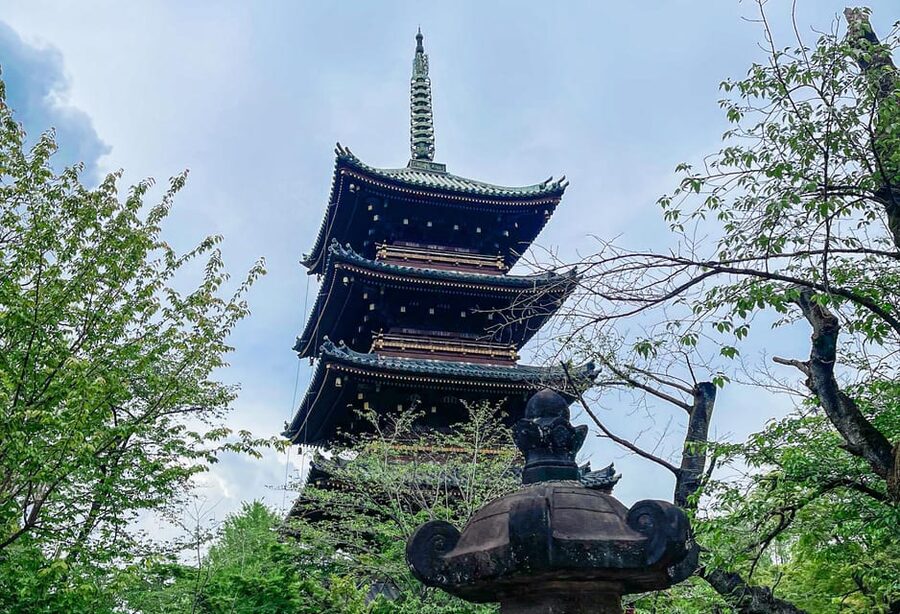
This tour is set up as a guided storyline. You start in the traditional city layer, then move into modern Tokyo, and then you land in one of the most neon-heavy areas in the city. It is the kind of route that helps you understand Tokyo as a set of neighborhoods with different rhythms, rather than one endless blur.
You will spend the day with a live guide using Spanish, and that matters more than it sounds. When you can follow the explanation, you start noticing the small details on your own, from temple layout to how crowds move in station areas. Guides also add value by handing you recommendations you can use after the tour is over, instead of leaving you with only a route and photos.
A few more Tokyo days to weigh up
- Mt Fuji and Hakone 1-Day Bus Tour Return by Bullet Train
★ 5.0 · 26,383 reviews - 1-Day Tokyo Bus Tour
★ 5.0 · 14,250 reviews - Tokyo: TOKYO SKYTREE® Admission ticket
★ 4.5 · 11,192 reviews
Morning in Asakusa and Sensō-ji, Skip the Line Feel
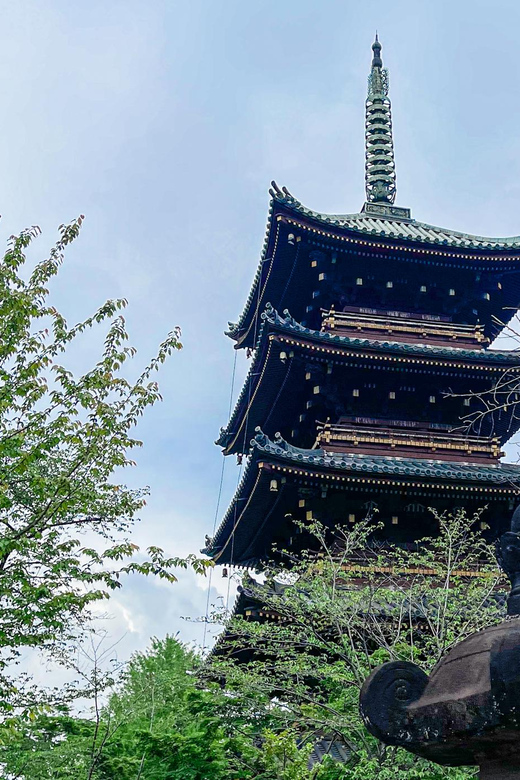
Your first big stop is Sensō-ji Temple in Asakusa, one of Japan’s best-known temple sites. You get about two hours with a guided tour, which is a good amount of time to do more than just take pictures. You can slow down enough to understand what you’re looking at, then re-orient quickly once you are back outside.
A practical win: the tour includes skipping the line through a separate entrance. That is one of the easiest ways to protect your time. Tokyo lines can eat a morning, and here you are positioned to spend more time seeing and less time waiting.
Sensō-ji is also a “Tokyo first-day” place because it tells you what tradition looks like in a high-tech city. Even if you have visited Tokyo before, starting here helps you pick up context fast. Asakusa has its own pace, and your guide’s cultural commentary can help you read the neighborhood without turning it into a checklist.
Ueno Park and Lunch: A Real Break in the Middle of the Day
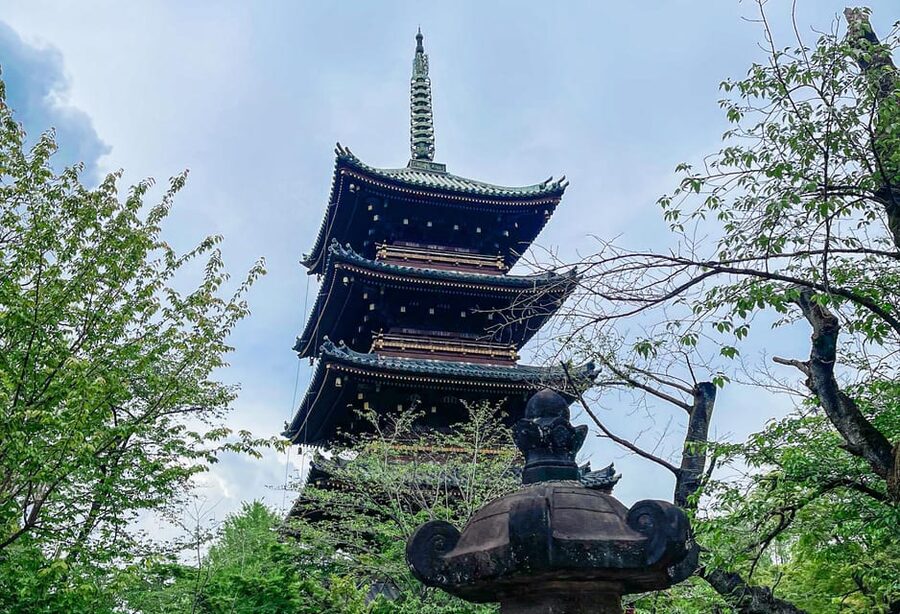
After Asakusa, you take a short subway/metro ride (about 10 minutes) to Ueno. You get roughly 1.5 hours of guided time in Ueno Park, which is popular for a reason. Parks in Tokyo work like breathing spaces. They make it easier to recover from the density of downtown stations and help the day feel like an actual stroll, not just transit between hotspots.
Then comes lunch, about 80 minutes. Meals are not included, and drink and food are listed as extra. That is actually a benefit for many people, because it gives you flexibility. You can choose what fits your appetite and budget, and you are not stuck with a pre-selected restaurant that might not match your style.
In this middle portion, you are also set up to experience how Tokyo blends tourist-facing spots with everyday life. Ueno gives you that softer feel, and when you move on afterward, the contrast becomes part of the story rather than feeling like whiplash.
Ameyoko Market After Lunch, Where You Can Actually Browse
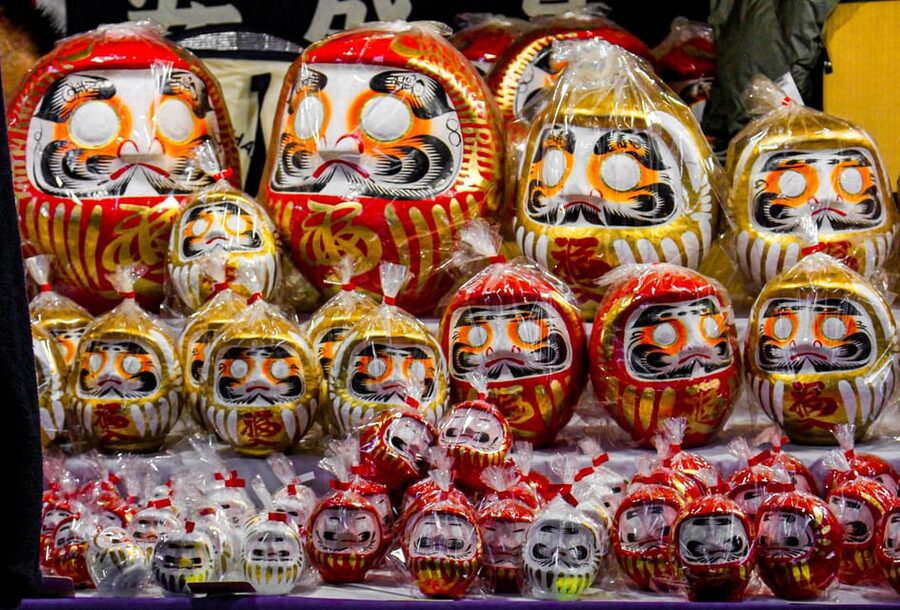
Right after lunch, you head to the atypical Ameyoko market. This stop is shorter than the big anchoring sights, but it is intentionally placed after you eat because markets work best when you are not hungry and rushed.
What I like about this timing is that you can use the market as your “Tokyo shopping and snack layer.” Even if you do not plan to buy much, markets teach you how locals handle everyday browsing, and they give you an easy place to pick up small gifts or quick souvenirs without feeling like you need a full shopping day.
You also get a cultural tone shift here. Temples and parks are mostly about atmosphere and sightlines. Markets are about movement, bargaining customs you might hear in passing, and learning how to navigate crowds calmly. A good guide helps you avoid the classic tourist mistake: stopping in the wrong spot and blocking foot traffic.
A different sort of day in Japan:
- Tokyo: teamLab Planets TOKYO Digital Art Museum Entry Ticket
★ 4.6 · 9,779 reviews - Mt Fuji & Hakone Cruise, Drum Show Bullet Train 1 Day from Tokyo
★ 4.0 · 7,413 reviews - Tokyo: Sumo Show Experience with Chicken Hot Pot and a Photo
★ 4.8 · 6,678 reviews - Tokyo: Shinjuku Food Tour (13 Dishes at 4 Local Eateries)
★ 5.0 · 6,603 reviews
Shinjuku Viewpoint and the Modern Tokyo Shift
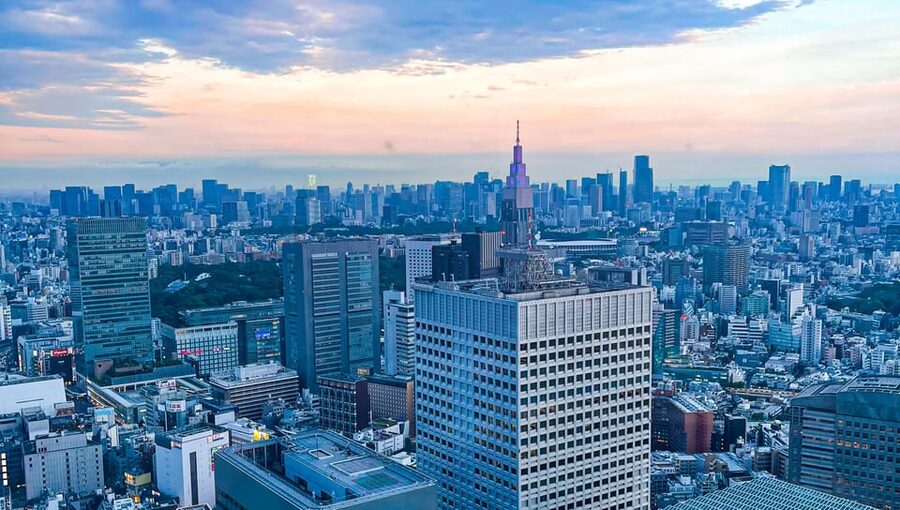
Next comes the move to Shinjuku, where you get another guided stretch of about 1.5 hours and a visit up to one of Tokyo’s best viewpoints. This is where the tour really earns its “modern versus tradition” promise.
The viewpoint is valuable not because you should memorize skyline angles. It’s valuable because it gives you a mental map. Once you see Tokyo from above, the neighborhoods you visited earlier start to make sense in space. You can better understand why trains, streets, and crowds seem to flow the way they do.
There is also an important consideration in your planning: if the planned Shinjuku mirador is closed for reasons outside the tour operator’s control, the viewpoint may be switched to Ebisu. That’s not something you can control, but it does mean you should stay flexible and go with the flow rather than expecting one exact view.
Kabukicho Nightlife and Golden Gai Style Streets
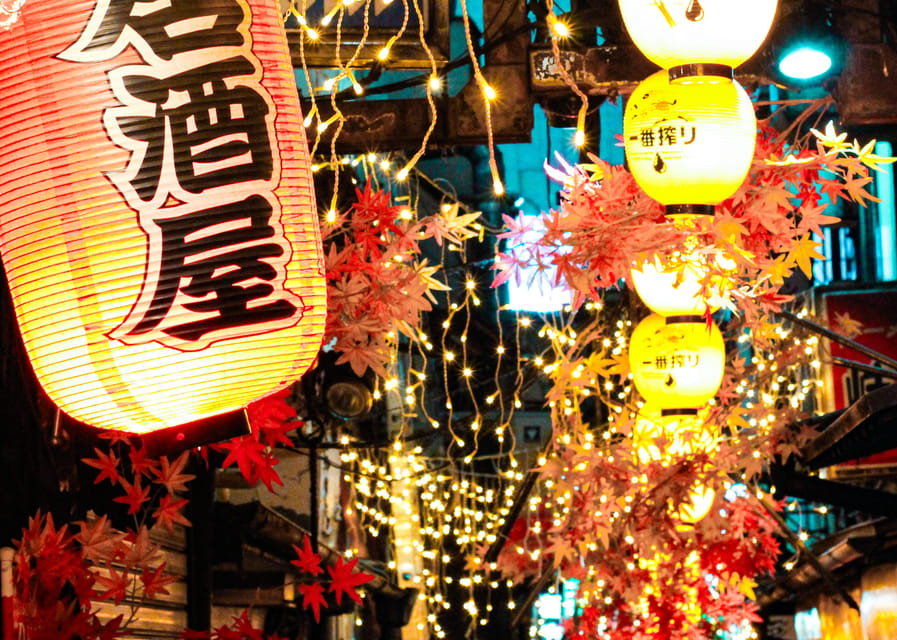
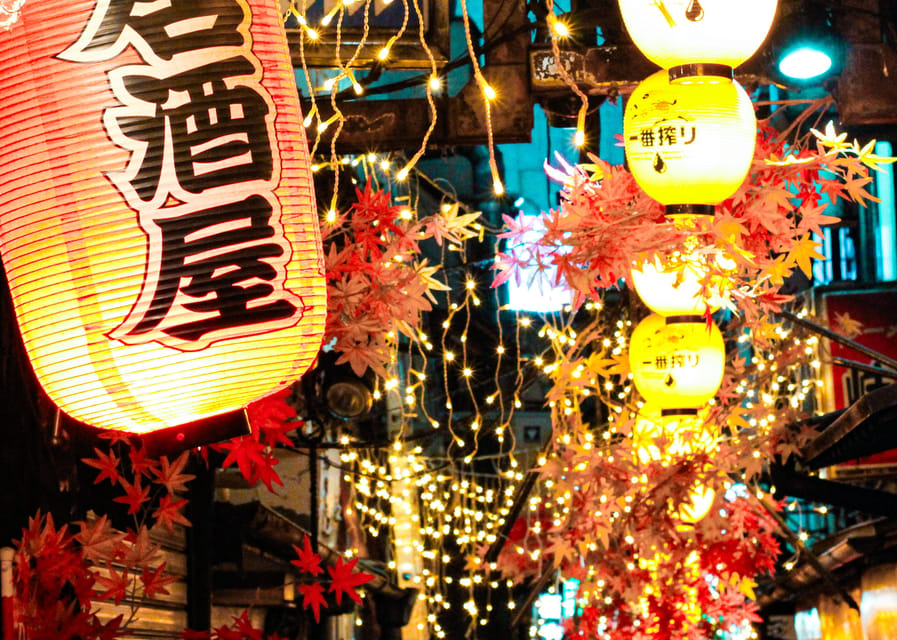
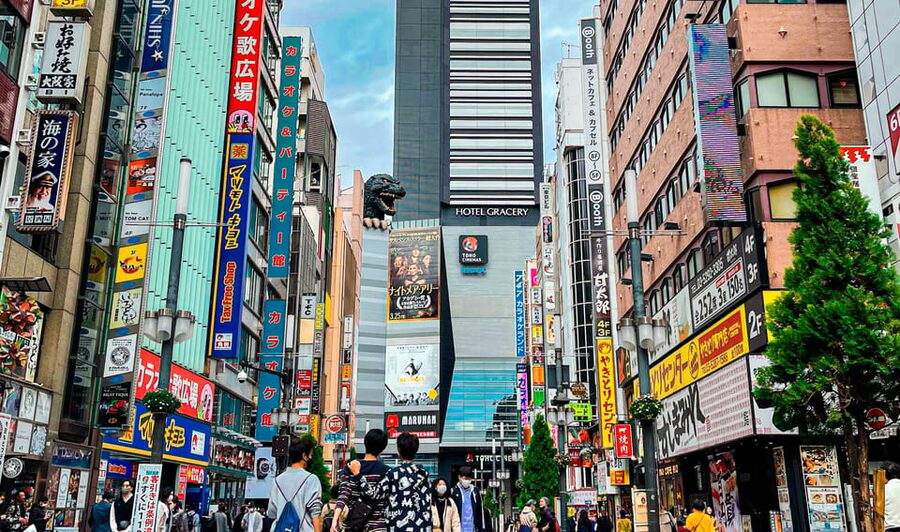
The tour ends in Kabukicho, specifically with a guided segment of about 50 minutes. Kabukicho is known for nightlife, with neon-filled facades, karaoke bars, restaurants, and gaming storefronts that pull you into the street-level energy of Tokyo.
There are two reasons this ending works well. First, it creates contrast. You finish far away from the calm rhythm of Sensō-ji and Ueno. Second, Kabukicho is a practical place to end if you want to continue your evening on your own. The tour does not try to lock you into a single late-night plan. Instead, it deposits you in an area where you can choose what you want to do next.
The tour concludes at Kabukicho Theater. That is helpful because it gives you a clear end point rather than a vague drop-off somewhere random.
Price and Value: What $96 Covers, and What Costs Extra
The listed price is $96 per person for an 8-hour tour. For Tokyo, that is a reasonable way to buy time and guidance, especially because you are getting a full Spanish-speaking guide across multiple neighborhoods rather than a short “highlight walk.”
Transportation is not included, and you should budget an additional 400¥. The itinerary uses short metro and train segments, which is exactly the kind of transit that can be annoying to handle while also trying to follow a guided story. So even though it is extra, it is still part of what makes the day feel efficient.
Food and drinks are also not included. That is common for this type of tour, and it is usually the right call. You get lunch time without being forced into one place, and you can choose something that matches your taste and budget.
Where the value really shows up is in the guide quality. The highly rated experiences you’ll see tied to this tour consistently point to a friendly, attentive hosting style. Names like Nikita, Camila, and Emi come up as guides who communicate well, explain clearly, and offer tips that make the rest of your trip easier. If you care about more than moving from point A to point B, that human part is the core value you are paying for.
Logistics That Matter: Bags, Pace, and Public Transport Pickups
A few logistics points can make or break your day.
First, you cannot bring luggage or large bags. If you travel with a big suitcase, you will need a storage plan before joining. Keep it light so you can move comfortably between subway stairs, market crowds, and street segments.
Second, pickup is optional. If you choose the hotel pickup supplement or the private option, the guide will pick you up at your hotel. There is an extra detail that matters: pickups always happen using public transport, even for group and private options. Translation for your planning: do not expect a private car door-to-door. You should still be ready for normal Tokyo transit patterns.
Third, timing includes short rides built into the route: about 10 minutes on the subway/metro, then about 25 minutes on the train, plus about 10 minutes on foot between areas. This is not a “stand still and look at everything” tour. It is designed for people comfortable walking and switching transit without losing patience.
Finally, the day includes an approach that is friendly toward many mobility needs, since it is wheelchair accessible. At the same time, it is listed as not suitable for hearing-impaired people, so if that applies, you should look for an alternative format.
Meeting Point and How to Find Your Guide
You will meet in front of the entrance to the Asakusa Tourist and Cultural Information Center. The guide will wear identification that hangs with the name NIPONEANDO. This is a practical detail worth double-checking when you arrive, because Asakusa has lots of signage and side streets.
If you are arriving early, take a minute to locate the exact entrance area. When you show up calmly, you start the tour without stress.
Who Should Book This Spanish Tokyo City Tour?
This tour is a good fit if you want Tokyo explained in Spanish and you prefer a structured day. It is also ideal if you like contrast: temples and parks in the morning, markets and shopping energy midday, and then nightlife streets in the evening.
It is especially appealing if you value guide interaction. The best parts described for this experience center on guides who are friendly, attentive, and genuinely helpful with tips. I also like that the tour emphasizes respect for the environment, which signals that the group is not meant to treat the city like a photo set.
You might want to skip it if you need a very quiet pace or you want to avoid nightlife areas. Kabukicho is part of the end story, and it is not a calm, early-evening neighborhood.
Should You Book Tokio A: Tour de la ciudad en Español?
Yes, you should book it if you want one day that covers Tokyo’s biggest mood swings without wasting time figuring out connections on your own. The combination of Spanish guidance, Sensō-ji with a skip-the-line approach, Ueno with a real park break, Ameyoko market browsing, and a Shinjuku viewpoint plus Kabukicho nightlife makes it a strong “Tokyo sampler” day.
But book with eyes open. Plan for walking, keep bags small, and remember that food and drinks are not included. If you care a lot about a specific viewpoint in Shinjuku, accept that the mirador may shift to Ebisu if closures happen.
If you want Tokyo in order, with clear explanations and a guide who sets you up for the rest of your trip, this tour is a practical, high-value way to do it.
FAQ
Is this tour in Spanish?
Yes. The tour is in Spanish with a live Spanish-speaking guide.
How long is the Tokio A tour?
The duration is 8 hours.
What is the meeting point in Asakusa?
You meet in front of the entrance to the Asakusa Tourist and Cultural Information Center. The guide will have identification with the name NIPONEANDO.
Does the price include transportation?
No. Transportation is an additional cost (400¥).
Is lunch included?
Lunch time is included in the schedule, but drink and food are not included.
Is there a skip-the-line option?
Yes. You can skip the line through a separate entrance.
Can I get hotel pickup?
Pickup is optional. The guide can pick you up at the hotel if you add the supplement or choose the private option. Pickups are always done using public transport.
What if the Shinjuku viewpoint is closed?
If the planned Shinjuku mirador is closed, the visit may be changed to the mirador of Ebisu.
Is the tour wheelchair accessible?
Yes, it is listed as wheelchair accessible.
What is the cancellation policy?
Free cancellation is available up to 24 hours in advance for a full refund.
Newly listed around Tokyo
- Hakone: Self Guided Trip to Mt. Fuji // Made by Local Guides★ 4.6 · 7 reviews
- Tokyo: 1 Day Bus Tour with Meiji-Jingu,Odaiba,lunch&Skytree★ 4.6 · 156 reviews
- Tokyo: 1-Day Private Customizable Tour by Car★ 4.7 · 137 reviews
- Tokyo: Pre Japan Planning Kit: Itineraries, Food & Survival★ 4.9 · 18 reviews
- This is Real TOKYO!! SHIBUYA Tour from TGP!!★ 4.8 · 9 reviews
- Tokyo: Japanese Archery (Kyudo) Experience★ 5.0 · 78 reviews
- Tea ceremony experience in Japanese-style room 60min★ 4.9 · 86 reviews
- Tokyo: Vegetarian & Vegan Friendly Food Tour★ 4.7 · 6 reviews
Tokyo Tours, compared.
Mt Fuji and Hakone 1-Day Bus Tour Return by Bullet Train
Read our review →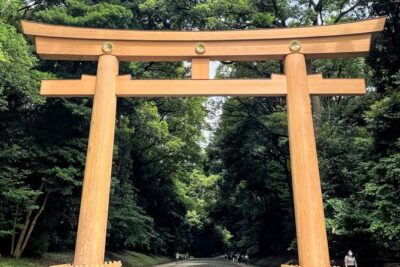

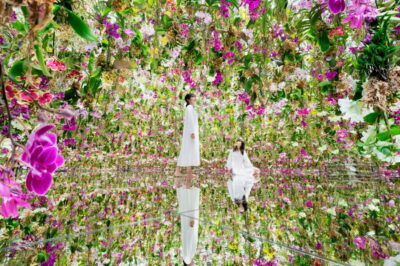
teamLab Planets TOKYO Digital Art Museum Entry Ticket
Read our review →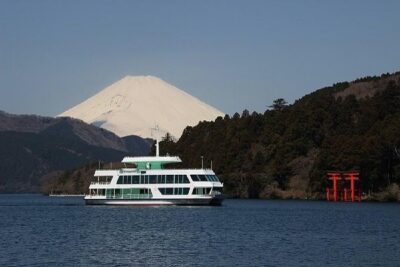
Mt Fuji & Hakone Cruise, Drum Show Bullet Train 1 Day from Tokyo
Read our review →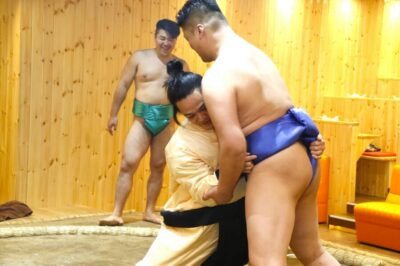
Sumo Show Experience with Chicken Hot Pot and a Photo
Read our review →
Shinjuku Food Tour (13 Dishes at 4 Local Eateries)
Read our review →