
Review · EVENING TOURS IN TOKYO
Tokyo After 5: Authentic Japanese Food & Drink Night Tour
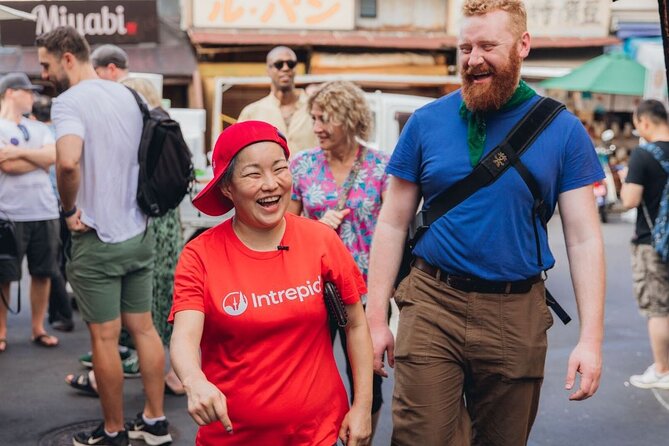
That first post-5 pm food crawl is the whole point. This Tokyo night tour strings together local izakaya energy with a hands-on taste of Tsukishima’s monja-yaki, then finishes in Yakitori Alley with drinks.
I like how the plan is small-group and built around practical walking plus subway rides, so you get around without feeling lost. And you’ll get two drinks included along with three local tastings, not just snacks.
One drawback to consider is that the experience is not built for special diets, and the exact amount of explanation can vary by guide, so you may want to come with a curious mindset and an appetite for cabbage-forward dishes.
In This Review
- Key Highlights You Will Care About
- Ginza After 5 pm: How the Night Tempo Changes Everything
- Price and Value: What You’re Really Paying For
- Stop 1: Mitsukoshi Ginza and the Wagashi Start
- Stop 2: Ginza Streets, Lights, and Possible Stationery Detours
- Stop 3: Tsukishima Monja Street and Cooking on the Grill
- Stop 4: Yurakucho Yakitori Alley, Sake or Beer, and Tare Sauce
- Walking, Subways, and the Small-Group Advantage
- About Guides: English Support and Different Styles
- What Works Best For You
- Practical Tips Before You Go
- Should You Book Tokyo After 5?
- FAQ
- How long is the Tokyo After 5 food and drink night tour?
- What is the group size for this tour?
- Where does the tour start and end?
- What food tastings are included?
- What drinks are included?
- Is alcohol served to everyone?
- Are vegetarian, vegan, or gluten-free options available?
- Does the tour use public transport?
- How much walking is involved?
- What is the cancellation policy and what about weather?
Key Highlights You Will Care About
- 3 local tastings tied to real Tokyo specialties: wagashi, monja-yaki, and yakitori
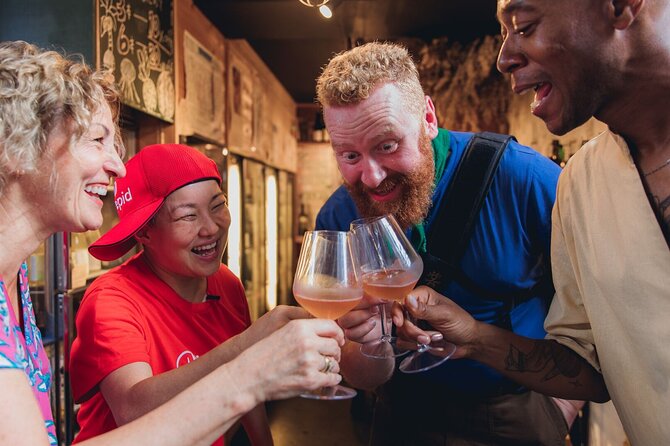
- 2 included drinks (sake, beer, or soft drinks depending on age)
- Small group size (max 8) for easier pacing and more personal attention
- Subway-supported route with 2 subway tickets included, starting in Ginza
- Night market style atmosphere, especially around Yakitori Alley and Tsukishima Monja Street
- Local-run venues only, with English-speaking guidance for menu translation
Ginza After 5 pm: How the Night Tempo Changes Everything
Tokyo is one of those cities where the evening has its own rules. After 5 pm, lights kick on, office workers start filtering into side streets, and the best food spots feel less like restaurants and more like little communities doing their daily ritual.
This tour puts you in that rhythm on purpose. You start around Ginza, one of Tokyo’s most upscale neighborhoods, then move toward places that are more about cooking and drinking than shopping. I like that you’re guided through that contrast instead of being dropped into it cold. One moment you’re orienting near Mitsukoshi Ginza, the next you’re on the way to Tsukishima for the griddle show.
The other thing I appreciate is the pacing. You have about 3 hours 30 minutes to work through a route with a moderate amount of walking. That’s long enough to feel like an actual night out, but not so long that you’re cooked by the end if you’re wearing decent shoes.
More Evening Tours in Tokyo
- Tokyo Night Foodie Tour in Shinjuku – Seasonal Sushi, Wagyu Beef
★ 5.0 · 1,161 reviews - Tokyo: Daikoku JDM Car Meet & Night Car Culture Tour
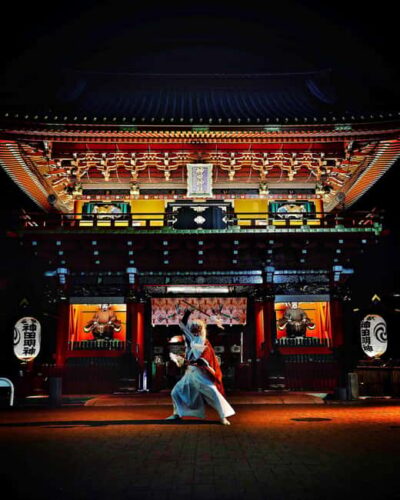
★ 4.8 · 626 reviews - Tokyo: Legend Samurai Entertainment Night in Kanda Shrine
★ 4.6 · 367 reviews
Price and Value: What You’re Really Paying For
At about $122.33 per person, this is not a “cheap bite” tour. You’re paying for three things that add real value in Tokyo:
1) Local access. The venues are described as 100% owned and run by locals, and that matters for getting food you might not find on your own.
2) Translation help. A guide is there to interpret menus and customs, which reduces stress when you’re deciding what to order.
3) Time and structure. The route uses public transport (including two subway tickets) and keeps you moving so you do not spend your night figuring out trains and entrances.
Where the price can feel less perfect is if you come expecting a heavy, detailed food lecture at every stop. Some reviews hint that communication can be uneven, depending on the guide. I also treat the food itself as part of the tradeoff: monja-yaki is a specific Tokyo flavor profile, often with lots of cabbage and seafood-like bits. If you hate that style, the value drops fast.
Stop 1: Mitsukoshi Ginza and the Wagashi Start
You meet near Mitsukoshi Ginza, by the Lion statue facing Chuo Street. It’s a solid meeting spot because it’s easy to recognize, and it’s right where Ginza nightlife starts to turn from daytime polish into evening energy.
This first stop works like a warm-up. You’ll sample wagashi, traditional Japanese sweets. That matters because wagashi teaches you something practical: Japanese desserts often aren’t about heavy sweetness. They can be subtle, seasonal, and more about texture and flavor balance than sugar overload.
A few reviewers also mention there can be a bit of “department store time,” including time waiting for elevators or seeing small details on floors you might not otherwise notice. That’s not automatically bad, but it is good to know. If you want food immediately, arrive hungry and ready to keep moving once the group starts.
Tip: if you’re the kind of person who gets impatient in indoor lines, plan to be more patient than usual here. This is Tokyo, and even “just a quick stop” can take longer because the building is busy.
Stop 2: Ginza Streets, Lights, and Possible Stationery Detours
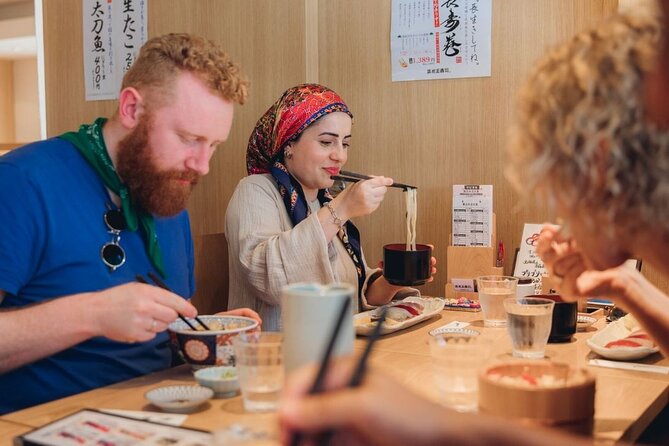
After wagashi, you stroll through Ginza’s evening lights. This is the part of the tour that helps you orient. Even if you’ve never been to Ginza, walking it with a guide makes the streets feel less like a maze.
There’s also a mention that the route may include a stop at Itoya, a famous stationery shop. This is classic Tokyo: a store that’s not only for buying pens, but for creating an atmosphere. If your group likes browsing, this can be a fun break. If you’re only in it for food, treat it as a quick palate-cleanser before the main meal-style stops.
Also, Ginza is a “camera-friendly” neighborhood, but the guide’s job is really to keep you on pace and get you to Tsukishima at the right time. So you get a slice of the upscale side without lingering there too long.
More Food Tours in Tokyo
- Tokyo: Shinjuku Food Tour (13 Dishes at 4 Local Eateries)
★ 5.0 · 6,603 reviews - Tokyo Tsukiji Fish Market Food and Culture Walking Tour
★ 5.0 · 3,184 reviews - Tokyo: Shinjuku Food Tour (15 Dishes and 4 Eateries)
★ 4.9 · 2,033 reviews - Tokyo: Tsukiji Fish Market Food and Walking tour
★ 5.0 · 1,724 reviews
Stop 3: Tsukishima Monja Street and Cooking on the Grill
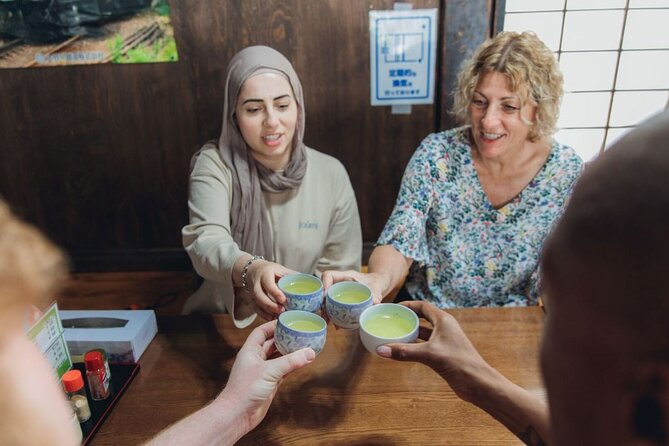
This is the heart of the tour’s identity: Tsukishima Monja Street for monja-yaki.
Monja-yaki is a pan-fried batter that’s cooked on a griddle at the table. The experience here is as important as the taste. You watch (and in some setups you learn alongside) how the mixture comes together as it sizzles. It turns a “food tasting” into a small event.
What to expect flavor-wise: monja is often cabbage-forward and includes seafood-like ingredients. One review even flags cabbage as not everyone’s cup of tea. If you love savory comfort foods with lots of vegetables, you’ll probably feel right at home. If your palate prefers cleaner, less “mixed texture” dishes, take a breath and try it once without comparing it to anything from home.
What I really like about this stop is the story and the setting. You’re in a place known for this Tokyo original, and the guide helps connect the dots so it’s not just eating, it’s understanding what you’re seeing.
Also, some guides are praised for making the route easy through Tokyo’s underground system, and for bringing the group smoothly into this Monja area. Names that came up include Yuko, and people also noted how helpful Yuki was with subway guidance.
Practical note: come with comfy shoes. Even with “only” about 1.5 hours here, the griddle area and walking inside the surrounding streets can add up.
Stop 4: Yurakucho Yakitori Alley, Sake or Beer, and Tare Sauce
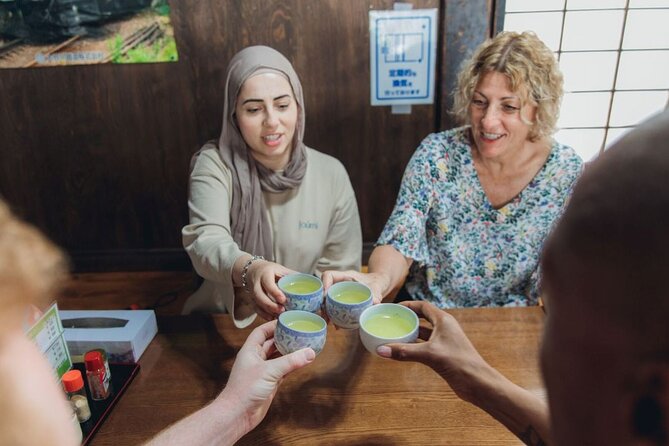
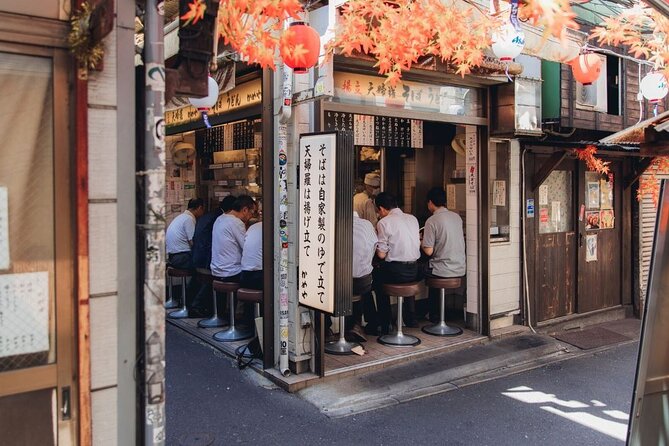
From Tsukishima you head toward Yurakucho, finishing in the Yakitori Alley area. This is the izakaya payoff stop, where the vibe shifts toward after-hours socializing. It’s more bar-like, more casual, and more about ordering, sharing bites, and sipping drinks.
You’ll have yakitori here, and the description emphasizes that each local spot can have its own tare sauce. That’s an important detail because tare is where yakitori gets its personality. Even if you think of yakitori as “just skewers,” you’ll likely taste differences in sweetness, thickness, and seasoning based on where you are.
Drinks are part of the deal, too: two local drinks included. Many tours like this offer sake or beer options, and the age rule matters. Japan’s legal drinking age is 20, so if you’re under 20 you’ll be served non-alcoholic drinks only.
One very specific detail that stood out in feedback: there can be a fun sake-pouring style where the glass sits in a small wooden box and is poured to overflow. It’s theatrical, but it also makes the moment feel special instead of just another drink stop.
Possible consideration: one review mentions chicken cartilage instead of the chicken skewers some expected. That doesn’t mean it will happen to you, but it does point to a reality of yakitori culture: the menu can include more parts than just standard breast meat. If you’re picky, ask your guide what you’re eating when the first plate shows up.
Walking, Subways, and the Small-Group Advantage
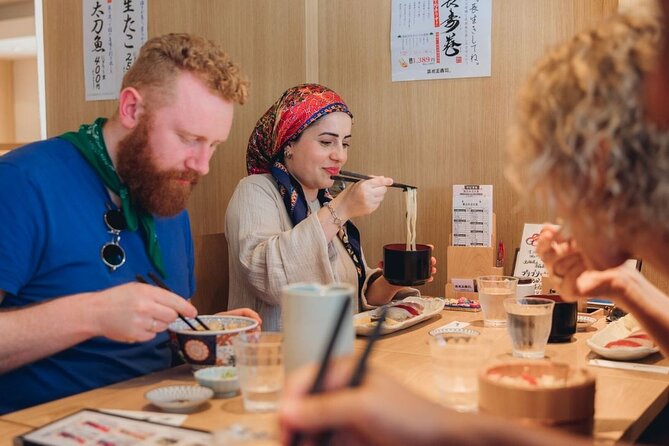
This tour caps at 8 travelers, which changes the feel. In big group tours, someone always gets left behind. In a small group, your guide can adjust pacing, and it’s easier to stay together in busier stations and alleyways.
You also get structure through transit. The tour includes taking the subway, and 2 subway tickets are included. In Tokyo, stations are big, signs are in multiple scripts, and entrances can feel random. Having someone handle the route helps you do the night right.
That said, the tour still requires a moderate amount of walking. Some reviews note stairs in department-store areas and speed between stops. So if you have mobility limits, plan on moving steadily and bring water. If you want a slow, sit-down style evening, this probably is not your best match.
About Guides: English Support and Different Styles
This is an English-guided experience, and the tour is designed to have an English-speaking guide to translate menus and explain customs. In practice, communication quality can vary by guide. Some feedback was very positive about specific guides like Shoehi, Yuki, Mizuki, Yuko, and Rocky, with mentions of clear explanations and smooth subway navigation.
Here’s my practical take: even if your guide’s English is not perfect, the group format plus the food structure should still help you enjoy the tastings. But if you care a lot about detailed commentary, try to ask a question early in the tour to set the tone.
You’ll get the best results by being active, not passive. If something looks unfamiliar, point at it, ask what it is, and then taste before deciding if it’s your style.
What Works Best For You
This tour is a great fit if you:
- Want a Tokyo night outing with a built-in plan
- Like trying new foods in a low-stress way
- Enjoy hands-on or at-table cooking moments, especially monja-yaki
- Want local drink culture without having to research every izakaya yourself
It may be less ideal if you:
- Need vegetarian, vegan, or gluten-free options (none are available on this tour)
- Strongly dislike cabbage-heavy savory dishes
- Prefer a relaxed pace with lots of sitting
- Are extremely sensitive to communication gaps in English
Also, the tour is geared for people age 12 and up, with the drink rules following the legal age requirement in Tokyo.
Practical Tips Before You Go
A few choices make a big difference:
- Wear comfortable walking shoes. You will be on your feet, and some locations involve stairs.
- Come hungry. Snacks add up across stops, but this is not a full restaurant meal where you stop and digest for long stretches.
- Keep an open mind about what yakitori can include. The tour is about authentic local skewers, not “safe chicken only.”
- If you want to remember flavors, take a quick note in your phone after each stop: sweet, salty, smoky, sauce-heavy, etc. It helps you compare later.
If you’re someone who likes planning what you’ll eat, you can still let the guide lead. You’ll get the benefit of menu translation, plus the guide can steer you toward what’s best that night.
Should You Book Tokyo After 5?
I’d book this tour if you want a structured, fun night that connects three core Tokyo food experiences: wagashi, monja-yaki, and yakitori. The small-group size, included subway support, and included drinks help it feel like real value for Tokyo evenings.
I’d pause if you have strict dietary needs, hate cabbage, or expect constant in-depth commentary. Also pause if you dislike walking fast between stops, since the route is built to cover multiple neighborhoods efficiently.
If your goal is a local-feeling night with plenty of food and a guide to handle the hard parts, this is a solid pick. Go in hungry, wear good shoes, and treat monja-yaki as the star, not an appetizer.
FAQ
How long is the Tokyo After 5 food and drink night tour?
It runs for about 3 hours 30 minutes.
What is the group size for this tour?
It has a maximum of 8 travelers.
Where does the tour start and end?
You meet at Mitsukoshi Ginza, near the Lion statue facing Chuo Street. The tour ends at Ginza Station.
What food tastings are included?
You’ll enjoy three local dishes: yakitori, monja-yaki, and wagashi.
What drinks are included?
You get two included drinks, such as sake, beer, or a soft drink.
Is alcohol served to everyone?
No. The legal drinking age in Tokyo is 20. If you are under 20, you will only be served non-alcoholic drinks.
Are vegetarian, vegan, or gluten-free options available?
No. This tour does not offer vegetarian, vegan, or gluten-free options.
Does the tour use public transport?
Yes. Public transport is included, and 2 subway tickets are part of the tour.
How much walking is involved?
There is a moderate amount of walking, and comfortable walking shoes are recommended.
What is the cancellation policy and what about weather?
You can cancel for a full refund up to 24 hours in advance. The experience requires good weather, and if it is canceled due to poor weather you will be offered a different date or a full refund.
More Evening Experiences in Tokyo
- The Dark Side of Tokyo – Night Walking Tour Shinjuku Kabukicho
★ 4.5 · 297 reviews - Tokyo: Night Foodie Tour in Shinjuku
★ 4.8 · 275 reviews - Tokyo: Daikoku JDM Car Meet & Night Car Culture Tour
★ 5.0 · 232 reviews - Yoshimoto Comedy Night OWARAI
★ 5.0 · 229 reviews
More Food & Drink in Tokyo
- Shinjuku Izakaya Food Tour
★ 5.0 · 1,041 reviews - Eat and Drink Like a Local: Tokyo Ueno Food Tour-Taverns&Ramen
★ 5.0 · 957 reviews - Tokyo: Shibuya Food Tour (13 dishes and 4 Eateries)
★ 5.0 · 770 reviews - Tokyo: Tsukiji Fish Market Food and Culture Walking Tour
★ 4.7 · 757 reviews
Newly listed around Tokyo
- Tokyo private transfer for Yokohama Port★ 4.5 · 63 reviews
- Luxury Kimono Photoshoot at Ginza Tokyo★ 5.0 · 7 reviews
- Tokyo Allstar Food Tour★ 4.5 · 206 reviews
- Tokyo Art Aquarium Museum E-Ticket with optional Tokyo Metro Pass★ 5.0 · 17 reviews
- Tokyo: Best Ginza Food Tour at 3 Local Eateries★ 5.0 · 83 reviews
- Private One Day Nikko Tour with Bilingual driver★ 3.5 · 11 reviews
- PRIVATE tour in 180SX to Daikoku+++++★ 5.0 · 6 reviews
- Kabuki Talk★ 5.0 · 10 reviews
Evening Tours in Tokyo, compared.
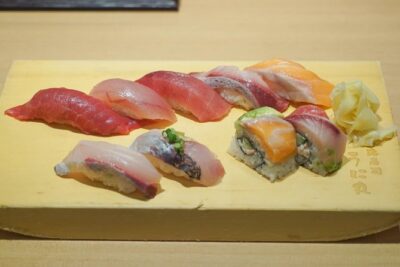
Tokyo Night Foodie Tour in Shinjuku – Seasonal Sushi, Wagyu Beef
Read our review →
Legend Samurai Entertainment Night in Kanda Shrine
Read our review →
The Dark Side of Tokyo – Night Walking Tour Shinjuku Kabukicho
Read our review →
Daikoku Car Meet Tour at Night with JDM Guides
Read our review →Browse the lists this tour appears in