Review · TOKYO TOURS
Tokyo After Dark: Savor & Sip Like a Local
Tokyo at night tastes like insider Tokyo. This 3.5-hour food-and-culture loop starts at Depachika in Ginza for wagashi and Japanese sweets, then heads to Tsukishima to try monja-yaki where the dish took root. I love the Yakitori Alley style meal and the casual way you pair skewers with local drinks. The main catch is that you walk between stops, including subway stairs, so bring solid legs.
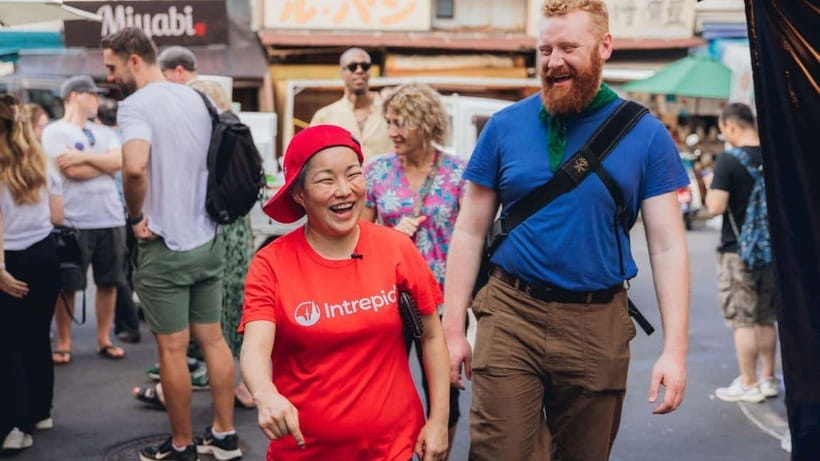
What makes it work is the guide. I like how guides such as Kirir, Snoopy (Yuki), Tsunematsu Hidenori, and Yoshi stay upbeat, answer questions clearly, and point you toward places you would otherwise miss. With a max of 8 people, you get real conversation time, not a fast shuffle through shops. And yes, I think that matters when you are learning what to look for in Tokyo food culture.
One more practical note. This tour is not built for strict dietary needs, and alcohol follows Japan’s rules, so plan accordingly if you are under 20.
In This Review
- Key highlights worth knowing
- Mitsukoshi Ginza to the first bites: where the tour begins
- Depachika in Ginza: wagashi, sweets culture, and what to expect
- Tsukishima Monja Street: monja-yaki where it all started
- Yurakucho plus Ginza Yakitori Alley: skewers and your two included drinks
- Small group, guide energy, and why Kirir, Yuki, Hidenori, and Yoshi matter
- Price and value: is $119 worth it for Tokyo after dark
- Walking, metro stairs, and how to judge your night stamina
- Food and drink rules: alcohol age, dietary limits, and practical expectations
- Should you book Tokyo After Dark: Savor and Sip Like a Local?
- FAQ
- Where does the tour start?
- Where does the tour end?
- How long is the Tokyo After Dark tour?
- What does the tour cost?
- What food tastings are included?
- What drinks are included?
- Is the tour offered in English?
- How many people are in the group?
- Are vegetarian, vegan, or gluten-free options available?
- What is the minimum age, and can everyone drink alcohol?
Key highlights worth knowing
- Mitsukoshi Ginza start point at the life-size sitting lion near Ginza Station makes meeting up unusually easy.
- Depachika tastings focus on wagashi and how these sweets fit into everyday Tokyo.
- Tsukishima Monja Street connects the dots on monja-yaki’s origin and its savory, pan-style comfort.
- Ginza and Yurakucho evening stops mix yakitori, casual drinks, and neighborhood atmosphere.
- Small group of 8 means you can ask questions while you eat, and pacing stays manageable.
Mitsukoshi Ginza to the first bites: where the tour begins
You start at Mitsukoshi Ginza department store, outside near the life-size sitting lion statue. When you head up to exit A7 of Ginza Station and come to street level, the lion should be in sight. The neighborhood around Ginza Station can feel like a maze, but this meeting point is specific, so you spend less time searching and more time eating.
The tour runs about 3.5 hours and ends back at the starting area. That loop matters. It keeps the plan tight, so you are not burning time on late-night logistics while everyone is hungry.
Also, the provider runs on a carbon neutral approach, through a B Corp certified company. It is not the kind of thing you notice while you are eating, but it is a nice extra when you care about how tours operate.
A few more Tokyo days to weigh up
- Mt Fuji and Hakone 1-Day Bus Tour Return by Bullet Train
★ 5.0 · 26,383 reviews - 1-Day Tokyo Bus Tour
★ 5.0 · 14,250 reviews - Tokyo: TOKYO SKYTREE® Admission ticket
★ 4.5 · 11,192 reviews
Depachika in Ginza: wagashi, sweets culture, and what to expect
Your first food stop centers on Ginza’s Depachika, the department-store basement floors where Tokyo does sweets like an art form. This is where wagashi fits in, plus other traditional confections that you can see lined up and boxed with real care.
What I like here is the teaching. You are not just handed bites. You get context on what you are tasting and why it is made that way, including what makes wagashi distinctive. Depachika can be overwhelming if you walk in cold, but a guided stop turns it into a guided tasting, not a shopping chore.
You will taste local sweets early in the experience, which helps you understand the flavor language before the heavier evening food. Expect a focus on traditional styles, including red bean-based sweets and mochi-style textures, since those commonly show up in wagashi tastings.
If you are hoping for a tour that feels like ordering from a menu in English, this is slightly different. It is more about learning what these sweets are, then trying a few so you can leave with a sense of taste and style.
Tsukishima Monja Street: monja-yaki where it all started
Next comes Tsukishima, tied directly to the birthplace story of monja-yaki. You do not just hear that phrase. You get to taste the dish in the place connected to it, which makes the origin claim feel practical instead of academic.
Monja-yaki is a savory, pan-fried style meal. The fun part is that it is not trying to be fancy. It is comfort food energy, cooked and served in a way that reflects how local people eat and gather.
This stop also tends to give you something other Tokyo food tours often skip. Tsukishima is not always on the first page of tourist maps, so being guided there makes it easier to justify the trek and the timing. You get to experience a neighborhood that feels like it has its own schedule and food identity, not just one attraction.
One consideration: monja-yaki and similar items can involve thicker textures and stronger savory flavors. If you do not usually enjoy pan-cooked, savory street-style foods, you might want to approach this tasting with curiosity rather than expectations of something light.
Yurakucho plus Ginza Yakitori Alley: skewers and your two included drinks
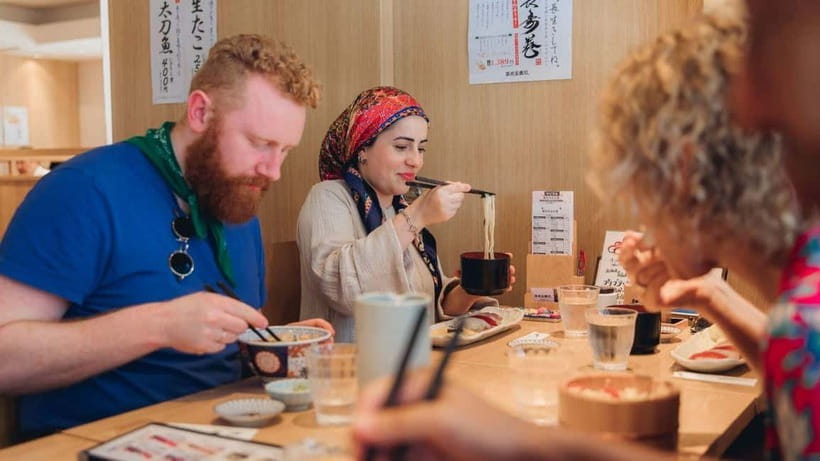
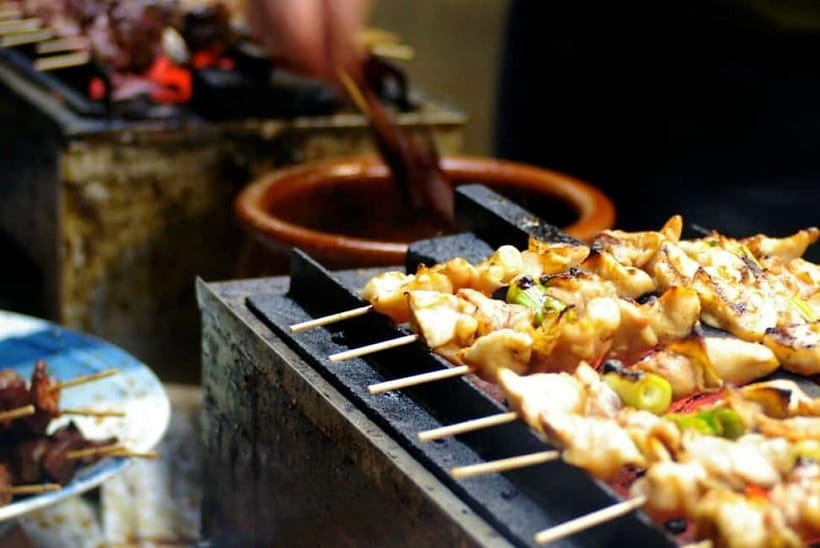
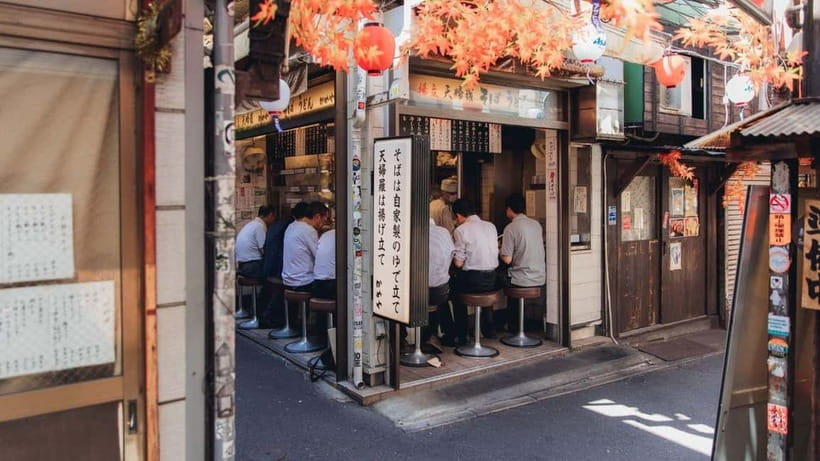
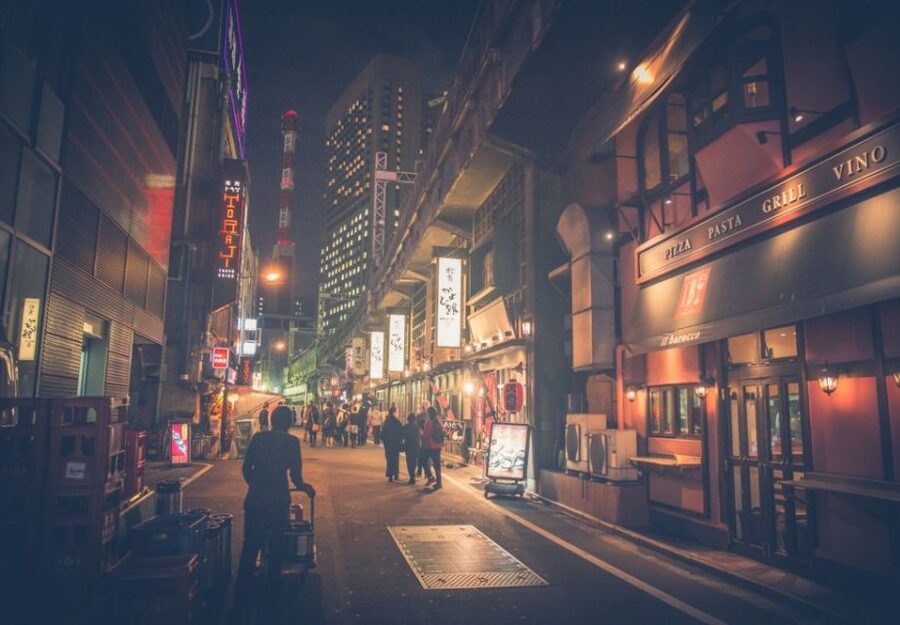
The evening moves into yakitori alley territory, with skewered chicken as the star. This is where the tour leans into classic Tokyo nightlife comfort: grilled bites, casual restaurant energy, and drinks that make the whole thing feel like a real night out.
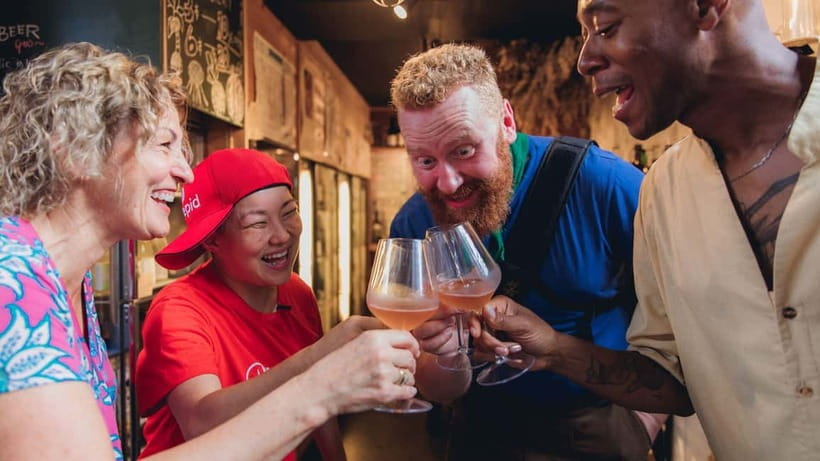
You also get two local drinks included. Depending on what your group order looks like and what the shop serves that night, that can be sake, local beer, or soft drinks. Age matters here. The legal drinking age in Japan is 20, so guests under 20 are served non-alcoholic drinks only.
What I like about pairing yakitori with drinks is that it lets you taste the food more clearly. When you are paying attention, the salt and char from grilled chicken becomes a different experience with beer or sake than it would alone.
This tour also travels between neighborhoods using metro, so the stops are connected by short travel segments rather than long, slow walks the whole time. You will still walk some, but the structure keeps it fun instead of exhausting.
A different sort of day in Japan:
- Tokyo: teamLab Planets TOKYO Digital Art Museum Entry Ticket
★ 4.6 · 9,779 reviews - Mt Fuji & Hakone Cruise, Drum Show Bullet Train 1 Day from Tokyo
★ 4.0 · 7,413 reviews - Tokyo: Sumo Show Experience with Chicken Hot Pot and a Photo
★ 4.8 · 6,678 reviews - Tokyo: Shinjuku Food Tour (13 Dishes at 4 Local Eateries)
★ 5.0 · 6,603 reviews
Small group, guide energy, and why Kirir, Yuki, Hidenori, and Yoshi matter
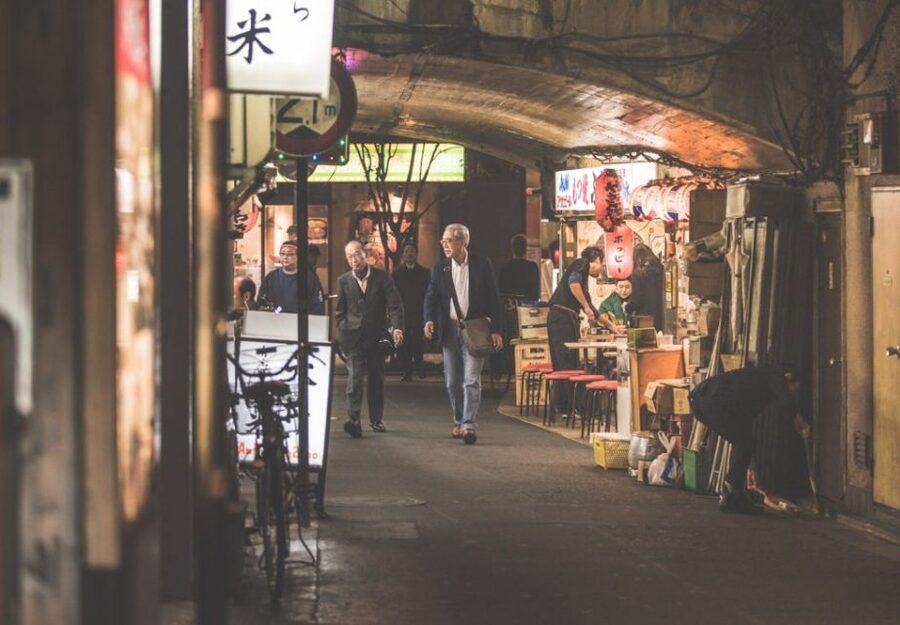
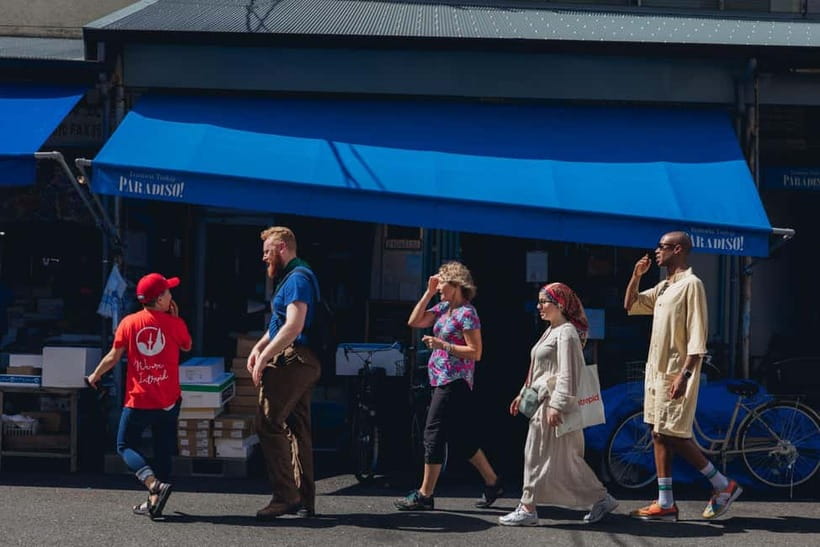
This tour caps at 8 participants, which is the difference between a food experience and a conveyor belt. A small group means your guide can explain, pause, and answer. It also means people feel free to ask the obvious questions, like what to order, what to look for on the grill, or how a sweet’s texture is made.
The guide quality shows up in the names. Kirir stood out for enthusiasm and for adding an extra touch at the end, like melon bread, while keeping the explanations engaging. Snoopy (Yuki) was noted for being patient and knowledgeable, with a fun tone and strong food choices. Tsunematsu Hidenori impressed with taking people to places locals eat and keeping the conversation lively. Yoshi also brought a good sense of pacing and choice of districts.
That might sound like trivia, but it is practical. A good guide turns a tasting into a story you can actually remember. And when you get to Tokyo and you only have a few evenings, remembering how to find places matters as much as remembering what you ate.
Price and value: is $119 worth it for Tokyo after dark
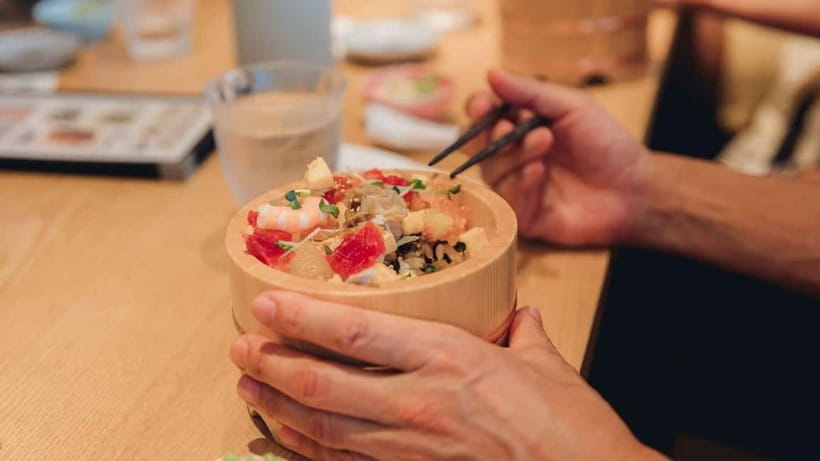
At $119 per person for a 3.5-hour outing, this is not a budget snack loop. But it can be good value if you price it like Tokyo actually works.
You get a local English-speaking guide, three tastings (yakitori, monja-yaki, and wagashi), plus two drinks. You also get public transportation support with 2 subway tickets. On top of that, the tour reduces the guesswork, especially around Depachika sweets and the more neighborhood-specific foods where you might not know what is iconic.
Could you do this on your own? Sure. You could also spend your limited time figuring out which shop is the best and where to find it, and then pay more for smaller portions. Here, the guide handles the hard parts: timing, sequencing, and access.
There are extra food and drink options available for purchase, but the included tastings are designed to get you through the evening without turning the tour into a financial surprise. You should still budget for additional bites if you get pulled into the snacks at the next stop.
The average rating of 4.3 based on 40 reviews suggests consistent quality. In my book, that lines up with what you want from a paid food tour, a reliable experience and not a chaotic roll of the dice.
Walking, metro stairs, and how to judge your night stamina
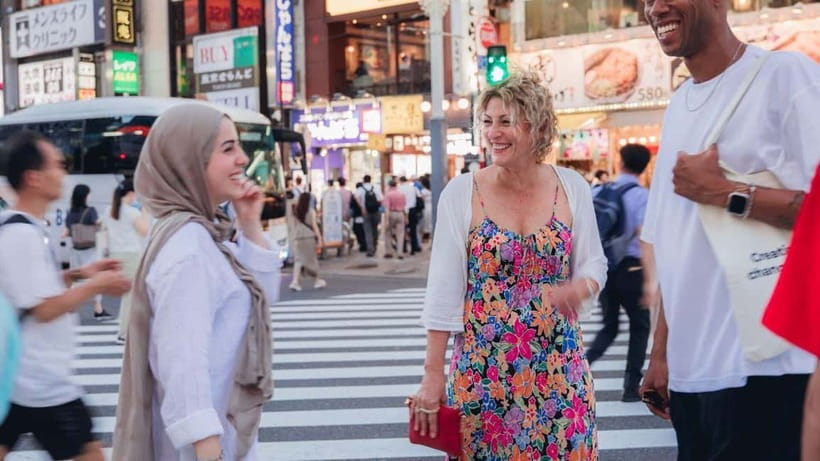
The itinerary includes metro movement between neighborhoods, and you should assume some stairs at subway stations. One downside that came up is that the walking can feel like a lot, especially if your group includes someone with mobility limits or low endurance.
This matters because the tour is short at 3.5 hours, so the pace can feel brisk. Stops are not far in Tokyo terms, but they add up when you are moving through stations and between eateries.
If you are traveling with older family members or anyone who struggles on stairs, consider whether a food crawl format is the right fit. You might still enjoy it, but plan to slow down, use elevators when available, and tell the guide if you need extra time.
I also suggest wearing shoes that work well under fluorescent basement lights and wet sidewalks. Tokyo nights can get humid or rainy, and you want comfortable footing when you are out for a few hours.
Food and drink rules: alcohol age, dietary limits, and practical expectations
You have two key constraints to know early.
First, the tour is for ages 12 and older. Alcohol is only served to people 20 and older. If you are under 20, you will still get the drink component, just non-alcoholic.
Second, this is not a custom-diet tour. Vegetarian, vegan, and gluten-free options are not available. That does not mean you will be completely out of luck on taste preference, but it does mean you should not assume substitutions.
The good news is that the food stops are structured as tastings, so you can sample without needing a full meal at each stop. The monja-yaki, yakitori, and wagashi mix is varied enough that you usually find at least one standout even if a particular sweet or savory style is not your favorite.
Also, plan on extra purchases only if you want them. The included tastings and drinks are meant to carry the experience, and then you can add on if you feel like it.
Should you book Tokyo After Dark: Savor and Sip Like a Local?
Book it if you want an organized Tokyo evening built around three real food categories: wagashi from Depachika, monja-yaki in Tsukishima, and yakitori with drinks. It is a nice choice for first-timers who want to eat first and learn as you go, and for food lovers who like neighborhood stories more than tourist checklists.
Skip or rethink it if you need vegetarian, vegan, or gluten-free accommodations, or if stairs and walking pace are big challenges for your group. Also, if you hate guided formats and prefer total freedom, this might feel structured in a way you do not enjoy.
If your goal is to leave with more than a photo, this tour is designed to help you understand what you ate and where it belongs in Tokyo eating culture. That is why people keep coming back to guides and small-group pacing for night food in Ginza and beyond.
FAQ
Where does the tour start?
The tour starts at Mitsukoshi Ginza department store, in front of the life-size sitting lion statue outside, near Ginza Station exit A7.
Where does the tour end?
The tour ends back at the meeting point in Ginza, near Mitsukoshi Ginza.
How long is the Tokyo After Dark tour?
It lasts 3.5 hours.
What does the tour cost?
The price is $119 per person.
What food tastings are included?
You get three local food tastings: yakitori, monja-yaki, and wagashi.
What drinks are included?
You get two local drinks, such as sake, beer, or a soft drink.
Is the tour offered in English?
Yes, the tour guide speaks English.
How many people are in the group?
The tour is a small group limited to a maximum of 8 participants.
Are vegetarian, vegan, or gluten-free options available?
No. Vegetarian, vegan, and gluten-free options are not available on this tour.
What is the minimum age, and can everyone drink alcohol?
The tour is for travelers 12 and older. In Japan, the legal drinking age is 20, so under-20 guests are served non-alcoholic drinks only.
Newly listed around Tokyo
- Tokyo private transfer for Yokohama Port★ 4.5 · 63 reviews
- Luxury Kimono Photoshoot at Ginza Tokyo★ 5.0 · 7 reviews
- Tokyo Allstar Food Tour★ 4.5 · 206 reviews
- Tokyo Art Aquarium Museum E-Ticket with optional Tokyo Metro Pass★ 5.0 · 17 reviews
- Tokyo: Best Ginza Food Tour at 3 Local Eateries★ 5.0 · 83 reviews
- Private One Day Nikko Tour with Bilingual driver★ 3.5 · 11 reviews
- PRIVATE tour in 180SX to Daikoku+++++★ 5.0 · 6 reviews
- Kabuki Talk★ 5.0 · 10 reviews
Tokyo Tours, compared.
Mt Fuji and Hakone 1-Day Bus Tour Return by Bullet Train
Read our review →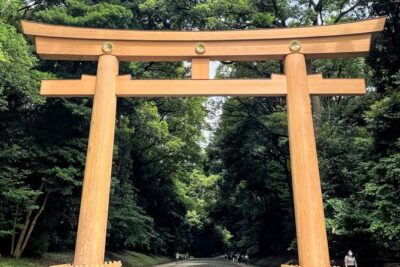

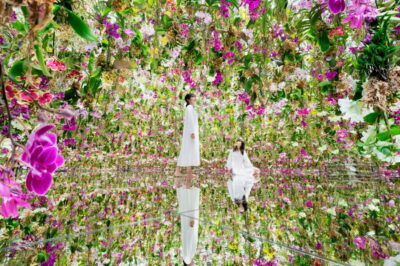
teamLab Planets TOKYO Digital Art Museum Entry Ticket
Read our review →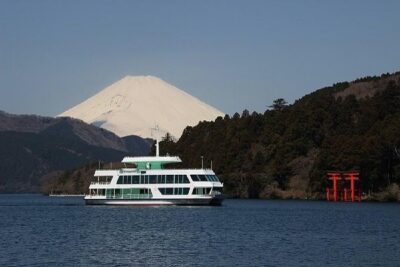
Mt Fuji & Hakone Cruise, Drum Show Bullet Train 1 Day from Tokyo
Read our review →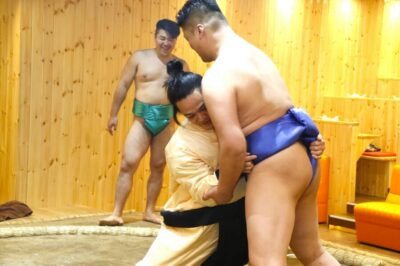
Sumo Show Experience with Chicken Hot Pot and a Photo
Read our review →
Shinjuku Food Tour (13 Dishes at 4 Local Eateries)
Read our review →