
Review · SHRINE & TEMPLE VISITS
Tokyo: Asakusa and Tokyo’s Oldest Temple Senso-ji Tour
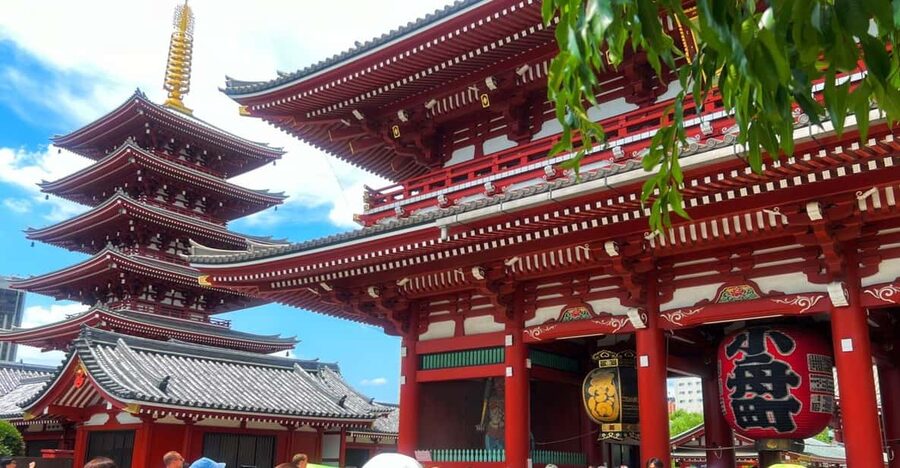
Tokyo’s oldest temple draws you in fast. This 2-hour Asakusa walking tour takes you from the Kaminarimon gate through Senso-ji and into the surrounding old lanes with a local, story-filled guide. I especially like how the guides bring the neighborhood to life, and I also like the small group size that keeps things easy to follow. The main drawback is that the area gets crowded, so you will still need to be patient while you take photos and walk through the flow.
You meet at a very clear landmark, Starbucks near Asakusa Station, and the pacing is tight enough to fit into a packed Tokyo schedule. If you want an efficient first taste of old Tokyo with practical temple context, this tour hits the sweet spot. If you’re hoping for a deep, hours-long temple study or a full-food crawl, plan to pair this with extra time on your own.
In This Review
- Key highlights worth showing up for
- Senso-ji and Asakusa, the old Tokyo you can actually walk
- Where the tour starts, and how to stay un-rushed
- Kaminarimon Gate: the classic photo stop, with meaning behind it
- Nakamise Street: snacks, souvenirs, and the right kind of shopping time
- Inside Sensō-ji: where a guide changes your understanding
- Asakusa Shrine: a calmer stop that adds variety
- What the English guide is really doing for you
- Price and value: why $14 works for what you get
- Who this tour suits best
- Making the most of the 2 hours in Asakusa
- Should you book the Asakusa and Senso-ji tour?
- FAQ
- How long is the Tokyo Asakusa and Senso-ji tour?
- How much does the tour cost?
- Where do we meet for the tour?
- Is the tour guide available in English?
- What group size should I expect?
- What is included in the price?
- Can I cancel and get a refund?
- Do I need WhatsApp to meet the group?
Key highlights worth showing up for
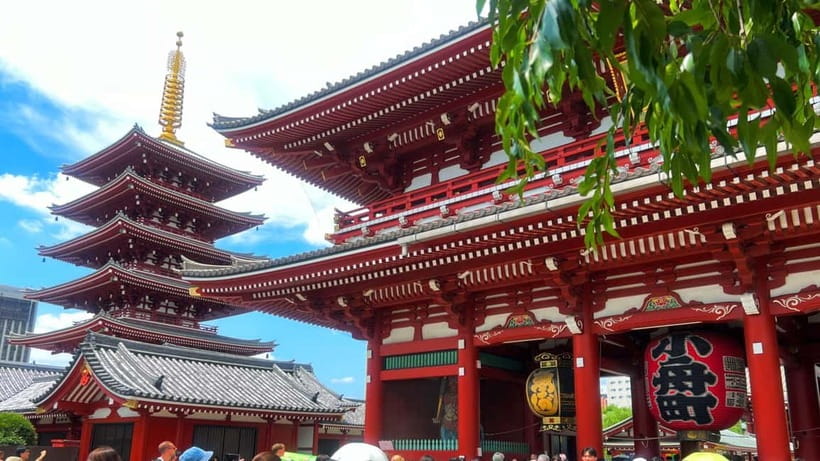
- Senso-ji, founded in the 7th century, with guide-led context that makes the sights click
- Kaminarimon and Nakamise Street timed for seeing the icons without turning it into a photo marathon
- Asakusa Shrine stop adds variety beyond the main temple crowd
- Small group size (max 10) so you stay together and don’t lose the thread
- English-language live guide who explains customs and answers questions
- Local recommendations for food and souvenirs, mentioned by guides such as Shino and Embla
Senso-ji and Asakusa, the old Tokyo you can actually walk
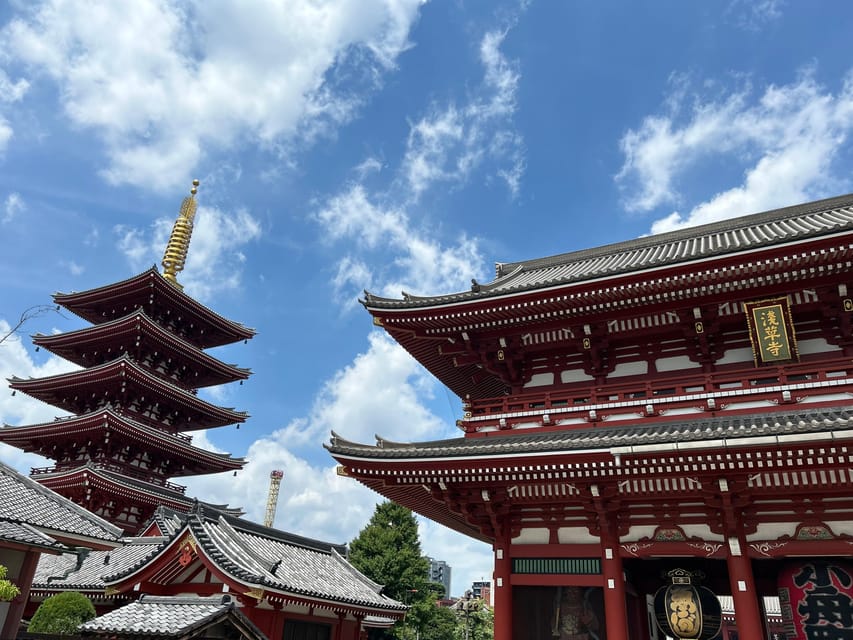
Asakusa is one of those Tokyo areas where you feel the city’s older rhythm, even while modern life hums in the background. Senso-ji is the big reason. It’s one of Tokyo’s oldest Buddhist temples, with origins that go back to the 7th century, so you’re not just touring a pretty landmark. You’re standing in a place that has shaped how people gather, pray, celebrate, and move through the city for centuries.
What I love about this tour is that it doesn’t treat Senso-ji like a checklist item. The experience is built around stories and context, the kind that helps you interpret what you’re seeing: the gate, the crowds, the flow of visitors, and the way the neighborhood supports the temple’s daily presence. Your guide also shares details about how Asakusa evolved, from earlier eras tied to Edo-era Tokyo through to later rebuilding and recovery.
One more thing: you’re not just standing still at the temple. You’re walking through Edo-era style lanes and stopping in key spots. That matters because it gives you a sense of orientation. After 2 hours, you’ll know where you are, what to prioritize next, and how to enjoy the rest of Asakusa without feeling lost.
More Shrine & Temple Visits in Tokyo
- Tokyo: Meiji Shrine, Asakusa, Skytree Bus Tour and Cruise
★ 4.7 · 1,986 reviews - Tokyo: Asakusa Walking Tour with Sensoji Temple Visit
★ 4.8 · 1,583 reviews - Nikko: Kegon Falls, Lake Chuzenji & Toshogu Temple
★ 4.6 · 1,577 reviews
Where the tour starts, and how to stay un-rushed
The meeting point is simple and easy to find: in front of Starbucks closest to Asakusa Station. There’s even a set of coordinates provided (35.71194609999999, 139.7979446), which is handy if you like navigating with maps instead of guesswork.
A small practical note that really helps: you’re asked to download WhatsApp before meeting. That’s not just for show. It’s there so the group can connect smoothly, which becomes important in a station area where people tend to stream in every direction.
Because the tour is only 2 hours, you want to start on time and ready to walk. Wear comfortable shoes. This is a walking tour, and the key stops are close but not always on empty streets. When the crowd thickens near famous sights, you’ll be glad you’re not wearing blister-producing footwear.
Kaminarimon Gate: the classic photo stop, with meaning behind it
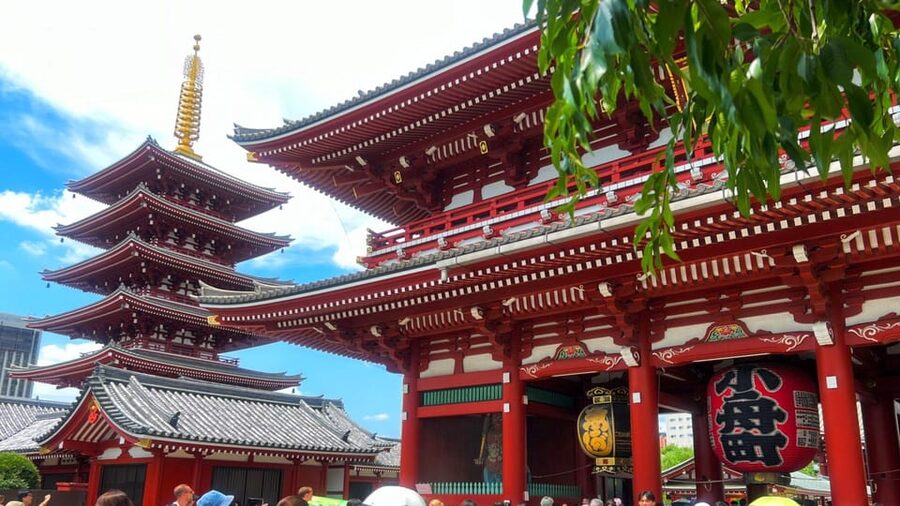
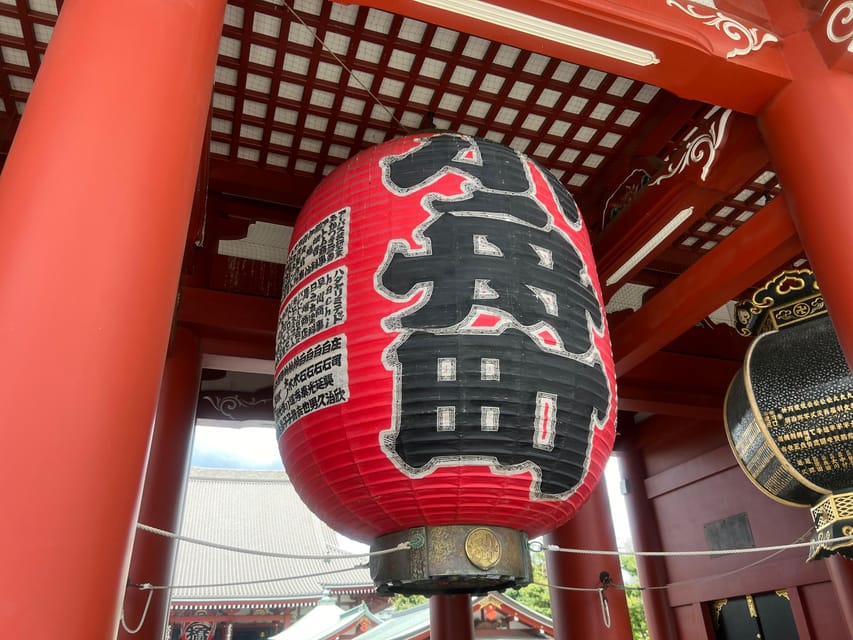
Your route includes Kaminarimon as a photo stop with guided time (about 30 minutes). This is the thunder gate area, and it’s one of those spots where the structure is so iconic it almost feels like the rest of Asakusa is built to lead you here.
The reason this stop is more than a photo opportunity is what your guide does with it. A good guide can help you see the gate and the temple approach as part of a tradition, not just as a backdrop for selfies. You’ll get context for what the temple is, why the gate matters, and what to expect from the visitor flow.
There’s also a real-world benefit to going here with a guide. Even when you’re surrounded by people, you’ll know where to stand, when to move, and how to keep the walking pace manageable. That matters because Asakusa can feel overwhelming if you’re trying to do everything solo.
Possible consideration: Kaminarimon is busy. If you need wide, open space to take photos, you might find yourself waiting for a gap. That’s normal for the area. The best strategy is to go with the flow and focus on timing rather than frustration.
Nakamise Street: snacks, souvenirs, and the right kind of shopping time
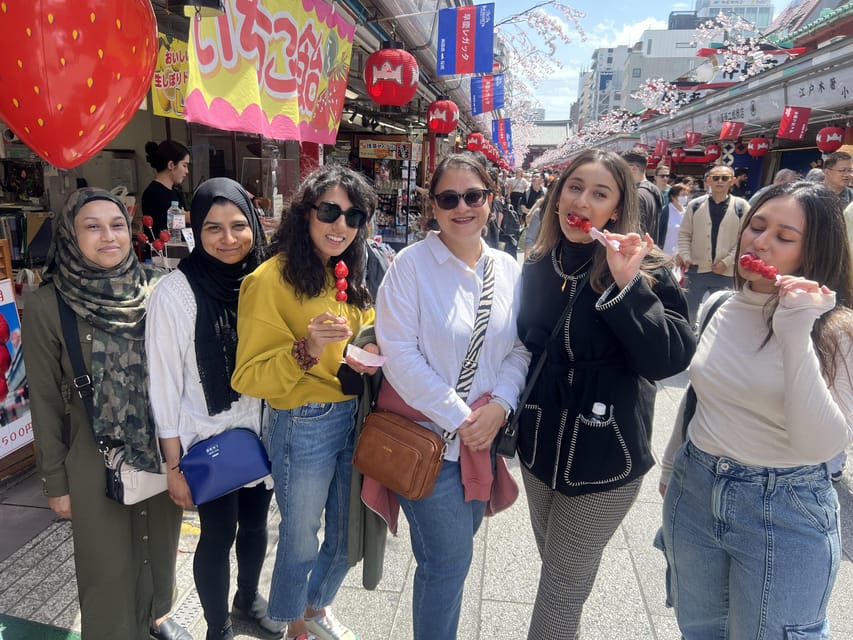
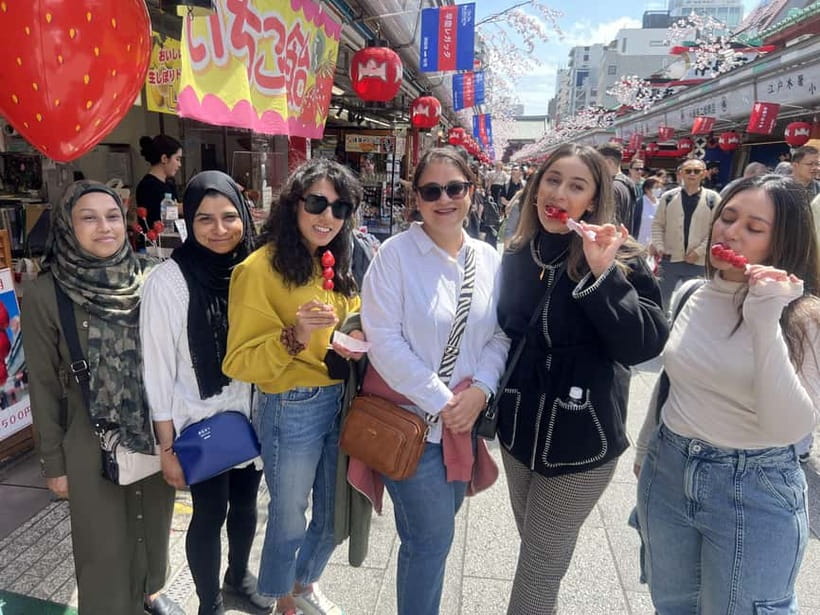
Next up is Nakamise Shopping Street, scheduled for about 20 minutes with guided time. This is the lane where the smell of sweets and street snacks mixes with the buzz of shoppers. It’s also where a lot of first-time visitors get stuck. They arrive with big energy, but they don’t know what to prioritize or how to approach it.
This tour helps because your guide can steer you toward thoughtful choices. In the feedback you’ll see repeated praise for guides giving recommendations for what to eat and what to bring home with authentic meaning. That’s the difference between buying souvenirs that look good and buying ones that actually connect to the place.
Practical tip: keep your eyes open for what you’d want later, not just what looks tempting in the moment. If you find a snack you love, it can be worth noting where you bought it so you can return. If you find a souvenir you really like, don’t assume you’ll remember the stall. Nakamise is long enough that your future self might not thank you for winging it.
Also, since this is time-boxed, you won’t feel like you’re stuck in a shopping maze for the whole tour. You get the street experience, you get the context, and then you move on to the temple.
More Shrine and Temple visits in Tokyo:
- Tokyo: Nikko Toshogu Shrine and Kegon Waterfall Tour
★ 4.5 · 1,266 reviews - Tokyo Panoramic 1 Day: Meiji Shrine, Asakusa, Odaiba and SKYTREE®
★ 4.5 · 1,222 reviews - Asakusa Senso-ji Temple and Old Tokyo Walking Tour
★ 5.0 · 560 reviews - Tokyo: Zen Meditation at a Private Temple with a Monk
★ 5.0 · 510 reviews
Inside Sensō-ji: where a guide changes your understanding
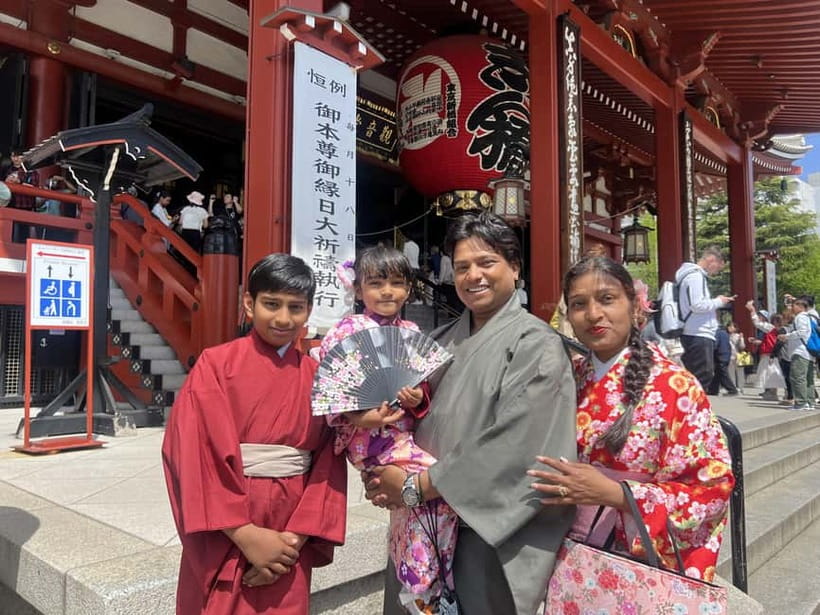
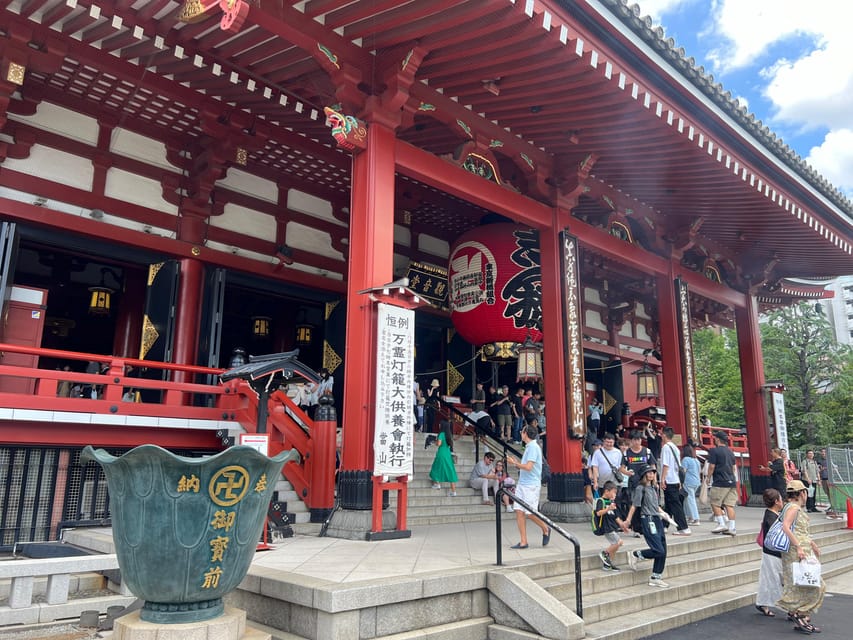
The heart of the tour is Sensō-ji Temple (about 30 minutes, including a photo stop and guided walk). This is where the tour earns its value. When you enter a temple like this, it’s easy to focus only on what looks dramatic. A guide shifts you toward understanding what you’re seeing and how people engage with the space.
You can expect explanations around the temple’s significance and traditions. Many guides who lead this kind of tour are praised for teaching people how to approach the temple respectfully, and for answering questions without rushing. You’ll also hear Buddhist and cultural context that helps you move past the postcard version of Senso-ji.
If you’ve never visited a Japanese temple before, this part matters even more. Customs can be confusing at first. A guide helps you avoid that awkward moment of not knowing where to stand or what to do. The goal is not to make it stiff. It’s to make it feel natural, respectful, and meaningful.
One consideration: because the temple is a major draw, you will still encounter crowds. That doesn’t ruin the experience, but it does mean you should keep your expectations flexible. You’re there to understand and experience, not to find a quiet, private moment.
Asakusa Shrine: a calmer stop that adds variety
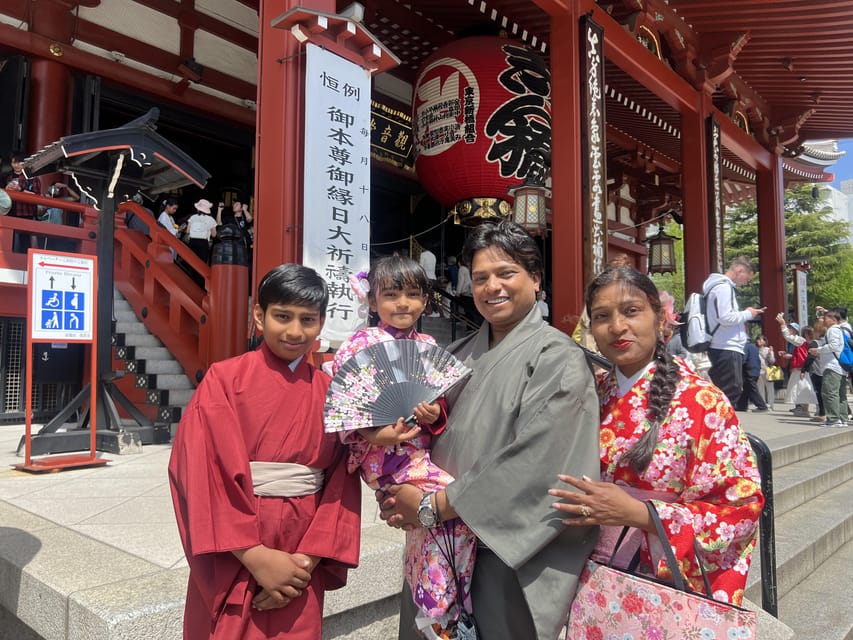
After Senso-ji, you head to Asakusa Shrine for about 30 minutes, including a photo stop and guided time. This is a smart addition because it changes the mood. Senso-ji can feel like the main event, while the shrine stop gives you a different perspective on worship and shrine life in the area.
You’ll likely get more context about how shrines work, how people observe rituals, and what to look for beyond the obvious sights. Guides tend to focus on practical details, like how to interpret what’s happening around you and why certain behaviors are common.
From a value standpoint, this stop also helps you avoid that common first-visit problem: doing the main landmark and then leaving with the feeling that you barely scratched the surface. The shrine stop makes the tour feel more complete, and it gives you extra visuals to remember.
Crowds can be less intense than at Senso-ji depending on the day and time. Even if it’s still busy, the shrine environment tends to feel a bit more focused and less chaotic.
What the English guide is really doing for you
A tour like this rises or falls on the guide. The operator here runs English-language live guides, and the small group format means your guide can actually manage questions and pacing.
Names show up in the feedback, and they reveal the kind of service you’re likely to get. Shino is highlighted for being born and raised in Tokyo and sharing spots locals know, plus recommendations for places to eat and souvenirs with authentic meaning. Embla is praised for being organized and clear, including sending helpful info in advance, and for keeping the pace easy to follow with a small group. There’s also strong praise for guides like Nicolas, Joe, Nicolas, and Yota for storytelling and for making the experience feel smoother and more personal rather than rigid.
What does that mean for you? It means you’re less likely to leave with only surface impressions. You’ll understand how Asakusa got shaped into what it is now, and you’ll know what parts deserve your time after the tour ends.
Price and value: why $14 works for what you get
At $14 per person for a 2-hour small-group walk, this is one of the more affordable ways to get an organized introduction to Tokyo’s traditional side.
Here’s why the value is real, not just marketing math:
- You get a live English guide, not an audio app.
- The tour includes admission related to Senso-ji and the Asakusa area experience in the plan.
- You also get structured time for Kaminarimon, Nakamise, and Asakusa Shrine, so you’re not spending your limited first-day hours figuring out logistics.
If you’ve ever tried to “DIY” this area on your first day, you know the trap. You can absolutely do it without a guide, but you’ll likely spend time stumbling, asking strangers, and missing the stories that make the sights meaningful. This tour compresses that learning curve into a short, manageable morning or afternoon block.
Possible consideration: because the tour is short and priced low, you’re not going to get a full day of content. Think of it as a smart orientation and story starter. Then you can choose what to repeat, what to explore nearby, and what to skip.
Who this tour suits best
This tour is a great fit if:
- It’s your first time in Tokyo and you want old Tokyo context without committing to a long schedule.
- You want a small group experience where you stay together and can ask questions.
- You care about how temples and shrines work, including respectful ways to participate.
- You like practical recommendations, especially for food and souvenirs, the kind that connects to the neighborhood rather than generic guidebook picks.
It might not be the best fit if:
- You need quiet time and zero crowding, because these spots are popular.
- You’re looking for a deep archaeological or academic-level history session. This is guided storytelling and interpretation, not a lecture.
- You’re trying to cover Asakusa plus multiple other neighborhoods in one go. The time is tight, but it also works best when Asakusa is the focus.
Making the most of the 2 hours in Asakusa
This is a short walk, so your mindset matters.
I’d do three things:
- Ask questions when they pop up. The guide is live, and small groups make it easier for your answers to actually fit your interest.
- Take photos at the planned photo stops, then watch what’s around you. The best memories often come from the moments between the shots.
- Save energy for Nakamise. That’s where you’ll spot the most tempting snacks and souvenirs. If you’re hungry, plan for that mentally.
Also, set your expectation for how fast you’ll move. It’s not a slow stroll all the way. It’s paced. The payoff is that you cover the icons and the key context without wasting time.
Should you book the Asakusa and Senso-ji tour?
I’d book it if you want a smart first visit to Asakusa that helps you understand what you’re seeing, not just where you’re standing. The combination of Senso-ji, Kaminarimon, Nakamise Street, and Asakusa Shrine in a tight 2-hour format is exactly the kind of value that works well in a busy Tokyo itinerary.
If you hate crowds or you’re in a mood for long, slow wandering, you might prefer to explore Asakusa on your own at a different time. But if you want an organized, English-friendly introduction with guides like Shino or Embla who focus on local insights and clear guidance, this is a strong pick.
FAQ
How long is the Tokyo Asakusa and Senso-ji tour?
It lasts 2 hours.
How much does the tour cost?
The price is $14 per person.
Where do we meet for the tour?
You meet in front of Starbucks closest to Asakusa Station. The coordinates are 35.71194609999999, 139.7979446.
Is the tour guide available in English?
Yes. The tour is conducted in English.
What group size should I expect?
The tour is a small group, limited to 10 participants.
What is included in the price?
The tour includes a guide and a walking tour, plus admission related to Asakusa and Senso-ji Temple, and the Nakamise Shopping Street stop.
Can I cancel and get a refund?
Yes. There is free cancellation up to 24 hours in advance for a full refund.
Do I need WhatsApp to meet the group?
The meeting instructions ask you to download WhatsApp before the tour so you can meet up smoothly.
Newly listed around Tokyo
- Tokyo private transfer for Yokohama Port★ 4.5 · 63 reviews
- Luxury Kimono Photoshoot at Ginza Tokyo★ 5.0 · 7 reviews
- Tokyo Allstar Food Tour★ 4.5 · 206 reviews
- Tokyo Art Aquarium Museum E-Ticket with optional Tokyo Metro Pass★ 5.0 · 17 reviews
- Tokyo: Best Ginza Food Tour at 3 Local Eateries★ 5.0 · 83 reviews
- Private One Day Nikko Tour with Bilingual driver★ 3.5 · 11 reviews
- PRIVATE tour in 180SX to Daikoku+++++★ 5.0 · 6 reviews
- Kabuki Talk★ 5.0 · 10 reviews
Shrine & Temple Visits, compared.
Fushimi Inari, Kinkakuji, Bamboo Grove 1 Day Bus Tour
Read our review →
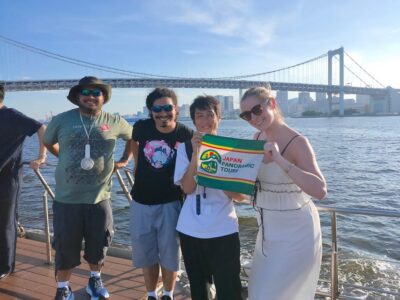
Meiji Shrine, Asakusa, Skytree Bus Tour and Cruise
Read our review →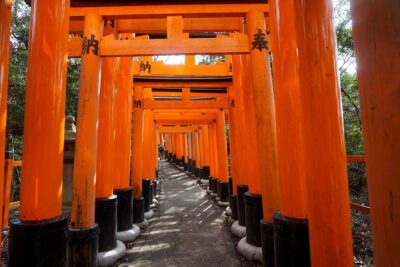
Fushimi Inari Hidden Hiking Tour (Private Option Available)
Read our review →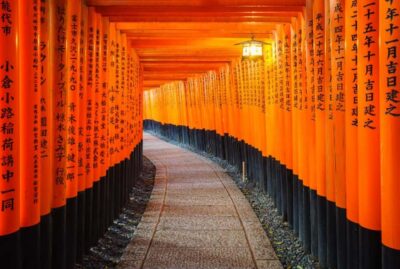
Osaka/Kyoto:Kinkakuji,Arashiyama,FushimiInariShrine,NaraPark
Read our review →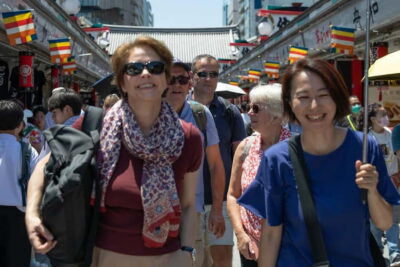
Asakusa Walking Tour with Sensoji Temple Visit
Read our review →
Nikko: Kegon Falls, Lake Chuzenji & Toshogu Temple
Read our review →
Kamakura & Enoshima Day Trip including Temple Tickets
Read our review →Browse the lists this tour appears in