Review · TOKYO TOURS
Tokyo Asakusa Rickshaw Tour
Asakusa from a rickshaw feels like time travel. I love the customizable route that matches what you care about, and I love the mix of shrines and temples that explains how Shinto and Buddhism coexist in the same neighborhood. A short ride can turn into a personal tour of old Tokyo, not a one-size-fits-all checklist.
You start on your own at Asakusa Station, then meet your guide and head out for a ride that can run from about 30 minutes to up to 3 hours. I also like that guides often bring a fun, chatty tone, with names like Issy, Micchy, Kei, and Koko showing up repeatedly in the experience you hear about, including great pacing and photo stops.
One possible drawback: the rickshaw ride can be snug, and rickshaws are not allowed inside the Sensoji Temple area, so you may need to walk near the busiest sights.
In This Review
- Key things that make this Asakusa rickshaw tour worth it
- Why Asakusa changes when you sit low and move slow
- Price and comfort: what $42.90 buys you
- Mapping your route around Edo-era streets and garden pauses
- Ushijima Shrine and Honryuin Matsuchiyama Shoden: the meaning behind the details
- Ushijima Shrine
- Honryuin Matsuchiyama Shoden
- Imado Shrine, manekineko cats, and the smaller stops that make the tour feel personal
- The Sensoji area rule, and how it changes what you’ll actually see
- Sumida Park, cherry blossoms, and Skytree photo views
- Raccoon street and an old amusement park
- Picking your time window: 30 minutes versus a full 3 hours
- Where it ends, and why your requested drop-off matters
- Who should book this Asakusa rickshaw tour
- Should you book this Asakusa rickshaw tour?
- FAQ
- How long is the Tokyo Asakusa rickshaw tour?
- How much does the tour cost?
- Where do I meet, and where does the tour end?
- What is included in the price?
- Are food and drinks included?
- Can the rickshaw go into the Sensoji Temple area?
- Are admission tickets included for shrines and temples?
- What are the child rules for the rickshaw?
- Do they offer an English-speaking guide?
- What happens if the weather is bad?
Key things that make this Asakusa rickshaw tour worth it
- Custom stops for your interests, not a rigid script
- Shrine-to-temple context, including why radishes and lanterns show up at Honryuin Matsuchiyama Shoden
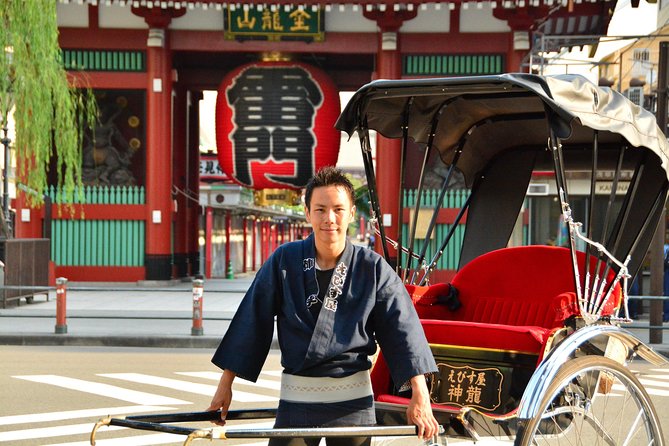
- A real rickshaw experience, with drivers who work hard to keep it fun and safe in tight streets
- Skytree photo moments across the Sumida River, plus a calm park break
- No rickshaw inside Sensoji, which affects how close you get to the main temple streets
- Warm touches on cool days, plus a reputation for friendly, high-energy guiding
Why Asakusa changes when you sit low and move slow
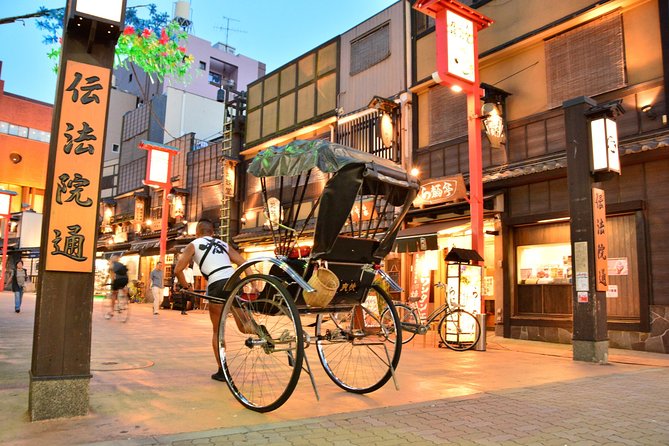
Asakusa is one of those neighborhoods where Tokyo’s old and new sit side by side. One minute you’re looking at Edo-era storefront facades and the next you’re catching glimpses of modern business life. A rickshaw slows everything down. Instead of power-walking from one landmark sign to the next, you glide past street scenes at a human pace, which makes the details easier to notice.
That pacing matters in Asakusa. The charm is not just the big-ticket temples. It’s the smaller lanes, the garden corners, the tucked-away shrines, and the little themed streets that feel like Tokyo’s sense of humor got preserved in amber. The tour structure supports that, because you tell your guide what you want to see first, and they adjust the route through the area.
I also like how the tour frames Asakusa as more than sightseeing. You’re getting background on what you’re seeing, including Shinto shrines located on temple grounds, and the differences in practice between Shinto and Buddhism. Even if you don’t read a lot of plaques, this kind of guidance helps the neighborhood “click.”
A few more Tokyo days to weigh up
- Mt Fuji and Hakone 1-Day Bus Tour Return by Bullet Train
★ 5.0 · 26,383 reviews - 1-Day Tokyo Bus Tour
★ 5.0 · 14,250 reviews - Tokyo: TOKYO SKYTREE® Admission ticket
★ 4.5 · 11,192 reviews
Price and comfort: what $42.90 buys you
At $42.90 per person, this is not a bargain-bus tour, but it’s also not trying to be a luxury-only experience. You’re paying for three things: a local rickshaw driver, the rickshaw ride itself, and a guide who shapes the stops around you. The group-discount angle and mobile ticket option also help if your plans line up with group travel.
Comfort is the practical issue to think about. The rickshaw fits two adults, but the seat width is about 29.1 inches (74 cm). That can feel snug for bigger frames or if you’re sharing with someone who needs more space. If you’re between sizes, you might prefer booking one rickshaw per person for a smoother ride. The tour also notes that if two adults do not both fit in one rickshaw, an additional rickshaw may be required, and availability is not guaranteed if you wait.
One more comfort note from the experience feedback: this ride can come with warm touches like seatwarmers and rugs, and guides sometimes help you stay dry if weather turns. That’s a small thing, but it changes how enjoyable the tour feels if you’re touring in cooler months or during light rain.
Mapping your route around Edo-era streets and garden pauses
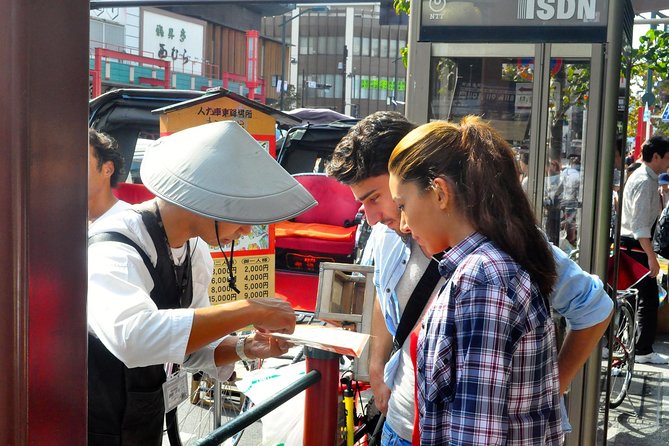
The tour starts outside Asakusa Station at 1-chōme-1-4 Asakusa, Taito City, Tokyo. From there, you meet your guide and climb into your rickshaw. The ride then becomes a set of neighborhood loops, with stops that can vary depending on the option and how your guide prioritizes your interests.
In general, you’ll experience:
- Historic street scenes with Edo-period housing facades and older storefront rhythms
- A garden break where you can slow down, look for details, and take photos without feeling rushed
- A Sumida River rhythm, including a park stretch where you can rest and enjoy skyline views
Because it’s customizable, you’re not stuck with one “must-see” order. If you care more about religious sites, your guide can lean that way. If you care more about street culture and photo stops, you can nudge the route in that direction. The end point is also flexible. Your tour ends at a nearby location of your choosing, and you discuss it directly with your guide.
Just keep one practical expectation in mind: the best parts of Asakusa are narrow and sometimes crowded. That affects how close you can get by rickshaw and where you might walk a bit.
Ushijima Shrine and Honryuin Matsuchiyama Shoden: the meaning behind the details
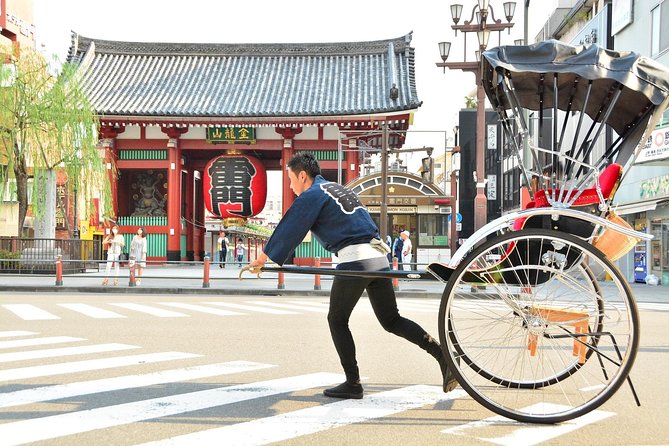
If you want your Asakusa tour to feel like more than photos, this part is where it happens.
A different sort of day in Japan:
- Tokyo: teamLab Planets TOKYO Digital Art Museum Entry Ticket
★ 4.6 · 9,779 reviews - Mt Fuji & Hakone Cruise, Drum Show Bullet Train 1 Day from Tokyo
★ 4.0 · 7,413 reviews - Tokyo: Sumo Show Experience with Chicken Hot Pot and a Photo
★ 4.8 · 6,678 reviews - Tokyo: Shinjuku Food Tour (13 Dishes at 4 Local Eateries)
★ 5.0 · 6,603 reviews
Ushijima Shrine
This is a Shinto shrine stop where you can spot something unusual right away: a gate with three entrances instead of a standard one. That kind of detail is exactly why guided context helps. Without the explanation, you might notice it as a design quirk. With the explanation, it becomes part of the shrine’s identity.
The timing on this stop is roughly 15 minutes, and admission tickets are not included. In other words, you plan for your guide to cover the meaning and you can decide on any ticketed areas on the spot.
Honryuin Matsuchiyama Shoden
This stop is a Buddhist temple, part of the Sensoji temple network. The tour focuses on a memorable visual theme: why radishes show up so often and why they’re painted on lanterns. It’s the sort of local symbolism that’s easy to miss if you’re just passing through.
Again, about 15 minutes is typical, and admission tickets are not included. Even if you skip any ticketed entry areas, the stories connected to the visuals tend to make the walk feel intentional.
Imado Shrine, manekineko cats, and the smaller stops that make the tour feel personal
Imado Shrine is another Shinto stop, and it’s known for cat figurines, especially the manekineko, the beckoning cat. When you travel in Japan, cats show up constantly, but in Asakusa they feel like more than decoration. They’re tied to the place, the mood, and the kind of everyday superstition that makes the neighborhood feel lived-in rather than staged.
This stop is also listed around 15 minutes, with admission tickets not included. Even if your cat interest is mild, the visual repetition makes it a great photo stop, especially because you can frame it with the surrounding street textures.
Two other “small but fun” areas you may run into depending on your route:
- A historic entertainment district core, where you can connect the neighborhood’s past with what’s around you today
- The Rokku Street retro district, tied to an entertainment era when cinema and theatres drew crowds before the war
These are the kinds of stops that help Asakusa feel like a real neighborhood with layers, not only a religious sightseeing circuit.
The Sensoji area rule, and how it changes what you’ll actually see
This is the one logistical detail that can affect expectations. The tour states that no rickshaw ride is allowed in the Sensoji Temple/Asakusa Temple area, including temple buildings, temple grounds, and Nakamise shopping street.
So you can still visit and learn about the Sensoji neighborhood in the overall plan. But you should understand that you will not be carried directly inside the busiest temple blocks by rickshaw.
Instead, the tour includes a few structured temple-adjacent moments, like walking past the colorful and bright gate leading to Sensoji and seeing how Shinto and Buddhism coexist in the broader area. You may also get stops at shrines on temple grounds, where the guided explanation does the heavy lifting.
If your main priority is being as close as possible to the Sensoji main street without walking, you’ll want to choose your route priorities carefully and trust your guide on where rickshaw access ends.
Sumida Park, cherry blossoms, and Skytree photo views
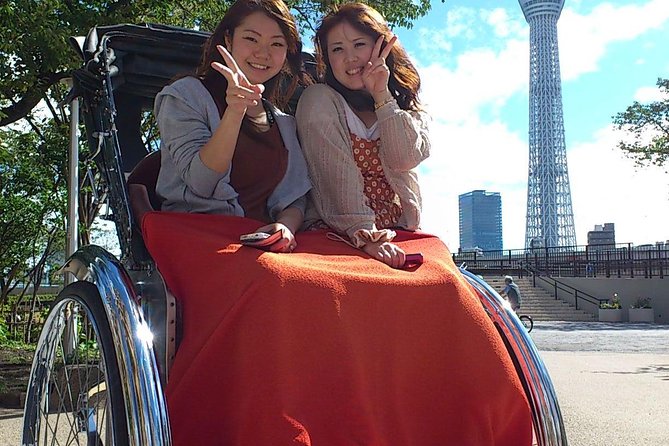
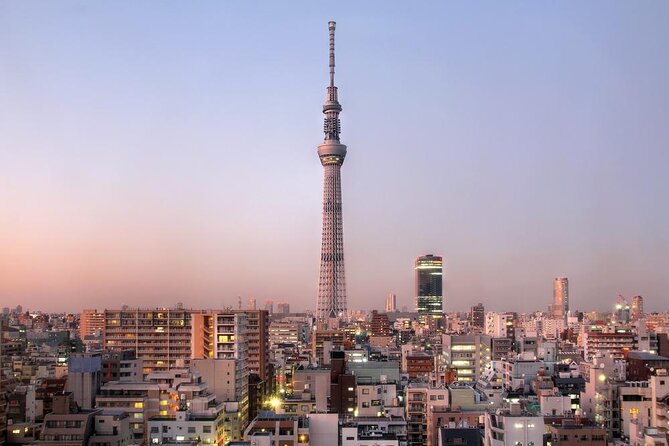
One of the most reliable “Tokyo wow” moments on this ride is the view across the Sumida River. The tour specifically includes an excellent view spot for the Tokyo Skytree across the river, a solid photo location.
Timing here helps. On clearer days, that view feels like a clean contrast: old Asakusa culture on one side, Tokyo’s tallest landmark energy on the other. In spring, the Sumida Park stretch can be a cherry blossom bonus. Even if you’re not there in peak bloom, the park is still a good pause from walking and a way to reset your eyes.
You’ll also likely cover the Sumida Park area as part of the broader flow, with time to relax and take in the view. The practical value is that this break makes the ride feel less like a sprint and more like a guided stroll with transport.
Raccoon street and an old amusement park
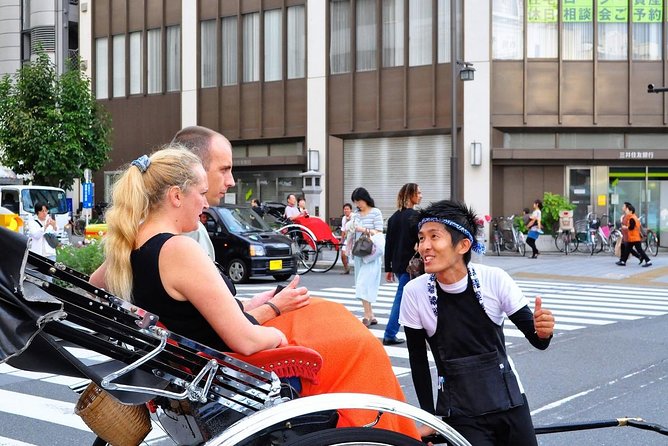
If you like Tokyo’s oddball charm, these stops are for you. The itinerary includes a “quirky” street where the main theme is raccoons, with raccoon figurines placed every few meters. It’s the kind of detail that turns a random lane into a memory. And it’s a fun break from the usual shrine-and-temple rhythm.
The tour also includes a stop at one of the oldest amusement parks in Japan that is still operating. That’s a great contrast to the Edo-era sites and religious buildings, because it reminds you that Asakusa is not only ceremonial history. It’s also leisure history.
If you’re traveling with kids, this section can be the easiest way to keep energy up without turning the whole tour into a theme-park day.
Picking your time window: 30 minutes versus a full 3 hours
The tour duration ranges from about 30 minutes to 3 hours. In practical terms, your time window changes the number of stops your guide can fit, and it changes your balance between photo stops and story stops.
- If you book the short end, aim to prioritize the must-sees: one or two shrines, a key street scene, and one view spot.
- If you book longer, you can let your guide thread together more stops, including smaller themed lanes and more context at each site.
The guide can also shorten or adjust landmarks for shorter durations, since not every stop listed may be possible. My advice: decide two priorities, then give your guide permission to fill the rest with what fits the day’s pace.
Where it ends, and why your requested drop-off matters
You end the tour at a nearby location of your choosing. You discuss it directly with your guide. That flexibility is a real quality-of-life win in a neighborhood like Asakusa, where the best next move might be a specific street, a specific museum, or a specific train entrance.
One caution: finishing locations other than the rickshaw stand may come with an additional drop-off fee, paid on the day of the tour. If you already know where you want to go next, share it early so your guide can plan the smoothest route.
Who should book this Asakusa rickshaw tour
This tour is a strong pick if you want:
- A quick overview of Asakusa with stories, not just movement
- A chance to see a mix of Shinto shrines and Buddhist temple connections
- Great photo stops, including a Skytree view across the Sumida River
- A neighborhood experience that feels intimate and flexible
It may be less ideal if you are determined to cover every major Sensoji-area street by rickshaw, since rickshaws cannot go into the main temple buildings and grounds.
Families can make this work too, with child rules built in. Children aged 5 years and under may ride free of charge if they sit on an adult’s lap. If a child 5 years is using one of the two rickshaw seats, it needs to be booked as an adult. Also note the max of two adults per rickshaw, with up to two children on an adult’s lap.
Should you book this Asakusa rickshaw tour?
If you want an authentic-feeling introduction to Asakusa, I think this is an easy yes. The value isn’t just the rickshaw ride. It’s the mix of stops, the fact that it’s customizable, and the way the guide helps you notice details you would likely miss on your own, like the three-entrance gate at Ushijima or the radish symbolism at Honryuin Matsuchiyama Shoden.
Book it if you’re traveling with limited time and want your first day in Asakusa to feel organized but not stiff. Skip it only if you’re laser-focused on going deep into the Sensoji temple blocks by rickshaw, or if you know you need lots of personal space in a tight vehicle.
One last tip: this experience tends to get reserved about two months in advance on average, so if your dates are fixed, plan ahead.
FAQ
How long is the Tokyo Asakusa rickshaw tour?
It runs from about 30 minutes to around 3 hours, depending on the option selected and what your guide can fit.
How much does the tour cost?
The price is $42.90 per person.
Where do I meet, and where does the tour end?
Meet outside at 1-chōme-1-4 Asakusa, Taito City, Tokyo. The tour ends at a nearby location on Kan’non-dōri1-chōme-2-11 Asakusa, and the exact finishing point is decided on the day of the tour with your guide.
What is included in the price?
You get a local rickshaw driver and the rickshaw ride.
Are food and drinks included?
No. Food and drinks are not included.
Can the rickshaw go into the Sensoji Temple area?
No. The tour states that no rickshaw ride is allowed in the Sensoji Temple/Asakusa Temple area, including temple buildings, temple grounds, and Nakamise shopping street.
Are admission tickets included for shrines and temples?
Admission tickets are not included for the stops that list tickets, like Ushijima Shrine and the listed temple stops.
What are the child rules for the rickshaw?
Children aged 5 years and under may ride free of charge if they sit on an adult’s lap. A maximum of 2 adults per rickshaw applies, and up to 2 children may ride with 2 adults on laps.
Do they offer an English-speaking guide?
English and Japanese-speaking driver/guide is available, subject to availability. You can specify your preferred language at checkout.
What happens if the weather is bad?
This experience requires good weather. If canceled due to poor weather, you’ll be offered a different date or a full refund.
Newly listed around Tokyo
- Tokyo private transfer for Yokohama Port★ 4.5 · 63 reviews
- Luxury Kimono Photoshoot at Ginza Tokyo★ 5.0 · 7 reviews
- Tokyo Allstar Food Tour★ 4.5 · 206 reviews
- Tokyo: Best Ginza Food Tour at 3 Local Eateries★ 5.0 · 83 reviews
- Private One Day Nikko Tour with Bilingual driver★ 3.5 · 11 reviews
- Tokyo Art Aquarium Museum E-Ticket with optional Tokyo Metro Pass★ 5.0 · 17 reviews
- PRIVATE tour in 180SX to Daikoku+++++★ 5.0 · 6 reviews
- Kabuki Talk★ 5.0 · 10 reviews
Tokyo Tours, compared.
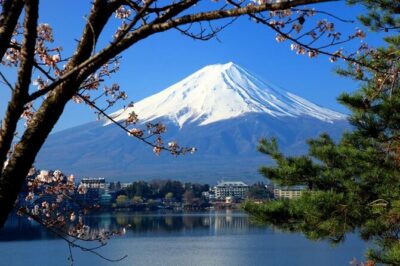
Mt Fuji and Hakone 1-Day Bus Tour Return by Bullet Train
Read our review →

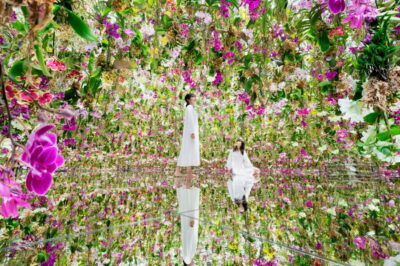
teamLab Planets TOKYO Digital Art Museum Entry Ticket
Read our review →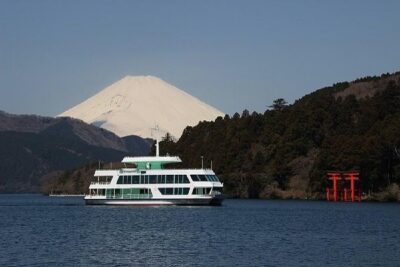
Mt Fuji & Hakone Cruise, Drum Show Bullet Train 1 Day from Tokyo
Read our review →
Sumo Show Experience with Chicken Hot Pot and a Photo
Read our review →
Shinjuku Food Tour (13 Dishes at 4 Local Eateries)
Read our review →