Review · TOKYO TOURS
Tokyo: Asakusa Sightseeing Tour by Rickshaw
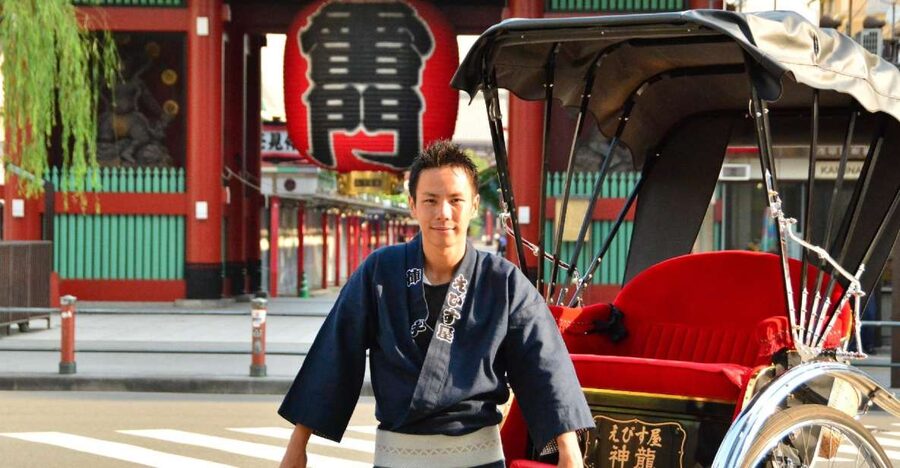
Tokyo’s old streets move at your pace. This private rickshaw ride through Asakusa lets you see landmarks like Bentendo Hall up close, while your guide explains what you’re looking at. I like how the route blends big icons with everyday back streets, and you get great photo moments without treating it like a checklist.
One thing to consider: rickshaws are narrow (about 74 cm wide), and the tour allows a maximum of two adults per rickshaw, so if you want more breathing room, you may prefer booking separate rickshaws.
If your goal is to get your bearings fast in Asakusa and still feel the neighborhood’s rhythm, this tour hits the sweet spot. You’ll ride, stop for photos, and learn enough to explore on your own after.
In This Review
- Key highlights to look for
- A Private Rickshaw Through Asakusa at Human Height
- Getting There: Asakusa Station Exit 1 on the GINZA Line
- Bentendo Hall and Asakusa Shrine: Where You Can Feel the Worship
- Hanakawado, Tanuki-doori, and the Street-Life Side of Asakusa
- Sumida Park and Cherry Blossom Season by Rickshaw
- Rokku Ward and Hanayashiki: History With a Strange Wink
- Denpoin Street Back to the Starting Point
- Time Options and Custom Stops, Including the 3-Hour Gift
- Price and Value: What This $35-Plus Experience Really Buys
- Comfort, Rules, and Who Should Skip the Rickshaw
- Should You Book This Asakusa Rickshaw Tour?
- FAQ
- Where is the meeting point for the Asakusa rickshaw tour?
- How long does the tour last?
- Is this tour private, and how many people can ride per rickshaw?
- What languages are available for the live guide?
- Is the tour wheelchair accessible?
- Are selfie sticks allowed?
- How do child rides work?
- Are snacks and drinks included?
- Is there free cancellation and a reserve-and-pay-later option?
Key highlights to look for
- Bentendo Hall and Asakusa Shrine nearby, with a guide tying the sights to local rituals and customs
- Sumida Park and the Sumida River area, especially lovely in spring cherry blossom season
- Hanakawado and Tanuki-doori street life, including a shoe shopping stop vibe
- Rokku Ward and Hanayashiki for a mix of history, characters, and souvenir photo ops
- Denpoin Street, where the street feel is said to have changed little since World War II
A Private Rickshaw Through Asakusa at Human Height
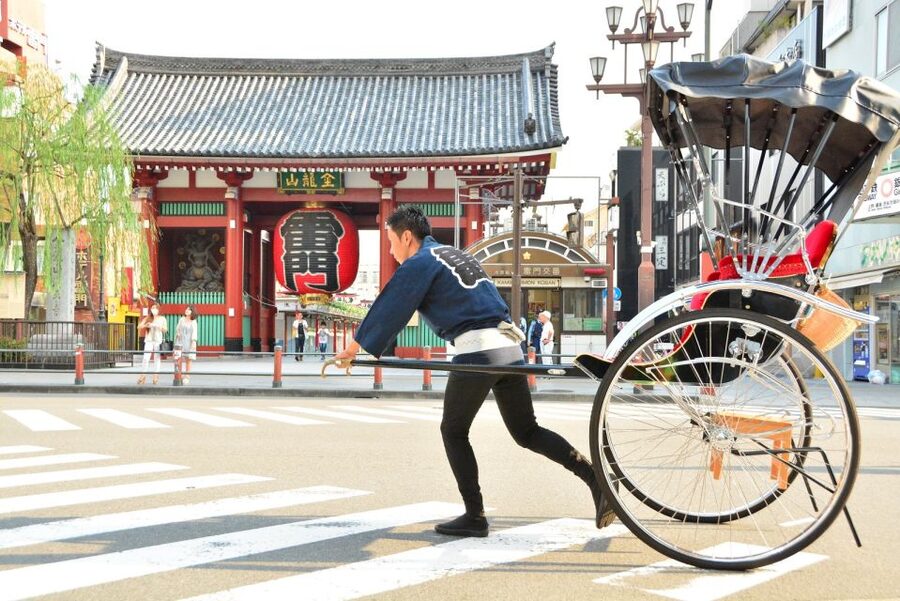
A rickshaw is not just transport here. It’s a different camera angle. You sit low, you move slowly, and the streets feel more readable than they do from a bus window or even a fast walking pace.
What I like most is the balance between set-piece Tokyo and real neighborhood texture. You pass major religious landmarks in Asakusa while also sliding through smaller lanes that show daily life. That combo is exactly why this works even if you’re only in Tokyo for a short time. You’re not just seeing sights, you’re learning how to interpret them.
The ride is also private, so you’re not squeezed into someone else’s schedule. The company runs live guiding in English and Japanese, and the experience can be customized to your interests. That matters because Asakusa can be approached from different angles, temples, street culture, shopping streets, or photo spots.
A few more Tokyo days to weigh up
- Mt Fuji and Hakone 1-Day Bus Tour Return by Bullet Train
★ 5.0 · 26,383 reviews - 1-Day Tokyo Bus Tour
★ 5.0 · 14,250 reviews - Tokyo: TOKYO SKYTREE® Admission ticket
★ 4.5 · 11,192 reviews
Getting There: Asakusa Station Exit 1 on the GINZA Line
Logistics in Asakusa can trip you up, mainly because there are multiple exits at the same-named station. Your meeting point is very specific: the rickshaw stand located just outside exit #1 of Asakusa Station on the Tokyo Metro GINZA line.
Even when you find the right exit, you still need to walk a few meters along the street to reach the stand. Do yourself a favor, give yourself buffer time, and double-check that you’re on the GINZA line station area.
One practical tip from how this activity is run: be ready to show up on time. Guides and drivers need to position your rickshaw in a busy, pedestrian-heavy district, and late arrivals can make the first part of your route awkward. If you’re coming from another line, it’s worth planning your exit route before you leave the hotel.
Bentendo Hall and Asakusa Shrine: Where You Can Feel the Worship
Asakusa is often sold as temples and photos, but what makes this tour more satisfying is the way it connects the landmarks to daily practice. You’ll pass through the cluster that includes Asakusa Shrine and you’ll also go by notable temple structures like Bentendo Hall.
In a lot of walking tours, you see the buildings and move on. Here, you have time to pause, look, and listen to your guide explain what people are doing and why. In particular, some guides talk through temple and shrine rituals, like how worshippers handle purification steps, and the meaning behind incense use and gathering scent or offerings.
The practical value for you is simple: you’ll understand what you’re seeing instead of just photographing it. That turns a one-time stop into a memory with meaning, even if you don’t consider yourself a culture-history person.
A drawback? Religious areas can get crowded. Since your tour is short and private, you’ll still get plenty of time to look, but you might want to arrive earlier in the day if you’re sensitive to crowds.
Hanakawado, Tanuki-doori, and the Street-Life Side of Asakusa
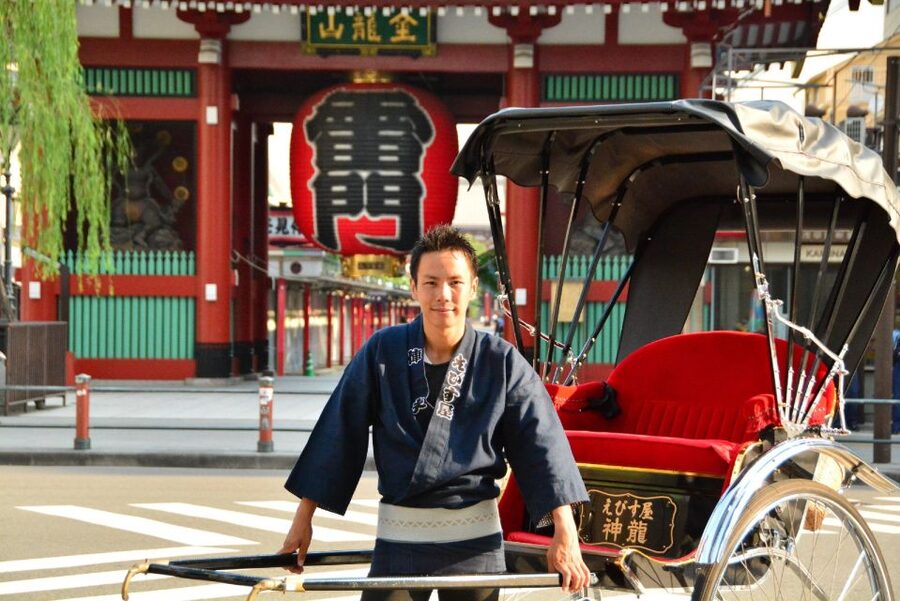
After the big landmarks, the tour shifts into what I call Tokyo homework. You see the neighborhood’s small signals, the storefront rhythm, the signage style, and the little things locals use to move through a day.
You’ll make your way toward Hanakawado, described as a shoe shopping area, and you’ll also check out Tanuki-doori. This is where Asakusa stops being just a famous temple district and starts feeling like a lived-in part of the city.
Why it’s valuable: Asakusa can be easy to over-plan. You might think you only need shrines and snacks. But the best part of returning later on your own is knowing where the streets flow and what to follow. This ride helps you map that in a single afternoon.
If you love quirky details, you’re in the right place. Some guides also weave in pop-culture references while you roll past the streets, so the ride can feel lighter than a traditional history talk. It’s also a good chance to ask your guide what to do next on foot once you’re done riding.
A different sort of day in Japan:
- Tokyo: teamLab Planets TOKYO Digital Art Museum Entry Ticket
★ 4.6 · 9,779 reviews - Mt Fuji & Hakone Cruise, Drum Show Bullet Train 1 Day from Tokyo
★ 4.0 · 7,413 reviews - Tokyo: Sumo Show Experience with Chicken Hot Pot and a Photo
★ 4.8 · 6,678 reviews - Tokyo: Shinjuku Food Tour (13 Dishes at 4 Local Eateries)
★ 5.0 · 6,603 reviews
Sumida Park and Cherry Blossom Season by Rickshaw
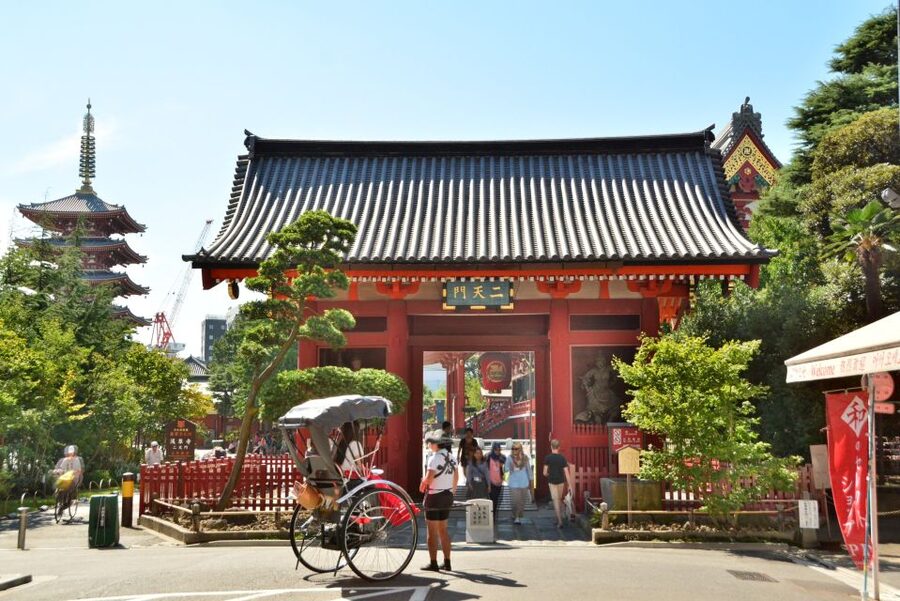
Then comes one of the scenic highlights. You’ll spend time in Sumida Park and you’ll get views connected to the Sumida River.
In spring, the park is described as most resplendent when thousands of cherry trees are in bloom. Even if you visit outside peak season, the combination of river air and park greenery gives your tour a reset from the dense shrine streets.
What’s smart here is how the tour uses the rickshaw to slow down at the right moments. You’re not sprinting across a park or searching for the best angles. Your guide can point you toward where the views play best, and you can take photos without weaving through crowds the way you would on foot.
Weather matters. If you ride in hot summer conditions, the breeze from the forward motion can feel like a relief, and some departures offer comfort items like blankets and heated seat pads in colder months. If you’re traveling in winter, that’s the kind of small comfort you’ll remember.
Rokku Ward and Hanayashiki: History With a Strange Wink
Asakusa’s edges are where you often find the most interesting stories. This tour includes stops tied to Rokku Ward, including the presence of adult theaters in the area. You won’t be given a lecture that kills the mood, but you will get context so the neighborhood feels less random.
You’ll also take souvenir photos at Hanayashiki, described as Japan’s oldest amusement park. That’s a fun contrast with the solemnity of nearby temples. It’s also practical: Hanayashiki is a perfect landmark for a quick photo break, and it gives you something tangible to remember beyond the religious sites.
If you’re traveling with teens or older kids, this portion can land well. It adds a modern layer to the day, and it breaks up the spiritual focus with something playful. For adults, it keeps the tour from feeling overly reverent or too predictable.
One consideration: this stop can be more photo-driven than walk-through-driven. If you want an extended visit inside every attraction, you may need to plan a second stop after the rickshaw ride ends.
Denpoin Street Back to the Starting Point
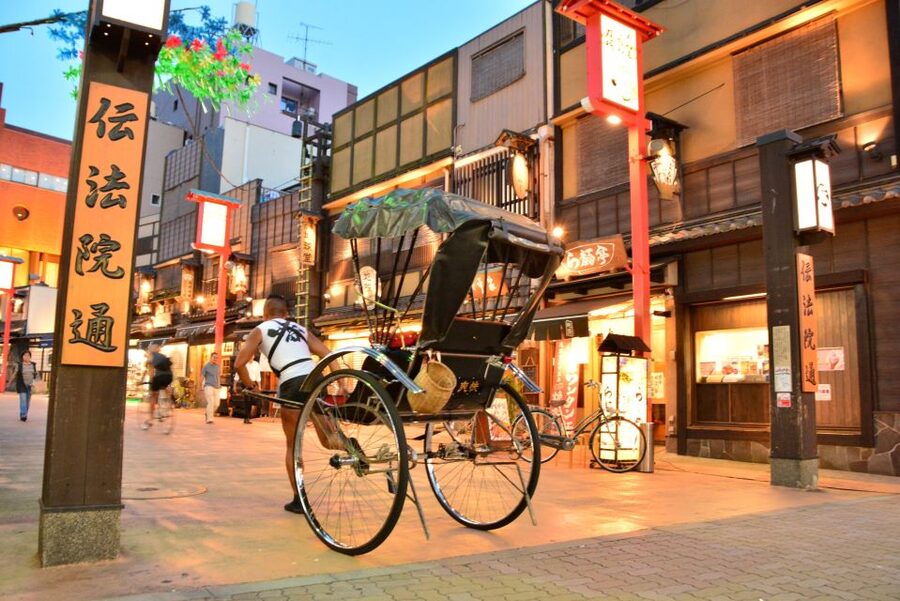
The final phase of the ride is where you feel the neighborhood’s timeline. The route brings you down Denpoin Street, described as a street where little has changed since World War II.
That kind of statement can sound dramatic, but the effect on you is real. By the time you reach Denpoin Street, your eyes have tuned into the textures of Asakusa, the storefront shapes, the street narrowing, and the way buildings line up. You’re more observant now than you were at the first stop, and that makes the return feel meaningful rather than repetitive.
This is also where private pacing helps. You’re not in a rush to get back on a bus. If a photo spot catches your eye or your guide points out a specific detail, you have time to adjust.
Practical note: since the route ends back near where you start, this is a good time to mentally bookmark what you want to revisit later. If you’re planning your next day, you’ll know where you want to wander and where you want to avoid duplicating effort.
Time Options and Custom Stops, Including the 3-Hour Gift
Your ride length can range from 30 to 190 minutes. That’s a big deal because Asakusa reward increases with time, but not in a straight line. In 30 or 60 minutes, you’ll cover the core highlights. With longer options, you can experience more side streets and more meaningful pauses.
You can also customize the tour based on your interests, which is great if you care more about temples and rituals, more about street culture, or more about photo stops. A private rickshaw is one of the better ways to do that because the guide can adjust while you’re already in motion.
There’s also a perk for the longer, roughly 3-hour option. You can choose a memorial gift, either a special Hello Kitty doll or an original T-shirt. That can make the longer ride feel more “worth it,” especially if you like practical souvenirs that are tied to the experience.
If you’re unsure what to pick, think about your energy. Do you want a quick introduction, or do you want time to breathe, look, and ask more questions? The longer you go, the more your Asakusa day turns from sightseeing into a mini education.
Price and Value: What This $35-Plus Experience Really Buys
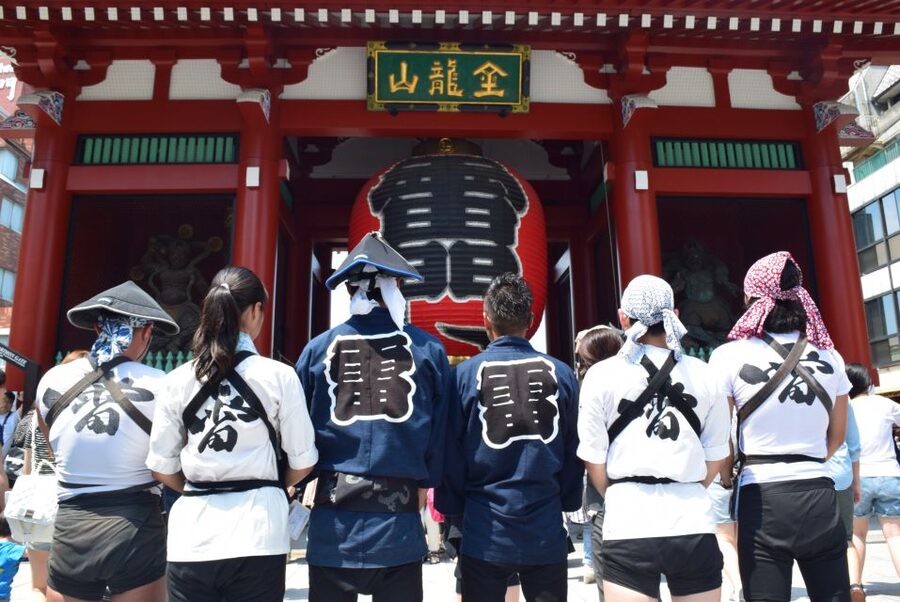
The listed price is $35 per person, and the tour includes the rickshaw ride plus a local guide. Snacks and drinks are not included.
So is it good value? In my opinion, yes, because you’re paying for three things at once:
- Time saved versus trying to cover these stops on foot
- A guide who can explain what you’re seeing, instead of you guessing
- A private ride experience you cannot replicate as easily with standard transit
The biggest value driver is the guide-led pacing. If your guide is doing what the best ones do, you’ll stop at the right moments, learn what to notice, and get help with photos. In past experiences, guides like Tashi and Taisei stood out for being friendly and fun, Shima for blending humor with solid Asakusa knowledge, and Matcha for combining insights with excellent photo help. You might get a driver who sings, or one who focuses on rituals and etiquette. Either way, the structure is built to keep the experience lively.
Tradeoffs are real too. You’re not sampling food on the tour because snacks and drinks aren’t included. Also, this isn’t a “check every attraction inside” tour, it’s a guided ride with targeted stops.
Comfort, Rules, and Who Should Skip the Rickshaw
This is wheelchair and stroller friendly, and the activity is described as accessible. The rickshaw is private, and the group setting is built for you to ride together comfortably.
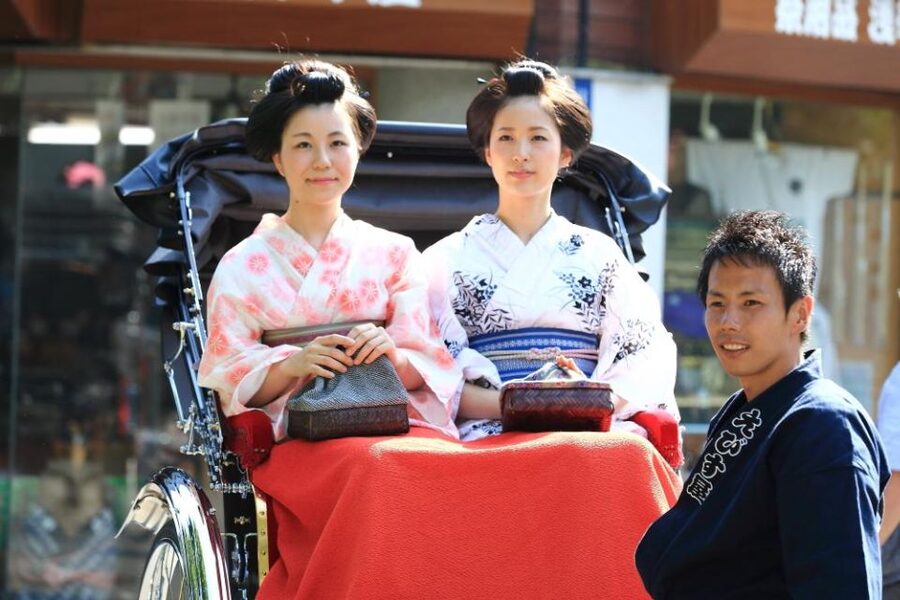
But you should know the physical reality: each rickshaw is 29.1 inches wide (74 cm) and it allows a maximum of two adults per rickshaw. If you’re tall, sensitive to tight spaces, or you’re traveling with another adult, separate rickshaws can be more comfortable.
Rules matter here. Selfie sticks are not allowed, so plan to take photos the normal way or use your guide’s help for pictures.
One health consideration: the tour is not recommended for pregnant women, and it’s also not recommended for people in their first 16 weeks of pregnancy. If that applies, skip this and choose a different type of tour that fits your comfort and safety needs.
Weather is also part of comfort. In colder months, some departures have included blankets and heated seat pads, which is exactly what you want if you’re riding during chilly weather.
Should You Book This Asakusa Rickshaw Tour?
Book it if you want an easy first crack at Asakusa that mixes temples, street culture, and photo-friendly stops in one smooth half-day plan. It’s also a strong choice if you’d rather spend your energy looking and learning than navigating trains and exits.
Skip it if you expect a fully immersive walk-through of every attraction, or if you know you might be uncomfortable with the tight rickshaw seating width. Also skip if pregnancy timing affects you.
My bottom line: for a private, guide-led ride through Asakusa’s most recognizable and most character-filled streets, this is one of the better ways to spend your time.
FAQ
Where is the meeting point for the Asakusa rickshaw tour?
Meet at the rickshaw stand just outside exit #1 of Asakusa Station on the Tokyo Metro GINZA line. You’ll still need to walk a few meters to reach the stand along the street.
How long does the tour last?
The tour runs for options from 30 minutes up to 190 minutes. The exact start times depend on availability.
Is this tour private, and how many people can ride per rickshaw?
It’s a private group tour. A maximum of 2 adults per rickshaw is permitted.
What languages are available for the live guide?
The live guide offers English and Japanese.
Is the tour wheelchair accessible?
Yes. The activity is wheelchair accessible and described as stroller friendly.
Are selfie sticks allowed?
No. Selfie sticks are not allowed.
How do child rides work?
Children 5 years and under can ride for free if they sit on an adult’s lap (one child per adult, max. 2 adults and 2 children per rickshaw). If a child 5 years old wants their own seat, they must book as an adult.
Are snacks and drinks included?
No. Snacks and drinks are not included.
Is there free cancellation and a reserve-and-pay-later option?
Yes. You can cancel up to 24 hours in advance for a full refund, and you can reserve now & pay later.
Newly listed around Tokyo
- Tokyo: Asakusa Temple & Shrine Walking Tour with Local Guide★ 5.0 · 105 reviews
- Tokyo: Asakusa Walking Tour with Japanese Comedian★ 4.6 · 18 reviews
- Tokyo Asakusa sightseeing and history walking tour★ 4.7 · 9 reviews
- Tokyo: Old Town Asakusa Guided Tour -Senso-ji Temple Visit★ 5.0 · 12 reviews
- Tokyo: Asakusa Sensoji Night Walk with a Local Brandy★ 4.7 · 7 reviews
- Tokyo Asakusa & Senso-Ji Walking tour With A Guide★ 4.5 · 40 reviews
- Tokyo: Asakusa Kimono Dressing and Matcha Experience★ 4.9 · 173 reviews
- Tokyo: Asakusa Kimono Rental Experience★ 5.0 · 30 reviews
Tokyo Tours, compared.
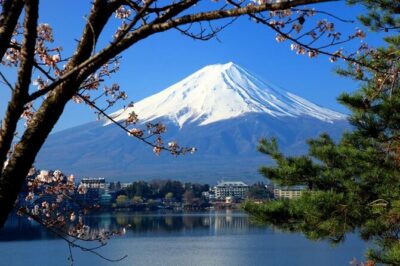
Mt Fuji and Hakone 1-Day Bus Tour Return by Bullet Train
Read our review →

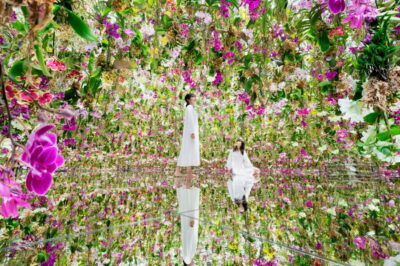
teamLab Planets TOKYO Digital Art Museum Entry Ticket
Read our review →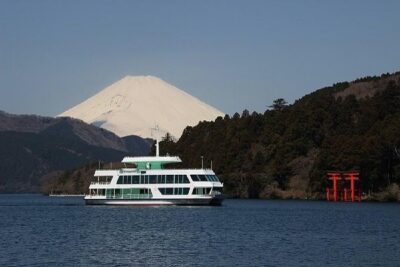
Mt Fuji & Hakone Cruise, Drum Show Bullet Train 1 Day from Tokyo
Read our review →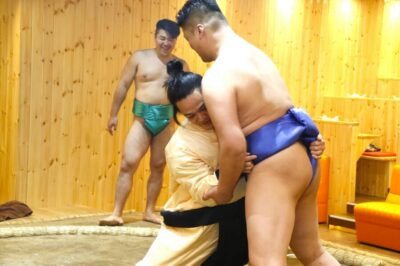
Sumo Show Experience with Chicken Hot Pot and a Photo
Read our review →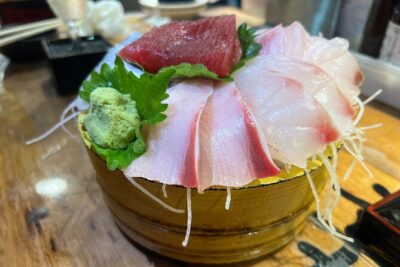
Shinjuku Food Tour (13 Dishes at 4 Local Eateries)
Read our review →