
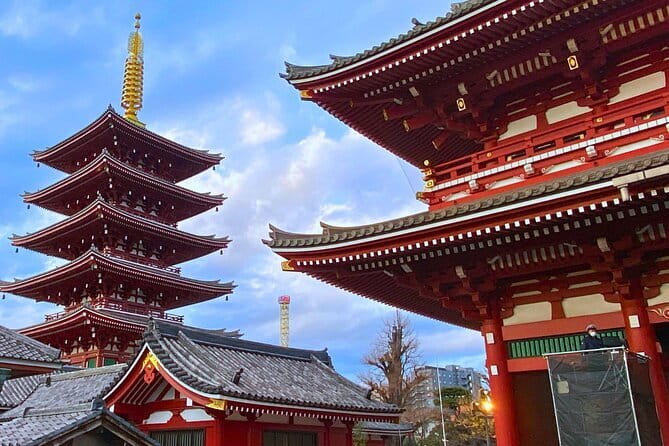
Review · SHRINE & TEMPLE VISITS
Tokyo Asakusa Temple & Shrine Walking Tour with Local Guide
Asakusa gets easier with a local in front. I love that the guide explains shrine and temple rituals in plain language, and I love that you are guided step by step so you do not get lost. The only real drawback is simple: at about 2 hours, you have limited time to wander off for long shopping breaks on Nakamise Street.
This tour also pairs the big sights with hands-on moments. You will get to try temple customs like temizu hand cleansing and omikuji fortune slips, not just look at them from the sidelines.
One more practical note. The route is compact, and you will be outside around the temple gates and shopping street, so it helps to wear comfortable shoes and plan for crowds.
In This Review
- Key highlights you’ll feel right away
- How this Asakusa tour saves you time and nerves
- Meeting at Burger King Asakusa Azumabashi, then straight to river views
- Kaminarimon and the 700kg red lantern, plus fire stories
- Nakamise Shopping Street: snacks, crafts, and what to look for
- Hozomon Gate: the boundary that shapes the whole temple experience
- Sensoji Temple: the heart of Asakusa, guided at a human pace
- Asakusa Shrine rituals you can actually try, temizu and omikuji
- Shinto and Buddhism side by side in Asakusa
- Price and value: why about $20 can work in Tokyo
- Who this tour is best for, and who should skip
- Should you book this Asakusa Temple & Shrine walking tour?
- FAQ
- How long is the Tokyo Asakusa Temple & Shrine walking tour?
- What does the tour cost?
- How many people are in the group?
- What rituals are included during the tour?
- Where do I meet for the tour?
- Can I cancel for free?
Key highlights you’ll feel right away
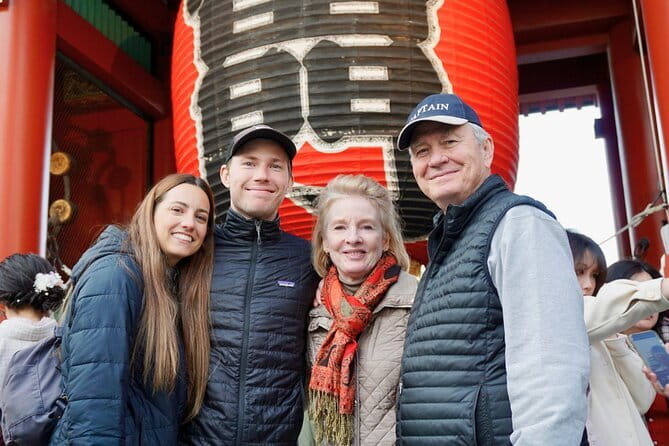
- Small group capped at eight so you can ask questions and keep moving.
- No language barrier style guiding, with explanations of how rituals work and where to stand.
- Thunder Gate focus including the famous red lantern weighing 700kg and the repeated fire reconstructions.
- Nakamise Shopping Street stop for traditional snacks, souvenirs, and crafts with context for what you are seeing.
- Ritual practice included: temizu cleansing, prayer, and omikuji fortune-telling.
- Mobile ticket and a route that is designed to prevent map frustration.
How this Asakusa tour saves you time and nerves
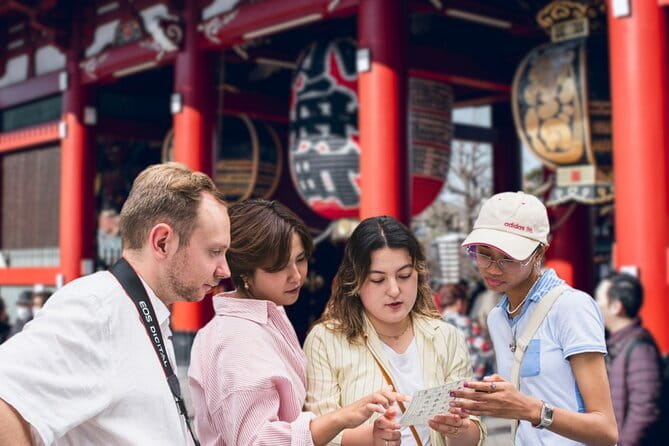
Asakusa can feel like two worlds at once. The streets are full of people, cameras, and snack smells, but the temple customs are specific, with small steps that you would never guess from a map.
What I like most is that the guide handles the hard parts. You get the order of sights, plus the reasoning behind them, like why people line up where they do and what those actions mean. That turns a busy walk into something you actually understand as you go.
This is also a smart choice if you want a guided day without committing to a whole half-day program. At around two hours, it is long enough to hit the major landmarks around Sensoji and Asakusa Shrine, but short enough that you can keep exploring afterward on your own.
More Shrine & Temple Visits in Tokyo
- Tokyo: Meiji Shrine, Asakusa, Skytree Bus Tour and Cruise
★ 4.7 · 1,986 reviews - Tokyo: Asakusa Walking Tour with Sensoji Temple Visit
★ 4.8 · 1,583 reviews - Nikko: Kegon Falls, Lake Chuzenji & Toshogu Temple
★ 4.6 · 1,577 reviews
Meeting at Burger King Asakusa Azumabashi, then straight to river views
You start at Burger King Asakusa Azumabashi, at Kaminarimon, 2-chōme, in the Cross Building Royal Palace area. It is a very concrete meeting point, which matters in Tokyo because street directions can get tricky fast.
From there, you move into the neighborhood that frames the old side of Tokyo. The early stop at Azumabashi Bridge gives you views over the Sumida River and Tokyo skyline, so you get context before you get swallowed by temple crowds.
Even if you are not into skyline photos, this part helps your bearings. The bridge area gives you a sense of where Asakusa sits, especially compared to the bigger city feel you may have already seen elsewhere.
One consideration: because the tour is walking focused, you will want shoes that can handle pavement and crowds. If it is hot, bring water since you might be tempted to buy snacks later on the route.
Kaminarimon and the 700kg red lantern, plus fire stories
The walk to Kaminarimon, also called the Thunder Gate, is the classic Asakusa lead-in. Your guide points out the details most people miss when they just rush to photos.
The big talking piece is the famous red lantern weighing 700kg. Your guide also explains the meaning behind the name Kaminarimon, and it comes with a practical, human story: repeated reconstruction because of fires. In other words, this gate is not just a static postcard. It is a landmark that has survived, been rebuilt, and kept its cultural role over time.
This is where the guide value shows up. If you did this on your own, you would likely notice the lantern and the gate, but you might miss why it is so important culturally and how the legends connect to the structure you are standing in front of.
Also, plan for tight photo moments. The gate area gets busy, so follow your guide’s pace and position. You will still get good views, just not the kind where you take your time for ten minutes straight.
Nakamise Shopping Street: snacks, crafts, and what to look for
Next comes Nakamise Shopping Street, the long stretch of traditional shops you associate with Sensoji temple visits. This part is fun because it is where culture turns into everyday street life.
Your guide gives you context for where the street’s shopping culture comes from and how it fits into the temple visit flow. That changes how you shop. Instead of grabbing items at random, you learn what kinds of crafts and treats are common, and why they show up where they do.
You can expect the usual mix: local snacks, small souvenirs, and craft items. The included value here is not that the tour gives you a shopping list, it is that the guide helps you understand what you are looking at so you can spend your money with more confidence.
Practical tip: decide your snack priorities early. If you wait until you are near the busiest part of the crowd, you can feel rushed. If you are traveling with people who want to stop often, the small group size helps, but it still moves at a walking-tour pace.
More Walking Tours in Tokyo
- Tokyo Tsukiji Fish Market Food and Culture Walking Tour
★ 5.0 · 3,184 reviews - Tokyo: Shinjuku Local Bar and Izakaya Guided Walking Tour
★ 4.9 · 1,794 reviews - Tokyo: Tsukiji Fish Market Food and Walking tour
★ 5.0 · 1,724 reviews - Tokyo: Tsukiji Fish Market Guided Walking Tour
★ 4.9 · 1,397 reviews
Hozomon Gate: the boundary that shapes the whole temple experience
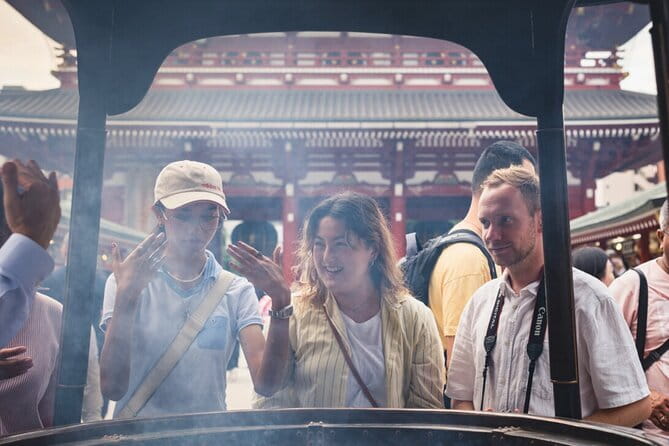
As you continue, you pass Hozomon Gate, which protects the temple grounds. This is one of those architecture moments where a quick explanation can do a lot.
Your guide shares architectural features and symbolism, so you understand the gate as more than a big entrance. It acts like a threshold between the shopping street world and the temple world. People naturally change pace once they cross, and the gate explains why that shift matters.
This stop also helps with timing. It bridges the walking and the deeper temple customs you will try afterward. If you have ever been to a temple complex that feels confusing to navigate, this is the opposite. You know where you are in the flow.
One drawback to watch: if you really love architecture details, you might wish you had more time at each gate. This tour aims for a tight, well-ordered route in two hours.
Sensoji Temple: the heart of Asakusa, guided at a human pace
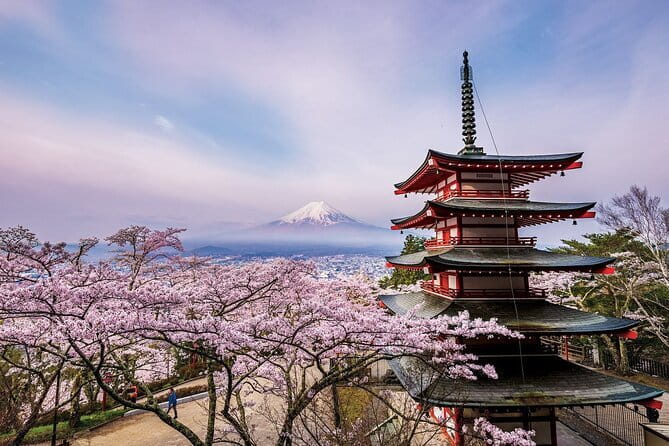
Sensoji Temple is the big anchor of the tour, and it is where the guide’s explanations matter most. The guide leads you through Tokyo’s oldest and most famous Buddhist temple, with stories and cultural significance.
What I appreciate is that you are not just dropped into the main hall and told to look around. The route is structured, so you understand where to go next and what your actions connect to in the larger temple setting.
You also learn about the blending of Shinto and Buddhism in Asakusa. That is important here because Japan’s religious life often feels layered, not separate. In practice, that means your temple walk can include both Buddhist and Shinto elements, depending on the exact area you are visiting.
If you are sensitive to crowd noise, Sensoji is still Sensoji. You are walking through a high-traffic place. The good news is that the guide helps you keep moving while still taking in the key points, so you are not stuck waiting for your turn to see something.
Asakusa Shrine rituals you can actually try, temizu and omikuji
This tour includes real participation in temple and shrine customs. That is a big deal because it turns sightseeing into a lived moment.
You get temizu cleansing, which involves hand cleansing before prayers or visits. You also practice prayer in the appropriate way and learn how to use omikuji fortune slips. Your guide explains what these slips are for, plus how people interpret them as part of a ritual visit.
The practical benefit is that you avoid the common beginner mistakes. Without guidance, it can be unclear when to step forward, where to stand, and what the order of actions is. Here, you get the steps, and you get the meaning behind them, so it feels respectful rather than awkward.
Another plus is that these moments also slow the pace at the right time. After the photo-heavy gate and shopping street sections, you get a calmer ritual segment that helps you reset and absorb the place.
If you do not read Japanese well, you are not stuck. The tour is designed for no language barrier-style explanations, so you can still follow what to do and why.
Shinto and Buddhism side by side in Asakusa
One of Asakusa’s most interesting features is how Shinto and Buddhism show up in the same overall visit. This tour specifically highlights that blending, rather than treating the area like one uniform experience.
As you move between shrines and temple space, you start noticing patterns. There is a shared focus on prayer, offerings, and ritual behavior, but the details and symbolism can differ. The guide helps you spot those differences instead of glossing over them.
This is also why the included ritual practice feels more valuable than watching other people. Once you have physically done a cleansing step or received an omikuji slip, the rest of the complex makes more sense in your head.
If you are the type who likes understanding how traditions work, this tour fits you well. If you are only chasing photos, you might feel like rituals are extra time. But even then, the instructions make it quick, and the learning sticks.
Price and value: why about $20 can work in Tokyo
At $19.82 per person for roughly two hours, this is priced like a value-focused guided walk. You are paying mainly for the guide time, the navigation, and the ritual instruction, not for paid attractions.
That matters in Tokyo, where many temple and shrine spaces are accessible, but the challenge is figuring out what you are looking at and how to act properly. This tour solves that confusion with a structured route and ritual explanations that help you get the most from public spaces.
The small group cap of eight is also part of the value. In a crowded area, a bigger group can mean you spend half your time waiting or losing track. Here, you can usually move together, ask questions, and keep the pace.
One more value point: you receive a mobile ticket, which makes last-minute logistics less painful. In a city where getting to your start point can be its own mini-adventure, a simple ticket process helps.
Who this tour is best for, and who should skip
This is a great fit if you are:
- Short on time but want the key Asakusa sights in an organized order
- New to Japanese shrine and temple etiquette and want step-by-step help
- Traveling with people who need guidance to keep things smooth
- Interested in hands-on ritual experiences like temizu and omikuji
It might not be ideal if you:
- Want hours of unstructured wandering and window-shopping
- Hate following a fixed route even if it is well planned
- Prefer to sit and people-watch rather than walk and learn
Also, the tour is designed so most people can participate, and it runs near public transportation. That makes it a good option as a morning or afternoon anchor.
Should you book this Asakusa Temple & Shrine walking tour?
If you want Asakusa to feel understandable, not just impressive, I think you should book it. The combination of small group size, easy navigation, and included ritual practice gives you more than a standard photo walk.
It is also an especially smart choice for first-timers who want to hit Sensoji and Asakusa Shrine without guessing about etiquette. You get the big visual landmarks like the Thunder Gate and key temple gates, then you add something interactive through cleansing and fortune-telling.
One practical caveat is the time limit. If you are the type who turns one shopping street stop into a full shopping mission, you may need to budget extra time before or after the tour.
If that sounds like you, here is the simple strategy: do this tour early, then use the rest of the day to linger on Nakamise Street at your own pace.
FAQ
How long is the Tokyo Asakusa Temple & Shrine walking tour?
It lasts about 2 hours.
What does the tour cost?
The price is $19.82 per person.
How many people are in the group?
The tour has a maximum of 8 travelers.
What rituals are included during the tour?
You can participate in temizu cleansing, prayer, and omikuji fortune-telling, and your guide explains the related shrine and temple rituals.
Where do I meet for the tour?
You meet at Burger King Asakusa Azumabashi, 111-0034 Tokyo, Taito City, Kaminarimon, 2-chōme 206 クロスビルロイヤルパレス.
Can I cancel for free?
Yes. You can cancel up to 24 hours in advance for a full refund.
Newly listed around Tokyo
- Private Tokyo Food Tour – A Journey Through Time Through Food★ 5.0 · 36 reviews
- Private Tokyo Tour with Licensed Guide & Vehicle (Max 15 persons)★ 5.0 · 107 reviews
- Private Tokyo Custom Full-Day Tour by Chartered Vehicle★ 5.0 · 16 reviews
- Private Tokyo Custom Half-Day Tour by Chartered Vehicle★ 4.5 · 13 reviews
- Private Outstanding Nikko Tour with English Speaking Driver★ 4.0 · 11 reviews
- Private Sightseeing to Mt Fuji and Hakone with English Driver★ 5.0 · 51 reviews
- Private Snow Monkeys park Day Trip From Tokyo or Nagano★ 4.5 · 26 reviews
- 4 Day Tour – Mount. Fuji, Tokyo, Hakone, Kamakura and Yokohama★ 5.0 · 19 reviews
Shrine & Temple Visits, compared.
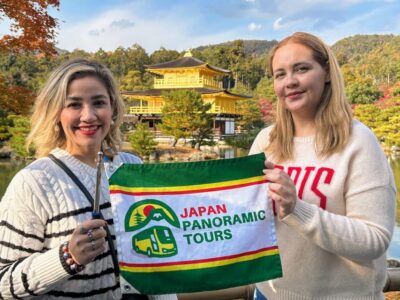
Fushimi Inari, Kinkakuji, Bamboo Grove 1 Day Bus Tour
Read our review →
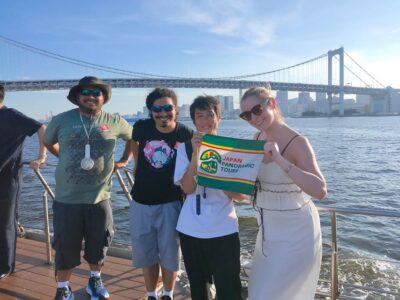
Meiji Shrine, Asakusa, Skytree Bus Tour and Cruise
Read our review →
Fushimi Inari Hidden Hiking Tour (Private Option Available)
Read our review →
Osaka/Kyoto:Kinkakuji,Arashiyama,FushimiInariShrine,NaraPark
Read our review →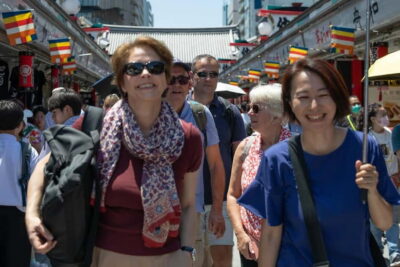
Asakusa Walking Tour with Sensoji Temple Visit
Read our review →
Nikko: Kegon Falls, Lake Chuzenji & Toshogu Temple
Read our review →
Kamakura & Enoshima Day Trip including Temple Tickets
Read our review →Browse the lists this tour appears in