
Review · SHRINE & TEMPLE VISITS
Tokyo: Buddhism and Shinto Temple Tour with a Real Local
Religion meets everyday Tokyo in East Tokyo.
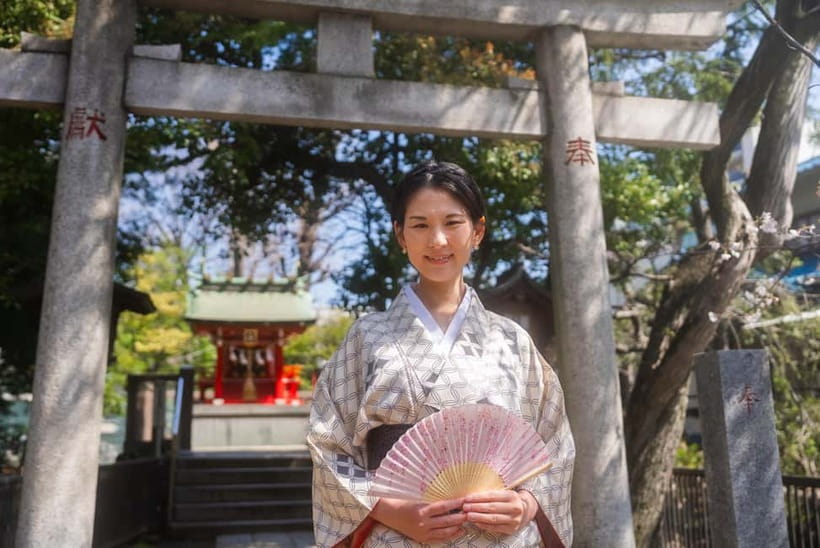
On a small-group walk with Manami Watanabe, you explore Monzen-nakacho and learn how people live with both Buddhism and Shinto. The standout moment is the Fukagawa Fudo-do fire ceremony, explained step by step so you know what you are watching.
Two things I really like are the tour’s focus on respectful ceremony viewing, and the practical rules that make you look like you belong. You do not just watch the fire and drum beats, you learn the etiquette, including details like posture around monks. You also get clear guidance on photography rules, so you do not accidentally break temple rules.
One possible drawback: the experience has real limits. You need comfortable shoes, you may be required to cover up with shawls, and no photography inside plus no video or audio recording means you need to be okay with soaking it in rather than documenting it.
In This Review
- Key points worth knowing before you go
- Why Monzen-nakacho is a smart base for Buddhism and Shinto
- Meeting at Monzen-nakacho Station Exit 4, no guesswork
- Oyoko River and Tatsumi-shindo: the calm start before the rituals
- Naritasan Fukagawa Fudo-do fire ceremony: what you are really seeing
- Where etiquette suddenly becomes practical
- Temple etiquette and photography rules you can actually use
- Tomioka Hachimangu Shrine: goshuin, wishes, and the sumo connection
- Price and value: why $62 can be more than just entry fees
- Who this tour fits best, and who should consider a different plan
- A few small prep tips that make the day easier
- Should you book this Tokyo Buddhism and Shinto temple tour?
- FAQ
- How long is the tour?
- What is the meeting point for the tour?
- Is the tour in English?
- What is the group size?
- What is included in the price?
- What should I bring?
- What are the rules about clothing and footwear?
- Can I record video or take photos inside?
- Is the fire ceremony just for tourists?
- Is there anything not included that I might want?
Key points worth knowing before you go
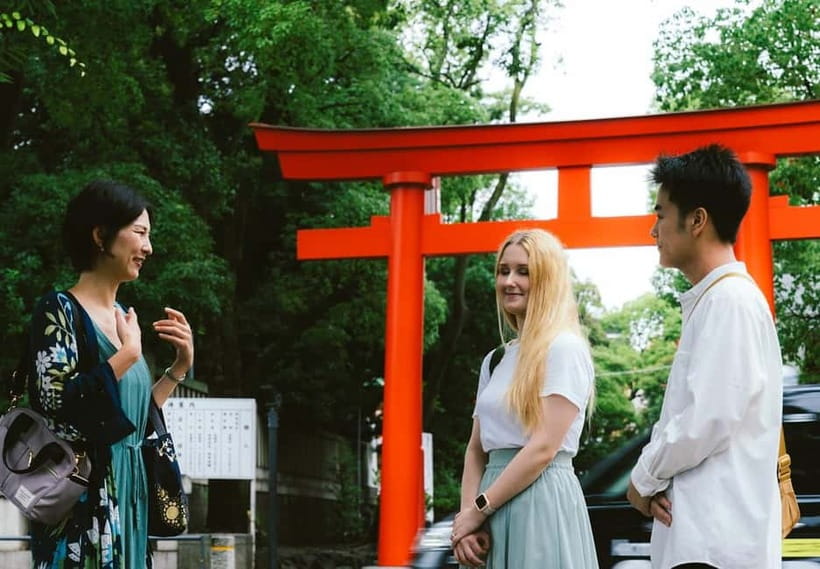
- Manami Watanabe is a local, born and raised in Tokyo, and leads with a PhD background in cultural heritage protection.
- The fire ceremony at Naritasan Fukagawa Fudo-do comes with scene-by-scene explanations and explanation sheets while you observe silently.
- You learn respectful etiquette that many tours skip, including how sitting and crossing legs can be considered rude.
- You visit more than one sacred stop, with time at Tomioka Hachimangu Shrine for stamps, wishes, and symbols.
- The group stays small, capped at 6 participants, which makes questions realistic.
Why Monzen-nakacho is a smart base for Buddhism and Shinto
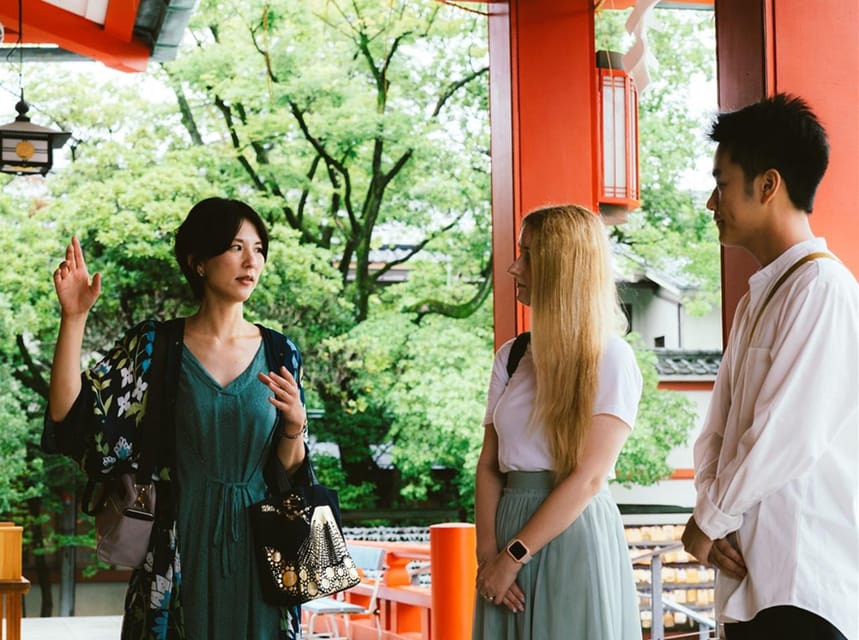
Tokyo’s most famous temples can feel like theme parks if you do not know how to read the place. Monzen-nakacho is different. It is part of the old East Tokyo area people often associate with Shitamachi, where tradition is not only for visitors.
What I like about this tour is the straight talk about how Japanese people work with two belief systems in daily life. You will hear the differences between Buddhism and Shinto, but also how they coexist without either one feeling like a foreign concept. The goal is not trivia, it is understanding behavior: why you do certain things, and why others treat rules seriously.
More Shrine & Temple Visits in Tokyo
- Tokyo: Meiji Shrine, Asakusa, Skytree Bus Tour and Cruise
★ 4.7 · 1,986 reviews - Tokyo: Asakusa Walking Tour with Sensoji Temple Visit
★ 4.8 · 1,583 reviews - Nikko: Kegon Falls, Lake Chuzenji & Toshogu Temple
★ 4.6 · 1,577 reviews
Meeting at Monzen-nakacho Station Exit 4, no guesswork
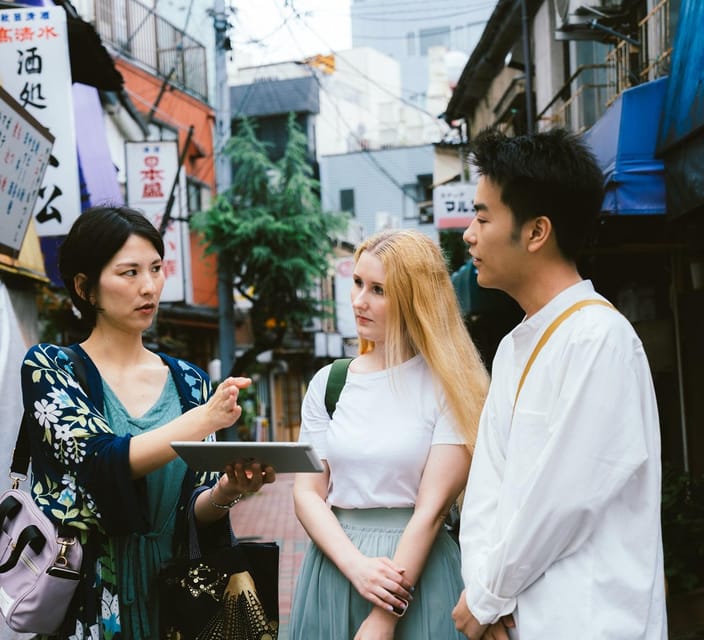
Meet outside Exit 4 of Monzen-nakacho Station. The meeting point is right by the drug store called Kusuri no Fukutaro, with a red sign banner.
This detail matters. The instructions are specific because people have gone to a different exit, then ended up at a different branch of the same store. If you follow the route exactly, you cut down the stress before you even start walking.
Use the stairs at the exit, not elevators. That helps you find the correct store quickly, especially if you are arriving during a busy time of day.
Oyoko River and Tatsumi-shindo: the calm start before the rituals
The walk begins with short orientation stops: Oyoko River for about 10 minutes, then Tatsumi-shindo for about 10 minutes. These are not filler. They help you get your bearings in the neighborhood before you step into the main temple and shrine spaces.
Even if you already know Tokyo layouts, these early stops set the tone: you are not racing from one landmark to another. You are learning how local streets connect to sacred places, and how to move with respect once you arrive.
Wear comfortable shoes. You will be on your feet, and this tour is not about quick photo stops between benches. It is more about listening and watching closely.
Naritasan Fukagawa Fudo-do fire ceremony: what you are really seeing
The fire ceremony at Naritasan Fukagawa Fudo-do Buddhist temple is the big event, with about 40 minutes on-site. Expect powerful drum beats and the spectacle of fire, but do not treat it like a show.
This tour is very clear that the ceremony is serious everyday activity for Buddhist people. That changes the experience in a noticeable way. Instead of crowding around for the best tourist view, the tour takes the approach locals prefer: the best seats belong to the Buddhist community.
The ceremony viewing is also structured. You receive scene-by-scene explanations unique to this tour, and you use explanation sheets as you watch. You will observe in silence while the action happens, then the guide helps you make sense of what you are seeing.
What makes this worth it is the context. Fire rituals can look like chaos if you only catch fragments. Here, you learn what is happening and why it matters, so you leave with understanding rather than just a dramatic memory.
More Shrine and Temple visits in Tokyo:
- Tokyo: Nikko Toshogu Shrine and Kegon Waterfall Tour
★ 4.5 · 1,266 reviews - Tokyo Panoramic 1 Day: Meiji Shrine, Asakusa, Odaiba and SKYTREE®
★ 4.5 · 1,222 reviews - Asakusa Senso-ji Temple and Old Tokyo Walking Tour
★ 5.0 · 560 reviews - Tokyo: Zen Meditation at a Private Temple with a Monk
★ 5.0 · 510 reviews
Where etiquette suddenly becomes practical
This is one reason the tour feels different from the typical temple circuit. You get guidance that keeps you from accidentally being disrespectful while you try to figure out the culture on the fly.
For example, some ceremony rules are not followed by most tours. One key one is crossing legs while seated, which the tour describes as rude to Buddha and the monks. It is the kind of detail you would never guess correctly unless someone tells you ahead of time.
The rules also extend to your behavior during the ritual. The tour treats the ceremony as focused time. That means moving calmly, following the guide’s pacing, and letting the silence do its job.
Temple etiquette and photography rules you can actually use
Temples and shrines in Japan often have their own logic, and it shows in small behaviors. This tour gives you a set of essential etiquette and photography rules that other guides typically do not spell out clearly.
Here are the practical boundaries you need to know from the start:
- No video recording
- Photography is not allowed inside
- No audio recording
- Shoes come off indoors, and you should not bring shoes into temple interior spaces
- You should avoid hats and see-through clothing
- Short skirts and sleeveless shirts are not allowed, so plan to cover appropriately
If you need extra coverage, the tour provides shawls so you can cover shoulders or knees. That is a helpful inclusion, because it means you are not scrambling right before you enter sacred areas.
My advice: treat this like a moment where you are practicing respect. The clearer your mindset, the easier it is to follow the rules naturally. And the payoff is big, because it lets you pay attention to the ceremony instead of worrying about what you can and cannot do.
Tomioka Hachimangu Shrine: goshuin, wishes, and the sumo connection
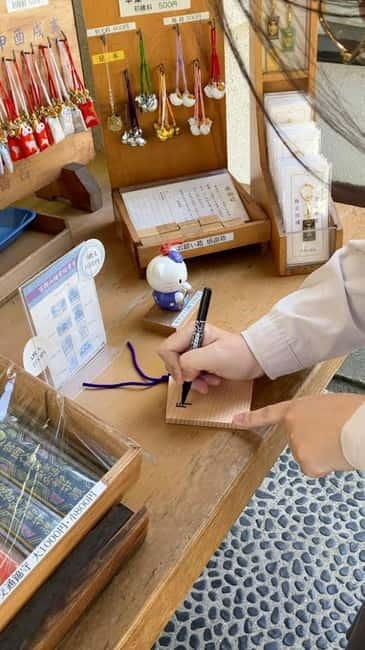
After the fire ceremony, the tour shifts into a calmer setting at Tomioka Hachimangu Shrine for about 25 minutes. The pace changes, and you get a different side of Japanese religious life.
At the shrine, you will learn about several items people interact with:
- White fortune telling paper and what it means
- Wooden wish bars
- Goshuin stamps
- Shinto symbols you might see carved or painted
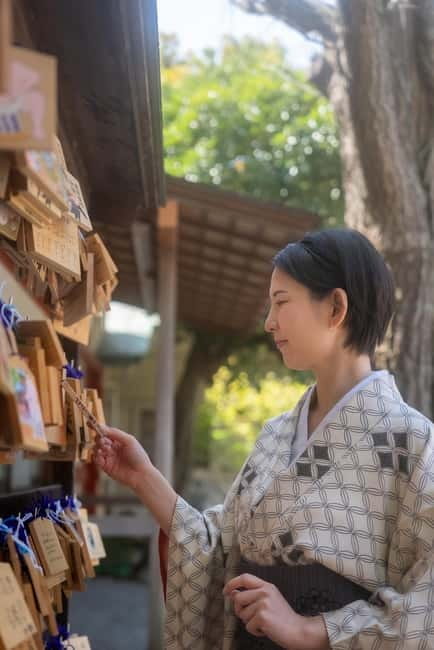
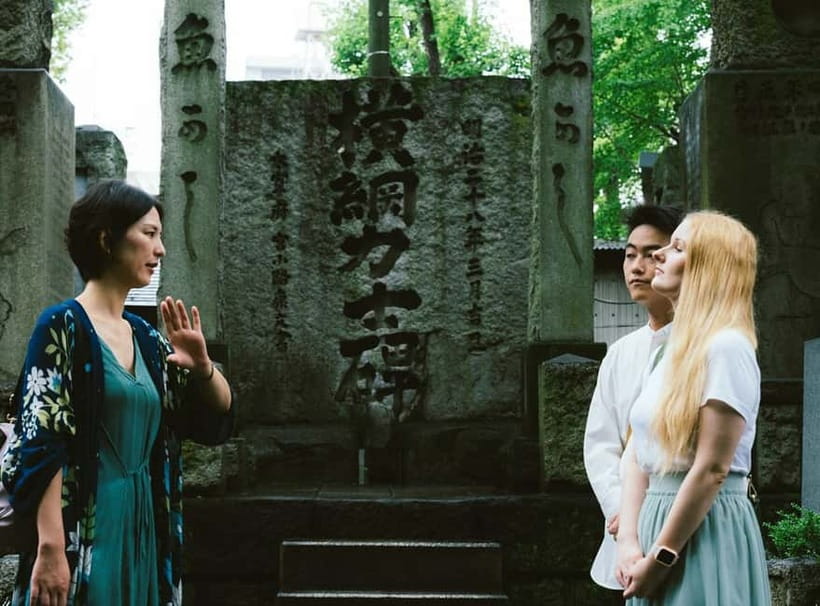
You also get a specific cultural angle that helps things click: the guide explains why sake and sumo matter in Shinto, and you will view the impressive “Sumo rocks.” That combo makes the shrine feel connected to everyday Japanese culture, not stuck in old symbolism.
Another nice touch: you finish with the guide’s family stories and their connection to the place. That is where the tour stops being a checklist and becomes personal understanding, because you see how sacred spaces live in local memories.
Price and value: why $62 can be more than just entry fees
At $62 per person for a 2-hour tour, this is not the cheapest way to see temples in Tokyo. But it is also not trying to be.
You are paying for several things that matter in real life: a local guide from the neighborhood, English delivery, and the inclusion of the fire ceremony admission fee at Fukagawa Fudo-do. On top of that, you get shawls if you need them, plus the extra time at multiple sacred stops rather than only rushing to one highlight.
The best value part is the way the guide spends the limited time. This tour does not just point at things. It explains etiquette and photography rules, then helps you follow them during the ceremony. That kind of guidance often makes the difference between feeling like an outsider and feeling like you are participating the right way.
If you want a quick hit with street food and sake and then off to the next stop, this likely will not match your style. If you want to understand what you are seeing and behave correctly while you watch it, the price starts to make sense.
Who this tour fits best, and who should consider a different plan
This works especially well if you care about cultural context, not just photos. The ceremony rules, silence observation, and the structured explanations reward people who like learning how traditions work.
It is also a good pick for first-timers to Japanese religious sites. You are guided through Buddhism versus Shinto basics, proper behavior, and what to do with items at a shrine like goshuin. Even if you do not become an expert afterward, you will walk away with better instincts.
Two groups should think twice. The tour notes it is not suitable for people over 80 years old and children under 5 years old. The time on your feet and the rule-focused ceremony observation may be a mismatch.
For everyone else, bring a calm attitude. This tour is built around respect and attention, not speed.
A few small prep tips that make the day easier
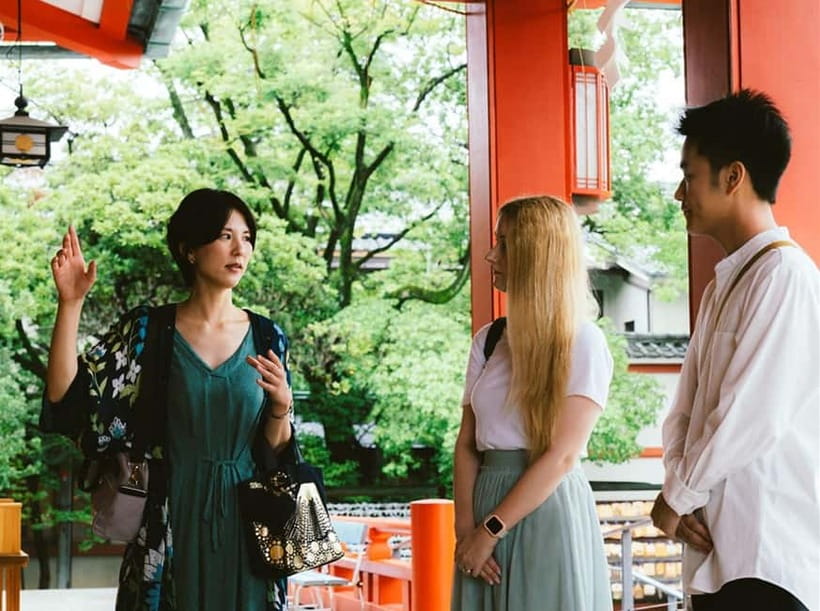
You will enjoy this more if you prep like a local visitor rather than a casual sightseer.
Bring:
- Cash
- Drinks
- Comfortable shoes
Plan your clothing for the rules. You should be ready for shoulder and knee coverage. If your outfit is on the borderline, the shawls help, but it is still best to start with something appropriate.
Also, remember the photography limits. Since video recording is not allowed and photos are restricted inside, decide in advance that you will watch first and photograph second.
Should you book this Tokyo Buddhism and Shinto temple tour?
Book it if you want a respectful, well-explained temple experience in East Tokyo, with small group size and real guidance during the fire ceremony. The ceremony etiquette, scene-by-scene explanations, and the focus on doing things the right way are the big reasons to choose this one.
Skip it if you are mainly chasing high volume sightseeing, maximum photos, or a party-like vibe. This tour has strict boundaries, including no photography inside and a silent viewing style during the ritual.
If your goal is to understand what Japanese spirituality looks like in real practice, this is a strong match.
FAQ
How long is the tour?
The tour lasts about 2 hours.
What is the meeting point for the tour?
You meet outside Exit 4 of Monzen-nakacho Station. The Kusuri no Fukutaro drug store with a red sign banner is just outside the exit.
Is the tour in English?
Yes, the tour is led in English.
What is the group size?
It is a small group limited to 6 participants.
What is included in the price?
Admission fee to the fire ceremony, a guided tour of the neighborhood, a local English-speaking host, and shawls for guests who need to cover their shoulders or knees.
What should I bring?
Bring cash, drinks, and comfortable shoes.
What are the rules about clothing and footwear?
Short skirts and sleeveless shirts are not allowed, hats are not allowed, and shoes indoors are not allowed. A shawl may be provided if you need shoulder or knee coverage.
Can I record video or take photos inside?
No video recording is allowed, and photography is not allowed inside. Audio recording is also not allowed.
Is the fire ceremony just for tourists?
No. The tour explains that the fire ceremony is a serious everyday activity for Buddhist people, and it includes etiquette and viewing guidance accordingly.
Is there anything not included that I might want?
Small coins for a throwing ritual are optional and not included.
Newly listed around Tokyo
- Tokyo private transfer for Yokohama Port★ 4.5 · 63 reviews
- Luxury Kimono Photoshoot at Ginza Tokyo★ 5.0 · 7 reviews
- Tokyo Allstar Food Tour★ 4.5 · 206 reviews
- Tokyo Art Aquarium Museum E-Ticket with optional Tokyo Metro Pass★ 5.0 · 17 reviews
- Tokyo: Best Ginza Food Tour at 3 Local Eateries★ 5.0 · 83 reviews
- Private One Day Nikko Tour with Bilingual driver★ 3.5 · 11 reviews
- PRIVATE tour in 180SX to Daikoku+++++★ 5.0 · 6 reviews
- Kabuki Talk★ 5.0 · 10 reviews
Shrine & Temple Visits, compared.
Fushimi Inari, Kinkakuji, Bamboo Grove 1 Day Bus Tour
Read our review →
Meiji Shrine, Asakusa, Skytree Bus Tour and Cruise
Read our review →
Fushimi Inari Hidden Hiking Tour (Private Option Available)
Read our review →
Osaka/Kyoto:Kinkakuji,Arashiyama,FushimiInariShrine,NaraPark
Read our review →
Asakusa Walking Tour with Sensoji Temple Visit
Read our review →
Nikko: Kegon Falls, Lake Chuzenji & Toshogu Temple
Read our review →
Kamakura & Enoshima Day Trip including Temple Tickets
Read our review →Browse the lists this tour appears in