
Review · 1-DAY TOURS
Tokyo: Day Trip to Kamakura in Spanish – Spanish
Kamakura feels like a different Japan. This Spanish-guided day trip trades Tokyo bustle for temple paths, legends, and a slow, seaside-temple mood. You also get an efficient route that keeps moving without feeling rushed. The tour runs on a set rhythm, starting at Tokyo Central Station and returning there after about 8 hours.
Two things I really like: first, the combination of a guided temple visit plus real time walking and exploring the shopping street atmosphere. Second, the focus on stories, not just facts, which is where guides like Camila and Paula stood out with clear, relevant explanations. With a 4.9 rating from 22 reviews, there’s a strong track record of people leaving happy.
One thing to consider is that the headline price is not the full cost. You pay extra for transport (¥2,300) and temple tickets (¥700), and luggage or large bags are not allowed.
In This Review
- Key things to know before you go
- Why Kamakura Works as a Spanish Day Trip from Tokyo
- Tokyo Central Station Start, Train Route, and the Tram to Hase-dera
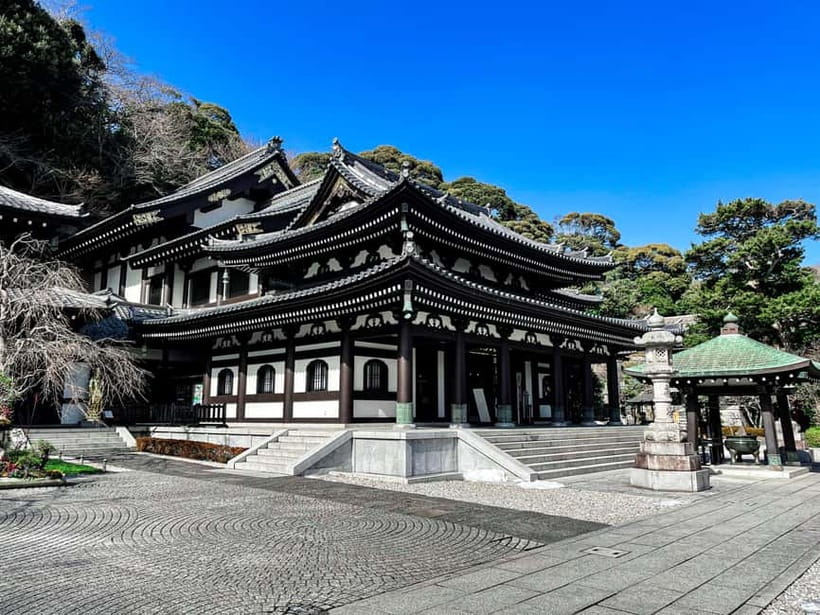
- Hase-dera Temple: Myths, Legends, and the Reason You Keep Walking
- Kotoku-in Temple: The Giant Bronze Buddha Up Close
- Kamakura Main Street for Lunch and Browsing Before the Return Train
- What the 8-Hour Spanish Schedule Feels Like in Real Life
- Price and Value: When ¥2,300 and ¥700 Matter
- Guides Who Make It Personal: Emi, Camila, Nikita, Ori, Paula, and Nerea
- Who This Tour Suits Best, and Who Should Rethink It
- Should You Book This Tour for Your Tokyo-to-Kamakura Day?
- FAQ
- Where is the meeting point for the Kamakura tour?
- How long is the excursion?
- Is the tour guided in Spanish?
- What is included in the price?
- What extra costs should I expect?
- Do I need to buy temple tickets during the tour?
- Is luggage allowed?
- Is this tour suitable for wheelchair users or hearing-impaired people?
- Will the tour use public transportation?
Key things to know before you go
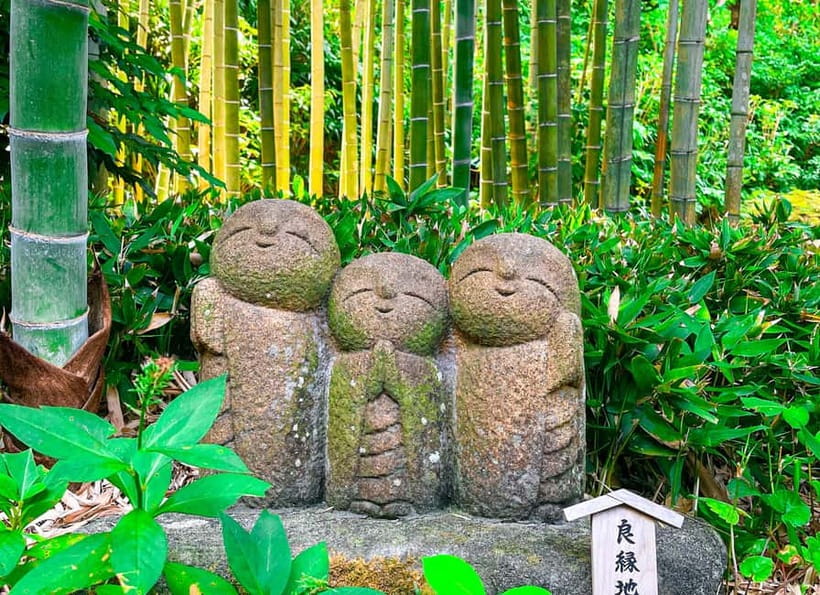
- Spanish-language tour focused on culture and place-based storytelling
- Old tram ride to Hase-dera, one of the oldest still operating in Japan
- Hase-dera Temple with myths and legends that make you want to keep walking
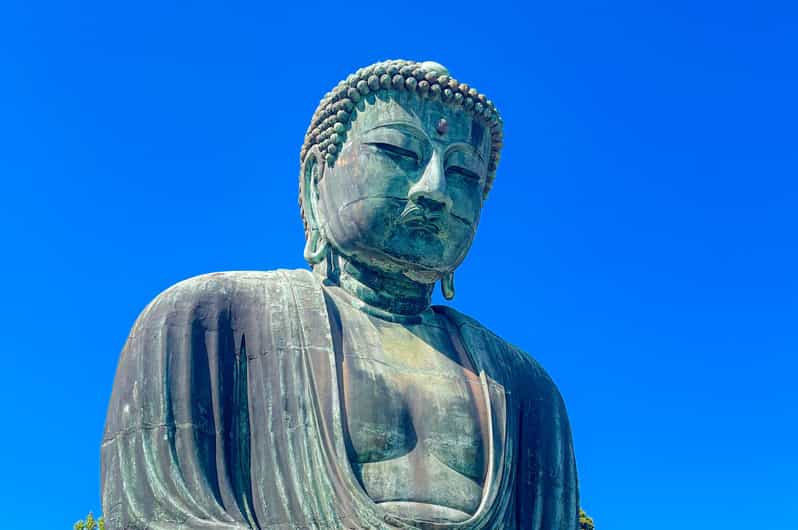
- Kotoku-in’s Great Buddha (13 meters tall, 121 tons) up close
- Time on the main shopping street for lunch and browsing
- Personal, friendly guides who share practical tips to keep your trip going
Why Kamakura Works as a Spanish Day Trip from Tokyo
Kamakura is one of those places where the vibe changes fast. In Tokyo you’re in a city that never fully powers down. In Kamakura, you start stepping into calmer ground, with temple gates, greenery, and that soft hush you only get when you’re surrounded by spiritual sites.
This tour makes the difference between seeing Kamakura and understanding it. You’re not just “at temples.” You’re being guided through why the places matter, with legends and history tied to what you can actually see. That storytelling style is a big reason guides like Emi, Nerea, and Nikita were praised for making the day feel smooth and personal.
If you want a day trip that feels genuinely Japanese, this is a strong choice. It’s structured enough to be easy, but it still leaves breathing room for lunch and shopping street wandering.
A few more Tokyo days to weigh up
- Mt Fuji and Hakone 1-Day Bus Tour Return by Bullet Train
★ 5.0 · 26,383 reviews - 1-Day Tokyo Bus Tour
★ 5.0 · 14,250 reviews - Tokyo: TOKYO SKYTREE® Admission ticket
★ 4.5 · 11,192 reviews
Tokyo Central Station Start, Train Route, and the Tram to Hase-dera
Your day starts in front of the Tokyo Station facade, in Marunouchi Square at the central exit. It’s one of the more straightforward meeting points in Tokyo, which matters when you’re heading out on a tight day schedule. Then you take the train to Kamakura.
Once you arrive, you board one of Japan’s oldest trams still in operation. This is more than transport. A tram ride gives the journey a local texture, and it also helps you transition from Tokyo’s pace into Kamakura’s slower rhythm. You then use that momentum to reach Hase-dera Temple, where the tour shifts into myths, legends, and temple details.
The practical win here is that you’re using public transportation throughout. You’re not stuck figuring out transfers while trying to read signs in a hurry. You’ll still want to be ready for walking, but the logistics are handled as part of the experience.
Hase-dera Temple: Myths, Legends, and the Reason You Keep Walking
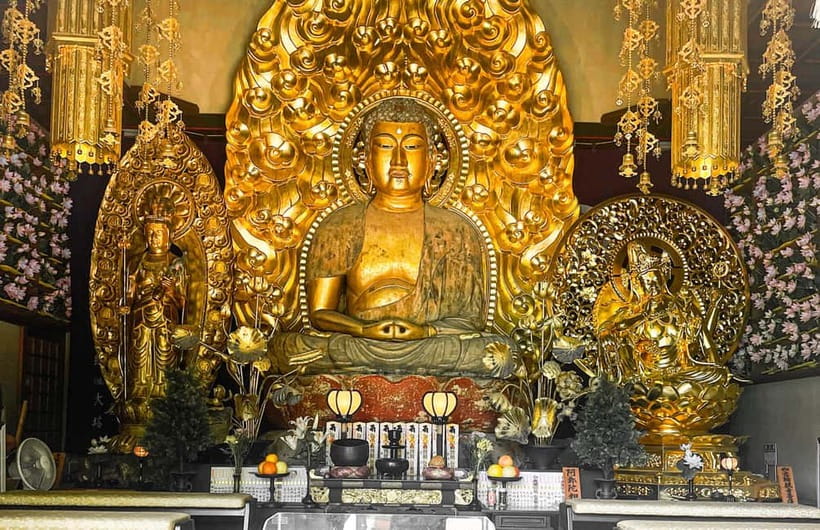
Hase-dera is the kind of temple where the story grows as you go. The guide brings you into the setting, and as you explore more, the myths and legends start making sense in a way that feels tied to the place, not just recited like a script.
Expect a temple experience that mixes atmosphere with explanation. The best guides in Spanish and other languages found a balance: enough background so you’re not lost, but not so much detail that you stop looking around. People also highlighted that their guides adapted to the group’s pace, including families with kids, which is a good sign for whether you’ll feel comfortable slowing down when you want photos or a breather.
There’s also a natural payoff for your legs here. Temple grounds tend to reward gradual movement, and Hase-dera is set up for that. If you like walking between viewpoints and reading what the guide points out, this stop is where the tour starts to feel special.
Kotoku-in Temple: The Giant Bronze Buddha Up Close
After Hase-dera, the route shifts. You walk over to Kotoku-in Temple, which is famous for one overwhelming sight: the second largest bronze Buddha in Japan. This Buddha is 13 meters tall and weighs 121 tons, and the scale hits you quickly once you’re there.
What I like about this part of the day is the clarity. With Kotoku-in, you don’t need a background lecture to feel the significance. But the guided context helps you understand what you’re looking at and why this particular statue became such a touchstone for Kamakura’s spiritual identity.
Also, the route from one temple to the next gives you a neat contrast. Hase-dera leans into legends and a temple-world feeling. Kotoku-in is dominated by sheer physical presence. Together, they give you two different ways to connect, one through storytelling atmosphere and one through monumental scale.
If you’re the type who enjoys “one big thing” moments, this stop delivers.
A different sort of day in Japan:
- Tokyo: teamLab Planets TOKYO Digital Art Museum Entry Ticket
★ 4.6 · 9,779 reviews - Mt Fuji & Hakone Cruise, Drum Show Bullet Train 1 Day from Tokyo
★ 4.0 · 7,413 reviews - Tokyo: Sumo Show Experience with Chicken Hot Pot and a Photo
★ 4.8 · 6,678 reviews - Tokyo: Shinjuku Food Tour (13 Dishes at 4 Local Eateries)
★ 5.0 · 6,603 reviews
Kamakura Main Street for Lunch and Browsing Before the Return Train
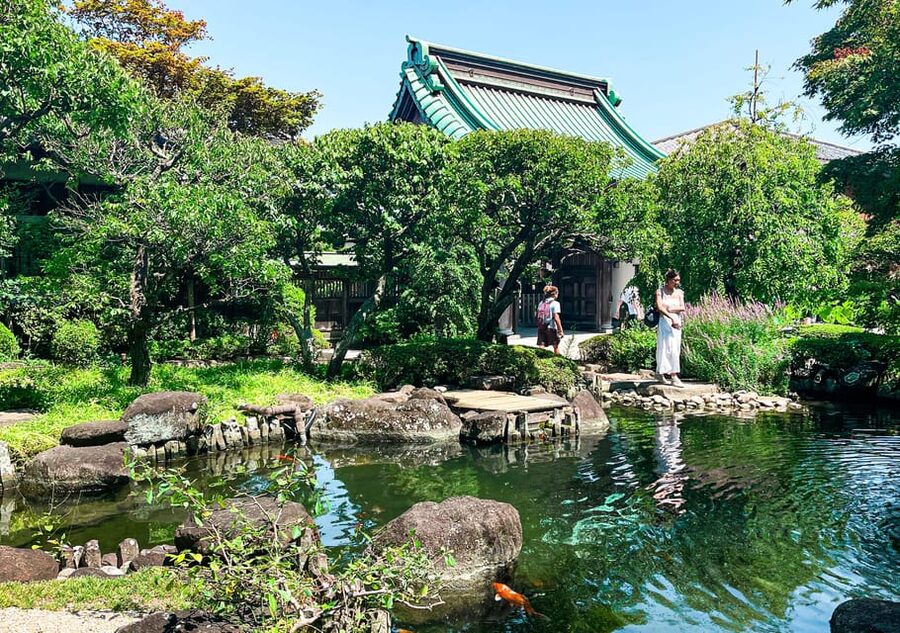
Next comes the change of pace most people actually enjoy. You head to the settlement’s main street, lined with shops and that distinctive Kamakura feel. This is where you can pause the temple mode and do the human part of travel.
You’ll have lunch here, plus time to explore shops at your own speed. That free time is valuable because it lets you choose what kind of souvenir energy you want. If you’re craving snacks, this is the moment. If you’re more interested in small gifts and atmosphere, the browsing time is your playground.
One real-world benefit from reviews: the transportation plan tends to keep waiting time low, with people reporting that arrivals for the transport were reliable. That makes the lunch window feel more relaxed instead of rushed.
When you finish shopping and eating, you take the train back to Tokyo Station. The day comes full circle at the same meeting point, which is a relief when you’re tired and want your return plan to be simple.
What the 8-Hour Spanish Schedule Feels Like in Real Life
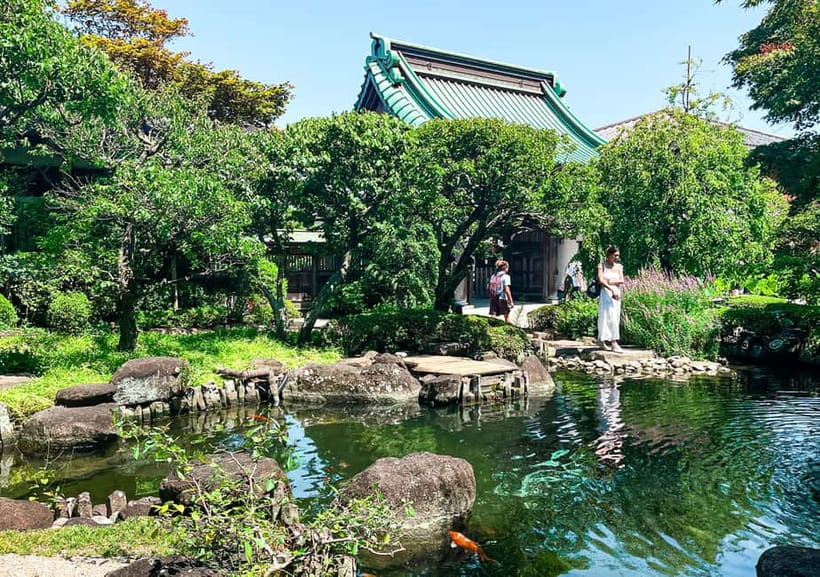
An 8-hour day trip is long enough to feel satisfying, but short enough that Tokyo still feels close. The rhythm is: travel from Tokyo, guided temple time with an added tram segment, a walk between major sites, lunch plus browsing, then the return train.
The best tours in this category do two things. They protect your time, and they prevent you from missing the “why” behind the big sights. This one aims for both, especially since it’s guided in Spanish by friendly, personalized tour guides.
One small consideration from a review: in one case there was confusion when the tour was initially described as Spanish-only, but English also came into play. That doesn’t automatically mean a deal-breaker, but if you’re counting on 100 percent Spanish, consider it a minor risk worth keeping in mind.
If you travel with kids, the praise for patience and pacing matters. Family-friendly tours need guides who can keep things moving without steamrolling attention spans. From the feedback, some guides like Nerea handled that adjustment well.
Price and Value: When ¥2,300 and ¥700 Matter
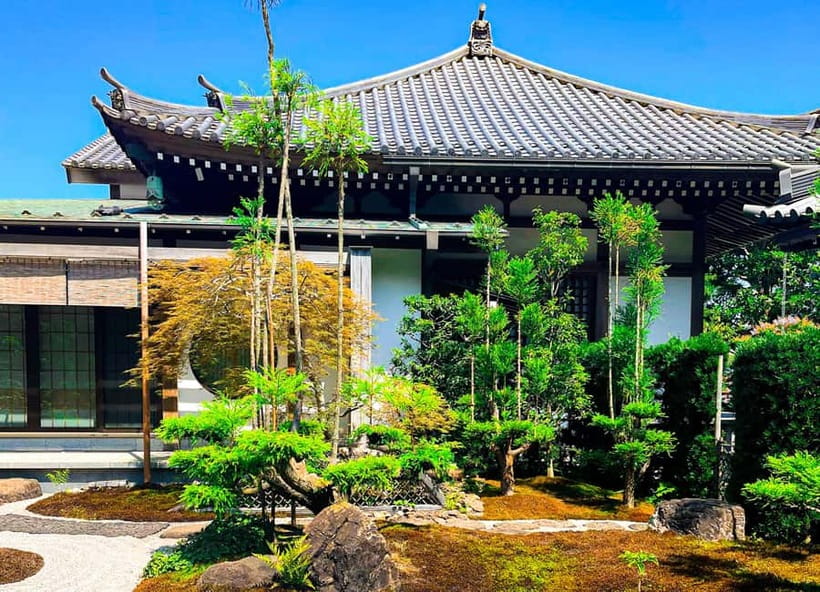
The listed price is $86 per person, and that’s a decent baseline for an 8-hour guided day with major stops. But the value gets clearer when you account for what’s not included.
You should plan to add:
- Transportation: ¥2,300
- Temple tickets: ¥700
- Drinks and food (not included)
So yes, the final spend is higher than the headline figure. Still, I think the value can make sense because you’re paying for the guide-led structure, the Spanish explanations, and the practical public transportation coordination. You’re not just buying entry to temples. You’re buying a guided experience that strings together Hase-dera, Kotoku-in, and the main street time into one coherent day.
Also, the guide experience seems to be the main “product.” Reviews repeatedly praised guides for clarity, organization, and knowing what recommendations to share so you can keep enjoying your trip after the tour ends.
If you already know you’ll eat and drink in Kamakura anyway, the extra items feel more normal. If you’re traveling ultra budget and hate added costs, then you might feel the ticket and transport extras more sharply.
Guides Who Make It Personal: Emi, Camila, Nikita, Ori, Paula, and Nerea
In a temple day, the guide can make the difference between a checklist and an actual memory. This tour leans into friendly, personalized guiding, and the names that came up in feedback show a pattern: people felt well cared for and informed.
Camila was highlighted for managing the excursion efficiently and giving explanations and information that felt relevant. Paula was praised for strong knowledge of Japanese history. Nerea stood out for patience and adapting to the pace of children, and for telling temple stories in a way that actually worked in the moment.
Other guides mentioned include Emi, Nikita, and Ori, with comments that they were immediately reassuring, attentive, and able to make the tour feel smooth and enjoyable.
Even better, some reviews noted that the pace of transport was reliable, so the day didn’t turn into constant waiting. That’s a quiet but important factor for satisfaction, especially when you’re out of Tokyo for a full half day or more.
Who This Tour Suits Best, and Who Should Rethink It
This is a strong match for you if:
- You want Spanish guidance for the big Kamakura sights
- You like temples with story context, not just photos
- You want a guided route that handles train and tram logistics
- You value friendly guidance and practical recommendations
It may not be ideal if:
- You have mobility needs that make tram boarding or walking difficult. The tour is not suitable for wheelchair users.
- You rely heavily on accessibility supports for hearing. It is not suitable for hearing-impaired people.
- You’re traveling with a lot of luggage. Luggage or large bags are not allowed.
- You’re traveling with unaccompanied minors. Unaccompanied minors are not allowed.
If you’re backpack-light and ready for a walking temple day, you’ll likely feel at home here.
Also note the operator says the tour is environmentally friendly. There aren’t extra details listed, so I can’t promise what that means beyond the general approach. But it signals a mindset you might appreciate in Japan.
Should You Book This Tour for Your Tokyo-to-Kamakura Day?
I’d book this if you want a guided Spanish day trip where Kamakura feels understandable, not just scenic. The biggest reasons are the pairing of Hase-dera with Kotoku-in’s giant Buddha, plus the practical structure that gets you from Tokyo to tram ride to temples to lunch time without confusion.
It’s also worth booking if you care about guide quality. The standout praise in the feedback points to guides who explain clearly, manage timing well, and share recommendations that help you enjoy your remaining time in Japan.
Before you commit, do two quick checks: first, confirm you’re comfortable paying the extra costs for transport and temple tickets on top of the $86. Second, make sure you’re not carrying luggage or large bags and that you can handle a walking day.
If those boxes are true, this tour is a smart value. It gives you a complete Kamakura snapshot with language support, real storytelling, and enough free time to enjoy the town rather than just pass through it.
FAQ
Where is the meeting point for the Kamakura tour?
You meet in front of the Tokyo Station facade, in Marunouchi Square (central exit). The tour ends back at the same meeting point.
How long is the excursion?
This is an 8-hour excursion.
Is the tour guided in Spanish?
Yes. The language listed for this experience is Spanish.
What is included in the price?
The excursion in Spanish is included, and it runs for 8 hours. Public transportation is used, but transportation cost is not included in the price.
What extra costs should I expect?
You should plan for transportation (¥2,300) and temple tickets (¥700). Drinks and food are not included.
Do I need to buy temple tickets during the tour?
Temple tickets are not included, so you should expect to pay for temple entry separately.
Is luggage allowed?
No. Luggage or large bags are not allowed.
Is this tour suitable for wheelchair users or hearing-impaired people?
No. It is not suitable for wheelchair users, and it is not suitable for hearing-impaired people.
Will the tour use public transportation?
Yes. Public transportation is used for this excursion.
Newly listed around Tokyo
- Tokyo private transfer for Yokohama Port★ 4.5 · 63 reviews
- Luxury Kimono Photoshoot at Ginza Tokyo★ 5.0 · 7 reviews
- Tokyo Allstar Food Tour★ 4.5 · 206 reviews
- Tokyo Art Aquarium Museum E-Ticket with optional Tokyo Metro Pass★ 5.0 · 17 reviews
- Tokyo: Best Ginza Food Tour at 3 Local Eateries★ 5.0 · 83 reviews
- Private One Day Nikko Tour with Bilingual driver★ 3.5 · 11 reviews
- Kabuki Talk★ 5.0 · 10 reviews
- Japanese Whisky Tasting Experience at Local Bar in Tokyo★ 5.0 · 59 reviews
1-Day Tours, compared.
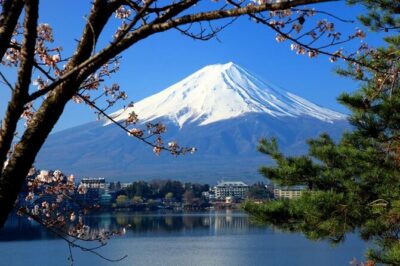
Mt Fuji and Hakone 1-Day Bus Tour Return by Bullet Train
Read our review →
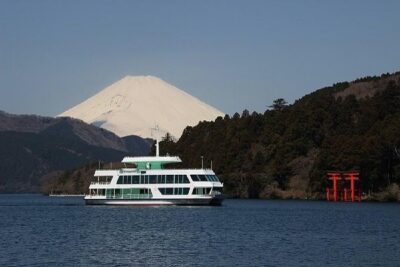
Mt Fuji & Hakone Cruise, Drum Show Bullet Train 1 Day from Tokyo
Read our review →
Peaceful Hiroshima & Miyajima UNESCO 1 Day Bus Tour
Read our review →
Fushimi Inari, Kinkakuji, Bamboo Grove 1 Day Bus Tour
Read our review →

Browse the lists this tour appears in