Review · TOKYO TOURS
Tokyo: Full Course Tour: Explore 10 Must-Sees & Hidden Gems
Tokyo can feel like a giant maze. This tour helps you turn that confusion into a clear first-day path, fast. You’ll bounce between big sights and everyday Tokyo culture, with guides who keep the day moving on foot and metro.
What I really like is how you get both the headline stops and the practical “how Tokyo works” lessons, like public transport etiquette and daily-life details. I also like the small group size and the chance to ask questions, since the guides are born-and-raised in Japan and trained to top standards.
One consideration: expect serious walking, around 20,000 steps, and the tour is not a good match if you have low fitness, back issues, or limited mobility.
In This Review
- Key things that make this Tokyo day work
- Starting smart at JR Yoyogi, then getting your bearings
- Seven-Eleven and the Tokyo habit of on-the-go life
- Meiji Jingu: a quiet reset inside the city noise
- Shibuya’s iconic duo: Hachiko and the scramble crossing
- Tsukiji Honganji Temple and the Outer Market mindset
- Imperial Palace grounds and Marunouchi’s old meets new feel
- Tokyo Station’s red-brick landmark and why it matters
- Akihabara: Electric Town for anime and gaming fans
- Asakusa: Sensoji Temple and Asakusa Shrine calm amid the streets
- Price and value: what your $77 really buys
- How to make it enjoyable on a 20,000-step day
- Should you book this Tokyo full-course tour?
- FAQ
- How long is the Tokyo tour?
- Where do I meet the guide?
- Is the tour free to enter at each stop?
- Is transportation included in the price?
- Do I need an IC card?
- Do I need cash?
- What should I wear or bring?
- Is food included?
Key things that make this Tokyo day work
- Free-to-enter stops across major landmarks, temples, and historic areas, so your day stays budget-friendly
- Small group (up to 7), which keeps questions possible and the pace manageable
- Konbini culture at Seven-Eleven, a uniquely Tokyo start that sets the tone for the day
- Guided metro navigation, plus an IC-card based plan for getting around without stress
- Shibuya and Asakusa on foot, letting you actually feel how neighborhoods differ
- English live guide, including cultural notes on manners and how to behave in public
Starting smart at JR Yoyogi, then getting your bearings
Your day starts at JR Yoyogi Station, West exit, outside the ticket gate (1-chōme-34 Yoyogi, Shibuya City). From there, the tour follows a logic that makes sense for a first day: you begin near major transit, then work through clusters of sights that are easier to reach together.
I like that the tour doesn’t just toss you from one photo spot to another. The “insider’s manual” angle matters because Tokyo rewards small behavioral things. You’ll learn the basics of Japanese etiquette for public spaces and the rhythms of everyday life, not just the names of places.
Practical tip: bring your IC card (Suica, Pasmo, or Icoca) before you go. Even though some attractions are free, the metro and JR links between areas are on you.
A few more Tokyo days to weigh up
- Mt Fuji and Hakone 1-Day Bus Tour Return by Bullet Train
★ 5.0 · 26,383 reviews - 1-Day Tokyo Bus Tour
★ 5.0 · 14,250 reviews - Tokyo: TOKYO SKYTREE® Admission ticket
★ 4.5 · 11,192 reviews
Seven-Eleven and the Tokyo habit of on-the-go life
Most Tokyo tours treat convenience stores like, well, convenience. This one treats Seven-Eleven as a cultural lesson, which I think is a smart move on a first day.
Here’s why it’s useful for you: konbini culture explains how people actually live. You’ll see the kind of high-quality grab-and-go snacks that locals rely on, and you’ll understand why these stores are more than vending machines. It also helps you plan for later, because Tokyo days are often built around quick food stops between sights.
If you’re traveling with dietary needs, you’ll be glad to know vegetarian and vegan options are always available during the food parts of the day. Food is not included, but the guide helps you find places that fit you.
What to watch for: this stop is about culture and quick sampling, not a full meal. Wear comfy shoes, because the day keeps moving.
Meiji Jingu: a quiet reset inside the city noise
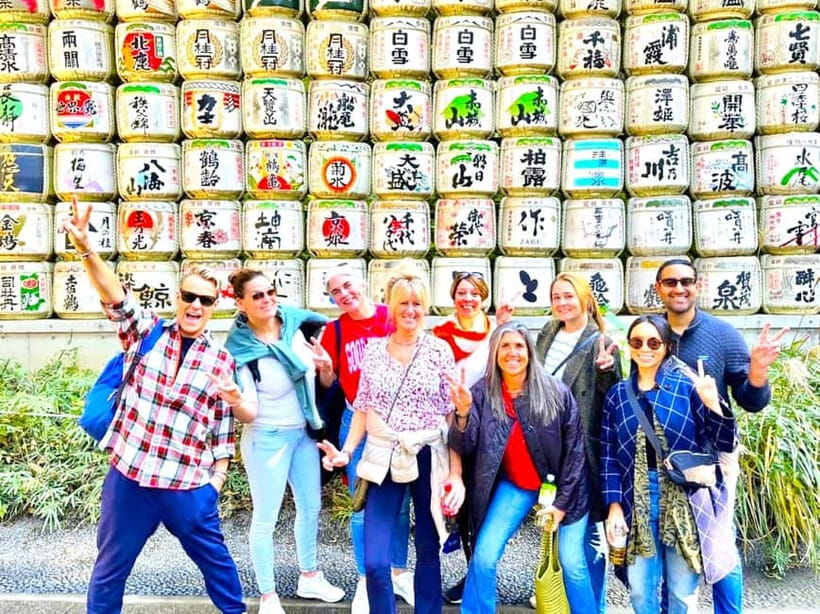
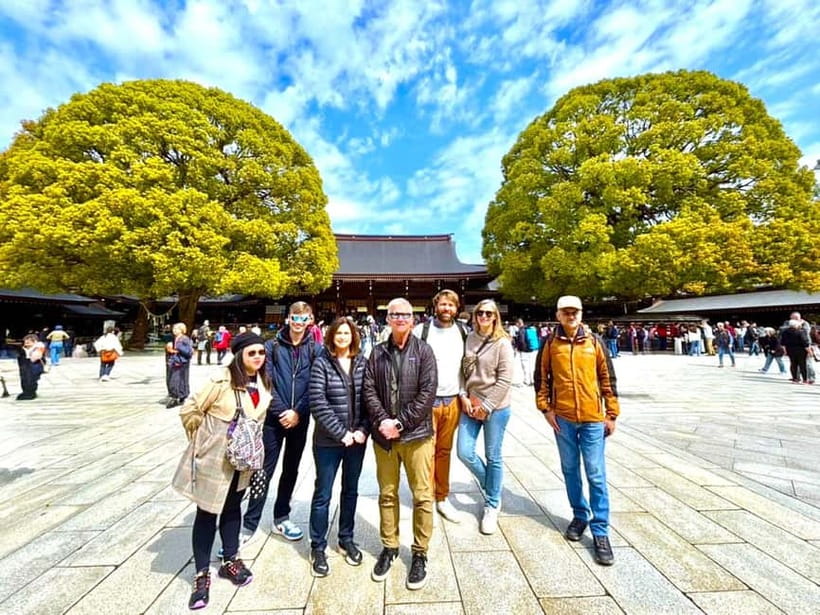
Next comes Meiji Jingu Shrine, described as a serene forest oasis in the middle of Tokyo’s momentum. Even if you’ve seen shrine photos before, getting there with a guide changes how you experience it. You’ll get context for what you’re seeing and what to do when you’re there.
This stop is also a pacing tool. After transit and city streets, the grounds give your legs a break and your head a breather. It’s a great time to slow down, observe, and practice the basics of respectful shrine behavior.
Practical expectation: you’ll still walk. This is not a quick glance from the curb. Plan to move at a steady pace and let the atmosphere do its job.
Shibuya’s iconic duo: Hachiko and the scramble crossing
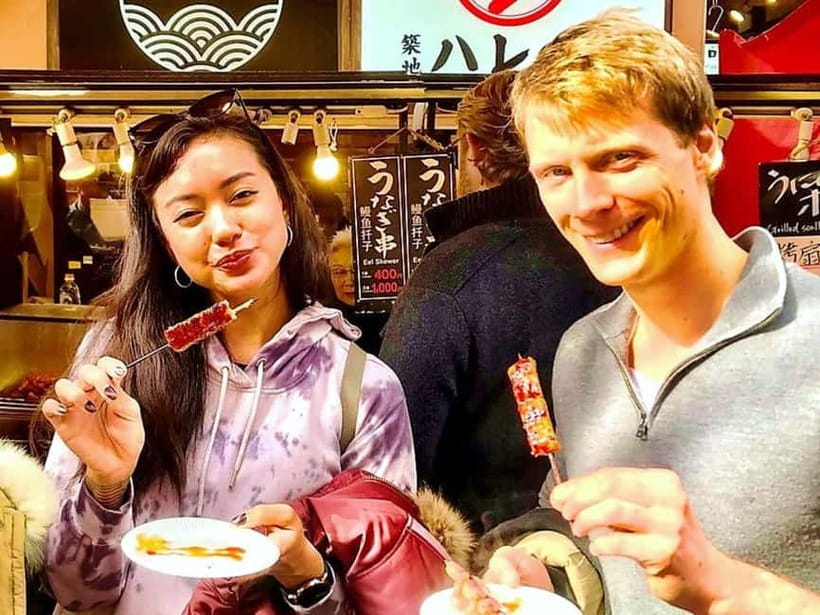
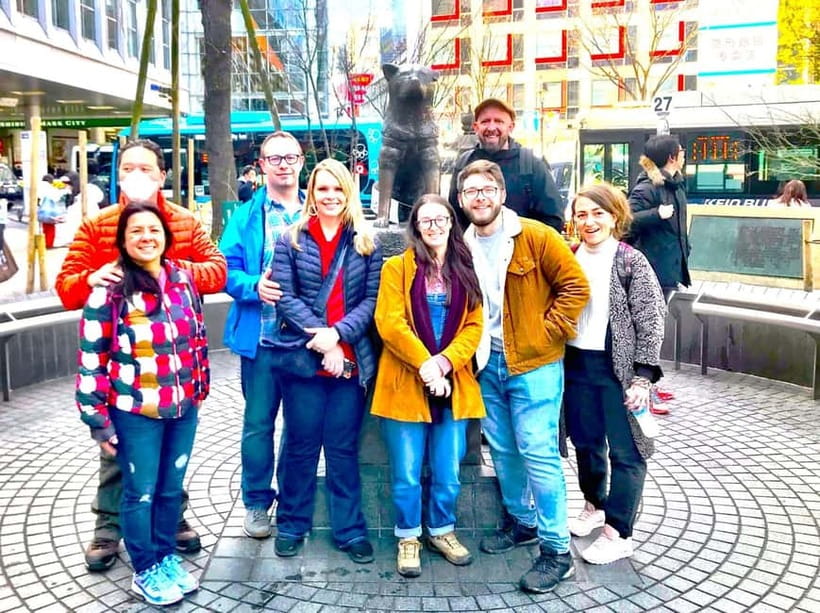
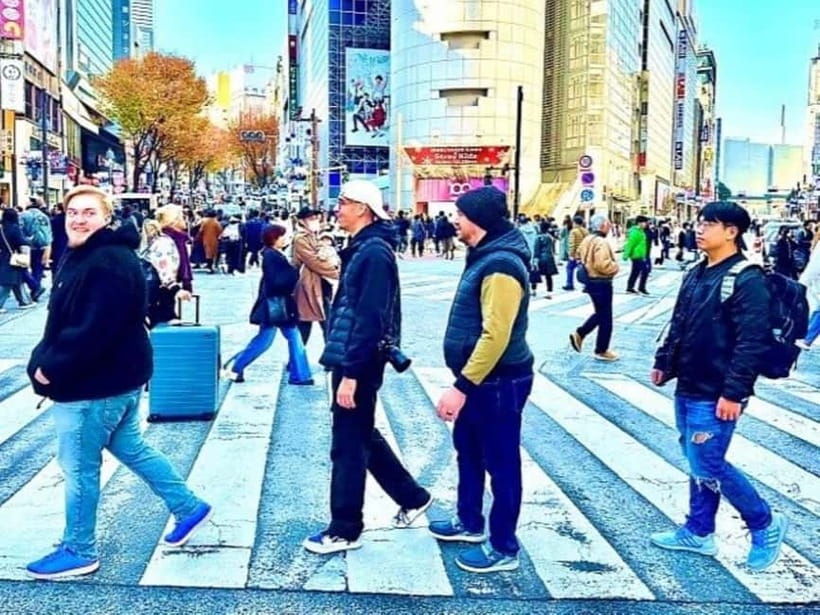
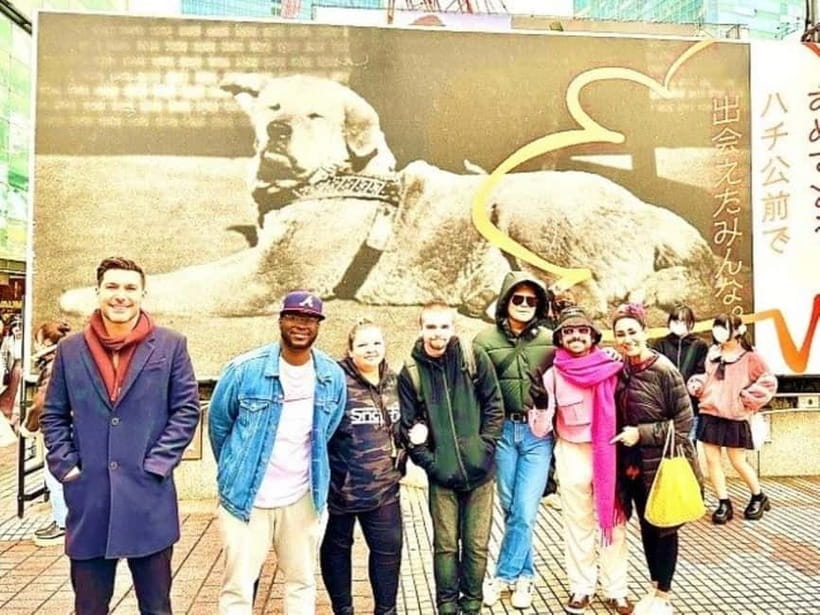
Then you hit Shibuya Hachiko, the famous statue tied to the story of loyalty. The tour focuses on the true story, not just the marketing version, which helps you understand why people gather there and why it matters culturally.
From there, it’s the famous Shibuya Scramble Crossing. The goal isn’t just a photo. Your guide will help you time crossing behavior correctly and move through the crowd without getting flustered.
I also like that Shibuya is a perfect place to learn public transport etiquette. The area teaches you how to stay calm when streets are loud and crowded, and how to queue and move like you belong.
Possible drawback: this section is busy by nature. If you’re sensitive to crowds, give yourself a moment at the edges before stepping into the thickest traffic flow.
A different sort of day in Japan:
- Tokyo: teamLab Planets TOKYO Digital Art Museum Entry Ticket
★ 4.6 · 9,779 reviews - Mt Fuji & Hakone Cruise, Drum Show Bullet Train 1 Day from Tokyo
★ 4.0 · 7,413 reviews - Tokyo: Sumo Show Experience with Chicken Hot Pot and a Photo
★ 4.8 · 6,678 reviews - Tokyo: Shinjuku Food Tour (13 Dishes at 4 Local Eateries)
★ 5.0 · 6,603 reviews
Tsukiji Honganji Temple and the Outer Market mindset
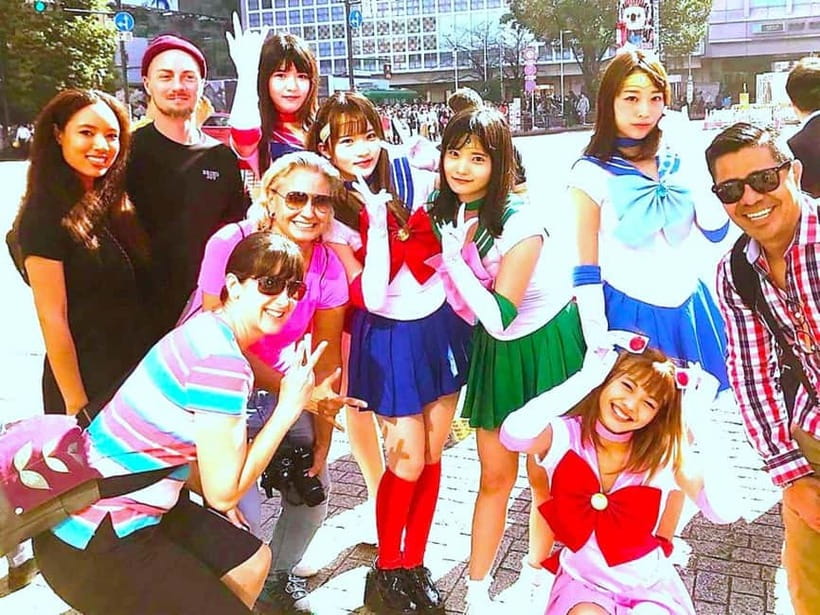
In Tsukiji, you start with Tsukiji Honganji Temple, known for Indian-inspired architecture and stunning stained glass. That mix of influences is one of the reasons I think this stop hits harder with a guide. You’re not just looking at design, you’re learning what you’re seeing and why it’s unusual.
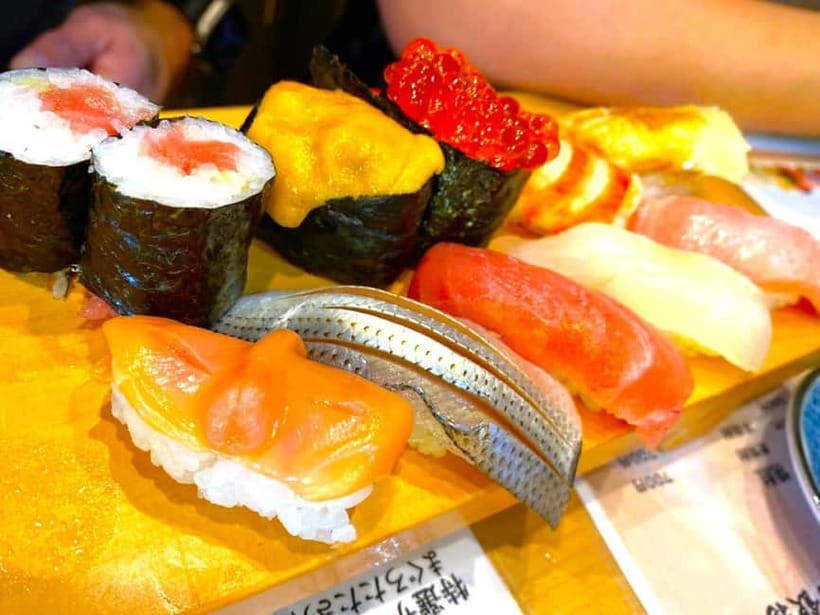
Then you move into Tsukiji Outer Market, often described as Japan’s kitchen. This is the part of the day that helps you eat like a Tokyo person: fresh seafood, Wagyu, and classic local deli-style snacks, depending on what’s available.
Food note: lunch and snacks are not included, so you’ll pay out of pocket. The tour mentions lunch at Tsukiji, and guides can steer you to spots that fit your dietary needs, including vegetarian and vegan options.
One useful way to think about this stop: the market teaches you how to snack your way through Tokyo without losing hours hunting. You’ll likely return to your favorite items later in your trip.
Imperial Palace grounds and Marunouchi’s old meets new feel
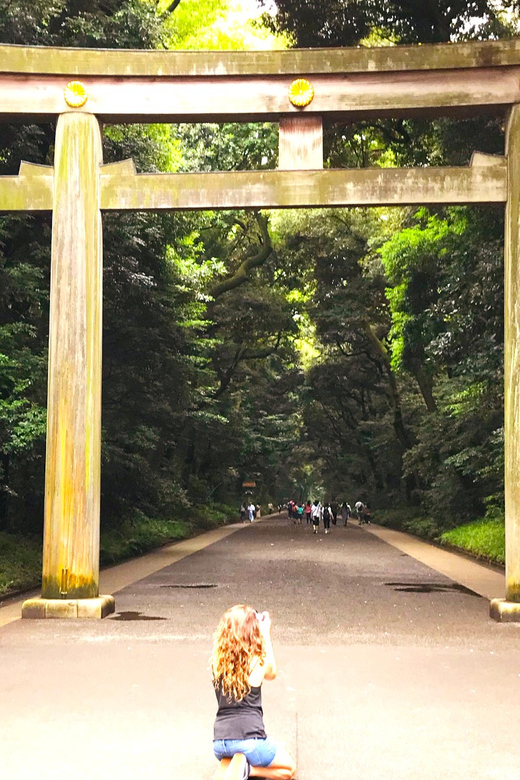
Next you get the Imperial Palace, the historic heart of Japan and the former Edo Castle area. The emphasis here is on walking the grounds and seeing the stone walls and the sense of scale around the palace area. With a guide, it becomes more than a sightseeing checkbox.
After that, you stroll through Marunouchi, where modern skyscrapers sit beside the imperial heritage feel. This section is about contrast. It shows you how Tokyo can be both ceremonial and high-tech, depending on which street you’re on.
If you like architecture and city planning, this is a strong stretch. Even if you don’t, you’ll still appreciate it because it’s a calmer walking section compared to the busiest intersections.
Tokyo Station’s red-brick landmark and why it matters
From Marunouchi, the tour highlights Tokyo Station, famous for its red-brick landmark and its role as a historic gateway with modern transit functions.
Here’s what I think you’ll get from this stop: it’s a practical landmark. Once you understand Tokyo Station’s layout and visual identity, it becomes easier to build your own next day around trains, buses, and metro lines.
Also, Tokyo Station is one of those places where the city feels organized rather than chaotic. It’s a good psychological reset in the middle of a long day.
Akihabara: Electric Town for anime and gaming fans
Then you head to Akihabara, often called Electric Town. This is where pop culture stops being an idea and becomes storefront reality.
The guide will help you navigate the area and understand the role of anime and gaming culture in everyday Tokyo life. Even if you’re not an obsessive fan, Akihabara is still a great place to see Japan’s technology-and-entertainment mashup.
Watch your time here. It’s easy to spend too long inside one shop and lose the flow of the tour day. If something catches your eye, note it mentally for later, then keep moving with the group so you don’t feel rushed at the end.
Asakusa: Sensoji Temple and Asakusa Shrine calm amid the streets
Finally, you end with Sensoji Temple, described as Tokyo’s oldest temple, plus the walk through Kaminarimon Gate into old Asakusa’s spiritual core.
Then there’s Asakusa Shrine, a quieter Shinto stop within the Sensoji grounds. I like the pairing because it gives you a “big moment, then a softer landing” structure. You’ve got iconic sights first, then space for reflection and observation.
This is also one of the best parts of the day to watch how different Tokyo neighborhoods feel. Shibuya can be fast and loud, while Asakusa often feels more traditional in the way people move and linger.
Practical expectation: you’ll be walking. Bring water when you can, and don’t wait until you feel wiped out.
Price and value: what your $77 really buys
The tour costs $77 per person for a 7-hour experience with a professional guide, plus taxes included. That’s the headline value.
The real money saver is that all attractions on the tour are free to enter. In Tokyo, free doesn’t always mean easy, but it does mean you avoid attraction ticket costs that can stack up fast.
What you should budget for:
- Metro and JR fares, roughly 1,500 JPY (about $10 USD)
- Food and drinks, including lunch at Tsukiji and snacks
- Any extra shopping
So the “all-in” feel is mostly about meals and transit top-up, not ticket fees. If you’re trying to see a lot on limited time, it’s a smart way to reduce decision fatigue, because the guide handles timing and route logic.
How to make it enjoyable on a 20,000-step day
This is a walking-heavy day. The tour calls for comfortable shoes and easy-to-move clothes, with an expectation around 20,000 steps.
Here’s how you’ll get the best experience:
- Wear shoes you can walk in for hours without foot pain
- Bring cash in JPY, since some shops or items accept cash only
- Keep your umbrella or rain gear handy as conditions change
- Use your IC card for metro and JR segments, so you’re not fumbling at ticket gates
- Stay with your guide at all times, because the guide can’t go off to track missing individuals
Also, this tour has rules meant for safety and flow. No intoxication, and it’s not for pregnant guests or people with mobility issues. If you’re traveling with a cold or have back problems, skip it.
Should you book this Tokyo full-course tour?
I’d book this if you’re on your first trip or you’ve got limited time and you want a guided day that teaches you how to navigate Tokyo like a functioning human, not a panicked map app hostage. The small group, English live guidance, and strong emphasis on public manners and transport basics make it especially useful.
I wouldn’t book it if you hate crowds, can’t handle long walks, or need a fully accessible route. Also, if you’re the kind of traveler who wants total freedom to wander, a structured 7-hour route may feel too tight.
If your goal is to get oriented fast, see major icons, and pick up practical habits for the rest of your trip, this tour is a good bet.
FAQ
How long is the Tokyo tour?
It lasts 7 hours.
Where do I meet the guide?
Meet at JR Yoyogi Station, West exit, outside the ticket gate (1-chōme-34 Yoyogi, Shibuya City, Tokyo 151-0053).
Is the tour free to enter at each stop?
Yes. The tour states that all attractions on the tour are free to enter.
Is transportation included in the price?
No. Metro and JR train fares are not included, estimated around 1,500 JPY (about $10 USD).
Do I need an IC card?
Yes. You need a pre-charged IC card such as Suica, Pasmo, or Icoca for metro travel.
Do I need cash?
Yes. The tour notes that cash (JPY) is required for some shops and items that may accept cash only.
What should I wear or bring?
Bring comfortable shoes and cash. High-heeled shoes and oversize luggage are not allowed. Rain gear is recommended in case it rains.
Is food included?
No. Food and drinks are not included. The tour mentions lunch at Tsukiji and snacks as parts of the day, and vegetarian and vegan options are always available.
Newly listed around Tokyo
- Tokyo private transfer for Yokohama Port★ 4.5 · 63 reviews
- Luxury Kimono Photoshoot at Ginza Tokyo★ 5.0 · 7 reviews
- Tokyo Allstar Food Tour★ 4.5 · 206 reviews
- Private One Day Nikko Tour with Bilingual driver★ 3.5 · 11 reviews
- Tokyo Art Aquarium Museum E-Ticket with optional Tokyo Metro Pass★ 5.0 · 17 reviews
- Tokyo: Best Ginza Food Tour at 3 Local Eateries★ 5.0 · 83 reviews
- PRIVATE tour in 180SX to Daikoku+++++★ 5.0 · 6 reviews
- Kabuki Talk★ 5.0 · 10 reviews
Tokyo Tours, compared.
Mt Fuji and Hakone 1-Day Bus Tour Return by Bullet Train
Read our review →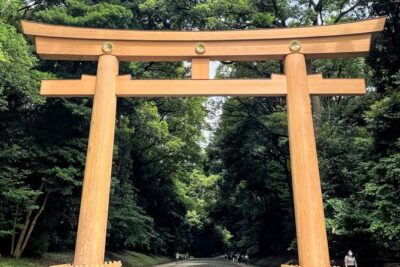

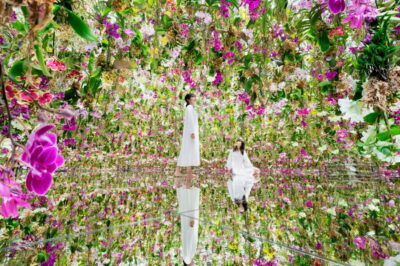
teamLab Planets TOKYO Digital Art Museum Entry Ticket
Read our review →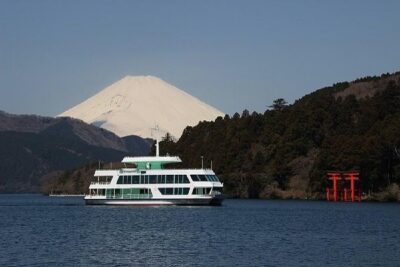
Mt Fuji & Hakone Cruise, Drum Show Bullet Train 1 Day from Tokyo
Read our review →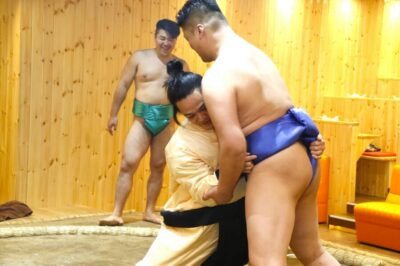
Sumo Show Experience with Chicken Hot Pot and a Photo
Read our review →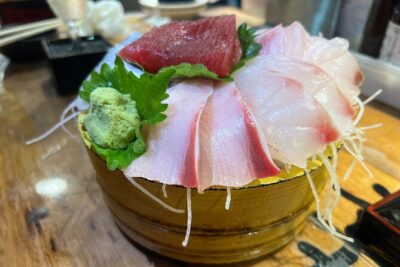
Shinjuku Food Tour (13 Dishes at 4 Local Eateries)
Read our review →