Review · TOKYO TOURS
Tokyo: Full Course Tour: Explore 15 Must-Sees & Hidden Gems
Tokyo in one full, walkable day. This tour strings together Meiji Jingu, Shibuya, Tsukiji, Tokyo Station, Akihabara, Ueno, and Asakusa in a tight route, with all-free entrances that keep your spending sensible. I really like the small group size, and how guides like Yasuko and Michiko pace the day and work at getting to know you. The main drawback is that it is a long one, with heavy walking, and it is not a match for mobility limits or pregnancy.
You will also get the stuff that makes Tokyo feel less intimidating. English live guides coach you on public transport etiquette, daily-life norms, and how to move through neighborhoods without acting like a lost tourist.
Plan for practical gear and small expenses. Expect about 20,000 steps, bring an umbrella, and know that a pre-charged Suica, Pasmo, or Icoca card is needed for metro legs. Transport fares and meals are not included, so set aside a little budget.
In This Review
- Key points before you go
- Entering Tokyo’s day plan with fewer headaches
- Meeting at JR Yoyogi and gearing up for 10 hours
- Seven-Eleven konbini culture, snacks, and the art of being prepared
- Meiji Jingu: calm in the middle of the city
- Harajuku fashion and street food energy
- Hachiko and Shibuya: the day speeds up
- Tsukiji Hongan-ji and stained glass you do not expect
- Tsukiji Outer Market: Japan’s kitchen, with real food momentum
- Imperial Palace grounds and Marunouchi: old meets new
- Akihabara: neon, fandom, and the joy of noticing
- Ueno Park and Ameyoko: art walks and street-market grit
- Sensō-ji and Asakusa Shrine: finishing in old Tokyo style
- The izakaya goal celebration: a fun wrap, with rules
- How the price makes sense, and what it does not cover
- Who this Tokyo full-course tour is best for
- Should you book it?
- FAQ
- Where does the tour start?
- What is the tour duration?
- How many people are in the group?
- Is the tour guide English-speaking?
- Are attraction entrance fees included?
- Are transportation and meals included in the price?
- Do I need an IC card for transit?
- Is cash necessary?
- Is this tour suitable for children?
- Is free cancellation available?
Key points before you go
- All sights are free to enter, so your money goes to food, transit, and shopping, not tickets.
- Small group (up to 7) keeps the pace human and makes it easier to ask questions.
- Born-and-raised English guides focus on how people actually live and move in Tokyo.
- You learn practical transit habits, including metro etiquette and using an IC card smoothly.
- Lunch and dinner are on you, but vegetarian and vegan options are always available.
- It is a long walking day, so shoes and stamina matter more than you think.
Entering Tokyo’s day plan with fewer headaches
I like tours that do two jobs at once: show you the headline places and also help you feel competent in the city. This one does that by mixing iconic stops with the kind of side streets and local habits you normally only notice after you have been in Tokyo for a week.
The biggest value is that the included attractions are free to enter. In Tokyo, paid viewpoints and ticketed attractions add up fast. Here, the focus is on streets, temples, markets, and city landmarks that you can enjoy without extra entry fees. It is not just budget friendly, it also keeps the day from turning into a series of lines and paperwork.
The tradeoff is the walking. This is built around moving by foot and metro, and it asks for sporty shoes and a steady pace. If your body likes short days and lots of sitting, this is not that.
A few more Tokyo days to weigh up
- Mt Fuji and Hakone 1-Day Bus Tour Return by Bullet Train
★ 5.0 · 26,383 reviews - 1-Day Tokyo Bus Tour
★ 5.0 · 14,250 reviews - Tokyo: TOKYO SKYTREE® Admission ticket
★ 4.5 · 11,192 reviews
Meeting at JR Yoyogi and gearing up for 10 hours
You start at JR Yoyogi Station, west exit, outside the ticket gate. That matters because Tokyo stations are giant, and you want the group to begin with everyone oriented.
Bring three things that will save you stress:
- Comfortable shoes (you will be on your feet a lot)
- Cash in JPY (some shops and small places only take cash)
- An IC card such as Suica, Pasmo, or Icoca for metro rides
You will also want a rain setup. The tour runs through multiple neighborhoods, and weather can change fast. An umbrella or light raincoat is the simplest insurance policy.
One more rule to keep in mind: late arrivals cannot join once the tour departs on time, so give yourself a little buffer before meetup.
Seven-Eleven konbini culture, snacks, and the art of being prepared
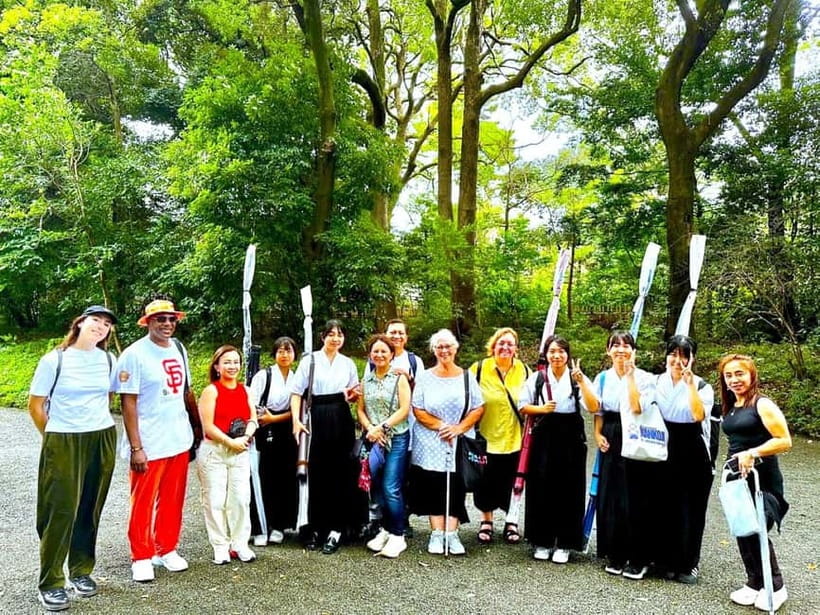
Tokyo’s convenience stores are more than a vending machine with better branding. A short konbini stop is part of the experience, and it is worth paying attention.
Here is what you learn by seeing one up close:
- How locals handle quick meals and snacks
- The normal flow of grabbing what you need and moving on
- Why having a plan (and cash) makes Tokyo feel easy
If you are the type who likes understanding the everyday systems of a place, this portion pays off later when you are on your own.
Meiji Jingu: calm in the middle of the city
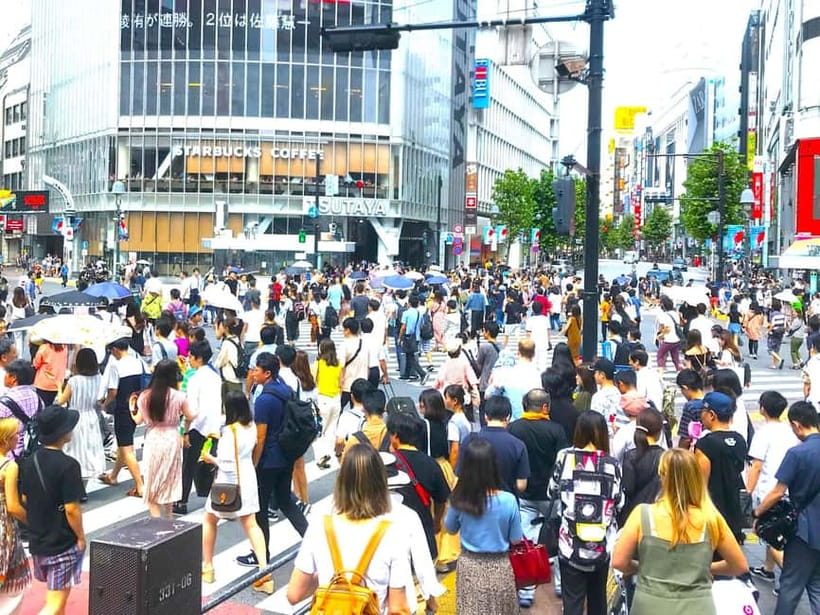
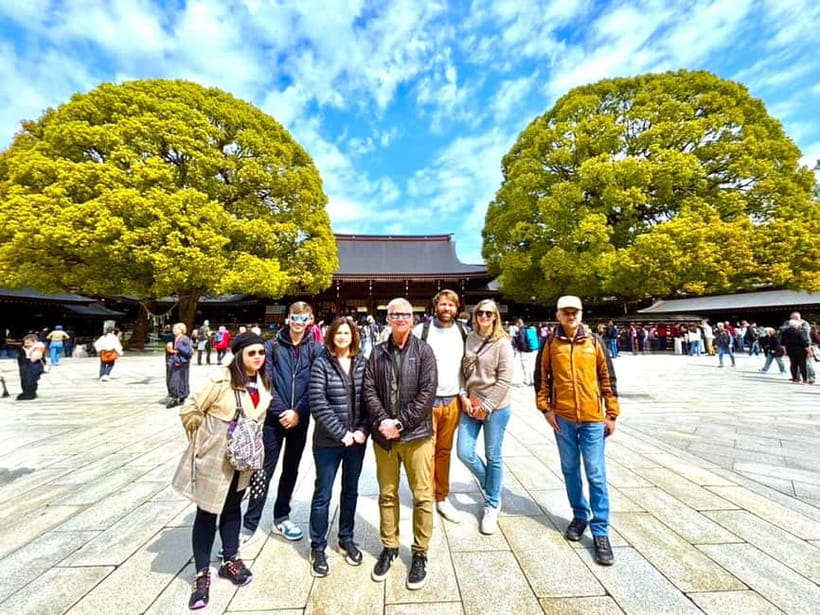
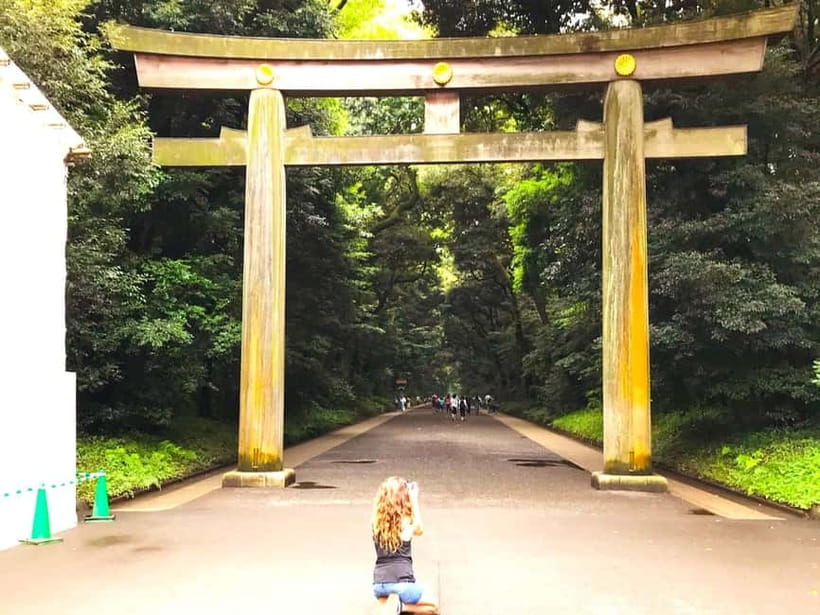
Meiji Jingu is where Tokyo resets your brain. The shrine is surrounded by wooded paths, and you feel the change the moment you step off the busy streets.
On this tour, you get time to look around and understand what you are seeing, not just rush past for photos. This is also a good place to practice shrine etiquette with your guide nearby, so you know what is appropriate before you reach the older temple areas later in the day.
What I like here: it is an easy mental shift from city noise to quiet walking.
Your watch-out: keep an eye on your energy level. This is early, but the whole day is cumulative.
A different sort of day in Japan:
- Tokyo: teamLab Planets TOKYO Digital Art Museum Entry Ticket
★ 4.6 · 9,779 reviews - Mt Fuji & Hakone Cruise, Drum Show Bullet Train 1 Day from Tokyo
★ 4.0 · 7,413 reviews - Tokyo: Sumo Show Experience with Chicken Hot Pot and a Photo
★ 4.8 · 6,678 reviews - Tokyo: Shinjuku Food Tour (13 Dishes at 4 Local Eateries)
★ 5.0 · 6,603 reviews
Harajuku fashion and street food energy
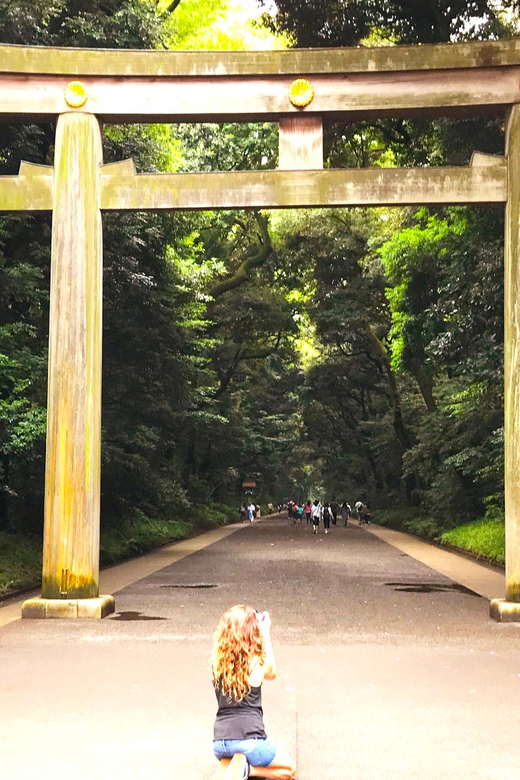
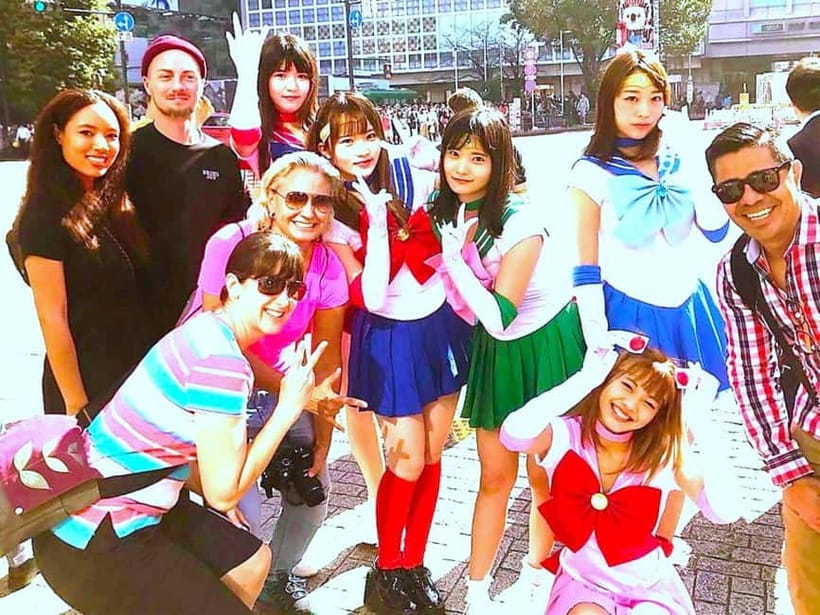
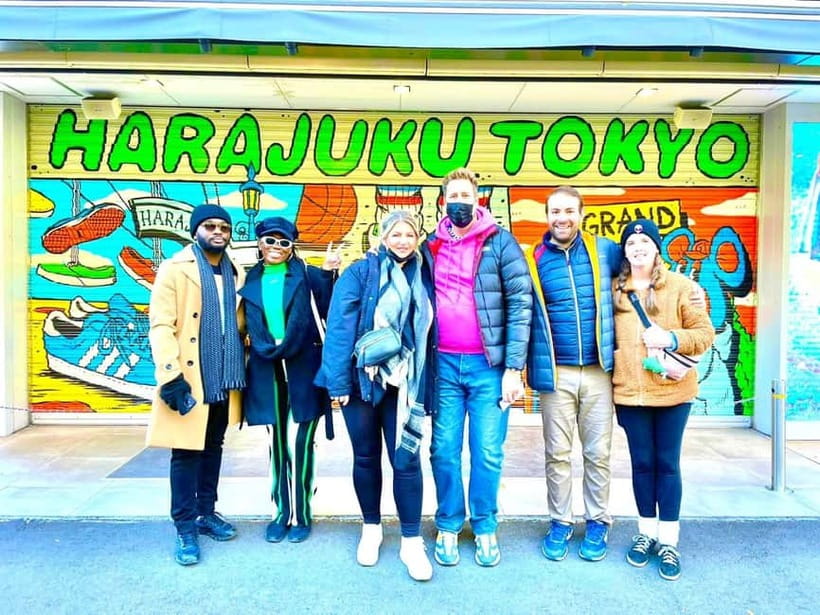
Next comes Harajuku, the place many people associate with youth fashion and trend cycles. You get a focused walk time, enough to see what style looks like on the street, and enough to grab a snack if you want one during the day.
Harajuku can look chaotic from a distance, but the guide helps you read what you are seeing. Instead of feeling overwhelmed, you start to recognize patterns in the crowds, the signage, and the flow of people.
If you love people-watching, this stop is fun.
If you hate crowds, come prepared with patience, and lean on your guide for direction.
Hachiko and Shibuya: the day speeds up
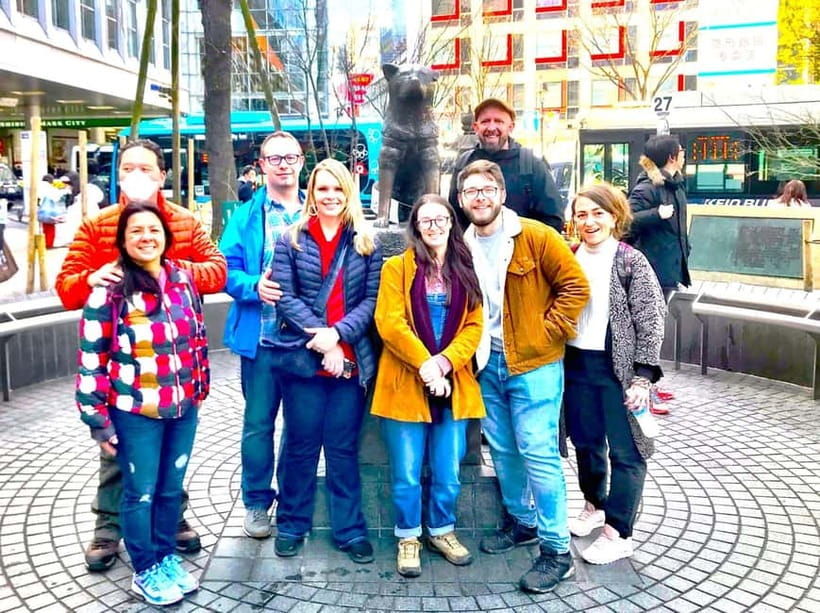
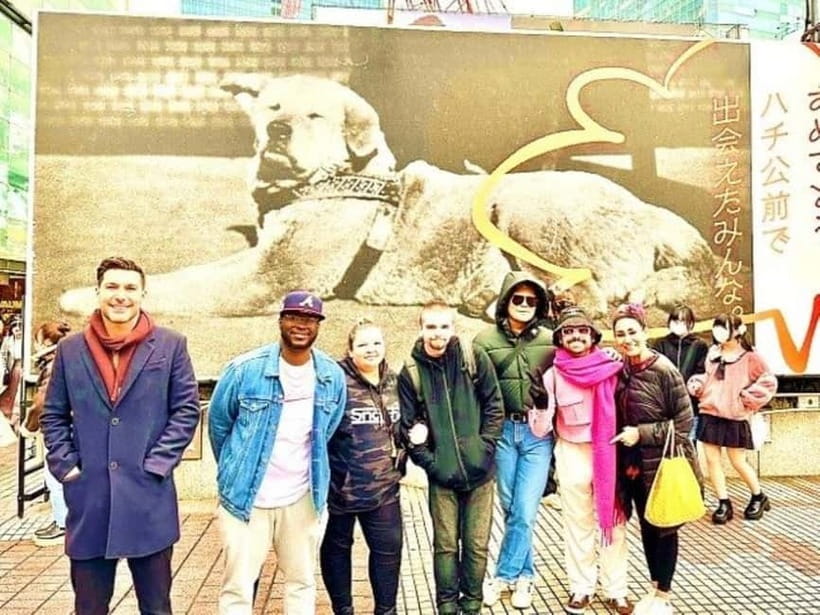
You then hit Shibuya in quick, memorable chunks. There is a stop at the Hachiko statue, with the story of Japan’s most loyal dog. It is brief, but it gives you context for one of the city’s most famous meeting points.
After that, you move to Shibuya Scramble Crossing. This is one of those places where the photo is only half the experience. The real value is understanding how people move through it. You learn where to stand for a good view, when the flow changes, and how locals manage the crossing with practiced calm.
Possible drawback here: the crossing is popular and can feel crowded. If you do not love busy spaces, hold onto what your guide tells you about where to stand and where to wait.
Tsukiji Hongan-ji and stained glass you do not expect
From Shibuya you travel by metro toward Tsukiji Hongan-ji. This stop surprises people because the architecture has a distinct feel, including Indian-inspired elements and stained glass. It is not the kind of building you would guess by the neighborhood name alone.
You get time to slow down and notice details. In a day full of big city icons, this is the kind of detour that prevents Tokyo from blending together into one blur.
If you like religious architecture and art features, this is a standout.
If you are rushing mentally, remind yourself to actually look up.
Tsukiji Outer Market: Japan’s kitchen, with real food momentum
Then comes Tsukiji Outer Market, often the most sensory stop of the day. You will have about 1.5 hours to explore and soak it in. Think seafood, kitchen snacks, and the kind of market rhythm where people pop in for one specific thing and keep moving.
Food is part of the plan here, but lunch is not included. The good news is that vegetarian and vegan options are always available, so you are not boxed into plain choices.
Your practical plan:
- Bring cash for stalls that do not take cards
- Eat early or eat smart, because after a few hours of walking, hunger can hit hard
- If you have dietary needs, take a moment to communicate them clearly rather than guessing
Imperial Palace grounds and Marunouchi: old meets new
After Tsukiji, you travel again by metro and land at the Imperial Palace area for a walk around the grounds and stone walls. This is a different kind of Tokyo sight. Instead of neon signs and tight streets, you get space, structure, and a sense of scale.
Then you move to Marunouchi, including the wider scene where skyscrapers and imperial heritage sit side by side. It is a good counterbalance to the market and shrine stops. You get to feel the contrast in Tokyo’s building style and how people use the streets around the palace grounds.
Tokyo Station is also part of the experience, especially the Marunouchi Tokyo Station square area. The red-brick landmark view is a classic for a reason, and it is a nice visual break before you jump into Akihabara.
Akihabara: neon, fandom, and the joy of noticing
Train time follows, then Akihabara. If you have any interest in anime, gaming, or Japanese pop culture, this neighborhood is basically designed for your curiosity.
Your guide’s job here is not to turn it into a sales pitch. It is to help you understand what you are seeing in context, and to make the walk time feel efficient rather than random.
What I like: Akihabara gives Tokyo a playful side after a heavier day of temples and formal spaces.
What to watch: if you are easily overstimulated by bright signage and crowds, slow down, pick one or two streets to focus on, and keep a comfortable pace with the group.
Ueno Park and Ameyoko: art walks and street-market grit
Next you head to Ueno Park, a cultural area with world-class museums nearby and a samurai history connection. Even if you do not enter a museum, the park walk gives you a different Tokyo feeling, more open and airy than the tight city grids.
Then you go to Ameyokocho (Ameya-Yokocho), a busy market street with local street-food energy. It is not polished. It feels like people come here for bargains, snacks, and the experience of moving through a working market.
Practical tip: this part of the day is where you often want to snack instead of waiting for dinner. If you find something you like, you can usually keep options open for the rest of the day because your guide’s route keeps you moving.
Sensō-ji and Asakusa Shrine: finishing in old Tokyo style
The last stretch brings you to Sensō-ji Temple, Tokyo’s oldest temple, in the old Asakusa area. Sensō-ji is famous, but the real value of doing it on a structured day is timing and navigation. Your guide helps you find the right flow so you spend time looking, not guessing.
Inside the complex, you also visit Asakusa Shrine, a quieter Shinto stop within the Sensō-ji grounds. This contrast is great. You get big temple energy first, then a calmer pocket where you can slow down and just be present for a minute.
Finally, the tour ends at Asakusa Shrine. It is a fitting place to close because the vibe feels rooted in place, not just in attractions.
The izakaya goal celebration: a fun wrap, with rules
There is a goal celebration party at an izakaya listed as part of the experience. That is a nice way to turn “we saw a lot” into “we shared a day.”
Just note what the tour sets as boundaries: there is a no-intoxication rule, and meals and drinks are not included. Think of this as a friendly end-of-day hang, not a paid dinner plan.
If you want to bring it home as a memory, it is a good moment to compare notes with your group and your guide.
How the price makes sense, and what it does not cover
The price is $90 per person for a 10-hour day, with the guide fee and taxes included. That sounds straightforward, but the real value comes from how much is bundled into your day.
Included:
- A professional English guide for the full route
- Multiple major sights and local stops during one continuous plan
- All included attractions are free to enter
Not included:
- Transportation fares, about 1,500 JPY (roughly 10 USD), since you pay for metro and JR legs yourself
- Food and drinks (lunch at Tsukiji, snacks, dinner at the izakaya stop)
So, for value, you need to do a quick mental calculation:
1) If you would otherwise pay metro and buy a separate set of tickets, this helps by keeping entries at zero.
2) If you would just wander solo for free anyway, the biggest payoff is the guide, pacing, and local etiquette coaching.
3) If you hate long walks or crowds, no amount of value makes it feel pleasant.
For people who want a strong first-day structure in Tokyo, this price often lands as reasonable because you are buying time and confidence, not just landmarks.
Who this Tokyo full-course tour is best for
This fits best if you:
- Are visiting Tokyo for the first time and want a first-day orientation
- Like cities best when you walk and use transit like locals
- Want practical etiquette guidance, especially in shrine and market areas
- Appreciate small-group attention, not a big herd situation
It is not a match if you:
- Need wheelchair access or have significant mobility limitations
- Are pregnant or dealing with back problems
- Have low fitness or want a low-walking day
- Have a cold or need to move more slowly for health reasons
- Plan to arrive late, since late arrivals cannot join
Should you book it?
Yes, if you want your Tokyo day to feel organized without feeling robotic. The combination of free-to-enter sights, a small group, and English guidance that helps you move with confidence is exactly what makes this type of tour useful on day one.
You should skip or reconsider if your body needs frequent breaks, if metro rides and crowded areas make you miserable, or if you want zero walking. This is a “put on your good shoes” kind of day.
If you do book, go in prepared with cash, an IC card, and a clear idea of what matters to you. The day is packed, but it is designed to help you see Tokyo in a way you can actually remember.
FAQ
Where does the tour start?
The tour starts at JR Yoyogi Station, west exit, outside the ticket gate.
What is the tour duration?
It runs for 10 hours.
How many people are in the group?
The group is limited to 7 participants.
Is the tour guide English-speaking?
Yes, the live tour guide speaks English.
Are attraction entrance fees included?
All attractions on the tour are free to enter.
Are transportation and meals included in the price?
No. Transportation fares (about 1,500 JPY) and food and drinks are not included.
Do I need an IC card for transit?
Yes. A pre-charged Suica, Pasmo, or Icoca is required for metro travel.
Is cash necessary?
Yes. Cash in JPY is required for shops and places that accept cash only.
Is this tour suitable for children?
Under 18s must be accompanied by an adult, and it is not suitable for children under 13. Under 13s require a private tour.
Is free cancellation available?
Yes, you can cancel up to 7 days in advance for a full refund.
Newly listed around Tokyo
- Tokyo private transfer for Yokohama Port★ 4.5 · 63 reviews
- Luxury Kimono Photoshoot at Ginza Tokyo★ 5.0 · 7 reviews
- Tokyo Allstar Food Tour★ 4.5 · 206 reviews
- Tokyo: Best Ginza Food Tour at 3 Local Eateries★ 5.0 · 83 reviews
- Private One Day Nikko Tour with Bilingual driver★ 3.5 · 11 reviews
- Tokyo Art Aquarium Museum E-Ticket with optional Tokyo Metro Pass★ 5.0 · 17 reviews
- PRIVATE tour in 180SX to Daikoku+++++★ 5.0 · 6 reviews
- Kabuki Talk★ 5.0 · 10 reviews
Tokyo Tours, compared.
Mt Fuji and Hakone 1-Day Bus Tour Return by Bullet Train
Read our review →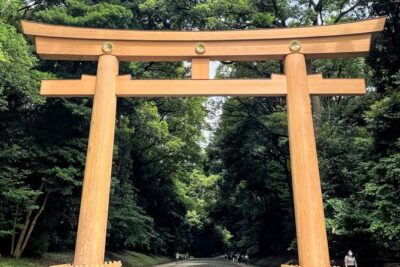

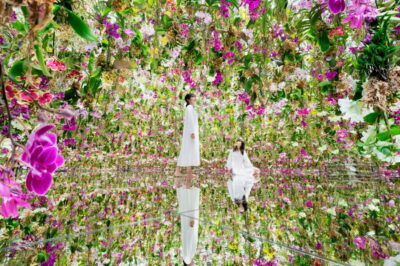
teamLab Planets TOKYO Digital Art Museum Entry Ticket
Read our review →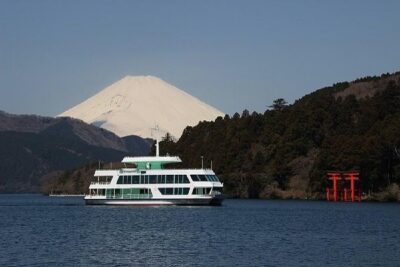
Mt Fuji & Hakone Cruise, Drum Show Bullet Train 1 Day from Tokyo
Read our review →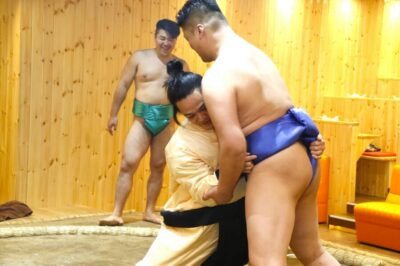
Sumo Show Experience with Chicken Hot Pot and a Photo
Read our review →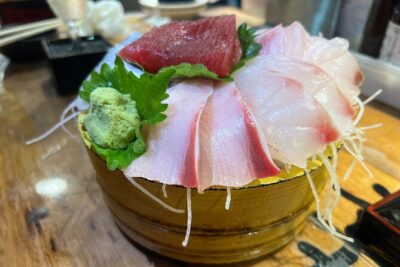
Shinjuku Food Tour (13 Dishes at 4 Local Eateries)
Read our review →