Review · TOKYO TOURS
Tokyo Ikebana, Japanese Traditional Flower Arrangement Experience
Tokyo hands-on. A calm, artsy reset.
This ikebana experience in Nakano turns a traditional Japanese practice into something you can actually do. I like that it is beginner-friendly from the first lesson, and I also like that you work with local seasonal flowers so your arrangement feels of the moment. The setting is meant to be stress free, but do note you are responsible for your own safety and belongings during the class.
What you do in the room is the point. You learn the basic ideas, then you make your own arrangement step by step, with feedback at the end. A small group (up to 10) keeps things personal, though that can mean you may need to plan around the time slot you book, since dates fill up fairly well in advance.
In This Review
- Key Takeaways Before You Go
- A Beginner Friendly Ikebana Class in Nakano (一葉式いけ花本部)
- Why Ikebana Feels Like a Calm Tokyo Break
- Learn the Basics: Materials, Angles, and the Look of Each Arrangement
- Making Your Own Seasonal Flower Arrangement (Then Getting Feedback)
- Photos, Skills for Home, and How to Keep the Art Going
- Price and Logistics: Is $67.28 Worth 1 Hour 10 Minutes?
- How the Timing Works on Your Tokyo Schedule
- What You Get When It’s Done Right: Small Groups and Patient Teaching
- Who Should Book This Ikebana Experience
- Should You Book This Ikebana Experience? My Practical Recommendation
- FAQ
- How long is the ikebana experience in Tokyo?
- What does the price include?
- Where do I meet for the class?
- Is there a minimum age requirement?
- How many people are in a class?
- Can the instructor come to a hotel?
Key Takeaways Before You Go
- Beginner-first teaching so you are not left staring at flowers like a baffled tourist
- Seasonal local blooms used for your arrangement, which makes the result feel special
- Hands-on practice right after the core ideas, so it sticks faster
- Instructor feedback on your form, plus time for photos when you are done
- Small group size (max 10), which usually keeps attention focused
- Optional instructor-at-your-hotel setup, if you prefer not to travel across town
A Beginner Friendly Ikebana Class in Nakano (一葉式いけ花本部)
This is a straightforward Tokyo activity: arrive at the meeting point in Nakano, learn the basics of ikebana, and create your own arrangement. The location is 4-chōme-20-5 Nakano, Nakano City, Tokyo 164-0001, and the class ends back at the same place.
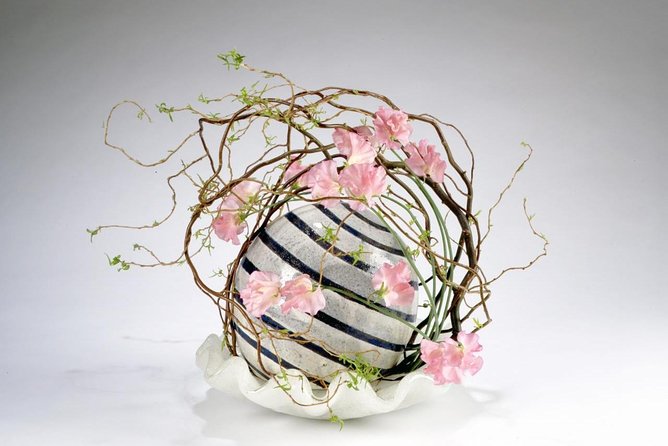
Ikebana can sound intimidating if you only know it through perfect, museum-style photos. The class design is built to prevent that. You are taught the logic behind the look, then you apply it immediately, not hours later.
Two practical wins for you: it runs about 1 hour 10 minutes, and everything needed is supplied. That means you do not have to hunt for materials, tools, or a place to store a half-finished bouquet.
A few more Tokyo days to weigh up
- Mt Fuji and Hakone 1-Day Bus Tour Return by Bullet Train
★ 5.0 · 26,383 reviews - 1-Day Tokyo Bus Tour
★ 5.0 · 14,250 reviews - Tokyo: TOKYO SKYTREE® Admission ticket
★ 4.5 · 11,192 reviews
Why Ikebana Feels Like a Calm Tokyo Break
Tokyo is big on speed, crowds, and constant motion. This activity is different by design. Instead of walking and looking, you slow down and focus on lines, angles, and form.
Ikebana is described as part of a tradition even connected to the samurai era. You do not need that background to enjoy it, but it adds weight to what you are doing. You are not just making something pretty, you are learning a method for expressing the character of the materials in a quiet, intentional way.
The class is also built for low stress. Materials are provided, and the instructor teaches to your level. If it is your first time, that matters. It means you are not competing with anyone, and you are not expected to start with advanced techniques.
Learn the Basics: Materials, Angles, and the Look of Each Arrangement
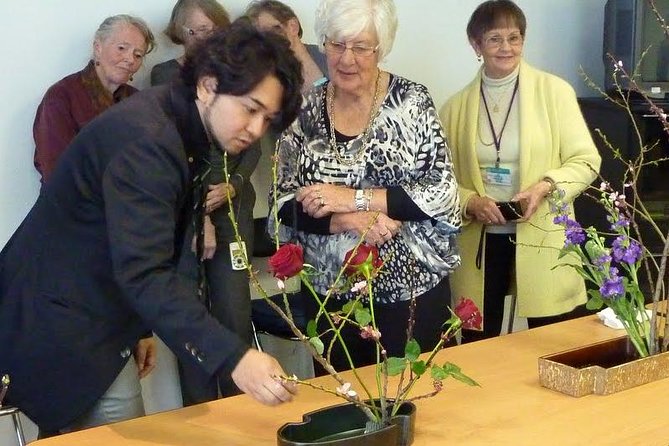
The first part of the class is about understanding what ikebana is trying to show. The key idea is that the most important part is bringing out the charm of the materials, like plants and the vase, so their beauty becomes visible.
You will learn what angles tend to look good. You will also learn how to choose a pleasing direction and how to combine elements so the arrangement reads well as a whole. That might sound like rules, but in practice it helps you stop guessing.
This is where the teaching style really matters. In the feedback you get later, you are not just told it looks nice. You are guided on how to adjust form and movement so your arrangement makes sense. Several instructors named in past classes, including Naohiro Kasuya, are praised for being patient and for explaining clearly, even when working with non-native English speakers.
If you like step-by-step instruction, you are in luck. The class balances explanation and application, which is a big reason people end up feeling confident by the end.
Making Your Own Seasonal Flower Arrangement (Then Getting Feedback)
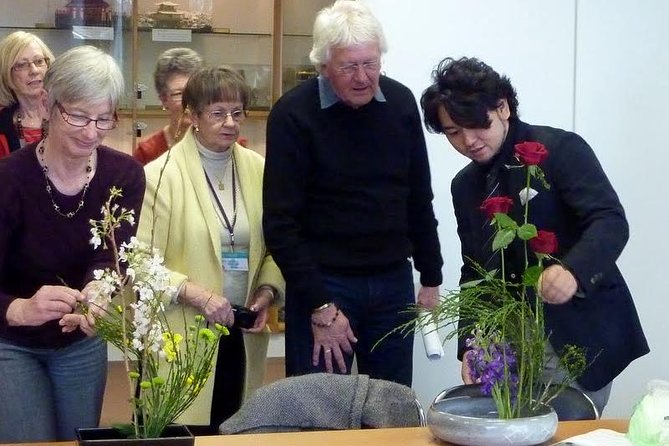
After the fundamentals, you make your own ikebana arrangement. This is the part you should be excited about, because it is where the tradition becomes personal.
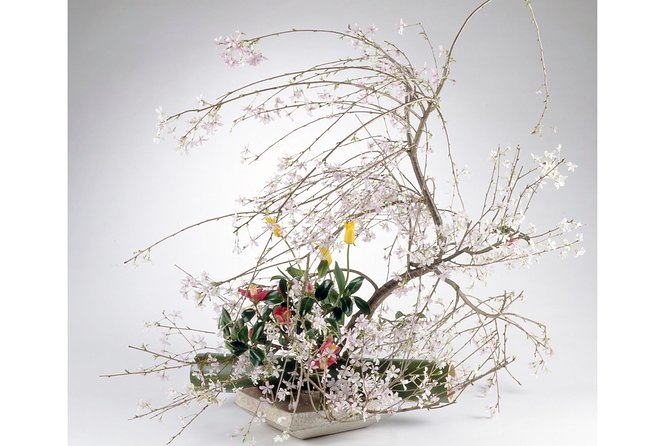
Your flowers come from what is local and in season. That detail matters more than you might think. In seasonal work, the limitations are part of the design, and using current blooms often makes the finished piece feel more natural and less generic.
Once you finish, the instructor looks over what you made. You get advice on how to improve it. That feedback is one of the best value moments in the experience because it turns your effort into something you can understand and refine later, not just something you finished.
Then you take plenty of pictures of your arrangement. This is practical too. You are learning a process you may want to remember, so photos become part of your practice notes.
Some classes are described as intimate, including cases where one student attended and the instructor tailored the pace closely. Even if you are not in a one-on-one situation, the class stays small, capped at 10 travelers, which helps keep the attention on your work.
A different sort of day in Japan:
- Tokyo: teamLab Planets TOKYO Digital Art Museum Entry Ticket
★ 4.6 · 9,779 reviews - Mt Fuji & Hakone Cruise, Drum Show Bullet Train 1 Day from Tokyo
★ 4.0 · 7,413 reviews - Tokyo: Sumo Show Experience with Chicken Hot Pot and a Photo
★ 4.8 · 6,678 reviews - Tokyo: Shinjuku Food Tour (13 Dishes at 4 Local Eateries)
★ 5.0 · 6,603 reviews
Photos, Skills for Home, and How to Keep the Art Going
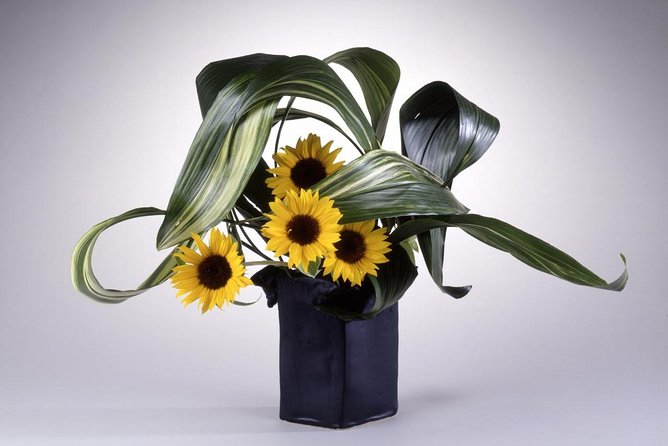
When you leave, you will take more than a pretty object. You leave with an understanding of how to see the materials, how to judge angles, and how to build a composition that looks intentional.
The class also emphasizes that ikebana skills travel. You can use what you learned at home with flowers you find locally in your own country. That is a big deal for value. Many souvenirs get dusty. This is a skill you can reuse whenever you have fresh blooms.
If you already like photography or natural styling, you will likely enjoy the photo time. You can capture your arrangement from the angles you worked on, which helps you notice the shape you created and why it works.
One more nice touch: past sessions highlight teachers who love the art and teach with enthusiasm. That kind of energy can change the whole feel of a workshop. It is easier to focus when your instructor is truly engaged and supportive, like Mrs. Shimakawa, who has been mentioned for her passion and careful guidance.
Price and Logistics: Is $67.28 Worth 1 Hour 10 Minutes?
At $67.28 per person for about 1 hour 10 minutes, this sits in a reasonable mid-range for hands-on cultural classes in Tokyo. Here is how I think about value.
You are paying for:
- Instruction from a dedicated teacher
- Materials and equipment provided, so you are not buying anything extra
- Feedback on your arrangement, which is hard to get in casual DIY workshops
- Photo time, so your learning sticks through documentation
The biggest value is that you do not just watch. You make, get corrected, and leave with a result. For an activity that also teaches basic principles, it is a solid use of a limited trip day.
A small logistical note: you will receive confirmation within 48 hours of booking, based on availability. If you are traveling during peak dates, book early. On average, this is reserved about 16 days in advance, which is a decent clue that slots get taken.
You also get a mobile ticket. That helps if you do not want extra paper.
One consideration: the experience is non-refundable and cannot be changed for any reason. That is normal for some workshops, but it matters if your Tokyo schedule is still a little wobbly.
How the Timing Works on Your Tokyo Schedule
This one is easy to fit into a day because it is short. About 1 hour 10 minutes means you can plan it as a focused break between sightseeing blocks.
Also, the meeting point is in Nakano City. If you are staying elsewhere, you might appreciate that the experience mentions public transportation access. That is useful in a city where taxis can add up quickly.
If you prefer minimal transit, you can ask about the option where the instructor can be sent to your hotel in Tokyo. The data says this is possible, so it is worth asking if you want a slower, lower-effort day.
What You Get When It’s Done Right: Small Groups and Patient Teaching
A theme shows up clearly in how people describe this class: the teaching is patient, and the guidance is supportive. That is exactly what you want in a beginner course.
Several instructors and teachers are specifically named in past sessions, including Naohiro Kasuya and Mrs. Shimakawa. The common praise is that the teacher explains the principles, then helps you adjust your own work while you practice.
Another helpful detail is that the instructor teaches to your level. That prevents a common workshop problem, where confident students pull the pace ahead and beginners fall behind. Here, the goal is to help you create something you understand.
And because the class caps at 10, you are less likely to feel lost in a crowd. Even if you are quiet, you can still get the attention you need when you are arranging.
Who Should Book This Ikebana Experience
Book this if you:
- Want a hands-on cultural activity, not just a show
- Like learning structured basics you can use again at home
- Travel with a flexible mindset and enjoy making something with your own hands
- Prefer a calm, guided environment with a small group
It is also designed for ages 6 and up. Children aged 12 and under must be accompanied by a parent.
If you are traveling solo, it can be especially rewarding because the instruction is focused and the result is yours. If you are traveling with friends, small group size helps the class feel personal rather than rushed.
Should You Book This Ikebana Experience? My Practical Recommendation
Yes, if you want a meaningful souvenir that is actually a skill. For $67.28, the combination of instruction, provided materials, seasonal flowers, instructor feedback, and photo time makes the value feel fair.
I would be cautious if you dislike workshops with any responsibility on your side. The experience notes that you are responsible for any accident or injury during the experience, and you should keep your valuables and belongings by yourself. If you need a totally hands-off activity, this may not fit.
If your trip schedule allows, I suggest booking early and picking a time you can reach without stress. You will get more out of the lesson when you walk in already calm.
In short: this is one of those Tokyo activities that gives you a real outcome, not just a memory. And when you can recreate it at home with whatever flowers are in season, it earns its place on your itinerary.
FAQ
How long is the ikebana experience in Tokyo?
The class runs for about 1 hour 10 minutes.
What does the price include?
All flowers and the needed equipment are provided, so you do not need to bring materials.
Where do I meet for the class?
The meeting point is 4-chōme-20-5 Nakano, Nakano City, Tokyo 164-0001, Japan. The experience ends back at the meeting point.
Is there a minimum age requirement?
The program is designed for people 6 years of age and over. Children aged 12 years and younger must be accompanied by a parent.
How many people are in a class?
This tour/activity has a maximum of 10 travelers.
Can the instructor come to a hotel?
The instructor can be sent to any hotel you stay in Tokyo.
Newly listed around Tokyo
- Private Tokyo Food Tour – A Journey Through Time Through Food★ 5.0 · 36 reviews
- Private Tokyo Tour with Licensed Guide & Vehicle (Max 15 persons)★ 5.0 · 107 reviews
- Private Tokyo Custom Full-Day Tour by Chartered Vehicle★ 5.0 · 16 reviews
- Private Tokyo Custom Half-Day Tour by Chartered Vehicle★ 4.5 · 13 reviews
- Private Outstanding Nikko Tour with English Speaking Driver★ 4.0 · 11 reviews
- Private Sightseeing to Mt Fuji and Hakone with English Driver★ 5.0 · 51 reviews
- Private Snow Monkeys park Day Trip From Tokyo or Nagano★ 4.5 · 26 reviews
- 4 Day Tour – Mount. Fuji, Tokyo, Hakone, Kamakura and Yokohama★ 5.0 · 19 reviews
Tokyo Tours, compared.
Mt Fuji and Hakone 1-Day Bus Tour Return by Bullet Train
Read our review →

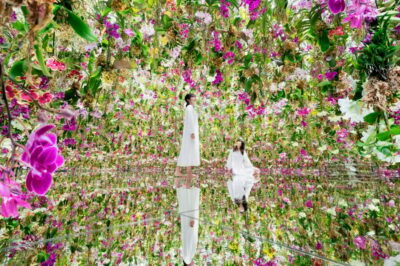
teamLab Planets TOKYO Digital Art Museum Entry Ticket
Read our review →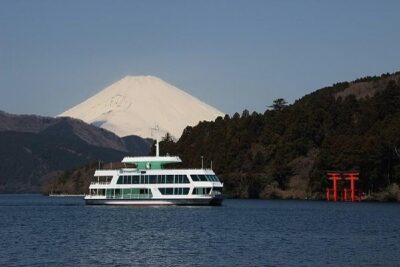
Mt Fuji & Hakone Cruise, Drum Show Bullet Train 1 Day from Tokyo
Read our review →
Sumo Show Experience with Chicken Hot Pot and a Photo
Read our review →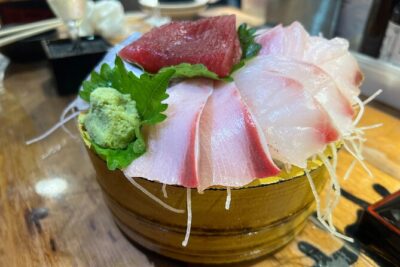
Shinjuku Food Tour (13 Dishes at 4 Local Eateries)
Read our review →