Review · TOKYO TOURS
Tokyo: Imperial Palace East Gardens and Tokyo Station Tour
Imperial Tokyo, explained on foot. This 150-minute walk links the calm Imperial Palace East Gardens to the red-brick drama of Tokyo Station, with stories that make the Edo era feel close and understandable, thanks to guides like Yuki. I especially love how the tour turns gates, guardhouses, and garden corners into a clear timeline, and how you also get that memorable Nijubashi Bridge view before the city turns modern in Marunouchi. The only real drawback is the pace, it is a moderate amount of walking, so pack comfortable shoes and some patience for streets and sidewalks.
You will start at a familiar spot, a Starbucks by the Imperial grounds, then move through key sites like the Ote-mon Gate area and Ninomaru Garden with a guide who keeps it lively, often with light humor. Along the way, you’ll learn why Edo Castle’s layout mattered, including references to structures like the Fujimi-yagura watchtower and even a scale model of the main keep. If you want just photos with zero explanation, this is not that kind of tour, but if you like context, it is a very good use of time.
In This Review
- Key points before you go
- Meeting at Wadakura Fountain Park Starbucks, then stepping into imperial grounds
- Ninomaru Garden and the East Gardens tour that turns space into story
- Edo Castle clues you can spot, from guardhouses to watchtowers
- Nijubashi Bridge viewpoints, where strategy shows up in plain sight
- Honmaru and Kokyo Gaien National Garden, with the imperial complex in view
- Marunouchi on foot, modern architecture and art after the palace quiet
- Ending at restored Tokyo Station, a perfect finish line
- Price and value, is $38 worth it for 150 minutes?
- Practical tips for the walk, what to bring and what to avoid
- Languages and guide style, what makes the experience work
- Who should book this tour
- Should you book this Imperial Palace East Gardens and Tokyo Station tour?
- FAQ
- How long is the tour?
- Where does the tour start?
- Is there an admission fee for the Imperial Palace East Gardens?
- What are some of the main places you visit?
- Do I need to know Japanese for this tour?
- What languages are available for the live guide?
- Is the tour wheelchair accessible?
- What should I bring and wear?
- Are there any restrictions during the tour?
- Can I cancel or change plans?
Key points before you go
- Yuki-led explanations that stay clear, organized, and easy to picture, often with jokes that keep things relaxed
- Nijubashi Bridge viewpoints that help you understand the palace’s strategic geography
- Edo Castle ruins made readable, with stops tied to specific places such as the Ote-mon Gate and Hyakunin Bansho Guardhouse
- Marunouchi modern Tokyo walk after the palace grounds, so the contrast lands fast
- Finish at restored Tokyo Station, a satisfying end point for transit and sightseeing
Meeting at Wadakura Fountain Park Starbucks, then stepping into imperial grounds
The tour starts at スターバックス コーヒー 皇居外苑 和田倉噴水公園店, a convenient meeting point if you’re already near the Imperial Palace area. I like this setup because it gets you close to the action right away, before you waste time figuring out where to enter or which direction to head.
From the first minutes, you’ll get an orientation to how the grounds connect to what came before, including references to the Tokugawa shogunate era. That matters because Tokyo can feel layered, and a guide gives you a mental map so the walking later makes sense.
A few more Tokyo days to weigh up
- Mt Fuji and Hakone 1-Day Bus Tour Return by Bullet Train
★ 5.0 · 26,383 reviews - 1-Day Tokyo Bus Tour
★ 5.0 · 14,250 reviews - Tokyo: TOKYO SKYTREE® Admission ticket
★ 4.5 · 11,192 reviews
Ninomaru Garden and the East Gardens tour that turns space into story
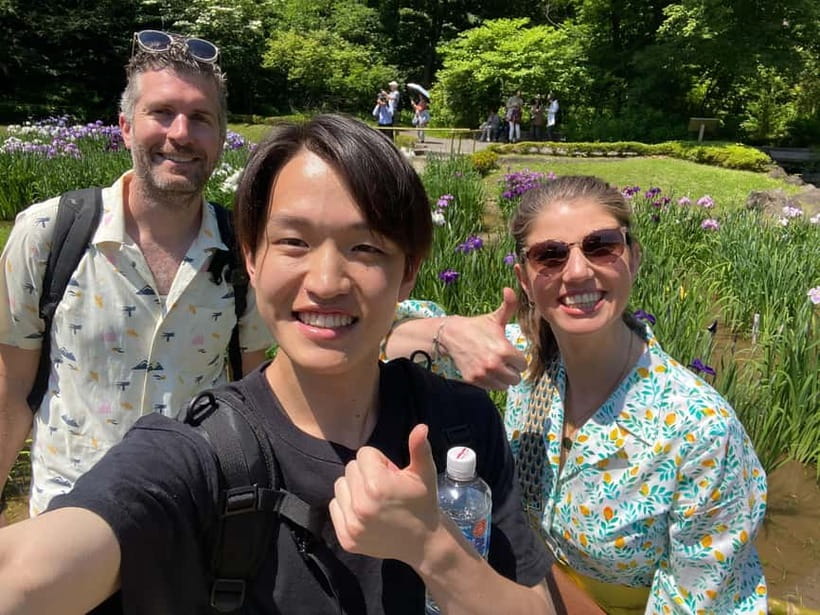
The heart of the morning is the East Gardens experience, including a guided portion that focuses on specific historic spots. You’ll also spend time at Ninomaru Garden, one of the areas that helps you see how planned nature, stone, and sightlines worked together.
This is not just scenic strolling. The value here is the way the guide connects what you’re seeing to larger systems of power and protection, especially through the Edo Castle ruins that lie behind today’s layout. You’ll get guided stops at places like the Ote-mon Gate area and the Hyakunin Bansho Guardhouse, so the grounds feel less like a vague park and more like a working world.
One small practical note: even though the palace grounds are calming, you still move at a walking-tour pace. That is great for covering multiple highlights in 150 minutes, but it is not a slow sit-down garden tour.
Edo Castle clues you can spot, from guardhouses to watchtowers
As you move deeper into the East Gardens route, the tour highlights how Edo Castle functioned and why certain spots mattered. You’ll hear about the Edo Castle ruins and references such as the Fujimi-yagura watchtower, which helps you understand the logic behind the geography.
This is where the guide style shows. In the best moments, you start looking at the edges of walls, gates, and viewing angles differently, because the tour gives you a reason for the layout. Guides like Yuki are praised for making the explanation easy to imagine, so you’re not stuck with names and dates that float away.
You will also see a scale model of the Edo Castle main keep. I like this kind of stop because it turns a complex fortress into something your brain can hold onto, then you can match the idea to what you observe in the area around you.
Nijubashi Bridge viewpoints, where strategy shows up in plain sight
The Nijubashi area is a major visual payoff on this tour. The reason it matters is not only the view, it’s the context you get while standing there.
The guide connects the viewpoint to how power was organized and how movement through key spaces mattered. That makes the bridge sightlines feel purposeful rather than just postcard-perfect. If you’ve ever wondered why certain places in Tokyo are so carefully positioned, this is a good answer, delivered without making things feel like a lecture.
If the weather is bright, your photos will look excellent, and you’ll still have time to transition into the city after this stop. If it’s rainy, you’ll want a simple water-resistant layer and a camera setup you can manage quickly, since the route stays outdoors for most of the walk.
A different sort of day in Japan:
- Tokyo: teamLab Planets TOKYO Digital Art Museum Entry Ticket
★ 4.6 · 9,779 reviews - Mt Fuji & Hakone Cruise, Drum Show Bullet Train 1 Day from Tokyo
★ 4.0 · 7,413 reviews - Tokyo: Sumo Show Experience with Chicken Hot Pot and a Photo
★ 4.8 · 6,678 reviews - Tokyo: Shinjuku Food Tour (13 Dishes at 4 Local Eateries)
★ 5.0 · 6,603 reviews
Honmaru and Kokyo Gaien National Garden, with the imperial complex in view
You will walk through areas tied to the core palace zone, including references to the Honmaru area and Kokyo Gaien National Garden. This part helps you understand the scale of the imperial complex and how surrounding gardens fit into that larger design.
I like that the tour doesn’t treat these stops as separate trivia. Instead, it keeps them connected to the same story about governance, design, and protection. That makes the time feel coherent, not like a checklist.
Because you’ll be moving through multiple points, it helps to take short breaks when the group stops. Use those moments to compare what you’re seeing now with what the guide described, especially if you’re the type who learns better by matching visuals to explanations.
Marunouchi on foot, modern architecture and art after the palace quiet
Once you leave the Imperial Palace grounds, the tour shifts gears into Marunouchi, walking through the district where modern Tokyo flexes its muscles. You’ll get a guided walk that blends the historical context you just learned with what the city looks like today.
This contrast is the point. The tour helps you feel how Tokyo transformed from the Edo period’s organized fortress thinking into a modern business district with major architectural presence. You’ll also notice how the city’s layout keeps influencing movement and viewpoints, even when the buildings are new.
If you like photography, Marunouchi is an easy win after the palace’s greenery. The streets can feel more energetic, and you’ll have a chance to capture architectural details without losing the imperial story running in the background.
Ending at restored Tokyo Station, a perfect finish line
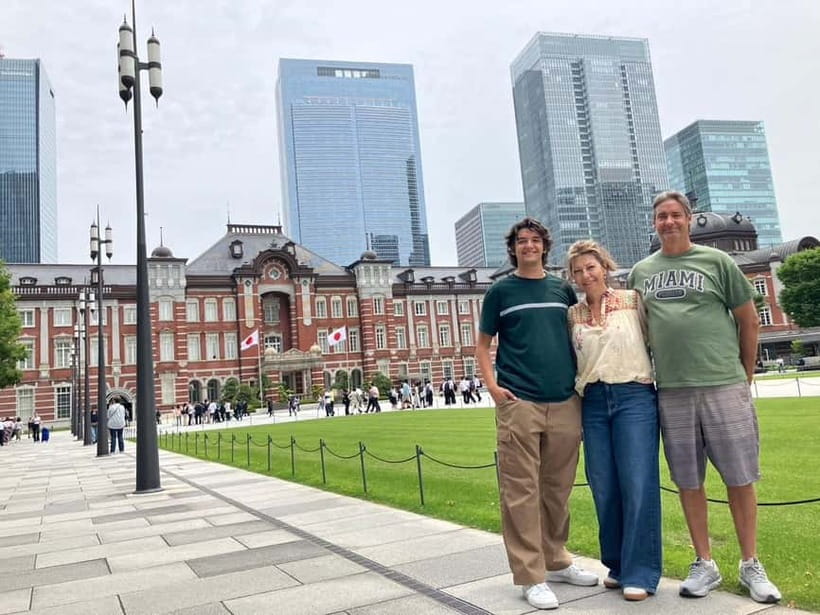
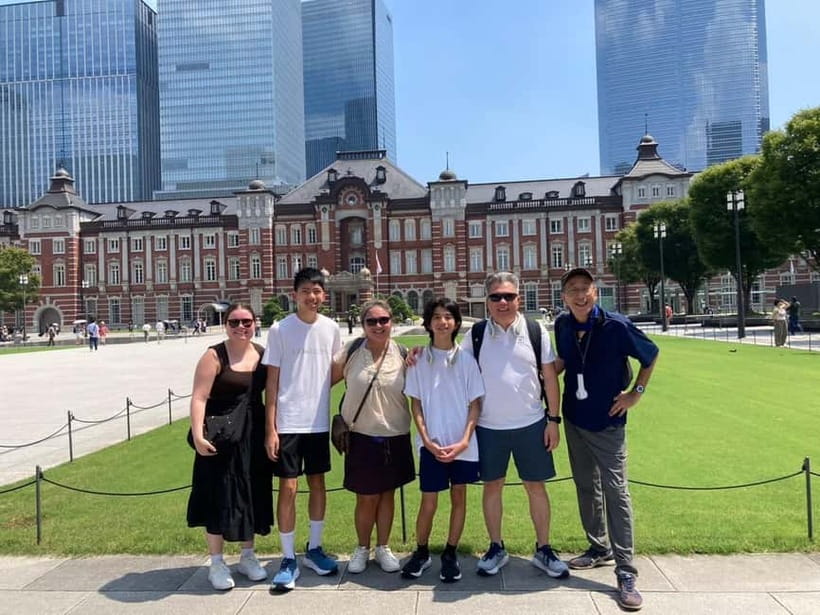
The tour concludes at Tokyo Station, specifically the beautifully restored exterior, so you end with one of the city’s most recognizable symbols. I like finishing here because it gives you a clear endpoint that is easy to navigate from, whether you’re heading to your next reservation or just grabbing a late lunch.
Also, Tokyo Station is a strong visual contrast after the Imperial grounds. You go from historic gates and garden edges to red-brick grandeur and the sense of modern flow, all without needing extra transit planning.
If you’re the type who likes a tour ending with a “wow” landmark, this one delivers. You also get the chance to keep exploring on your own once the guide wraps up.
Price and value, is $38 worth it for 150 minutes?
At $38 per person for about 150 minutes, this tour is priced like a solid city walking experience with real planning behind it. The value comes from three things that matter on the ground.
First, you get an English-speaking guide with deep context about Japanese imperial and Edo Castle history. Second, there’s no admission fee required for the Imperial Palace East Gardens in this experience, which keeps the cost from creeping up with entry costs. Third, the tour hits multiple distinct areas in one route, so you’re not piecing it together by yourself.
If you enjoy history but don’t want to spend your trip time reading guidebooks between stops, this is a good match. If you only want the simplest photo stops with no explanations, you might feel less payoff per minute.
Practical tips for the walk, what to bring and what to avoid
The route is mostly outdoors, and it’s a moderate walk, so comfort is the name of the game. Bring comfortable shoes, water, and something for sun like a hat and sunscreen, especially on warmer days.
Bring a camera if you like photos, and dress weather-appropriately since the tour depends on walking between points. If you’re sensitive to walking in crowds, you’ll still be fine, just keep a steady pace and let the group set your rhythm.
There are also clear rules that you should follow:
- Smoking is not allowed
- Flash photography is not allowed
- Backpacks are not allowed
If you normally travel with a large daypack, plan for a smaller bag or something easy to carry within the rules.
Languages and guide style, what makes the experience work
The tour runs with live guides in English, Japanese, Spanish, Chinese, and French. That multi-language setup is helpful if you’re traveling with friends or family who prefer different languages, and it also means the guide can keep explanations consistent for the group.
The strongest theme from the guide feedback is clarity plus personality. Guides like Yuki are described as organized, kind, and able to explain things in an easy-to-understand way, often with humor. That combination matters, because the Imperial Palace area can be confusing if you’re walking without context.
You also get the sense that the guide doesn’t just list facts. The tour helps you picture what it might have looked like during the Edo period, especially around the castle structures and garden design choices.
Who should book this tour
This tour fits best if you want:
- A guided walk that connects imperial and Edo-era context to real places you can see
- The mix of calm gardens plus the city’s modern layer in Marunouchi
- A satisfying ending point at Tokyo Station
It’s also a good option if you’ve visited the Imperial Palace area before and still want more meaning from what you see. The tour style focuses on turning spots you might otherwise overlook into part of the bigger story.
It may not be your best pick if you prefer freeform exploring with no set route, or if you hate walking between multiple outdoors stops.
Should you book this Imperial Palace East Gardens and Tokyo Station tour?
Book it if you want Tokyo’s imperial side explained in a way that is easy to follow, with real landmarks and a finish at Tokyo Station that keeps your day tidy. For the price, the combination of guided storytelling, multiple historic stops, and a no-fee East Gardens component is a strong value.
Skip it if you want only minimal explanation, or if moderate walking sounds like too much for your day. Otherwise, this is a practical, high-payoff route that gives you both history and a clear sense of modern Tokyo right after.
FAQ
How long is the tour?
The tour duration is 150 minutes.
Where does the tour start?
The tour starts at スターバックス コーヒー 皇居外苑 和田倉噴水公園店.
Is there an admission fee for the Imperial Palace East Gardens?
No, entry to the Imperial Palace East Gardens is included, and no admission fee is required for this activity.
What are some of the main places you visit?
Key stops include Ote-mon Gate, Hyakunin Bansho Guardhouse, Ninomaru Garden, the Imperial Palace East Gardens area, and the Edo Castle ruins-related stops, plus the Marunouchi district and the Tokyo Station exterior.
Do I need to know Japanese for this tour?
No. The guide provides live commentary in multiple languages, including English.
What languages are available for the live guide?
The tour offers live guides in English, Japanese, Spanish, Chinese, and French.
Is the tour wheelchair accessible?
Yes, the tour is wheelchair accessible.
What should I bring and wear?
Wear comfortable shoes and bring items such as a hat, camera, sunscreen, and water. Dress for the weather.
Are there any restrictions during the tour?
Yes. Smoking is not allowed, flash photography is not allowed, and backpacks are not allowed.
Can I cancel or change plans?
Free cancellation is available up to 24 hours in advance for a full refund, and you can reserve and pay later to keep plans flexible.
Newly listed around Tokyo
- Tokyo: Practicing Zen with a Japanese Tea Ceremony★ 4.7 · 105 reviews
- Tokyo: Japanese Massage – Kangfu Beauty & Body Care Salon★ 4.4 · 43 reviews
- Tokyo: Hama-rikyu Gardens tour with Japanese Tea & Sweets★ 4.7 · 14 reviews
- Tokyo: Japanese Style Variety Show with Dance,Magic & Dinner★ 4.5 · 13 reviews
- Tokyo: Full-Day Japanese Garden Private Guided Tour★ 4.6 · 13 reviews
- Tokyo: Imperial Palace with Nostalgic Alley Kagurazaka tour★ 4.3 · 8 reviews
- Tokyo: Night Cooking Class: 5 Home-Cooked Japanese Dishes★ 4.9 · 13 reviews
- Tokyo: Imperial Palace, the history of Japan (ENGLISH GUIDE)★ 5.0 · 77 reviews
Tokyo Tours, compared.
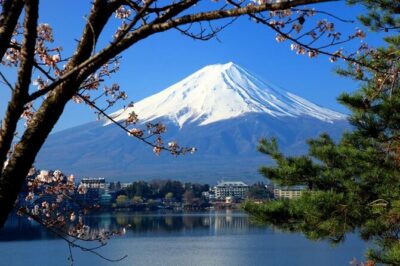
Mt Fuji and Hakone 1-Day Bus Tour Return by Bullet Train
Read our review →

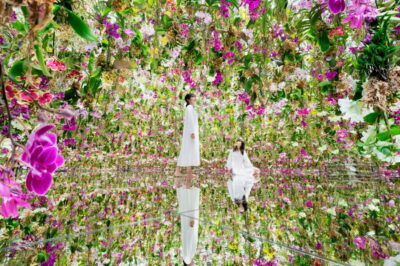
teamLab Planets TOKYO Digital Art Museum Entry Ticket
Read our review →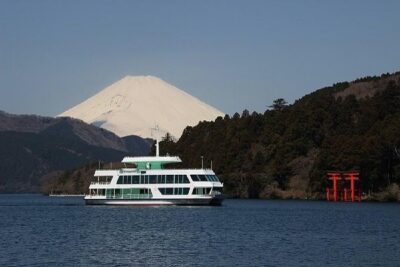
Mt Fuji & Hakone Cruise, Drum Show Bullet Train 1 Day from Tokyo
Read our review →
Sumo Show Experience with Chicken Hot Pot and a Photo
Read our review →
Shinjuku Food Tour (13 Dishes at 4 Local Eateries)
Read our review →