
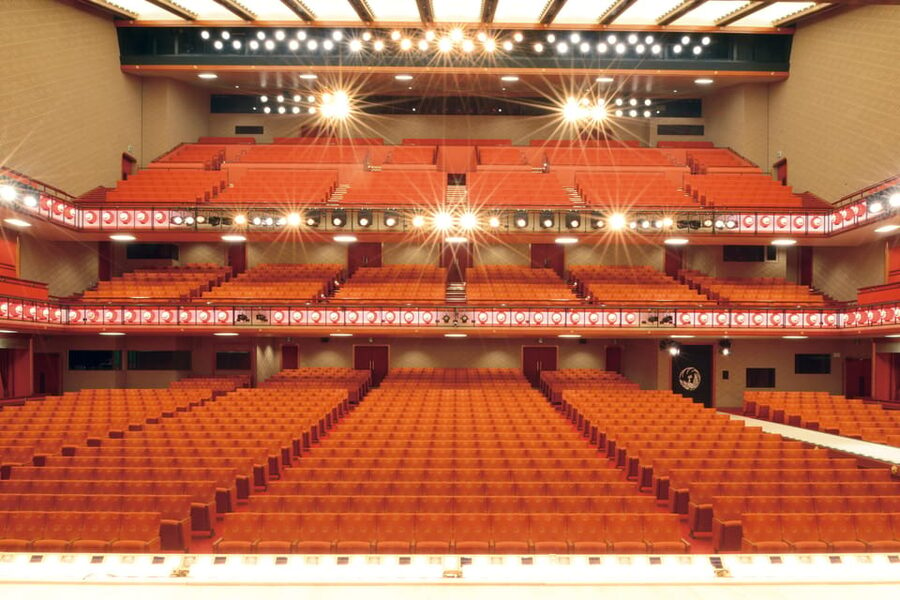
Review · TRADITIONAL MUSIC & DANCE SHOWS
Tokyo: KABUKI Show at Kabukiza Theatre Admission Ticket
Kabuki hits differently in a real theatre.
Kabukiza Theatre in Ginza is the place to see it, since it is the only theatre in the world dedicated to Kabuki. I love how the ticket also includes an English or 简体中文 caption service, so you can follow what is going on without needing Japanese.
I also like that you are not just dropping into the main stage experience. You can browse the Kabuki-focused shopping areas and use the interactive exhibition before the performance, then settle in for live music inside a historic building where the art form feels seriously alive. The main drawback to plan around is time and comfort, the show is long (about 4 hours) and the seating can feel tight for some people since you cannot choose your seats ahead of time.
In This Review
- Key things to know before you go
- Kabukiza Theatre in Ginza: why this is the Kabuki ticket that matters
- What the monthly Kabuki program looks like (and what to expect for the length)
- Before the curtain: tickets, the interactive exhibition, and the Kabuki shopping floor
- Following the story with the English or 简体中文 caption service
- Inside the hall: live music, intermissions, and comfort tips that actually help
- Price and value at $106 per person: what you are really paying for
- Who this Kabuki show suits best, and who might want another plan
- Should you book this Kabukiza Kabuki show?
- FAQ
- Where is Kabukiza Theatre located?
- How long is the experience?
- What language support is included?
- Do I need to exchange a voucher before entering?
- Where is the Box Office, and what are its hours?
- Can I choose my seats in advance?
- Is there an intermission during the show?
- Is this experience suitable for children?
- Can I cancel and get a refund?
Key things to know before you go
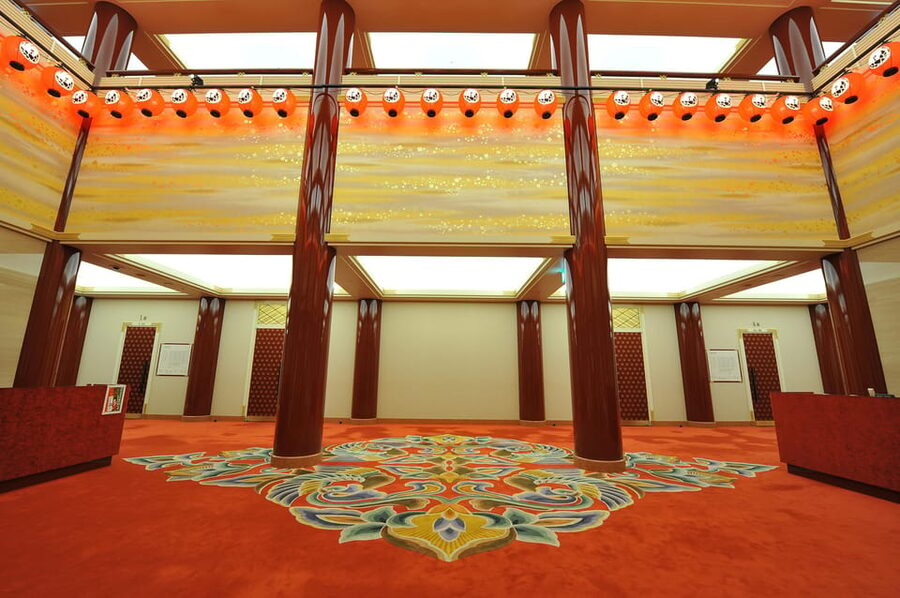
- Kabukiza is the only theatre dedicated exclusively to Kabuki, and it is right in Ginza
- Captions are included in English or simplified Chinese, so the story is easier to track
- Programs change monthly, so your ticket is for a specific set of performances
- You will have breaks during the show, and snacks and alcohol are sold inside
- Ticket exchange happens at Basement Level 2, so give yourself buffer time
Kabukiza Theatre in Ginza: why this is the Kabuki ticket that matters
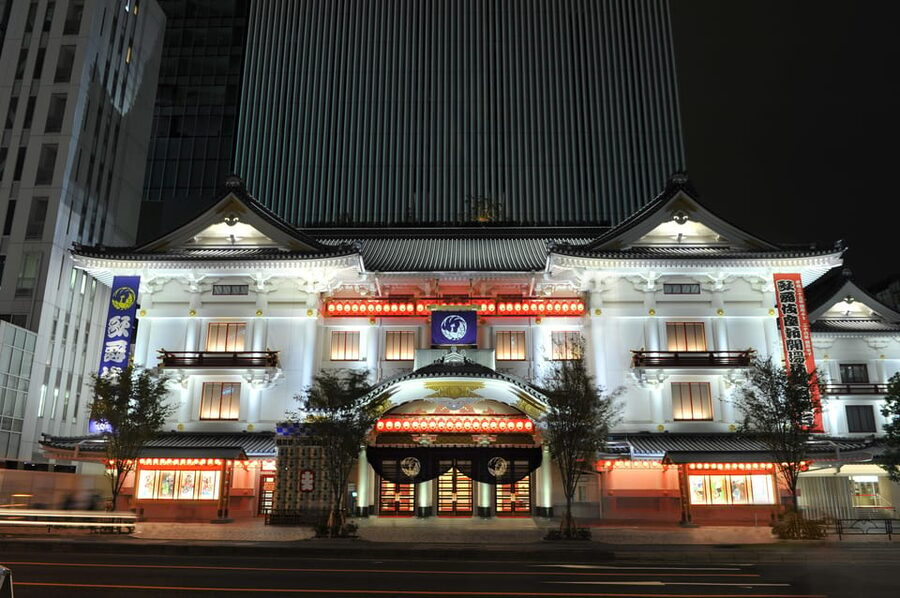
If you are going to spend money on a cultural night in Tokyo, I think this is one of the more satisfying options because it is built for Kabuki. Kabukiza Theatre is not a generic venue that sometimes hosts traditional performances. It is devoted to Kabuki, and the result is that the whole experience, from the hall to the staging style, feels purpose-made.
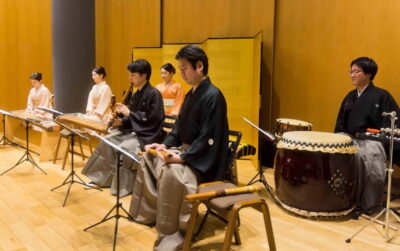
You also get a strong “you are here for the real thing” feeling just from the setting. This is a historic theatre space with live music, and that matters in Kabuki. The rhythm of the shamisen and accompanying instruments does not sit in the background, it shapes the pacing and emotion of scenes. You do not have to know every reference to feel the momentum.
Finally, the location is a practical win. Kabukiza is in the Ginza area, so it is easy to combine with a meal or a walk before or after the show. This is not the kind of activity that requires a complicated transportation plan.
Compare these Traditional Music and Dance shows in Tokyo:
- Ninja+Kabuki Tokyo
★ 4.5 · 512 reviews - Tokyo: Ninja Kabuki Performance
★ 4.2 · 330 reviews - Tokyo: KABUKI, BUNRAKU, etc. presented by National Theatre
★ 4.6 · 135 reviews
What the monthly Kabuki program looks like (and what to expect for the length)
Kabukiza changes its program each month, so the show you see depends on the date you book. The evening and matinee schedules can also differ, and the performance is structured in multiple sections rather than one continuous play.
For example, the February program lists a matinee show from about 11:00AM to around 3:21PM, with a mix of modern Kabuki, dance pieces, and domestic plays. The evening show runs from about 4:30PM to around 9:02PM and includes historical plays plus dance and modern segments. March has its own set of titles and time windows.
What does that mean for you on the ground? Plan for a performance that is longer than a typical “one and done” show. Even if your overall booking says about 4 hours, you should treat it like a half-day commitment, with breaks built into the schedule. If you arrive tired or hungry, the length can feel heavier. If you arrive rested, it becomes a nice slow burn where costumes, music, and acting patterns get stronger with each new section.
Also remember one helpful practical point: you cannot specify your seats for your reservation. That does not ruin the experience, but it does mean your enjoyment depends a bit on where you end up in the hall. If you are picky about sightlines, aim to arrive as soon as the doors open.
Before the curtain: tickets, the interactive exhibition, and the Kabuki shopping floor
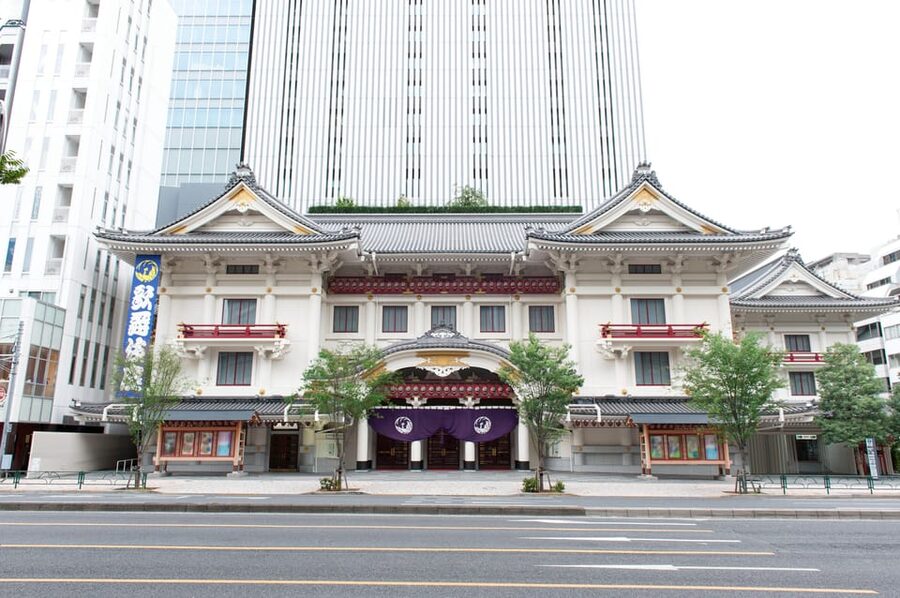
Your evening starts earlier than you might think. The theatre doors open 30 minutes before the show time, and that window is valuable. You will want that time to exchange your voucher, find your seat, and get settled without rushing.
Ticket exchange is a key step. You pick up tickets at the venue Box Office on the day of the performance. Importantly, you cannot enter the theatre with a GYG voucher, you need to exchange it first. The Box Office is on Basement Level 2 and is open from 10:00AM to 6:00PM. If you arrive after 6:00PM, the guidance is to go directly to the theatre entrance.
Once you are inside the Kabukiza complex, you have two good pre-show options:
- An interactive exhibition that helps you learn the history and mechanics of Kabuki.
- A shopping area, with Kabuki-related gifts and souvenirs.
This is more than waiting around. The exhibition helps you interpret what you are about to see. Kabuki has specific styles, gestures, and stage conventions, and even a basic orientation makes the performance easier to read. Meanwhile, the shopping level is a fun reality check that you are in a dedicated Kabuki building, not just borrowing a stage for a night.
One small practical note from the vibe of the experience: if you want souvenirs, do not assume you will have time after the final section. If you are planning to browse, it is smart to do it before you sit down.
Following the story with the English or 简体中文 caption service
Kabuki can look intimidating at first, especially if you do not speak Japanese. That is exactly where the caption service becomes your best tool. Your ticket includes English or simplified Chinese captions, and that changes how enjoyable the show can be.
Instead of trying to decode every gesture and stage cue on your own, you can focus on the acting and the spectacle while the captions help you track the plot and important lines. It is also helpful for understanding the pacing, because Kabuki sections can shift in mood quickly.
One practical thing to keep in mind: captions rely on you looking at the device screen at the right moments. In a long show, it is easy to get comfortable staring only at the stage. I suggest splitting your attention in a simple pattern, glance at captions when the scene changes or when characters start key dialogue, then return your eyes to the performer’s face and movement.
If you are the type who hates missing transitions, be aware that the caption timing experience can vary. Some people have found it challenging to concentrate when subtitle updates do not feel perfectly timed with what is happening on stage. The fix is simple: do not wait until you feel lost. Check in early, then follow the rhythm.
A few more Tokyo days to weigh up
- Mt Fuji & Hakone Cruise, Drum Show Bullet Train 1 Day from Tokyo
★ 4.0 · 7,413 reviews - Tokyo: Sumo Show Experience with Chicken Hot Pot and a Photo
★ 4.8 · 6,678 reviews - Tokyo: Sumo Show and Dining Experience
★ 4.8 · 2,742 reviews - the SUMO show
★ 5.0 · 1,960 reviews
Inside the hall: live music, intermissions, and comfort tips that actually help
This is the part that makes Kabuki feel like Kabuki. The performance is paired with live music and delivered in a historic hall where stage craft is front and center. The acting is highly stylized, and the stage design supports those movements in a way you do not get in modern spaces.
Expect intermissions during the show. There will be breaks, and the theatre also offers snacks and alcohol for purchase. That is useful because you do not need to plan a meal around the performance like you would for a strict “no food allowed” theatre.
Now, comfort. Some seats in traditional venues can feel tight, and you cannot control seat location when booking. If you tend to sit through long events without shifting much, you might still be fine. If you are sensitive to pressure points, bring a small cushion if you can. Even a basic comfort aid can turn the experience from tiring to enjoyable.
Another simple tip: plan your snack timing around the breaks, not your fatigue. If you wait until you feel uncomfortable, you spend intermission standing around longer than you want. If you eat lightly and stay hydrated, you will be able to focus on the performances when the show resumes.
Price and value at $106 per person: what you are really paying for
Yes, $106 per person is not cheap. But in Tokyo, pricing tells you something. This is not a random cultural event. You are paying for a dedicated Kabuki theatre experience, a monthly program, a historic venue, live music, and a caption service in English or simplified Chinese.
Here is the value logic I use:
- If you love performance art and want something you cannot easily recreate at home, this is a strong spend.
- If you want a “one ticket, one night, one big story” experience, the included captioning helps you actually understand what you are seeing.
- If you would normally skip theatre because language is a barrier, this is one of the easier ways to say yes.
You should also compare this with what you spend on dinner plus a second activity. If you treat it as your main event, the cost feels more reasonable. And because the show is structured into multiple sections, it is not just one short act. You get a full evening’s worth of staging, costume work, and performance style.
The one cost warning I will give is time. Because the show runs long, it can crowd out other plans. If your Tokyo days are tightly scheduled, build in buffer time before and after.
Who this Kabuki show suits best, and who might want another plan

Kabukiza is a great match if you want traditional Japanese performing arts in a real setting. It is also ideal if you are curious about UNESCO-recognized Kabuki and you like the idea of seeing multiple types of material in one visit, historical stories, domestic plays, and dance-focused segments.
It is less ideal if:
- You strongly dislike classical performance styles, especially sections heavy on dance.
- You want something short, casual, and low commitment.
- You are going with very young children, since this experience is not suitable for children under 4 years.
If you are a first-timer, this is still one of the best ways to start. The caption service takes away the biggest barrier. If you are an experienced theatre person, you might care more about seating location, but the sheer quality of acting and stage craft, plus live music, usually justifies the ticket.
Should you book this Kabukiza Kabuki show?
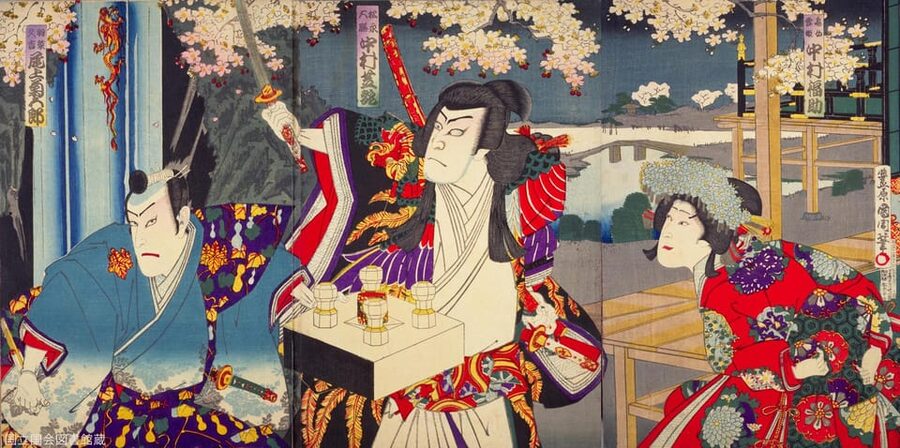
I would book it if you want an authentic Tokyo night that feels tied to a specific place and not just a “tourist activity.” Kabukiza makes it easier to follow the performance with English or 简体中文 captions, and the show format plus live music gives you plenty to watch, even when you are learning as you go.
I would think twice if you are short on time, very sensitive to long sit-down events, or expecting a lightweight evening. In that case, the length and seat comfort could frustrate you.
If you decide to go, pick a show time that fits your energy, exchange your voucher at the Box Office with time to spare, and arrive when doors open so you can settle in without rushing.
FAQ
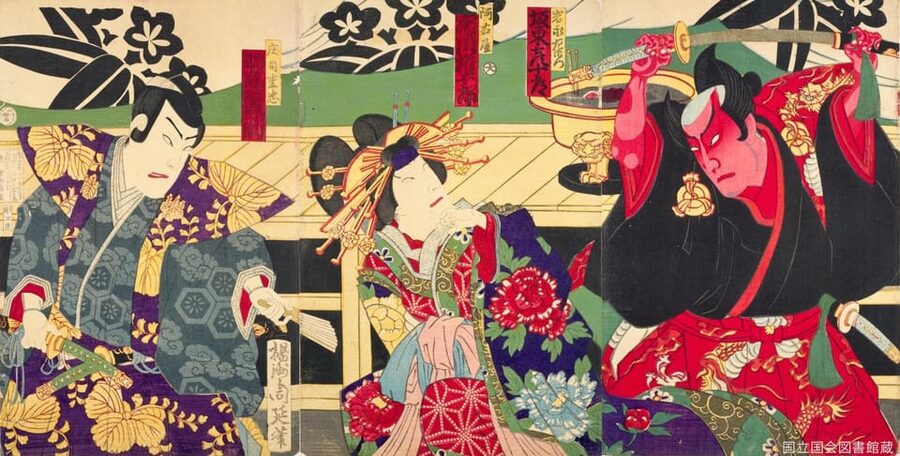
Where is Kabukiza Theatre located?
Kabukiza Theatre is in the Ginza area of Tokyo, at Ginza 4-12-15, Chuo-ku, Tokyo, Japan.
How long is the experience?
The duration is listed as 4 hours. Starting times vary by date, so you should check availability for the specific show.
What language support is included?
Your ticket includes an English or simplified Chinese (简体中文) caption service.
Do I need to exchange a voucher before entering?
Yes. You pick up your tickets at the venue Box Office on the day of the performance. You cannot enter the theatre with a GYG voucher, you must exchange it for a ticket first.
Where is the Box Office, and what are its hours?
The Box Office is on Basement Level 2 and is open from 10:00AM to 6:00PM. If you arrive after 6:00PM, go directly to the theatre entrance.
Can I choose my seats in advance?
No. Seats cannot be specified for your GYG reservation.
Is there an intermission during the show?
Yes. There is an intermission during the performance. Snacks and alcohol are available for purchase in the theatre.
Is this experience suitable for children?
It is not suitable for children under 4 years.
Can I cancel and get a refund?
Yes, you can cancel up to 2 days in advance for a full refund.
Newly listed around Tokyo
- Kawagoe 4hr Private Tour with Licensed Guide (Kawagoe Dep)★ 5.0 · 13 reviews
- Kawagoe:Family-Friendly Kimono & Yukata Experience at WARGO★ 5.0 · 11 reviews
- Shinjuku Nightlife Tour★ 5.0 · 15 reviews
- Samurai Show Ticket with 2 Drinks:SHINJUKU *18 years or older★ 4.0 · 44 reviews
- Tokyo Walking Tour with Licensed Guide Shinjuku★ 5.0 · 114 reviews
- Full-Day Private Nikko Tour from Tokyo wd English Speaking Driver★ 4.5 · 6 reviews
- Shinjuku, Tokyo: Samurai Show Ticket in Kabukicho with 2 drinks★ 5.0 · 6 reviews
- Kabukicho Macabre Tour The Real Tokyo Vice★ 5.0 · 33 reviews
Traditional Music & Dance Shows, compared.

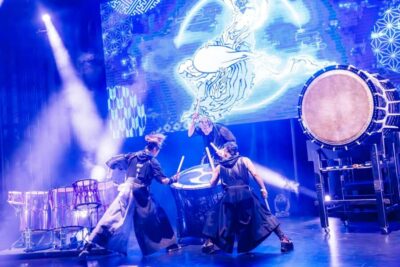
OSAKA NIGHT FUSION Japanese Taiko Kabuki Samurai Dance Show
Read our review →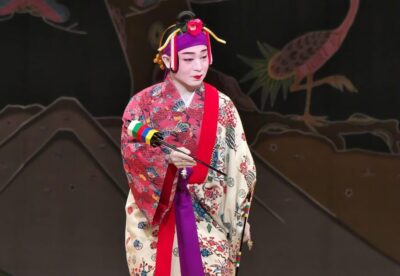
KABUKI, BUNRAKU, etc. presented by National Theatre
Read our review →
Browse the lists this tour appears in