
Review · TRADITIONAL MUSIC & DANCE SHOWS
Osaka: UTAGE Japanese Taiko Live Show
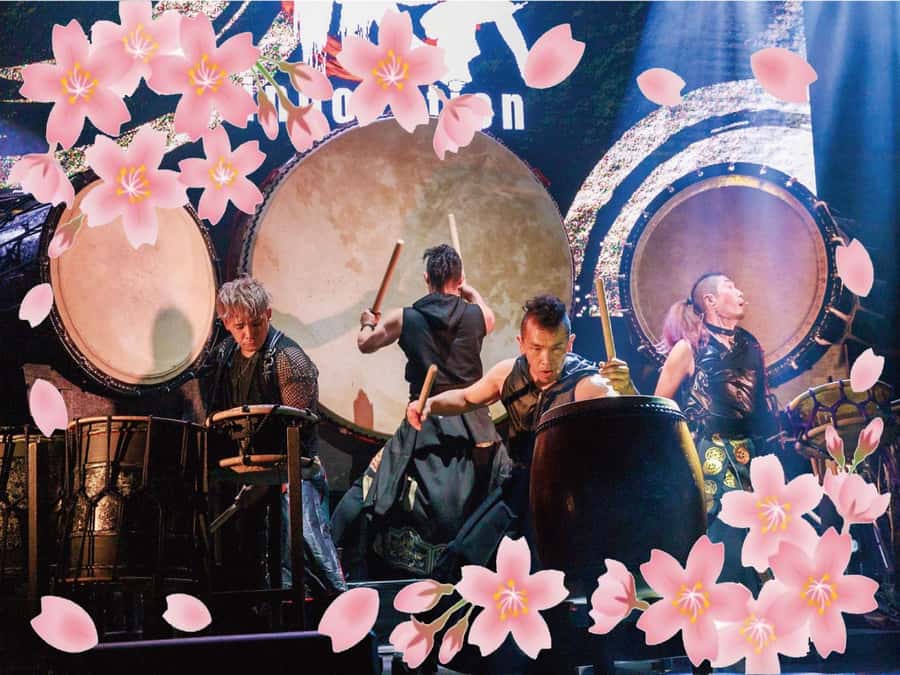
A huge drum shakes the room in Osaka. The UTAGE Japanese Taiko Live Show blends traditional instruments like taiko with computer music, staged by TRAinnovation, for a high-energy night of sound and visuals. It is the kind of performance where you sit close enough to feel the rhythm in your chest.
Two things I really like. First, you get a front-row style experience with a large, loud focus on the instruments, including the 180 cm drum that is a big deal in Kansai. Second, the show is interactive, including a chance to participate for one song, not just watch passively.
One possible drawback: the show language is Japanese, so you will rely on the music, cues, and visual action more than explanations. That said, the crowd interaction helps keep things understandable.
In This Review
- Key takeaways before you go
- Osaka Cultural Center logistics, timing, and why the seating matters
- What you will hear and see: taiko, shamisen, shakuhachi, shinobue, and computer music
- The 180 cm taiko drum moment you should plan around
- Audience participation: how the one-song invite actually feels
- Photos, meet-and-greet energy, and the downstairs souvenir-photo stop
- Price and value for a $40 Osaka night out
- Who should book UTAGE, and who might feel mismatched
- Language notes, show pace, and the real meaning of “arrive early”
- Pair it with your Osaka day: keep the night simple
- Should you book UTAGE Japanese Taiko Live Show?
- FAQ
- Where does the UTAGE show start in Osaka?
- How much is the ticket?
- What language is the show in?
- What time should I arrive?
- Can I enter after the show begins?
- What instruments are part of the performance?
- Is there audience participation?
- Are photos allowed during the performance?
- Is there anything after the show?
- Is this show suitable for families?
Key takeaways before you go
- The 180 cm drum in Kansai gives you a scale you can actually see, not just read about
- Traditional instruments meet computer music, so it feels modern without feeling fake
- TRAinnovation performance style is energetic and built for audience engagement
- One-song participation turns you from spectator into temporary band member
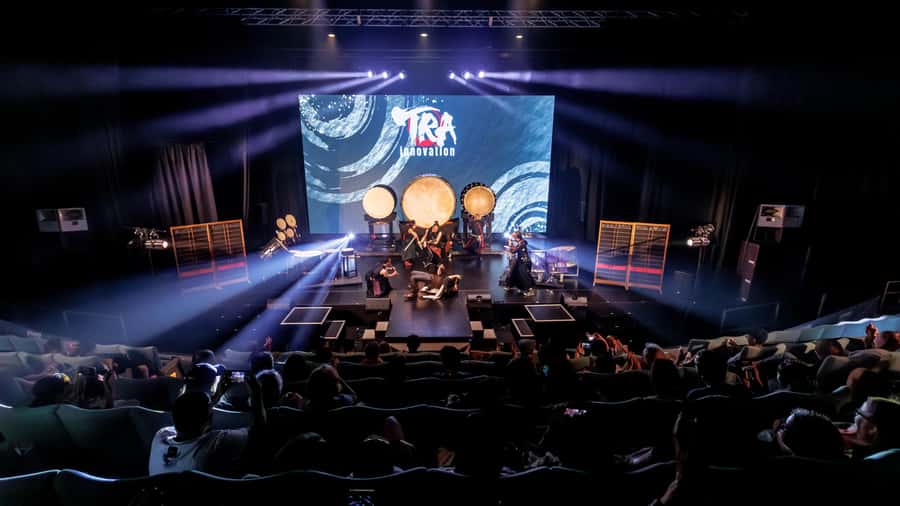
- Close theatre seating keeps the show intimate, even with a small crowd
- Photos after the show include meeting the performers and a fun downstairs photo spot
Osaka Cultural Center logistics, timing, and why the seating matters

Start at the Osaka Cultural Center. The show runs and ends back at the same meeting point, so you are not stuck figuring out a complicated route after the performance. That matters when you are traveling, tired, and just want the evening to flow.
Arrive at least 5 minutes early. Once the show begins, entry is not allowed due to production reasons. This is not the kind of event where you can dawdle and still get in. If you are prone to being fashionably late, set an earlier alarm and give yourself buffer time.
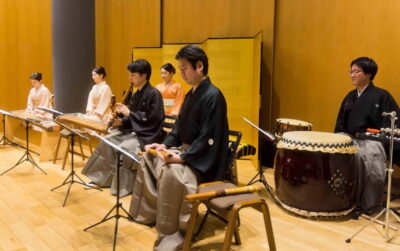
The setup is part of the appeal. In one review, the audience was about thirty people, seated in three rows, with the band only a few meters away. That closeness changes everything. You are watching hands, body movement, and facial focus, not just a stage in the distance. It also explains why people keep saying the show feels almost private.
Also, you should know photos are allowed during the performance, and there is time after the show to take pictures with the band. That turns the experience into something you can remember with more than just audio in your head.
Compare these Traditional Music and Dance shows in Osaka:
- OSAKA NIGHT FUSION Japanese Taiko Kabuki Samurai Dance Show
★ 4.8 · 155 reviews - Osaka:SUMO BEATS SHOWCASE: Taiko Drum and Wagyu burger!
★ 4.2 · 37 reviews - OSAKA:Japanese Taiko Drum Experience – WADAIKO RHYTHM QUEST
★ 4.9 · 13 reviews
What you will hear and see: taiko, shamisen, shakuhachi, shinobue, and computer music
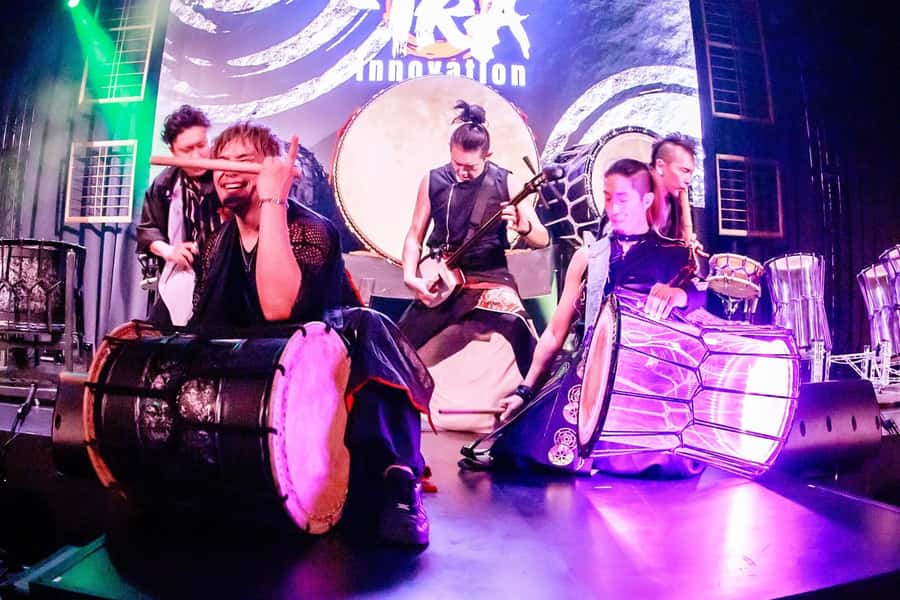
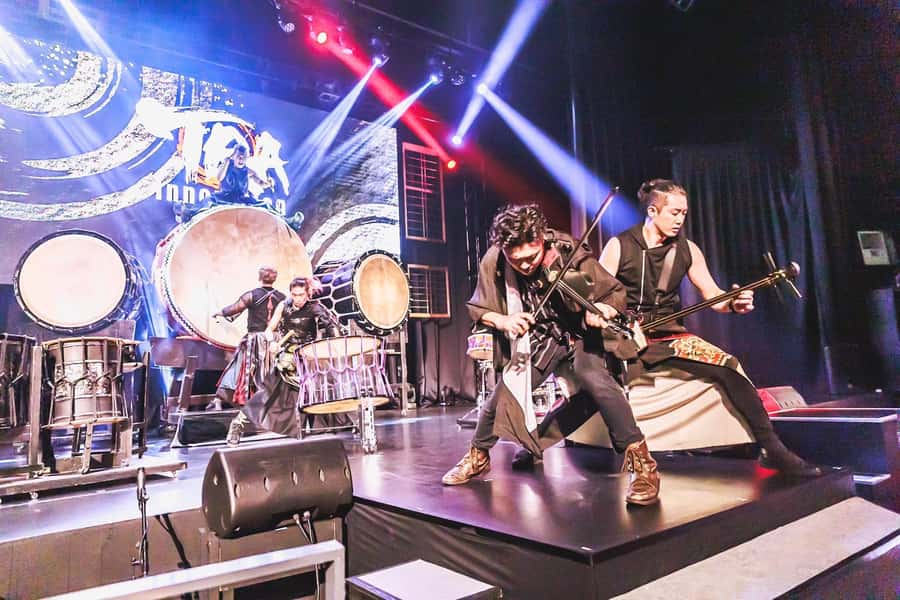
UTAGE is built like a sound collage, but it never feels random. The lineup includes Japanese drums, shamisen, shakuhachi, and shinobue, plus a modern layer created with computer music. The result is traditional instruments in conversation with electronic effects, beats, and timing.
Here is what that means for you as a listener. If you are new to Japanese music, you get the core sounds clearly: the sharp hits of percussion, the expressive bends and melodies of string instruments, and the breathy, haunting character of bamboo flute tones. If you already like Japanese music, you still get something fresh, because the computer music changes the rhythm and pacing in a way that makes the instruments feel current.
The show also uses visual elements to keep momentum. Even if you miss some spoken language, you still get the point. Performers cue movement, the lights and staging shift with the music, and the band’s energy tells the story.
One thing I love about this format is that it respects the instruments. It does not reduce taiko to a background beat. You can tell they want you to listen to each instrument type, then hear how they blend when everything hits together.
The 180 cm taiko drum moment you should plan around
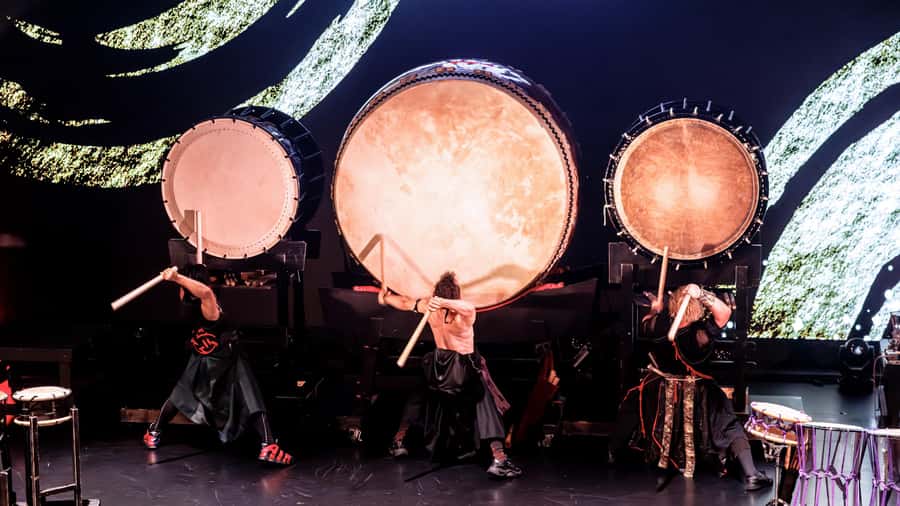
The headline feature is the huge drum, 180 cm in diameter. The show introduces it as one of Kansai’s largest drums. That detail is not just trivia. It signals what to expect visually and sonically.
A drum that big changes the room. You feel the bass impact more than you think about it. You see the scale of the drumhead and the way the performer approaches it, and that makes the sound hit harder because you understand the physical size behind the noise.
It also gives the show a clear peak moment. You start by learning the instruments through the mix, then the program escalates into something that feels like a special event. Reviews repeatedly point to the power and excitement of the drums, and one person even said they got a turn playing one of the large drums.
If you are someone who likes a strong visual climax, this is a smart choice. It is not a vague experience. You can tell when the big drum energy arrives.
Audience participation: how the one-song invite actually feels

One of UTAGE’s best tricks is that it pulls you into the rhythm. The program invites customers to the stage and offers opportunities for you to participate for one song for a limited time. In other words, this is not a long workshop. It is a short, memorable moment.
The tone is playful and crowd-friendly. People mention that the musicians engage the public to the maximum, so you are not stuck standing there hoping you did not mess up. If you get picked, you get a quick instruction through the performers’ cues and the music itself.
What helps most is your mindset. Go in expecting to be slightly awkward and perfectly allowed to laugh at it. Even if you do not participate, the way the musicians interact with the audience keeps things from feeling like a formal concert where everyone sits politely and times their applause.
If you want extra confidence, watch how staff guide people during the show. The show is built for interaction, but it still follows production rules. You will do best by paying attention to directions and timing, especially when they bring someone to the stage.
A few more Osaka days to weigh up
- Osaka: Sumo Show & Experience w/ Optional Kimono & Hot Pot
★ 4.5 · 609 reviews - Osaka: Sumo Stage Show with Bento or Snack + Fight & Photo
★ 4.3 · 364 reviews - Osaka: English Stand Up Comedy Show at Osaka Comedy Club
★ 4.7 · 203 reviews - Osaka Umeda: PICCADILLY DINNER SHOW & NIGHTCLUB with Tasting
★ 4.8 · 49 reviews
Photos, meet-and-greet energy, and the downstairs souvenir-photo stop
The show is not just a one-and-done performance. Afterward, you can take pictures with the band. Reviews mention meeting and photographing with the performers afterward, which is a big part of why the experience sticks with people.
There is also something extra that I think is worth flagging. One review says the experience continues at a shop located downstairs, where visitors can pose for complimentary photos with samurai swords and traditional Japanese umbrellas. That is the kind of add-on that costs you nothing extra here and helps families and first-time visitors leave with a silly, memorable keepsake.
Photos during the performance are also allowed. That is unusual for some live music venues, and it helps you capture moments without feeling like a rule-breaker. Still, be respectful. If your phone lighting is bright enough to interfere with other people, dim it or keep it low.
In short, UTAGE gives you three layers: you watch a high-energy show, you might participate, and you get photo moments that make the evening feel complete.
Price and value for a $40 Osaka night out
The price is $40 per person. To judge value, focus on what you get beyond the ticket itself.
You are paying for:
- A full live performance featuring multiple traditional Japanese instruments
- The computer music component that modernizes the experience
- A dramatic featured moment with the 180 cm taiko drum
- Audience participation for one song, for those selected
- Photo opportunities during and after the show
- A downstairs complimentary photo spot with samurai-themed props and umbrellas
That is a lot of “included” for one evening, especially if you are comparing it to concerts where your only tangible benefit is sitting and clapping. Here, the show is designed to interact with the room.
Also, the audience size likely helps the feel. At least one review described a crowd of around thirty people. Smaller groups can make a performance feel more connected, and it matches the repeated comments about intimacy and closeness.
Is it expensive? It is midrange for Osaka entertainment, but not inflated for what is happening on stage. If you love music, Japanese culture, or just want a fun show that does not require you to understand every word, this ticket can feel like a good deal.
Who should book UTAGE, and who might feel mismatched
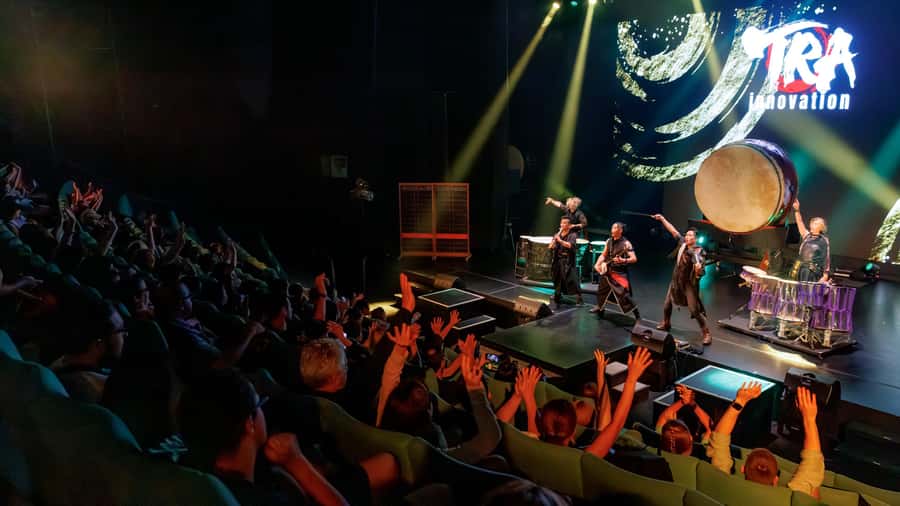
This show is built for a broad crowd. Reviews mention it as suitable for families, and for adults too. The instruments have clear personality. The rhythm is physical. The visuals and performer energy do a lot of the talking.
I think UTAGE is especially good if:
- You want Japanese music without needing background knowledge
- You like interactive events more than passive sightseeing
- You enjoy modern twists on traditional performance
- You are traveling with mixed ages, since reviews include families and solo visitors feeling comfortable
You might feel a bit mismatched if:
- You only like traditional music in a strictly classic, no-technological-sounds format
- You need lots of spoken explanation in a language you understand
- You strongly prefer performances where audience participation never happens
Still, even if you do not speak Japanese, the performance cues and crowd interaction make the experience accessible.
Language notes, show pace, and the real meaning of “arrive early”
Everything about UTAGE runs on show timing. The show language is Japanese, and production rules mean once it starts, you cannot enter. Arriving 5 minutes early is not bureaucratic. It protects the flow and keeps the production consistent.
That also hints at the show pace. This is not the slow, museum-style kind of experience. It is performance-first. The blend of taiko, string instruments, flute tones, and computer music means the program likely shifts quickly between styles and intensity levels.
So your practical move is simple: show up early, settle in fast, and let your ears do the work. You will get more out of the experience if you are not stressed about missing anything.
Pair it with your Osaka day: keep the night simple
This works best when you plan a low-stress evening. One review mentioned pairing it with a day that might include an aquarium and a Ferris wheel, calling it a nice outing plan.
I like that advice because it respects how travel works. Put UTAGE on your agenda after a day of walking and snacks. Then treat the show as your energy reset. You can focus on rhythm, photos, and interaction, then finish without complicated logistics.
Should you book UTAGE Japanese Taiko Live Show?
Book it if you want a compact Osaka experience that feels modern but stays grounded in real Japanese instruments. The 180 cm taiko drum, the TRAinnovation energy, and the audience participation for one song make it more than a standard concert ticket.
Skip or reconsider if you are uncomfortable with audience involvement, or if you prefer long spoken narration in your language. Also, if you hate arriving early for timed events, be sure you can actually make that 5-minute buffer.
If your goal is a fun, high-energy night with real performance power and optional hands-on moments, UTAGE is a strong choice for Osaka.
FAQ
Where does the UTAGE show start in Osaka?
The meeting point is at the Osaka Cultural Center.
How much is the ticket?
The price is $40 per person.
What language is the show in?
The show is in Japanese.
What time should I arrive?
Please arrive at least 5 minutes before the start of the show.
Can I enter after the show begins?
No. Once the show begins, you will not be allowed entry due to production reasons.
What instruments are part of the performance?
The show features Japanese instruments such as Japanese drums, shamisen, shakuhachi, shinobue, and more, plus computer music.
Is there audience participation?
Yes. You can participate as a performer for one song for a limited time, and customers are invited to experience the performance of Japanese instruments.
Are photos allowed during the performance?
Yes. Reviews indicate guests are welcome to take photos during the performance.
Is there anything after the show?
Yes. Reviews mention that you can meet and photograph with the performers afterward, and the experience continues at a shop downstairs with complimentary photos using samurai sword and traditional Japanese umbrella props.
Is this show suitable for families?
Yes. Reviews mention it is suitable for families and all ages.
Newly listed around Osaka
- (Ticket Included) Explore Osaka Castle & Museum of History★ 4.8 · 21 reviews
- Hidden Osaka – Yukaku Red Light Tour & Culinary Adventure★ 4.8 · 96 reviews
- Osaka: Walking Tour and Top Highlights★ 4.8 · 104 reviews
- Same Day OK! Osaka: Local Food, Izakaya & Local Bites Tour!★ 4.8 · 17 reviews
- Osaka: Private Ceramic Painting Workshop★ 5.0 · 13 reviews
- Pickleball in Osaka & Kyoto with Locals!★ 4.6 · 64 reviews
- Eat Like a Local in Osaka – Private Custom Street Food Tour★ 4.3 · 33 reviews
- Osaka:SUMO BEATS SHOWCASE: Taiko Drum and Wagyu burger!★ 4.2 · 37 reviews
Traditional Music & Dance Shows, compared.

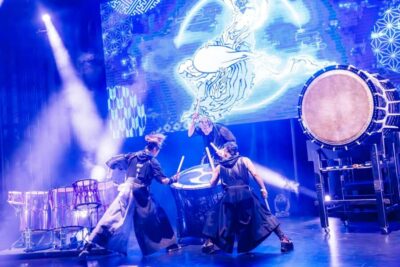
OSAKA NIGHT FUSION Japanese Taiko Kabuki Samurai Dance Show
Read our review →
KABUKI Show at Kabukiza Theatre Admission Ticket
Read our review →
KABUKI, BUNRAKU, etc. presented by National Theatre
Read our review →

SUMO BEATS SHOWCASE: Taiko Drum and Wagyu burger!
Read our review →Browse the lists this tour appears in