
Review · TRADITIONAL MUSIC & DANCE SHOWS
Tokyo: KABUKI, BUNRAKU, etc. presented by National Theatre
Japan’s classical theatre hits different. In Yokohama, you get Kabuki, Bunraku, and Hogaku in one National Theatre Japan program, performed by top-tier artists with no loud speakers blasting translations. Two things I especially like are the English easy-to-follow audio guide for Kabuki and Bunraku, and the fact that the show is built for real listening, not just watching effects.
The main catch: the performance length can run from 75 minutes up to 3 hours, and the English audio is an overview, not a word-for-word dialogue translation. If you are the type who needs every nuance spelled out, you will still enjoy the artistry, but you may feel a few layers are lost.
In This Review
- Key things to know before you go
- What you’re seeing: Kabuki, Bunraku, and Hogaku in one program
- Price and value: why $37 can feel like a bargain
- Yokohama venue, not Hanzomon: how to get to KAAT Kanagawa Arts Theatre
- Kabuki and Bunraku with English audio: what the guide actually does
- Hogaku concert: Yuki no Aikata and listening for snow in shamisen lines
- Theatre etiquette rules that matter more than you think
- How long it is, and how to fit it into your Tokyo day
- Seating and what you should expect about where you sit
- Who should book Kabuki and Bunraku in Yokohama
- Should you book? My practical recommendation
- FAQ
- Where is the performance venue for this Tokyo Kabuki and Bunraku experience?
- Which stations are closest to KAAT Kanagawa Arts Theatre?
- How long is the performance?
- What performing arts are included?
- Is English support included?
- Is the English audio guide a literal translation?
- Do I need to exchange my GetYourGuide ticket at the theatre?
- Are photos or video recording allowed inside the theatre?
- Is the venue wheelchair accessible?
- Is transportation to the theatre included in the price?
Key things to know before you go
- Yokohama venue (KAAT Kanagawa Arts Theatre), not Tokyo’s National Theatre Hanzomon
- Kabuki and Bunraku include English audio, plus English guidance on the side for Hogaku
- No photography or video recording, and you need to keep noise down
- Audio guide is English only and summarizes key moments
- Program content varies by date, so check what you are booked for
- Ticket swap at the theatre entrance is required
What you’re seeing: Kabuki, Bunraku, and Hogaku in one program
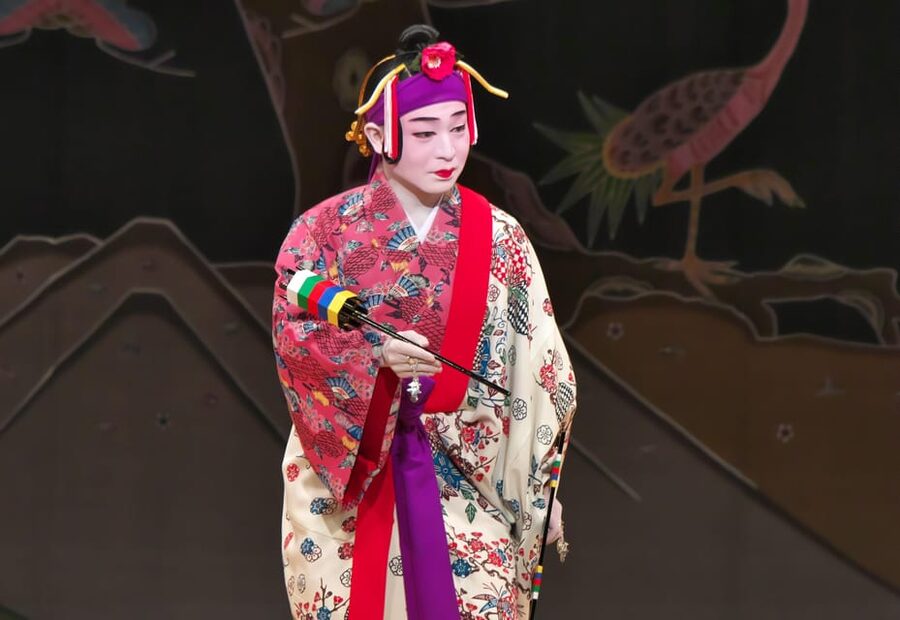
This is one of those nights where Japan’s traditional performing arts feel less like a museum exhibit and more like living craft. The program is presented under the National Theatre Japan banner, and it mixes three major styles, depending on the date: Kabuki, Bunraku, and Hogaku.
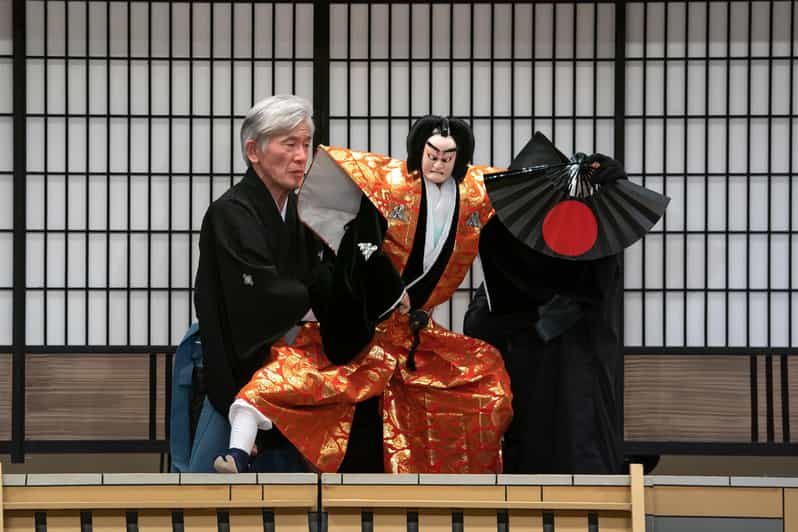
Kabuki is drama told through music, dance, and bold stage language. Think striking poses, expressive movement, and stories that keep tightening the emotional knot as the scenes change. One reason Kabuki works so well for visitors is that it communicates on more than one level. Even when you are not catching every word, you can feel what the characters want, fear, or decide.
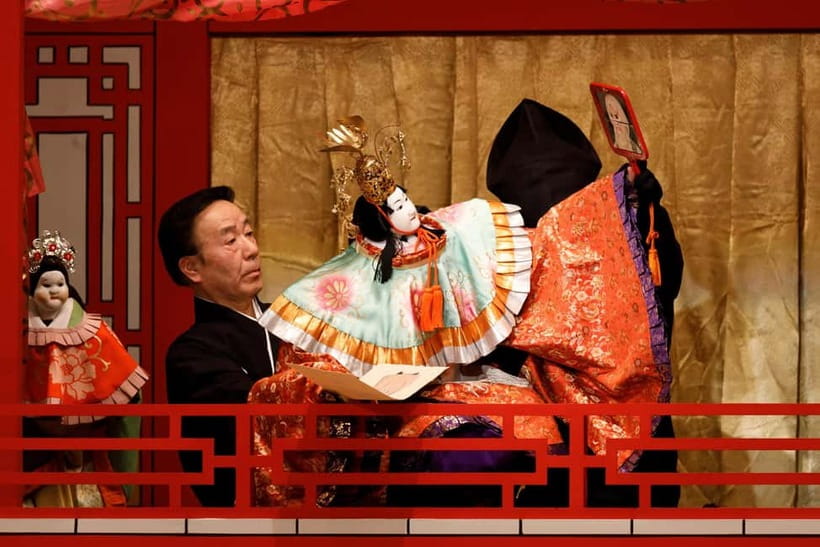
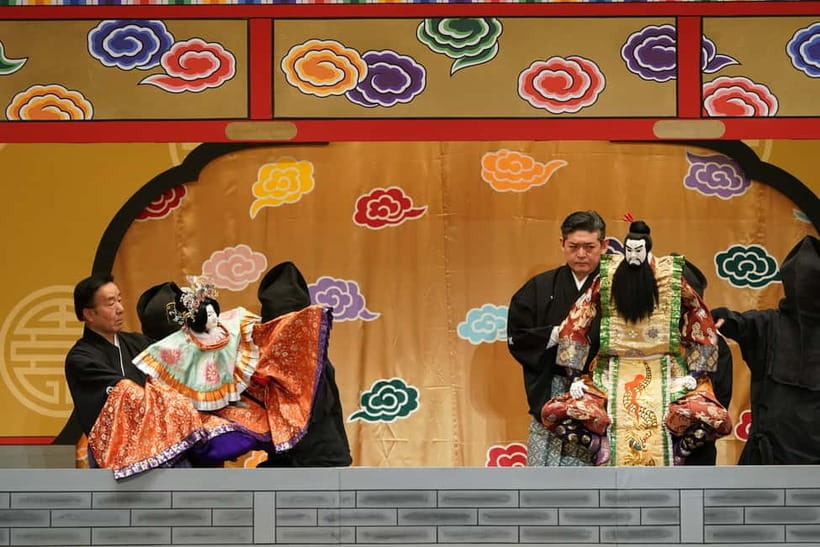
Bunraku is different in the best way. Instead of live actors in the usual sense, you watch puppetry performed with extraordinary precision, synchronizing narration (recitation), shamisen music, and the puppet’s movement. When it clicks, it is genuinely astonishing: the voice and shamisen feel like they are driving the puppet, and the puppet feels like it is responding. For adult audiences especially, Bunraku has a kind of serious, grown-up focus.
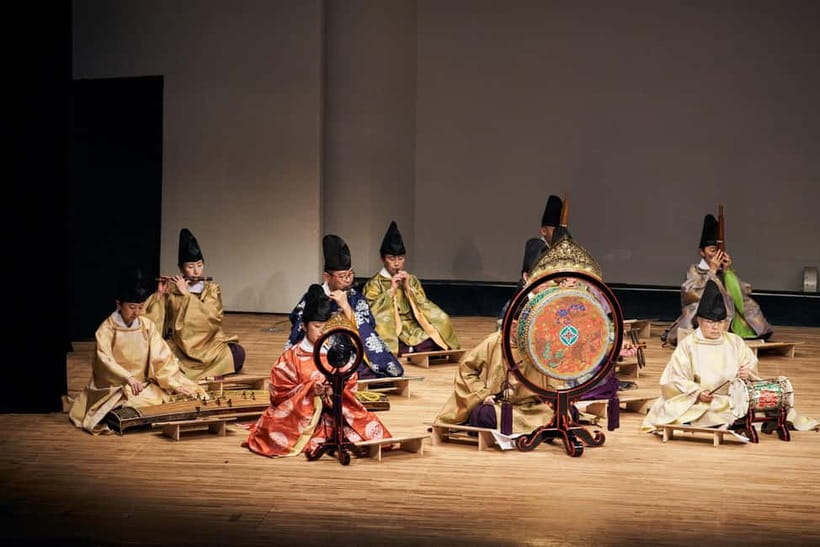
Then there is Hogaku, a traditional music concert that spotlights specific melodies associated with winter imagery. In this program, the highlight is a snow-related theme called Yuki no Aikata, tied to long shamisen interludes found in the Jiuta song “Yuki.” If you like listening for musical “details,” this part can be a rewarding reset from the more story-driven theatre styles.
Compare these Traditional Music and Dance shows in Tokyo:
- Ninja+Kabuki Tokyo
★ 4.5 · 512 reviews - Tokyo: Ninja Kabuki Performance
★ 4.2 · 330 reviews - Tokyo: KABUKI Show at Kabukiza Theatre Admission Ticket
★ 4.8 · 152 reviews
Price and value: why $37 can feel like a bargain
At about $37 per person, this program can feel like unusually good value, mainly because you are not paying just for seats. You are paying for access to live, high-level traditional performance with built-in English help.
Here is what you are actually buying:
- Theatre tickets (so you are not hunting down individual shows)
- English audio guide for Kabuki and Bunraku
- A free English explanation sheet for Hogaku
That package matters in Japan, where classical performing arts can be hard to follow without context. Even though the English support is not a literal translation, it still gives you the map you need to follow actions and major story points while you watch the performers do the real work.
Also, one subtle value point: the show is described as being performed without loud speakers. That tends to make the theatre experience feel more like you are sitting inside the art, not outside it with a separate soundtrack.
Yokohama venue, not Hanzomon: how to get to KAAT Kanagawa Arts Theatre
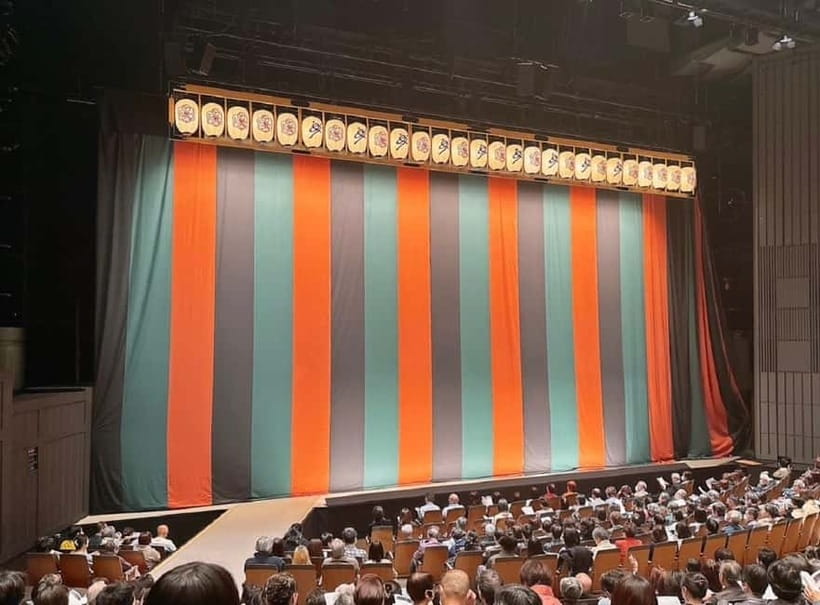
Despite the “Tokyo” name, this performance takes place in Yokohama. Your destination is KAAT Kanagawa Arts Theatre. Do not aim for Tokyo’s National Theatre (Hanzomon). The venue is different from date to date, and for this booking it is KAAT.
Getting there is straightforward once you target the right station. The nearest are:
- Nihon-ōdōri Station (MM05) on the Minatomirai Line, about 5 minutes walk from Exit 3 or 4
- Motomachi-Chukagai Station (MM06) on the Minatomirai Line, about 8 minutes walk from Exit 1
If you are coming from central Tokyo, the Minatomirai Line can connect you through areas like Tokyu Toyoko Line and Tokyo Metro Fukutoshin Line. From Shibuya Station, plan roughly 45 minutes to reach the Motomachi-Chukagai area.
One more logistics thing you should treat as non-negotiable: to enter, you must exchange your GetYourGuide ticket for the theatre-issued ticket. You pick it up at the entrance on the day of the show, and staff ask for the name used in the reservation.
Kabuki and Bunraku with English audio: what the guide actually does
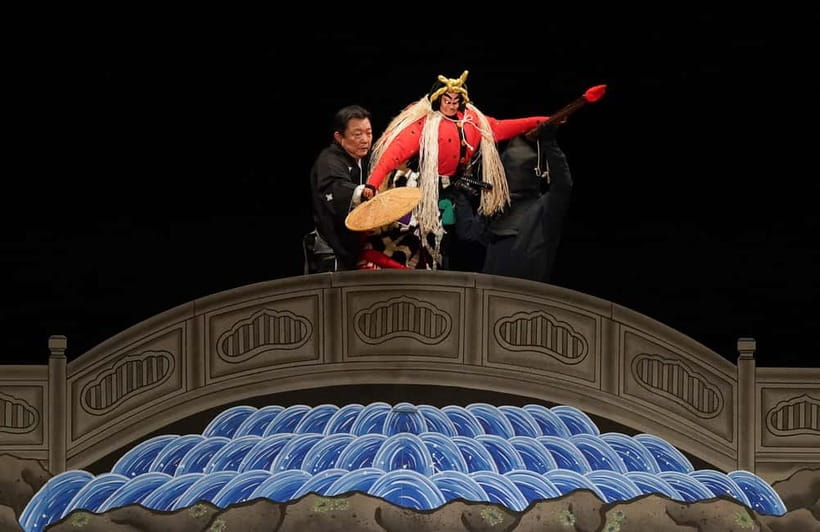
The English audio guide for Kabuki and Bunraku is a big reason this program works for non-Japanese speakers. What I like is that the guide is designed to support the performance without stomping over it.
A key detail: the audio is English only, and it is not a word-for-word translation. Instead, it provides an overview of the main points. The goal is to help you follow why characters move the way they do, what is happening, and how scenes connect, while still letting you hear the performance voices, acting, and music.
If you go in expecting subtitles that match every line, you will get frustrated. If you go in expecting a “story and action guide” that keeps you oriented, you will probably feel a lot more at ease.
Also, because the show uses a theatre environment where you are meant to listen, you will get used to the rhythm quickly. At first, it can feel like your attention splits between the onstage voice and the narration in one ear. Once you relax into it, the audio helps you catch the turning points without drowning out the artistry.
A few more Tokyo days to weigh up
- Mt Fuji and Hakone 1-Day Bus Tour Return by Bullet Train
★ 5.0 · 26,383 reviews - 1-Day Tokyo Bus Tour
★ 5.0 · 14,250 reviews - Tokyo: TOKYO SKYTREE® Admission ticket
★ 4.5 · 11,192 reviews - Tokyo: teamLab Planets TOKYO Digital Art Museum Entry Ticket
★ 4.6 · 9,779 reviews
Hogaku concert: Yuki no Aikata and listening for snow in shamisen lines
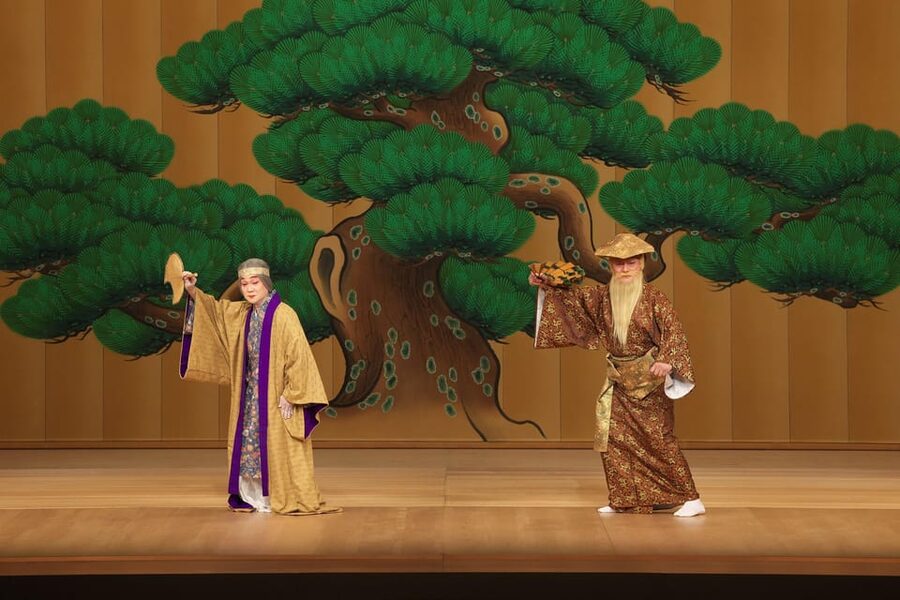
The Hogaku portion is a traditional Japanese music concert with English support via a free explanation sheet. What makes this part interesting is the way it builds atmosphere through melody.
This specific program spotlights the melody tied to snow, called Yuki no Aikata. In the explanation framework, it refers to a long shamisen interlude in the Jiuta “Yuki.” That melody shows up across various pieces that depict falling snow, so you can listen for how the musical phrase acts like a repeating image.
What you do not want to do here is treat it like background music. Hogaku can reward careful listening. When you follow the notes through the provided context, you start noticing how emotion and weather get expressed through musical pacing, ornamentation, and the way interludes stretch time.
If you are someone who enjoys silence, pacing, and small shifts in tone, Hogaku can be the part you remember most, even if you came primarily for Kabuki or Bunraku.
Theatre etiquette rules that matter more than you think
The programme has clear rules, and they are there for a reason. No smoking, no pets (assistance dogs allowed), and no alcohol or drugs. Inside, you are also asked not to make noise, and no video recording, photography, or audio recording.
In practice, these rules keep the audience focused and protect performers. Traditional performing arts are extremely sensitive to attention. When people keep phones away, voice low, and movements quiet, you hear the performance the way it was intended.
One practical tip: since you cannot record or take photos, come prepared to be present. Bring a notebook if you like writing down impressions, or just plan to let it go in one direction: watch the art, follow the guide, and let your brain do the translation work between cultures.
How long it is, and how to fit it into your Tokyo day
Timing is the part that can make or break your schedule.
The duration is listed as 75 minutes to 3 hours, depending on the date and what exact combination of Kabuki, Bunraku, and Hogaku you get. The show you attend might be shorter and tighter, or it might feel like a full cultural event with multiple segments.
So plan like this:
- Build in a buffer before and after your theatre time.
- If you only have a few days in Tokyo, consider choosing this as a main event on that day rather than squeezing it between sightseeing stops.
- If you have a longer Tokyo trip, you can treat it as a calm, culture-focused anchor.
One nuance I picked up from how people experience these shows: the pacing can be slow compared to modern theatre. The rewards come from watching detail and letting music and movement build. If you are restless, give yourself permission to relax your expectations. You are not watching fast plot twists. You are watching craft.
Also, breaks can be tricky because you must stay seated or return promptly for the next segment, depending on how the theatre times the acts. If you are hoping to eat or drink during intervals, remember that alcohol is not allowed, and the theatre rules are strict about what goes on inside.
Seating and what you should expect about where you sit
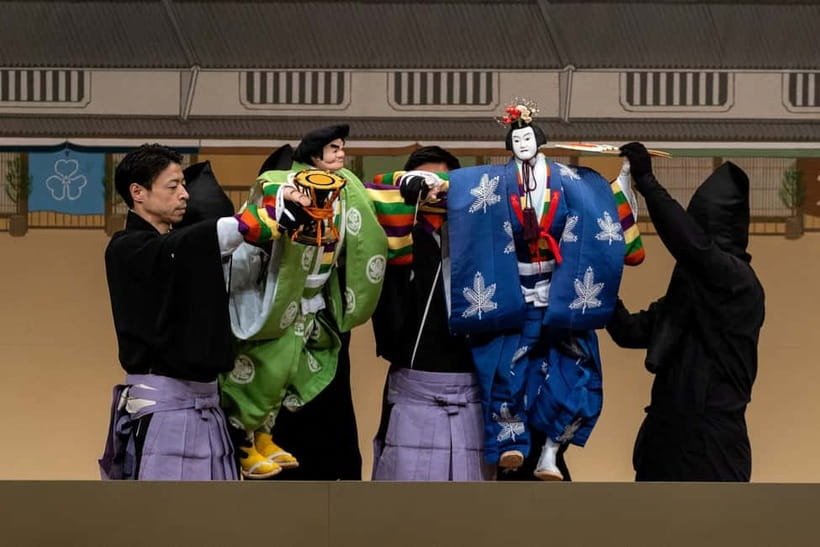
Seating is handled by the theatre, and you should know that seating positions will be left to the theatre. That means you might not get to pick your exact view.
This is not automatically a problem. Many traditional stages are designed so that the experience works even if you are not in the best row. But it is worth going with the mindset that this is about the live performance, not a perfect camera-angle view.
If you are sensitive to sightlines, arrive early, get your bearings, and adjust quickly once you see the stage layout.
Who should book Kabuki and Bunraku in Yokohama
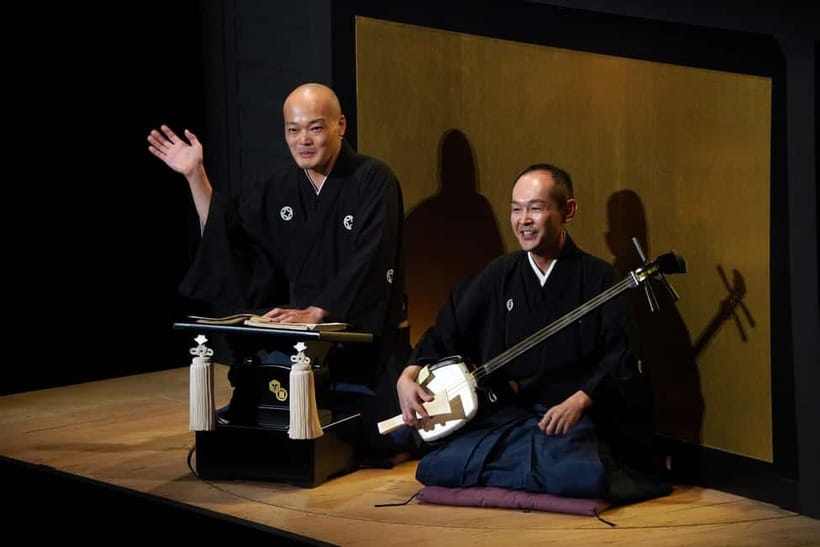
This is for you if:
- You want authentic, high-level classical performing arts, not a simplified demo
- You are interested in how the story gets told through movement, voice, and music
- You want English help that keeps you oriented without ruining the performance audio
- You enjoy listening for details, whether that is shamisen music or Bunraku narration
It might be less ideal if:
- You need a fast, action-packed performance style
- You dislike shows that run closer to 3 hours
- You want fully literal, line-by-line translation
One more consideration: the program content can vary by date. On some nights, you might expect a particular element more strongly, while another element may be presented differently. The important part is that your booked option title indicates what you are actually seeing. Check that before you go.
Should you book? My practical recommendation
If you are in the Tokyo area and you care about culture you can only see live, I think this is a very solid booking.
Here is my decision rule:
- Book it if you want a rare chance to experience Kabuki and Bunraku with English audio and a theatre setting that keeps the focus on performers.
- Consider alternatives if your schedule is tight and you cannot afford up to 3 hours, or if you only enjoy performances when every spoken line is translated word-for-word.
Bottom line: the best value here is the combo of serious performers plus English guidance that helps you follow what matters. If that sounds like your kind of night, go for it.
FAQ
Where is the performance venue for this Tokyo Kabuki and Bunraku experience?
The venue is in Yokohama, at KAAT Kanagawa Arts Theatre.
Which stations are closest to KAAT Kanagawa Arts Theatre?
The nearest are Nihon-ōdōri Station (MM05), about a 5 minute walk from Exit 3 or 4, and Motomachi-Chukagai Station (MM06), about an 8 minute walk from Exit 1.
How long is the performance?
Duration is listed as 75 minutes to 3 hours, depending on the starting time and what is scheduled for your date.
What performing arts are included?
Depending on the date, the program includes Kabuki, Bunraku, and Hogaku (traditional Japanese music).
Is English support included?
Yes. Kabuki and Bunraku include an English audio guide, and Hogaku includes a free English explanation sheet.
Is the English audio guide a literal translation?
No. The English audio guide provides an overview of the main points rather than a literal translation of the dialogue.
Do I need to exchange my GetYourGuide ticket at the theatre?
Yes. To enter, you must exchange the ticket issued by GetYourGuide for a theatre-issued ticket at the entrance on the day of the performance.
Are photos or video recording allowed inside the theatre?
No. Photography inside and video recording inside are not allowed.
Is the venue wheelchair accessible?
Yes, the activity is wheelchair accessible. If you are coming in a wheelchair, you should contact the provider as soon as possible so they can provide wheelchair-accessible seating.
Is transportation to the theatre included in the price?
No. Transportation to the theatre is not included.
Newly listed around Tokyo
- Modern Vegan Night Foodie Tour in Tokyo★ 3.9 · 7 reviews
- Tokyo: Asakusa Night Waling & Food Tour★ 4.9 · 16 reviews
- Tokyo Vegan Food Tour★ 5.0 · 8 reviews
- Tokyo: Tsukiji Market Walking Tour & Sushi Cooking Class★ 4.6 · 122 reviews
- Tokyo: Tsukiji walk & sushi private tour with Uni Students★ 5.0 · 17 reviews
- Tokyo: Two Types of Japanese Sweets Making and Tea Ceremony★ 4.6 · 26 reviews
- Tokyo Tsukiji Food & Culture Private Tour Licensed Guide★ 4.9 · 28 reviews
- Tokyo: Tsukiji Fish Market Culture Tour with Sashimi Tasting★ 4.6 · 54 reviews
Traditional Music & Dance Shows, compared.

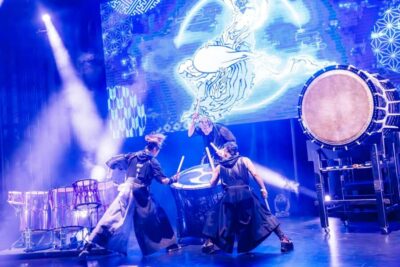
OSAKA NIGHT FUSION Japanese Taiko Kabuki Samurai Dance Show
Read our review →
KABUKI Show at Kabukiza Theatre Admission Ticket
Read our review →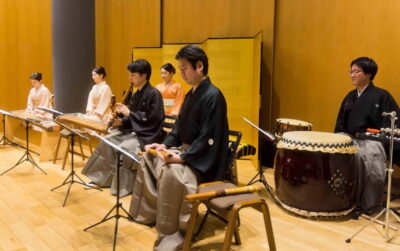

SUMO BEATS SHOWCASE: Taiko Drum and Wagyu burger!
Read our review →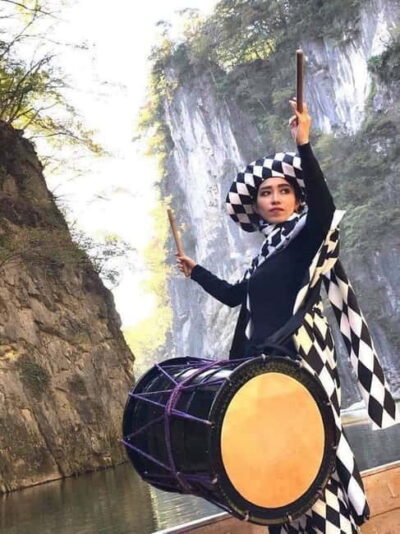
Tokyo’s Authentic and Finest Taiko Drumming Experience
Read our review →Browse the lists this tour appears in