
Review · SHRINE & TEMPLE VISITS
Tokyo: Meiji Shrine Walking Tour — Shinto & Imperial System
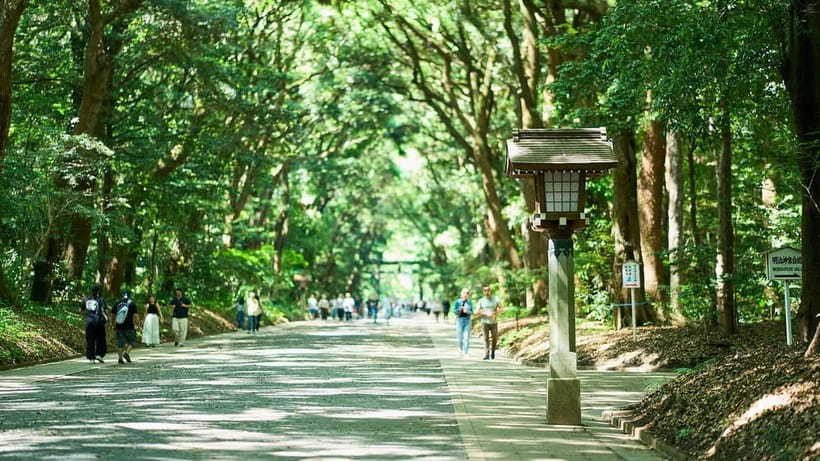
Tokyo gets quieter under Meiji’s trees. This small-group walk through Meiji Jingu turns modern Tokyo into a slow, shaded rhythm, with the forest swallowing street noise and the huge torii acting like a scene change. You also get history context fast, including Japan’s imperial system and how the Meiji era helped steer the country toward modern life.
I love that the guide teaches Shinto etiquette in clear, practical steps, like what to do at the torii path and how to make offerings correctly. I also like the chance to try the special omikuji called Omigokoro, with poems by Emperor Meiji and Empress Shoken that include English translations. One possible drawback is that the tour is English only, so if you’re hoping for Japanese support, you won’t have it here.
In This Review
- Key highlights you should care about
- Why Meiji Jingu feels like a Tokyo reset
- Price and timing: good value for a short visit
- English-only guidance, and how it helps you not mess up
- Harajuku Station to the first torii: setting the tone
- Consecrated wine and sake barrels: small objects, big meaning
- The big torii and the seichu route rule
- Emperor Meiji’s poetry: a human entry point to history
- Main shrine time: Shinto practice, omamori, and free personal moments
- Forest Terrace Meiji Jingu and Café Mori no Terrace tea break
- What the guides do that makes the tour feel worth it
- Should you book the Meiji Shrine walking tour?
- FAQ
- How long is the Tokyo Meiji Shrine walking tour?
- How big is the group?
- Is the tour offered in English?
- Where do I meet the tour?
- What are the main stops during the walk?
- Do I get free time at the shrine?
- Can I buy omamori or omikuji during the tour?
- Is there food or a break included?
- What is the cancellation policy?
Key highlights you should care about
- Up to 10 people keeps questions and explanations from turning into a lecture.
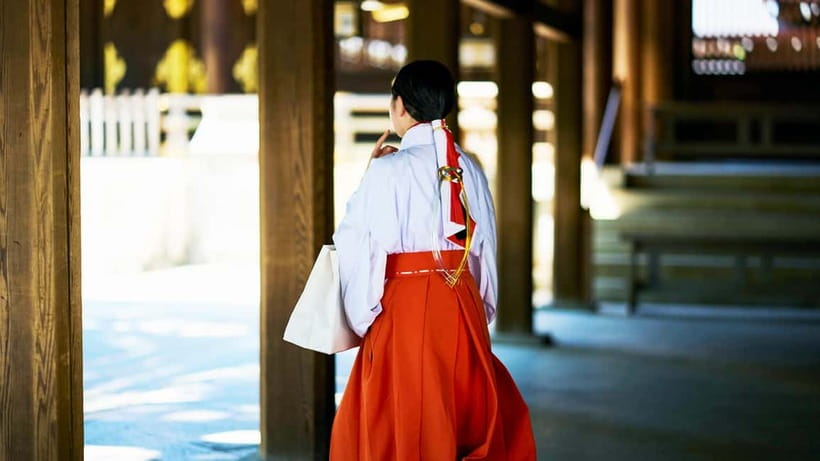
- The quiet forest effect is real: 100,000 trees help you hear birdsong again.
- The 12-meter big torii is built from a 1,500-year-old Taiwanese cypress.
- Wine and sake offering areas show how sacred objects function in day-to-day shrine practice.
- Imperial poetry stops give you a human way to understand the Meiji era.
- Café Mori no Terrace turns the visit into an actual break, not just walking.
Why Meiji Jingu feels like a Tokyo reset
Meiji Shrine is one of the easiest places to understand why Shinto is tied to nature and harmony. You step into a path lined with trees and, in a strange way, Tokyo’s volume drops. That matters because many first-timers arrive ready to check boxes. This tour encourages you to slow down, notice what’s around you, and treat the shrine spaces with the right mindset.
You also start seeing the symbolism quickly. The biggest torii is not just a photo moment. It’s a statement, built from an old-growth style of wood, tall enough to feel like it changes your posture. The guide helps connect what you’re seeing to why it matters, so the shrine doesn’t feel like a pretty set.
More Shrine & Temple Visits in Tokyo
- Tokyo: Meiji Shrine, Asakusa, Skytree Bus Tour and Cruise
★ 4.7 · 1,986 reviews - Tokyo: Asakusa Walking Tour with Sensoji Temple Visit
★ 4.8 · 1,583 reviews - Nikko: Kegon Falls, Lake Chuzenji & Toshogu Temple
★ 4.6 · 1,577 reviews
Price and timing: good value for a short visit
At about $23 per person for a tour lasting roughly 90 to 135 minutes, you’re paying for an English guide and guided flow through the most important Meiji Jingu stops. In a city where you can easily spend time walking around without direction, that structure helps you get the “what is this, why does it matter, what do I do here” answers without eating up your whole day.
The schedule is also nicely tight. There’s guided time at key photo and ritual points, then a chunk of free time at the main shrine and a short tea break. If you like tours that keep moving but still leave room for your own pace, this one fits.
English-only guidance, and how it helps you not mess up
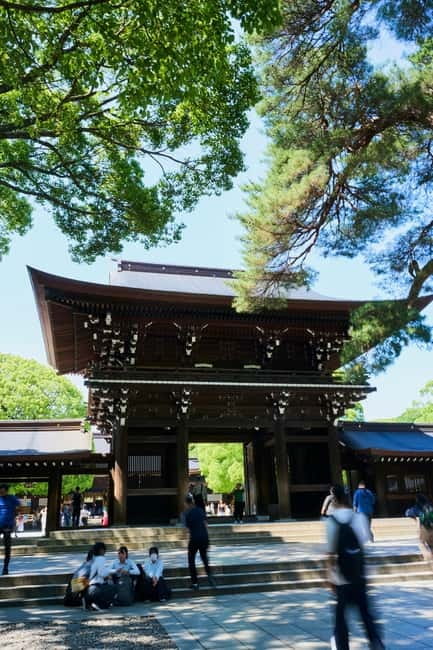
This is an English-language tour with a live guide, and Japanese support is not included. That can be a good thing if you want everything explained clearly without guessing. It also helps because shrine etiquette can be confusing if you arrive with zero context.
One of the most praised parts in the experience is how guides handle etiquette questions. People have specifically mentioned being walked through customs so they know what to do and what not to do, and even being helped with offerings when they didn’t have the right things. That kind of support is valuable because Meiji Jingu is popular, meaning it can be crowded, and a good guide helps you stay respectful while still moving efficiently.
Harajuku Station to the first torii: setting the tone
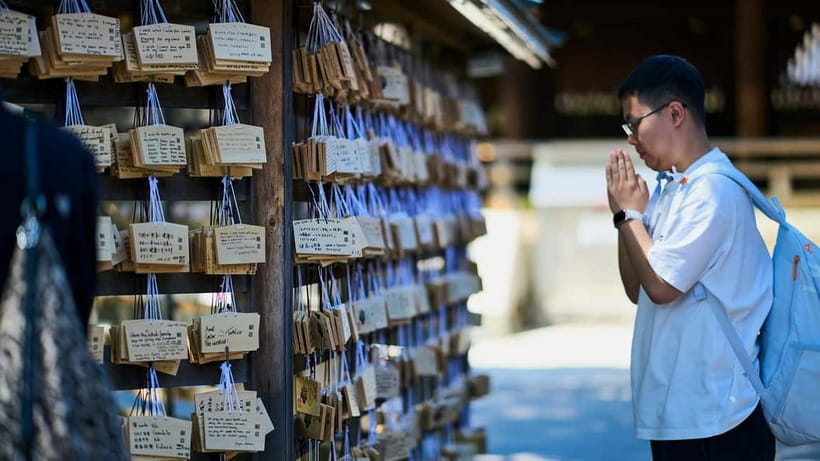
You meet at Harajuku Station (another option may be used depending on booking). From there, the tour gets you oriented and moving toward Meiji Jingu.
The first major stop is the Meiji Jingu Ichino Torii. Expect a photo stop and guided sightseeing for about ten minutes. This is where the tour starts building your mental map. You’ll learn how to approach the area with the right attitude, and you’ll get your first close look at how torii structure marks sacred space.
If you’re the kind of person who likes to understand the logic of a place before you wander, this first torii stop is a strong start.
More Walking Tours in Tokyo
- Tokyo Tsukiji Fish Market Food and Culture Walking Tour
★ 5.0 · 3,184 reviews - Tokyo: Shinjuku Local Bar and Izakaya Guided Walking Tour
★ 4.9 · 1,794 reviews - Tokyo: Tsukiji Fish Market Food and Walking tour
★ 5.0 · 1,724 reviews - Tokyo: Tsukiji Fish Market Guided Walking Tour
★ 4.9 · 1,397 reviews
Consecrated wine and sake barrels: small objects, big meaning
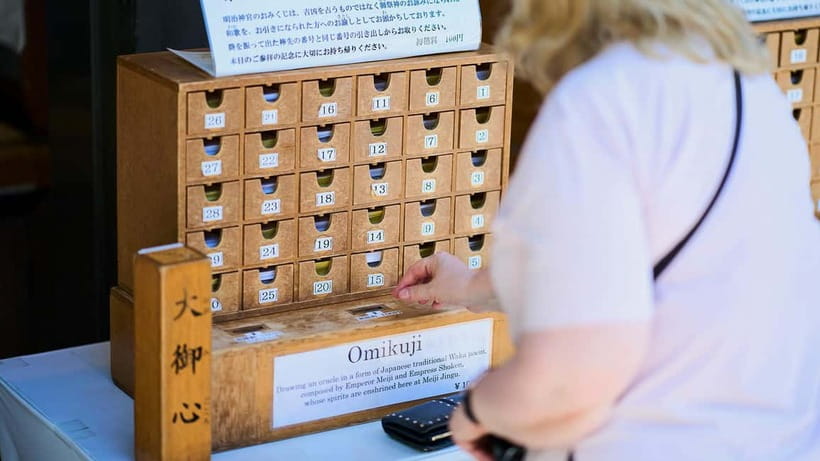
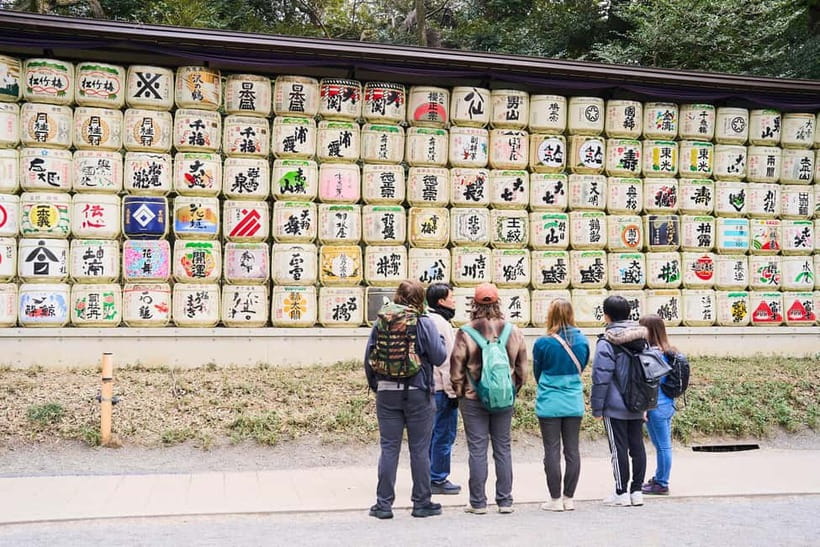
Right after the first torii, you’ll move to the areas featuring the shrine’s consecrated offering barrels. First come the consecrated wine barrels for a short visit and guided explanation (about ten minutes), then later you’ll see the consecrated sake barrels (around five minutes).
These stops might sound minor compared with the giant torii, but they’re exactly the kind of detail that makes shrine visits feel real. Instead of just admiring architecture, you see how sacred practice uses specific containers and offerings. The guide’s job here is to translate the symbolism into something you can actually understand in the moment.
A practical tip: if you’re unsure what you’re looking at or what the routine is, ask early. The tour format and small group size make it easier to get direct answers while you’re still at the relevant spot.
The big torii and the seichu route rule
Then comes the main torii moment, the Big Torii. You get another photo stop and guided time (about ten minutes), which is ideal because it’s the kind of place where you want time to look up, not rush past.
You’ll hear what makes this torii so striking: it’s 12 meters tall and made from a 1,500-year-old Taiwanese cypress. That detail does more than add trivia. It helps you understand why the shrine feels intentional and timeless, not like a generic sightseeing stop.
You’ll also be taught a key custom for moving through the area: when you pass through the torii, it’s customary to stay along the edges of the path to avoid the sacred central route called seichu, reserved for deities. That’s the sort of guidance you really appreciate when you’re in a busy shrine space. It gives you a simple rule that helps you behave respectfully without overthinking every step.
Emperor Meiji’s poetry: a human entry point to history
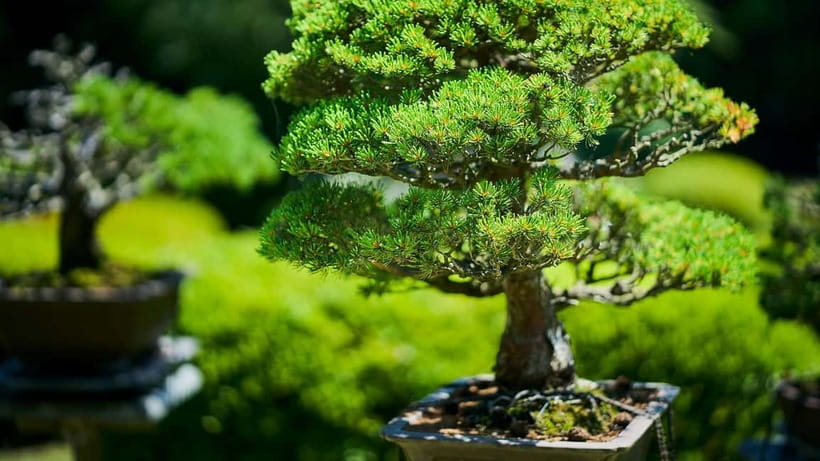
One of the most interesting parts of this tour is how it brings imperial history into something you can read and understand. The stop for Imperial Poetry of Emperor Meiji is short (about ten minutes), but it changes the tone of the visit.
Instead of treating the Meiji era like distant textbook history, the guide connects it to cultural practice. This is also where you start seeing why Meiji Jingu isn’t only about Shinto ritual. It’s also tied to memory, legacy, and national change.
A standout detail you can experience during the shrine portion is the special omikuji called Omigokoro. It features poems written by Emperor Meiji and Empress Shoken, and it includes English translations. For many visitors, that’s the payoff moment. You’re not just buying something touristy. You’re able to read the message you receive, even if you don’t read Japanese.
Main shrine time: Shinto practice, omamori, and free personal moments
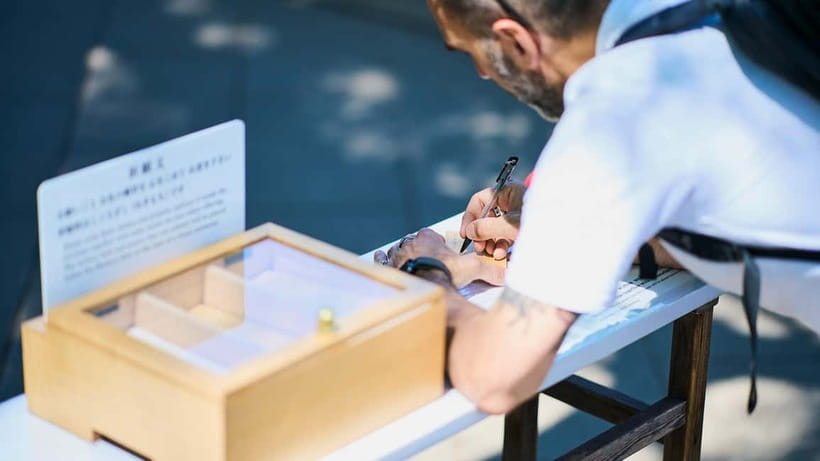
At the main shrine, you’ll get both guided time and a free portion (about 45 minutes total of time for photos, doing the experience activities, shopping, and sightseeing). This is where the tour shifts from explanation to personal interaction.
What you can expect:
- You’ll experience Shinto practices in a guided way.
- You’ll be shown what paying respects looks like.
- You’ll have time to purchase omamori (protective charms).
- You can also try Omigokoro and other omikuji-type options depending on what’s available at the moment.
One of the strongest themes from real guides is hands-on help. People have described guides walking them through how to write wishes and pray, and helping them get their fortunes. Others have mentioned guides providing coins for offering if they didn’t have any. Even something as simple as help finding the right place to stand and how to proceed can make a big difference in a crowded shrine.
Also, if you have questions, this is the moment to ask. The tour is small, and guides often answer everything from symbolism to practical “where do I go next” steps.
Forest Terrace Meiji Jingu and Café Mori no Terrace tea break
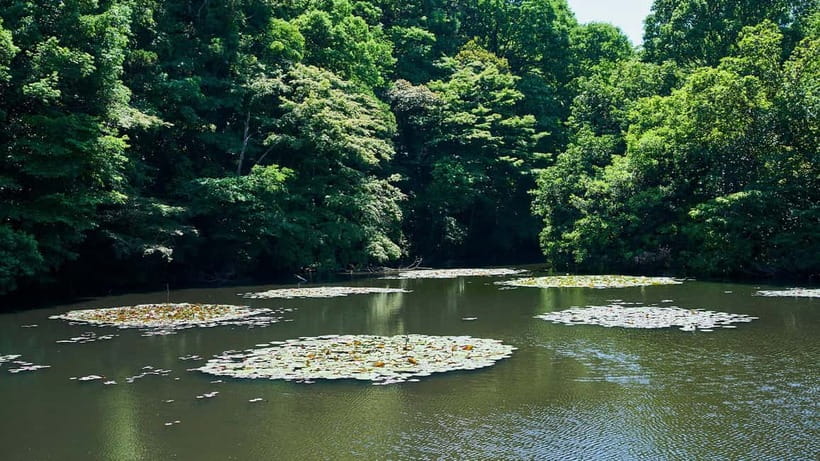
After shrine time, the tour heads to Forest Terrace Meiji Jingu and then Café Mori no Terrace. Plan for about fifteen minutes, including a break plus photos and some guided sightseeing.
This stop gives you something most shrine visits skip. You get Japanese tea and light snacks while you sit and absorb the setting. It’s a good reset if you’ve walked from Harajuku and you want a moment that’s not about standing in lines or scanning for the next sign.
You’ll also find the gift area has items that feel more thoughtful than generic souvenirs. The tour includes a chance to shop, and the items highlighted include eco-blocks made from fragrant Japanese camphor and miniature barrels of sacred sake. These are the kinds of gifts that connect back to what you saw earlier, especially the offering barrels.
What the guides do that makes the tour feel worth it
The most consistent praise across the experience is about the guides themselves. People repeatedly mention guides like Tomo, Keiko, Keiko san, Ayaka, Yuuka, Yuuki, Nonoka, Mia, and Kaido as friendly, patient, and able to answer questions clearly in English.
Here are a few concrete ways the best guides elevate this tour:
- They explain the meaning behind customs, not just the steps. One guide helped someone understand the etiquette well enough to feel comfortable visiting other shrines afterward.
- They handle details that can trip you up, like figuring out offerings when you don’t have coins.
- They make history feel connected to everyday life, including how Japan shifted from the samurai era toward modern times.
- They help with photos and group coordination, so you’re not stuck juggling your phone and your respect level at the same time.
- Some guides bring extra materials, like showing a folder of photos that illustrate the shrine area before construction began. That kind of context can make the grounds feel layered, not static.
Also, small group size is a practical advantage. When the group is tiny, you can end up with a more personal, question-friendly experience where the guide adjusts to what you care about.
Should you book the Meiji Shrine walking tour?
Book this tour if you want:
- A guided, English-friendly way to understand Shinto customs without guessing.
- The key visual hits, including the 12-meter torii and offering barrel areas, but with meaning attached.
- A short, structured visit that includes time to do the shrine experience yourself and then sit down for tea.
Skip it if:
- You’re fluent in Japanese and prefer to explore at your own rhythm without an English explanation.
- You want a longer, slower visit that gives you hours of independent wandering. This is built to fit into a focused 90 to 135 minutes window.
If you’re figuring out your first days in Tokyo, I’d treat this as a strong foundation visit. It helps you understand what you’re looking at when Tokyo starts to feel like a blur.
FAQ
How long is the Tokyo Meiji Shrine walking tour?
The duration is about 90 to 135 minutes.
How big is the group?
It’s a small group, limited to up to 10 participants.
Is the tour offered in English?
Yes. The tour is conducted in English only, and Japanese language support is not available.
Where do I meet the tour?
Meeting point may vary depending on the option booked, with Harajuku Station (原宿駅) listed as one option. Drop-off is also available at Harajuku Station (原宿駅).
What are the main stops during the walk?
You’ll visit Meiji Jingu highlights including the Ichino Torii, consecrated wine barrels, consecrated sake barrels, the Big Torii, imperial poetry of Emperor Meiji, the Meiji Shrine main area, and Café Mori no Terrace.
Do I get free time at the shrine?
Yes. There is free time at the Meiji Shrine main area, along with time for shopping and sightseeing.
Can I buy omamori or omikuji during the tour?
Yes. At the main shrine, you can purchase omamori and an omikuji called Omigokoro, which has poems by Emperor Meiji and Empress Shoken with English translations.
Is there food or a break included?
Yes. After the shrine, you can unwind at Café Mori no Terrace for Japanese tea and light snacks.
What is the cancellation policy?
Free cancellation is available up to 24 hours in advance for a full refund.
Newly listed around Tokyo
- Tokyo private transfer for Yokohama Port★ 4.5 · 63 reviews
- Luxury Kimono Photoshoot at Ginza Tokyo★ 5.0 · 7 reviews
- Tokyo Allstar Food Tour★ 4.5 · 206 reviews
- Tokyo Art Aquarium Museum E-Ticket with optional Tokyo Metro Pass★ 5.0 · 17 reviews
- Tokyo: Best Ginza Food Tour at 3 Local Eateries★ 5.0 · 83 reviews
- Private One Day Nikko Tour with Bilingual driver★ 3.5 · 11 reviews
- PRIVATE tour in 180SX to Daikoku+++++★ 5.0 · 6 reviews
- Kabuki Talk★ 5.0 · 10 reviews
Shrine & Temple Visits, compared.
Fushimi Inari, Kinkakuji, Bamboo Grove 1 Day Bus Tour
Read our review →

Meiji Shrine, Asakusa, Skytree Bus Tour and Cruise
Read our review →
Fushimi Inari Hidden Hiking Tour (Private Option Available)
Read our review →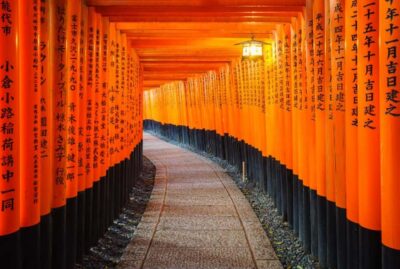
Osaka/Kyoto:Kinkakuji,Arashiyama,FushimiInariShrine,NaraPark
Read our review →
Asakusa Walking Tour with Sensoji Temple Visit
Read our review →
Nikko: Kegon Falls, Lake Chuzenji & Toshogu Temple
Read our review →
Kamakura & Enoshima Day Trip including Temple Tickets
Read our review →Browse the lists this tour appears in