
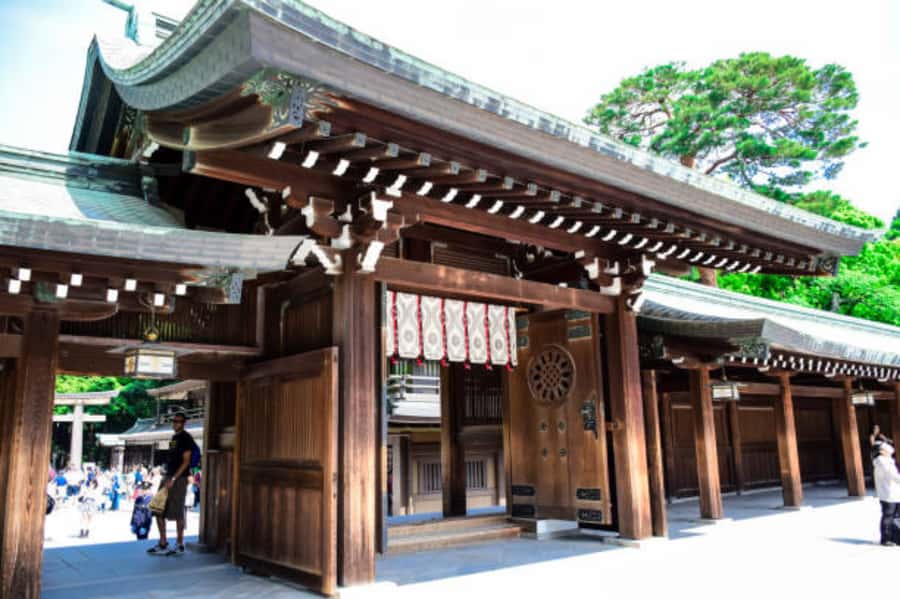
Review · SHRINE & TEMPLE VISITS
Tokyo: Meiji Shrine Walking Tour with Local Guide
Meiji Shrine feels totally different with a guide. This Tokyo walking tour takes you from the outer worship area through the sacred forest, with practical lessons on how to behave at a Shinto shrine and where to look for the meaning behind the spaces. I like how the guide teaches the approach etiquette right where it matters, including the bowing custom at the torii gate and the tip about walking on the left side because the center is for the gods’ path.
I also love the calmer, quieter stops that most people skip. You’ll visit the Imperial Fishing Platform, plus you get insight into the shrine structures and details like the turtle stone and sazare stone, with explanation that helps the whole place click instead of feeling like a photo stop. One downside to plan for is simple: it is a walking tour, so you need comfortable shoes and you should be ready for a slower, more respectful pace than a sightseeing sprint.
In This Review
- Key highlights you’ll care about
- Why Meiji Jingu hits better on foot with a local guide
- Starting at the Outer Worship Hall, learning the basics without guessing
- The torii gate and the approach: etiquette that changes how you walk
- Cleansing and praying the traditional way, step-by-step
- The sacred forest paths: serenity you can feel, not just hear about
- A quiet pause at the Imperial Fishing Platform
- Back-of-the-main-hall details, including turtle stone and sazare stone
- Ending near Harajuku Station: tradition meets everyday Tokyo
- Price and value: why $20 feels fair for what you get
- What to bring and how to prepare so you enjoy it
- Who this tour is best for
- Should you book the Meiji Shrine Walking Tour with Local Guide?
- FAQ
- Where is the meeting point for the tour?
- Where does the tour end?
- Is the tour in English?
- How long is the walking portion?
- What is included in the tour price?
- What should I bring?
- Do I need to know any Japanese before I go?
- What places are highlighted during the walk?
- Can I reserve now and pay later?
- What is the cancellation window?
Key highlights you’ll care about
- Torii etiquette you can use immediately, including bowing and which side to walk on the approach
- A calm route through the sacred forest, helped by a local guide who knows the area beyond the main walkway
- Shrine rituals explained step-by-step, including how to cleanse and pray in the traditional way
- A quiet look at the Imperial Fishing Platform, a peaceful corner tied to the Emperor’s pastimes and reverence for nature
- Meaningful stone and hall details, including the turtle stone and sazare stone, plus context around the approach space
- Easy continuation after the tour, finishing near Harajuku Station so you can roll right into youth-culture Tokyo
Why Meiji Jingu hits better on foot with a local guide
Meiji Shrine is one of Tokyo’s big spiritual stops, but it can still feel confusing if you only arrive, take photos, and move on. The value of this tour is that it slows you down just enough to understand what you are seeing and how people actually behave inside the shrine grounds. You’re not stuck listening to theory, either. You get “do this here” guidance as you walk.
I like the tone of the experience because it keeps things grounded. You’ll learn how to bow, cleanse, and pray the traditional way, and you’ll understand why those actions are part of the ritual rhythm. That turns your visit from I’ve been there into I know what I’m doing.
More Shrine & Temple Visits in Tokyo
- Tokyo: Meiji Shrine, Asakusa, Skytree Bus Tour and Cruise
★ 4.7 · 1,986 reviews - Tokyo: Asakusa Walking Tour with Sensoji Temple Visit
★ 4.8 · 1,583 reviews - Nikko: Kegon Falls, Lake Chuzenji & Toshogu Temple
★ 4.6 · 1,577 reviews
Starting at the Outer Worship Hall, learning the basics without guessing
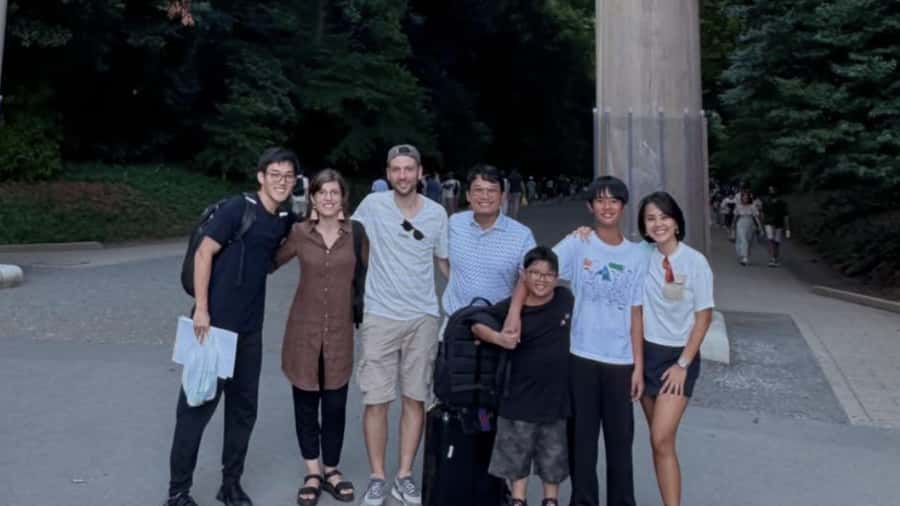
The tour starts at the outer worship area, where locals come to make wishes and offer respect. This is a smart first step because it frames Meiji Jingu as a living place, not just a famous landmark. And since the guide is there at the start holding a blue A4-sized board, you can find your group fast and settle in before you go deeper.
What you’ll do here is less about sightseeing and more about getting the etiquette right. You’ll learn how to bow when appropriate, how the ritual movements connect to the worship space, and how to transition from walking into a respectful mindset. If you’ve ever felt awkward at shrines, this is the part that reduces that stress quickly.
Practical note for your camera: photo stops are included, but you’ll still want to be ready to pause. If you come expecting constant filming and selfies, the experience will feel a bit slower. If you come wanting correct behavior and better understanding, you’ll feel right at home.
The torii gate and the approach: etiquette that changes how you walk
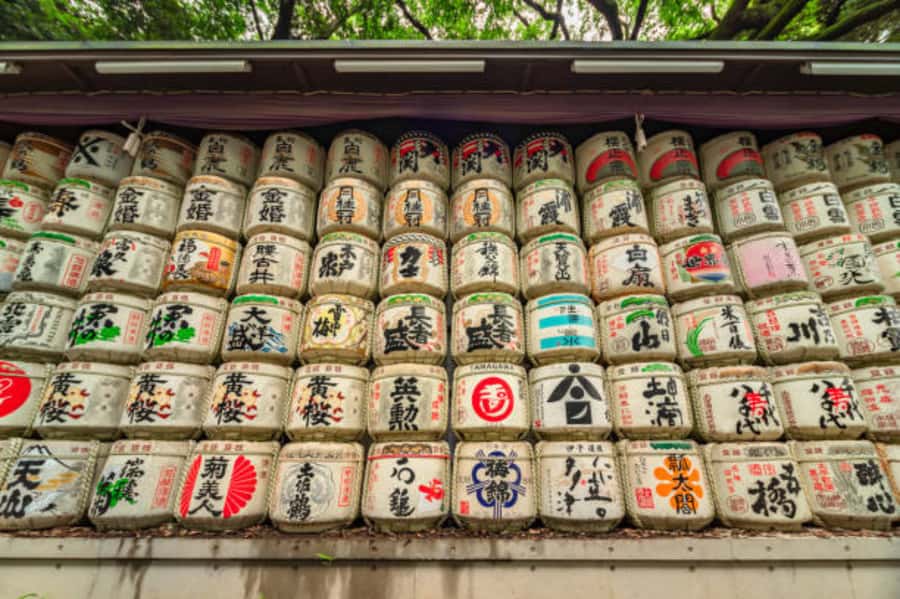
Next comes the torii gate and the approach to the shrine, the part that many people rush through. This tour gives you specific guidance that makes a big difference. One of the most memorable lessons is the custom of bowing when passing through the torii, and a simple but meaningful walking rule: visitors should walk on the left side because the central path is where the gods walk.
That detail matters because it changes your whole flow. Instead of crossing the approach like a walkway, you start moving like a participant in the ritual space. I like that the guide explains the torii and the approach highlights, so you understand what you are stepping into.
If you only remember one thing from this tour, remember this: you are not just viewing a shrine, you are moving through sacred space. The guide helps you do that correctly without making it feel rigid.
Cleansing and praying the traditional way, step-by-step
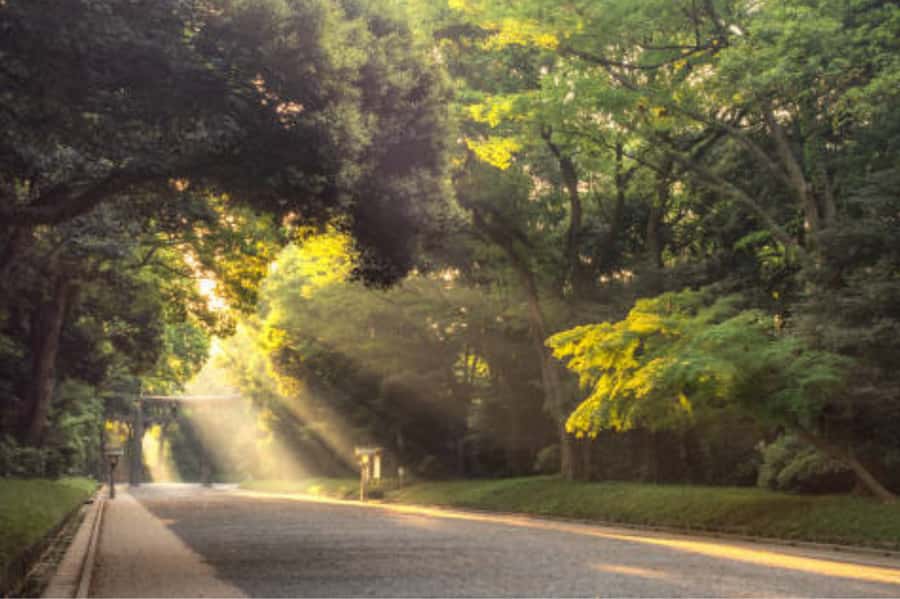
A Shinto shrine visit can feel like a mystery box if nobody explains what people are doing. Here, you’ll learn how to cleanse and pray the traditional way, with the guide walking you through what each action means and where it fits in the flow.
You’ll also learn how this connects to timing and seasonal traditions, since the bowing and ritual behavior are tied to how Tokyoites act during key shrine moments like New Year’s. That context makes your visit feel more “Tokyo right now” instead of “Japanese history I read about once.”
If you’re the kind of traveler who wants the correct movements, this is a huge plus. If you are not, you might still enjoy it because the ritual instruction keeps you focused. It’s a mental reset disguised as a cultural lesson.
More Walking Tours in Tokyo
- Tokyo Tsukiji Fish Market Food and Culture Walking Tour
★ 5.0 · 3,184 reviews - Tokyo: Shinjuku Local Bar and Izakaya Guided Walking Tour
★ 4.9 · 1,794 reviews - Tokyo: Tsukiji Fish Market Food and Walking tour
★ 5.0 · 1,724 reviews - Tokyo: Tsukiji Fish Market Guided Walking Tour
★ 4.9 · 1,397 reviews
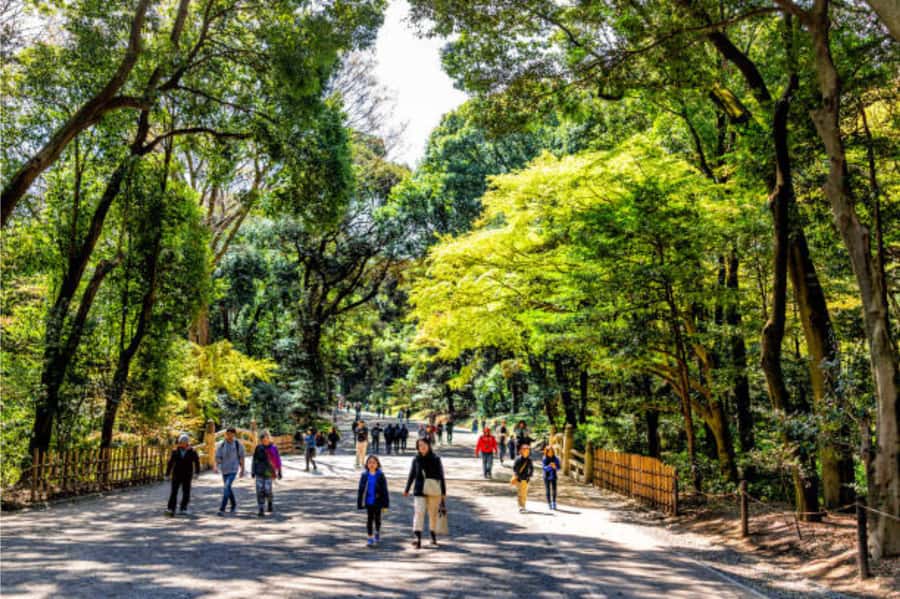
The sacred forest paths: serenity you can feel, not just hear about
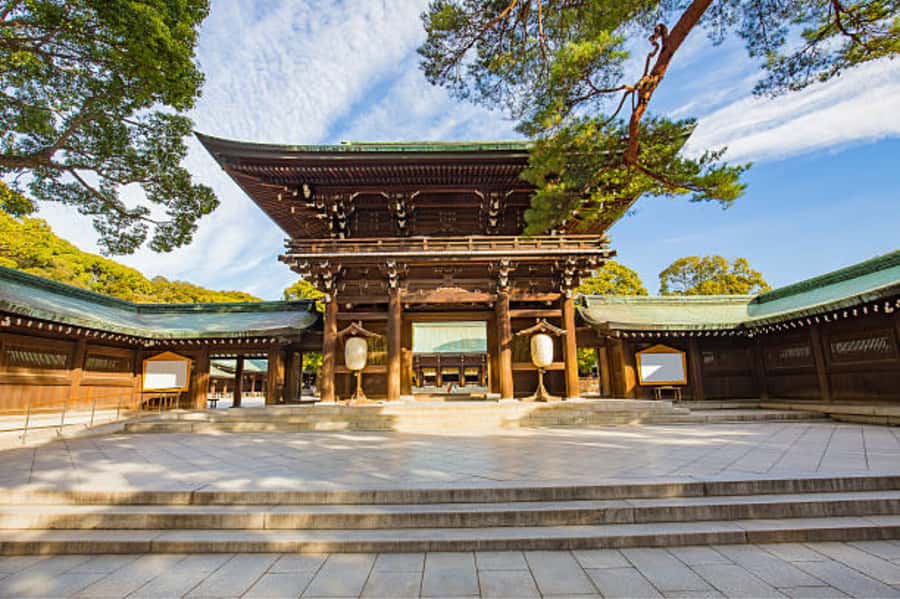
Meiji Shrine’s grounds are famous for a reason: the forested paths feel like a quiet pocket inside a big city. On this guided walk, that serenity is practical, because the guide helps you navigate and notice things you might otherwise miss.
You get to feel the sacred forest rather than simply pass through it. The guide’s explanation adds meaning to what you see, and the slower pace helps you notice details in the environment and layout. One review described the artificially created space of the approach as sacred, and that idea lands when you walk it with guidance.
This section is also where you get the “Tokyo has layers” feeling. The shrine is old, the city is loud, and somehow the grounds create an in-between mood. Even if you’ve visited other major shrines, this one often surprises people with how calm the experience feels once you know what to watch for.
A quiet pause at the Imperial Fishing Platform
The tour includes a visit to the Imperial Fishing Platform, a calm corner of the shrine that most casual visitors do not reach. This stop is special because it shifts you from the big, obvious worship flow to a quieter, more reflective view of nature and tradition.
What you’ll learn here is tied to the Emperor’s pastimes and the shrine’s quiet reverence for nature. Instead of rushing toward famous structures, you slow down and look around with purpose. That makes it a good break for your legs, too, since the walk continues but you are not stuck in a crowded front-row photo spot.
If your idea of “the best part” is big monuments and constant action, this may feel understated. But if you want the side of Tokyo that feels respectful and low-key, this is the moment that often makes the tour feel worth it.
Back-of-the-main-hall details, including turtle stone and sazare stone
As you continue, the tour goes beyond the postcard view. You’ll learn about highlights of the torii and approach, and the guide also takes you to areas that help you understand the shrine layout more fully, including explanations connected to the back of the main hall.
Two specific details you’ll hear about are the turtle stone and the sazare stone. These aren’t just curiosities. When explained in context, they turn into a story you can follow while you look. That’s why this tour scores high for people who care about meaning over minutes.
You’ll also come away with a clearer idea of how visitors should move through the approach space. One of the strongest takeaways is the sense that the path is designed, and that the act of walking is part of respecting it.
Ending near Harajuku Station: tradition meets everyday Tokyo
The tour finishes near Harajuku Station, ending at the bicycle parking area. That ending sounds ordinary, but it is actually a nice reminder of what Tokyo does best: mixing old ritual with everyday life right next to each other.
After the shrine’s calm, you step into a part of Tokyo that is known for youth culture and fast-moving energy. The practical win is transportation. Finishing near Harajuku means you can easily hop to your next plan without backtracking or spending extra time figuring out how to get out.
I also like that the tour keeps you close to public life. You don’t get stranded deep in quiet grounds with no obvious next step. You exit Tokyo’s sacred side and re-enter the city with momentum.
Price and value: why $20 feels fair for what you get
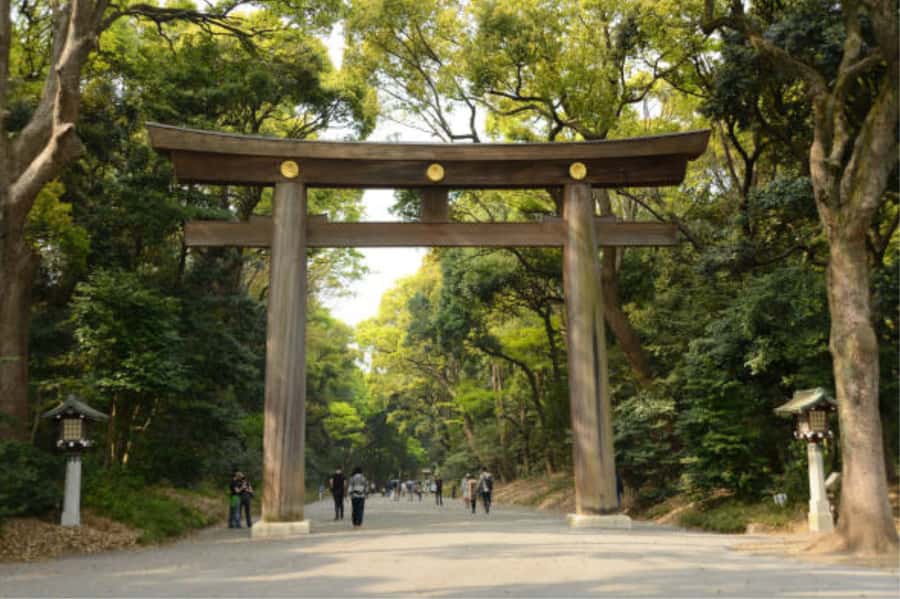
At $20 per person, this is one of those tours that feels priced for access, not for luxury. The key value is not only that you have a guide, but that the guide teaches specific behaviors you can practice immediately: how to bow at the torii, how to cleanse, how to pray, and even how to choose your side of the approach path.
That practical instruction is exactly what you would otherwise spend time searching for on your own, or miss entirely. Plus, the tour includes cultural insights and photo stops, so it supports both understanding and documentation of what you see.
If you prefer self-guided travel, you can still visit Meiji Jingu on your own. But if you want the etiquette and the meaning, the guided format is a smart use of a small budget.
What to bring and how to prepare so you enjoy it
Bring comfortable shoes. This is a walking tour through shrine grounds, and your comfort affects everything from your photos to your ability to slow down and listen. Also bring a camera, since photo stops are included and the approach and forest areas are visually rewarding.
A good mental prep helps too. Expect a respectful rhythm. This isn’t the tour for people who want constant loud commentary and quick photo-and-go pace. If you can match the calm energy of the shrine, you’ll get more out of the ritual explanations and the quiet corners.
Who this tour is best for
This tour works well if you:
- Want to understand Japanese shrine etiquette without guessing
- Like guided context around cultural details, including specific stones and approach rules
- Prefer calm, meaningful sightseeing over fast, surface-level wandering
- Are planning a day that includes Harajuku afterward and want a convenient landing spot
It might be less ideal if you:
- Don’t like walking
- Want a strictly entertainment-focused tour with minimal ritual instruction
- Prefer to move completely at your own pace and skip structured pauses
Should you book the Meiji Shrine Walking Tour with Local Guide?
If you want Meiji Shrine to feel understandable, respectful, and a bit more personal, I think you should book this. The strongest reasons are the specific etiquette lessons you can apply on the spot, and the tour’s willingness to take you to calmer corners like the Imperial Fishing Platform plus meaningful details like the turtle stone and sazare stone.
Book it if you’re the type who enjoys learning how to do something correctly, not just where to stand for a photo. Skip it only if walking and ritual pace sound like a mismatch for your style. For most visitors, especially first-timers who want a smoother, more meaningful shrine visit, this is a solid use of time in Tokyo.
FAQ
Where is the meeting point for the tour?
You meet the guide who is holding a blue A4-sized board.
Where does the tour end?
It ends near Harajuku Station, at the bicycle parking area, and it finishes back at the meeting point.
Is the tour in English?
Yes. The tour is conducted in English. Japanese is also listed as a tour language.
How long is the walking portion?
The provided information only says it involves walking, so you should plan around a walking experience but the exact duration is not specified.
What is included in the tour price?
The tour includes a local guide, a walking tour, cultural insights, and photo stops. It also lists “walking tour” as included.
What should I bring?
Bring comfortable shoes for walking and a camera for photo stops.
Do I need to know any Japanese before I go?
No. The tour is conducted in English.
What places are highlighted during the walk?
Expect the outer worship area, the torii gate and approach, the Imperial Fishing Platform, and stops that include details tied to the back of the main hall such as the turtle stone and sazare stone.
Can I reserve now and pay later?
Yes. Reserve and pay later is offered, with pay nothing today.
What is the cancellation window?
You can cancel up to 24 hours in advance for a full refund.
Newly listed around Tokyo
- Tokyo private transfer for Yokohama Port★ 4.5 · 63 reviews
- Luxury Kimono Photoshoot at Ginza Tokyo★ 5.0 · 7 reviews
- Tokyo Allstar Food Tour★ 4.5 · 206 reviews
- Tokyo Art Aquarium Museum E-Ticket with optional Tokyo Metro Pass★ 5.0 · 17 reviews
- Tokyo: Best Ginza Food Tour at 3 Local Eateries★ 5.0 · 83 reviews
- Private One Day Nikko Tour with Bilingual driver★ 3.5 · 11 reviews
- PRIVATE tour in 180SX to Daikoku+++++★ 5.0 · 6 reviews
- Kabuki Talk★ 5.0 · 10 reviews
Shrine & Temple Visits, compared.
Fushimi Inari, Kinkakuji, Bamboo Grove 1 Day Bus Tour
Read our review →

Meiji Shrine, Asakusa, Skytree Bus Tour and Cruise
Read our review →
Fushimi Inari Hidden Hiking Tour (Private Option Available)
Read our review →
Osaka/Kyoto:Kinkakuji,Arashiyama,FushimiInariShrine,NaraPark
Read our review →
Asakusa Walking Tour with Sensoji Temple Visit
Read our review →
Nikko: Kegon Falls, Lake Chuzenji & Toshogu Temple
Read our review →
Kamakura & Enoshima Day Trip including Temple Tickets
Read our review →Browse the lists this tour appears in