
Review · MOUNT FUJI DAY TRIPS
Tokyo Mt. Fuji 5th Station Tour | 9-Guest Small Group
Mt. Fuji hits different at the 5th Station. This Tokyo to Mount Fuji 5th Station small group day trip is built around real viewpoints, timed photo breaks, and an easy day plan from Tokyo. I especially like the guaranteed 5th Station visit at about 2,300m elevation, plus the relaxed pace that keeps the group to a max of nine people.
The one consideration is that 5th Station access depends on weather and conditions, so the plan can shift to keep the day worthwhile. If you go in knowing that flexibility is part of the deal, you’ll likely enjoy a smooth, photo-friendly Fuji day without the stress of DIY planning.
In This Review
- Key highlights worth getting excited about
- Why this Tokyo to Mount Fuji 5th Station tour feels easier than DIY
- Pickup and timing: what the start means for your whole day
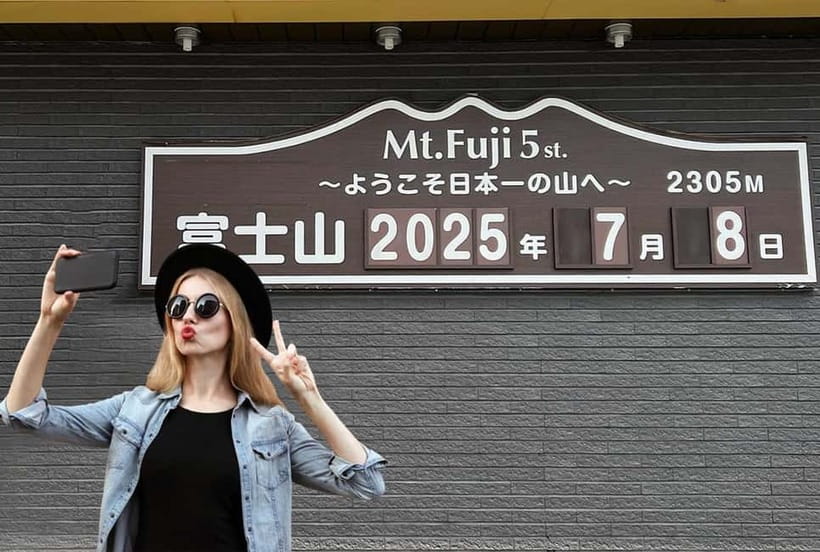
- The 2,300m moment: what to expect at Mt. Fuji 5th Station
- Oshino Hakkai at lunch hour: the spring pools you can actually see
- Fuji-Lawson: a quick photo stop with real pull
- Oishi Park for seasonal Fuji framing: cherry, lavender, or cosmos
- Hikawa Clock Shop: the classic eaves-and-Fuji angle
- Back to Tokyo: what that return timing means
- Small-group comfort and the driver-guide factor
- Price and value: what $56 really buys you
- What to bring, and how to dress for a 2,300m day
- Who should book this Mt. Fuji day trip, and who might skip it
- Should you book this tour?
- FAQ
- What time does the tour depart Tokyo?
- Where do I meet the group?
- Do you offer hotel pickup?
- What stops are included during the day?
- Is the Mt. Fuji 5th Station visit guaranteed?
- How long do we spend at Mt. Fuji 5th Station?
- What is the group size?
- Are meals included?
- What should I bring and what is not allowed?
- Which languages does the driver-guide speak?
Key highlights worth getting excited about
- Guaranteed Fuji 5th Station visit (2,300m): you get to a high viewpoint without needing permits or a full-on climb.
- Tight photo trail, not random stops: Fuji-Lawson, traditional shop views, and Fuji-framing parks.
- Oshino Hakkai UNESCO springs at midday: mirror-like pools and time to eat nearby.
- Seasonal Fuji framing at Oishi Park: cherry blossoms, lavender, or cosmos depending on the month.
- Small-group energy (max 9): easier movement, more breathing room for photos and walks.
- Tokyo hotel or station pickup options: less hassle, especially on a long day.
Why this Tokyo to Mount Fuji 5th Station tour feels easier than DIY
A good Fuji day trip balances two things: getting you high enough for those volcanic, dramatic views, and keeping the schedule realistic. This one does both. You’re not trying to win an endurance contest with transit transfers. Instead, you’re on a single coach for the day, with a driver-guide to manage the timing and handle the back-and-forth decisions.
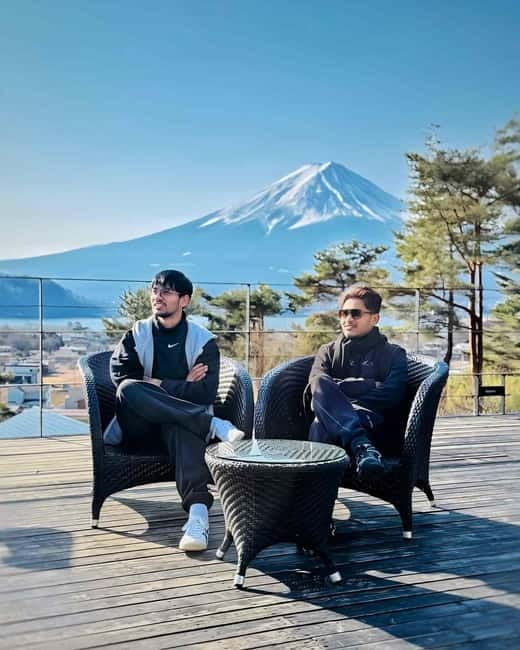
I also like how the route is designed around “Fuji moments,” not just geography. The plan moves from altitude views at the 5th Station, to the iconic spring pools at Oshino Hakkai, then back toward classic Fuji framing at Kawaguchiko area stops like Oishi Park. Even if clouds roll in, you still have multiple chances for scenery.
The other value is the small-group format. With a max of nine, the day tends to feel less chaotic. You’re also more likely to get clear instructions on where to go and when to come back, which matters a lot at scenic viewpoints where everyone is trying to grab the same angles.
More Mount Fuji Day trips in Tokyo:
- Mt Fuji and Hakone 1-Day Bus Tour Return by Bullet Train
★ 5.0 · 26,383 reviews - Mt Fuji & Hakone Cruise, Drum Show Bullet Train 1 Day from Tokyo
★ 4.0 · 7,413 reviews - Tokyo Mt Fuji 5th St & Hakone Cruise Bus Tour w/Bullet Train
★ 4.4 · 5,024 reviews
Pickup and timing: what the start means for your whole day
You’ll depart Tokyo at about 8:00, which is early enough to give you daylight and reduce the odds of feeling rushed later. The tour uses two pickup styles:
- JR Tokyo Station Package: meet at JR Tokyo Station, Marunouchi North Exit, and return to the same spot.
- Hotel Pickup Package: available for locations within a 3 km zone of JR Tokyo Station.
One practical detail I’m glad they call out is punctuality. This is a shared tour with strict timing. If you’re late or can’t be reached at departure time, the booking is forfeited, so set a backup plan for traffic, elevators, or getting lost with a rail station maze.
You’re looking at roughly 2 hours by coach going out and another 2 hours returning. That’s long enough that comfort matters, so I’d plan to wear something you can stand and walk in at the stops. Also bring warm layers. Even on sunny days in Japan, it can feel colder at higher elevation and around open viewpoints.
The 2,300m moment: what to expect at Mt. Fuji 5th Station
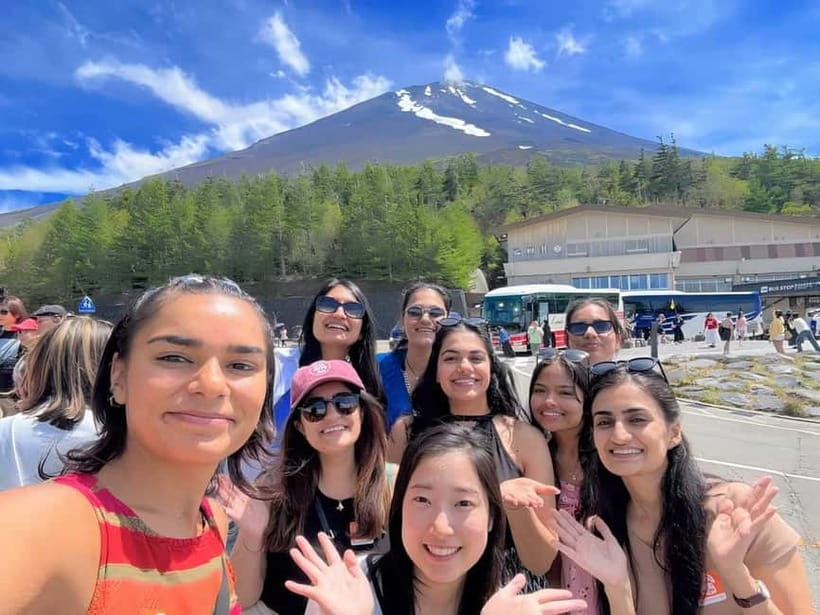
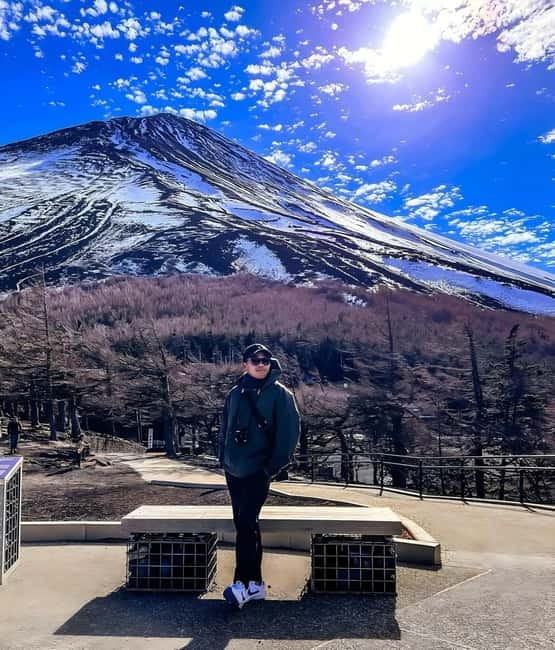
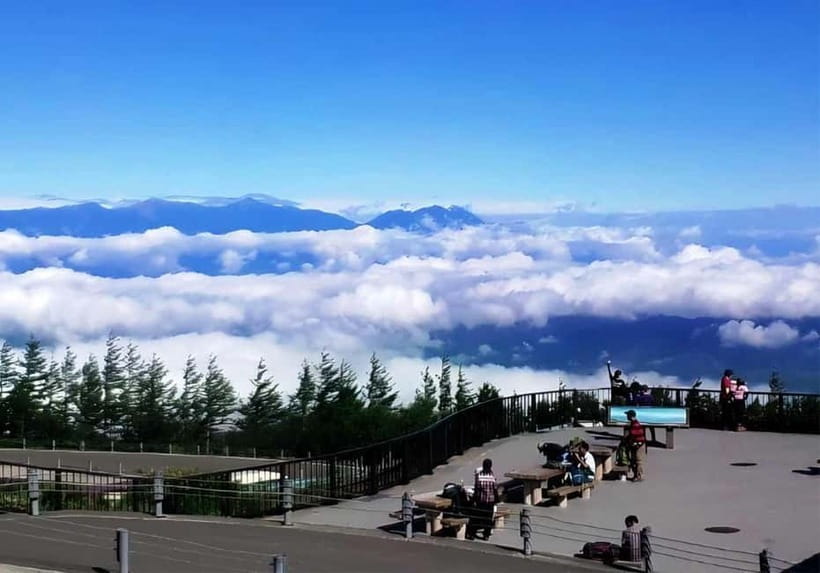
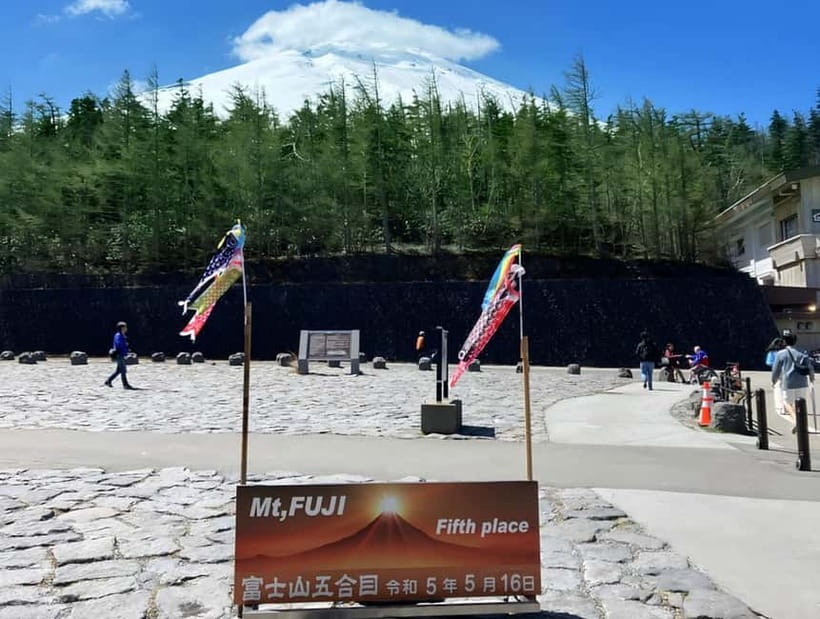
The headline is the Mt. Fuji 5th Station visit around 2,300m elevation. This is not the kind of stop where you just stand for a minute and rush away. You’ll have about 50 minutes to explore and take photos, including time around the Komitake Shrine area.
Here’s why this stop is worth structuring the day around. At lower elevations, Fuji can look like a distant icon. At the 5th Station, you start seeing the volcanic texture and the scale that makes Fuji feel physically present. Even the air and light can look different up there.
You’ll likely also be able to look toward the Fuji Five Lakes region. If roads are restricted due to weather, the plan can pivot to still give you scenic time, including an option to explore Lake Yamanaka.
A small tip: at 5th Station, you’re outside and exposed. If you’re serious about photos, bring your camera settings mindset. If it’s windy or cold, keep your hands warm and prioritize compositions where you don’t have to constantly re-position.
Oshino Hakkai at lunch hour: the spring pools you can actually see
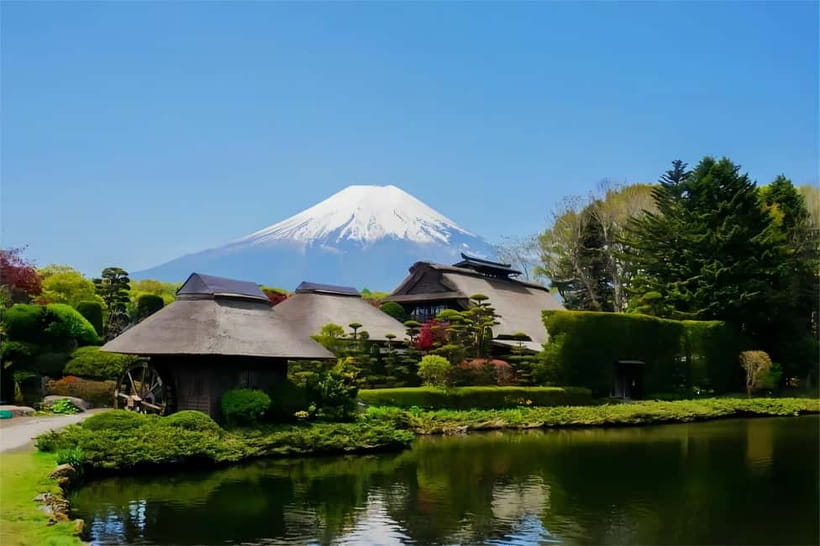
Around 12:00, you’ll reach Oshino Hakkai for about 70 minutes. This is one of those places where people talk about the springs, but your eyes need the time to “get it.” Mt. Fuji’s snowmelt feeds these areas, and the pools can reflect the mountain when conditions are right.
This stop is built for walking, photos, and a break from the road. It also includes a lunch break where meals are self-paid. That’s a plus for flexibility, because you can choose what sounds good instead of getting stuck with a set menu.
What I think you’ll enjoy most is the feel of the area. It’s not just a viewpoint, it’s a textured landscape with small lanes and water features. Even if clouds are around, you can still enjoy the spring pools and the atmosphere.
If you want to keep the day stress-free, don’t overpack your lunch. This schedule already has several short photo stops later, so you’ll appreciate traveling light.
A few more Tokyo days to weigh up
- 1-Day Tokyo Bus Tour
★ 5.0 · 14,250 reviews - Tokyo: TOKYO SKYTREE® Admission ticket
★ 4.5 · 11,192 reviews - Tokyo: teamLab Planets TOKYO Digital Art Museum Entry Ticket
★ 4.6 · 9,779 reviews - Tokyo: Sumo Show Experience with Chicken Hot Pot and a Photo
★ 4.8 · 6,678 reviews
Fuji-Lawson: a quick photo stop with real pull
At about 13:30, there’s a Fuji-Lawson photo stop at the Lawson area in the Kawaguchiko zone. The time is short, about 20 minutes, but it’s the kind of stop that works because it’s simple.
Why it makes sense: you’re pairing the Fuji scenery with a recognizable landmark, and the time window is enough to get the shot without turning the day into a waiting game. Even if you don’t care about viral photos, it’s still an efficient way to capture the Fuji backdrop with minimal effort.
I’d treat this like a timed break rather than a wandering stop. Use the minutes to line up your photo angle, snap it, then move on.
Oishi Park for seasonal Fuji framing: cherry, lavender, or cosmos
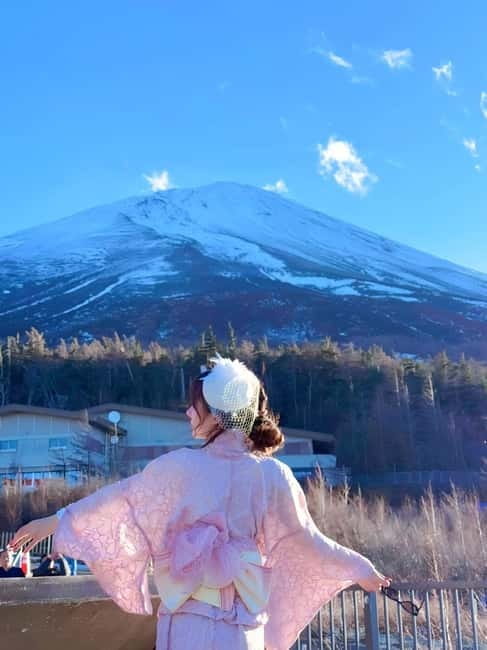
Next is Oishi Park around 14:10 for about 50 minutes. This is where the Fuji views turn into a composition with foreground framing plants. The exact bloom depends on season:
- cherry blossoms in spring
- lavender in summer
- cosmos in autumn
This stop matters because it gives you variety. You’re not only seeing the mountain, you’re seeing it framed by what the season is doing. That makes your photos feel more “time-specific” rather than generic.
Practical note: flowers are photo-friendly, but paths and angles can get busy depending on the time of day. Still, because you get close to an hour, you’re not trapped waiting for someone else to finish. Walk at a comfortable pace, pick a couple of compositions, then leave before your legs start to feel it.
If the day is cloudy, you might lose some sharpness in the mountain outline, but you can still get beautiful color-and-sky shots.
Hikawa Clock Shop: the classic eaves-and-Fuji angle
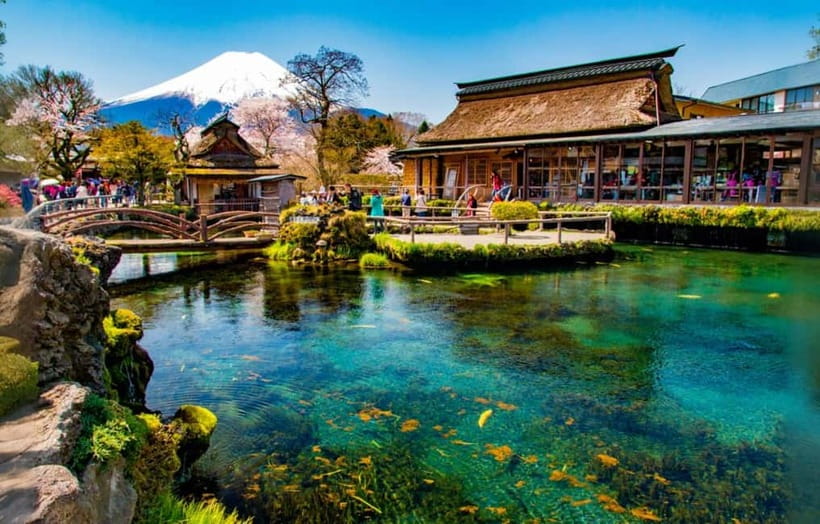
About 15:10, you’ll stop at the Hikawa Clock Shop, with about 20 minutes for photos and a short walk. This is one of those places where the architecture does the heavy lifting for your pictures.
You’re capturing that traditional look, especially the eaves lined in a way that frames a Fuji vista. Even if you’re not planning to buy anything, the time is enough for one or two strong photos and a quick look around.
This stop feels like the “wrap-up” for the day’s Fuji-focused shots. After this, the schedule shifts back toward Tokyo.
Back to Tokyo: what that return timing means
You’ll head back to Tokyo starting around 15:30, with drop-off in Tokyo areas by about 6:00 PM. The tour lists multiple possible drop-off zones, including places like Shinjuku City and JR Tokyo Station among others, which helps cut down on the need for you to navigate the last rail transfers alone.
For your evening plans, I’d treat this as an early-ish dinner window. If you’re planning something after, keep it flexible. The road ride can change a bit depending on traffic and conditions, even if the itinerary is set.
Small-group comfort and the driver-guide factor
This experience is built as a small group (max 9), with a driver-guide who speaks multiple languages including Chinese, English, Japanese, and Traditional Chinese. That multilingual support is more than a convenience. It helps you understand where to go, how long you’ll be there, and what to expect if the plan adjusts.
The reviews around the quality of driving and guidance also point to a consistent pattern: people appreciate clear briefing at the start, and the ability to explore on your own once you’re dropped at each stop. Some examples of drivers mentioned include Monir, Ken, and Ali, and the common thread is that they tend to keep things smooth and calm.
There’s also a practical comfort element: you have dedicated seats. And because luggage space can be limited, pack light. Think one day bag, not a full moving van.
Price and value: what $56 really buys you
At $56 per person for about 10 hours, the value is mostly about transportation and “managed time.” You’re paying for round-trip coach travel from Tokyo, plus driver-guide time, plus fuel and toll fees.
Meals are not included, and attraction tickets are not included. That’s normal for day trips like this. The key is that your day is structured so you’re not spending extra money on convenience transit or wasting time figuring out routes.
If you tried to do this yourself, you’d still need some mix of train and bus, plus time planning how to reach the exact stops around Kawaguchiko and then back to Tokyo. The tour saves you from most of that decision fatigue, and with a small group, you’re not stuck waiting on a crowd.
What to bring, and how to dress for a 2,300m day
For a Fuji day, the packing list is simple, and they’ve basically nailed it:
- Comfortable shoes (you’ll walk at multiple stops)
- Warm clothing (even if Tokyo feels mild, higher elevation can be colder)
- Camera (you’ll want it at 5th Station and the parks)
- Water
Also consider a small wind layer. Viewpoints at 2,300m can feel gusty, and windy conditions can make you want to move quickly, take photos, then shelter.
One more tip: keep your plans flexible with weather. The tour itself notes that the 5th Station access is subject to weather. If you’re someone who hates plan changes, at least reassure yourself that you still get multiple scenic stops even if the day needs adjustments.
Who should book this Mt. Fuji day trip, and who might skip it
This tour is a great fit if you want:
- a high-altitude Fuji viewpoint without climbing all day
- a structured day from Tokyo with minimal navigation stress
- multiple photo stops in one trip, including springs and seasonal park blooms
- a small group size that feels manageable
It may not be suitable if you have specific mobility limits or health concerns. The tour explicitly notes it is not suitable for pregnant women, people with back problems, and wheelchair users. If you’re unsure, it’s worth checking carefully before booking.
Kids can come too. Children under 3 travel free but must sit on a guardian’s lap.
Should you book this tour?
Book it if you want the classic Fuji combo in one calm day: 5th Station elevation, Oshino Hakkai springs, and Fuji framing at Oishi Park plus a couple of quick, photo-friendly stops. The small-group size and the multilingual driver-guide add real value, especially if you don’t want to gamble on transit timing.
Skip it if you’re looking for a long, unstructured “wander and see” day, because this is a timed itinerary with strict departure and pickup rules. Also consider your tolerance for weather changes. Fuji is weather-dependent, and this tour builds in flexibility, not guarantees for every exact view.
If you show up early, dress warm, and treat the day as a photo-and-scenery schedule rather than a relaxed stroll, you should come away with the kind of Fuji photos that actually look like Fuji season, not just a distant postcard.
FAQ
What time does the tour depart Tokyo?
The tour departs Tokyo at around 8:00. The return drop-off is approximately 6:00 PM.
Where do I meet the group?
Your meeting point is JR Tokyo Station, Marunouchi North Exit (1-chōme-9 Marunouchi, Chiyoda City, Tokyo 100-0005). You must arrive at the meeting point on time.
Do you offer hotel pickup?
Yes, there is an optional hotel pickup option, but it is only available for locations within 3 km of JR Tokyo Station. You need to provide your exact hotel address during checkout for confirmation.
What stops are included during the day?
The main stops are Mt. Fuji 5th Station, Oshino Hakkai, a Fuji-Lawson photo stop, Oishi Park, and the Hikawa Clock Shop, followed by the return to Tokyo.
Is the Mt. Fuji 5th Station visit guaranteed?
The tour states a 5th Station visit is included, but access is subject to weather.
How long do we spend at Mt. Fuji 5th Station?
You’ll have about 50 minutes at Mt. Fuji 5th Station.
What is the group size?
This is a small group limited to max 9 participants.
Are meals included?
No. Meals are not included, and lunch at Oshino Hakkai is self-paid.
What should I bring and what is not allowed?
Bring comfortable shoes, warm clothing, a camera, and water. Smoking, food in the vehicle, alcohol in the vehicle, and food and drinks in the vehicle are not allowed.
Which languages does the driver-guide speak?
The driver-guide speaks Chinese, English, Japanese, and Traditional Chinese.
Newly listed around Tokyo
- Tokyo private transfer for Yokohama Port★ 4.5 · 63 reviews
- Luxury Kimono Photoshoot at Ginza Tokyo★ 5.0 · 7 reviews
- Tokyo Allstar Food Tour★ 4.5 · 206 reviews
- Tokyo Art Aquarium Museum E-Ticket with optional Tokyo Metro Pass★ 5.0 · 17 reviews
- Tokyo: Best Ginza Food Tour at 3 Local Eateries★ 5.0 · 83 reviews
- Private One Day Nikko Tour with Bilingual driver★ 3.5 · 11 reviews
- PRIVATE tour in 180SX to Daikoku+++++★ 5.0 · 6 reviews
- Kabuki Talk★ 5.0 · 10 reviews
Mount Fuji Day Trips, compared.
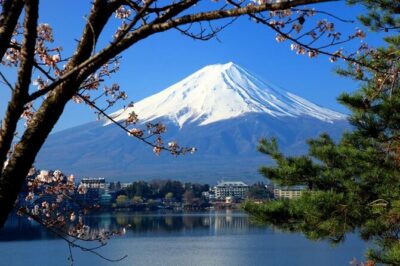
Mt Fuji and Hakone 1-Day Bus Tour Return by Bullet Train
Read our review →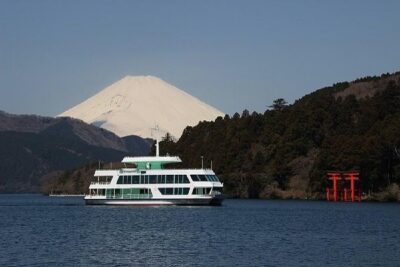
Mt Fuji & Hakone Cruise, Drum Show Bullet Train 1 Day from Tokyo
Read our review →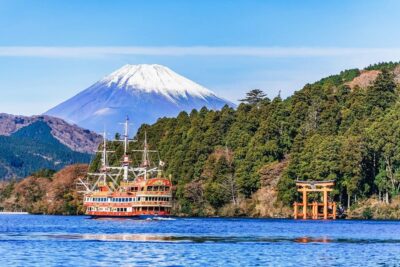
Tokyo Mt Fuji 5th St & Hakone Cruise Bus Tour w/Bullet Train
Read our review →
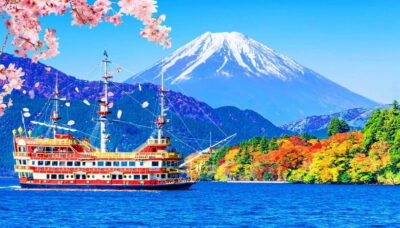
Mt. Fuji Tour, Hakone Ropeway, Owakudani, Lake Ashi
Read our review →
Mt.Fuji,Kawaguchiko Oishi Park,Arakurayama Sengen Park
Read our review →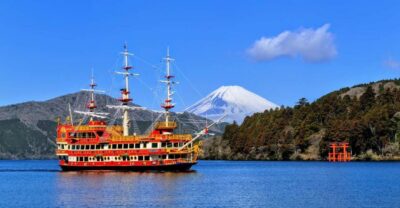
Mt. Fuji 5th Station & Hakone Cruise 1-Day Bus Tour
Read our review →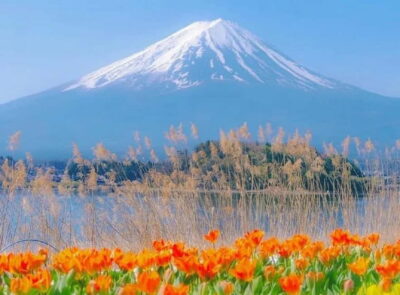
Mt Fuji Top 5 Spots Day Tour: Arakurayama Park,Oshino Hakkai
Read our review →Browse the lists this tour appears in