
Review · MOUNT FUJI DAY TRIPS
Tokyo: Mt. Fuji Hidden Gems and Aokigahara Forest Tour
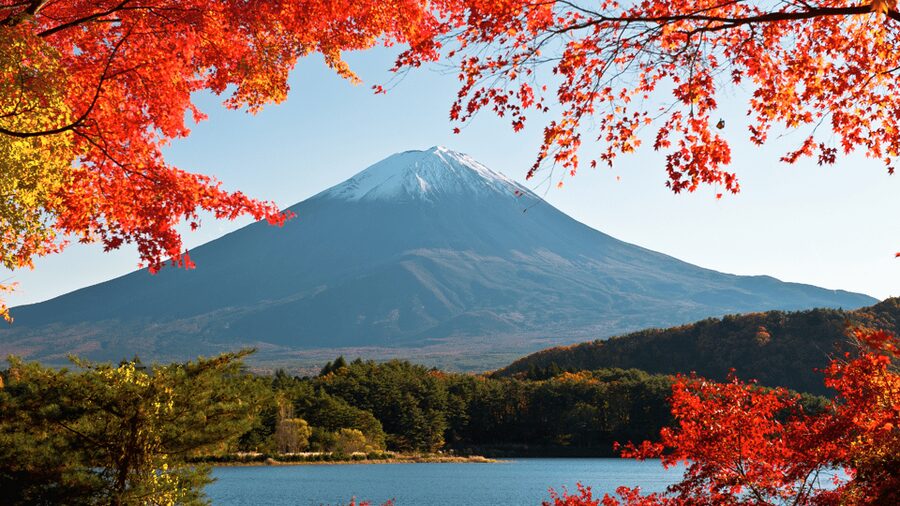
Aokigahara and Fuji, minus the crowd stress. What I like most is the private-car pace, so you can linger where the views feel worth it, and the stops mix “wow” geography with quiet lakeside calm. You’ll get big-sky photo moments around Lake Kawaguchi, then move into volcanic oddities like the Narusawa Ice Cave and the Fugaku Wind Cave. One important consideration, especially if you’re a bit tight-space sensitive: cave routes can involve narrow, low sections, and this tour is not suitable for claustrophobia.
I also like that the plan is built around where Mt. Fuji looks good, not just where tour buses drop people. Oishi Park gives you a classic first Fuji look framed by seasonal flowers, then Saiko Nenba-hama and Tatego-Hama Beach slow things down near the water. Just know you’ll be buying attraction tickets on the spot, and on some days the cave access can change, so keep your expectations flexible.
In This Review
- Key highlights worth planning around
- Why this Mt. Fuji and Aokigahara plan feels better than bigger tours
- Price and value: what $577 buys for up to 5 people
- Pickup in Tokyo and how the day typically flows
- Oishi Park on Lake Kawaguchi: your first Fuji framed by flowers
- Saiko Nenba-hama: a calm lakeside pause that breaks up the schedule
- Tatego-Hama Beach by Lake Motosuko: quiet water, big sky
- Narusawa Ice Cave: volcanic ice, when it’s accessible
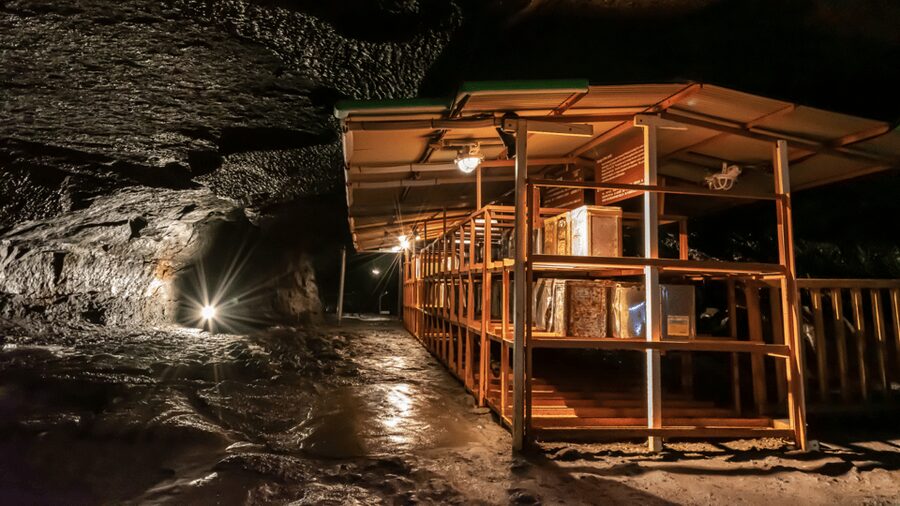
- Fugaku Wind Cave: geology plus the silkworm-egg chapter
- Aokigahara Forest walk: famous reputation, calmer reality
- The small logistics that make or break the day
- Who should book this Mt. Fuji private car tour
- Should you book this tour?
- FAQ
- FAQ
- How long is the Mt. Fuji and Aokigahara Forest tour?
- How much does the tour cost?
- Is pickup from Tokyo included?
- What if my hotel is outside Tokyo’s 23 wards?
- Is the driver English-speaking?
- Are entrance fees for the attractions included?
- Are food and drinks included?
- What stops are included in the 10-hour plan?
- What should I bring for the day?
- Is the tour suitable for wheelchair users or people with claustrophobia?
Key highlights worth planning around
- Private English-speaking driver + air-conditioned vehicle: you set the rhythm, not the crowd.
- Narusawa Ice Cave: an ice cave shaped by Mt. Fuji’s past eruptions.
- Fugaku Wind Cave: volcanic geology plus a practical silkworm-egg storage story.
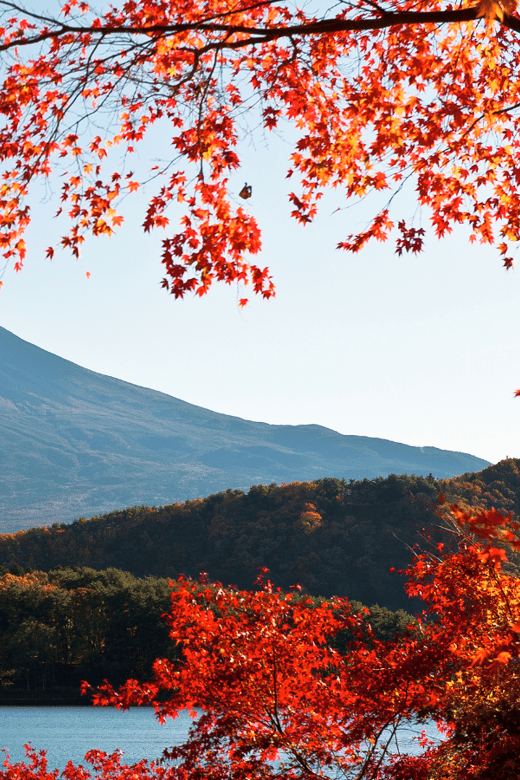
- Lake Kawaguchi and seasonal flowers at Oishi Park: a strong start for Fuji photos.
- Tatego-Hama Beach and Saiko Nenba-hama: quieter lakeside pauses before you head deeper.
- Aokigahara Forest walking time: time in a dense forest that’s famous for the wrong reasons, but still offers peaceful trails.
Why this Mt. Fuji and Aokigahara plan feels better than bigger tours
Big-group tours are efficient. They also feel like a conveyor belt. This one is different because you’re in a modern car for the full 10 hours, with hotel pickup and drop-off in central Tokyo. That matters on Mt. Fuji days, because road conditions, weather, and visibility can change fast. With your own driver, you can shift your timing and slow down when the views look good.
The other thing I like is the mix. You’re not only chasing one “must-see.” You start with Lake Kawaguchi viewpoints, then trade the open air for caves, then end in the Aokigahara forest. That arc makes the day feel like a story instead of a checklist.
One small practical note: the “attraction tickets not included” detail matters more than it sounds. You’ll need cash or card ready to purchase entry on the spot, and buying times can affect your stop length. If you’re the kind of traveler who hates friction, pack water and snacks to bridge any waiting time.
More Mount Fuji Day trips in Fuji Five Lakes:
- Scenic Spots of Mt Fuji and Lake Kawaguchi 1 Day Bus Tour
★ 4.5 · 585 reviews - Mt Fuji Area Private Guided Tours in English-Nature up close, quiet, personal
★ 5.0 · 288 reviews - Explore Mt. Fuji Ice Cave in Aokigahara Forest
★ 5.0 · 243 reviews
Price and value: what $577 buys for up to 5 people
The price is $577 per group up to 5, which is where the math starts to make sense. You’re paying for four things most travelers end up paying separately:
- Private transportation for the whole day (not a shared shuttle).
- Hotel pickup and drop-off from Tokyo’s 23 wards.
- An English-speaking driver who can help with travel advice and questions.
- A full 10-hour window to spread out your stops.
If you’re traveling solo, it’s still a strong choice when you care about flexibility. If you’re traveling as a couple or a small family, it turns into a value play versus paying for multiple seats on crowded buses plus separate transfers.
The only real “watch-out” is overtime. If you run late, there’s an overtime fee of 2,500 JPY per 30 minutes paid in cash. In practice, that’s easy to avoid if you keep an eye on your planned departure time and use your car time wisely.
Pickup in Tokyo and how the day typically flows
This is a 10-hour tour designed for Tokyo area pickup and drop-off. If you’re within Tokyo’s 23 wards, pickup and drop-off are included. If you’re outside that zone, there’s a surcharge of JPY 5,000 to 20,000 depending on where you are.
You also have a built-in rhythm: each stop gets a scheduled visit window, roughly 1 hour at the first three scenic stops, 1 hour at the caves, and about 1.5 hours in Aokigahara Forest. That is enough time to walk a bit, take photos, and avoid the “arrive, snap, depart” feeling.
One more practical detail: the operator will contact you via WhatsApp the afternoon before (around 4 to 5 PM JST). If your phone settings block unknown numbers, fix that before the day arrives.
Oishi Park on Lake Kawaguchi: your first Fuji framed by flowers
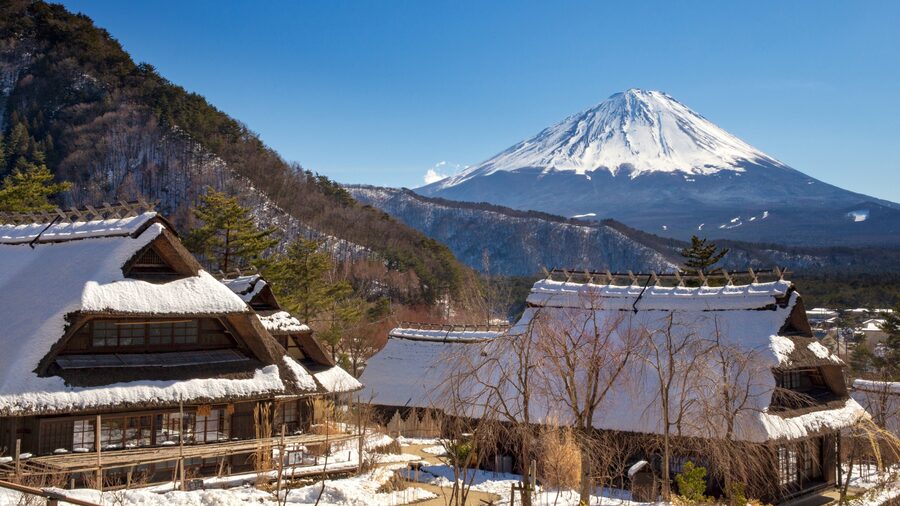
Oishi Park is a strong opening stop because it’s visual right away. You’re on the Lake Kawaguchi side, with Mt. Fuji often looking like it was designed for postcard angles. The cherry on top is that the park is known for seasonal flowers, meaning the foreground changes through the year and your photos look different even if the mountain is similar.
I like Oishi Park for two reasons. First, it gives you an easy warm-up walk. Even if you don’t walk far, you’ll still find viewpoints. Second, it helps you “read” Fuji for the rest of the day. Once you see how the mountain sits over the water from here, the other lakeside stops feel more connected.
The only drawback: you can’t control weather, and clouds can steal your view. The driver’s job is to keep you moving so you still get value from the day, even if Fuji plays hide and seek.
A few more Fuji Five Lakes days to weigh up
- Private guided hidden gems tour by local English speaking driver
★ 5.0 · 142 reviews - From Tokyo: Mount Fuji Full Customized Tour English Guide
★ 5.0 · 137 reviews - Private Mt Fuji Tour from Tokyo: Scenic BBQ and Hidden Gems
★ 5.0 · 128 reviews - Ramen Cooking Class at Ramen Factory in Mt.Fuji
★ 5.0 · 101 reviews
Saiko Nenba-hama: a calm lakeside pause that breaks up the schedule
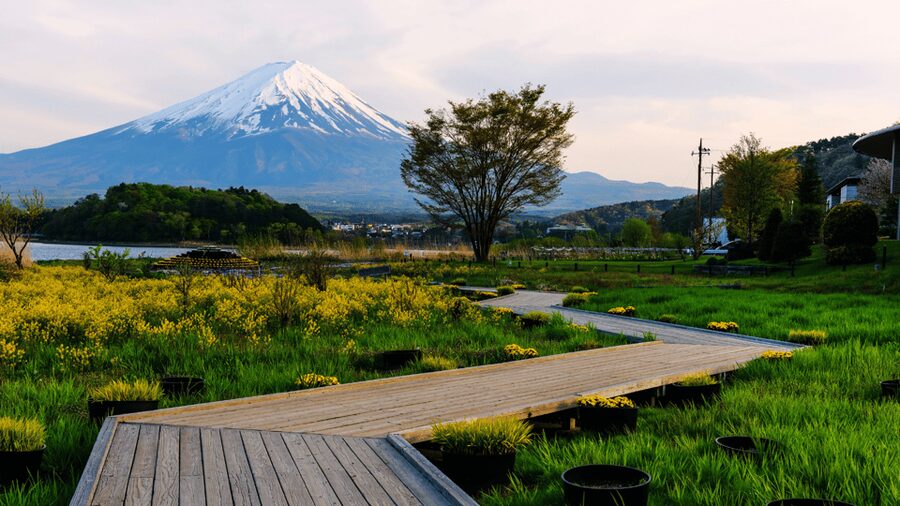
Next up is Saiko Nenba-hama, another lakeside area on the Fuji five-lakes side. This stop is more about quiet and spacing than about one single “icon.” You get time to walk and photograph with a calmer feel than you might expect at the most famous viewpoint pull-offs.
I like adding a slower lakeside stop like this because it resets your senses. After a scenic viewpoint, your brain is already doing the photo-processing thing. A calmer shore gives you a chance to enjoy the air, take fewer photos, and notice details like the shoreline shape and how the light hits the water.
If you want a practical tip, this is a great moment to plan for lunch. The tour’s structure includes a lunch-friendly window here, and you’ll likely appreciate having food and water ready before you head into the caves later.
Tatego-Hama Beach by Lake Motosuko: quiet water, big sky
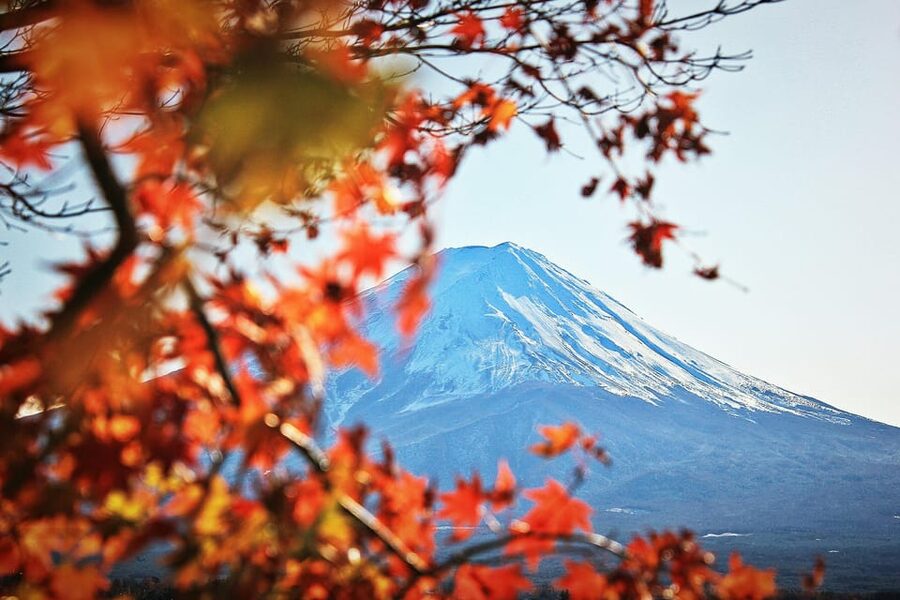
Tatego-Hama Beach is one of those “wait, why are more people not here?” stops. It’s peaceful, and it’s specifically framed by views of Mt. Fuji across Lake Motosuko. Even if you’re not lucky with a perfect Fuji silhouette, the water and sky can still be photogenic.
What I like most is the mood shift. You go from flowers and paved viewpoints into a shoreline feel. The walk time is set at about an hour, so it’s not a huge hike, but you do get enough time to enjoy the water and settle into the view.
This is also a good stop for people who prefer low-stress walking. If you’re traveling with someone who gets tired quickly, you can keep it simple here: a slow stroll, a few photos, then back to the car.
Narusawa Ice Cave: volcanic ice, when it’s accessible
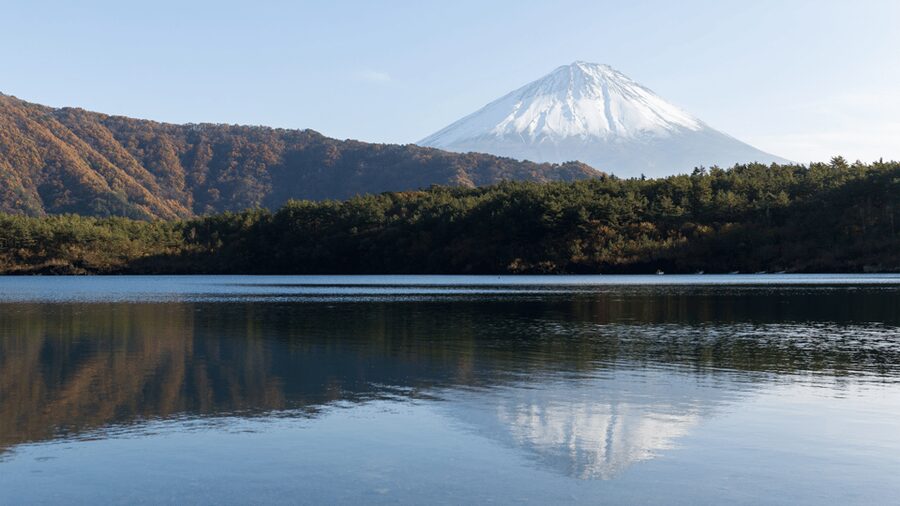
Then comes the dramatic switch: Narusawa Ice Cave, formed by Mt. Fuji’s eruptions. This is the kind of place where you feel the geology instead of just seeing it. Inside, you’re looking at an “eternal ice” concept in a volcanic setting, which makes the cave feel like a science field trip without the classroom vibe.
A practical note for expectations: cave conditions can affect what you see, and visibility inside caves can vary. So treat it as part of the adventure, not a guaranteed ice sculpture show.
Also, caves ask different things from your body. Wear comfortable shoes, and if you’re prone to discomfort in tight or dark places, be cautious. This is exactly the kind of stop that can feel stressful if you’re claustrophobic, which is why the tour isn’t suitable for that.
Fugaku Wind Cave: geology plus the silkworm-egg chapter
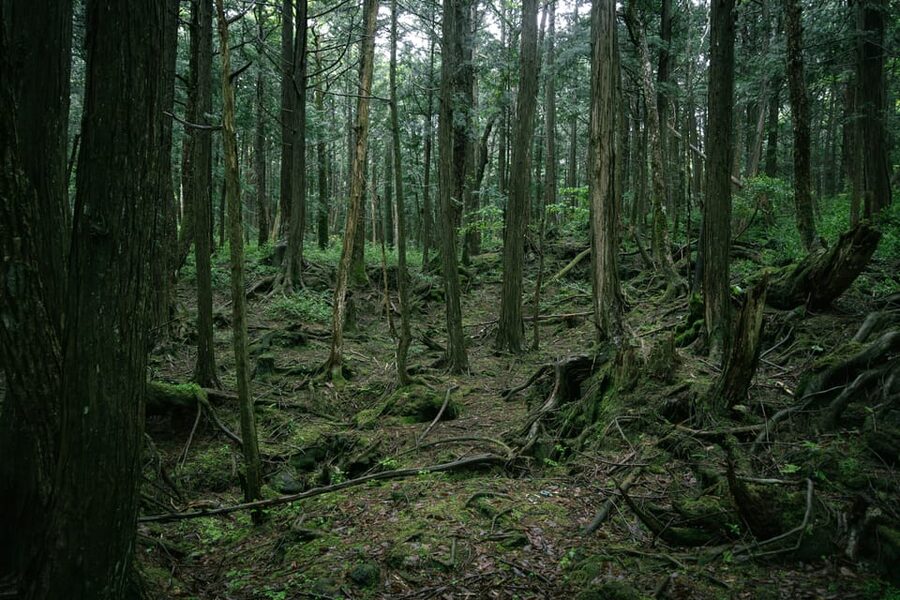
The Fugaku Wind Cave is the other “underground science” stop, and I like it because it’s not only about temperature and rock. It has a story tied to daily life: it was used to store silkworm eggs.
That detail makes the cave feel less like a random attraction and more like a place people used for real. You’re still there for the geology, especially its significance as a volcanic cave system, but you also get context for why the cave mattered historically.
In terms of pacing, you get about an hour here. That’s usually enough time to walk through, read what you can, and take photos without feeling rushed. If signage is limited for your language, the driver’s explanations can help you connect the dots.
Aokigahara Forest walk: famous reputation, calmer reality
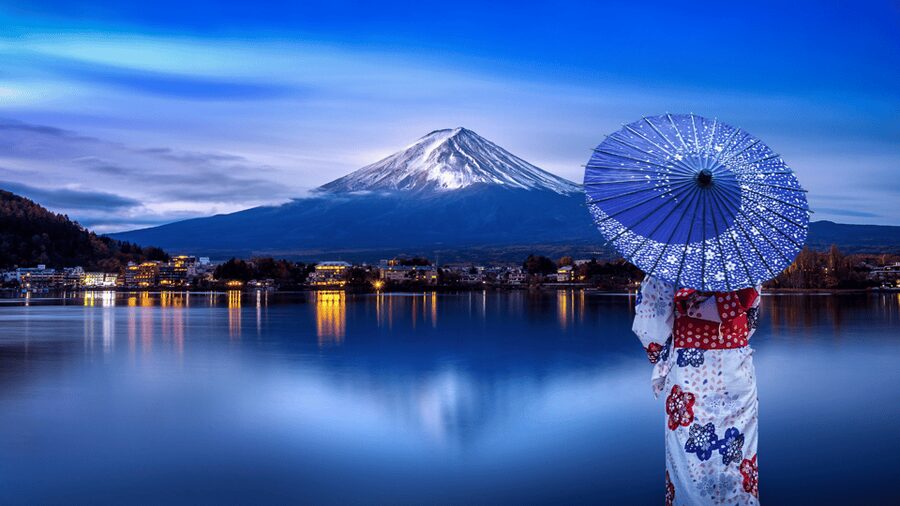
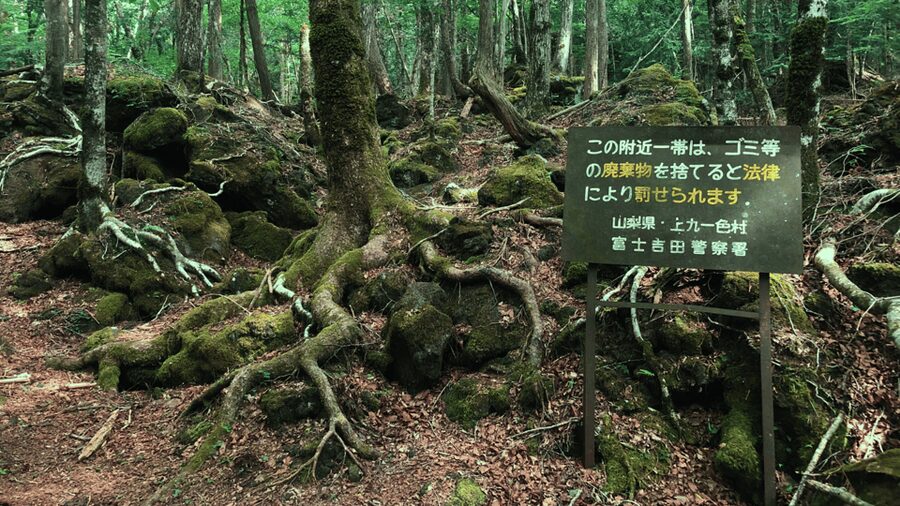
Finally, you head into Aokigahara Forest, widely known in English as the suicide forest. The reputation is heavy, so I’d treat this part of the day with care. The good news is that the tour framing emphasizes the forest as a place of natural quiet and unique trails, away from modern distractions.
You get about 1.5 hours for walking and sightseeing. That’s long enough to feel like you’re truly in the forest and not just passing through. It’s also short enough that you can choose how much you want to explore without turning the day into a long hike.
Two practical considerations:
- This dense forest setting can feel darker and cooler than you expect, even on mild days, so warm clothing is smart.
- If you’re not steady on your feet, stick to the smoother sections and take it slow. The tour is designed as a walk-with-stops experience, not a technical trek.
This stop is a great match for travelers who want something more reflective than “another viewpoint.” It’s nature, but it’s also a lesson in how places get labeled and how visitors should show respect.
The small logistics that make or break the day
This tour asks you to be ready, not just excited. Here’s how to make it go smoothly.
Bring the basics
- Comfortable shoes for walking and cave sections.
- Warm clothing for cooler cave interiors and the forest.
- A camera, because you’re hitting caves, lakes, and Fuji views in one day.
- Snacks and water, since food and drinks aren’t included.
Plan for tickets
Entrance fees are not included, so you’ll purchase them on the spot. That means you should keep some cash handy.
Expect weather variety
The tour runs rain or shine, and it only cancels for unsafe weather based on the operator’s assessment. So I would dress for changing conditions, not perfect sunshine.
Vehicle comfort and behavior
Smoking isn’t allowed in the vehicle. Food and drinks are allowed in the car, but there’s a cleaning fee if the vehicle gets unusually dirty, and no alcohol is allowed in the car.
Who should book this Mt. Fuji private car tour
I think this is a great fit if you want:
- A Mt. Fuji day trip from Tokyo that’s more spread out than typical bus tours.
- A mix of lakes, caves, and forest in one go.
- Small-group comfort, since it’s a private group up to 5.
- An English-speaking driver who can answer questions and help you adjust your timing.
It’s not a good fit if:
- You have claustrophobia, since cave areas can involve narrow passages.
- You need wheelchair accessibility, because the tour is not suitable for wheelchair users.
If you’re flexible about tickets and weather, this tour can feel like a personal Mt. Fuji route rather than an assembly line.
Should you book this tour?
Yes, if you’re aiming for variety and control. The private car format, the English-speaking driver support, and the sequence of Lake Kawaguchi viewpoints, volcanic caves, and Aokigahara forest time make the day feel thoughtfully put together.
I’d hesitate only if you need guaranteed cave access regardless of day-to-day operations, or if caves and tight spaces make you uneasy. Otherwise, for the price, this is a solid value because you’re paying for transportation plus a structured route that you can actually enjoy at human speed.
FAQ
FAQ
How long is the Mt. Fuji and Aokigahara Forest tour?
It runs for 10 hours.
How much does the tour cost?
The price is $577 per group, up to 5 people.
Is pickup from Tokyo included?
Yes, hotel pickup and drop-off are included for pickup and drop-off within Tokyo’s 23 wards.
What if my hotel is outside Tokyo’s 23 wards?
There is a surcharge of JPY 5,000 to 20,000, depending on your pickup area. It’s payable before or on the day of the trip.
Is the driver English-speaking?
Yes, the driver speaks English.
Are entrance fees for the attractions included?
No. Entrance fees are not included, and you’ll buy tickets on the spot.
Are food and drinks included?
No. Food and drinks are not included. You can bring them, and they are allowed in the car with the stated conditions.
What stops are included in the 10-hour plan?
The tour includes Oishi Park, Saiko Nenba-hama, Tatego-Hama Beach, Narusawa Ice Cave, Fugaku Wind Cave, and Aokigahara Forest.
What should I bring for the day?
Bring comfortable shoes, warm clothing, a camera, snacks, water, and some cash.
Is the tour suitable for wheelchair users or people with claustrophobia?
No. It is not suitable for wheelchair users, and it is also not suitable for people with claustrophobia.
Newly listed around Fuji Five Lakes
- Private Hiking Tour to View Mt. Fuji★ 5.0 · 10 reviews
- Cute & Fun E-Car tour following guide around Lake Kawaguchiko★ 5.0 · 54 reviews
- Ramen Cooking Class at Lake Kawaguchiko (Short Course)★ 5.0 · 42 reviews
- View of Mt. Fuji is good! Sushi making experience class★ 5.0 · 6 reviews
- Fujisan Sushi Making Lesson★ 5.0 · 16 reviews
- Private Local Hiking to enjoy the nature and culture of Mt.Fuji★ 5.0 · 22 reviews
- Ramen Cooking Class at Ramen Factory in Mt.Fuji★ 5.0 · 101 reviews
- Sushi Cooking Class at Sushi Factory -KIWAMI- Mt.Fuji★ 5.0 · 23 reviews
Mount Fuji Day Trips, compared.
Mt Fuji and Hakone 1-Day Bus Tour Return by Bullet Train
Read our review →
Mt Fuji & Hakone Cruise, Drum Show Bullet Train 1 Day from Tokyo
Read our review →
Tokyo Mt Fuji 5th St & Hakone Cruise Bus Tour w/Bullet Train
Read our review →
Mt. Fuji Tour, Hakone Ropeway, Owakudani, Lake Ashi
Read our review →
Mt.Fuji,Kawaguchiko Oishi Park,Arakurayama Sengen Park
Read our review →
Mt. Fuji 5th Station & Hakone Cruise 1-Day Bus Tour
Read our review →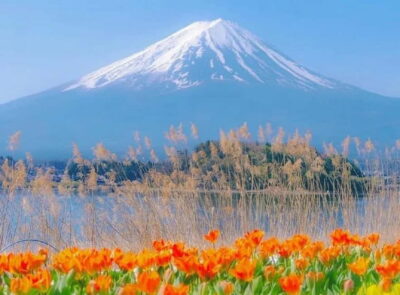
Mt Fuji Top 5 Spots Day Tour: Arakurayama Park,Oshino Hakkai
Read our review →Browse the lists this tour appears in