
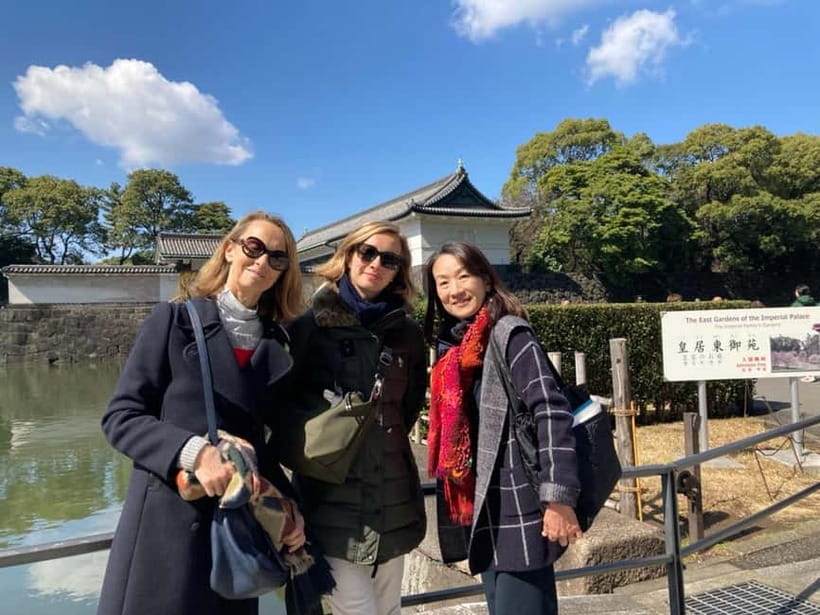
Review · HISTORIC CASTLE VISITS
Tokyo: Pvt. Tour – Edo Castle & Imperial Palace East Gardens
Edo Castle footsteps in a calm palace garden. I love the Edo Castle ruins you can actually walk around, and the Imperial Palace East Gardens feel like a quiet reset from Tokyo traffic. The main drawback is simple, you will not enter the Inner Palace where the Emperor resides.
This is a small, private group tour with an English-speaking guide, and it keeps the pace human. You start near Tokyo Station and Otemachi, then settle into stories that connect shogun-era power to Japan’s imperial setting, without turning it into a lecture marathon.
Plan for practical site rules. Once you enter the Imperial Palace grounds you’ll face a baggage inspection, and if you’ve recently bought anything like Japanese knives, the instructions say to store them in a coin locker before the meeting.
In This Review
- Key highlights you will feel during the walk
- A 2-hour private tour that starts right by Otemachi
- Main Gate and perimeter security: the first lesson in how power looks
- Edo Castle ruins, moats, and the scale of shogun-era planning
- Ninomaru Garden timing, seasonal flowers, and how to enjoy it anyway
- Imperial Palace East Gardens: what you can see, and what you intentionally skip
- Who this tour is best for (and who might want a different plan)
- Price and value: is $63 a fair deal for 2 hours?
- My booking advice: book if you want calm, guided clarity
- FAQ
- Where does the tour start?
- How long is the tour?
- Is this tour private?
- Does this tour include the Inner Palace?
- What will I see during the walk?
- Is the tour in English?
- Is there a baggage inspection?
- What should I do if I bought knives or similar items?
- Where do I find the guide at the meeting point?
Key highlights you will feel during the walk
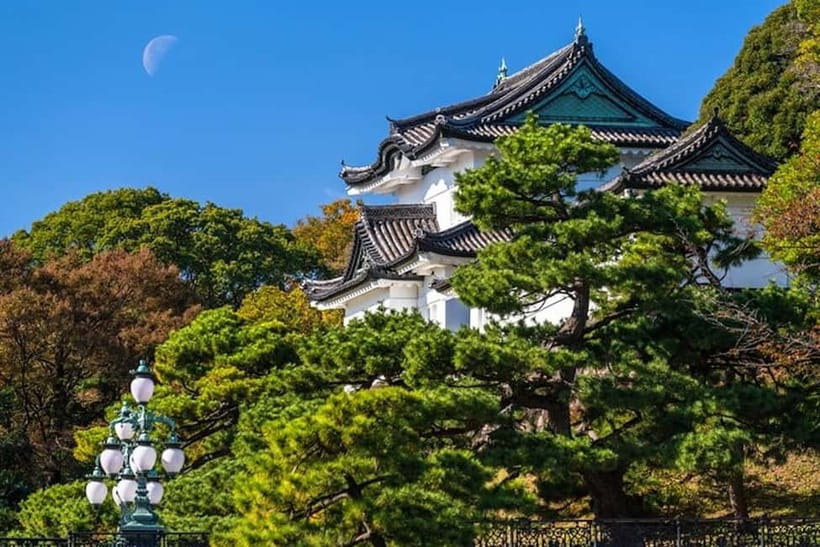
- A true private, peaceful pace for a 2-hour guided loop
- Main Gate and guardhouse details that are easy to miss without a guide
- Edo Castle ruins including stone walls, moats, and a massive keep area
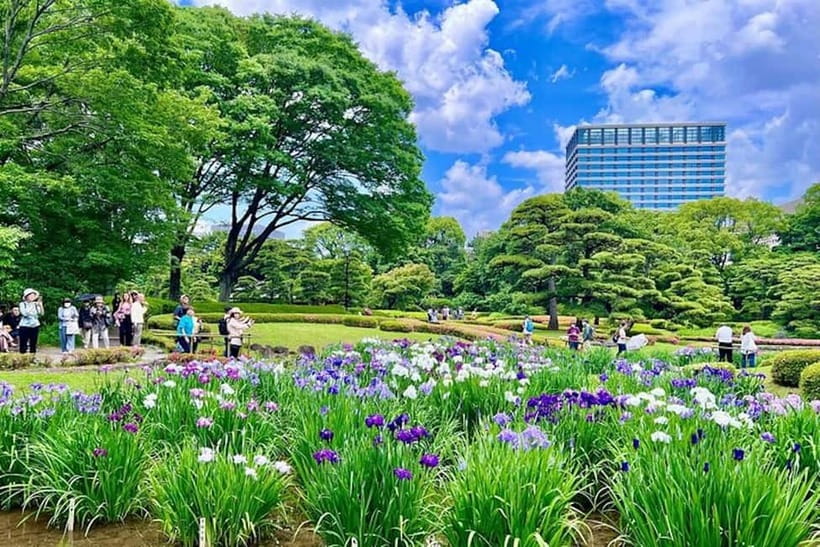
- Ninomaru Garden seasonal color like cherry blossoms, irises, or autumn leaves, depending on timing
- English guidance that turns layout into understanding, with guides who follow up when questions come up
- East Gardens only, not the Inner Palace (where the Emperor resides)
A 2-hour private tour that starts right by Otemachi
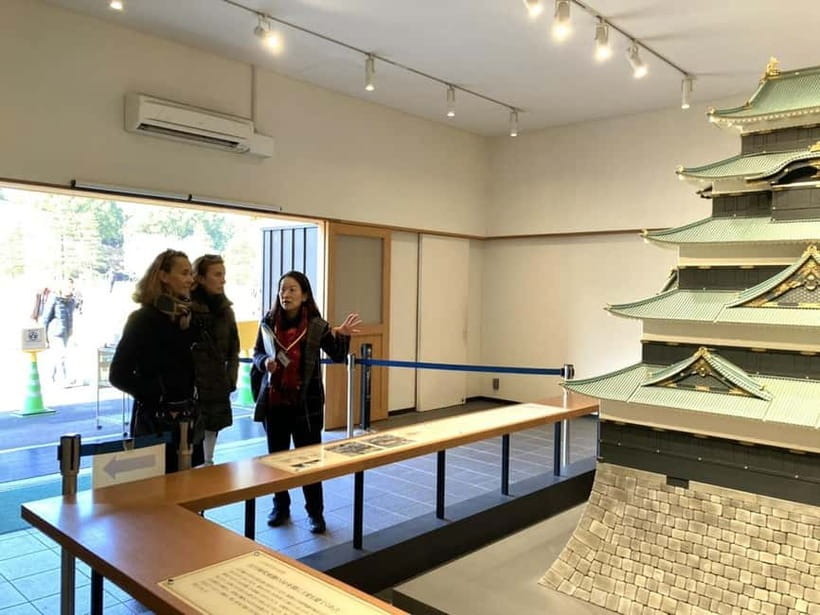
If you want a Tokyo “history fix” without a full half-day commitment, this one fits. At 2 hours, you get a focused walk that moves through the most important outside areas: the Edo Castle remnants and then the Imperial Palace East Gardens. For the price, you are paying for clarity, not for an extra entrance ticket.
The meeting point is Wadakura Fountain Park, and you meet your guide in front of Starbucks. It is also easy to plug into your day because you are about a 3-minute walk from Tokyo Metro Otemachi exit D2, or roughly 10 minutes from Tokyo Station Marunouchi central exit. That matters if you are staying near Tokyo Station or working your way through central Tokyo anyway.
Because it is private, you are not stuck listening to a crowd. You can ask questions, pause for photos, and take a breath when the gardens start to feel like the city is far away. Based on past guides associated with the tour, English communication tends to be strong, and several guides have been specifically praised for explaining building and garden details in an easy-to-follow way, including Yoshi-san and Yuji.
More Castle Visits in Tokyo
- Tokyo Castle & Imperial PalaceーShogun Walking Tour
★ 4.7 · 1,068 reviews - Tokyo Castle & Imperial PalaceーShogun Walking Tour
★ 5.0 · 724 reviews - Imperial Palace East Garden and Edo Castle Walking Tour in Tokyo
★ 5.0 · 510 reviews
Main Gate and perimeter security: the first lesson in how power looks
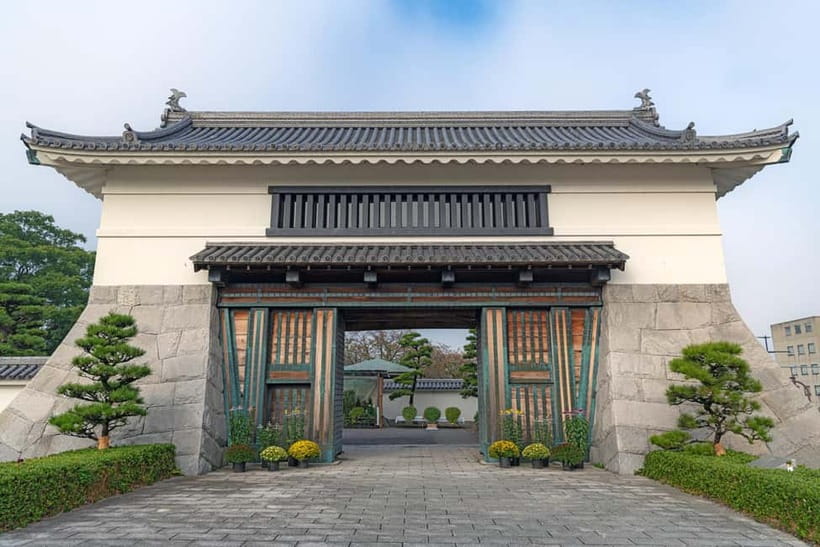
Before you reach the garden paths, you get an early “read” on how the site works. You pass by the historic Main Gate, including the traditional guardhouse, and you also notice how older security and more modern controls coexist.
This is a surprisingly good start, because it sets the tone. The Edo Castle and imperial areas can feel confusing if you arrive cold and just start walking. The guide helps you see what you’re looking at, not just that you are looking at something old.
You’ll also learn to connect shapes and layout to purpose. For example, gates and guard areas are not decoration. They show control points, where movement is managed, and where authority was made visible. You may think you know that already, but it lands differently when you are standing at the exact spot.
Edo Castle ruins, moats, and the scale of shogun-era planning
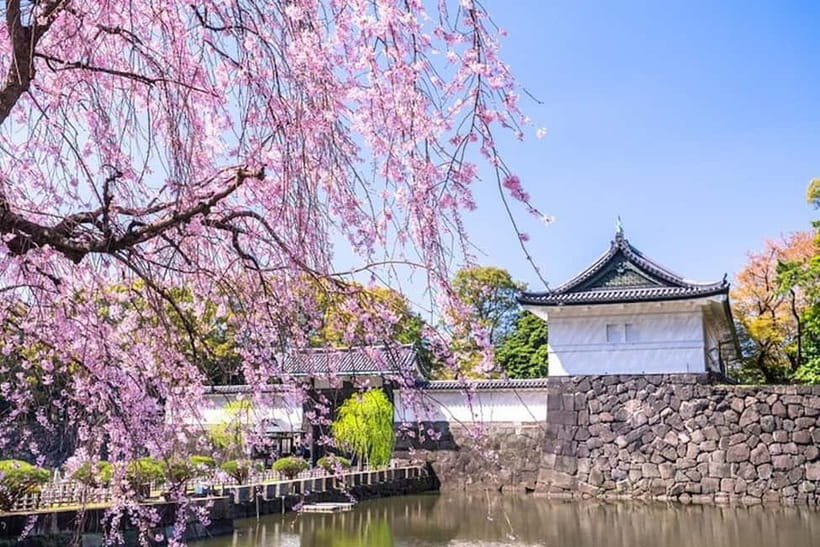
This is the part that most people remember after the tour ends, the walk through the Edo Castle ruins. You get to see ancient stone walls, moats, and the scale of the massive keep area.
What I like about this section is how concrete it is. Even though you are not inside a recreated castle throne room, you still get the physical logic of feudal engineering. Stone walls mean defense. Moats mean separation. The keep area signals administrative and symbolic power. When you can see those pieces together, the shogun-era story stops being abstract.
One practical benefit of a guided walk here is pacing. The guide can slow down when something is worth noticing and speed up when it is straightforward. Some guides, like Mr. Masahito and Mari, have been praised for explaining the history of the gardens and palace buildings clearly and letting people enjoy the areas at their own pace. That matters because the ruins reward looking, not rushing.
If you are a photo person, you’ll also appreciate the “where to stand” moments. You will likely notice better angles on walls and water features when someone points out how the space is meant to be read.
Ninomaru Garden timing, seasonal flowers, and how to enjoy it anyway
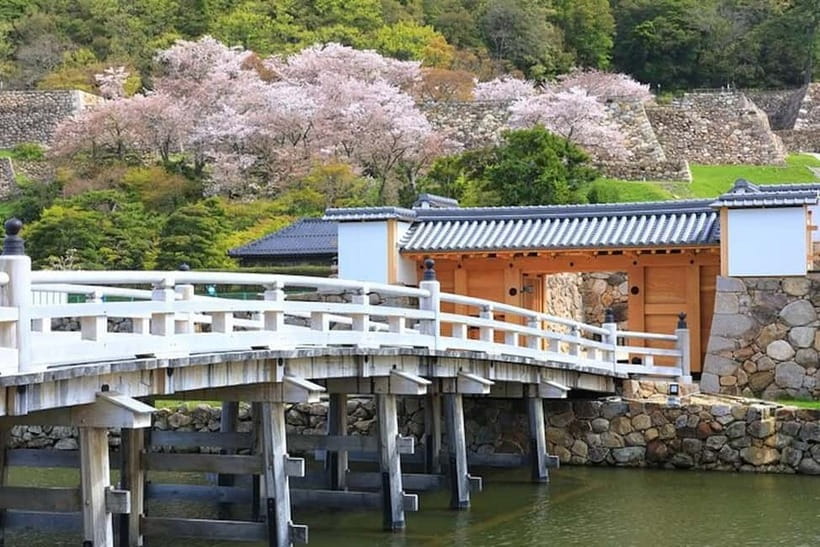
After the castle remnants, the tour moves into Ninomaru Garden, a traditional Japanese garden. This is where the pace usually softens. The guide highlights the garden design and points out seasonal flowers that you might catch depending on the time of year.
The tour notes cherry blossoms in spring, irises in summer, and autumn leaves in fall. That is a helpful heads-up, because you can set expectations before you arrive. One past participant was disappointed because cherry blossoms were not really out yet in April. That is normal in Tokyo, where blooming can lag or surge depending on weather that year.
Still, you can enjoy the garden even when the headline flowers are not at peak. Use the guide’s framing to look at the garden as structure: pathways, sightlines, and how water and plantings work together. On a day when blossoms are early or late, understanding what the garden is trying to do makes the visit feel complete instead of random.
A different sort of day in Japan:
- Mt Fuji and Hakone 1-Day Bus Tour Return by Bullet Train
★ 5.0 · 26,383 reviews - 1-Day Tokyo Bus Tour
★ 5.0 · 14,250 reviews - Tokyo: TOKYO SKYTREE® Admission ticket
★ 4.5 · 11,192 reviews - Tokyo: teamLab Planets TOKYO Digital Art Museum Entry Ticket
★ 4.6 · 9,779 reviews
Imperial Palace East Gardens: what you can see, and what you intentionally skip
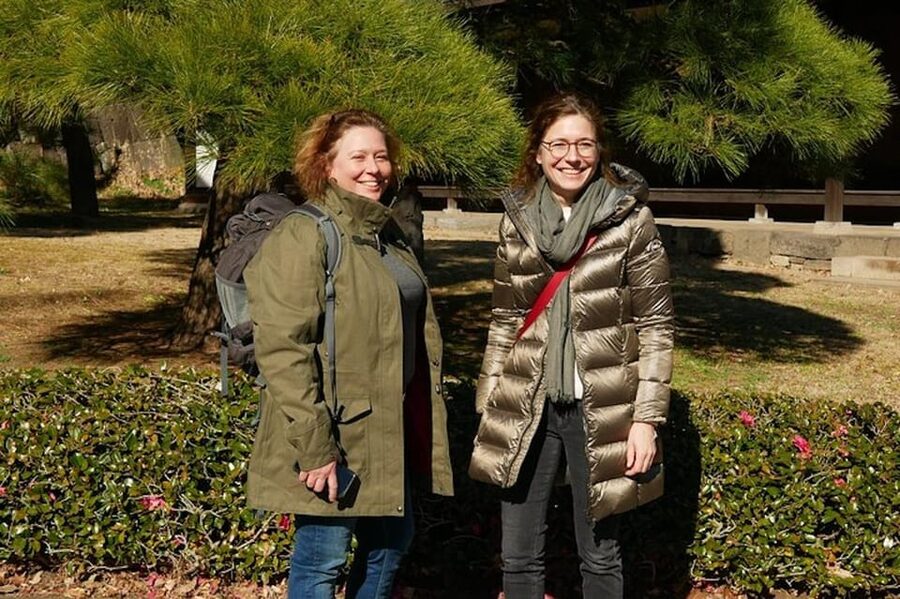
Here’s the key reality check: this tour is for the Imperial Palace East Gardens, not the Inner Palace. The information is clear that it is not possible to enter the Inner Palace where the Emperor resides.
For some people, that will feel like a limitation. For others, it is exactly right. East Gardens are the part most visitors can enjoy without turning the day into a struggle of access rules. Also, the garden-focused route tends to feel calmer and more walkable than trying to force yourself into restricted areas.
You will still learn how the Imperial past shaped the grounds you walk through. You’ll hear stories tied to Japan’s imperial era, and the guide connects those stories to what you see around you. Several guides have been praised for sharing interesting facts about palace buildings and gardens, including Yoshi-san and Naoko. That kind of explanation helps the space feel like more than scenery.
One more practical note: once you enter the grounds, visitors are subject to a baggage inspection. I’d treat this like part of the experience, not a speed bump. If your bag is tidy and you arrive with essentials only, you’ll move through faster and enjoy more of your time inside the gardens.
Who this tour is best for (and who might want a different plan)
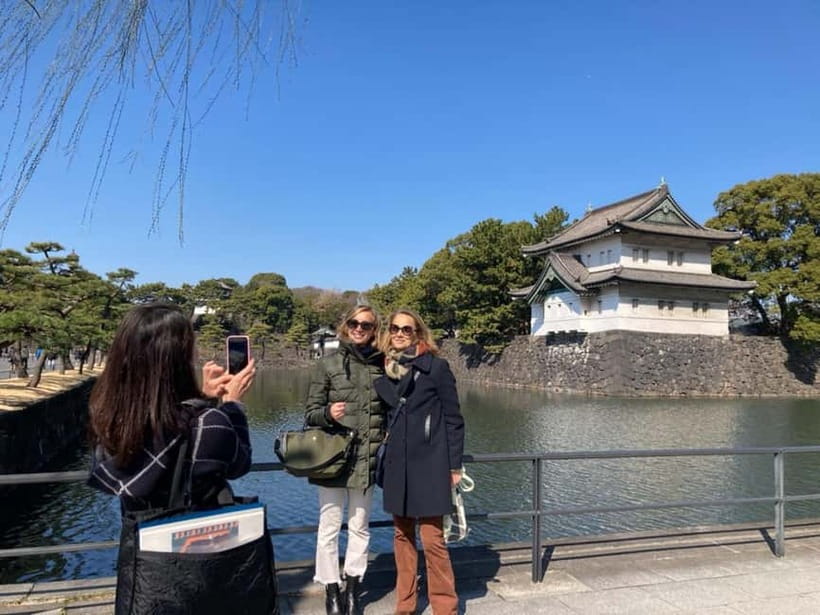
This is a strong fit if you want history with a built-in “breathing room.” You get feudal-era scale from the Edo Castle ruins, then you switch to garden calm in the East Gardens. The structure is ideal for couples, small families, and anyone who wants a guided path without spending half a day riding trains.
It also suits first-time Tokyo visitors who are already near central stations. The meeting point is convenient, and the route stays in a compact area. If you are staying around Tokyo Station, Otemachi, or Marunouchi, you can plug this in with minimal fuss.
Where it might not fit is if you specifically want to see the Emperor’s residential Inner Palace. This tour does not go inside that area, so you need to choose a different experience if that is your top priority.
Another consideration is seasonal timing. If your dream scenario is peak cherry blossoms, you may arrive to a “not quite yet” moment. The guide can still help you appreciate the garden’s design, but the flower timing depends on the year.
Price and value: is $63 a fair deal for 2 hours?
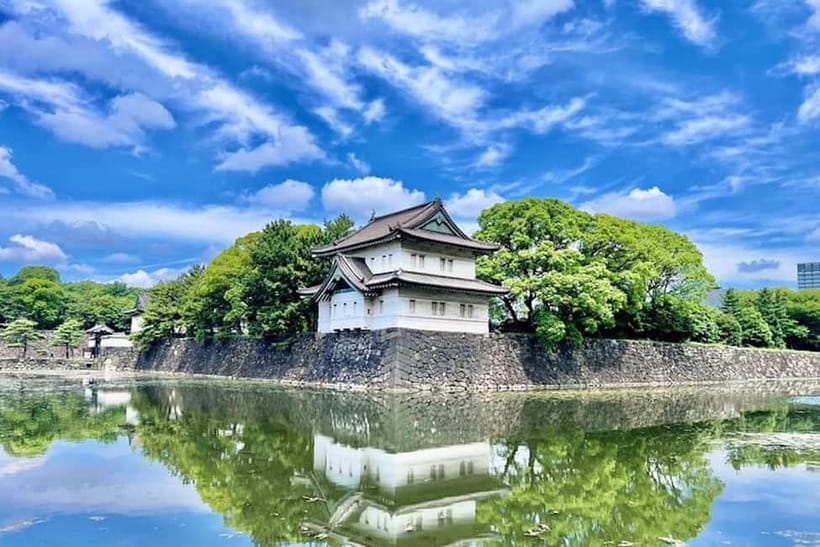
At $63 per person for a 2-hour private guided walk, the value comes down to what you can learn in that time. You are not just buying a stroll. You are paying for interpretation: why the stones matter, why the moats are shaped the way they are, why garden paths feel the way they do, and how the Edo Castle and Imperial setting connect.
A big part of the value is the English guide. If you read labels and wander alone, you can still enjoy the grounds. But a guide can connect details into a story quickly, which is exactly what you want in a short time window. Some past guides also showed real follow-through, such as Mr. Masahito who reportedly checked with another guide when he did not immediately know an answer. That level of care is part of the “you’re paying for this” package.
For me, the best value is for people who want structure. If you like self-guided roaming, you might feel this is just paying for someone’s narration. If you prefer “tell me what I’m looking at,” the price looks more reasonable fast.
My booking advice: book if you want calm, guided clarity
I’d book this tour if you want:
- A private, 2-hour plan that feels easy to fit into a central Tokyo day
- Edo Castle ruins you can understand on the spot, not later from a phone screen
- Imperial Palace East Gardens as a quieter counterpoint to the city
- A guide who can explain English well, like Yoshi-san or Yuji in past experiences
I would pause before booking if your must-see list includes the Inner Palace interior. This one is East Gardens only, and that limitation is not subtle.
If you do book, go in with two small mindsets. First, accept that gardens change with the season, and you are there for the whole design, not one perfect flower moment. Second, treat the baggage inspection as normal, keep your bag simple, and you’ll keep the tour stress-free.
FAQ
Where does the tour start?
You meet the English-speaking guide in front of Starbucks at Wadakura Fountain Park.
How long is the tour?
The tour lasts about 2 hours.
Is this tour private?
Yes, it is a private group tour.
Does this tour include the Inner Palace?
No. It is not possible to enter the Inner Palace on this tour, and the Emperor’s residence is not included.
What will I see during the walk?
You will visit the historic Main Gate area, the Edo Castle ruins (stone walls, moats, and the massive keep area), and the Ninomaru Garden within the Imperial Palace East Gardens.
Is the tour in English?
Yes, the live tour guide is English-speaking.
Is there a baggage inspection?
Yes. Upon entering the grounds of the Imperial Palace, visitors are subject to a baggage inspection.
What should I do if I bought knives or similar items?
The instructions say to leave Japanese knives or other items that could be used as weapons in a coin locker or similar storage before the meeting.
Where do I find the guide at the meeting point?
Look for the guide holding a sign board that says gotcha.
Newly listed around Tokyo
- Tokyo private transfer for Yokohama Port★ 4.5 · 63 reviews
- Luxury Kimono Photoshoot at Ginza Tokyo★ 5.0 · 7 reviews
- Tokyo Allstar Food Tour★ 4.5 · 206 reviews
- Tokyo Art Aquarium Museum E-Ticket with optional Tokyo Metro Pass★ 5.0 · 17 reviews
- Tokyo: Best Ginza Food Tour at 3 Local Eateries★ 5.0 · 83 reviews
- Private One Day Nikko Tour with Bilingual driver★ 3.5 · 11 reviews
- PRIVATE tour in 180SX to Daikoku+++++★ 5.0 · 6 reviews
- Kabuki Talk★ 5.0 · 10 reviews
Historic Castle Visits, compared.
Tokyo Castle & Imperial PalaceーShogun Walking Tour
Read our review →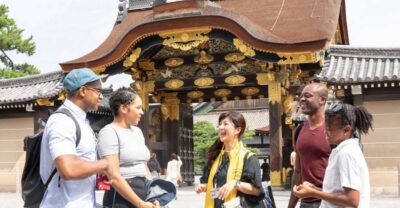
Nijo-jo Castle and Ninomaru Palace Guided Tour
Read our review →
Ultimate Osaka Walking Tour: Castle, Dotonbori & Hidden Gems
Read our review →Tokyo Castle & Imperial PalaceーShogun Walking Tour
Read our review →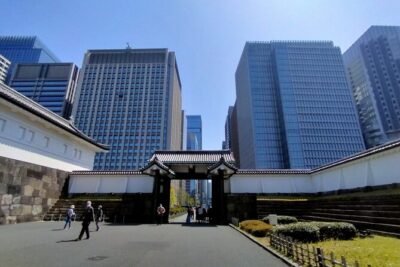
Imperial Palace East Garden and Edo Castle Walking Tour in Tokyo
Read our review →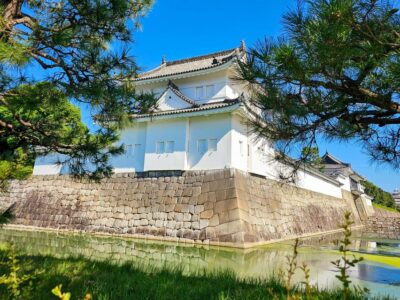
Imperial Palace & Nijo Castle Guided Walking Tour
Read our review →
Japanesel Archery Experience HIROSHIMA CASTLE SHARAKU
Read our review →Browse the lists this tour appears in