Review · TOKYO TOURS
Tokyo Toilet Tour
Design fans, this walk is for you. Tokyo Toilet Tour turns a simple neighborhood route into a design lesson you can actually enjoy, with architect-designed toilets that feel oddly meaningful in everyday Tokyo and private guidance that lets you steer the day.
I also like the way it mixes famous sights with smaller pockets of the city. You still get to cross Shibuya Crossing, but most of your time is spent in quieter parks and local neighborhoods, where you can slow down and look carefully. The main drawback is the format: expect about 3.5 hours of walking, with moderate walking between stops, and there is no lunch or private transport included.
In This Review
- Key Highlights You’ll Care About
- Why Tokyo’s Toilet Tour Works (Yes, Really)
- Private Guide Means the Route Fits Your Interests
- Price and Value for a Small Group Private Tour
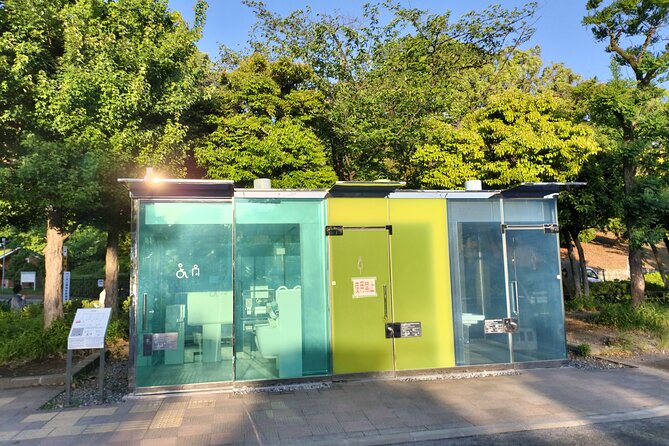
- Yoyogi Hachimangu Shrine and Shigeru Ban’s Transparent Toilet
- Miyashita Park, Tadao Ando, and Shibuya’s Redevelopment Mood
- Shibuya Crossing as a Quick Connector, Not the Main Act
- Nabeshima Shoto Park and Kengo Kuma’s Residential-Quiet Vibe
- Ebisu Toilets by Maki, Sato, and Tamura, One Station South
- What the Guide Should Add to Your Experience
- Timing, Walking Pace, and Where You Start and End
- Should You Book the Tokyo Toilet Tour?
- FAQ
- How much does the Tokyo Toilet Tour cost?
- How long is the tour?
- What is included in the price?
- Is lunch included?
- Where does the tour start and end?
- Is this tour appropriate for everyone physically?
Key Highlights You’ll Care About
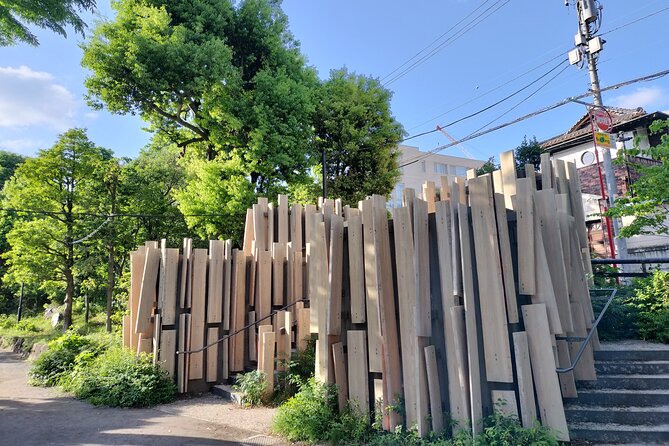
- Architect-designed toilets at multiple stops so you see how different designers think, up close
- A private guide with customization meaning you can spend more time where you care most
- Local neighborhoods over a checklist tour with parks and streets between major Tokyo landmarks
- Shibuya Crossing as a quick, iconic connector not the main event
- Ebisu as a calmer send-off one station south, with toilets by several noted architects
Why Tokyo’s Toilet Tour Works (Yes, Really)
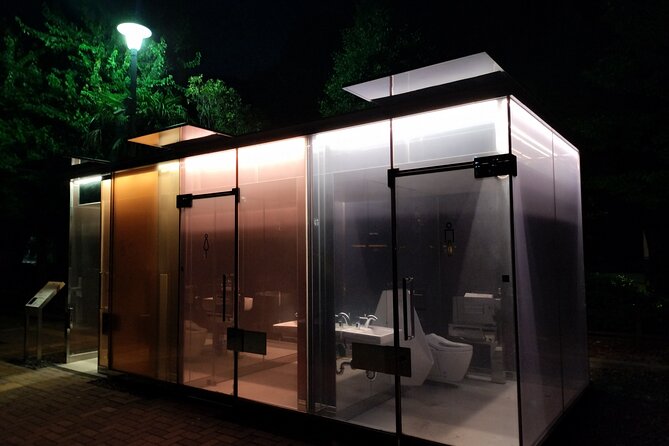
Tokyo is packed with design you normally would zip past. This tour gives you a reason to slow down and notice details you would miss on your own, like materials, sightlines, and how public design can soften a busy city day.
The theme might sound goofy at first, but it makes sense in practice. Each toilet stop is tied to a specific architect and setting, so you get a mini “design map” of Tokyo in a short time. And because the locations are spread across neighborhoods, you see real everyday Tokyo, not just one crowded attraction area.
A few more Tokyo days to weigh up
- Mt Fuji and Hakone 1-Day Bus Tour Return by Bullet Train
★ 5.0 · 26,383 reviews - 1-Day Tokyo Bus Tour
★ 5.0 · 14,250 reviews - Tokyo: TOKYO SKYTREE® Admission ticket
★ 4.5 · 11,192 reviews
Private Guide Means the Route Fits Your Interests
This is a private tour, for up to 4 people per group, with one guide. That matters in Tokyo, where the difference between a great day and a frustrating day often comes down to timing and pacing.
You can customize your itinerary with your guide based on what you want more of. Want more time around shrine grounds and small parks? Want to focus harder on the design angle of each architect? You can steer the day. For people traveling with kids, or anyone who gets tired easily, having that flexibility is a real quality-of-life upgrade.
In the reviews, the guide Ken (from Tanaka’s Tokyo Tours) gets strong marks for being friendly and for connecting what you’re seeing to the bigger picture of Shibuya’s city project and the architects involved. That kind of on-the-walk explanation is what turns “a weird toilet” into something you’ll actually remember.
Price and Value for a Small Group Private Tour
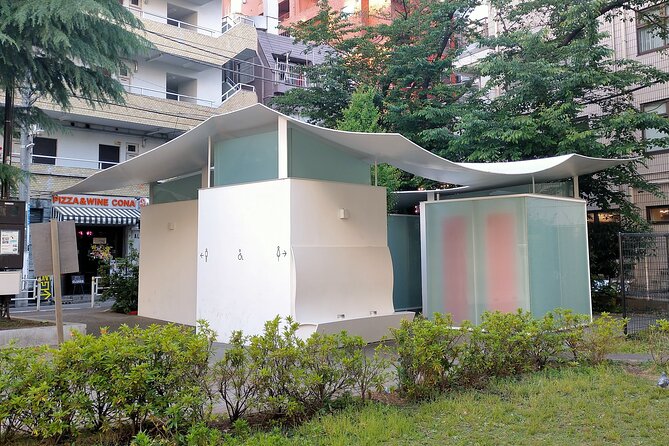
The price is $223.34 per group, up to 4 people. That can be a bargain if you split it among two to four travelers, because you’re essentially buying a private guide plus a focused route through several architect-linked sites.
It’s also booked about 39 days in advance on average, so if you have fixed dates, don’t wait too long. If your plans are flexible, you might still find openings, but this type of theme tour tends to appeal to design-minded visitors who plan ahead.
What you should mentally account for: the tour includes a private guide, but it does not include lunch or private transportation. In other words, you’re paying for the guide time and the route focus, not for a full-day package with meals and taxis.
Yoyogi Hachimangu Shrine and Shigeru Ban’s Transparent Toilet
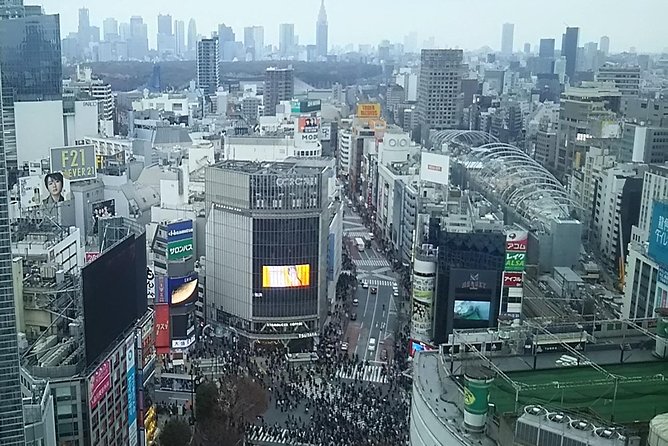
The tour starts at Yoyogi Fukamachi Mini Park, then heads to Yoyogi Hachimangu Shrine. This first stop is a strong opener because it mixes shrine atmosphere with a very modern design statement.
You’re going to see toilet facilities associated with Shigeru Ban and Toyo Ito, including a transparent cubicle concept designed by Shigeru Ban. The setting is right near the shrine area, so it feels like architecture inserted into daily life, not architecture put on a pedestal.
If you’re a fan of Wim Wenders film Perfect Days, this is one of the spots that film fans often recognize, based on guide storytelling people share after the tour. Even if you do not know the film, you’ll still appreciate the contrast: traditional shrine space next to a forward-looking approach to public comfort and privacy.
Practical tip: allow yourself a few minutes to look before you rush to the next stop. These toilet designs are about how people move, how the space frames the user, and how you experience the facility in context.
A different sort of day in Japan:
- Tokyo: teamLab Planets TOKYO Digital Art Museum Entry Ticket
★ 4.6 · 9,779 reviews - Mt Fuji & Hakone Cruise, Drum Show Bullet Train 1 Day from Tokyo
★ 4.0 · 7,413 reviews - Tokyo: Sumo Show Experience with Chicken Hot Pot and a Photo
★ 4.8 · 6,678 reviews - Tokyo: Shinjuku Food Tour (13 Dishes at 4 Local Eateries)
★ 5.0 · 6,603 reviews
Miyashita Park, Tadao Ando, and Shibuya’s Redevelopment Mood
Next up is Miyashita Park, about a 30-minute stop. This location sits between Shibuya and Harajuku, and the guide context here matters. You’ll be hearing about the neighborhood redevelopment and what that has meant for the feel of the area in recent years.
The toilet design at this stop is linked to Tadao Ando. Ando’s work often signals calm structure, so the setting plus the design explanation helps you see how a public amenity can align with a broader urban vision. This is one reason I like this tour format: it ties architecture to where it lives.
One slight drawback: because Miyashita Park is in a high-traffic part of Tokyo, you may feel some background city noise while you’re looking. That is not a deal-breaker, but if you’re hoping for silence, this isn’t the most quiet moment of the day.
Still, it’s a great chance to practice “slow looking” in a place that usually moves fast.
Shibuya Crossing as a Quick Connector, Not the Main Act
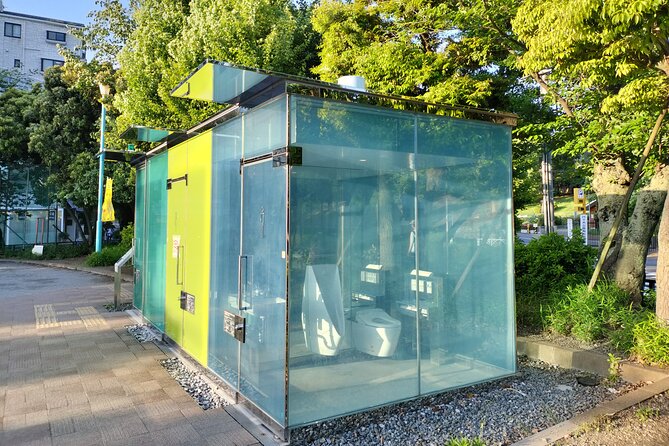
From Miyashita Park, you cross toward the next locations and pass through Shibuya Crossing. The stop itself is brief, about 5 minutes, mainly so you can experience the iconic intersection as part of the day’s flow.
Think of this as a short Tokyo reality check. You get the world-famous sight, then you move on quickly to the quieter design-focused portions of the walk. If you want a dedicated Shibuya Crossing photo session, this tour is not built for that. But as a transition point, it works well.
If you’re sensitive to crowds, keep your pace steady and let your guide choose the best moment to cross. You’ll keep the day from turning into a stop-and-start crowd experience.
Nabeshima Shoto Park and Kengo Kuma’s Residential-Quiet Vibe
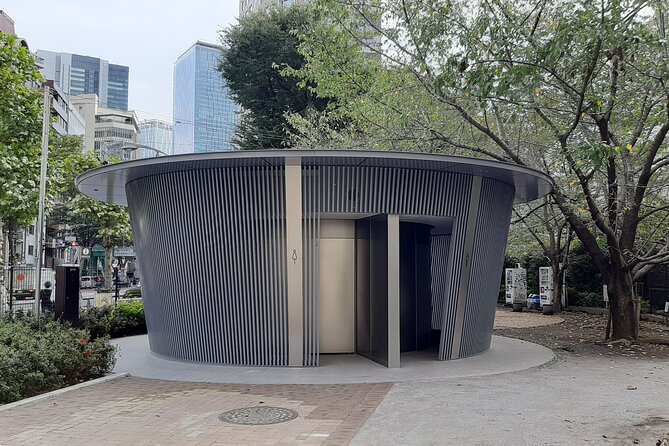
The next architectural stop is Nabeshima Shoto Park, about 15 minutes. This is a more residential-feeling area, roughly a kilometer from the main station, so the atmosphere changes from the big Shibuya energy into something calmer.
The toilet design here is tied to Kengo Kuma. What makes this stop worth your attention is the contrast between the architect and the neighborhood. Kuma’s work is often about connection to place, and the quieter setting helps you understand why public design would feel different when it’s surrounded by everyday streets.
A practical consideration: because you’re walking through neighborhoods, you’ll want comfy shoes and a steady rhythm. This part of Tokyo can be walkable, but the comfort comes from planning your pace, not from rushing from spot to spot.
Also, this is the sort of stop where you can get distracted by normal neighborhood scenes, which is not bad. If you let yourself look around while you wait, you’ll appreciate the local texture more.
Ebisu Toilets by Maki, Sato, and Tamura, One Station South
The final neighborhood focus is Ebisu, for about 30 minutes. Ebisu is one station south of Shibuya, and that “slightly removed from the center” feeling is part of the payoff.
The toilets here are linked to multiple architects: Fumihiko Maki, Kashiwa Sato, and Nao Tamura. Seeing several names in one area gives you a bigger design comparison than you would get from just one toilet stop. It’s also a nice change from the earlier rhythm of one main architect per location.
In the reviews, people often highlight that the walking route lets you see parts of Shibuya and nearby areas that most visitors skip, and Ebisu is a big part of why. It feels more like you’re with the city than above it.
If you want a clean wrap-up, Ebisu is a smart place to end because the tour finishes at Ebisu Station. That makes it easy to keep your day moving afterward.
What the Guide Should Add to Your Experience
The tour’s real value is not just the toilet theme. It’s the way a good guide connects each site to a design approach and a real neighborhood context.
With Ken from Tanaka’s Tokyo Tours, the standout praise in feedback centers on explanations that connect toilets to architect thinking and to the Shibuya City project context. That matters because it helps you look longer without feeling lost.
If you’re the type who likes questions, this is a great format. You can ask why a design would use transparency, how privacy works in a public setting, or how parks and streets influence the way people use these spaces. You don’t need to be a design student to get something out of it.
Also, because it’s private, the guide can adjust for your pace. If you’re someone who reads signs slowly, you won’t get shoved along like in a mass group.
Timing, Walking Pace, and Where You Start and End
The whole experience runs about 3 hours 30 minutes. That time is about the right length for a walking-and-looking route in Tokyo, as long as you treat it like an actual stroll, not a race.
You begin at Yoyogi Fukamachi Mini Park in Tomigaya, Shibuya, then the tour ends at Ebisu Station (JR Yamanote Line and Tokyo Metro Hibiya Line). Both areas are served by public transportation, which makes it easier to build into the rest of your Tokyo day.
You should aim for moderate physical fitness, since the route involves walking between parks and neighborhood locations. The upside is that the walking is part of the story, and the smaller parks help you avoid the nonstop crowd pressure you can get in Tokyo’s most famous corridors.
A small planning note: the tour does not include lunch, and it does not include private transportation. So if you get hungry mid-walk, you’ll want a strategy, like grabbing something near your route before you start.
Should You Book the Tokyo Toilet Tour?
Book it if you want Tokyo with a point of view. If you like design, architecture, film connections, or simply want a break from the usual temple and shopping loop, this tour is a fun, focused way to get oriented fast.
I’d also recommend it if you value private, customizable guiding. Tokyo can feel overwhelming on a first trip, and having someone shape your day saves energy. Plus, the route is paced to show you a mix of iconic and quieter neighborhood experiences.
Skip it if you hate walking or you want a classic sightseeing day filled with major museums and long landmark stops. This is a theme route, so the toilets are the main event, with parks and streets doing the supporting work.
If you fit the audience, this is the rare tour that is both weird and practical. You finish with a new way to notice Tokyo, not just a list of things you saw.
FAQ
How much does the Tokyo Toilet Tour cost?
It costs $223.34 per group, up to 4 people.
How long is the tour?
The tour lasts about 3 hours 30 minutes.
What is included in the price?
The tour includes a private tour guide.
Is lunch included?
No, lunch is not included.
Where does the tour start and end?
It starts at Yoyogi Fukamachi Mini Park (Shibuya) and ends at Ebisu Station.
Is this tour appropriate for everyone physically?
It asks for travelers with a moderate physical fitness level, since you will be walking between nearby areas and parks.
Newly listed around Tokyo
- RED Digital Amusement Park in Tokyo Tower Entry Ticket★ 3.5 · 18 reviews
- Red Tokyo Tower Night Ticket★ 3.5 · 7 reviews
- Handmade Japanese Glass Art Sandblasting Workshop in Tokyo★ 5.0 · 12 reviews
- Tokyo Spring Daytime (Cherry Blossom) Food Tour★ 5.0 · 6 reviews
- Private Mt. Fuji Custom Tour from Tokyo★ 3.5 · 14 reviews
- Day Trip to See the Snow Monkeys from Shinjuku with Lunch Buffet★ 5.0 · 10 reviews
- Kamakura Day Trip from Tokyo with a Local: Private & Personalized★ 5.0 · 10 reviews
- Day Trip to Kamakura & Enoshima: Shrines, Seaside, Temples & Tea★ 5.0 · 32 reviews
Tokyo Tours, compared.
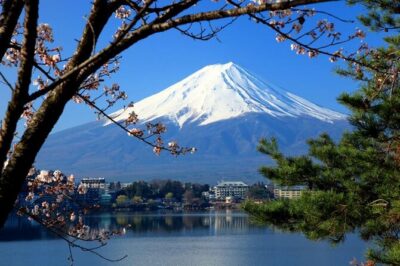
Mt Fuji and Hakone 1-Day Bus Tour Return by Bullet Train
Read our review →

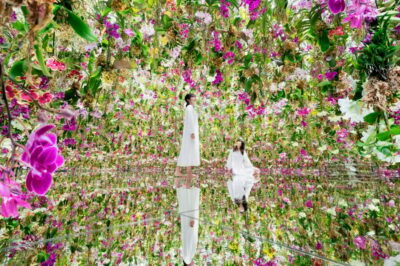
teamLab Planets TOKYO Digital Art Museum Entry Ticket
Read our review →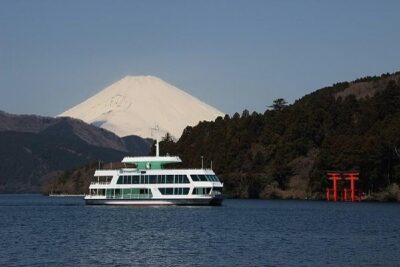
Mt Fuji & Hakone Cruise, Drum Show Bullet Train 1 Day from Tokyo
Read our review →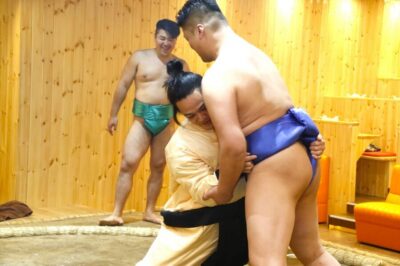
Sumo Show Experience with Chicken Hot Pot and a Photo
Read our review →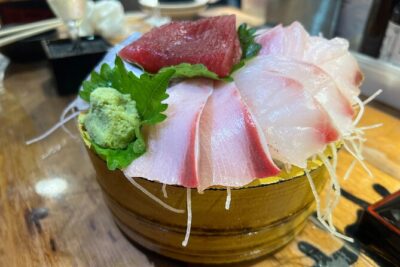
Shinjuku Food Tour (13 Dishes at 4 Local Eateries)
Read our review →