Review · TOKYO TOURS
Tokyo:Stroll in Old traditional culture towns~Yanaka & Nezu
Tokyo’s old streets still breathe. This Yanaka and Nezu stroll is a calm break from the big-city rush, built around traditional worship places and pre-war neighborhood streets. Your guide, Sui, keeps things lively with clear English, practical context on religion in daily life, and lots of chances to ask questions.
I love the way this route shows Tokyo as a lived-in city, not a photo set. You’ll walk by residential lanes, older wooden buildings, and places like Nezu Shrine’s torii path, then slow down at quieter temples and gardens. One thing to note: you’re on your feet for about 3.5 hours with staircases, and it is not wheelchair-friendly, so plan for comfortable shoes and a steady pace.
In This Review
- Key highlights at a glance
- Why Yanaka and Nezu feel like old Tokyo
- Starting at Nippori, then finding the quieter streets fast
- Nezu Shrine: torii path, calm atmosphere, and real-life religion
- Tennoji Temple, its garden, and a pause for the big Buddha
- Yanaka Cemetery: trees, perspective, and a different kind of Tokyo walk
- Meiji to Showa buildings, old shops, and the sake stop
- Yanaka Ginza and the sunset staircase photo moment
- How the 3.5 hours works in real life
- Price and value: is $29 fair for this Tokyo route?
- When to go: sakura season sweets and summer heat planning
- Who should book this Yanaka and Nezu stroll?
- Should you book this tour?
- FAQ
- How long is the Yanaka and Nezu walking tour?
- Where do I meet the guide?
- How much does the tour cost?
- What language is the tour guide?
- What’s included in spring and sakura season?
- What’s different in summer?
- Is the tour suitable for wheelchair users?
- What should I bring?
- Is there anything I should know about shops and timing?
Key highlights at a glance
- Nezu Shrine’s torii-lined approach, one of Tokyo’s older worship sites
- Tennoji Temple and garden time, with a big bronze Buddha and a peaceful pause
- Yanaka Cemetery’s tree-lined views, a rare, reflective Tokyo moment
- Old-school shopping stops, including a traditional sake shop and Yanaka Ginza (not in summer)
- Sui’s local street guidance, plus photo help and hands-on tips for visiting shrines
Why Yanaka and Nezu feel like old Tokyo
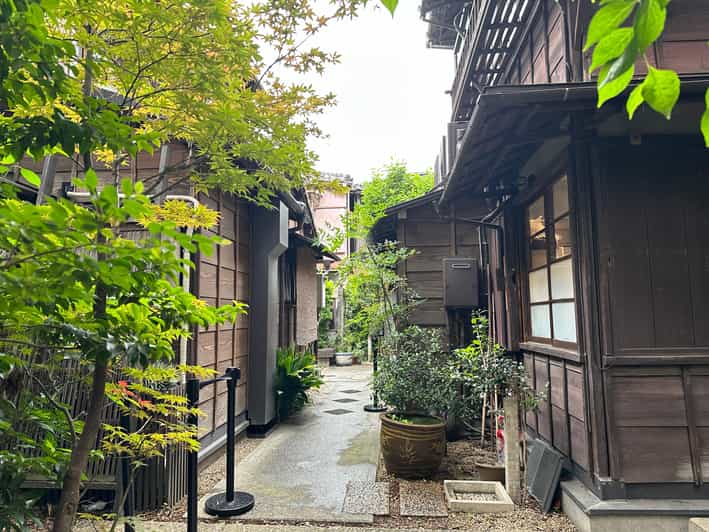
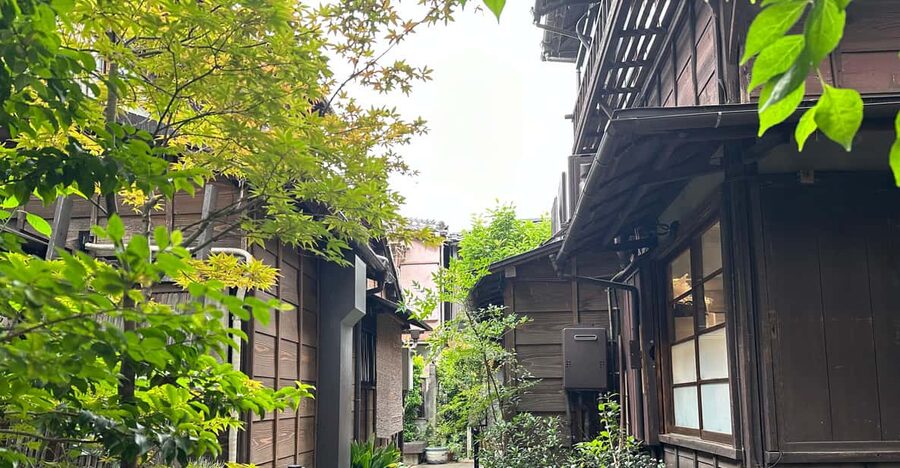
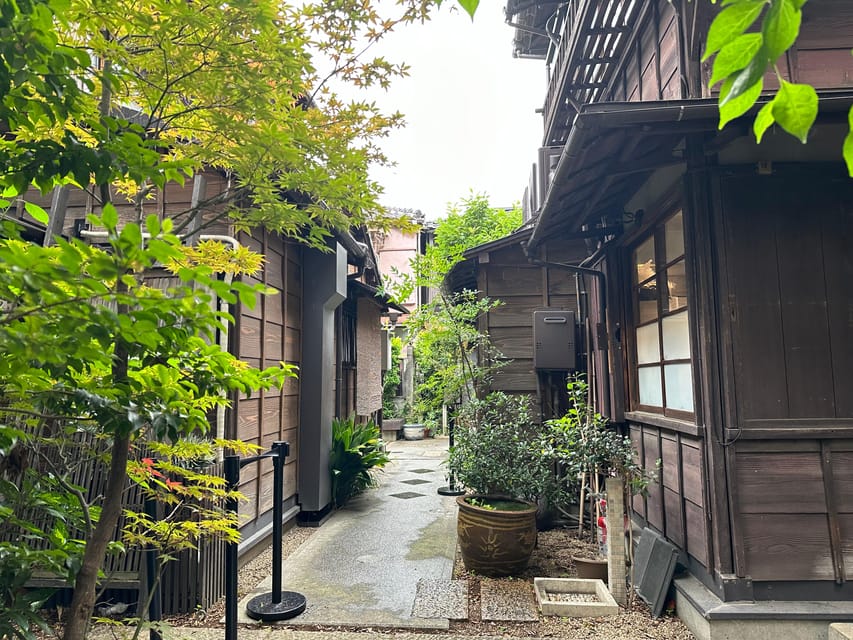
Yanaka and Nezu sit in that sweet spot where Tokyo still shows its older layers. Instead of racing between landmarks, you drift through narrow lanes where everyday life happens around you. Kids may be on their way to school, shop owners greet regulars, and you’ll notice the mix of older and newer buildings side by side.
What makes this work so well is the pacing. You are not just walking, you are learning how this neighborhood thinks. Religion is not presented as an abstract “history topic.” It is shown as a daily rhythm, with shrines and temples woven into the community.
And compared with the louder parts of central Tokyo, this area feels like a reset for your senses. The pace is gentler, the streets are quieter, and even the photo spots feel more like local hangouts than tourist traps.
A few more Tokyo days to weigh up
- Mt Fuji and Hakone 1-Day Bus Tour Return by Bullet Train
★ 5.0 · 26,383 reviews - 1-Day Tokyo Bus Tour
★ 5.0 · 14,250 reviews - Tokyo: TOKYO SKYTREE® Admission ticket
★ 4.5 · 11,192 reviews
Starting at Nippori, then finding the quieter streets fast
You meet at Nippori Station, West Exit, and your guide meets you at the waiting area right after you come out. From there, the tour becomes a steady walk through residential pockets, where you can see both older homes and newer shops tucked into the same blocks.
This opening segment matters because it sets expectations. You start noticing the small details that most visitors miss on their own, like how side streets connect, how local storefronts work, and what the neighborhood looks like from the street level. I especially liked how it feels social without being staged. You pass people going about their day, and you get a real sense of what “local Tokyo” means.
Practical note: bring some cash. Some older small shops may not be set up for card payments.
Nezu Shrine: torii path, calm atmosphere, and real-life religion
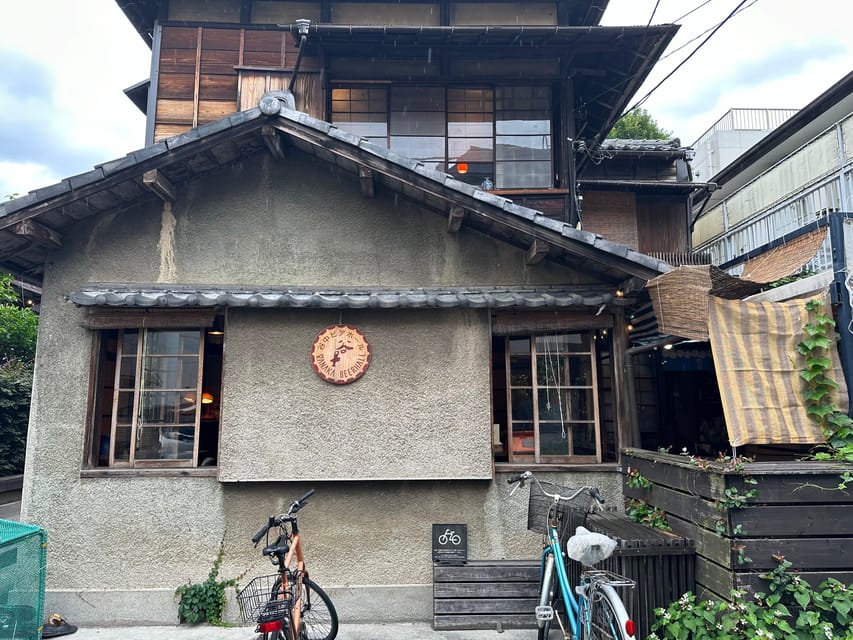
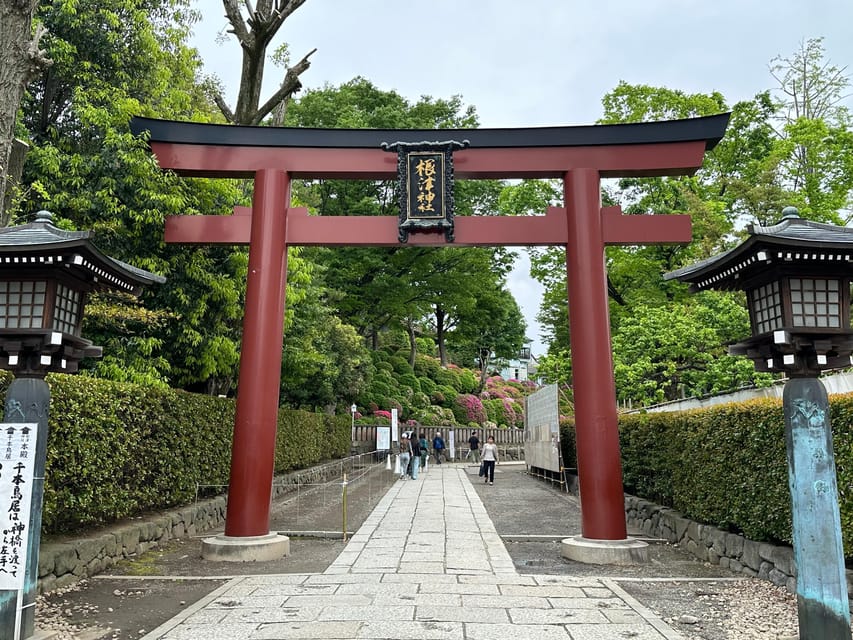
Nezu Shrine is the anchor for the neighborhood’s religious side. You’ll walk through its torii-lined pathway, and this is where you start to understand the spiritual “language” of the place. Torii gates are not just decorative. They mark a transition into a space of worship and reflection.
This is also one of the stops that slows you down on purpose. The tour includes calming moments at temples that are beautiful but not crowded, so you can actually look, breathe, and take in details instead of squeezing through crowds.
One smart bonus: Sui is good at giving practical guidance for visiting shrines and temples. You do not just hear facts. You get help with how to behave in these places, which makes the experience feel respectful, not awkward.
Tennoji Temple, its garden, and a pause for the big Buddha
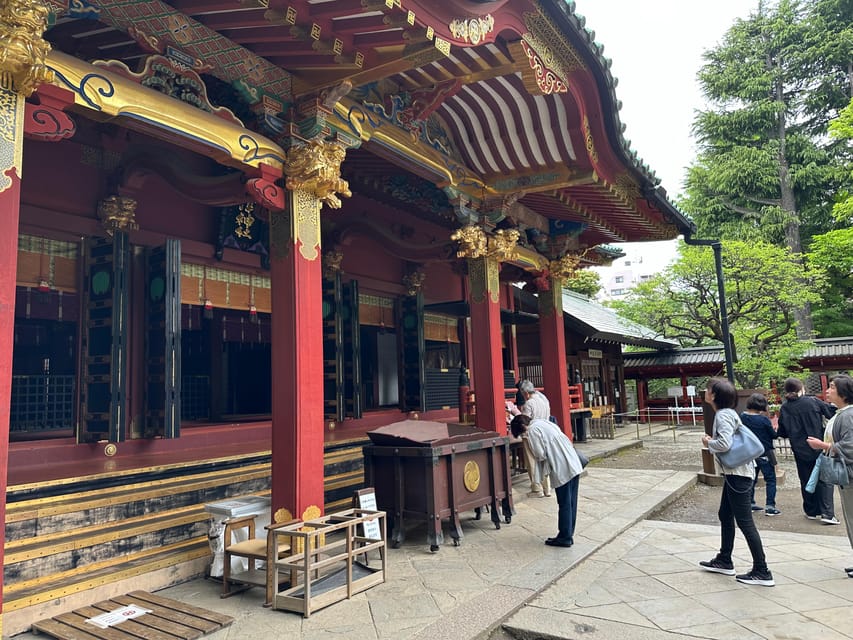
After Nezu, you shift to Tennoji Temple. Expect a strong visual moment, including a large bronze seated image of Buddha, plus a garden setting that gives you a quiet pocket to gather your thoughts.
This stop is valuable because it shows how Japanese religious sites can function as both spiritual and communal spaces. The garden lets you slow down, and the Buddha image gives you a sense of scale. You are not just sightseeing, you are stepping into a place meant for people to center themselves.
If you’re the type who likes understanding how places work, you’ll appreciate the way your guide connects the visual elements to everyday practice. It makes the architecture and rituals feel grounded, not “museum-only.”
A different sort of day in Japan:
- Tokyo: teamLab Planets TOKYO Digital Art Museum Entry Ticket
★ 4.6 · 9,779 reviews - Mt Fuji & Hakone Cruise, Drum Show Bullet Train 1 Day from Tokyo
★ 4.0 · 7,413 reviews - Tokyo: Sumo Show Experience with Chicken Hot Pot and a Photo
★ 4.8 · 6,678 reviews - Tokyo: Shinjuku Food Tour (13 Dishes at 4 Local Eateries)
★ 5.0 · 6,603 reviews
Yanaka Cemetery: trees, perspective, and a different kind of Tokyo walk
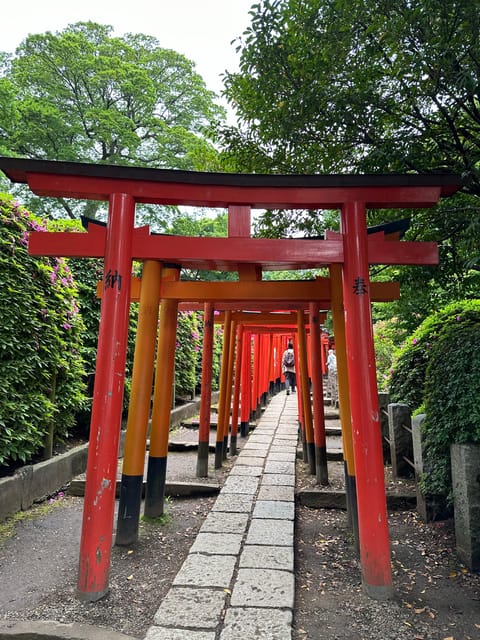
Yanaka Cemetery is one of the most scenic cemetery areas in Tokyo, and the tree-lined rows are the headline. This is not a morbid stop. It’s a reflective pause that gives your walking route a different mood.
I found it quietly moving because the setting is so “Tokyo practical,” not theatrical. You walk through a space where time feels layered, and it gives you a chance to think about how neighborhoods remember their past.
Also, this stop helps explain something important about the region. In many Japanese communities, worship and remembrance overlap in the landscape. The tour makes that connection feel natural rather than forced.
Meiji to Showa buildings, old shops, and the sake stop
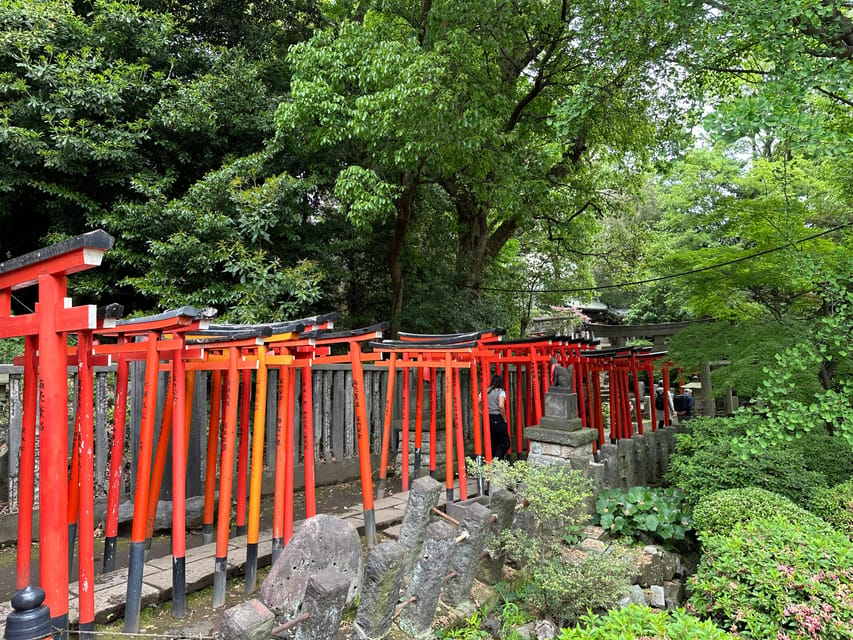
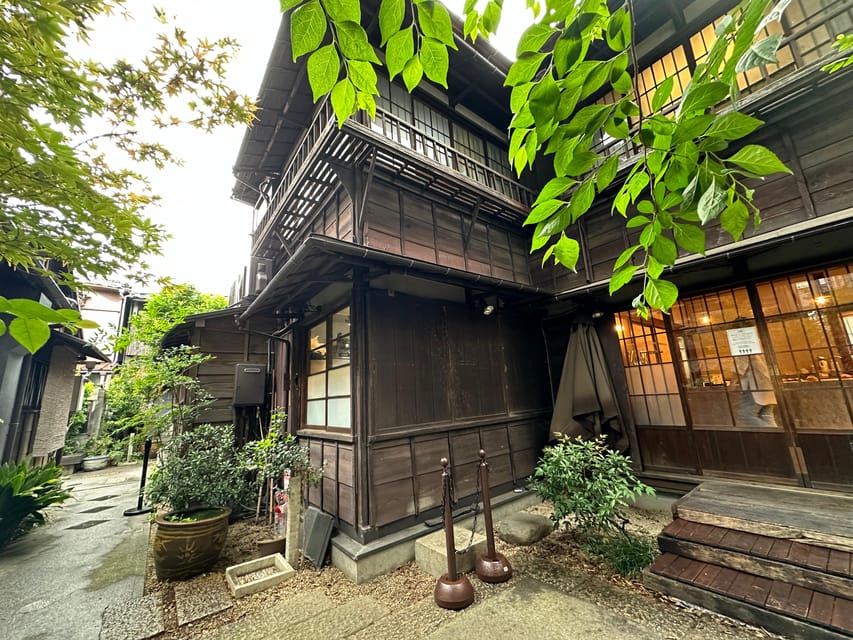
One of the best parts of the walk is the way it shows Tokyo across time. You’ll see traditional buildings from the Meiji period (1868 to 1912) through the Showa period (1926 to 1989). Even when you are not reading plaques, you can feel the difference in street scale, building shapes, and how the area was built to function.
You’ll also pass older small shops that feel like they have been part of the neighborhood for a long time. This is where I like to pay attention to the human side of the experience: shopfronts, product displays, and the way people talk to regular customers.
A standout stop is the Yoshida Liquor Store, a traditional Japanese sake shop. It’s not a generic “souvenir stop.” It’s a chance to see a craft tied to daily life and local culture, and it fits the tour’s theme of pre-war Tokyo still showing up in modern streets.
Yanaka Ginza and the sunset staircase photo moment
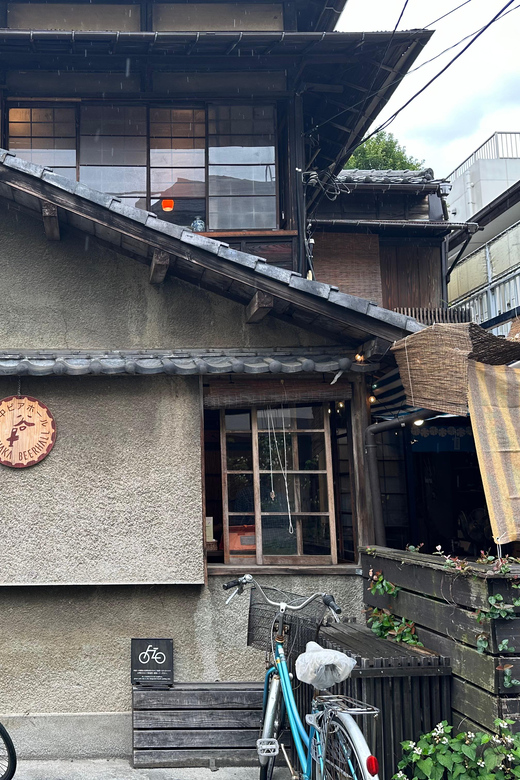
Yanaka Ginza is the traditional shopping street feel of the route. Your guide introduces local street food, plus Japanese food and souvenir shops along the way. This part is where the walk becomes more sensory, and where you can pick up small items you’ll actually use or remember.
You should know one seasonal detail: in summer, this tour does not go to Yanaka Ginza. Instead, summer includes a cafe stop in a transformed older building, with one drink included, and the tour ends at Nezu Station.
After the shopping street segment, you’ll reach the sunset staircase, a popular photo spot among locals. If you time it right, you get a classic view angle, and because it’s a local favorite, the vibe feels more normal than a ticketed viewpoint.
How the 3.5 hours works in real life
The tour runs about 210 minutes. It’s designed as a relaxed stroll, not a speed march. In the real world, that matters because you’re walking through areas where you want time to look at doorways, shop signage, shrine details, and small side streets.
There are also staircases during the route, so you’ll want shoes with solid grip and good support. If you’re someone who gets tired quickly, plan to take advantage of rest moments when your guide offers them, and don’t be shy about asking for a slower pace.
A practical tip: the walk can drift into lunchtime. If you prefer to eat without feeling rushed, eat before the tour. You can bring a small snack too, just in case, since you’re on the go for most of the morning.
One more perk that I think makes this tour better than a simple walking loop: Sui doesn’t just point. She helps you connect the dots and she also takes time to help with photos. If you want pictures that look natural and not like you’re begging a stranger to shoot them, this is a real advantage.
Price and value: is $29 fair for this Tokyo route?
At $29 per person for about 3.5 hours, this tour is priced as a value-forward neighborhood experience. You’re not paying for transportation or a huge site ticket. You’re paying for a small-group guide who knows the streets and the cultural context.
That matters because Yanaka and Nezu are the kind of places where DIY can work, but you’ll miss the meaning. The religious stops, the old-house clues, and the reason certain streets feel the way they do are easier to understand with a guide who can explain it in plain English and answer questions as you walk.
Also, the group format helps. This is built as a small group experience, which means you can actually chat, not just follow. If you’re traveling with kids or you want your questions answered without feeling like you’re holding up a big tour bus, that small-group setup is part of the value.
When to go: sakura season sweets and summer heat planning
If you’re coming for sakura season, you may get free sakura mochi. The listed window is 25 March to 25 April 2026, but the tour also notes that bloom timing depends on weather. If the mochi is not available, it’s replaced with other traditional Japanese sweets or food.
For summer, the tour plan shifts to protect you from heat and humidity. You’ll get a stop at a cafe transformed from an older traditional building, with one drink included, and Yanaka Ginza is skipped. The tour also ends at Nezu Station in summer.
No matter the season, keep an eye on closures. Some shops may be closed on the day you visit, and many are closed on Mondays. The good news is the route still works because shrines, temples, and the neighborhoods themselves remain the core of the walk.
Who should book this Yanaka and Nezu stroll?
I think this tour is a great fit if you want Tokyo to feel human. It suits:
- First-time visitors who feel overwhelmed by huge crowds
- People who enjoy neighborhoods more than big-ticket sights
- Travelers who want a clear, respectful explanation of shrines and temples
- Families who prefer a calm walking experience with an engaged guide
It may not be the right match if:
- You need wheelchair access (this one is not suitable)
- You can’t handle long walking time, staircases, or heat
- You only want famous skyline landmarks and major museums
Should you book this tour?
If your goal is to see Tokyo’s older side with context, not just photos, I’d say book it. The combination of Nezu Shrine, Tennoji Temple, Yanaka Cemetery, and the old neighborhood streets is exactly the kind of itinerary that makes a city feel real.
And with Sui leading, you’re likely to come away with more than pictures. You’ll understand how worship spaces fit into everyday life, you’ll notice details you would otherwise miss, and you’ll get practical tips for visiting religious sites the right way.
FAQ
How long is the Yanaka and Nezu walking tour?
It runs about 210 minutes, roughly 3.5 hours. The tour may end a little earlier or later than the listed duration.
Where do I meet the guide?
Meet at Nippori Station, West Exit. The guide waits at the waiting area after you come out to the West Exit.
How much does the tour cost?
The price is listed as $29 per person.
What language is the tour guide?
The tour is in English with a live guide.
What’s included in spring and sakura season?
For spring season (listed as 25 March to 25 April 2026), the tour includes free sakura mochi for everyone, if available. If not available, it is replaced with other traditional Japanese sweets or food.
What’s different in summer?
In summer (listed as 1 June to 11 September 2026), the tour includes a stop at a cafe transformed from an older traditional building, with one drink included. It skips Yanaka Ginza and ends at Nezu Station.
Is the tour suitable for wheelchair users?
No. The tour is not suitable for wheelchair users.
What should I bring?
Wear comfortable shoes. Bring cash as well, since some shops may have limited payment options.
Is there anything I should know about shops and timing?
Some shops may be closed on the day you visit, and many are closed on Mondays. The tour also uses staircases, so you should be ready for steps and walk at a steady pace.
Newly listed around Tokyo
- Modern Vegan Night Foodie Tour in Tokyo★ 3.9 · 7 reviews
- Tokyo: Asakusa Night Waling & Food Tour★ 4.9 · 16 reviews
- Tokyo Vegan Food Tour★ 5.0 · 8 reviews
- Tokyo: Tsukiji Market Walking Tour & Sushi Cooking Class★ 4.6 · 122 reviews
- Tokyo: Tsukiji walk & sushi private tour with Uni Students★ 5.0 · 17 reviews
- Tokyo: Two Types of Japanese Sweets Making and Tea Ceremony★ 4.6 · 26 reviews
- Tokyo Tsukiji Food & Culture Private Tour Licensed Guide★ 4.9 · 28 reviews
- Tokyo: Tsukiji Fish Market Culture Tour with Sashimi Tasting★ 4.6 · 54 reviews
Tokyo Tours, compared.
Mt Fuji and Hakone 1-Day Bus Tour Return by Bullet Train
Read our review →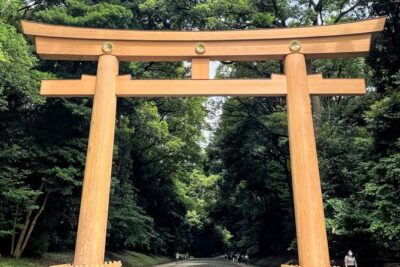

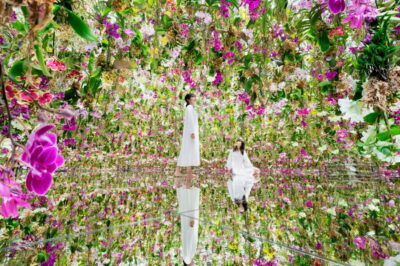
teamLab Planets TOKYO Digital Art Museum Entry Ticket
Read our review →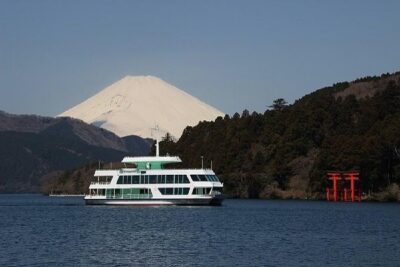
Mt Fuji & Hakone Cruise, Drum Show Bullet Train 1 Day from Tokyo
Read our review →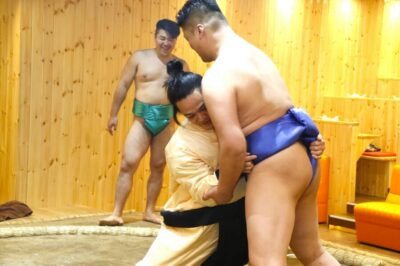
Sumo Show Experience with Chicken Hot Pot and a Photo
Read our review →
Shinjuku Food Tour (13 Dishes at 4 Local Eateries)
Read our review →