
Review · SUSHI COOKING WORKSHOPS
2 hours sushi class
Pretty sushi rolls take practice. In Sapporo, you’ll learn decorative sushi roll basics from Yuki, an experienced instructor who’s appeared on TV and even served sushi rolls during Portland and Sapporo sister-city celebrations. I especially like the English instruction with take-home recipes, so you can repeat what you learn back home. One thing to consider: this class runs at a specific meeting point and then moves to the host’s home, so double-check where you’re supposed to go in advance.
With a small group size (up to 12), you get close, patient coaching on the details that separate good sushi rice from sushi rice that falls apart. You’ll also be in good hands if you’re traveling with kids, since the format is hands-on and forgiving.
In This Review
- Key Highlights You Should Know
- Washoku, But Make It Beautiful
- Getting There: Meeting Point and the Makomanai Pickup
- Inside the 2-Hour Class: What You Actually Do
- Step-by-step shaping, not just assembly
- Tea and conversation before you start
- What You Take Home: Rolls and Recipes in English
- How the Rice and Seasoning Lessons Actually Help
- English Instruction That Keeps You From Guessing
- If You Have Dietary Needs, Plan Early
- Optional Add-Ons: Build a Full Sushi and Hokkaido Meal
- Why Small Groups Matter for Sushi Making
- Pricing and Value: About $20.08 for Real Skills
- Who Should Book This Sushi Roll Workshop
- Should You Book Yuki’s Decorative Sushi Roll Class?
- FAQ
- How long is the sushi class?
- Is pickup available in Sapporo?
- Where is the class meeting point?
- What’s included in the class?
- Can the class accommodate dietary restrictions?
- What is the cancellation policy?
Key Highlights You Should Know
- Decorative sushi roll instruction with Yuki gives you a clear, do-it-right explanation, not vague tips.
- English recipes included help you rebuild the rolls after you leave Sapporo.
- Take-home sushi means you get to eat your work twice, once during class and again later.
- Free apron rental and English guidance lowers the stress factor when you arrive.
- Pickup at Makomanai Station (if required) makes it easier when you’re juggling trains and sightseeing.
- Up to 12 people max keeps the attention on your hands, not just the teacher talking.
Washoku, But Make It Beautiful
This class is built around washoku, Japanese home-style cuisine, the kind of food Japanese people take seriously but still enjoy day to day. Decorative sushi rolls are a fun entry point because they teach technique while also giving you a visible result. In practice, that means you’re not just making dinner, you’re learning how rice, seasoning, and shaping work together.
Yuki is the real draw. She’s an experienced decorative sushi roll instructor, and her profile is more than local hobby status. She’s appeared on TV, and she even demonstrated decorative sushi rolls during a sister-city celebration in 2024 between Portland, Oregon, USA and Sapporo, Hokkaido. That background matters because it usually translates into teaching that’s both practical and polished.
Also, the class is not private. That’s good value if you like meeting people, but it’s worth knowing if you want quiet, one-on-one coaching.
More Sushi workshops in Sapporo:
- Sushi Making Tokyo Roll and Authentic Japanese Sushi Class
★ 5.0 · 3,971 reviews - Tokyo: Roll and Authentic Sushi Making Class in Asakusa
★ 4.9 · 1,957 reviews - Tokyo: Sushi Making Class in a Happi Coat near a Famous Spot
★ 4.9 · 1,377 reviews
Getting There: Meeting Point and the Makomanai Pickup
The meeting point is listed as 7 Chome Ishiyamahigashi, Minami Ward, Sapporo, Hokkaido 005-0850, Japan, and the class ends back at the same meeting point. It’s described as near public transportation, which is great, since Sapporo is much easier to navigate when you can lean on trains and subways.
If you want the shortcut, there’s free pickup at Makomanai subway station, as long as you request it. This is the kind of small detail that makes a class like this feel like it was designed for visitors, not just locals.
My practical advice: before class day, confirm the meeting details and plan a little buffer time. One unhappy experience in the feedback data comes down to people arriving at the wrong location and not being able to reach anyone quickly, so you really do want to lock in the exact spot.
Inside the 2-Hour Class: What You Actually Do
This is a hands-on workshop, about 2 hours long. The core activity is making decorative sushi rolls with Yuki. You’ll get English instruction and ingredients, plus a free apron rental. That combination matters because decorative rolls look impressive, but they depend on fundamentals you can’t fake. When ingredients and instructions are included, you can focus on technique and timing instead of shopping for supplies you might not find easily.
Step-by-step shaping, not just assembly
The biggest value here is the coaching on each step. Decorative sushi roll work can look simple in photos, but it’s mostly about precision: how you spread sushi rice, how you place fillings, and how you shape without crushing the roll. The class format makes it easier to slow down and fix mistakes immediately, which is exactly what you want on your first attempt.
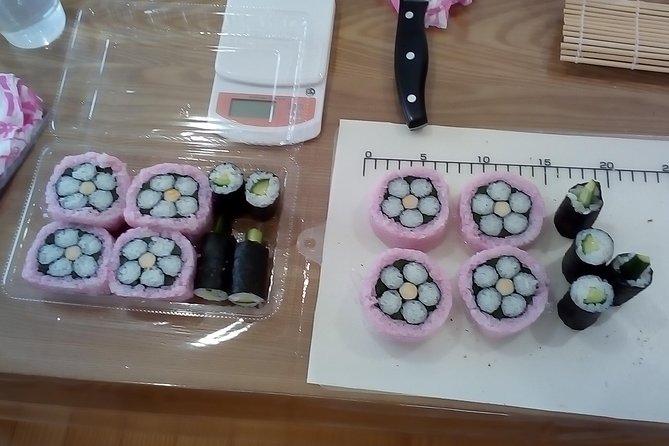
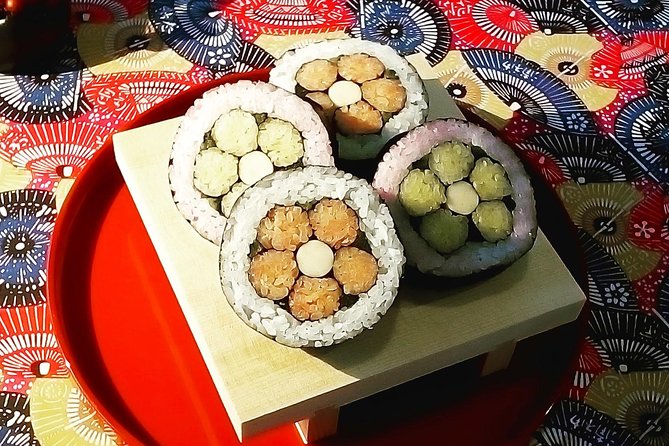
Some classes in this workshop theme toward sushi flowers and other decorative styles. If you’re making a floral or petal-shaped roll, the shaping steps are where the instruction pays off. Expect to handle rice and fillings yourself, then get corrections when something is off.
A few more Sapporo days to weigh up
- Sapporo Bar Hopping Food Tour
★ 5.0 · 232 reviews - Hokkaido Seasonal: Lake Toya & Noboribetsu Jigokudani Valley
★ 4.7 · 173 reviews - Sapporo Private Tour with a Local – Highlights & Hidden Gems
★ 5.0 · 91 reviews - Sapporo: Hokkaido, Noboribetsu and Lake Toya Day Tour
★ 4.1 · 88 reviews
Tea and conversation before you start
A recurring theme in the feedback is the warm welcome, including tea before class. That doesn’t sound like “foodie content,” but it changes the feel of the morning. You’ll arrive, get settled, and then jump into cooking with less awkwardness. It also gives you a chance to ask questions beyond technique, like how ingredients work in Hokkaido-style home cooking.
And yes, Yuki’s home can include a cat. More than one review mentions her Maine coon named TiTi. It’s not a gimmick, it just means you might get distracted for a second. Consider that part of the charm.
What You Take Home: Rolls and Recipes in English
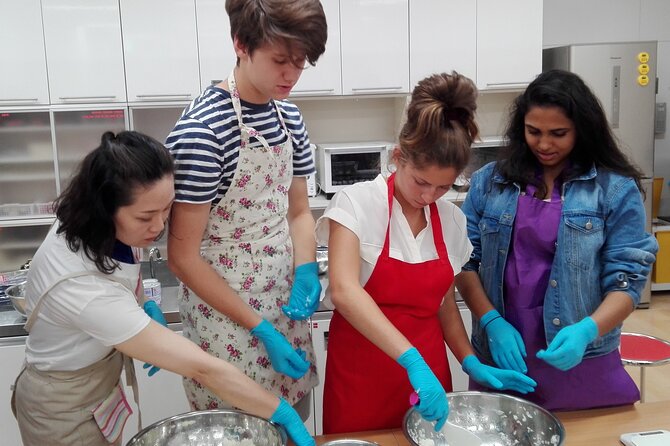
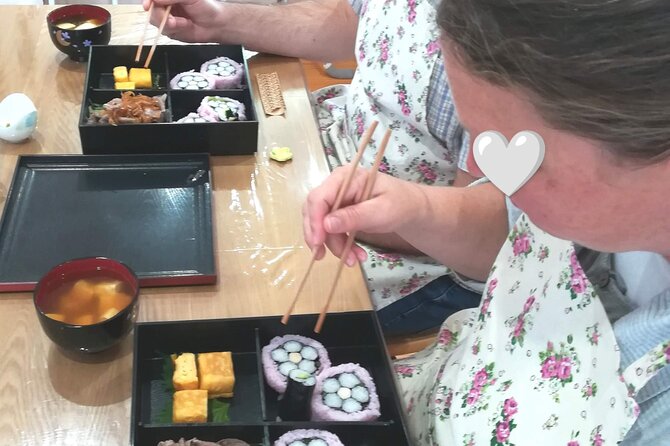
The class includes a take-home payoff: you can take away the sushi rolls you make. That matters because you’re not spending money for a short photo opportunity. You get an edible souvenir and something more useful, the process you can recreate later.
You also get recipes in English during class. That is a big deal if you’re worried about remembering each step after jet lag, ramen nights, and the usual travel brain. Recipes help you translate what you learned into home cooking, even if you don’t have the same ingredients or exact tools.
If you’re thinking ahead, plan your logistics. Sushi doesn’t like being ignored for long, so have a plan for transport and eating soon after. For many people, the best move is to treat the class as a meal on the clock.
How the Rice and Seasoning Lessons Actually Help
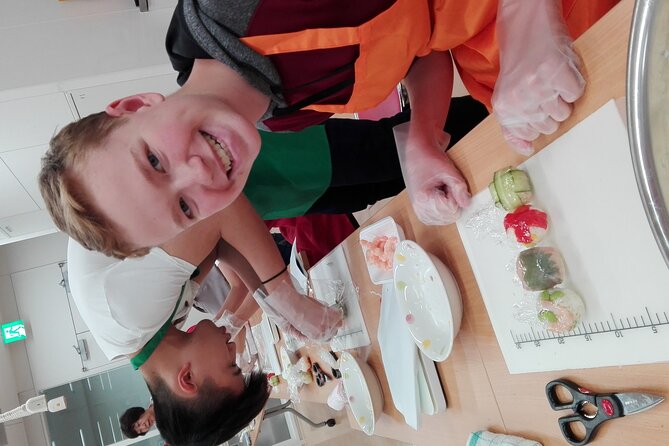
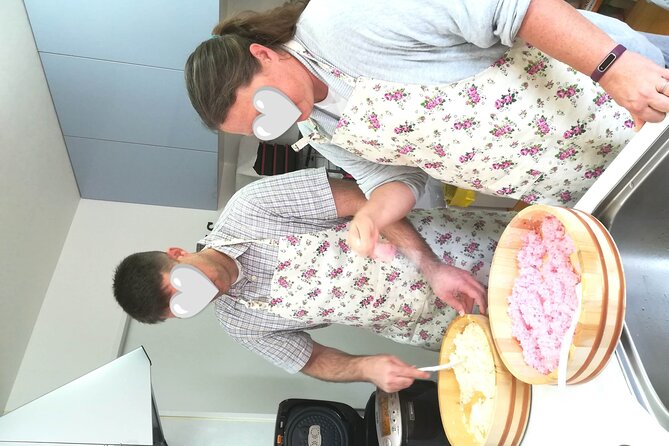
Decorative sushi looks like art, but it’s still built on rice. A common thing people get taught here is sushi rice preparation the proper way, including variations you might see in pink-tinted rice. The exact method depends on what you’re making, but the teaching goal is consistent: learn why the rice is seasoned and handled the way it is.
From a practical perspective, this helps you avoid two common home-cooking disasters:
1) rice that is too sticky or not evenly seasoned
2) rice that gets hard or crumbly while you try to shape the roll
When someone walks you through the proper handling, you’re far more likely to succeed the next day at home.
English Instruction That Keeps You From Guessing
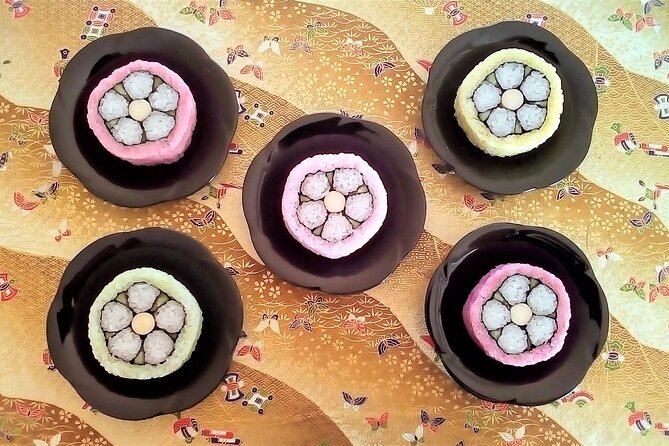
One reason these classes work for international visitors is that you don’t have to operate by hand gestures. You get English instruction throughout, plus English recipes. That reduces the mental load so you can pay attention to what your hands are doing.
What I like about this format is that it’s not just translation. In the feedback, people repeatedly mention Yuki being patient and examining each step closely, even explaining why something works. That kind of feedback is the difference between repeating a single trick and actually understanding the method.
If you’re the kind of person who learns best by doing, this class fits. You’ll get immediate feedback as you work, so errors don’t turn into a full batch of wrong sushi.
If You Have Dietary Needs, Plan Early
The class info is clear that you should inform them in advance about special dietary concerns, including food allergies, vegan, and vegetarian needs. That’s the right approach. Sushi ingredients can vary widely, especially around dashi and seasonings, and allergy management is not something you want to handle last minute.
What I recommend: send your dietary notes early, before the class. That’s the best way to increase your chances of a comfortable, safe experience.
Optional Add-Ons: Build a Full Sushi and Hokkaido Meal
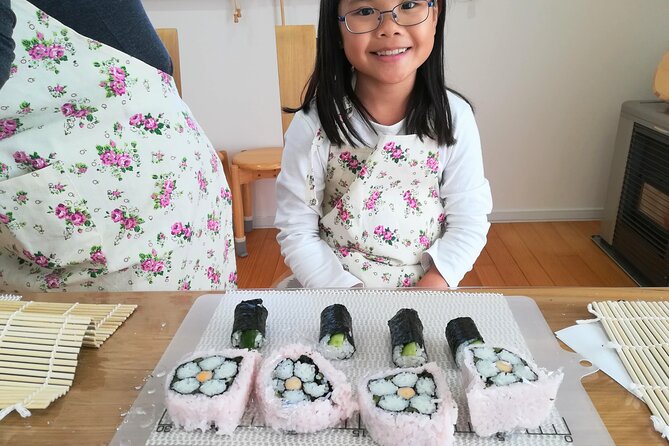
The base experience is the 2-hour decorative sushi roll class, but there are optional add-ons listed. These add-ons help you turn a sushi workshop into a broader Hokkaido cooking session.
Here are the options you can see offered:
- Miso soup, including how to make dashi (soup stock) first, then make soup with homemade miso
- Steam rice (how to prepare steam rice without a rice cooker), if required
- Options that include Hokkaido branded beef such as Biratori Wagyu or Shiraoi Gyu
- Rice ball (and steam rice)
- Packages with additional dishes plus miso soup, in different combinations
- Decorate bento in a traditional Syokado style, then enjoy your own bento after the class
Not all add-ons are included automatically, so you should decide based on what you want most. If you’re hungry for skills beyond sushi, miso and dashi lessons are a strong choice because they teach a core Japanese flavor base. If you’re more focused, stick to the sushi class and take the recipes home.
Why Small Groups Matter for Sushi Making
With a maximum of 12 travelers, this class doesn’t feel like a demonstration where you watch from the sidelines. Small groups are what allow step-by-step correction and patient coaching. And decorative rolls are the kind of task where small adjustments matter: pressure while shaping, rice thickness, and how you arrange the filling.
The result is a class that’s more beginner-friendly than many cooking experiences. Even if your hands are clumsy, you’ll get the guidance needed to end up with something you can actually take home and eat.
Pricing and Value: About $20.08 for Real Skills
At about $20.08 per person for roughly 2 hours, this is priced like a local workshop, not a high-end tourist show. That’s part of the appeal. You’re paying for instruction, included ingredients, and the take-home result, plus English support and an apron.
Value comes from a few practical bundles:
- you learn a technique you can repeat
- you leave with food and recipes
- you get transportation help if you request pickup
- you benefit from a small group setting
I’d call this a good “skills per dollar” pick for anyone visiting Sapporo who wants an authentic hands-on experience that doesn’t require a long time commitment.
Who Should Book This Sushi Roll Workshop
This class is a great fit if:
- you want a short activity that still feels meaningful
- you’re curious about Japanese washoku through decorative sushi
- you like learning through doing, not just watching
- you need English support and written recipes
It’s also a nice choice for families, with multiple reviews mentioning it works well with kids. The environment sounds welcoming and patient, which matters when you’re traveling with younger eaters.
You might choose something else if you want a fully private experience. The class isn’t private by default, though you can request a private class.
Should You Book Yuki’s Decorative Sushi Roll Class?
If you want a hands-on Sapporo experience with real technique and a take-home payoff, I’d say yes. The combination of English instruction, included ingredients, free apron rental, and sushi rolls you can take away makes this feel practical, not performative. Add the fact that the group is small and Yuki teaches step-by-step, and you get a workshop that’s friendly to beginners.
Book it if your schedule can fit a 2-hour block, and if you’ll take one minute to confirm the exact meeting details. Do that, and you’ll walk out with sushi you made, plus the recipe skills to try again later.
FAQ
How long is the sushi class?
It’s about 2 hours.
Is pickup available in Sapporo?
Yes. There is free pickup at Makomanai subway station if you require it.
Where is the class meeting point?
The meeting point is 7 Chome Ishiyamahigashi, Minami Ward, Sapporo, Hokkaido 005-0850, Japan, and the activity ends back at the meeting point.
What’s included in the class?
You get English instruction, ingredients, free apron rental, and English recipes. The sushi rolls you make are take-home.
Can the class accommodate dietary restrictions?
You should inform them in advance about special dietary concerns, including allergies and vegan or vegetarian needs.
What is the cancellation policy?
Free cancellation is available. You can cancel up to 24 hours in advance of the experience for a full refund. If you cancel less than 24 hours before the start time, the amount paid will not be refunded.
Newly listed around Sapporo
- Snowshoeing and Onsen Adventures in a Winter Wonderland -Sapporo.★ 5.0 · 30 reviews
- Sapporo Private Sightseeing Tour in Onsen with Special Package★ 5.0 · 8 reviews
- Snowshoe Hike Tour from Sapporo include hotel p/up & drop off★ 5.0 · 16 reviews
- Wagashi traditional japanese sweets class★ 5.0 · 49 reviews
- [Sapporo] Go by private car! Takino Cemetery, Hokkaido Shrine, Shiroi Koibito Park★ 4.5 · 10 reviews
- Shikisai-no-Oka and Furano Tour with buffet lunch from Sapporo★ 4.0 · 8 reviews
- Full Day Private Skiing / Snowboarding Tour in Sapporo★ 5.0 · 30 reviews
- Sapporo Afternoon Walking Tour 2h 30mins★ 5.0 · 6 reviews
Sushi Cooking Workshops, compared.
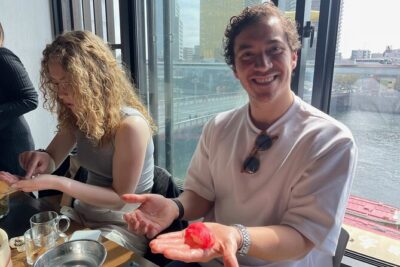
Sushi Making Tokyo Roll and Authentic Japanese Sushi Class
Read our review →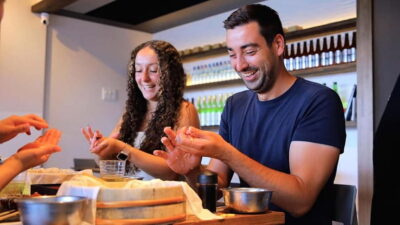
Roll and Authentic Sushi Making Class in Asakusa
Read our review →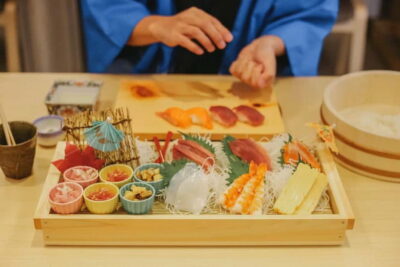
Sushi Making Class in a Happi Coat near a Famous Spot
Read our review →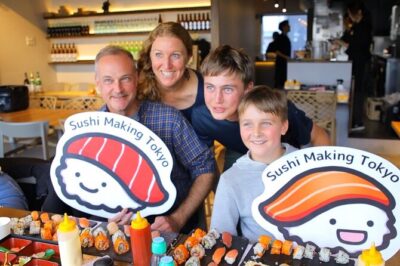
Sushi Making Tokyo! Popular Maki Sushi & Japanese Sushi(+Recipe!)
Read our review →
Tokyo Sushi Making Class in Tsukiji with Professional Chef
Read our review →
Tokyo Night Foodie Tour in Shinjuku – Seasonal Sushi, Wagyu Beef
Read our review →
Tsukiji Fish Market Guided Tour and Sushi Making with Pro Chef
Read our review →
Tsukiji Fish Market Sushi Making Class with Pro Chef
Read our review →Browse the lists this tour appears in