
Review · SUSHI COOKING WORKSHOPS
Tokyo: Roll and Authentic Sushi Making Class in Asakusa
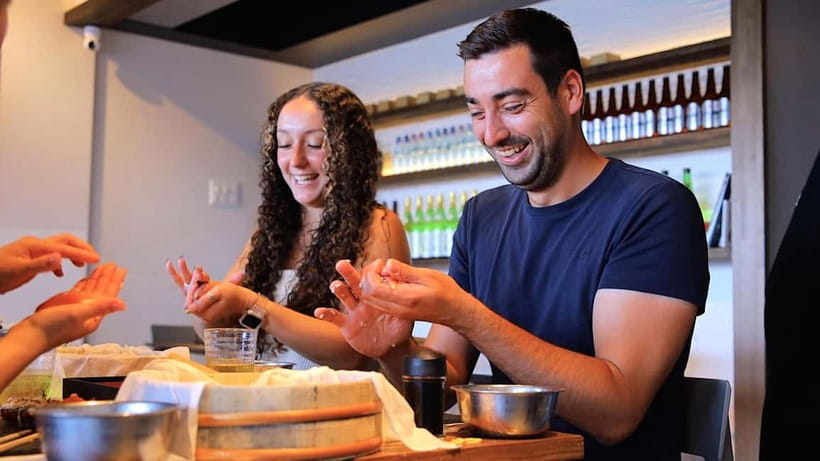
Sushi starts with a quiz and ends with lunch. In historic Asakusa, you learn sushi step by step, starting with a lighthearted history quiz and moving into hands-on making that actually ends with you eating what you built. It is a fun way to taste Japan beyond restaurant orders.
I really like the English-speaking team, especially the patient helpers who step in when your rice, seaweed, or timing goes sideways. I also love the mix of roll sushi and authentic-style nigiri, with teachers such as Hitomi, Tomona, and Hide keeping the pace upbeat, clear, and low-stress.
One possible drawback: if you want a slower, extra-long practice session, the class can feel a bit time-tight at the end, with a few people wishing for more time and slightly more rice.
In This Review
- Key things I’d circle before you book
- Asakusa location near Asakusa Station, Sensoji, and Tokyo Skytree
- The 100-minute flow: quiz, hands-on making, and eating what you made
- Sushi history quiz that stays light, not academic
- Makizushi (roll) practice: where the real skills show up
- Nigiri style: authentic-style sushi and fine-tuning tips
- Eating your sushi: generous output, fresh ingredients, and possible add-ons
- Price and value: what $58 buys you in Asakusa
- Who this class suits best, from solo learners to families
- Practical tips to get the best results on the day
- Should you book Sushi Making Tokyo in Asakusa?
- FAQ
- Where is the meeting point?
- How long is the class?
- What sushi types will I make?
- Do I need any sushi or cooking experience?
- Is the instructor available in English?
- Are dietary needs accommodated?
- Is hotel pickup or drop-off included?
- What payment options do I have?
- Is there a cancellation deadline?
- Is the class wheelchair accessible?
Key things I’d circle before you book
- Interactive sushi history quiz that makes the background feel simple, not like a lecture
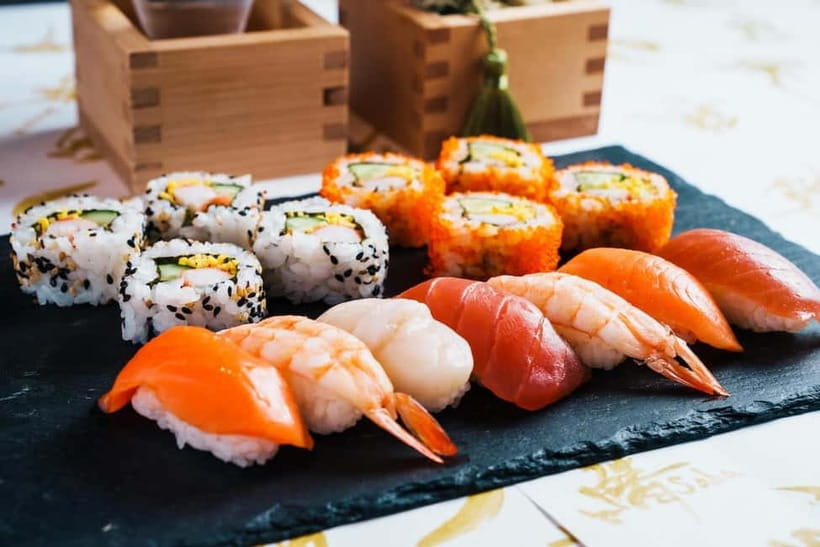
- Two hands-on styles: maki (rolls) and nigiri (hand-formed sushi)
- Fresh, high-quality ingredients that show up in the final bites, not just the lesson
- Friendly English support with standout teachers and helpers like Hitomi, Tomona, Hide, Ken, Jun, Kaori, and Ryouko
- Historic Asakusa location that places you near Sensoji and a short hop from Tokyo Skytree
Asakusa location near Asakusa Station, Sensoji, and Tokyo Skytree
This class is based in Asakusa, one of Tokyo’s most atmospheric areas for food and old-town wandering. The meeting point is only a few minutes from Asakusa Station, which matters because it keeps your day flexible. You can pair it with a morning of temple sights or with an afternoon that includes shopping streets and snack stops.
Asakusa is also where you feel the contrast of Tokyo. You get modern convenience, but the streets still feel rooted in tradition. One theme that comes through again and again is how easy it is to find the place, including descriptions of it being right across from Sensoji. If you like staying close to major sights so you can hop between activities without spending half your day in transit, this location fits.
More Sushi Workshops in Tokyo
- Sushi Making Tokyo Roll and Authentic Japanese Sushi Class
★ 5.0 · 3,971 reviews - Tokyo: Sushi Making Class in a Happi Coat near a Famous Spot
★ 4.9 · 1,377 reviews - Sushi Making Tokyo! Popular Maki Sushi & Japanese Sushi(+Recipe!)
★ 5.0 · 1,314 reviews
The 100-minute flow: quiz, hands-on making, and eating what you made
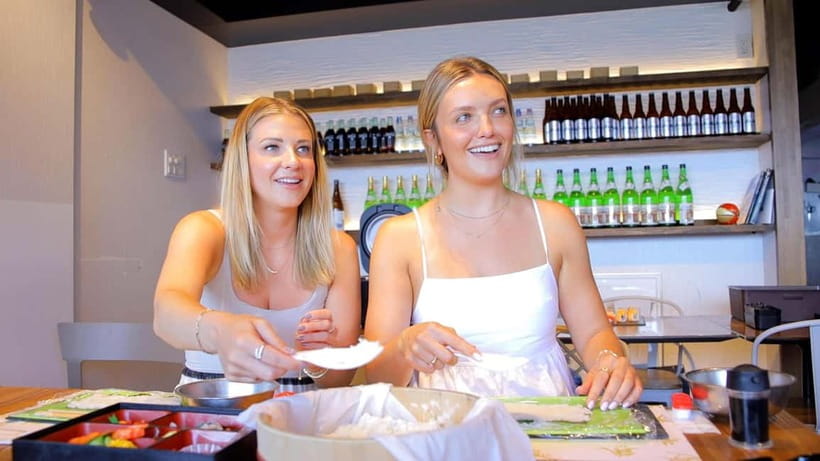
The class runs about 100 minutes, and the structure is built to keep you moving: short explanations, quick demos, then you take over with guided help. It is not one of those long cooking lectures where you watch while everyone else works. You do the key steps yourself.
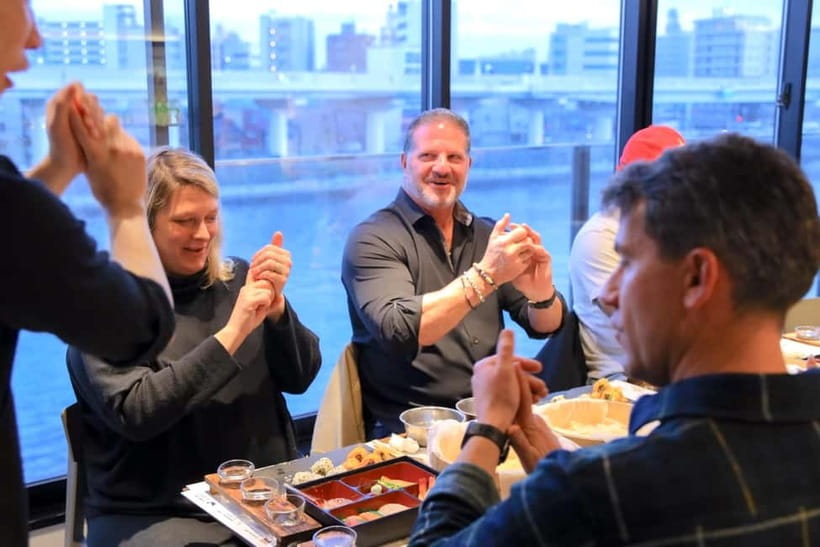
A common pattern in the experience is the balance of fun and clarity. The sushi history part is delivered through an interactive quiz, so the facts land without feeling forced. Then you shift into practical skills, where the staff can correct your technique in real time.
Also note the pacing: the experience is designed to be energetic, and a few people said it felt closer to around 80 minutes. That does not make it bad, it just means you should go in ready to learn and work, not to linger at each step.
Sushi history quiz that stays light, not academic
Before your hands get messy, you get a chance to learn how sushi developed and how different styles relate. The format is an interactive quiz, and that matters more than it sounds. If you have ever sat through a food history talk while your attention drifted, you will appreciate this approach. The quiz style keeps the session playful, so you remember what you just heard because you tried answering it yourself.
It also gives context for what you are about to make. When you form a roll or press nigiri, it is easier to see how the technique connects to tradition and ingredients. That is a big part of why this works as more than a one-time meal. You leave with mental hooks you can use later if you try making sushi at home.
Makizushi (roll) practice: where the real skills show up
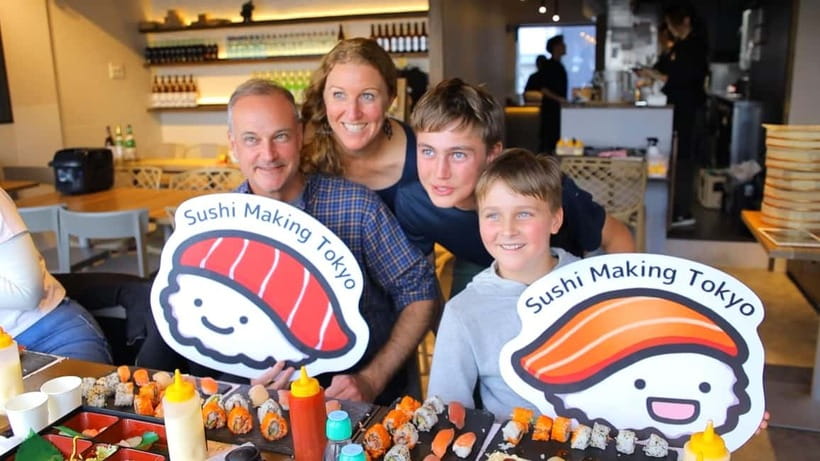
The class includes roll sushi, usually understood as makizushi. This is the part where technique beats confidence. Rolling seaweed with the right pressure, spreading rice evenly, and placing fillings cleanly are all learnable skills, but they can feel tricky until someone shows you the exact steps.
What I like here is that the instructors and helpers tend to be hands-on and patient. Names that came up often include Hitomi and Tomona, plus helpers such as Hide. People highlighted that the staff were funny, entertaining, and especially helpful when you needed reassurance mid-process.
Expect to work through the basics that make rolls hold together. Rice distribution matters. Filling choices matter. And timing matters. The class approach makes those points practical, so you learn by doing rather than guessing.
A different sort of day in Japan:
- Mt Fuji and Hakone 1-Day Bus Tour Return by Bullet Train
★ 5.0 · 26,383 reviews - 1-Day Tokyo Bus Tour
★ 5.0 · 14,250 reviews - Tokyo: TOKYO SKYTREE® Admission ticket
★ 4.5 · 11,192 reviews - Tokyo: teamLab Planets TOKYO Digital Art Museum Entry Ticket
★ 4.6 · 9,779 reviews
Nigiri style: authentic-style sushi and fine-tuning tips
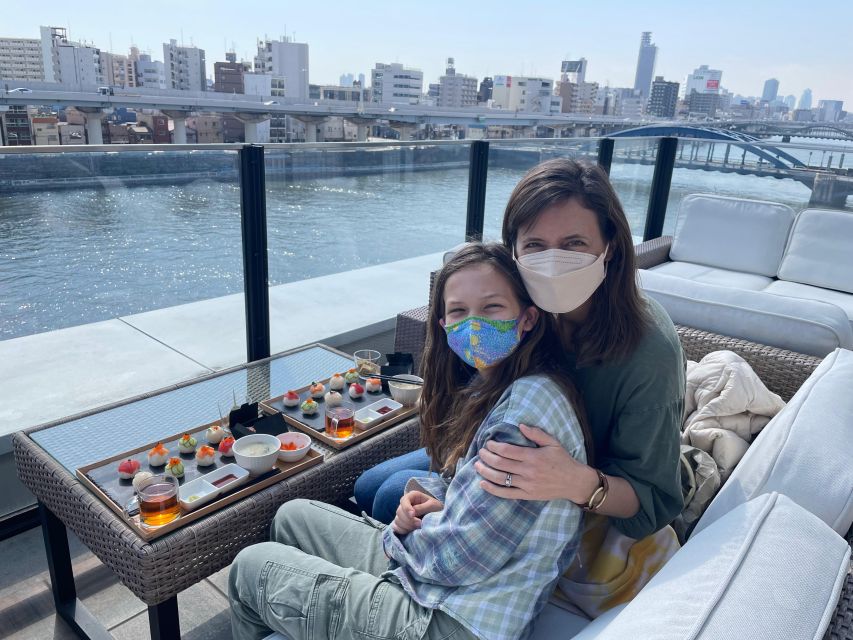
You also make authentic Japanese sushi, and in the reviews that typically translates to nigiri. Nigiri is a different challenge than rolls because you are shaping and balancing components. It is less about wrapping and more about getting proportions right: rice texture, bite size, and topping placement.
This is where the staff guidance makes the biggest difference. Even if your first attempt looks a little rough, the team can nudge you toward better shape and better bite structure. Several reviews praised instructors like Ken, Jun, and Kaori for making steps feel easy to follow. Helpers like Ryouko also got credit for encouragement and clear tips.
If you have seen sushi videos online and assumed nigiri is only for experts, this is the antidote. You get enough direction to understand what is essential, then you practice it with support.
Eating your sushi: generous output, fresh ingredients, and possible add-ons
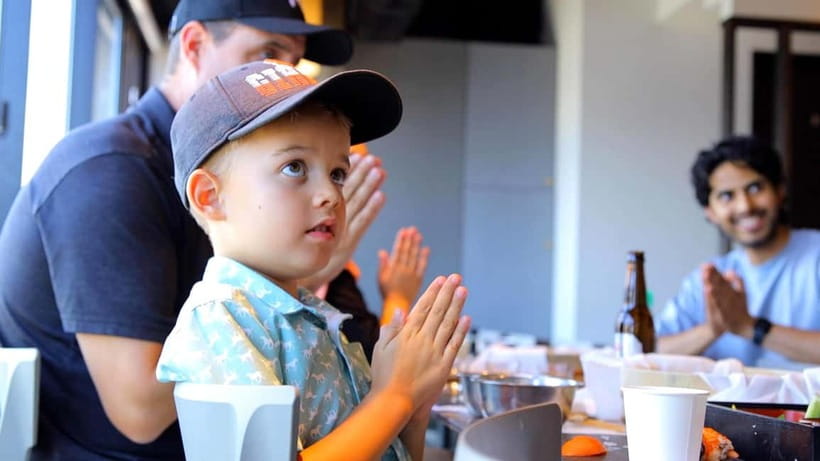
The payoff is eating what you make. That sounds obvious, but it is the key reason cooking classes can beat meal reservations. When you eat your own roll and nigiri, you are not just tasting fish and rice. You are tasting your results, which makes the experience feel complete.
People consistently said the sushi was delicious and that the ingredients were fresh and high quality. That lines up with why the class is rated so highly overall. You are not just learning a performance skill. You are getting a meal that reflects what you practiced.
Portion expectations are mostly positive, including remarks that there is plenty of sushi to eat. Still, one common nitpick was that some people wanted a bit more rice. If you are very hungry, keep that in mind and plan a snack later if you need it.
One extra detail to be aware of: a couple of people mentioned sake flights and beer being available. Since that is not stated as a must-have part of the class, treat it as an optional add-on if you want to round out the meal.
Price and value: what $58 buys you in Asakusa
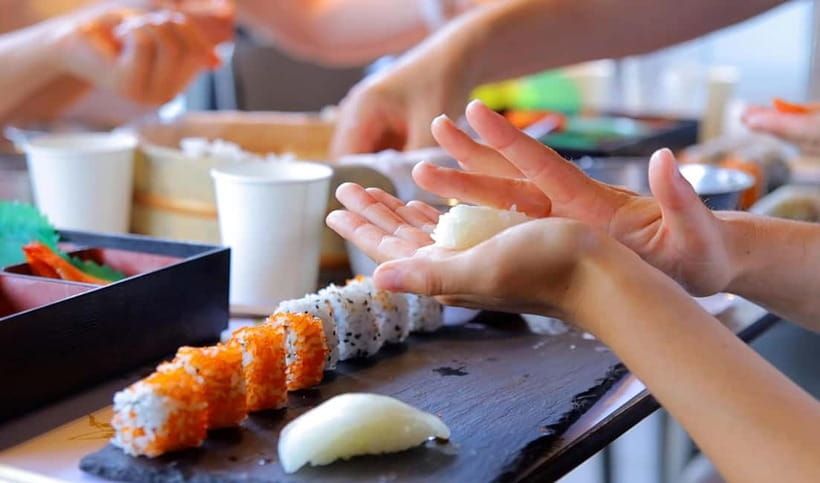
At $58 per person, this class prices like a mid-range Tokyo activity. The value comes from what is included: the cooking class itself, ingredients, and the instructor. If you compare that to the cost of a good sushi meal plus a guide and lesson time, the math starts to make sense, especially because you eat what you make.
Location also improves value. Asakusa is central for classic sightseeing, and the meeting point is close to Asakusa Station. You do not need hotel pickup, so you also avoid the hidden time costs that come with scheduled pickups that can add waiting.
So the real question is fit. If you want a hands-on food experience where you learn technique you can repeat, this price can feel fair. If you mainly want an easy, low-effort dinner, you might decide it is more work than you want.
Who this class suits best, from solo learners to families
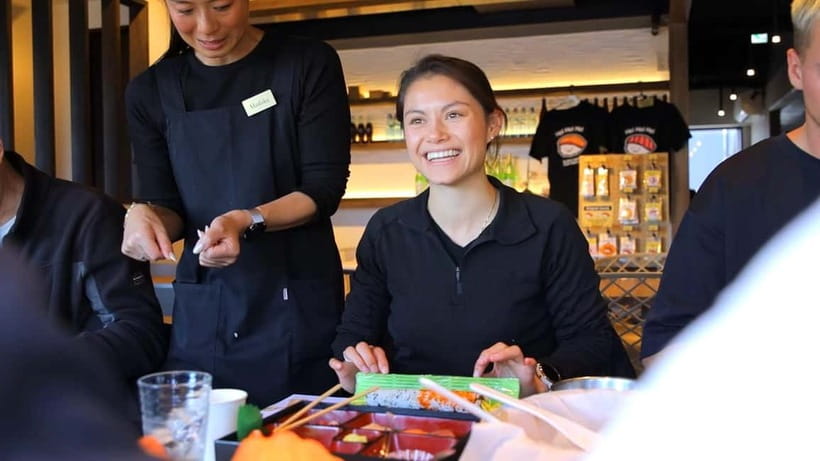
This is a good fit for a wide range of people because you do not need experience. Solo travelers get a structured activity that also makes it easy to meet others at the same table or station. Couples can turn it into a shared challenge, especially because making sushi is all about small teamwork and encouragement.
It also works for families. Reviews mentioned the class was great with kids and also fun for teenagers. The general tone is light, patient, and encouraging. If you are traveling with younger people, a cooking class often beats a museum stop because everyone gets a role, and there is a clear finish line: you eat your creations.
One more practical plus: the class is wheelchair accessible, so if mobility is a concern for you, this is designed to include you.
Practical tips to get the best results on the day
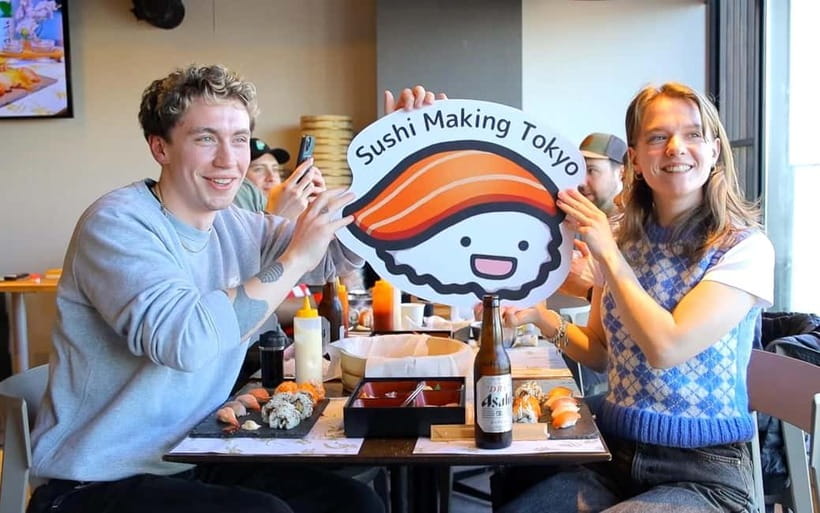
Here are a few things that help your session go smoothly.
Arrive a few minutes early. The meeting point is close to Asakusa Station, but sushi-making starts the moment you show up, and you want to be ready when the first instructions begin.
Think ahead about dietary needs. The options include vegan, vegetarian, gluten-free, and halal. There is also an allergy note that certain ingredients are not used, specifically meat, nuts, fruits, and dairy. If you need a change, contact the team about it when you make your reservation, and do it ahead of time. They also say they cannot respond on the day, and they do not accept detailed ingredient specifications. That means your best move is to ask early and keep expectations realistic.
Go in with curiosity. The staff do a lot to keep the experience fun, and names like Hitomi, Hide, and Ken were repeatedly praised for humor and patience. If you feel awkward at first, that is normal. The class is designed to correct technique step by step.
Finally, plan your post-class hunger. If you eat a big lunch elsewhere right before, sushi-making will still be enjoyable, but you might feel too full. If you tend to get hungry later in the day, you can treat the class as your main meal and then just do a lighter walk after.
Should you book Sushi Making Tokyo in Asakusa?
I think you should book if you want a hands-on Tokyo food experience with structure, clear instruction, and a real meal at the end. The strongest reasons are the combination of English-speaking guidance, the interactive sushi history quiz, and the fact that you make both rolls and nigiri rather than only doing one style.
I would skip or rethink it if you hate cooking instruction, you want a totally hands-off activity, or you are expecting an unhurried, slow-paced atelier session. The timing is focused, and a few people wanted more time for extra practice.
If you are staying in central Tokyo and you like classic sights like Sensoji, this Asakusa class is a smart choice because it fits into your day without major detours. It is one of those activities that gives you a skill, not just a photo.
FAQ
Where is the meeting point?
The meeting point is about 3 minutes from Asakusa Station.
How long is the class?
The experience is listed at 100 minutes.
What sushi types will I make?
You make two types of sushi: roll sushi and authentic Japanese sushi. The class includes making maki and nigiri.
Do I need any sushi or cooking experience?
No experience is needed.
Is the instructor available in English?
Yes. Instruction is in English.
Are dietary needs accommodated?
The menu can be adjusted for vegan, vegetarian, gluten-free, and halal. An allergy note also says meat, nuts, fruits, and dairy are not used. You need to request changes when you make your reservation, and they cannot respond on the day. They also do not accept ingredient specifications.
Is hotel pickup or drop-off included?
No. Hotel pickup and drop-off are not included.
What payment options do I have?
You can reserve now and pay later, keeping your plans flexible. You can book your spot without paying immediately.
Is there a cancellation deadline?
Yes. Free cancellation is available up to 24 hours in advance for a full refund.
Is the class wheelchair accessible?
Yes, it is wheelchair accessible.
Newly listed around Tokyo
- Tokyo private transfer for Yokohama Port★ 4.5 · 63 reviews
- Luxury Kimono Photoshoot at Ginza Tokyo★ 5.0 · 7 reviews
- Tokyo Allstar Food Tour★ 4.5 · 206 reviews
- Tokyo Art Aquarium Museum E-Ticket with optional Tokyo Metro Pass★ 5.0 · 17 reviews
- Tokyo: Best Ginza Food Tour at 3 Local Eateries★ 5.0 · 83 reviews
- Private One Day Nikko Tour with Bilingual driver★ 3.5 · 11 reviews
- PRIVATE tour in 180SX to Daikoku+++++★ 5.0 · 6 reviews
- Kabuki Talk★ 5.0 · 10 reviews
Sushi Cooking Workshops, compared.
Sushi Making Tokyo Roll and Authentic Japanese Sushi Class
Read our review →
Sushi Making Class in a Happi Coat near a Famous Spot
Read our review →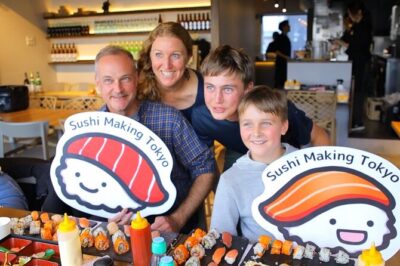
Sushi Making Tokyo! Popular Maki Sushi & Japanese Sushi(+Recipe!)
Read our review →
Tokyo Sushi Making Class in Tsukiji with Professional Chef
Read our review →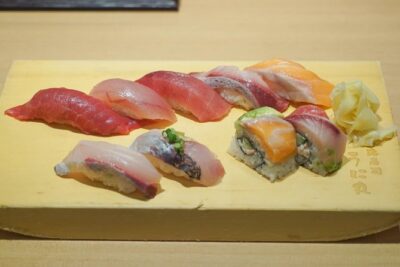
Tokyo Night Foodie Tour in Shinjuku – Seasonal Sushi, Wagyu Beef
Read our review →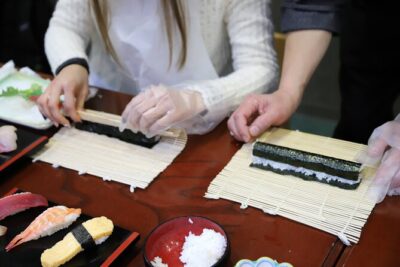
Tsukiji Fish Market Guided Tour and Sushi Making with Pro Chef
Read our review →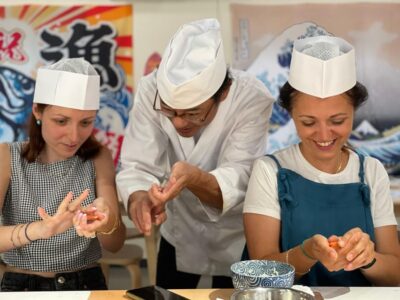
Tsukiji Fish Market Sushi Making Class with Pro Chef
Read our review →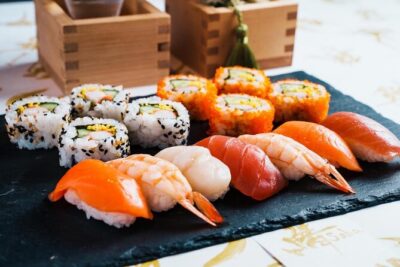
Sushi Making Osaka! Popular Sushi Class in Japan!
Read our review →Browse the lists this tour appears in