
Review · SUSHI COOKING WORKSHOPS
Tokyo Sushi Making Class in Tsukiji with Professional Chef
Fish smells, then sushi skills.
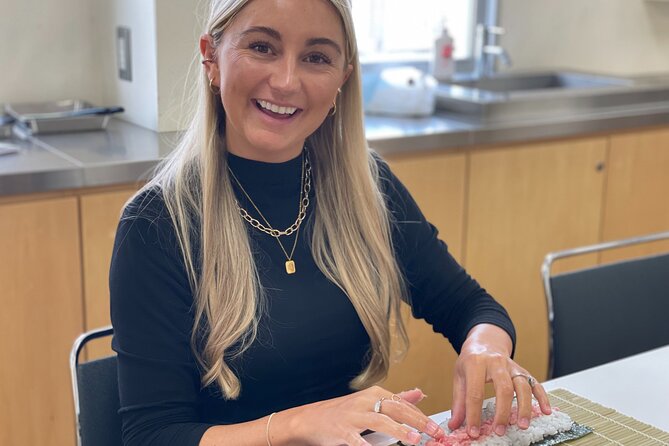
This Tokyo sushi making class in Tsukiji is short, hands-on, and centered on real technique, starting with a pro fish prep show and ending with you eating what you make. I love that you get fresh market ingredients and make 6 pieces of sushi (5 nigiri plus 1 rolled sushi) as your lunch. I also love the clear English support pairing an English speaking host with a sushi master.
One thing to consider: the workshop classroom is on the third floor with only stairs, so plan accordingly.
In This Review
- Key takeaways before you go
- Tsukiji sushi making in 90 minutes: fast, practical, and filling
- Meeting point in Tsukiji, and the third-floor workshop reality
- The market walk: fish market, Jogai market, and Nippon Fish Port
- Fish disassembly demo and Japanese knife talk
- Hands-on sushi time: nigiri technique plus rolled sushi control
- Lunch made by you, with fresh wasabi
- English host plus sushi master: why the team makes or breaks the class
- Price and value: about $50 for skills and a meal, not just a tasting
- Who should book this Tsukiji sushi making class?
- Should you book the Tokyo Sushi Making Class in Tsukiji?
- FAQ
- How long is the sushi making class?
- What is the price per person?
- Where do I meet the group in Tsukiji?
- What time does the tour end?
- What sushi do I make and eat?
- Is the class taught in English?
- Does it include transportation or hotel pickup?
- Are ingredients and utensils provided?
- Do they accommodate dietary needs or allergies?
- Are kosher or halal requests accommodated?
- Is the classroom accessible if I can’t do stairs?
Key takeaways before you go
- A real sushi master teaches you directly, with step by step guidance on nigiri and rolling.
- You leave with lunch you made, using ingredients sourced from the market.
- Fish disassembly and knife talk are part of the class, not just a cooking demo.
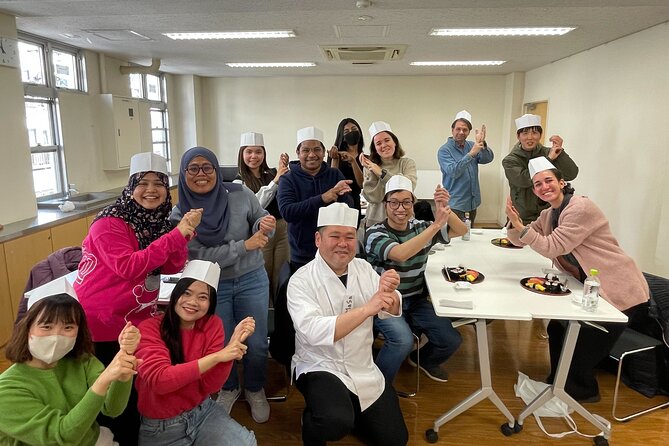
- Small group energy (maximum 20 travelers) keeps things interactive.
- You learn in a traditional setting, in a hidden local building inside the Tsukiji area.
- You get a compact market experience across the Tsukiji Fish Market, Jogai market, and the Nippon Fish Port area.
Tsukiji sushi making in 90 minutes: fast, practical, and filling
This is the kind of Tokyo food activity that respects your schedule. The class runs about 1 hour 30 minutes, so it fits neatly into a busy day without turning into a whole production. For a price around $49.74 per person, you’re paying for more than a taste. You’re paying for technique instruction, market sourced ingredients, and the meal you make under a pro’s supervision.
The value is in the structure. You start with context (fish prep, knives, how sushi is built), then you actually do the work. By the time you sit down to eat, you’re not just consuming sushi, you’re understanding why it tastes the way it does, and how to repeat some of it at home.
There’s also a nice “you can do this” vibe. In the class format, the host handles the English, and the sushi master handles the hands and the standards. Even if you have never rolled a maki before, you’re working with utensils and tableware that are provided for you.
More Market Walks in Tokyo
- Tokyo Tsukiji Fish Market Food and Culture Walking Tour
★ 5.0 · 3,184 reviews - Tokyo: Tsukiji Fish Market Food and Walking tour
★ 5.0 · 1,724 reviews - Tokyo: Tsukiji Fish Market Guided Walking Tour
★ 4.9 · 1,397 reviews
Meeting point in Tsukiji, and the third-floor workshop reality
Your tour starts at 千社額棟4-chōme-16-2 Tsukiji, Chuo City, Tokyo 104-0045, Japan. You make your own way there, and the experience ends back at the same meeting point.
A key practical note: the classroom is on the third floor of a traditional Japanese building and it has only stairs. If stairs are a problem for you, this is worth taking seriously. Also, because it’s a hidden local building in the Tsukiji market area, you’ll want to arrive a little early so you can find it without stress.
You’ll use a mobile ticket. And since it’s near public transportation, you can plan around transit rather than needing hotel pickup. That also helps you keep the day flexible.
The market walk: fish market, Jogai market, and Nippon Fish Port
This experience threads through Tsukiji in a compact way. You’ll visit three areas: Tsukiji Fish Market, Tsukiji Jogai Market, and Tsukiji Nippon Fish Port Market.
Here’s why that matters. Tsukiji is not just a backdrop. It’s the logic behind the class. When the ingredients come from the market, you’re not relying on generic grocery fish or frozen shortcuts. You’re learning sushi in the place where fish is selected and handled with care.
What you’ll experience on the ground is the difference between the scenes inside the fish market world versus the outer, street-level energy of the Jogai area. One stop gives you a sense of the serious sourcing atmosphere. Another helps you understand the everyday flow of vendors and stalls nearby. The course doesn’t turn into a long sightseeing march, but it does give you enough of the surrounding “why” to make the class feel grounded.
Fish disassembly demo and Japanese knife talk
Before you touch rice, you watch a fish preparation show led by the sushi chef. This is one of the most praised parts of the experience because it makes the craft feel real. You learn how the fish is taken apart and what the steps look like before it becomes sushi.
Knife skills are also part of the lesson. The chef explains Japanese knives, which is more useful than it sounds. It helps you understand that sushi isn’t only about taste. It’s about texture, cut precision, and how the fish is treated so it stays clean and pleasant on the tongue.
Even if you’re not planning to buy specialty knives right away, you’ll start noticing things you usually miss when you eat out, like how pieces are trimmed and why certain cuts show up in nigiri versus rolled sushi.
More Sushi Workshops in Tokyo
- Sushi Making Tokyo Roll and Authentic Japanese Sushi Class
★ 5.0 · 3,971 reviews - Tokyo: Roll and Authentic Sushi Making Class in Asakusa
★ 4.9 · 1,957 reviews - Tokyo: Sushi Making Class in a Happi Coat near a Famous Spot
★ 4.9 · 1,377 reviews - Sushi Making Tokyo! Popular Maki Sushi & Japanese Sushi(+Recipe!)
★ 5.0 · 1,314 reviews
Hands-on sushi time: nigiri technique plus rolled sushi control
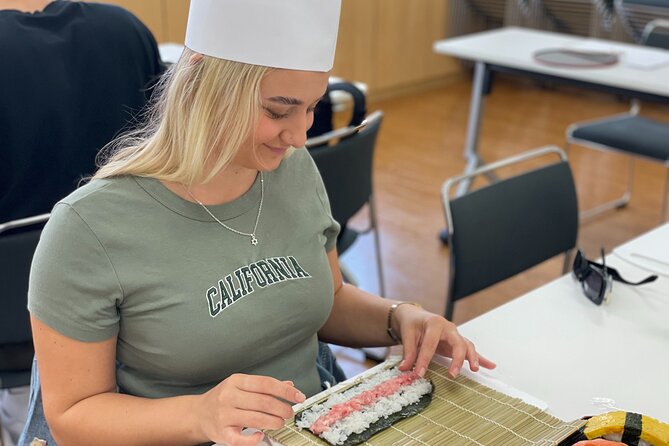
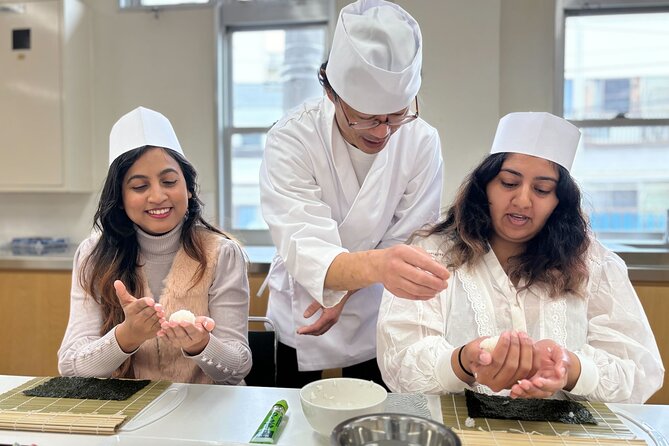
Then comes the fun part, and it’s structured. You make two styles: nigiri sushi and rolled sushi.
You’ll produce a total of 5 different nigiri and 1 rolled sushi. The variety matters because each type asks for slightly different skills. Nigiri is about rice handling and topping placement. Rolling is about even distribution and getting the wrap tight enough to slice neatly.
In class, you get utensil and tableware support from local shops, so you’re not stuck using the wrong tools. The sushi master teaches you step by step, and the English speaking host keeps the instructions clear. Past sessions specifically mention the team’s hands-on help when people try to copy the chef’s technique, so don’t panic if your first attempt looks less perfect than the pro’s.
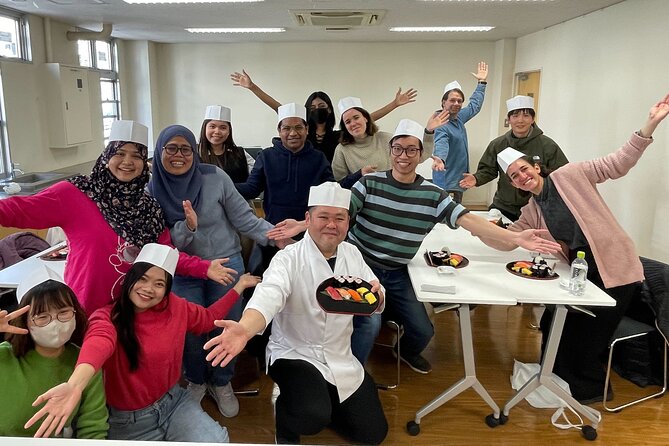
One extra detail I like from this format: while you eat your creations, the sushi master prepares another plate. This isn’t just a wait-and-watch add-on. It’s a reminder that sushi is a practiced, controlled process, and you’re seeing how a pro finishes pieces beyond your own session.
Lunch made by you, with fresh wasabi
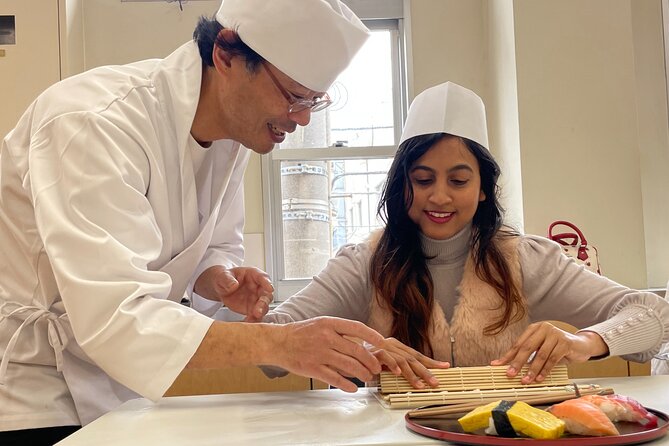
This class includes lunch in the form of your own handmade sushi. That’s a big deal in Japan, where many food tours give you samples but not enough to feel like an actual meal.
The sushi you make is your main course, and it’s served as part of the session rather than something separate you need to hunt down later. You’ll also get the benefit of a chef-made addition, with wasabi prepared fresh by the sushi master. The fresh wasabi detail may sound small, but it often changes the whole flavor profile. It also gives you a clearer benchmark for what “right” tastes like.
And yes, there’s a lot of picture-taking energy. In past classes, people have mentioned taking photos of their finished sushi plates, which is a natural side benefit of having a hands-on result you can actually show.
English host plus sushi master: why the team makes or breaks the class
The experience is led by a friendly English speaking host and a professional sushi master. This pairing is what turns a cooking class into real learning.
I like it when the translation stays with you through the whole process instead of being only a short welcome speech. In the class format, that’s how it works. Past sessions have included guides like Yuko and assistants like Yugo, plus chefs such as Tanaka. Other named guides include Eri, Yoko, Emma, Nao, AJ, and Kanon, and the common thread in their feedback is that the team keeps the lesson understandable, paced, and supportive.
You’ll also see this in the vibe. Several people described the staff as accommodating and encouraging, including helping families with kids who may need more guidance or a calmer rhythm. If you’re nervous about sushi, this kind of instruction turns the fear into a series of small wins.
Price and value: about $50 for skills and a meal, not just a tasting
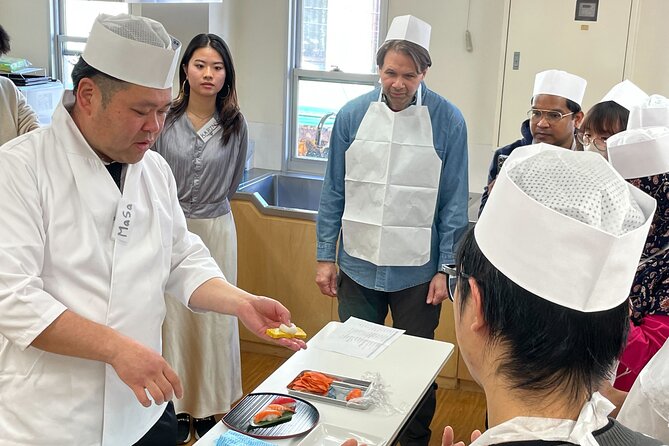
Let’s talk money, because this is priced like a serious activity. At about $49.74 per person, you’re paying for a professional chef, English support, market ingredients, utensils, and an actual lunch portion you make yourself.
If you tried to recreate this at home, you’d quickly hit costs for ingredients plus time plus the learning curve. Here, those pieces are packaged for you. You’re also getting guided technique on sushi rice and handling fish, plus knife and prep context, which is hard to get from a quick restaurant meal.
The one place to compare apples to apples: hotel pickup and drop-off are not included. So if you’re far from Tsukiji, factor in your own transit time and fare. But the location is near public transportation, which keeps it workable.
Who should book this Tsukiji sushi making class?
This fits best if you want a practical Tokyo food lesson and you like hands-on cooking. It’s especially good for:
- Beginner sushi fans who want to learn how nigiri and rolls actually come together.
- Families with kids, since the session is short and interactive, and people have noted it working well with children around elementary and early teen ages.
- Food travelers who care about origins, because the class is tied to Tsukiji market sourcing and fish prep.
It may not be ideal if:
- Stairs are difficult for you due to the third-floor classroom with only stairs.
- You need kosher or halal accommodations, since the experience does not accommodate those requests.
- You have allergies. The team asks you to let them know in advance, but they also note allergy related requests may not be possible. So plan to communicate clearly when booking.
Should you book the Tokyo Sushi Making Class in Tsukiji?
Book it if you want a short, high-satisfaction food experience where you actually learn to make nigiri and roll maki, then eat your work. The best reason is simple: you get market sourced ingredients plus real technique instruction in about 90 minutes, and the team keeps it approachable through English support and hands-on help.
Skip it if stairs are a dealbreaker, if you need kosher or halal options, or if you’re looking for a full market tour instead of a class centered on sushi making. For most people, though, this is a smart way to turn Tsukiji into lunch and skills you can talk about long after the last bite.
FAQ
How long is the sushi making class?
It runs for about 1 hour 30 minutes.
What is the price per person?
The price is $49.74 per person.
Where do I meet the group in Tsukiji?
The meeting point is 千社額棟4-chōme-16-2 Tsukiji, Chuo City, Tokyo 104-0045, Japan.
What time does the tour end?
The activity ends back at the meeting point.
What sushi do I make and eat?
You make 5 different nigiri sushi and 1 rolled sushi, and you also eat the sushi you make as lunch.
Is the class taught in English?
Yes. The experience includes an English speaking host and a professional sushi master.
Does it include transportation or hotel pickup?
No. Hotel pickup and drop-off are not included.
Are ingredients and utensils provided?
Yes. The class provides fresh ingredients and proper utensils, sourced from the market.
Do they accommodate dietary needs or allergies?
You should let them know if you have allergies when you book. They will try to accommodate allergy-related requests, though it may not be possible.
Are kosher or halal requests accommodated?
No. The experience states it does not accommodate kosher requests, and it also does not accommodate halal requests.
Is the classroom accessible if I can’t do stairs?
The classroom is on the third floor with only stairs, so it’s best for people who do not have problems with stairs.
Newly listed around Tokyo
- Tokyo private transfer for Yokohama Port★ 4.5 · 63 reviews
- Luxury Kimono Photoshoot at Ginza Tokyo★ 5.0 · 7 reviews
- Tokyo Allstar Food Tour★ 4.5 · 206 reviews
- Tokyo: Best Ginza Food Tour at 3 Local Eateries★ 5.0 · 83 reviews
- Private One Day Nikko Tour with Bilingual driver★ 3.5 · 11 reviews
- Tokyo Art Aquarium Museum E-Ticket with optional Tokyo Metro Pass★ 5.0 · 17 reviews
- PRIVATE tour in 180SX to Daikoku+++++★ 5.0 · 6 reviews
- Kabuki Talk★ 5.0 · 10 reviews
Sushi Cooking Workshops, compared.
Sushi Making Tokyo Roll and Authentic Japanese Sushi Class
Read our review →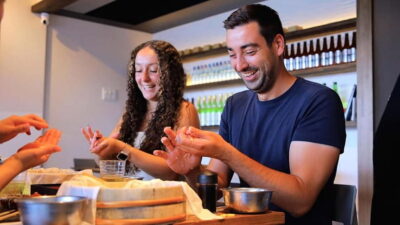
Roll and Authentic Sushi Making Class in Asakusa
Read our review →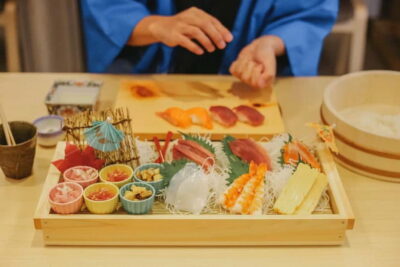
Sushi Making Class in a Happi Coat near a Famous Spot
Read our review →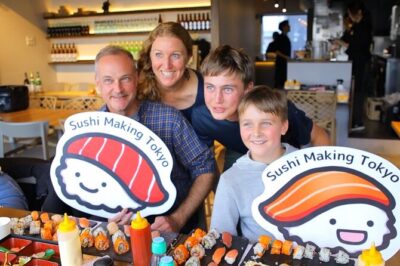
Sushi Making Tokyo! Popular Maki Sushi & Japanese Sushi(+Recipe!)
Read our review →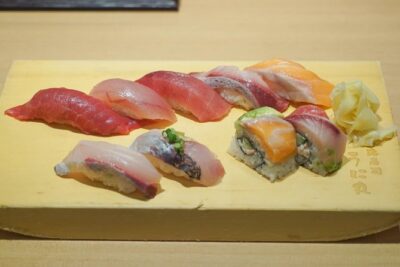
Tokyo Night Foodie Tour in Shinjuku – Seasonal Sushi, Wagyu Beef
Read our review →
Tsukiji Fish Market Guided Tour and Sushi Making with Pro Chef
Read our review →
Tsukiji Fish Market Sushi Making Class with Pro Chef
Read our review →
Sushi Making Osaka! Popular Sushi Class in Japan!
Read our review →Browse the lists this tour appears in