
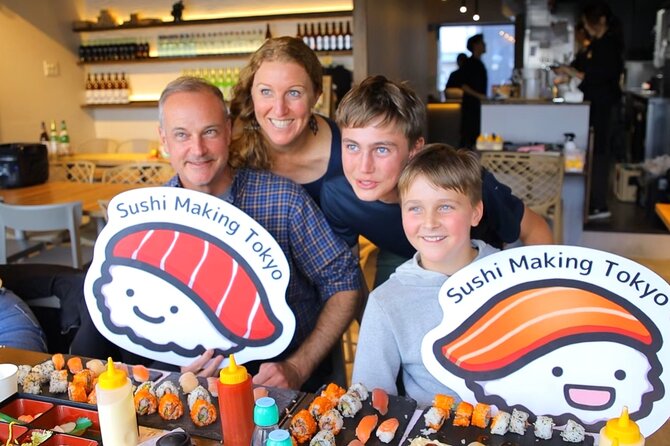
Review · SUSHI COOKING WORKSHOPS
Sushi Making Tokyo! Popular Maki Sushi & Japanese Sushi(+Recipe!)
Sushi gets easier when you build it yourself. This Tokyo cooking class in Asakusa teaches both nigiri and maki sushi, with hands-on practice and English help. It is also a nice way to get inside Japan’s everyday food culture, not just watch it from the sidelines.
I especially like how the workshop turns sushi technique into clear, doable steps, so your rolls and rice shapes do not feel like guesswork. I also love the focus on fresh ingredients and the fact you eat what you make, so the class feels complete.
One possible drawback: the session is only about 1 hour 50 minutes, so you need to arrive ready and pay attention. If you are new to cooking, you might feel a little rushed, even though the instructors break things down.
In This Review
- Key Highlights You Will Care About
- Asakusa Meeting Point and a Tight 1 Hour 50 Minute Plan
- What You Learn: Nigiri as the Foundation, Maki as the Roll Skills
- Nigiri Sushi Workshop: Rice Shape and Topping Basics
- Maki Sushi Workshop: Rolling Rice and Fillings Without the Sticky Drama
- Taste Test Time: A Filling Lunch With Real Ingredients
- The Instructors: English Help, Friendly Energy, and Fixes When Needed
- Is the Group Size Comfortable? What the Max 40 Means in Practice
- Location Value: Why Asakusa Pairs Well With a Sushi Class
- Price and Value Check: When $63.28 Makes Sense
- Who Should Book This Class in Tokyo
- Should You Book Sushi Making Tokyo in Asakusa?
- FAQ
- Where is the sushi making class located?
- How long is the class?
- How much does it cost?
- Is the class taught in English?
- What is included in the price?
- Is hotel pickup or drop-off provided?
- Is the class near public transportation?
- Can I bring a service animal?
- Is there a limit on group size?
- Do dietary options exist, like gluten-free or no raw fish?
- What is the cancellation policy?
Key Highlights You Will Care About
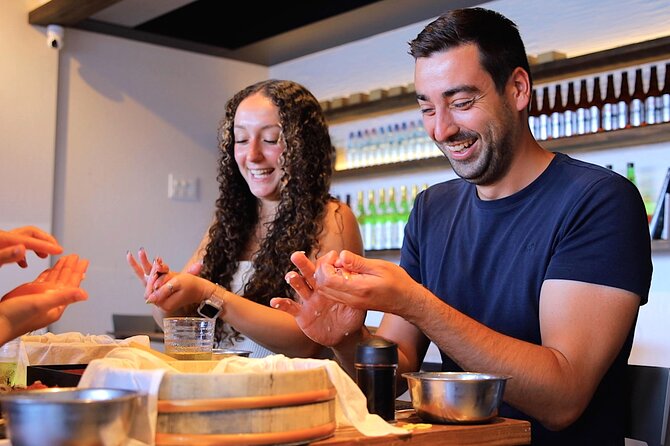
- Nigiri and maki in one class so you learn the two most common sushi styles in Japan
- English-speaking instruction that keeps you moving and helps you fix mistakes fast
- Small, capped group size (max 40), which makes it easier to get individual help
- Fresh ingredients and meal included, so you leave full and satisfied
- Options for different diets, including choices without raw fish and gluten-free accommodations
Asakusa Meeting Point and a Tight 1 Hour 50 Minute Plan
This class takes place in Asakusa, one of Tokyo’s most famous old-school neighborhoods. The meeting address is 2-chōme-1-13 Kaminarimon, Taito City, Tokyo 111-0034. Since there is no hotel pickup, plan to use public transit and walk the last bit with your phone map.
The class lasts about 1 hour 50 minutes and uses a mobile ticket. In real terms, that timing matters because sushi making is hands-on and technical. You do not get an all-day cooking experience here. You get focused practice, then you eat.
The cap is 40 people, and that is a meaningful detail. A group that large can still work, but it also explains why the format feels structured. Expect the instructors to keep things organized so everyone gets time to make sushi, not just watch.
Price-wise, it is $63.28 per person. That sounds like a lot until you break down what you actually get: English instruction, ingredients, and a meal. If you would otherwise pay for sushi plus a cooking experience, this can feel like solid value, especially in a city where food costs add up quickly.
More Sushi Workshops in Tokyo
- Sushi Making Tokyo Roll and Authentic Japanese Sushi Class
★ 5.0 · 3,971 reviews - Tokyo: Roll and Authentic Sushi Making Class in Asakusa
★ 4.9 · 1,957 reviews - Tokyo: Sushi Making Class in a Happi Coat near a Famous Spot
★ 4.9 · 1,377 reviews
What You Learn: Nigiri as the Foundation, Maki as the Roll Skills
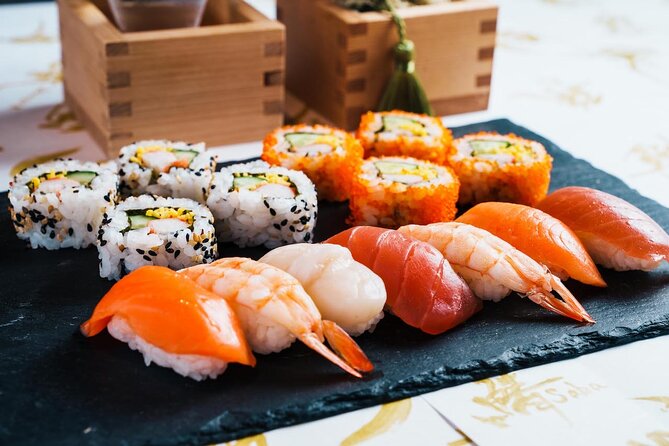
This workshop focuses on two core types of sushi: nigiri and maki. Nigiri is often treated as the standard sushi style in Japan, while maki is the roll sushi that spread widely around the world.
That pairing is smart for beginners. Nigiri teaches you how to handle rice and topping with care. Maki teaches you how to work with seaweed (nori) and roll fillings evenly. If you only did one style, you would still be learning, but you would not get that full “how sushi actually works” picture.
In the class setup, you get step practice for both. Based on the way the instructors describe the process, they break things down so you can replicate the same method again at home. One thing you will notice is that nigiri can feel harder than people expect, because rice shaping needs gentle pressure and confident timing.
Nigiri Sushi Workshop: Rice Shape and Topping Basics
Nigiri is not just about putting fish on rice. It is about consistency, texture, and small technique choices. In a good class, the goal is to make those choices feel repeatable instead of mysterious.
You can expect to work on the core steps for nigiri, then build up confidence through practice. The pacing is designed so you can follow along, and if you get stuck, you should be able to ask for help. Multiple people highlighted that the instructors break down the steps in a way that makes nigiri much more manageable.
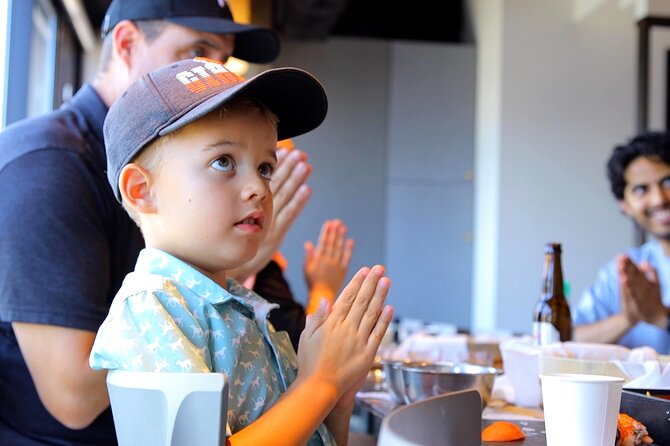
If you are going with kids, this matters even more. One family-friendly detail from the experience: it is structured enough that a ten-year-old could participate and still get quality results. If you have never shaped sushi rice before, that tells you the teaching style is beginner-friendly without being childish.
What about the topping part? The class includes ingredients and a meal, and there are also choices that do not require raw fish. That is useful if you eat fish but do not want raw fish, or if your group includes someone who is cautious.
Maki Sushi Workshop: Rolling Rice and Fillings Without the Sticky Drama
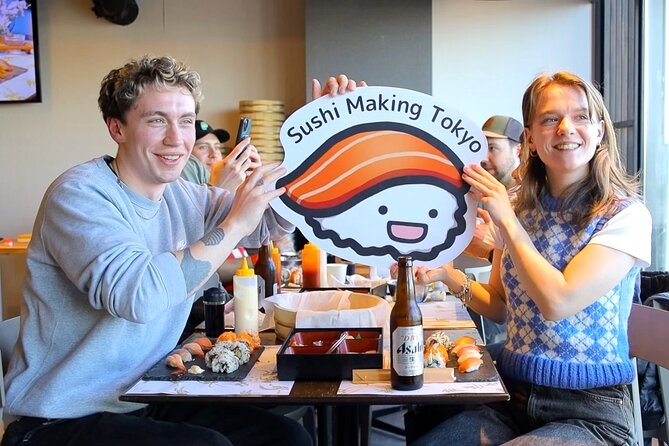
Maki sushi is where a lot of people get curious, because the finished roll looks clean and impressive, yet the process can be messy when you do it wrong. A good maki class focuses on control: rice thickness, even distribution, and a roll that holds its shape.
The instructors teach the roll technique so ingredients are wrapped by rice and formed into a tidy sushi roll. The biggest help is that you are not figuring it out alone. You are doing it with a plan, and you get guidance when you need it.
One practical thing to know before you go: if nigiri surprised you with how technical it is, maki can surprise you too in a different way. Rolling demands patience and hands-on coordination. Your best results come from staying relaxed and following the method in the exact order you are taught.
If you like DIY-style learning, this portion works well. You are not just observing. You are actively shaping and rolling.
A different sort of day in Japan:
- Mt Fuji and Hakone 1-Day Bus Tour Return by Bullet Train
★ 5.0 · 26,383 reviews - 1-Day Tokyo Bus Tour
★ 5.0 · 14,250 reviews - Tokyo: TOKYO SKYTREE® Admission ticket
★ 4.5 · 11,192 reviews - Tokyo: teamLab Planets TOKYO Digital Art Museum Entry Ticket
★ 4.6 · 9,779 reviews
Taste Test Time: A Filling Lunch With Real Ingredients
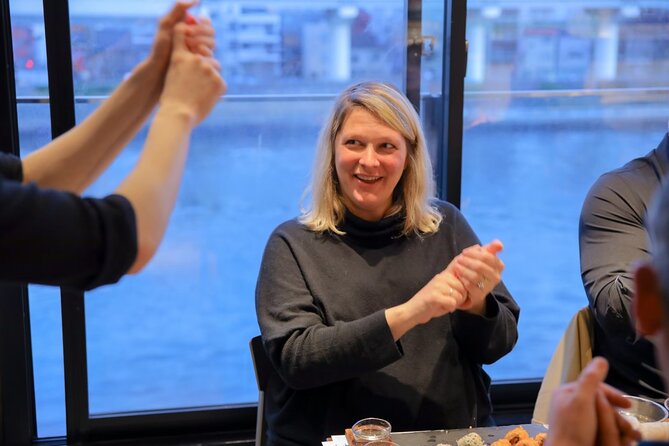
The class includes the meal you make, which changes the whole experience. In some cooking classes, you taste a tiny sample and that is it. Here, you eat what you produced, so it feels like you left Tokyo with something you actually gained, not just photos.
People also highlighted that the ingredients felt super fresh. In sushi, freshness is not a buzzword, it is the difference between “good” and “wow.” Even if you are new to sushi, the ingredient quality is obvious once you try what you made.
You will also appreciate the variety options. There are options without raw fish, and gluten-free accommodations are available. That means you can bring a wider range of eaters and still have a satisfying outcome.
One note on expectations: this is a one-session class, so it is not a long sit-down restaurant meal. But for most people, the portion is enough to be a real lunch, not a snack.
The Instructors: English Help, Friendly Energy, and Fixes When Needed
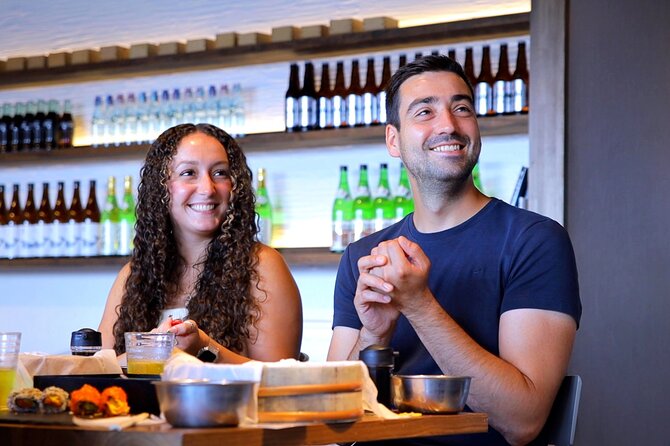
A lot of the success here comes down to the people teaching. You might work with instructors such as Ken, Yuto, Sato, Momo, Kento, or Matti. Across those names, the common thread is clear communication and an upbeat, helpful attitude.
In English classes, pacing can make or break your experience. One helpful tip shared during the class was a request to slow down slightly for clearer comprehension. That tells you the team is listening and cares about whether you can follow what they are saying.
The vibe is also practical. People were pleased by the teaching style, including stand-and-explain moments paired with hands-on time. You are not left floundering, and you get enough structure to make progress in under two hours.
Is the Group Size Comfortable? What the Max 40 Means in Practice
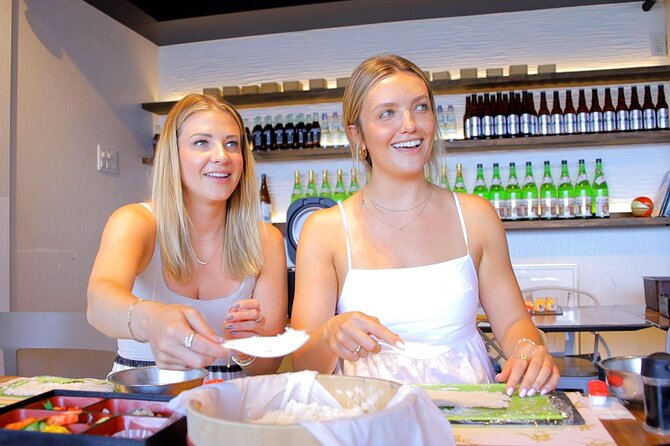
The experience caps at 40 travelers, and that is a big detail for comfort. A class can still feel crowded at 40, but because sushi is hands-on, the format needs room for movement and guidance.
In practice, the instruction style is meant to keep the class feeling interactive rather than lecture-heavy. Several people liked that the class size was small enough to get help when needed. That is the key, not just the number on paper.
If you are the type who wants direct help, this is one of the better formats to choose. If you are very shy in group settings, you may still feel comfortable because the instructors can guide you through steps without putting you on the spot.
Location Value: Why Asakusa Pairs Well With a Sushi Class
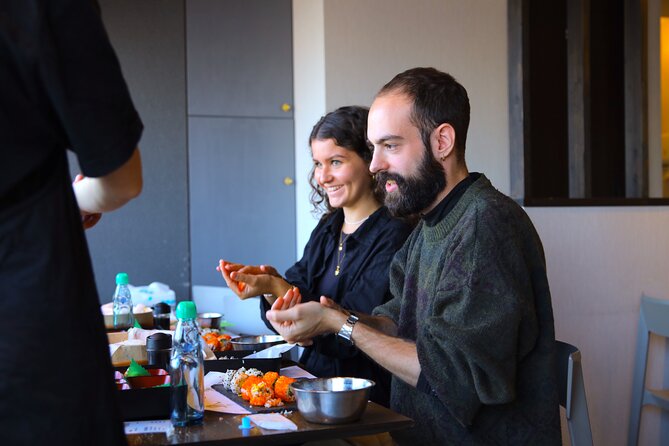
Asakusa is famous, and not just for shopping. It has a strong sense of Tokyo’s past, which makes the whole visit feel more rounded. Doing a sushi class here works because it adds a modern, hands-on Tokyo skill to a neighborhood that already tells you stories with streets and temples.
Also, the logistics are manageable. Since the meeting point is in a central, well-known district and it is near public transportation, you can fit this into a day plan without too much hassle. You just need to budget walking time and arrive a bit early so you can settle in.
If you are doing a classic Tokyo itinerary, this class can be an easy win. It gives you a tangible takeaway skill, and it is not dependent on finding a specific reservation later.
Price and Value Check: When $63.28 Makes Sense
Let’s talk value like a grown-up. $63.28 per person is not “cheap,” but it is not overpriced for what you get in central Tokyo.
You receive:
- English-speaking instruction
- Ingredients for the class
- A meal made from what you produce
When you compare that to paying for sushi plus a separate lesson or workshop elsewhere, this can start to look like good value. The two-hour slot is short, which keeps the cost down. But the hands-on nature makes it feel more like a real experience than a food tasting.
Another smart value point: the class is opened in 2023, and it is designed as a dedicated sushi-making experience, not an improvised side activity. That usually means the workflow is smoother and the lesson plan holds up.
Who Should Book This Class in Tokyo
This class is a strong fit if:
- you want to learn nigiri and maki instead of only one style
- you prefer hands-on learning with clear steps
- you want English instruction
- you are traveling with family and want a structured activity
- you need dietary flexibility, including gluten-free and options without raw fish
It may be less ideal if:
- you want a long, relaxed cooking day with lots of downtime
- you hate timing pressure and do not like brief, structured sessions
- you plan to arrive late and hope it will not matter
Should You Book Sushi Making Tokyo in Asakusa?
I would book this class if you want a practical sushi skill and a real meal, in English, in a place that makes Tokyo feel like Tokyo. The biggest selling points are simple: the teaching structure, the focus on both nigiri and maki, and the fact that you eat what you make with fresh ingredients.
If your group includes someone who avoids raw fish, or needs gluten-free options, this is also a smart choice because the experience supports those needs. And if you are worried about complexity, the step-by-step teaching style is exactly what you want for nigiri, which people often find harder than expected.
If you are deciding between doing this and simply booking dinner, choose this. Dinner satisfies today. This teaches you something you can repeat later.
FAQ
Where is the sushi making class located?
The meeting point is Sushi Making Tokyo No1 Cooking Class in Japan, 2-chōme-1-13 Kaminarimon, Taito City, Tokyo 111-0034, Japan.
How long is the class?
The duration is approximately 1 hour 50 minutes.
How much does it cost?
The price is $63.28 per person.
Is the class taught in English?
Yes. It includes an English-speaking instructor.
What is included in the price?
The included items are the English-speaking instructor, the ingredients of the cooking class, and the meal.
Is hotel pickup or drop-off provided?
No. Hotel pickup and drop-off are not included.
Is the class near public transportation?
Yes. The meeting point is near public transportation.
Can I bring a service animal?
Yes. Service animals are allowed.
Is there a limit on group size?
Yes. The maximum is 40 travelers.
Do dietary options exist, like gluten-free or no raw fish?
The experience includes options that do not have raw fish, and gluten-free accommodations are available.
What is the cancellation policy?
Free cancellation is available up to 24 hours in advance for a full refund.
Newly listed around Tokyo
- Tokyo private transfer for Yokohama Port★ 4.5 · 63 reviews
- Tokyo Allstar Food Tour★ 4.5 · 206 reviews
- Luxury Kimono Photoshoot at Ginza Tokyo★ 5.0 · 7 reviews
- Tokyo Art Aquarium Museum E-Ticket with optional Tokyo Metro Pass★ 5.0 · 17 reviews
- Tokyo: Best Ginza Food Tour at 3 Local Eateries★ 5.0 · 83 reviews
- Private One Day Nikko Tour with Bilingual driver★ 3.5 · 11 reviews
- PRIVATE tour in 180SX to Daikoku+++++★ 5.0 · 6 reviews
- Kabuki Talk★ 5.0 · 10 reviews
Sushi Cooking Workshops, compared.
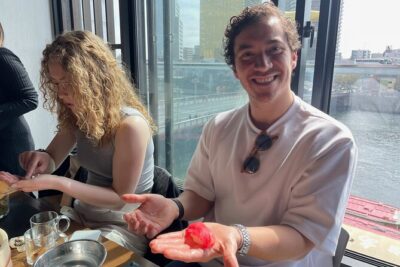
Sushi Making Tokyo Roll and Authentic Japanese Sushi Class
Read our review →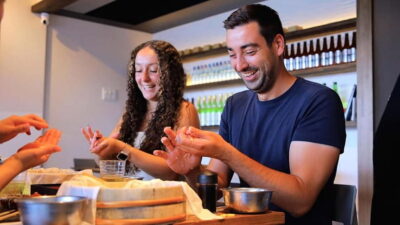
Roll and Authentic Sushi Making Class in Asakusa
Read our review →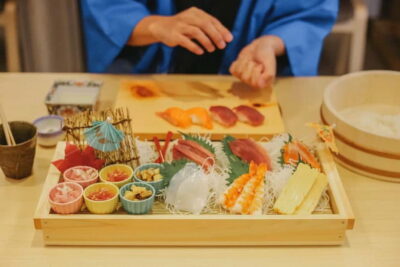
Sushi Making Class in a Happi Coat near a Famous Spot
Read our review →
Tokyo Sushi Making Class in Tsukiji with Professional Chef
Read our review →
Tokyo Night Foodie Tour in Shinjuku – Seasonal Sushi, Wagyu Beef
Read our review →
Tsukiji Fish Market Guided Tour and Sushi Making with Pro Chef
Read our review →
Tsukiji Fish Market Sushi Making Class with Pro Chef
Read our review →
Sushi Making Osaka! Popular Sushi Class in Japan!
Read our review →Browse the lists this tour appears in