
Review · MOUNT FUJI DAY TRIPS
3 Days Tokyo, Mt. Fuji and Hakone Private Tour from Tokyo
Fuji views, Tokyo classics, all in one plan. What makes this trip feel special is the door-to-door private pickup and air-conditioned vehicle, so you spend less time wrangling trains and more time walking the sights at a sane pace. I also like that you can keep the itinerary structured, while still having room to choose how much effort you want, including optional Mount Fuji hiking add-ons.
One thing to plan for: the tour covers transportation, but most major attractions on the route have extra ticket costs and meals are on your own. If you hate budgeting for add-ons, you will want to track the fees early so there are no surprises.
In This Review
- Key things that make this private route worth your time
- Why this Tokyo to Mt. Fuji and Hakone plan works in 3 days
- Price and value: what $1,265 per group really buys
- Day 1 in Tokyo: Tsukiji, Imperial East Gardens, Senso-ji, Skytree, Harajuku
- Tsukiji Fish Market
- East Gardens of the Imperial Palace (Edo Castle ruins)
- Senso-ji Temple in Asakusa
- Tokyo Skytree (ticketed)
- Takeshita Street in Harajuku
- Day 2 at the Fuji Five Lakes: Chureito, Oshino Hakkai, and the lakes that feel different
- Chureito Pagoda viewpoint
- Oshino Hakkai ponds
- Kitaguchi Hongu Fuji Sengen Jinja Shrine
- Lake Kawaguchiko and Oishi Park
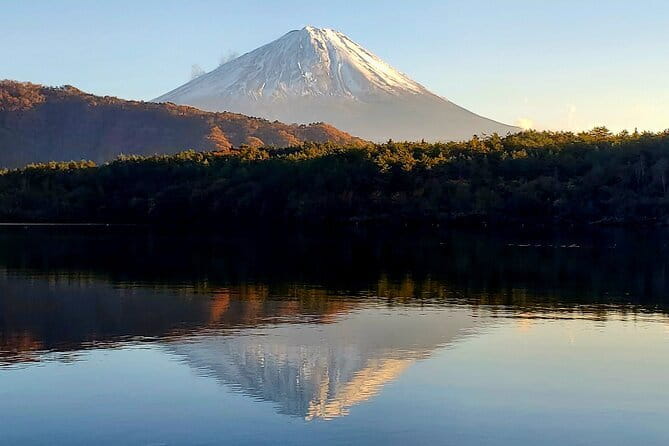
- Saiko Lake for a quieter stop
- Day 3 in Hakone: Lake Ashi, the torii, volcanic Owakudani, and outdoor art
- Lake Ashinoko and Hakone Shrine
- Motohakone and the sightseeing cruise option
- Hakone Ropeway (ticketed)
- Owakudani Valley for volcanic drama
- Hakone Open-Air Museum (ticketed)
- Gotemba Premium Outlets as a practical finish
- What you should budget for on top of the tour price
- How to pace your days so you do not feel rushed
- Should you book this private Tokyo, Mt. Fuji and Hakone tour?
Key things that make this private route worth your time
- Door-to-door pickup in a private vehicle, which is a big deal when Tokyo traffic, parking, and train transfers eat your day.
- Three consecutive day trips that connect Tokyo culture to Fuji scenery and then Hakone hot springs and volcano sights.
- A pace you control, not a strict mass-tour sprint, so you can linger where you care.
- Optional Mount Fuji hikes, meaning you can scale the day up or down depending on weather and energy.
- Multiple Fuji viewpoints, from the famous photo angles to calmer lakes like Saiko.
- A proven private guide setup, including a guide named Ryu who guests praised for punctual, professional help.
Why this Tokyo to Mt. Fuji and Hakone plan works in 3 days
Tokyo can swallow your whole trip if you only plan for the city. This itinerary solves that by chaining Tokyo classics on Day 1, then shifting to Mount Fuji viewpoints on Day 2, and finishing in Hakone on Day 3.
That order matters. Tokyo sites are mostly walk-and-explore, with short admission-free stops mixed with one ticketed skyline view. Then, the Fuji day is built for photos and perspective, moving between the Fuji Five Lakes area. Finally, Hakone adds variety, combining a lake cruise, volcanic scenery, and an outdoor art stop.
The other win is the private-transport format. When you go DIY, you constantly bounce between stations, buses, and timed connections. Here, you get a single ride for the day, plus parking and fuel covered, which makes the route feel smooth even if you are not traveling with a car.
If the goal is a first Japan trip that still feels like you left Tokyo, this three-day structure is a practical way to do it.
More Mount Fuji Day trips in Tokyo:
- Mt Fuji and Hakone 1-Day Bus Tour Return by Bullet Train
★ 5.0 · 26,383 reviews - Mt Fuji & Hakone Cruise, Drum Show Bullet Train 1 Day from Tokyo
★ 4.0 · 7,413 reviews - Tokyo Mt Fuji 5th St & Hakone Cruise Bus Tour w/Bullet Train
★ 4.4 · 5,024 reviews
Price and value: what $1,265 per group really buys
The price is $1,265 per group for up to 5 people. On a per-person basis, the value swings a lot depending on your group size.
- If you have 2 people, you are effectively paying about $632 per person for the full 3 days.
- If you have 5 people, it works out closer to about $253 per person.
What makes it feel worth it for families, friend groups, or small parties is what is included: air-conditioned private transportation, fuel surcharge, and parking fees. Those last two items add up fast when you are moving between Tokyo and the Fuji-Hakone region.
Also, because it is private, you are not fighting for timing with a big bus crowd. You can spend the morning at Tsukiji-style food streets, then choose slower breaks later when the day heats up. For a destination day trip like Hakone, that flexibility is where private tours often earn their keep.
One honest caution: ticket costs for specific sights are not included, and meals are not included. You should expect to pay extra for items like the ropeway and certain cruises, plus the Tokyo Skytree admission.
Day 1 in Tokyo: Tsukiji, Imperial East Gardens, Senso-ji, Skytree, Harajuku
This day is a clean mix of food energy, historic Tokyo, and modern views. The day starts at 8:00 am, which is a smart move because Tokyo crowds and tour lines both build as the morning goes on.
Tsukiji Fish Market
Tsukiji Fish Market is the kind of stop that gives you instant Tokyo context. Even if you are not a hardcore seafood person, you get the sights and sounds of the market world: stalls, busy lanes, and the sense that people come here for serious ingredients.
Plan to keep your expectations realistic. This is not a museum visit where you sit and learn for hours. It is a walk-and-look experience. If you want to buy snacks, you can, but your food budget is still on your own.
A few more Tokyo days to weigh up
- 1-Day Tokyo Bus Tour
★ 5.0 · 14,250 reviews - Tokyo: TOKYO SKYTREE® Admission ticket
★ 4.5 · 11,192 reviews - Tokyo: teamLab Planets TOKYO Digital Art Museum Entry Ticket
★ 4.6 · 9,779 reviews - Tokyo: Sumo Show Experience with Chicken Hot Pot and a Photo
★ 4.8 · 6,678 reviews
East Gardens of the Imperial Palace (Edo Castle ruins)
Next up is a change of pace. The East Gardens of the Imperial Palace preserve space where the Edo Castle once stood. The vibe is calmer, greener, and more spacious than the market.
This is one of the best contrast stops on the route. It helps you reset before the more intense temple-and-shopping areas.
Senso-ji Temple in Asakusa
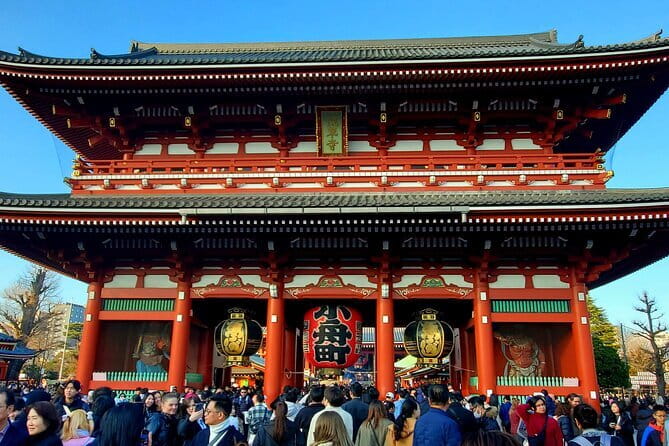
Senso-ji is Tokyo’s iconic temple stop for a reason. You get the classic Asakusa setting and a front-row view of traditional religious architecture in the middle of a very modern city.
Because the tour keeps it to about an hour here, you will want to prioritize what you care about: quick photo angles, the main approach area, and then time to wander slightly off the busiest lines.
Tokyo Skytree (ticketed)
Skytree is where Day 1 turns into a skyline experience. The tower’s views are the point, and that is why the admission fee is not included.
If you go up, try to align with the clearest light you can. Visibility can be hit-or-miss on any given day, so build in the fact that you might just get a gorgeous view even if the far distances are less sharp than you hoped.
Takeshita Street in Harajuku
Finish with Takeshita Street, a pedestrian-only slice of youth fashion and snack culture. It is fun, colorful, and loud in the way only Harajuku can be.
If you do not want max chaos, you can still get the feel of the area without staying too long. Think of it as a social snapshot, not a deep shopping mission.
Day 2 at the Fuji Five Lakes: Chureito, Oshino Hakkai, and the lakes that feel different
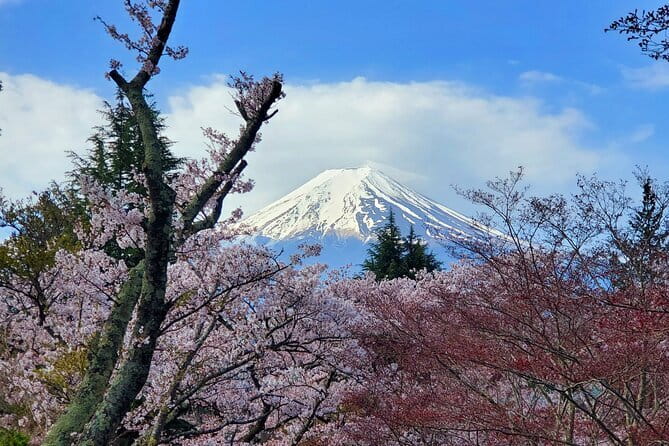
Day 2 is basically a visual theme day: Mount Fuji framed by different lakes and vantage points. It is also the day most sensitive to weather. Clear skies make the difference between a postcard day and a muted one, so keep your flexibility for this day.
Chureito Pagoda viewpoint
Chureito Pagoda is one of the most recognized Fuji-photo spots. It is short, iconic, and built for easy viewing.
Go early in the morning and you tend to get a better rhythm for photos and walking. You also get that moment where Fuji is the star, not just the backdrop.
Oshino Hakkai ponds
Oshino Hakkai gives you a more peaceful tone. These ponds are fed by Mount Fuji water, and the atmosphere is calmer than many of the main Fuji attractions.
It is a great stop when you want something scenic that feels slower. You can walk around, pause for photos, and then move on without feeling like you missed something huge.
Kitaguchi Hongu Fuji Sengen Jinja Shrine
This shrine spot adds spiritual context to the mountain theme. It is dedicated to Konohanasakuya-time, tied to Fuji worship.
Even if you are not big on shrines, the setting is meaningful, and it often feels like a natural pause between viewpoints.
Lake Kawaguchiko and Oishi Park
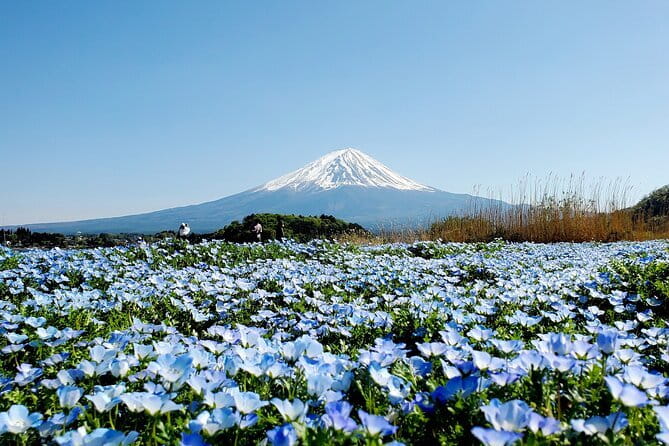
Lake Kawaguchiko is the crown jewel for many visitors because it gives big Fuji views and plenty of scenic access. Oishi Park is a direct extension of that feeling, with seasonal flower charm depending on timing.
If you care about photos, this stretch of the day is where you will likely take the most images. If you prefer a calmer walk, pick one main area to focus on rather than trying to see every spot in a rush.
Saiko Lake for a quieter stop
Saiko Lake is listed as a shorter stop, and that is exactly why it can work well. It tends to feel less pressured than the most famous Fuji stops.
You still get the mountain-and-water scenery, but you are more likely to be able to sit and enjoy it without feeling herded.
Day 3 in Hakone: Lake Ashi, the torii, volcanic Owakudani, and outdoor art
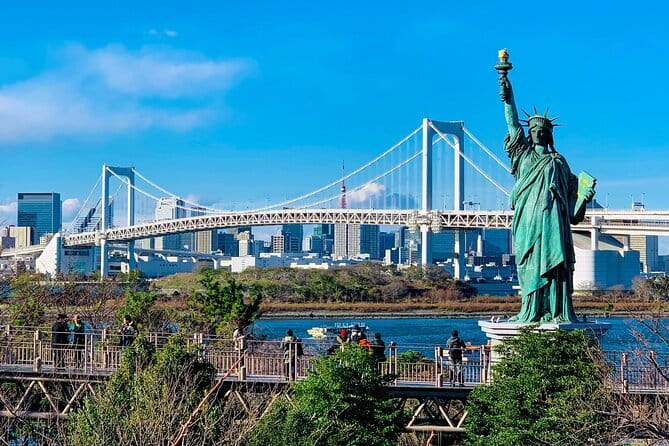
Hakone is where the trip adds mood. You are moving away from city Tokyo into lake views, volcanic steam zones, and hot-spring town energy.
Lake Ashinoko and Hakone Shrine
Lake Ashinoko, also known as Lake Ashi, sets the stage. You get a crater-lake setting with dramatic views on clear days, and the trip builds toward the iconic Hakone Shrine scene.
Hakone Shrine is known for its torii gate sitting in the water. That is the photo moment many people come for, and it is worth planning for because it is visually distinctive.
If the weather is changeable, treat this as a flexible timing stop. Even when skies are less perfect, the lake setting still gives you a great sense of place.
Motohakone and the sightseeing cruise option
Motohakone is a charming base area for exploring Hakone. It is a practical stop because it breaks up the day before the more ticket-heavy parts.
The sightseeing cruise is referenced as an option with a per-person fee. If you like slow scenic time, this is one of the more relaxing ways to see the lake area instead of just transferring between points.
Hakone Ropeway (ticketed)
The Hakone Ropeway is the big-ticket aerial ride on Day 3. The view is the whole point, and that is why it is not included in the tour price.
If you have motion sickness, ropeway and cable options are something to consider carefully. Bring a basic plan: water, snacks if you need them, and a quick decision on whether you feel good enough for the ride.
Owakudani Valley for volcanic drama
Owakudani Valley is where the scenery turns dramatic. You are looking at a volcanic valley formed by a major eruption long ago, with landscapes that look otherworldly.
This is the stop I’d think of as your reality check. Japan can feel polished and orderly all day, and then Owakudani gives you a reminder that the country is still shaped by active geology.
Hakone Open-Air Museum (ticketed)
The Hakone Open-Air Museum is a different kind of stop. It combines art with outdoor grounds, so you are not stuck in a single room.
If you like walking around in a pleasant setting, it is a good pairing with Hakone’s natural vibe. If you are short on time, treat it as a choose-your-own-depth stop since it is ticketed and not included.
Gotemba Premium Outlets as a practical finish
Finally, Gotemba Premium Outlets gives you a downshift. It is a large outlet mall near Mount Fuji’s base, and it is handy if you want to shop on the way back without turning your day into a scavenger hunt.
If shopping is not your thing, you can treat this as optional time and focus more on people-watching and quick browsing.
What you should budget for on top of the tour price
Even though the transport part is covered, you will likely pay for several attractions. Here are the listed non-included items you should plan around.
- Tokyo Skytree admission: listed at 3,800 yen per person.
- Hakone Ropeway: listed at 1,500 yen per person.
- Activities on the lake: speed boat 2,000 yen per person, cruise ships 1,200 yen.
- Hakone Open-Air Museum: marked as not included.
Meals and snacks are also not included. That means you have freedom, but you should also expect the day-to-day food cost to vary based on how you eat.
Practical tip: carry a card if you can, but also keep some cash on hand for smaller local purchases. Japan is good about cards in many places, but the Fuji-Hakone route includes lots of small, quick decisions where cash helps.
How to pace your days so you do not feel rushed
Because this is private, you will notice the difference right away. You do not have to constantly check transfer times or wonder where your group is headed next.
Still, you want a smart game plan so you do not stack too much in your own head.
Start early, especially on Day 2. The Fuji day depends on weather, and early light often helps for both photos and comfort.
Wear comfortable shoes. You have a lot of walking across different zones, plus standing time for views. Also, plan for changing temperatures. Tokyo can feel one way, and the Fuji-Hakone region can feel cooler or cloudier.
Most importantly, use the private setup to match your energy level. If you want photo time at a viewpoint, take it. If you would rather spend more time relaxing by a lake, you can usually do that without the pressure of a big-group clock.
Should you book this private Tokyo, Mt. Fuji and Hakone tour?
I think this is a strong choice if you want a first-time-friendly route that still feels personal. The door-to-door transport, private pace, and three-day structure make it easier than DIY while still giving you variety.
You should also book if you enjoy classic Tokyo sights and want Fuji and Hakone without spending your entire trip planning train connections. A group of up to five is the sweet spot for value, since the price spreads out.
I would hesitate if you dislike paying extra for tickets and you want meals fully handled. Since Skytree, the ropeway, and museum time can add up, you should go in with a budget mindset.
If you pick the right group size and you are good with flexible weather, this trip is a practical way to see a lot of Japan in only three days.
Newly listed around Tokyo
- Private Tokyo Food Tour – A Journey Through Time Through Food★ 5.0 · 36 reviews
- Private Tokyo Tour with Licensed Guide & Vehicle (Max 15 persons)★ 5.0 · 107 reviews
- Private Tokyo Custom Full-Day Tour by Chartered Vehicle★ 5.0 · 16 reviews
- Private Tokyo Custom Half-Day Tour by Chartered Vehicle★ 4.5 · 13 reviews
- Private Outstanding Nikko Tour with English Speaking Driver★ 4.0 · 11 reviews
- Private Sightseeing to Mt Fuji and Hakone with English Driver★ 5.0 · 51 reviews
- Private Snow Monkeys park Day Trip From Tokyo or Nagano★ 4.5 · 26 reviews
- 4 Day Tour – Mount. Fuji, Tokyo, Hakone, Kamakura and Yokohama★ 5.0 · 19 reviews
Mount Fuji Day Trips, compared.
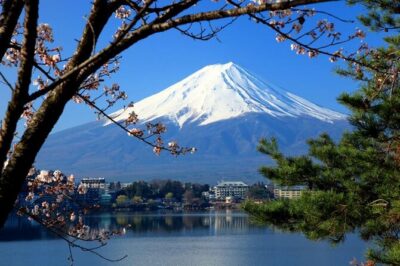
Mt Fuji and Hakone 1-Day Bus Tour Return by Bullet Train
Read our review →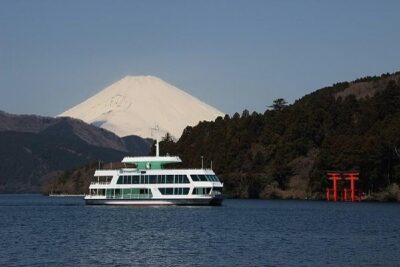
Mt Fuji & Hakone Cruise, Drum Show Bullet Train 1 Day from Tokyo
Read our review →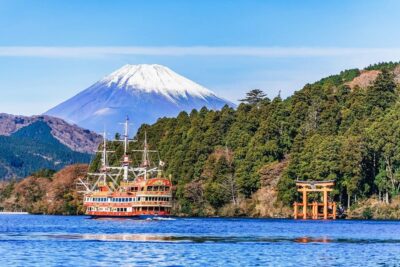
Tokyo Mt Fuji 5th St & Hakone Cruise Bus Tour w/Bullet Train
Read our review →
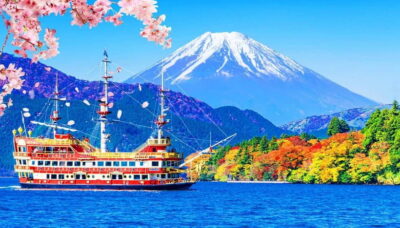
Mt. Fuji Tour, Hakone Ropeway, Owakudani, Lake Ashi
Read our review →
Mt.Fuji,Kawaguchiko Oishi Park,Arakurayama Sengen Park
Read our review →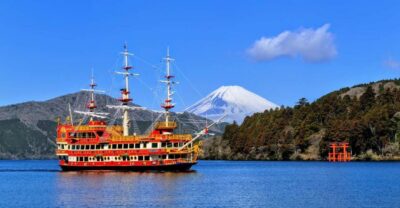
Mt. Fuji 5th Station & Hakone Cruise 1-Day Bus Tour
Read our review →
Mt Fuji Top 5 Spots Day Tour: Arakurayama Park,Oshino Hakkai
Read our review →Browse the lists this tour appears in