
Review · CYCLING & E-BIKE RIDES
Afternoon Adventure: Okinawa Local Cycling with Spectacular Views
Naha changes fast once you’re on two wheels. This 3.5 hour cycling adventure pairs everyday city life with big Okinawan history, all in a route that many standard tours skip. You’ll start near Makishi Monorail, roll through old neighborhoods, and finish with a panoramic photo stop.
I especially like how the tour mixes practical riding with story-based stops, and I like the small group size. In past departures, guides like Aki, Tony, Maki, and Jojo have been praised for keeping things fun and moving at a rider-friendly pace.
One thing to plan for: this experience needs good weather. If rain chances run high or conditions get severe, the plan may shift and you’ll be contacted in advance.
In This Review
- Quick Hits: What Makes This Naha E-Bike Ride a Hit
- Getting Started Near Makishi Monorail and e-CHARIty Naha Kokusai Street
- e-CHARIty Naha Kokusai Street to Tsuboya Yachimun Dori: From Main Drag to Pottery Roots
- Asato Shotengai Pass-By and Old Neighborhood Lanes: Seeing Okinawa in Motion
- Shrikinjocho Stone-Path Road and Shuri Castle Town: Cobblestones, Temples, and Pedal-Pace History
- Shurijo Castle Park and Shureimon Gate Views: A Photo-Friendly Stretch Without Rush
- Shurisakiyamacho Viewpoint for a Panoramic Naha City Moment
- The E-Bike Factor: Why This Route Feels Easy Even With Hills
- Price and Value: What $99.10 Buys You in Real Time
- Who This Okinawa Cycling Tour Suits Best (And Who Might Want Another Option)
- Tips to Get the Most Out of Your 3 to 3.5 Hour Ride
- Should You Book This Naha E-Bike Adventure?
- FAQ
- How long is the Okinawa local cycling tour in Naha?
- Where do we meet and where does the tour end?
- What’s included in the tour price?
- Are camera mounts or a phone holder provided?
- Is the tour suitable for most travelers?
- What happens if the weather is bad?
- How big are the groups?
Quick Hits: What Makes This Naha E-Bike Ride a Hit
- Small group ride (max 5), so you’re not stuck just following a crowd.
- E-bikes make hills manageable, especially on the way toward the Shuri area.
- Helmet setup supports communication, with some helmets including microphones for riding coordination.
- Pottery history on Tsuboya Yachimun Dori, a street tied to Ryukyu-era kiln consolidation.
- Shuri Castle town lanes and stone-path streets, built for slow viewing as you pedal.
- A guided viewpoint in Shurisakiyamacho, timed for easy photo opportunities over Naha City.
Getting Started Near Makishi Monorail and e-CHARIty Naha Kokusai Street
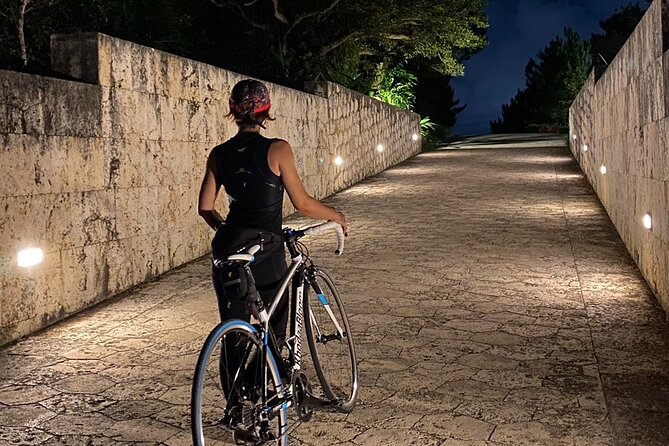
The meeting point is in central Naha at 3-chōme-13-20 Makishi, and it’s close to Makishi Monorail station. The shop is basically a short walk away, so you avoid the usual “now where is this place” stress. Once you arrive, you pick up your bike and get a quick safety briefing so everyone can ride confidently.
This is a smart start for two reasons. First, you’re not learning gear and handling on the fly. Second, the pacing is designed for a mixed group, including people who are not regular cyclists. Many riders mention how easy the e-bike feels when routes turn uphill, and that matters here because you’re heading toward the Shuri side of the city.
Practical tip: since camera mounts and a phone holder are not included, plan to secure your phone some other way if you like photos while moving. If you rely on two hands, you’ll likely do most photos during stop time at viewpoints and streetside breaks.
More Bike rides in Naha:
- Naha: Guided E-Bike Tour of the 12 Zodiac Temples
★ 4.9 · 50 reviews - Okinawa: Afternoon Cycling Tour with Local Guide
★ 4.8 · 39 reviews - Shuri+Naha: Cycling Tour Explore Water Heritage with E-Bike
★ 4.9 · 22 reviews
e-CHARIty Naha Kokusai Street to Tsuboya Yachimun Dori: From Main Drag to Pottery Roots
Stop 1 is e-CHARIty Naha Kokusai Street, where you start with the bike handoff and a short briefing. It’s also the moment to check your bike fit. A quick fit adjustment can save your back later, especially on a 3 to 3.5 hour route with multiple turns and changes in surface.
From there, you move to Stop 2: Tsuboya Yachimun Dori. The name matters. Yachimun means pottery in Okinawan, and the area connects to a Ryukyu Kingdom decision from about 300 years ago, when scattered kilns were gathered into one district. That’s a big idea for a small street: it’s not just a shopping row, it’s a map of how Okinawa organized craft production.
What I like about this stop is the payoff. Even if you’re not buying anything, you learn how an everyday product like pottery has a “why” behind it. Guides have been praised for sharing detailed context without turning the ride into a lecture. And the stop duration is short enough that you don’t lose the momentum of the ride.
Possible drawback: pottery streets can tempt you to linger. If you’re the type who gets lost in shop browsing, you’ll want to keep one eye on the guide timing so you don’t compress later stops.
Asato Shotengai Pass-By and Old Neighborhood Lanes: Seeing Okinawa in Motion
After Tsuboya, you’ll pass through the vicinity of Asato Shotengai. Historically, it was known as a red-light district, and in the evening it turns lively with izakayas and places to eat. Even though you’re riding during daytime, it’s a useful reminder that Naha’s “scene” changes by hour, not just by district.
You also ride through local areas where a few traditional houses remain. This is the kind of segment that makes the tour feel like a day in Okinawa rather than a checklist. On a bike, you notice textures, street scale, and how people move from home to store. You also get the rhythm of side streets without the effort of finding parking or navigating alone.
Here’s the tradeoff: pass-by segments are not long stops. If you want to go inside shops or spend extra time photographing specific facades, you’ll need to do that on your own after the tour or during short viewing windows.
Shrikinjocho Stone-Path Road and Shuri Castle Town: Cobblestones, Temples, and Pedal-Pace History
Stop 3 is Shrikinjocho Stone-Path Road, and this is where the tour tilts hard toward history. You’ll explore the Shuri Castle town area, which served as the capital of the Ryukyu Kingdom. The route emphasizes cobblestones, temples, and sacred shrines, so you get a feel for how the royal city worked as a physical place, not just a name on a sign.
A big win here is how the guide style seems to fit the space. Several guides on past departures have been praised for being friendly, for answering questions, and for sharing facts in a way that helps you connect what you see. That matters on a street full of details. If you know what you’re looking at, the same stone pathway becomes more than a nice walk.
What to expect in practice: you’re not doing a long hike. You’re riding and moving through zones where you can slow down. You’ll also likely appreciate the e-bike again, because you can save your legs for the parts where you actually want to get off and look closer.
One consideration: stone-path areas can be uneven or textured. Slow turns and cautious balance help. The safety briefing at the start is there for a reason.
A few more Naha days to weigh up
- Hidden Kyoto E-Biking tour
★ 5.0 · 1,843 reviews - Tokyo Guided Small-Group Biking Tour
★ 5.0 · 1,250 reviews - Bike Tour Exploring North Kyoto plus Lunch
★ 5.0 · 1,087 reviews - Tokyo Great Cycling Tour
★ 5.0 · 811 reviews
Shurijo Castle Park and Shureimon Gate Views: A Photo-Friendly Stretch Without Rush

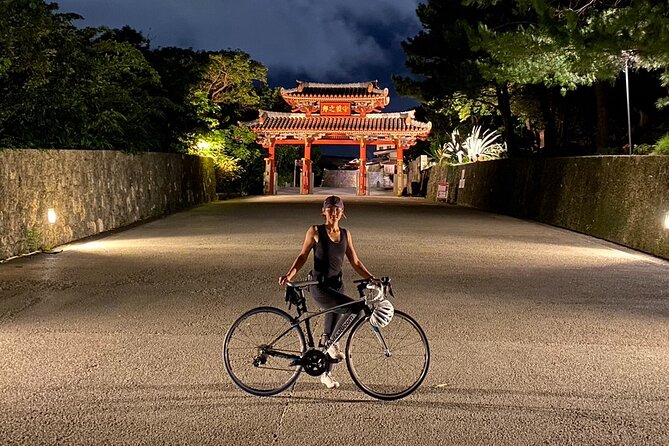
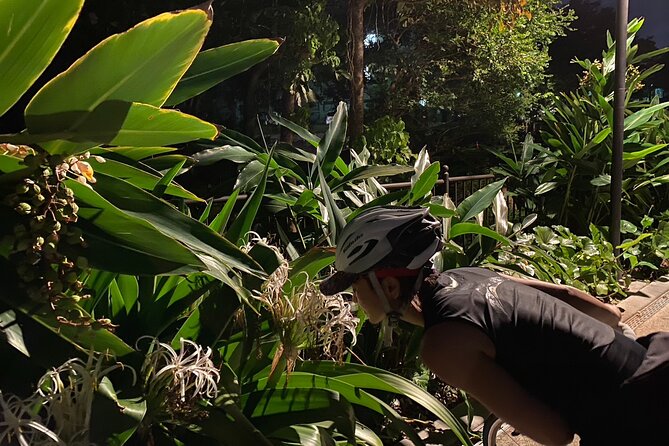
Stop 4 is Shurijo Castle Park. You’ll leisurely pass through the park and enjoy the seasonal plant beauty, plus photogenic features like illuminated stone walls and the Shureimon gate area. The tour description also points out that the views are especially nice for photos.
This stop works well because it’s paced for “look and breathe,” not “cover everything.” On a bike tour, that balance is everything. Too much speed kills the charm. Here, the route aims to give you a relaxed feel as you move through the park.
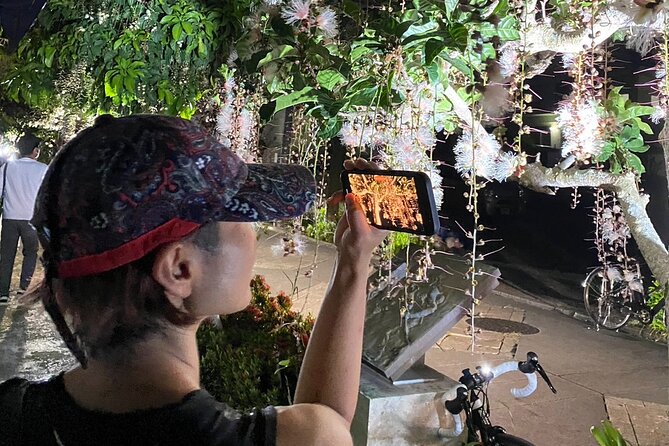
If you’re a photographer, this is a good segment for planning your shots. Take a few from the ride, then use stop time for tripod-less framing. If you prefer handheld photos, consider protecting your phone from bumps since you may not have a phone mount.
Possible drawback: if you arrive without flexible expectations, a “leisurely pass through” can feel short. It’s built into a broader 3 to 3.5 hour format, so save your long exploration for a separate visit if you want deeper indoor time.
Shurisakiyamacho Viewpoint for a Panoramic Naha City Moment

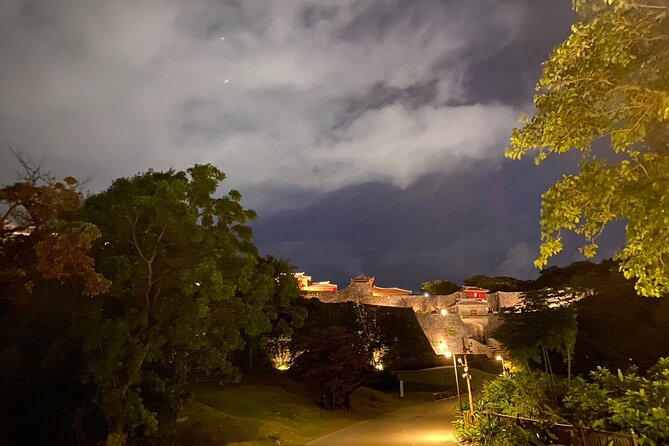
Stop 5 is Shurisakiyamacho, where the guide takes you to a stunning viewpoint for panoramic views of Naha City. It’s 20 minutes, so think of it as a focused photo window plus some time to just look out.
This is one of the most practical parts of the tour. Most people spend time near the coastline or in central shopping districts. This viewpoint gives you the city from above, which helps you connect the dots between what you saw earlier and where you are now.
If you’re going in the late day, the viewpoint can also be a natural moment to catch softer light. Bring a layer even if it’s warm at the start. The tour notes suggest packing something for cooler evening weather.
The E-Bike Factor: Why This Route Feels Easy Even With Hills
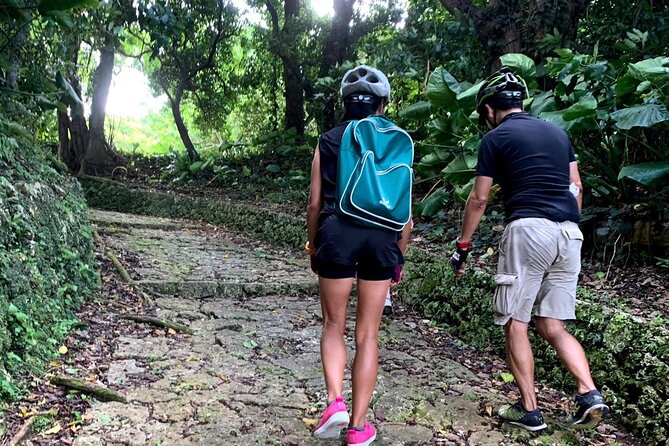
The ride is 3 hours to about 3.5 hours, with multiple stops and return. That length is perfect for first-time visitors who want history and local neighborhoods without spending your whole day commuting by bus or taxi.
The e-bike setup changes the math. On steeper sections toward Shuri, riders have specifically called out how the power assist helps a lot, especially for less experienced cyclists. That means you can keep a steady cadence rather than grinding on hills.
Also, some helmets come with microphones. That turns group riding from “everyone stays near each other” into a more coordinated experience. It helps you hear directions and timing cues without constantly looking over your shoulder.
If you’re bringing your own rhythm, it helps to remember this is a guided route. You’ll want to ride smoothly, keep a reasonable gap, and let the guide choose the turns so the group stays together.
Price and Value: What $99.10 Buys You in Real Time
At $99.10 per person, this tour isn’t a budget “just rent a bike” deal. You’re paying for two things that matter more than most people expect: guidance and route design.
First, you’re not just moving through space. You’re getting context at each stop, from pottery origins in Tsuboya to how Shuri Castle town connects to the Ryukyu Kingdom. Second, you’re getting a route that links neighborhoods, historic streets, and viewpoints in a single block, so you don’t waste time figuring out how to string it all together on your own.
The small group size also supports value. With a maximum of 5 travelers, the guide can answer questions without the whole thing becoming a bottleneck. In past tours, guides have been singled out for friendliness and for keeping things safe while still letting the ride feel fun.
If you like active travel but you also like learning, this price starts to make sense fast. If you only want a casual bike loop with no storytelling, you might find cheaper ways to rent. But for a structured route with history stops and viewpoints, this is a solid use of half a day.
Who This Okinawa Cycling Tour Suits Best (And Who Might Want Another Option)
This is a great fit if you want to see both local life and major historic areas without over-planning your day. It’s also ideal if you’re trying to balance energy levels, because the e-bike reduces the “I’m tired” factor even when the route gets hilly.
It also suits solo travelers. Past ride groups have included solo participants, and guides have been praised for patient communication and for making the ride feel comfortable.
Here’s who might consider something else. If you want long, in-depth walking time at each historic site, this tour’s stop durations are likely too short. It’s designed for movement and context, not for being your only visit to Shuri.
Tips to Get the Most Out of Your 3 to 3.5 Hour Ride
- Wear comfortable shoes you can walk in. Stone-path and cobblestone areas reward sturdier footing.
- Bring a light layer for later. The tour explicitly suggests you pack something for cooler evening temps.
- Expect fewer “shop browsing” moments than you might want. The stops are timed for riding flow.
- Plan phone handling before you go. No mobile phone holder is provided.
- Listen early during the briefing. Those first safety cues make every stop smoother later.
- If the weather looks questionable, still choose smart expectations. The tour notes say heavy precipitation or severe weather can trigger plan changes and you’ll be contacted in advance.
Should You Book This Naha E-Bike Adventure?
I’d book this if you want a half-day plan that feels local, not touristy. The combination of short stop sightseeing, guided context, and an e-bike that keeps hills from turning into a chore is a rare sweet spot.
I also like that it’s small group focused. You get the benefits of a guided route without feeling trapped in a big tour machine.
Skip it if you’re chasing lots of indoor time or long site walks. This ride is for people who like to move, look, ask questions, and then keep the day going.
If you want an easy way to connect Naha’s everyday streets with the Shuri Castle area, this is a strong pick. And if you’re on the fence about riding uphill, the e-bike factor should help you relax and enjoy the route.
FAQ
How long is the Okinawa local cycling tour in Naha?
It runs about 3 hours to 3 hours 30 minutes.
Where do we meet and where does the tour end?
You meet at 3-chōme-13-20 Makishi, Naha, and the tour ends back at the meeting point.
What’s included in the tour price?
Bike rental, use of a bicycle, a cycling helmet (with installation), and a cycling guide are included.
Are camera mounts or a phone holder provided?
No. Camera mounts and a mobile phone holder are not included.
Is the tour suitable for most travelers?
Yes, most travelers can participate.
What happens if the weather is bad?
The tour requires good weather. If precipitation probability is above 70% or weather is severe, the plan may change and you will be contacted the day before. If canceled due to poor weather, you’ll be offered a different date or a full refund.
How big are the groups?
The tour has a maximum of 5 travelers.
Newly listed around Naha
- Okinawa HIP-HOP BUS B – 1 Course Tour (Okinawa Churaumi Aquarium)★ 5.0 · 66 reviews
- Explore Okinawa (Naha, Churaumi Aquarium) using Private Hiace Van★ 4.0 · 10 reviews
- Okinawa HIP-HOP BUS A Course Tour | Churaumi Aqualium,Kori Island★ 4.5 · 51 reviews
- Walking around town in a kimono, you can choose your favorite kimono from the traditional Okinawan costumes “Ryuso”, “Kimono”, “Yukata” 《Hairset & Lipstick & Kimono & Rental Fee》All Comic Book★ 4.5 · 14 reviews
- Shuri+Naha: Cycling Tour Explore Water Heritage with E-Bike★ 4.9 · 22 reviews
- Original Street Kart Experience in Naha, Okinawa★ 4.9 · 39 reviews
- Okinawa:Naha:Kerama Island Experience 1Dive and Snorkeling★ 4.4 · 99 reviews
- Okinawa: Naha: 1 day Kerama Islands diving‣ license required★ 3.9 · 20 reviews
Cycling & E-Bike Rides, compared.



3h Tokyo E-Bike Tour: Hidden Gems, and Local Life with guide
Read our review →
Arashiyama Bamboo Forest & Hidden Gems Bike Tour (Early Bird)
Read our review →
5 Top Highlights of Kyoto Full Day Bike Tour (E-bike option)
Read our review →

Hiroshima 2hr Peace Cycling Tour with Local Guide
Read our review →Browse the lists this tour appears in