
Review · SUMO STABLE VISITS
Authentic Sumo Experience in Tokyo: Enter the Sanctuary
Sumo feels closed off, until you step inside a stable. This experience in Kawasaki lets you see how wrestlers live, then watch morning practice right by the ring, and end with a proper chanko-nabe lunch plus a chance to learn moves from a retired sumo wrestler.
I love the real-stable tour part, especially getting to see the dining room, bath, and practice space instead of only watching from far away. I also love how much interaction you get, including practicing movements yourself and eating together at a table used in the sumo room. One thing to consider: the training portion is hands-on, so if you want purely passive sightseeing, this may feel a bit more active than you planned.
In This Review
- Key takeaways
- Why This Sumo Stable Tour Beats a Typical Match Day
- Meeting at Shin-Kawasaki Station and Getting Your Bearings Fast
- Inside the Stable: Dining Room, Bath, and Practice Area
- Morning Practice Up Close by the Ring
- Chanko-Nabe Lunch, Made Together at the Sumo Table
- Learning Sumo Moves From a Retired Rikishi
- Price and Value: What $171.12 Really Buys You
- Small Group Size and the Human Touch
- What to Bring, What to Wear, and How to Stay Comfortable
- Who This Sumo Experience Is Best For
- Should You Book This Authentic Sumo Experience in Tokyo Area?
- FAQ
- Where is the tour located?
- How long is the experience?
- What time does the tour start?
- Is lunch included?
- What is included in addition to the sumo experience?
- How big is the group?
- Can I bring large luggage like a suitcase?
- What if I have dietary requests or allergies?
- What is the policy if I cancel or I am late?
Key takeaways
A real stable visit in Kawasaki with a behind-the-scenes tour of wrestler daily spaces
Morning practice from ring-side when you can actually see the work up close
Chanko-nabe lunch included and made with chicken dumplings, served together
Learn sumo basics from a retired rikishi not just a demo from the sidelines
Small group size (up to 15) keeps it personal and easier to participate
Why This Sumo Stable Tour Beats a Typical Match Day
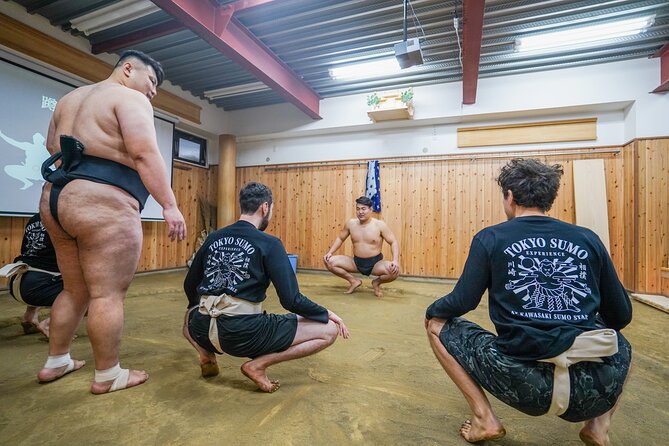
If you only see sumo in a stadium, you get the spectacle. This tour gives you the routine behind it. You start with context, then move through the stable like you’re being shown around by someone who actually belongs to the world of sumo.
The best part for me is that you’re not stuck outside the story. You get inside the spaces that most people never see: the dining room where meals happen, the bath area that supports the grueling schedule, and the practice zone where skills get drilled.
Also, the pacing makes sense. You get watching time, then you get doing time, then you get eating time. It’s a full arc, not a rushed photo sprint.
Compare these Sumo Stable visits in Yokohama:
- Tokyo: Authentic Sumo Wrestling Experience with Lunch
★ 4.9 · 88 reviews - Tokyo: Sumo Show Experience with Chicken Hot Pot and a Photo
★ 4.8 · 6,678 reviews - Tokyo: Sumo Show and Dining Experience
★ 4.8 · 2,742 reviews
Meeting at Shin-Kawasaki Station and Getting Your Bearings Fast
You meet at Shin-Kawasaki Station. From there, you head to the stable used officially until 2022. That date detail matters because it signals you’re not visiting some random museum-style set. You’re seeing a working-style environment that still feels tied to real training culture.
This is also where your guide sets expectations. You get a clear explanation of sumo life and tradition before you walk into the spaces. In past groups, guides like Charlie, Jim, and Lily were praised for being friendly, funny, and good with English, with some using visual aids to keep history lessons clear. Expect commentary throughout, plus tour photos taken during the experience.
One practical note: the tour starts on time, and being late can cut you off from the group. If you’re coming by train, plan buffer time so you don’t get stressed right at the start.
Inside the Stable: Dining Room, Bath, and Practice Area
Once you arrive, you get the room tour. This is where the experience becomes more than sport talk. You’ll see how sumo culture organizes everyday life around training and routine.
Here’s what you’re looking for while you tour:
- Dining room habits: This is where chanko culture makes sense. Sumo isn’t just about wrestling, it’s about fueling that training body.
- The bath area: Recovery is part of the job. Even if you don’t use it, seeing where it fits into daily rhythm helps you understand why routines are so strict.
- Practice space: When you later watch morning practice by the ring, the movements will make more sense because you’ve already seen the environment that produces them.
The tour portion can also reset your assumptions. Many people think sumo is only on match days. Seeing the stable spaces tells a different story: it’s a lifestyle with rules, schedule, and community.
Morning Practice Up Close by the Ring
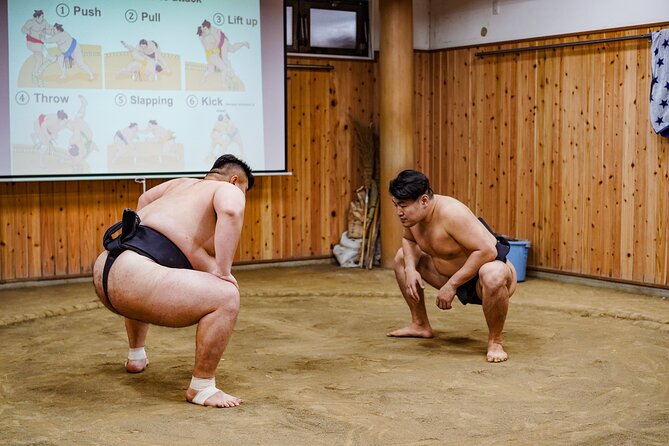
After the tour, you sit right in front of the ring to watch morning practice. Morning practice typically runs about three to four hours, and it often begins around 7:00 a.m. Your timing will depend on the day, but the promise is the same: you’re there to observe real work, not staged entertainment.
What makes this valuable is simple. You see effort you can’t catch from afar. Footwork, timing, and the intensity of warmups become easier to understand when you’re close enough to see what coaches and wrestlers focus on.
If you’re a sumo fan, you’ll appreciate how the day’s training feels connected to history. One of the tour themes is how practice traditions link back to older eras in Japan. Even if you’re new to sumo, the atmosphere does the teaching.
If you hate crowds and prefer calm observation, arrive with the mindset of watching and learning. This part is more focused and serious than the later participation.
A few more Yokohama days to weigh up
- EVO, WRX, Skyline – JDM Night Run to Daikoku Car Meet
★ 4.9 · 478 reviews - Daikoku & Tokyo Private JDM Tour by 700HP R34 GT-R
★ 4.9 · 101 reviews - Tokyo 8hr Private Tour with Licensed Guide from Yokohama
★ 5.0 · 94 reviews - Tokyo Drift: Daikoku Parking Area JDM Car Culture Tour大黒
★ 4.9 · 58 reviews
Chanko-Nabe Lunch, Made Together at the Sumo Table
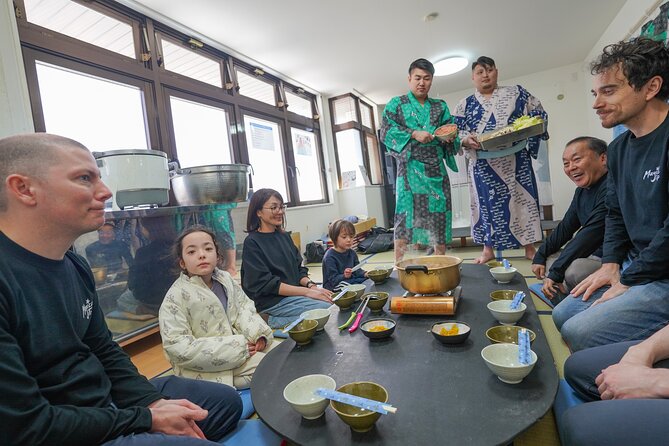
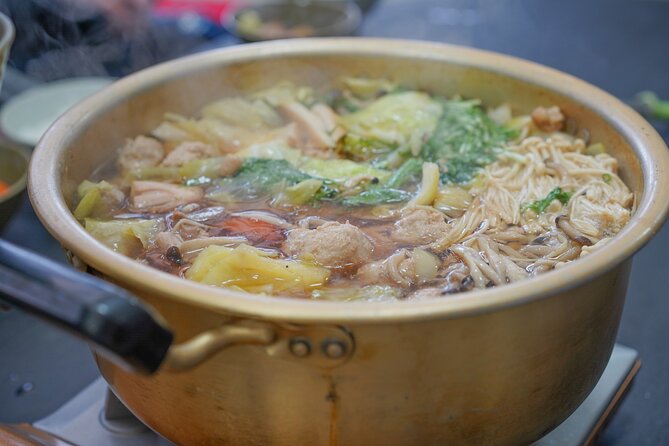
Then comes lunch, and it’s not some generic set meal. You’ll eat chanko-nabe, a dish strongly associated with sumo training nutrition. You’ll eat together around a table that was actually used in the sumo room, which makes the meal feel like part of the experience, not a stop on a checklist.
You also get a hands-on touch to the food. The tour includes making chicken dumplings, the main ingredient for the chanko-nabe, with the wrestlers. It’s a big part of why the lunch lands well for people. You’re not only consuming culture, you’re participating in it.
A few details you might care about:
- The lunch is included in the tour price.
- Additional food and drinks are not included, so if you like to add extras, budget for it.
- It can get hot and active around lunch time, so drink water during breaks.
From the feedback I’ve seen, people consistently call the chanko-nabe delicious, and some kids even go back for multiple bowls. That tells me the meal works even for families, not just diehard sumo nerds.
Learning Sumo Moves From a Retired Rikishi
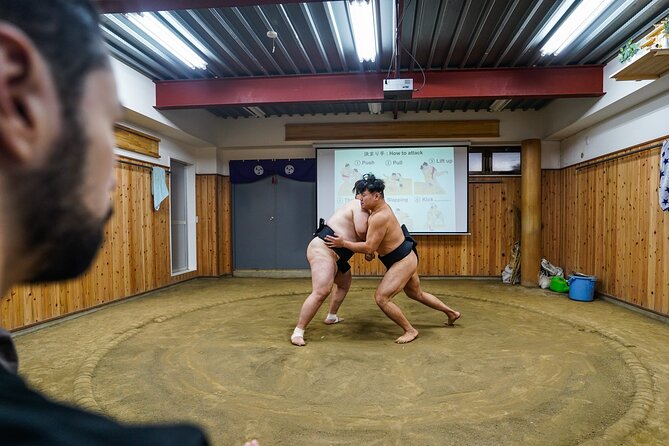
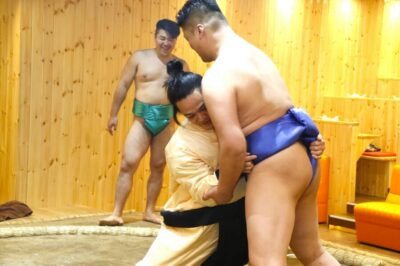
Next is the fun part. You get to learn sumo moves from a wrestler. This isn’t a timid try-it-once thing. You’ll practice movements and get coached by the person who knows the real mechanics.
What you’re learning here is less about scoring points and more about understanding the physical style:
- balance and stance
- how forward pressure feels
- how to use your arms and upper body correctly
- how training sessions are built around repeatable movements
Guides are often described as humorous while teaching, and wrestlers are described as kind and eager to explain. That combo matters because it lowers the intimidation factor. Sumo has a reputation for being strict and secretive, but this format turns it into something you can actually do, with guidance.
Be ready for the body part of it. You don’t need to be an athlete, but you should wear shoes you can move in and expect you’ll use legs and core. It’s interactive, and that’s the whole point.
Price and Value: What $171.12 Really Buys You
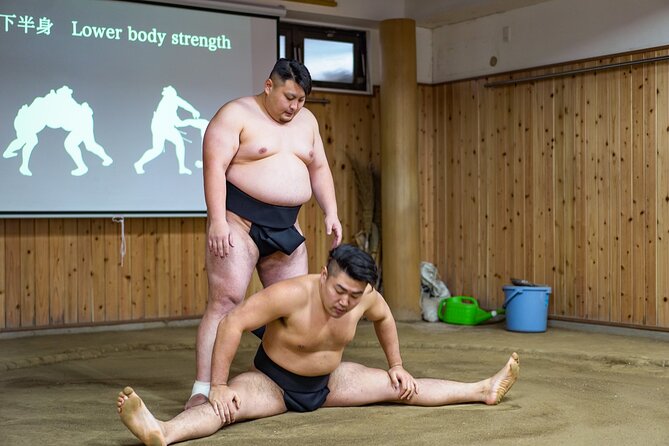
At $171.12 per person, this is not the cheapest thing near Tokyo. But it’s also not just a ticket. You’re paying for access, teaching time, and a meal tied directly to sumo culture.
Here’s what you get for the money:
- the sumo stable experience itself (tour, observation, participation)
- a certified guide via MagicalTrip
- a sumo wrestler lunch (chanko-nabe with chicken dumplings)
- tour photos
- an original designed T-shirt
Then consider the value of the unique parts:
- Room tour access to dining, bath, and practice areas
- ring-side viewing of morning practice
- hands-on training coaching from wrestlers
If you usually spend money on attractions, this feels closer to a private cultural workshop than a standard “see and leave” experience. The small group size (up to 15) also adds practical value. You’re more likely to get time to participate.
Small Group Size and the Human Touch
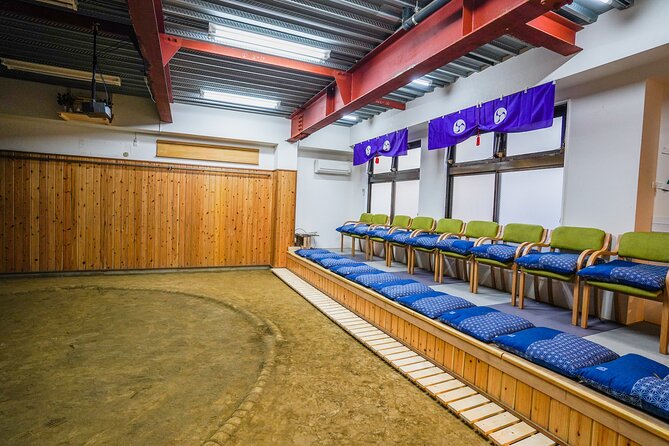
With a maximum of 15 travelers, you’re not lost in a crowd. That matters for a hands-on activity like sumo practice. You can hear directions. You can ask questions. The guide can also adjust the pace if people need a minute.
This tour also tends to stay friendly. Past groups mention retired sumo wrestlers being welcoming and willing to chat. Guides like Charlie, Jim, and Lily were praised for making the day lively while still respecting the seriousness of training.
And yes, you get photos. That’s a quiet benefit. It means you can focus on the experience instead of managing your phone the whole time.
What to Bring, What to Wear, and How to Stay Comfortable
This is Japan, and summer can be intense. The tour guidance specifically recommends bringing water and wearing a hat to prevent heat stroke.
Beyond that:
- wear comfortable clothes for moving around
- use shoes you can stand and practice in
- leave large luggage at home, since suitcases are not permitted
If you’re coming from central Tokyo, plan your day so you’re not rushed. You’ll be walking around the stable and doing movement practice, so give yourself breathing room.
Who This Sumo Experience Is Best For
This tour is a strong fit if you:
- want a true behind-the-scenes look, not only a match
- love hands-on learning
- enjoy meeting people who do their craft for real
- want culture plus activity in one half-day
It’s also family-friendly in the sense that the interaction works for kids and teens, and the lunch is substantial. If your group includes younger travelers, the workshop style is often easier than sitting through long stadium sessions.
If you prefer quiet, passive sightseeing only, you might prefer a more spectator-focused option. Still, even then, the stable tour portion is a good education because it explains sumo life beyond wrestling technique.
Should You Book This Authentic Sumo Experience in Tokyo Area?
If you like authenticity and you enjoy doing more than watching, I’d book it. This is one of the rare sumo experiences where you get stable access, ring-side practice viewing, and actual coaching on movements, plus a culturally tied lunch and photo keepsakes.
Book it especially if your Japan trip includes time to get out toward Kawasaki. It’s close enough to feel like part of the Tokyo area, but it has a quieter, more grounded vibe than the usual sightseeing circuits.
Skip it if you’re worried about being physically active. This is interactive, and the day includes movement practice, not just a gentle tour. Also, if you have major diet needs, you should plan ahead and understand they cannot guarantee allergy-free meals. Tell the operator at least one day before your tour.
Overall, it’s a memorable day because it treats sumo as living culture, not a costume for tourists.
FAQ
Where is the tour located?
The tour takes place in Kawasaki, Japan. You meet at Shin-Kawasaki Station and the experience ends back at the meeting point.
How long is the experience?
It runs about 4 hours 10 minutes (approx.).
What time does the tour start?
The start time listed is 9:30 a.m.
Is lunch included?
Yes. You get sumo wrestler lunch, with chanko-nabe and chicken dumplings included as part of the meal.
What is included in addition to the sumo experience?
The included items are a certified guide (by MagicalTrip), lunch, tour photos, and an original designed T-shirt.
How big is the group?
The tour has a maximum of 15 travelers.
Can I bring large luggage like a suitcase?
No. Large luggage such as suitcases are not permitted on this tour.
What if I have dietary requests or allergies?
You should inform the team at least one day before the tour. The operator notes they cannot guarantee allergy-free meals because the food is prepared in kitchens that do not belong to MagicalTrip, and substitutions may not always be possible.
What is the policy if I cancel or I am late?
Cancellation is free up to 24 hours in advance for a full refund. If you are late and miss the group, you will not be able to join the tour and there is no refund or reschedule if you miss the group.
Newly listed around Yokohama
- Tokyo: Private JDCM Tour/Daikoku Car Meet with a Driver★ 4.8 · 12 reviews
- 【R34 GTR Over 400 hp】Tokyo: Private Daikoku Tour in R34 GTR★ 5.0 · 25 reviews
- Tokyo: Fast & Furious Authentic Drift and JDM Experience★ 4.9 · 21 reviews
- Tokyo Drift: Daikoku Parking Area JDM Car Culture Tour大黒★ 4.9 · 58 reviews
- Tokyo: Authentic Sumo Wrestling Experience with Lunch★ 4.9 · 88 reviews
- R34 Skyline 改】Daikoku PA & Tokyo private Tour★ 5.0 · 24 reviews
- From Tokyo: Private Full day Yokohama Tour w/Hotel Pick up★ 4.4 · 6 reviews
- DaikokuPA:A private Daikoku tour in a customised R34!★ 5.0 · 9 reviews
Sumo Stable Visits, compared.
Sumo Show Experience with Chicken Hot Pot and a Photo
Read our review →
Tokyo Sumo Entertainment Show with Chicken Hot Pot and Photo
Read our review →
Tokyo Grand Sumo Tournament Viewing Tour with Tickets
Read our review →
Sumo Show & Experience w/ Optional Kimono & Hot Pot
Read our review →Browse the lists this tour appears in