
Review · LICENSED GUIDES & PRIVATE DRIVERS
Tokyo 8hr Private Tour with Licensed Guide from Yokohama
Tokyo feels close from Yokohama. This private, licensed guide day lets you pick your mix of temples, gardens, and neon neighborhoods, while you get practical help riding trains so you do not burn time figuring it out yourself. I love the custom itinerary feel and the way it balances big-name sights with calmer, local-feeling corners, all in one day. One main consideration, it is a lot of walking and some attractions have limits like the Imperial Palace interior not included.
Meet your guide in Yokohama, with options to connect at the port area or within a designated pickup zone on foot. Then you head into Tokyo by public transit for about 8 hours, with your route built around what you want to see most and where you want to spend time.
In This Review
- Key highlights I would plan around
- A private Tokyo day built for real-life logistics from Yokohama
- How the guide chooses your stops, and why pacing matters
- Imperial Palace outer gardens, cherry-blossom gardens, and the breaks that prevent Tokyo fatigue
- Imperial Palace area, with a big boundary to know
- Shinjuku Gyoen National Garden, and when tickets enter the equation
- Koishikawa Korakuen and Rikugien, older garden traditions in Tokyo
- Hama Rikyu Gardens, tide-based ponds and bay views
- Yoyogi Park, the easy outdoor reset between districts
- Shrines and temples: Meiji Jingu, Asakusa, and Senso-ji for spiritual contrast
- Meiji Jingu Shrine, right by Harajuku
- Asakusa and Senso-ji, temple energy plus street life
- Shibuya crossing, Harajuku fashion lanes, and Akihabara’s electronics district
- Shibuya Scramble Crossing, a real-world headline view
- Takeshita Street, Harajuku’s fast fashion energy
- Akihabara, electronics and the cool side of geek culture
- Shinjuku Golden Gai, tiny lanes and late-night character
- Tsukiji Fish Market and lunch help that keeps the day from derailing
- Old Tokyo east of the river: Shibamata and Nezu for a slower kind of charm
- Shibamata, old-school neighborhood feel
- Nezu, preserved downtown atmosphere
- Odaiba and Roppongi Hills, city-meets-modern-city options
- Roppongi Hills shops and restaurants
- Odaiba, a man-made island with waterfront energy
- Returning to Yokohama: why private transit support can be worth it
- Price and value: what you are really paying for at $201.51 per person
- Should you book this Yokohama-to-Tokyo private tour?
- FAQ
- How long is the Tokyo private tour from Yokohama?
- Where do I meet the guide in Yokohama?
- Is this tour private for my group?
- How many attractions can I choose?
- Are any entrances included?
- Is lunch included?
- Is the tour mainly walking?
- Can I combine multiple tour groups?
- Are service animals allowed?
- What is the cancellation window for a full refund?
Key highlights I would plan around
- Licensed English-speaking guide, private for your party, so you can ask questions and move at a pace that fits.
- Train-and-walk touring from Yokohama, which is often simpler than trying to manage Tokyo transit solo.
- Pick-from-a-menu sightseeing, usually choosing a handful of major stops from temples, shrines, gardens, and modern districts.
- Iconic stops plus local texture, from Asakusa and Meiji Jingu to Akihabara and Shinjuku Golden Gai.
- Garden stops timed for maximum payoff, including cherry-blossom-famous Shinjuku Gyoen and tidal views at Hama Rikyu.
- Food support, even if lunch is not included, because the guide can point you toward good places near your route.
A private Tokyo day built for real-life logistics from Yokohama
Tokyo can feel like a maze when you land with a suitcase, jet lag, and a map that never matches where you are standing. What I like about this tour format is that it starts where you already are, in Yokohama, and then hands you a clear plan for getting into Tokyo and back.
You are not squeezed into a van or bus schedule. Instead, you move through the city using trains and on foot, with your guide helping you navigate connections and crowds. The private setup also matters, because it gives you room to choose the vibe you want, quiet shrine moments or neon-bright shopping streets, without needing everyone in a group to vote.
Price-wise, $201.51 per person is not cheap for a day trip. But you are paying for a licensed, English-speaking guide and the ability to tailor the day. If you would otherwise spend money on taxis, missed tickets, and extra nights to see what you skipped, the guide time starts looking like good value.
More Private Guides in Yokohama
- Kamakura 6hr Private Walking Tour with Government-Licensed Guide
★ 5.0 · 42 reviews - Yokohama 4hr Private Tour with Government-Licensed Guide
★ 5.0 · 34 reviews - Tokyo Full Day Tour with Licensed Guide and Vehicle from Yokohama
★ 5.0 · 26 reviews
How the guide chooses your stops, and why pacing matters
The tour is designed as a walking day where you choose your own sights. You can customize your day based on your interests, and the core plan focuses on a few major stops rather than trying to do everything at speed.
That choice structure is key in Tokyo. If you cram too many districts into one day, you end up spending your energy on transit and crowd navigation instead of enjoying the places. Here, the plan is built around selecting a small number of attractions from the available options, then shaping an order that makes sense.
One practical detail: meet up and drop off are on foot and part of the tour time. So even if the sightseeing list looks long on paper, your real experience will feel like a focused day with breathing space between stops. If you want a more relaxed pace, tell your guide early. Flexibility shows up in how the day flows between train platforms, station exits, and walking segments.
Imperial Palace outer gardens, cherry-blossom gardens, and the breaks that prevent Tokyo fatigue
Tokyo is famous for its concrete and crowds, but it also has room for calm. Gardens are a smart choice on a long day, because they slow your heart rate and give you a clean reset between busy neighborhoods.
Imperial Palace area, with a big boundary to know
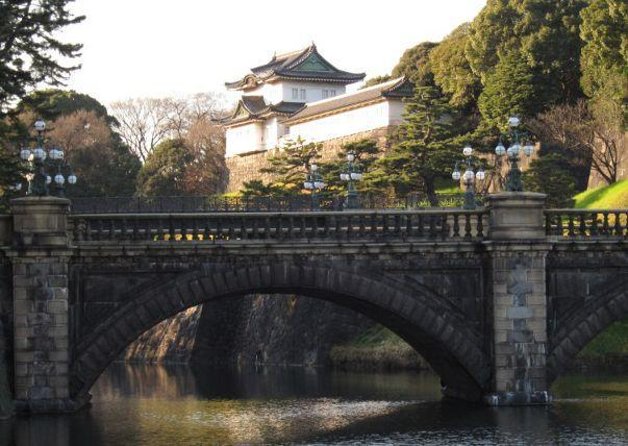
The Imperial Palace is an easy win for first-timers, because you get the scale and the surrounding garden and wall areas that are open to the public. The important catch is right in the tour info: this does not include access to the inside of the Imperial Palace. That means you get a solid exterior experience, not a full ceremonial or interior tour.
A different sort of day in Japan:
- Authentic Sumo Experience in Tokyo: Enter the Sanctuary
★ 5.0 · 603 reviews - EVO, WRX, Skyline – JDM Night Run to Daikoku Car Meet
★ 4.9 · 478 reviews - Daikoku & Tokyo Private JDM Tour by 700HP R34 GT-R
★ 4.9 · 101 reviews - Tokyo: Authentic Sumo Wrestling Experience with Lunch
★ 4.9 · 88 reviews
Shinjuku Gyoen National Garden, and when tickets enter the equation
Shinjuku Gyoen is one of the most popular garden choices, especially because of cherry blossoms. Ticketing here is not free. Adults are listed at 500 yen, with a group discount price of 400 yen. Seniors 65 and over are listed at 250 yen with valid ID, and you purchase the ticket at a staff location.
If you care about seasonal highlights, this is the garden stop you want on your short list. If you are visiting outside peak bloom, it still works, but it is less of a must-do without the seasonal draw.
Koishikawa Korakuen and Rikugien, older garden traditions in Tokyo
Two other garden options are Koishikawa Korakuen and Rikugien. Both are marked as admission tickets not included, which matters for budgeting on top of the tour price. These are the kinds of stops that feel like a step back in time, with carefully shaped grounds and classic garden design.
If you like slower strolling and you enjoy Japanese garden design, you will appreciate having one of these on your route. If you do not like long garden walks, swap it for a shorter stop or focus more on shrine and neighborhood time.
Hama Rikyu Gardens, tide-based ponds and bay views
Hama Rikyu is one of the most distinctive options because it sits by Tokyo Bay and includes seawater ponds that change level with the tides. The info also says admission is free for this stop. Even if you only spend a short time here, it adds variety to the day, and the bay-side setting helps break up the city’s rush.
Yoyogi Park, the easy outdoor reset between districts
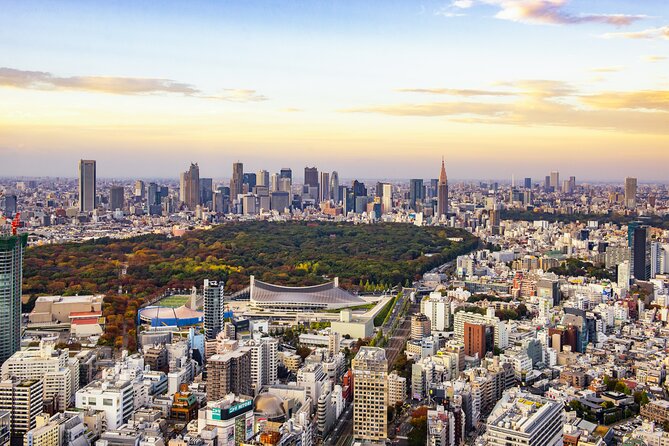
Yoyogi Park is listed as free and a short stop option, with wide lawns, ponds, and forested areas. It is a good add-on when your day includes hard-core urban sightseeing. Think of it as your breathing space before returning to shopping streets or crossing the city’s busiest intersections.
Shrines and temples: Meiji Jingu, Asakusa, and Senso-ji for spiritual contrast
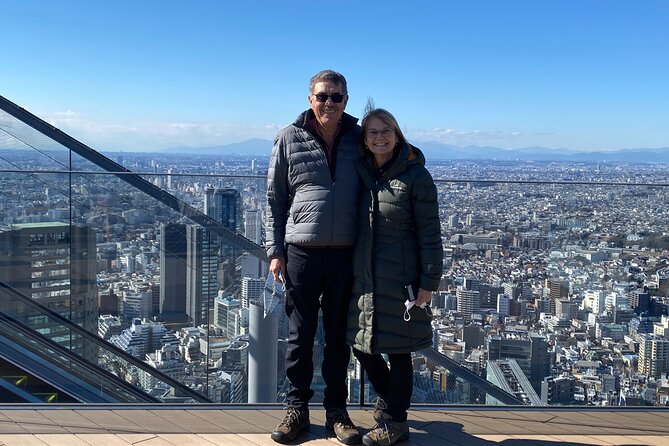
One reason Tokyo stays memorable is that the city can feel modern and still intensely ritual-focused. This tour gives you a chance to see both styles in one day.
Meiji Jingu Shrine, right by Harajuku
Meiji Jingu is an impressive shrine visit because it sits right next to busy Harajuku Station. That contrast alone is worth it: you step from a major transit node into a quieter sacred space. The stop is short, about 15 minutes, and admission is free.
If your schedule is packed, this is a smart anchor stop. You get the essence without losing your whole day to a long detour.
Asakusa and Senso-ji, temple energy plus street life
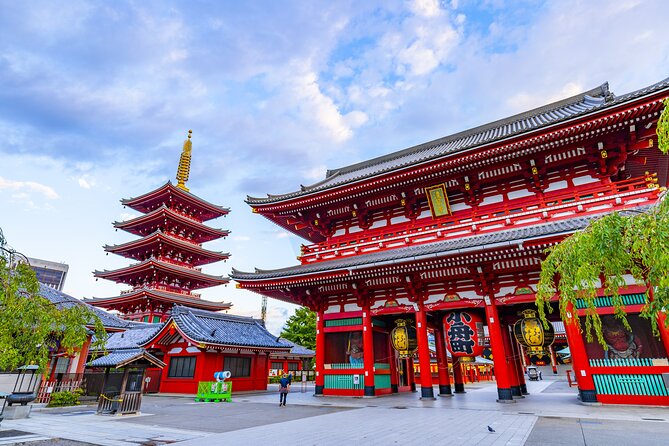
Asakusa is one of the best “old Tokyo” areas to experience. You get the temple complex at Senso-ji and the surrounding shopping street atmosphere nearby. In the plan, Asakusa is listed as a free stop, while Senso-ji itself is also marked free.
In practice, this is where you can slow down, watch people buy snacks, and enjoy the classic approach leading up to the main temple area. Some guides may also guide you through how rituals and offerings work at the site, depending on your interests and the flow of crowds.
If you want one “Tokyo looks like a postcard” moment, put Asakusa on your list.
Shibuya crossing, Harajuku fashion lanes, and Akihabara’s electronics district
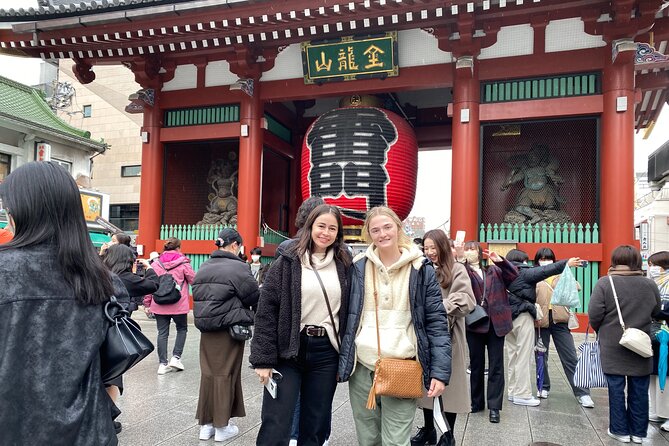
For many people, Tokyo means neon, youth culture, and shops that never seem to end. These stops are where your day shifts gears from quiet to kinetic.
Shibuya Scramble Crossing, a real-world headline view
The tour includes a visit to one of the world’s busiest crossings. Admission is free, and the point here is not to learn museum facts. It is to watch the street choreography, see how people move, and feel Tokyo’s urban tempo in real time.
If you do not love crowds, your guide can often help you position yourself and decide how long to stay before the area gets too overwhelming.
Takeshita Street, Harajuku’s fast fashion energy
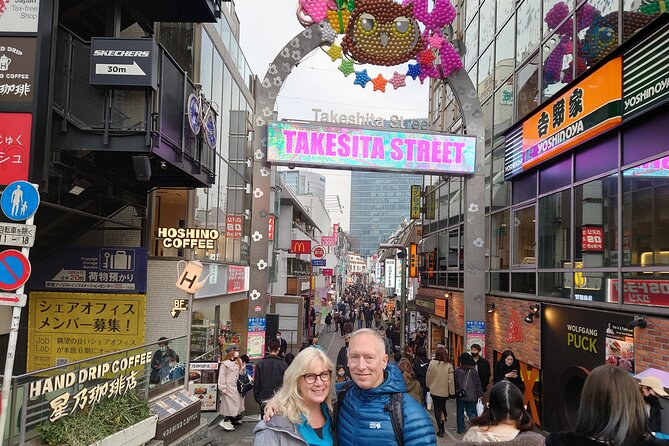
Takeshita Street is a short stop option around 30 minutes, and it is free to explore. This is where teen fashion and street-style culture show up in force. It also works well as a palette cleanser after a shrine stop, because you get color, browsing, and snack breaks.
Akihabara, electronics and the cool side of geek culture
Akihabara is listed as a short visit option and is also free. This is where electronics shops and gaming and pop culture meet. If you enjoy technology or you simply like Tokyo’s quirky retail energy, Akihabara is an easy yes.
If your group is less interested in shopping, keep your time here intentional. You can always shift the balance toward neighborhood walks or photo stops instead of trying to see every store front.
Shinjuku Golden Gai, tiny lanes and late-night character
Shinjuku Golden Gai is included as a short stop. This area is famous for narrow alleys packed with small bars. It is one of those Tokyo experiences that feels like a story you only understand by walking through it, even if you do not plan to drink.
If you prefer calmer streets, you can still get the vibe quickly and move on.
Tsukiji Fish Market and lunch help that keeps the day from derailing
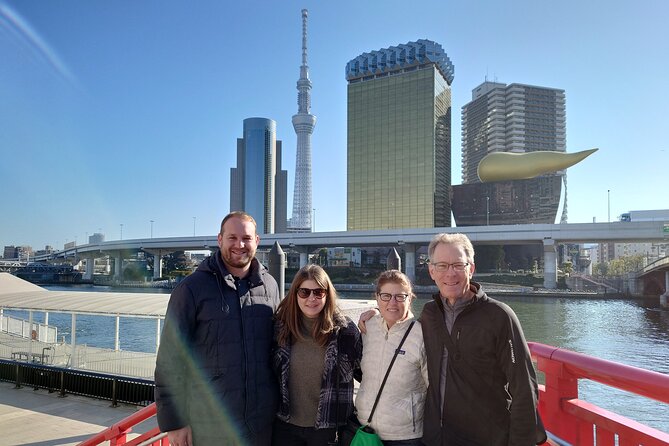
Tsukiji Fish Market is listed as a free stop with about 30 minutes allocated. This is a great “Tokyo sensory hit” because you see what the market area feels like in motion.
Lunch is not included in the tour price. Still, guides can be very useful here. Several guide stories focus on eating well near your route, including fish-market-area lunch choices. That matters because the hardest part of lunch in Tokyo is deciding where to go when you are tired and your schedule is tight.
Tip: if you want a specific food style, tell your guide early. Then you can spend the middle of the day eating instead of guessing.
Old Tokyo east of the river: Shibamata and Nezu for a slower kind of charm
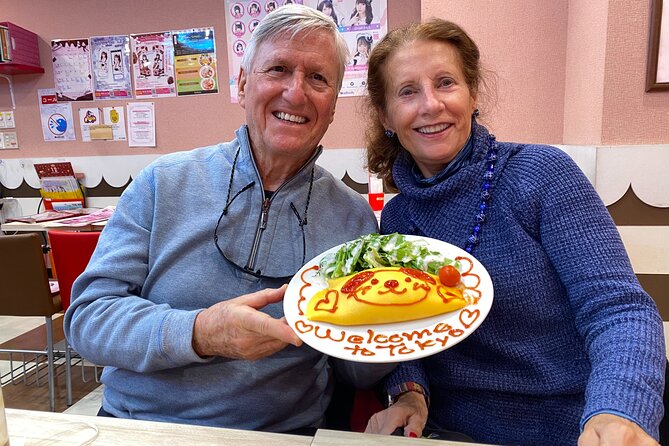
Not every Tokyo day needs the biggest stations and tallest buildings. If you want a contrast to Shibuya and Shinjuku, these two neighborhood options are worth considering.
Shibamata, old-school neighborhood feel
Shibamata is listed as a short stop and is marked free. It is described as having old-school charm and is located near the Edogawa River. If you want Tokyo that feels more like a neighborhood than a landmark, this is the stop category to target.
Nezu, preserved downtown atmosphere
Nezu is part of Shitamachi, Tokyo’s older downtown-style areas. The stop is marked free, and the description emphasizes the neighborhood’s survival through major damage and disasters. In other words, it is built for people who like walking through streets and noticing how daily life looks.
Nezu and Shibamata work well if your group enjoys history as lived space, not just as monuments.
Odaiba and Roppongi Hills, city-meets-modern-city options
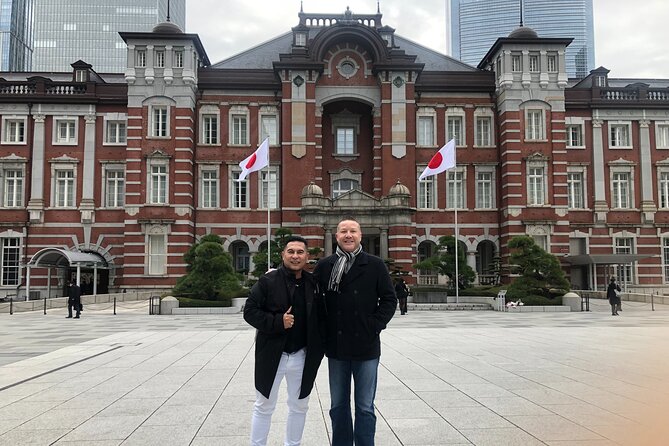
These are the choices for skyline views, modern shopping, and “Tokyo outside the traditional core” energy.
Roppongi Hills shops and restaurants
Roppongi Hills is included as a short stop and marked free. The idea here is not deep museum time. It is a quick look at the city-in-a-building concept and a convenient place to grab a snack or change the tone of your walk.
Odaiba, a man-made island with waterfront energy
Odaiba is listed as a short stop and marked free. It is a shopping and entertainment district on a man-made island in Tokyo Bay. This stop can give you a different kind of Tokyo geography when your day has been mostly inside dense districts.
If you like mixing city districts, add one of these for variety. If your day already has too many shopping areas, skip and protect your energy for temples or gardens.
Returning to Yokohama: why private transit support can be worth it
At the end, you head back to Yokohama by train with your guide. The tour keeps you from having to reverse-engineer your entire day on your own when you are tired.
Transportation fees are not included, so factor that into your total spending. The tour does include guide support for navigating transit, which is where you gain real value in Tokyo. Buying tickets, choosing the right exit, and walking the last stretch can take time and brainpower. With a guide, you can spend that energy on the sights.
A note on how additional entrances work: guide entry fees are covered only for sights listed under what to expect. If you decide to add something outside your agreed set, plan to handle those costs yourself.
Price and value: what you are really paying for at $201.51 per person
For $201.51 per person, you get a licensed English-speaking guide and a private experience built around your interests. In a city like Tokyo, that is the trade: you pay for guidance and efficiency, not for included admissions or included meals.
Here is when this tour is the strongest value for your time:
- You want multiple Tokyo highlights but you do not want to spend your day navigating transit.
- You care about seeing both classic (shrines, temples, gardens) and modern (Shibuya, Harajuku, Akihabara) in one day.
- You prefer a plan that can flex when crowds surge or when someone in your group needs a slower pace.
Here is when the price might feel heavy:
- You only want one or two easy sights and you are confident doing transit on your own.
- Your group hates walking or needs lots of sit-down time between stops.
Should you book this Yokohama-to-Tokyo private tour?
Book it if you want a highly structured, privately guided day that still lets you choose your themes. It is a great fit for first-timers who want a “greatest hits” spread with enough control to avoid wasting hours on wrong turns.
Skip it if you want a low-effort, minimal-walking day, or if your heart is set on specific access that this tour does not include, like the Imperial Palace interior. Also consider whether you are comfortable adding your own lunch and any paid garden admissions on top.
FAQ
How long is the Tokyo private tour from Yokohama?
The tour runs about 8 hours (approx.).
Where do I meet the guide in Yokohama?
You meet your guide in Yokohama within a designated area on foot. You can also meet at the port in Yokohama.
Is this tour private for my group?
Yes, it is a private tour/activity, and only your group participates.
How many attractions can I choose?
The experience is described as customizable, with selection of a handful of attractions from the provided options, and the included core plan is based on choosing 3 to 4 sites.
Are any entrances included?
Some stops are listed as admission ticket free, while others are listed as admission tickets not included. Transportation, entrances, and lunch are not included.
Is lunch included?
No, lunch is not included.
Is the tour mainly walking?
Yes. It is a walking tour, and meet up and drop off are on foot and part of the tour time. Pickup is also on foot.
Can I combine multiple tour groups?
No, you cannot combine multiple tour groups.
Are service animals allowed?
Yes, service animals are allowed.
What is the cancellation window for a full refund?
You can cancel up to 24 hours in advance for a full refund. If you cancel less than 24 hours before the experience starts, the amount paid is not refunded.
Newly listed around Yokohama
- Tokyo: Private JDCM Tour/Daikoku Car Meet with a Driver★ 4.8 · 12 reviews
- 【R34 GTR Over 400 hp】Tokyo: Private Daikoku Tour in R34 GTR★ 5.0 · 25 reviews
- Tokyo: Fast & Furious Authentic Drift and JDM Experience★ 4.9 · 21 reviews
- Tokyo Drift: Daikoku Parking Area JDM Car Culture Tour大黒★ 4.9 · 58 reviews
- Tokyo: Authentic Sumo Wrestling Experience with Lunch★ 4.9 · 88 reviews
- R34 Skyline 改】Daikoku PA & Tokyo private Tour★ 5.0 · 24 reviews
- From Tokyo: Private Full day Yokohama Tour w/Hotel Pick up★ 4.4 · 6 reviews
- DaikokuPA:A private Daikoku tour in a customised R34!★ 5.0 · 9 reviews
Licensed Guides & Private Drivers, compared.
Tokyo 6hr Private Tour with Government-Licensed Guide
Read our review →
Kyoto Early Morning Tour with English-Speaking Guide
Read our review →
Tokyo 4hr Private Tour with Government-Licensed Guide
Read our review →
Kyoto 6hr Private Tour with Government-Licensed Guide
Read our review →
Hiroshima / Miyajima Full-day Private Tour with Government Licensed Guide
Read our review →Early Morning Tour with English-Speaking Guide
Read our review →
Tokyo Private Sightseeing Tour by Car- English speaking chauffeur
Read our review →
Mt Fuji Private Tour with English Speaking Driver
Read our review →Browse the lists this tour appears in