
Review · SUMO STABLE VISITS
Tokyo: Authentic Sumo Wrestling Experience with Lunch
Sumo in Tokyo hits different when it happens in a real stable. You get morning practice ringside, then you try the movements yourself. And the whole thing is guided in English, with the kind of clear explanations that make sumo feel less mysterious and more human.
I especially love the lunch with wrestlers part. Chanko-nabe is a big, comforting bowl, and you even help make chicken dumplings (the workshop is a lot more fun than it sounds). You sit and eat together, talk, take photos, and even leave with a paper handprint.
One heads-up before you go: this is a working stable setting with some areas not suited to a wheelchair or stroller. If you have mobility limits or certain medical conditions, this may not be the right choice for you.
In This Review
- Key things I’d circle on your plan
- Getting to Shin-Kawasaki, then straight to sumo reality
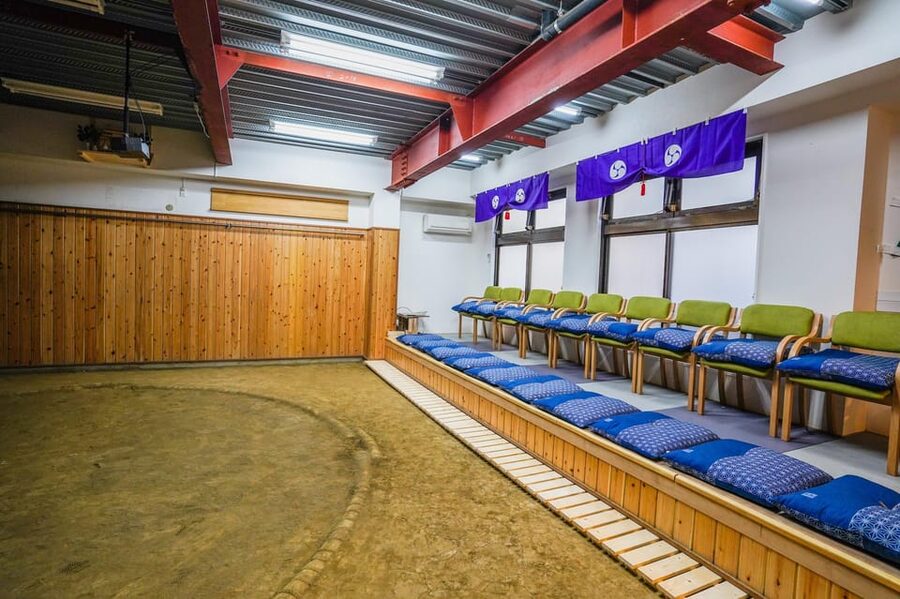
- Entering a real sumo stable, not a museum set
- Morning practice from ringside, then your turn to try
- Understanding sumo rules and how a bout actually starts
- The optional rikishi bout, and why it feels oddly humbling
- Chanko-nabe lunch and the chicken dumpling workshop with wrestlers
- Photos, T-shirt, and memorial handprints that actually mean something
- Price and value: what you get for $166 in 4 hours
- Who should book this sumo stable lunch tour
- Should you book?
- FAQ
- Where do we meet for the tour?
- How long is the experience?
- Is lunch included?
- Do I have to fight in the ring?
- What is included besides the stable visit and lunch?
- Is the tour guided in English?
- What about dietary restrictions or allergies?
- Can I request a vegetarian lunch?
- Is the tour wheelchair or stroller friendly?
- What happens if I’m late to the meeting point?
Key things I’d circle on your plan
- Shin-Kawasaki to a real sumo stable: you visit a stable that was officially used until 2022
- Ringside morning practice: watch what happens right before the day starts, then learn why
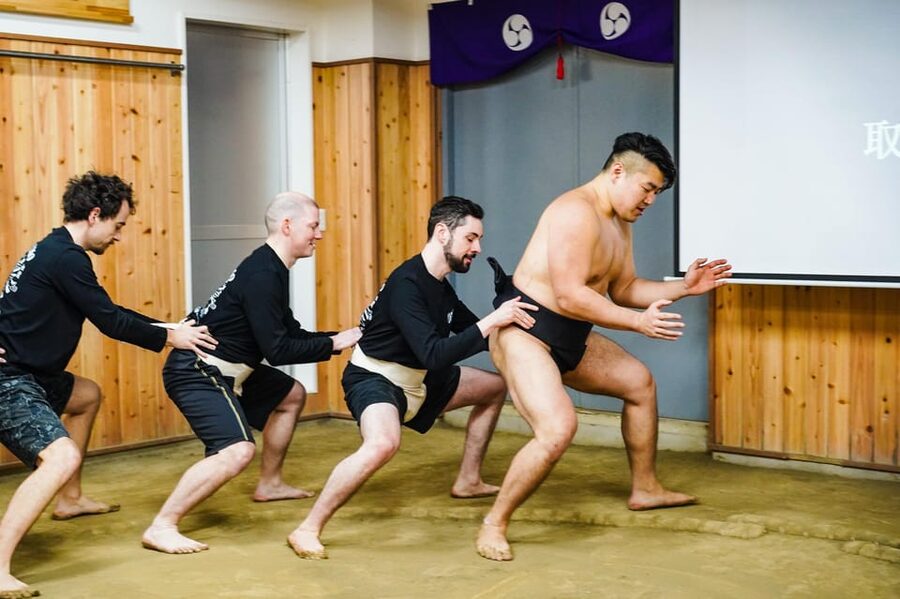
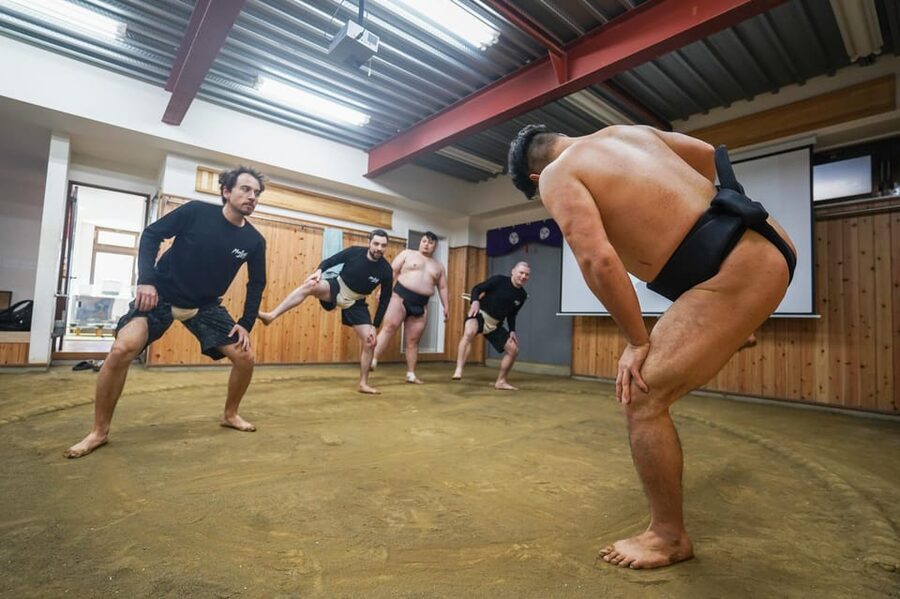
- Hands-on sumo training: you’ll try movements and learn rules and techniques from the guide and wrestlers
- Optional bout with a rikishi: only if you want, but it is the main-feel moment
- Chanko-nabe plus chicken dumplings: a lunch you don’t just eat, you help make
- Memories built in: photos, T-shirt, and memorial handprints
Getting to Shin-Kawasaki, then straight to sumo reality
This tour is built around a practical meeting point, which matters because sumo time is serious time. You meet just outside the ticket gate at Shin-Kawasaki Station, in front of Kiyoken (Shumai shop). There is only one gate, so you are not hunting for a meetup spot all morning.
Your guide holds a red or orange sign that says Magical Trip. Once you’re with the group, you head out to the stable. The location timing is convenient too, since Shin-Kawasaki is about 10 minutes from Yokohama Station and around 20 minutes from Tokyo Station. So even if Tokyo feels chaotic on paper, this part keeps things simple.
In real life, this matters because you are not spending half your half-day tour commuting across the city. You’re spending it where sumo actually lives, in the routines, the training space, and the dining habits that shape wrestler life.
Compare these Sumo Stable visits in Yokohama:
- Authentic Sumo Experience in Tokyo: Enter the Sanctuary
★ 5.0 · 603 reviews - Tokyo: Sumo Show Experience with Chicken Hot Pot and a Photo
★ 4.8 · 6,678 reviews - Tokyo: Sumo Show and Dining Experience
★ 4.8 · 2,742 reviews
Entering a real sumo stable, not a museum set
The stable visit is the heart of the experience. You’re not just shown a room and a video and sent on your way. You walk through areas connected to wrestler life, including spaces used for dining, bathing, and practicing.
The tour also gives you the traditions behind the spectacle. Your English guide explains sumo history, customs, and what life in the stable looks like. One of the best parts of this kind of lesson is that it helps you interpret what you’re seeing later. When you understand the rhythm of morning training and the meaning of basic rituals, a match is no longer just two big people grappling. It becomes a sport with a whole system of rules and status.
You’ll also get an up-close look at how the stable functions. That is what makes it feel authentic: it feels like you are visiting a working place, not touring a theme park.
Morning practice from ringside, then your turn to try
After the stable tour, you take a seat right in front of the sumo ring to watch a morning practice session. This is one of those “quietly special” moments. Morning training shows you the foundations of sumo, not just the dramatic finish of a bout.
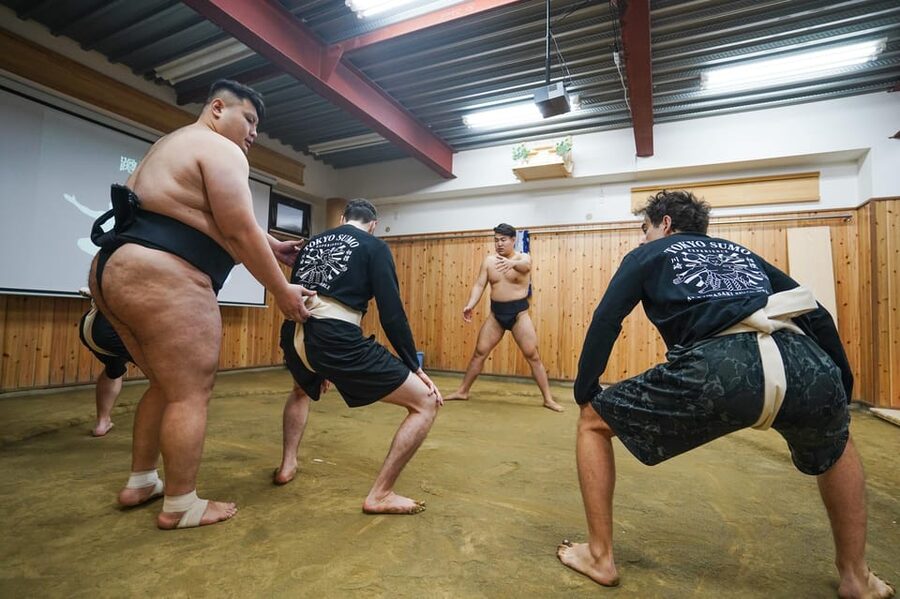
The guide explains how practice begins, what kinds of movements are used, and why those motions matter. Then you get the chance to try out movements yourself. And yes, it is hilarious in the best way: you learn fast how much strength and coordination sumo demands.
A smart way to approach this part is to treat it like a skills class, not a competition. Go in thinking you’re here to learn. Even if your body feels awkward at first, you are stepping into a set of traditions that have shaped training for generations.
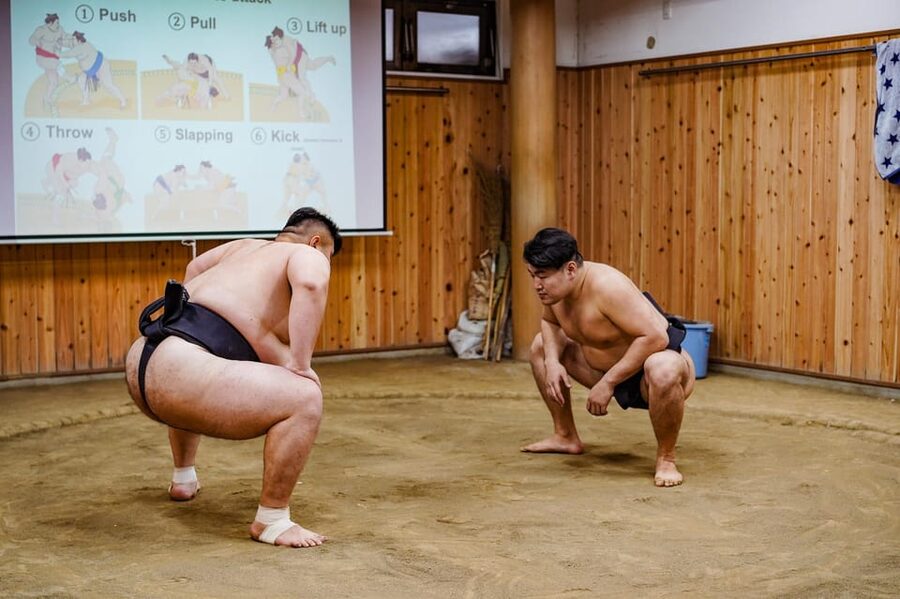
If you like sports instruction, you’ll probably enjoy the way the guide breaks down rules and techniques, sometimes with visual aids and clear explanations that help you connect the dots between training and match behavior. It is the kind of pacing that helps you follow along even if you’re new to sumo.
Understanding sumo rules and how a bout actually starts
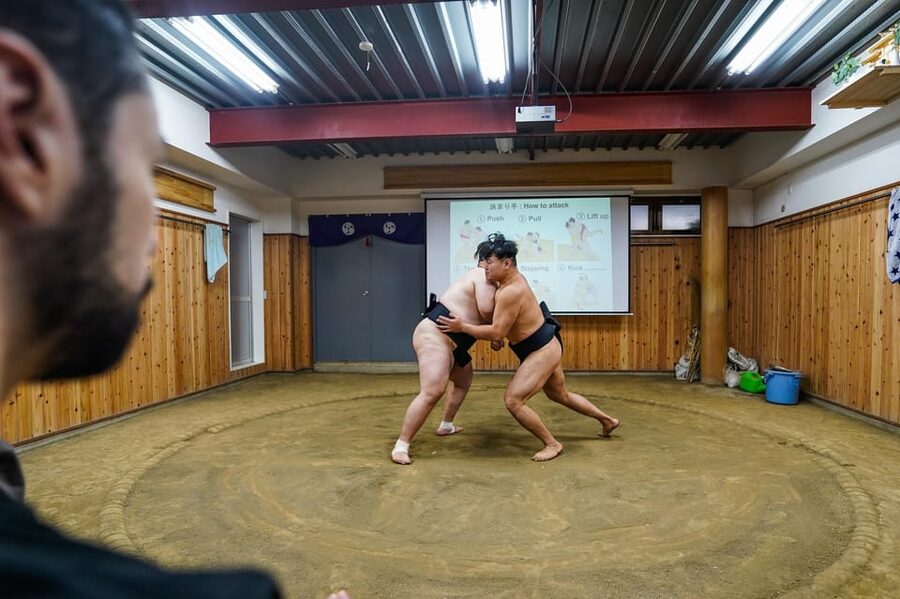
Once you’ve watched and tried training movements, your guide shifts into the structure of the sport. You’ll learn sumo rules, moves, and techniques, and then you’ll see the wrestlers demonstrate how a real match begins.
This is more important than it sounds. Sumo has its own logic. You need a feel for what is being judged and what transitions mean. That’s exactly what this portion gives you: an easy path to understanding what to watch for when the match happens.
You also learn the bigger picture of the sumo ranking system, and you’ll hear about the typical training schedule wrestlers undergo. That context helps you stop thinking of sumo as a single event and start seeing it as a lifestyle built around repetition, discipline, and routine.
A few more Yokohama days to weigh up
- EVO, WRX, Skyline – JDM Night Run to Daikoku Car Meet
★ 4.9 · 478 reviews - Daikoku & Tokyo Private JDM Tour by 700HP R34 GT-R
★ 4.9 · 101 reviews - Tokyo 8hr Private Tour with Licensed Guide from Yokohama
★ 5.0 · 94 reviews - Tokyo Drift: Daikoku Parking Area JDM Car Culture Tour大黒
★ 4.9 · 58 reviews
The optional rikishi bout, and why it feels oddly humbling
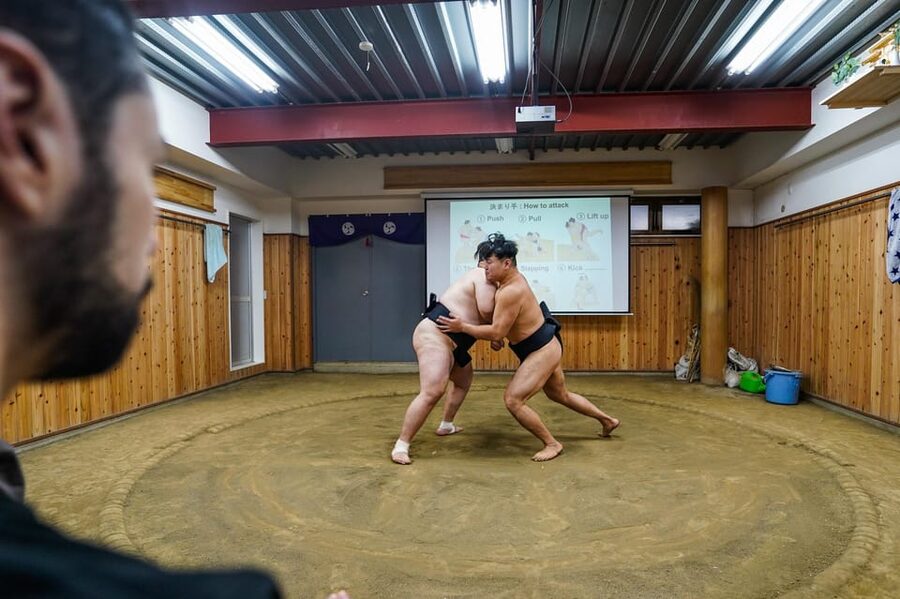
Then comes the moment most people book for: the opportunity to fight with a sumo wrestler as if it were a real match. It’s only if you want, which is a great option for mixed groups. If you’re comfortable doing it, you get the hands-on “I’m in the ring” memory. If you prefer watching, you can focus on learning and enjoying the atmosphere.
From the format and what the wrestlers are described as doing, the vibe is supportive. The bouts are presented as participation, not punishment. In one case, the experience included recently retired wrestlers who were gentle with the challengers, even though they could clearly end the bout quickly if they wanted to. That kind of balance matters. You leave feeling included, not intimidated.
What you should prepare for mentally is this: sumo strength is real. Even basic movement in the ring requires power and balance you may not have expected. That’s what makes it humbling in a good way.
Also, remember this is not a formal workout gym. You’re doing it in a stable context, with traditional clothing and a crowd-like presence. Slow down, listen, and do what the wrestlers and guide tell you. If you do, the ring time becomes the story you’ll repeat for years.
Chanko-nabe lunch and the chicken dumpling workshop with wrestlers
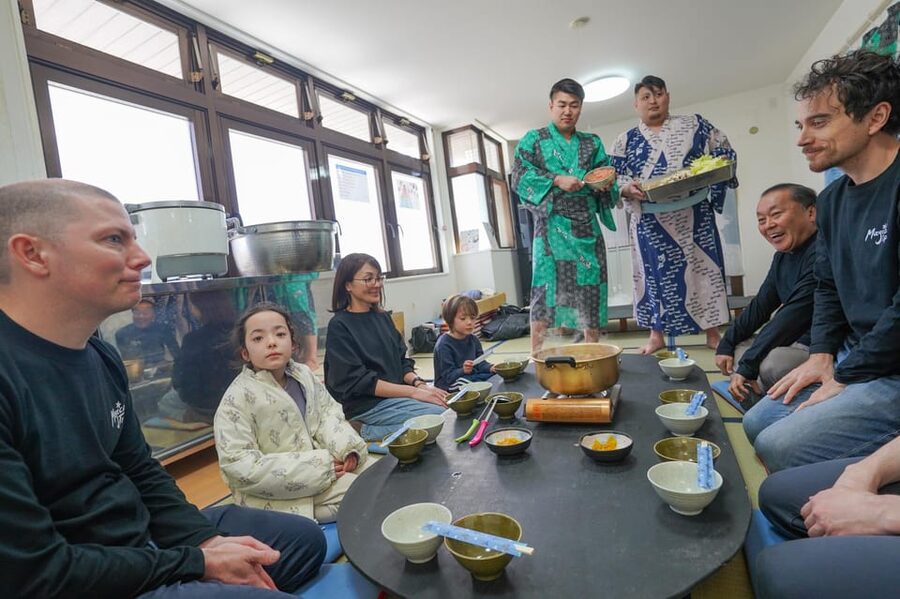
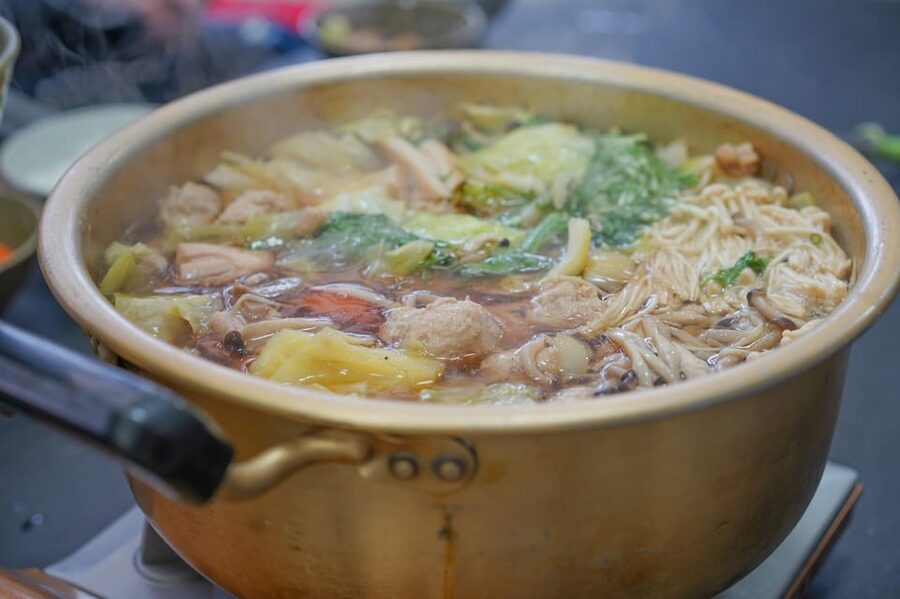
After training and any optional bout, you sit down to eat chanko-nabe. This dish is famous for a reason: it’s hearty, warming, and designed for wrestlers who need serious calories. The tour doesn’t just hand you a bowl and send you off. You get the full lunch experience.
The standout twist is the chicken dumpling activity. You’ll make the dumplings with the wrestlers, then eat together around a table that was actually used in the sumo room. That detail turns lunch into another cultural lesson, not just a meal.
Conversation time is built in too. During lunch, you can ask questions and chat with the wrestlers. This is where the experience often becomes personal. You’ll pick up answers you can’t find in a guidebook, like what traditions feel like day to day and how wrestlers think about training and routine.
For food notes: the tour says dietary requests or allergies should be shared at least one day before. It also explains they cannot guarantee allergy-free meals because cooking happens in kitchens not belonging to MagicalTrip. Still, you might find that vegetarian options can be arranged when requested in advance, and the tour info says substitutions may not always be possible but they’ll try to compensate at different stops.
So if you have strong dietary needs, plan early and keep your expectations realistic.
Photos, T-shirt, and memorial handprints that actually mean something
The tour includes photo moments and a T-shirt. There are also opportunities for memorials. You can take pictures and make memorial handprints on paper, tied to the wrestlers you meet.
Some versions of the format also include dressing up in traditional clothing for photos, which adds a fun, lived-in souvenir vibe. One small downside that comes up in feedback is that there can be a light sales push at the end for items like T-shirts, kimono, and similar memorabilia. That’s not unusual for experiences like this, but it’s good to know so you’re not surprised.
If you like collecting memories that aren’t just photos, the handprints are the type of thing you’ll still be happy you have months later. It’s a physical reminder that you weren’t just watching from outside the ring.
Price and value: what you get for $166 in 4 hours
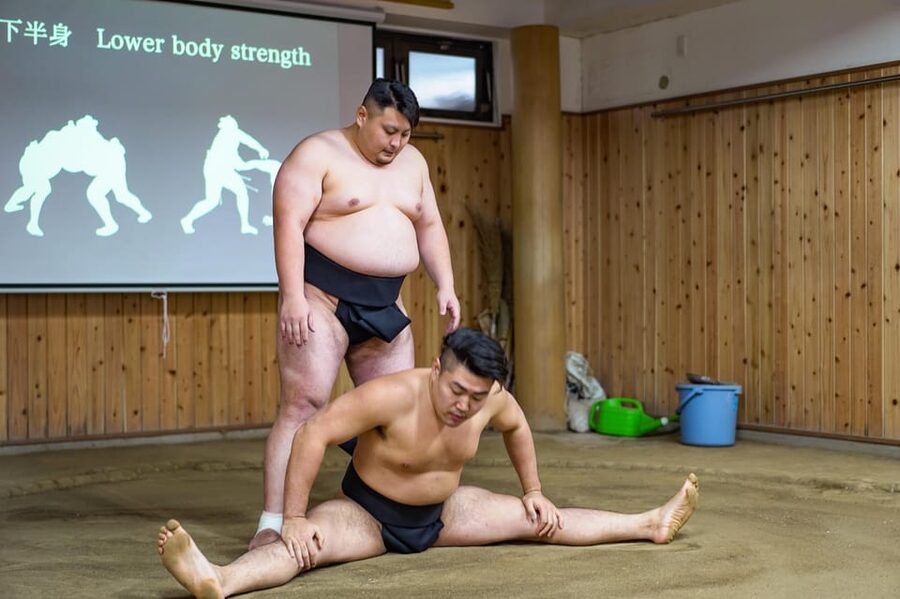
At $166 per person for about four hours, this tour isn’t “cheap,” but it is value-dense. You’re paying for access you rarely get on your own: a visit to a real stable, ringside morning practice observation, hands-on movement practice, explanations from an English guide, lunch with wrestlers, and the chance to participate in a bout if you want it.
A typical Tokyo day of classes and admission might give you one “experience.” This gives you multiple layers: education, training participation, and a shared meal. The lunch is not just included, it’s interactive through the dumpling making, and it happens in a space tied to stable routine.
Also, the group format keeps it realistic. You’re not trying to figure out how to find a stable, ask for access, or translate sumo terms on the fly. The guide handles the flow so you get meaningful time with the wrestlers and not just walking time.
Who should book this sumo stable lunch tour
This is a great fit if you:
- want a real stable experience (not a performance-only show)
- are curious about sumo culture, not just the sport
- like hands-on activities, even if you’re a beginner
- want lunch that turns into conversation, photos, and a shared table
It may not be the right fit if you:
- have mobility limitations, since some areas are not accessible by wheelchair or stroller
- have heart problems, a cold, pre-existing medical conditions, or high blood pressure (the tour explicitly notes these restrictions)
- need strict allergy-free guarantees, since allergy-free meals cannot be assured
One more practical note: the tour must start on time. If you’re late and miss the group, you can’t join or reschedule through the tour. So give yourself buffer time around Shin-Kawasaki and don’t rely on last-minute station navigation.
Should you book?
Yes, if you want sumo that feels like life, not spectacle. The strongest reasons to book are the ringside morning practice, the hands-on training time with wrestlers, and the chanko-nabe lunch where you also make chicken dumplings and eat together.
I’d skip it only if your biggest priority is comfort and low physical involvement. This experience is active and very close to the stable world. If that sounds exciting, you’ll likely leave with one of the most memorable cultural sports days Japan can offer.
FAQ
Where do we meet for the tour?
Meet just outside the ticket gate at Shin-Kawasaki Station, in front of Kiyoken (Shumai shop). There is only one gate.
How long is the experience?
It lasts about 4 hours.
Is lunch included?
Yes. Lunch with sumo wrestlers is included, including chanko-nabe and chicken dumplings that you help make.
Do I have to fight in the ring?
No. The chance to fight with a rikishi is optional, and you can participate only if you want.
What is included besides the stable visit and lunch?
The tour includes a guide, stable visit, lunch with sumo wrestlers, tour photos, and a T-shirt.
Is the tour guided in English?
Yes. The live guide speaks English.
What about dietary restrictions or allergies?
You should inform the provider at least one day before the tour with dietary requests or allergies. The tour also states they cannot guarantee allergy-free meals because food is prepared in kitchens that do not belong to MagicalTrip.
Can I request a vegetarian lunch?
The tour information says dietary requests should be provided in advance, and substitutions might not always be possible, but they will try to compensate at other stops. A vegetarian option has been mentioned when requested in advance.
Is the tour wheelchair or stroller friendly?
No. The itinerary includes some locations not accessible by wheelchair or stroller, and the tour is not recommended for people with mobility issues. A private tour is recommended instead.
What happens if I’m late to the meeting point?
The tour must start on time. If you miss the group due to being late, you cannot join, and the tour does not offer a refund or reschedule for that situation.
Newly listed around Yokohama
- Tokyo: Fast & Furious Authentic Drift and JDM Experience★ 4.9 · 21 reviews
- Tokyo Drift: Daikoku Parking Area JDM Car Culture Tour大黒★ 4.9 · 58 reviews
- R34 Skyline 改】Daikoku PA & Tokyo private Tour★ 5.0 · 24 reviews
- From Tokyo: Private Full day Yokohama Tour w/Hotel Pick up★ 4.4 · 6 reviews
- DaikokuPA:A private Daikoku tour in a customised R34!★ 5.0 · 9 reviews
- Daikoku & Tokyo Private JDM Tour by 700HP R34 GT-R★ 4.9 · 101 reviews
- Yokohama: Guided Cup Noodles Museum Tour & Make Your Own Cup★ 4.9 · 27 reviews
- ‘Feel Yokohama!’Private tour in English★ 4.4 · 8 reviews
Sumo Stable Visits, compared.
Sumo Show Experience with Chicken Hot Pot and a Photo
Read our review →
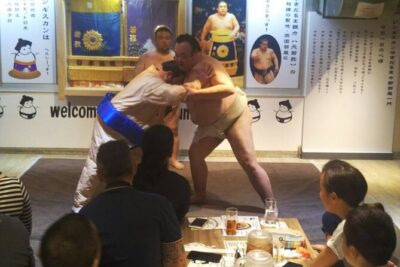
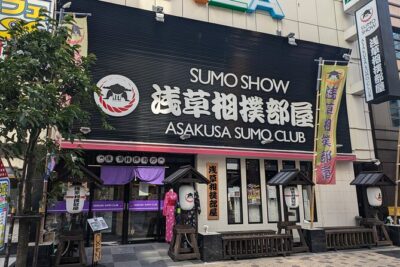
Tokyo Sumo Entertainment Show with Chicken Hot Pot and Photo
Read our review →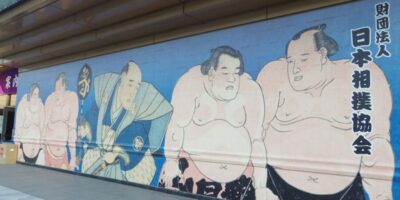
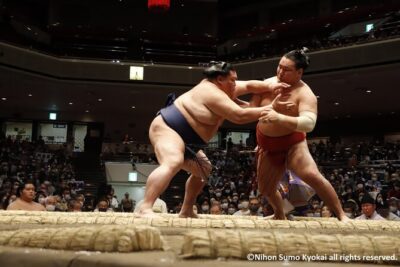
Tokyo Grand Sumo Tournament Viewing Tour with Tickets
Read our review →
Sumo Show & Experience w/ Optional Kimono & Hot Pot
Read our review →Browse the lists this tour appears in