
Review · COOKING CLASSES IN TOKYO
Basic Japanese Home Cooking with Fermented Foods(Teriyaki & Miso)
Fermented flavors can change how you taste Tokyo.
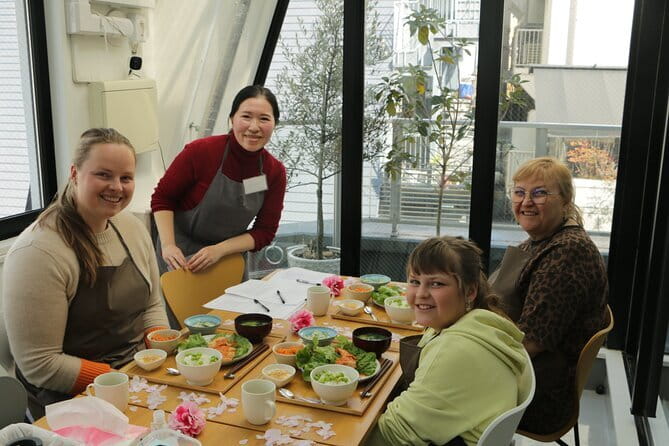
This small-group cooking class pairs practical Japanese home recipes with an instructor-led lecture on fermented foods, with a small-group setup that means you actually get feedback. The menu and recipes follow the season, so you should not count on the exact same dishes every time.
I like that it is planned for busy days, it runs about 2 hours, and the kitchen is in central Tokyo near stations. It is also straightforward to participate, with a vegan option available (deep fried tofu), as long as you request it when you book.
In This Review
- Key Takeaways Before You Go
- Why This Fermented-Ingredient Cooking Class Feels Like Real Tokyo Food
- Getting to the Kitchen: Akasaka-Mitsuke Start and Central Tokyo Convenience
- The 2-Hour Plan: Lecture, Small-Group Cooking, Then Your Meal
- Fermented Foods in Plain Terms: Miso, Mirin, Koji, and What You Can Reuse
- What You’ll Cook: Home-Style Recipes, Seasonal Menu, and Vegan Needs
- Included Extras That Actually Matter (Apron, Tea, and Your Take-Home Notes)
- Price and Value: Is $70.36 Worth It?
- Who Should Book This Class (and Who Might Skip It)
- Should You Book Coji Life Cooking’s Fermented Home-Cooking Class?
- FAQ
- Where is the meeting point for this cooking class?
- How long is the class?
- Is there a vegan option?
- What is the group size?
- Does mirin include alcohol, and is it safe for children?
- What happens if the weather is bad or you need to cancel?
Key Takeaways Before You Go
- Small group, more feedback, with a certified instructor guiding each step
- Fermented-food focus, centered on staples like miso and koji-based ingredients
- Central Tokyo location, roughly 10 minutes from Shibuya Station including a short walk
- Seasonal menu, so the exact dishes may shift depending on what is fresh
- Vegan lunch or dinner possible, using deep fried tofu, with the kitchen shared with the non-vegan setup
Why This Fermented-Ingredient Cooking Class Feels Like Real Tokyo Food
Japanese cooking often feels secretive when you only eat out. Here, the point is the opposite: learn the logic of home cooking, especially the role fermented ingredients play in flavor and daily meals. You get the story behind the ingredients and then you make food with your own hands, which makes the knowledge stick.
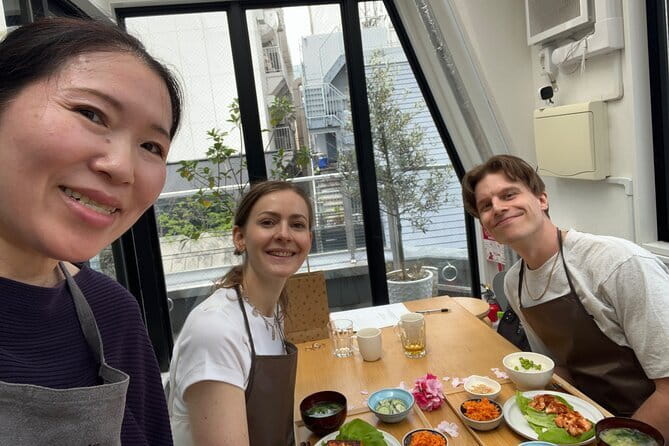
One of my favorite parts is that this is not a big show. With a maximum of 6 travelers, you can ask questions, get adjustments, and move at a comfortable pace. You also get a lecture handout, so you are not trying to remember every detail on a phone screen while hungry.
The other big win is the fermented-food theme itself. Expect an explanation of fermented seasonings and related ingredients like miso, mirin, and koji, plus how they support Japanese cooking habits. If you have ever wondered why miso tastes deeper than expected, or why koji appears in so many Japanese pantry conversations, you will understand the why, not just the what.
More Cooking Classes in Tokyo
- Ramen & Gyoza Cooking Class in Tokyo with Local Supermarket Visit
★ 5.0 · 823 reviews - Tokyo: Easy Ramen Cooking Experience in Kabukicho, Shinjuku
★ 4.6 · 321 reviews - Ramen and Sushi Cooking Class with Sake Pairing Set in Tokyo
★ 5.0 · 291 reviews
Getting to the Kitchen: Akasaka-Mitsuke Start and Central Tokyo Convenience
You meet at Akasaka-Mitsuke Station (3-chōme-1-6 Akasaka, Minato City). The good news is that this area is easy to reach by public transit, and the kitchen is located in the heart of Tokyo.
From Shibuya Station, the walk-and-ride time works out to about 10 minutes to the kitchen, including a short walk. That matters because Tokyo weather can be a mood killer, and this class is built to reduce time stuck outside.
If your day has lots of station hopping, plan to keep this as one of your lighter commitments. You do not need special gear beyond what they provide, and you do not need to factor in long travel time between activities.
The 2-Hour Plan: Lecture, Small-Group Cooking, Then Your Meal
This is a tight, efficient schedule, and it works for jet lag, too.
Step one is the fermentation lecture. You get an in-depth explanation in a small-group setting, covering fermented ingredients and their health benefits, plus the practical background that helps you cook with more confidence. The instructor also brings in details like history and the process behind the ingredients, so the lesson feels grounded.
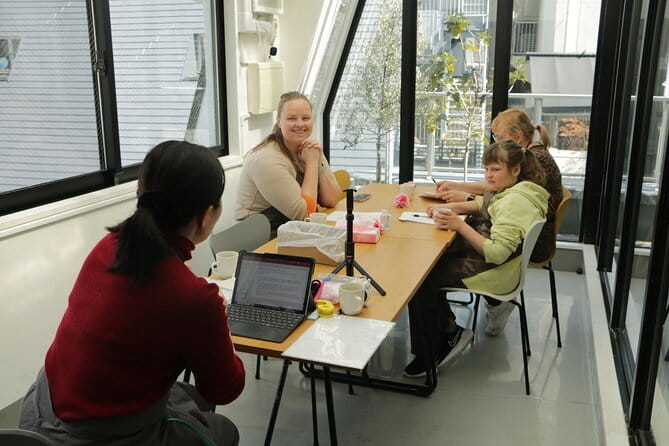
Step two is hands-on cooking. You follow easy recipes using traditional fermented ingredients, while the instructor circulates and gives feedback. In a small group, you are not stuck waiting your turn forever, and you can ask questions when something feels unclear.
Step three is eating your lunch or dinner. You sit down with what you made, plus coffee and/or Japanese tea. You also get the presentation material as a lecture handout, which makes it easier to repeat the recipes later at home.
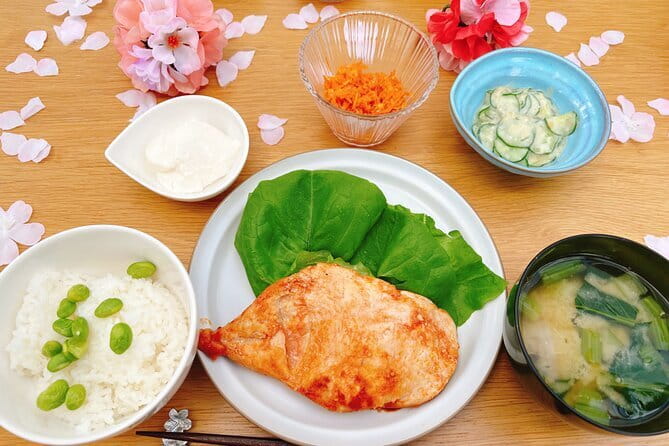
The menu changes depending on the season, so the exact dishes can vary. Think of this class as training your palate and your technique with fermented flavor, not as a promise of a fixed set of plates every day.
Fermented Foods in Plain Terms: Miso, Mirin, Koji, and What You Can Reuse
If fermented foods sound complicated, this class helps you translate them into everyday cooking tools. The instruction is built around traditional Japanese ingredients and how they behave in recipes.
You will learn about miso, a classic fermented seasoning, and about mirin as well. Mirin is used in Japanese cooking for sweetness and depth, and this class uses a small amount. One safety note matters here: mirin contains alcohol, but the alcohol is removed during cooking, so the dish is considered safe for children. However, tasting is not available for children, so if you are bringing a child, plan around that.
You also get insight into koji and fermented related ingredients. Even if you do not cook much at home now, this can be a turning point because koji connects to how fermentation works as a process, not just as a label on a jar.
The practical payoff is that you are not just learning one recipe. You are learning how to think about fermented flavor, so you can adjust future meals with miso, mirin-style sweetness, and koji-driven ingredients in ways that make sense.
A few more Tokyo days to weigh up
- Tokyo: Wagyu and 7 Japanese Dishes Cooking Class
★ 4.9 · 273 reviews - Tokyo Washoku 4-hour Cooking Class: From Market to Table
★ 5.0 · 253 reviews - Tokyo Cute Bento Cooking Class – Make a Kawaii Character Lunchbox
★ 5.0 · 126 reviews - Tokyo: Tsukiji Market Walking Tour & Sushi Cooking Class
★ 4.6 · 122 reviews
What You’ll Cook: Home-Style Recipes, Seasonal Menu, and Vegan Needs
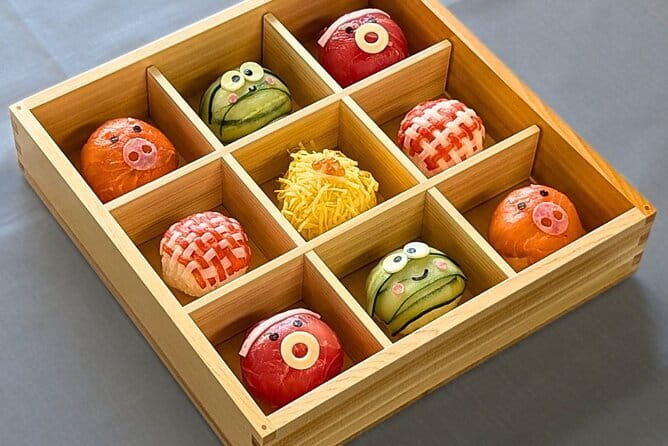
You will prepare a traditional Japanese meal under instructor guidance, with lunch or dinner included. The recipes are designed to be easy, and the class pace is meant for visitors who may not have cooked Japanese food before.
Because the menu is seasonal, you should expect variety by date. That is not a downside so much as the whole point: the class reflects how Japanese home cooking changes with what is available.
For vegan requests, there is an option. The class can use deep fried tofu as the substitute, but there is an important detail: you will share the kitchen with the non-vegan version. If you need strict separation, this is something to clarify when you apply.
For families, the class is best for ages 7 and above. The cooking concept is technique focused, and younger children may find it difficult to follow the pace and content.
Included Extras That Actually Matter (Apron, Tea, and Your Take-Home Notes)
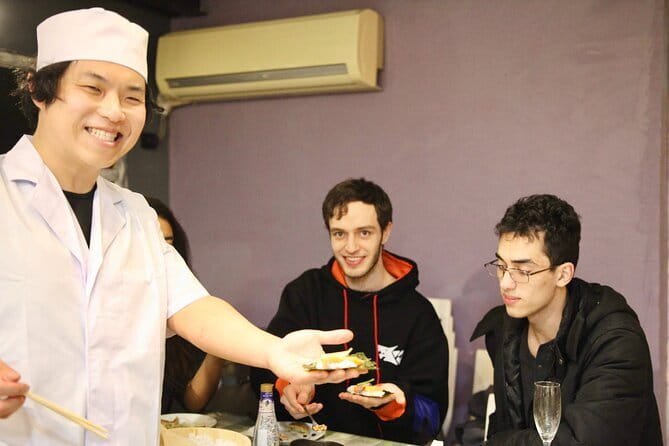
This class does not just hand you a seat. It includes real comfort and real learning support:
- Rental apron, so you can cook without worrying about clothes
- Coffee and/or Japanese tea, paired with your meal
- Green tea or other Japanese tea, depending on what is served
- Lecture handout, which helps you recreate flavors and steps later
That handout piece is more valuable than it sounds. Tokyo is great for food, but it is also easy to forget what you ate and how it was made. Having the lecture material means you can re-run the recipes at home with less guessing.
Also, if you love the fermentation theme, there is a special promotion: another class called Fermented Food Dessert Class at 2:00 pm. If you join both classes on the same day, you get a special gift, rice koji amazake, the ingredient used in the dessert class.
If you are thinking about packing your schedule, treat that as an easy add-on when your energy is high. Two classes in a day is doable for food lovers, but it is still a commitment.
Price and Value: Is $70.36 Worth It?
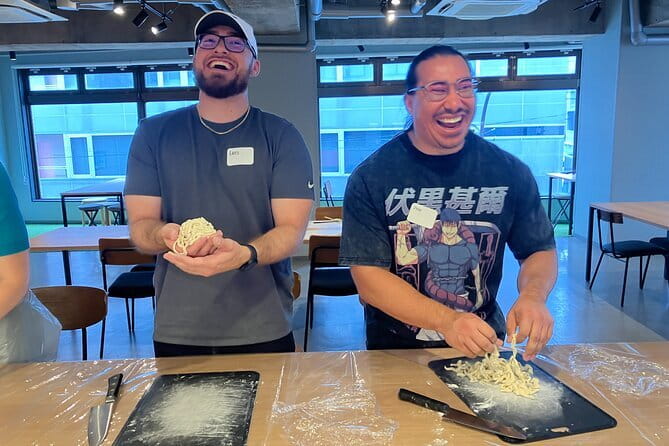
At $70.36 per person for a roughly 2-hour small-group experience, you are paying for two things that are hard to get from a typical meal out: instruction and fermented-food context.
A regular restaurant meal in central Tokyo can cost a similar amount, but you would not leave with a clear method for using miso, mirin, or koji at home. Here, you learn the why behind the ingredients and you cook the dish yourself, then get to eat it. That combination is where the value lives.
You also get a small-group format, maximum 6, which usually improves the quality of the class. If you like hands-on food experiences and want direct answers, this tends to feel worth the price quickly.
One more planning detail: this class is commonly booked about 14 days in advance on average. If you are traveling in peak season or have a tight schedule around Shibuya and Akasaka-Mitsuke, book early so you do not have to settle for a time that does not fit.
Who Should Book This Class (and Who Might Skip It)
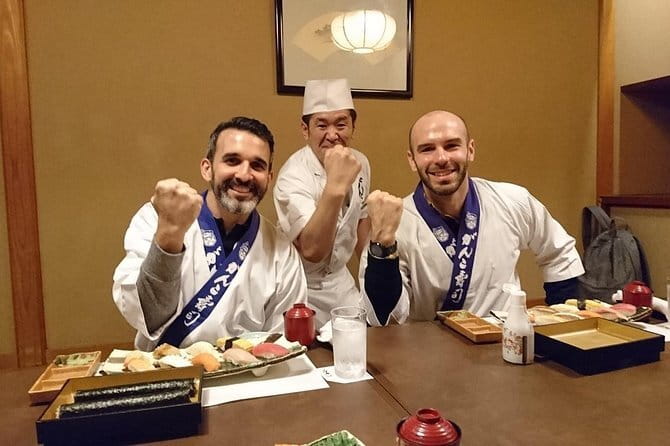
This fits best if you want more than a one-off meal. Book it if you:
- want to understand how fermented ingredients work in Japanese home cooking
- like short, efficient experiences that still feel hands-on
- want a class with feedback, not a lecture you cannot ask questions in
It might not be your top pick if you only want to eat and do not care about techniques or ingredients. Also, because the menu changes seasonally, if you have a very specific dish you are chasing, you may need to accept some flexibility.
If you are vegan, it is workable with deep fried tofu, but remember the kitchen is shared with the non-vegan version. If that detail is a deal breaker for you, ask questions before you book.
Should You Book Coji Life Cooking’s Fermented Home-Cooking Class?
I would book it if your goal is to leave Tokyo with something you can actually cook again. The class design is simple, meal plus technique, and the fermented-food focus gives it a clear identity beyond typical cooking classes.
The two biggest reasons to say yes are the small-group feedback and the fermented-food lecture paired directly with cooking. You will eat well, learn how to use miso, mirin, and koji in your own kitchen, and walk away with notes instead of just a memory.
If you are mainly seeking a flexible snack break, you might find it a bit too structured. But if you want a solid food lesson in central Tokyo, this is a great use of a couple hours.
FAQ
Where is the meeting point for this cooking class?
The start point is Akasaka-Mitsuke Station (3-chōme-1-6 Akasaka, Minato City, Tokyo 107-0052, Japan). The activity ends back at the meeting point.
How long is the class?
The experience runs for about 2 hours.
Is there a vegan option?
Yes. Vegan lunch or dinner options are available upon request, using deep fried tofu. The kitchen is shared with the non-vegan version, so you should request the vegan option when you apply.
What is the group size?
The class has a maximum size of 6 travelers, with instructor guidance in a small-group setting.
Does mirin include alcohol, and is it safe for children?
The class uses a small amount of mirin that contains alcohol, but the alcohol is removed during cooking. The dishes are considered safe for children, but tasting is not available for children.
What happens if the weather is bad or you need to cancel?
Free cancellation is allowed up to 24 hours in advance. If the experience is canceled due to poor weather, you will be offered a different date or a full refund.
Newly listed around Tokyo
- Private Tokyo Tour with Licensed Guide & Vehicle (Max 15 persons)★ 5.0 · 107 reviews
- Private Tokyo Food Tour – A Journey Through Time Through Food★ 5.0 · 36 reviews
- Private Tokyo Custom Full-Day Tour by Chartered Vehicle★ 5.0 · 16 reviews
- Private Tokyo Custom Half-Day Tour by Chartered Vehicle★ 4.5 · 13 reviews
- Private Outstanding Nikko Tour with English Speaking Driver★ 4.0 · 11 reviews
- Private Sightseeing to Mt Fuji and Hakone with English Driver★ 5.0 · 51 reviews
- Private Snow Monkeys park Day Trip From Tokyo or Nagano★ 4.5 · 26 reviews
- 4 Day Tour – Mount. Fuji, Tokyo, Hakone, Kamakura and Yokohama★ 5.0 · 19 reviews
Cooking Classes in Tokyo, compared.
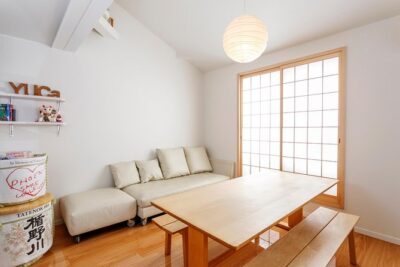
Ramen & Gyoza Cooking Class in Tokyo with Local Supermarket Visit
Read our review →
Easy Ramen Cooking Experience in Kabukicho, Shinjuku
Read our review →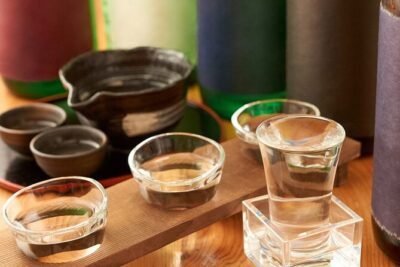
Ramen and Sushi Cooking Class with Sake Pairing Set in Tokyo
Read our review →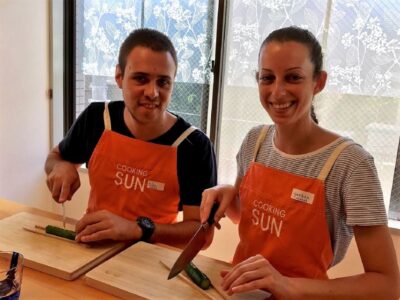
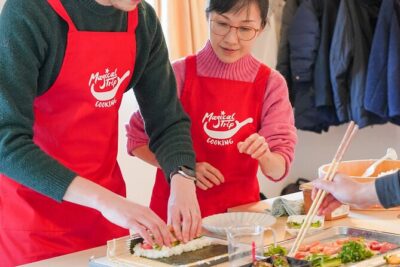
Tokyo Washoku 4-hour Cooking Class: From Market to Table
Read our review →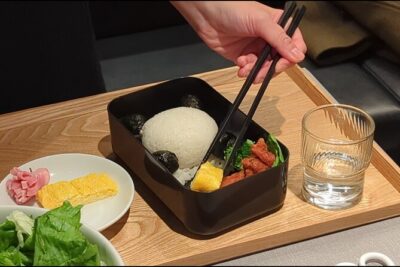
Tokyo Cute Bento Cooking Class – Make a Kawaii Character Lunchbox
Read our review →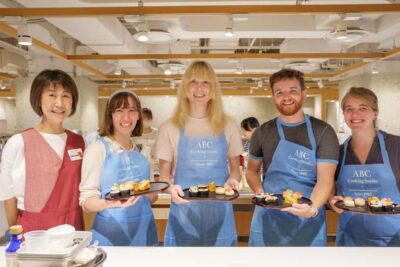
Tsukiji Market Walking Tour & Sushi Cooking Class
Read our review →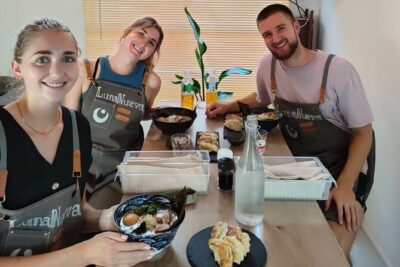
Ramen & Dumpling Cooking in Tokyo with Chef/Vegan possible
Read our review →Browse the lists this tour appears in